



Town & Country Jeep Chrysler Dodge Ram

Blog / Chrysler

Blog

All Chrysler Dodge Jeep RAM Dealership Jeep Wrangler RAM Truck
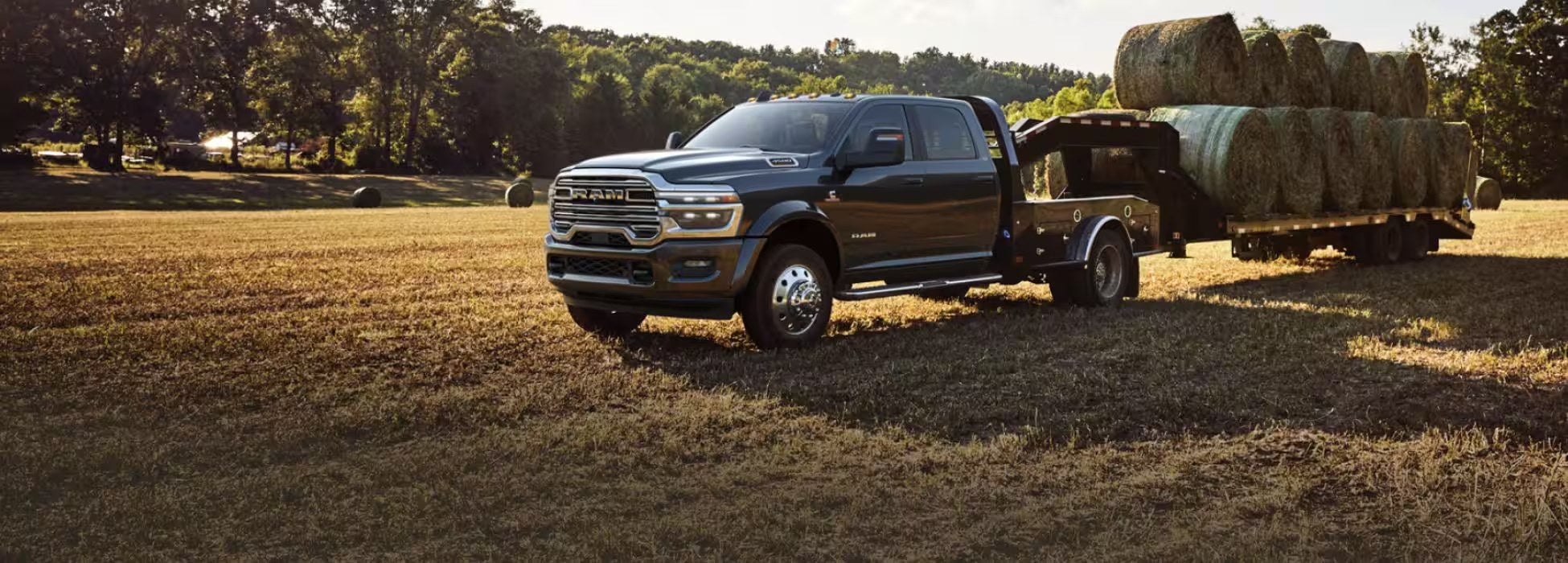
Myth vs Fact: Does 4WD Really Mean You Can Tow Anything in Winter Weather?

Myth vs Fact: Does 4WD Really Mean You Can Tow Anything in Winter Weather?

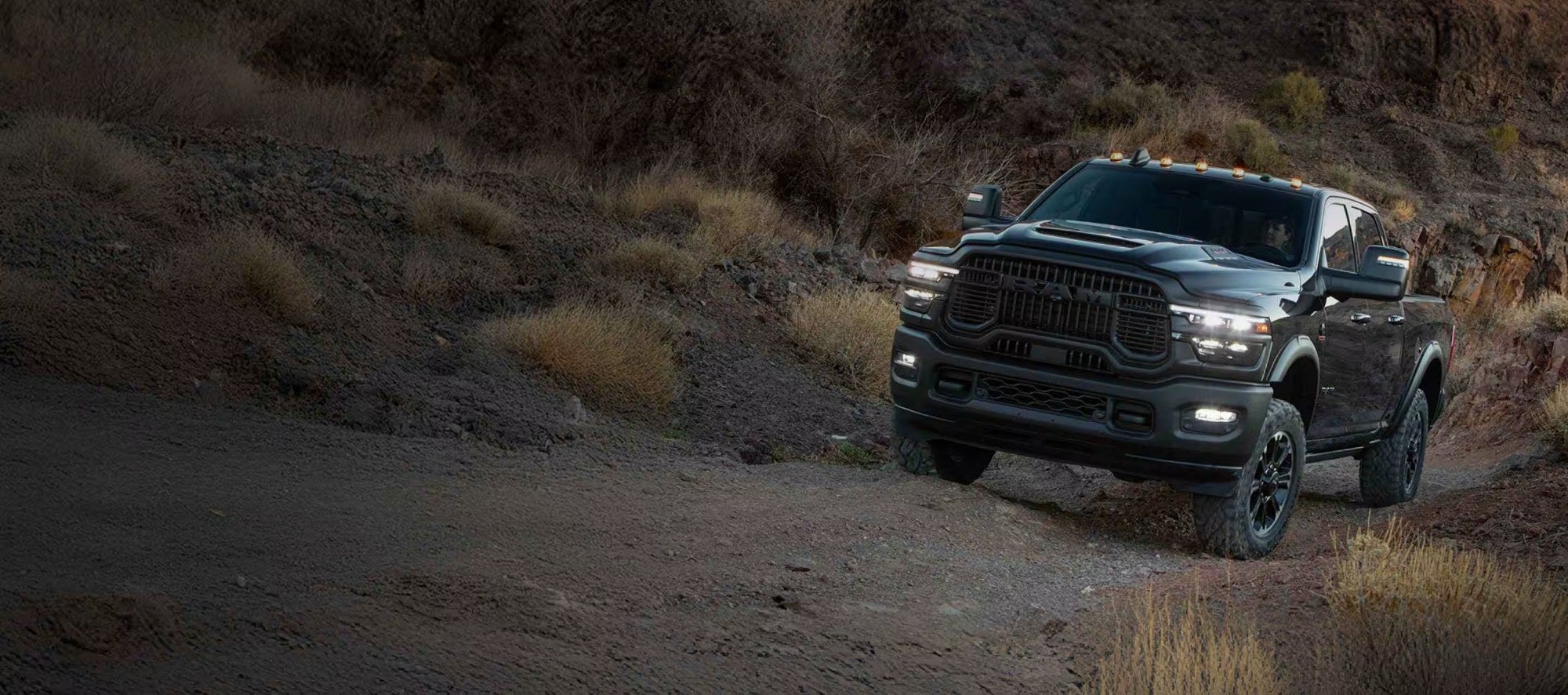
THE SHORT ANSWER No. Four-wheel drive helps your truck find traction and get a trailer moving on snow or ice, but it does nothing to shorten stopping distances or keep that trailer from swaying. Winter towing still calls for lower speeds, much more following distance and a careful cold-weather check before you hook up. Does four-wheel drive mean your truck can pull a trailer through anything winter throws at Long Island? It's one of the most common questions truck owners bring to Town & Country Jeep Chrysler Dodge Ram in Levittown once the first cold snap hits. The honest answer is no, and knowing why can keep you, your rig and the people around you safe all season. IN THIS POST Myth: 4WD Gets You Through Anything (What It Actually Changes) Myth: More Traction Means More Control (What It Doesn't Change) Myth: A Heavy Truck Stops Fine on Its Own (Braking With a Trailer) Myth: The Speed Limit Is a Safe Speed (Winter Towing Speeds) Myth: A Quick Walk-Around Is Enough (Pre-Trip Checks for Cold-Weather Towing) Myth: You Can Sort It Out Once It Snows (What to Do Next) Key takeaways Myth: 4WD Gets You Through Anything (What It Actually Changes) Fact: four-wheel drive is about getting power to the ground. When you shift into 4WD, the transfer case sends engine torque to the front axle as well as the rear, so all four tires share the job of pushing. On a snowy boat ramp, an unplowed driveway or a slushy on-ramp to the Long Island Expressway, that's a real advantage. A rear-drive truck with a loaded trailer can spin its back tires and go nowhere. With 4WD engaged, you have a far better chance of rolling forward smoothly and holding your momentum up an icy grade, where the trailer's weight is working against you. Using it the right way Many heavy-duty trucks, the Ram 2500 among them, offer a part-time system with high and low ranges. A few habits make it work for you: Use 4HI on snow, slush or ice at normal road speeds. Save 4LO for crawling, like pulling a boat up a slick ramp or backing a trailer out of deep snow. Shift back to 2WD on dry, clear pavement, since part-time systems can bind and wear when the tires can't slip. Your owner's manual spells out the exact shifting procedure for your truck, including when you need to be stopped or rolling slowly. Myth: More Traction Means More Control (What It Doesn't Change) Fact: grip to accelerate is not the same as grip to turn or stop. Your tires have only so much hold on a slick road, and 4WD doesn't create more of it. It simply spreads the engine's push across more tires. Once you lift off the gas and need to steer or slow down, a 4WD truck has the same rubber on the same ice as a 2WD one. That's where false confidence creeps in. Because the truck pulls away so easily, it feels planted, and drivers carry more speed than the road can support. Trouble usually shows up in a curve or a lane change, when it's too late to fix. Trailer sway is its own problem A trailer that starts to wag behind you is reacting to speed, crosswinds, passing trucks and how its load is placed. Four-wheel drive has no influence on any of that. What helps: Loading so a healthy share of the weight sits ahead of the trailer axle, never behind it. A weight-distributing hitch with sway control for larger trailers. Easing off the throttle and steering smoothly if sway starts, then using the brake controller's manual lever to apply the trailer brakes alone and pull it back in line. The Ram 2500 adds electronic trailer-sway control, which is a smart backup. Good loading and sensible speed still do most of the work. Myth: A Heavy Truck Stops Fine on Its Own (Braking With a Trailer) Fact: your brakes were never part of the 4WD system. Any vehicle on the road brakes with all four wheels, so engaging four-wheel drive adds nothing when you press the pedal. Hook up a loaded trailer and the total weight you're trying to stop climbs sharply, while the grip available on ice stays exactly where it was. Here's the physics in plain terms: more mass needs more distance to stop, and less grip needs more distance still. Put both together on a freezing night on Sunrise Highway and your stopping distance can stretch well beyond anything you're used to. Making the brakes you have work better Set your brake controller gain for the conditions. A setting that feels right on dry pavement can lock the trailer wheels on ice. Test it at low speed in an empty lot before you head out. Use tow/haul mode so the transmission holds lower gears and helps slow the rig on downgrades. If your diesel has an exhaust brake, consider switching it off on icy roads, since sudden engine braking through the rear wheels can start a skid. Brake early and gently, and keep the wheels straight whenever you can. Think of the trailer brakes as doing their fair share. When they're adjusted well, the rig stops as one unit instead of the trailer shoving the truck. Myth: The Speed Limit Is a Safe Speed (Winter Towing Speeds) Fact: posted limits assume good weather and a vehicle without a trailer. New York's basic speed rule asks you to drive no faster than is reasonable and prudent for conditions, whatever the sign says. With a trailer behind you on a slick road, that usually means well under the limit. Experienced towers live by a few simple rules: Leave at least double the following distance you'd use on a dry day, and more on ice. Keep cruise control off on wet, snowy or icy pavement so you control every change in speed. Check your trailer tires' speed rating, since many trailer tires are rated below the highway speeds your truck could reach on its own. Stay in the right lane and let faster traffic go by. Plan the route, not just the pace On Long Island, the parkways are off-limits to trailers, so your route will lean on the LIE, Sunrise Highway and local roads. Bridges and overpasses freeze before the pavement around them, and wind across open stretches near the shore can push a tall, boxy trailer around. If conditions are getting worse rather than better, the smartest move is often to wait a few hours. Plowed, salted roads are a very different drive from the first hour of a storm. Myth: A Quick Walk-Around Is Enough (Pre-Trip Checks for Cold-Weather Towing) Fact: cold weather changes things you checked back in July. Tire pressure drops as temperatures fall, grease stiffens, and road salt eats at wiring and connectors. A few extra minutes before you hook up pays off. On the truck Tire pressure set cold to the door-placard figure for towing, with tread that still has real bite. Washer fluid rated for freezing temperatures and wipers that clear cleanly. Mirrors adjusted so you can see the trailer's full length on both sides. On the trailer Lights and turn signals tested with someone watching, because salt corrodes plugs and pins fast. Breakaway cable attached to the truck and the breakaway battery charged. Safety chains crossed under the tongue, hitch pin and clip in place, coupler fully latched. Trailer tires and brakes inspected, and snow and ice cleared off the roof so they don't fly off at the car behind you. Rinse the hitch, connector and trailer underside after salty trips, and let the plug dry before you store it. If something looks worn or a light keeps flickering, you can book service and have it sorted before your next haul. Myth: You Can Sort It Out Once It Snows (What to Do Next) Fact: the best time to prepare is before the first storm. Shops fill up once the snow starts, so get a cold-weather inspection on the calendar early. Ask for a look at brakes, tires, battery and cooling system, along with the transfer case and front axle, which may have sat unused since last winter. Practice matters just as much. Hook up in an empty lot on the first slushy morning, test the brake controller, and get a feel for how the rig stops and turns before you need it on a crowded road. Ten minutes of low-speed practice teaches more than any article can. Thinking about a new truck? If your current truck is due for replacement, drive a new Ram 2500 with your own towing in mind. Bring a list of what you pull and where you take it, and book a test drive so you can try the 4WD controls, trailering cameras and tow/haul settings for yourself. Town & Country Jeep Chrysler Dodge Ram serves Nassau, Suffolk and Queens. Our online trade-value tools and payment calculators let you see where you stand before you visit, so your time at the store goes into the truck itself. Where 3156 Hempstead Tpke Levittown, NY Call (516) 271-3278 KEY TAKEAWAYS 4WD on your Ram 2500 helps you get moving and keep pulling, but it doesn't help you stop or steer a sliding trailer. Slow down and leave at least double your usual following distance whenever you tow on slick roads. A pre-trip check of tires, trailer brakes, lights and hitch matters more in winter than which wheels are driven. FAQ Common questions Should I leave 4WD engaged on the highway when towing in snow? Use 4HI when the road is covered in snow, slush or ice, and shift your Ram 2500 back to 2WD once the pavement is clear and dry. Part-time systems can bind on dry roads. Keep your speed down either way, because 4WD won't help you stop. Is all-wheel drive just as good as 4WD for winter towing? Neither one shortens stopping distances. For heavier trailers, a heavy-duty truck like the Ram 2500 gives you a true low range for slow, controlled pulling on slick ramps and driveways, which is a big help when you're moving serious weight in snow. How should I set my brake controller for icy roads? Start lower than your dry-road setting and test at low speed in an empty lot. You want the trailer to brake firmly without locking its wheels. Many Ram 2500 trucks offer an integrated trailer brake controller, which makes adjusting it on the go simple. Do I need special tires to tow in winter? Tires matter more than the drive system. Make sure your truck's tires have deep tread rated for snow, set them cold to the towing pressure on the door placard, and check the trailer's tires for wear, cracking and the right pressure too. Can I take my trailer on the Southern State or Northern State Parkway? No. Trailers aren't allowed on Long Island's parkways, so plan routes around the LIE, Sunrise Highway and local roads. If you're towing out of Levittown often, a Ram 2500 set up for trailering makes those routes easier to manage in any season. Want to see it in person? Come by for a test drive, or browse what is on the lot right now. View New Specials Browse new inventory Or call (516) 271-3278 · 3156 Hempstead Tpke, Levittown Or keep browsing Financing Value your trade Book service Contact us Used cars Certified pre-owned
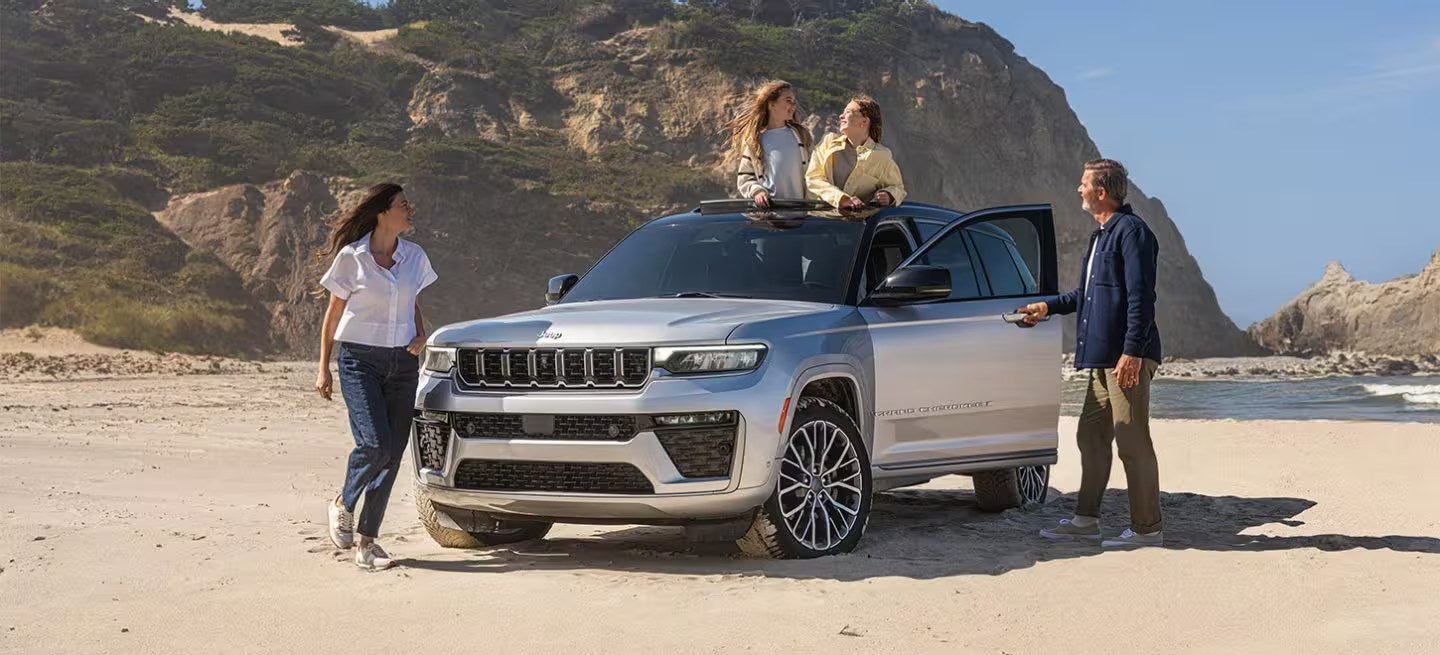
Jeep Grand Cherokee vs Kia Telluride for Your Levittown Family

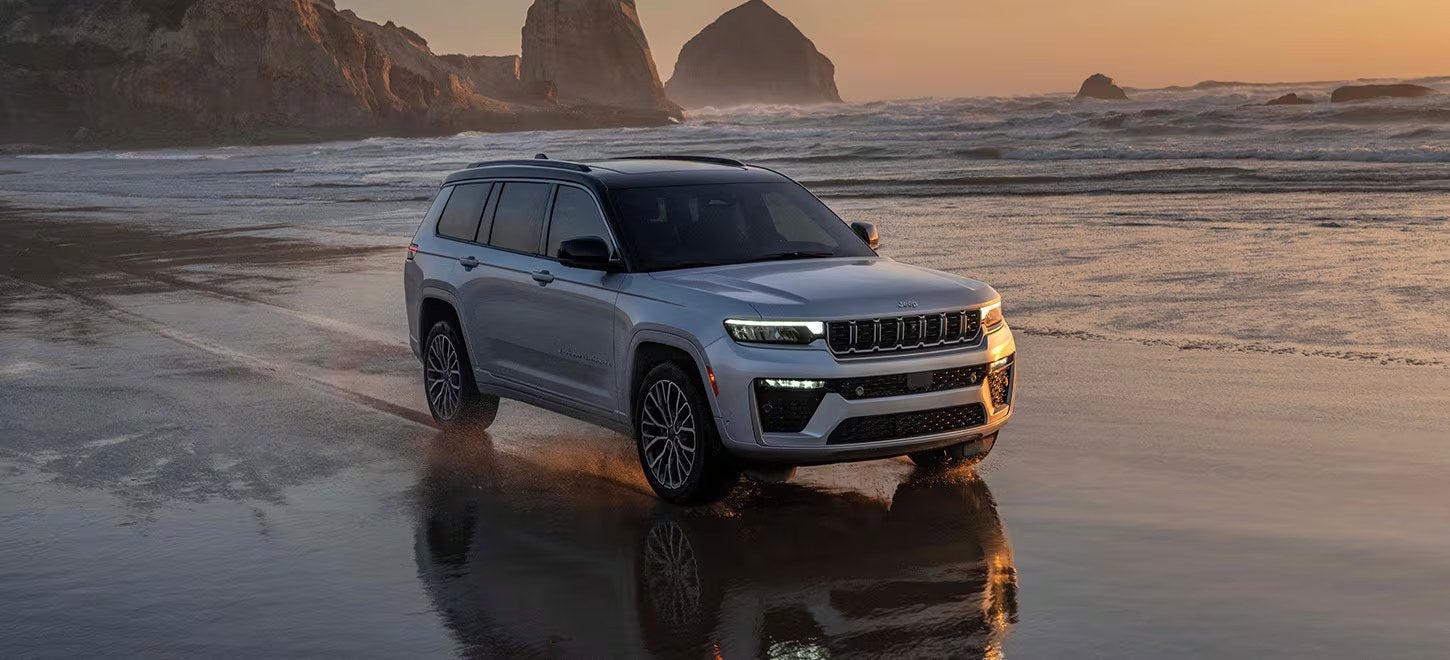
Jeep Grand Cherokee vs Kia Telluride for Your Levittown Family

THE SHORT ANSWER For most Levittown families, the Jeep Grand Cherokee is the more flexible choice. It offers genuine 4x4 systems, a plug-in 4xe hybrid and a more upscale cabin, and the three-row Grand Cherokee L covers the seating the Telluride is known for. If your week mixes parkway commutes with beach runs, ski trips and the occasional snowstorm, that drivetrain range is the difference you'll feel. If you're shopping for a family SUV around Levittown, the Jeep Grand Cherokee and Kia Telluride have probably both landed on your short list. At Town & Country Jeep Chrysler Dodge Ram in Levittown, we keep the Grand Cherokee on our lot in both gas and 4xe plug-in hybrid form, so we can walk you through this comparison with the real vehicles in front of you. Below, we take the two point by point, in the same order for each, and finish with which one fits which kind of family. IN THIS POST Grand Cherokee vs Telluride: Start With Your Seats Grand Cherokee vs Telluride: Interior Space and Third Row Grand Cherokee vs Telluride: 4x4, 4xe and AWD Grand Cherokee vs Telluride: Cabin Feel and Comfort Grand Cherokee vs Telluride: Technology and Driver Assistance Grand Cherokee vs Telluride: Lease and Ownership Costs Grand Cherokee vs Telluride: Which Fits Levittown Driving Your Next Step: Drive the Grand Cherokee Yourself Key takeaways Grand Cherokee vs Telluride: Start With Your Seats Here's the most useful tip we can give you before you compare a single feature: count how often you actually fill a third row. Think back over the last month. If more than five people rode along only once or twice, a two-row SUV with a roomy back seat and a big cargo area will probably serve you better day to day than a three-row that carries an empty bench around. That one honest answer shapes everything else. It tells you whether you're really weighing the Telluride against the two-row Grand Cherokee, the three-row Grand Cherokee L, or both. Our second tip is to bring your real gear to the test drive. Install your car seats, fold the stroller into the back, and have your tallest teenager sit behind the driver. A few minutes in the parking lot will tell you more than any brochure. What we'll compare, in order Interior space and third-row use 4x4 and 4xe capability versus AWD Cabin feel and comfort Technology and driver assistance Lease and ownership costs Which one fits Levittown driving Grand Cherokee vs Telluride: Interior Space and Third Row Jeep Grand Cherokee You can get the Grand Cherokee two ways. The standard two-row model gives five people generous room and puts the space a third row would take into the cargo area. That's handy for hockey bags, beach chairs and warehouse-club runs. Families who need seven seats regularly can step up to the Grand Cherokee L. Its longer body adds a usable third row and keeps the same upscale cabin and 4x4 hardware. Available second-row captain's chairs open a walkway to the back, so kids can climb in without anyone folding a seat. You can compare both versions side by side in our new Grand Cherokee inventory. Kia Telluride Three rows come on every Telluride, and the space back there is roomy. That's the vehicle's calling card. Where the Grand Cherokee answers is choice. You don't have to pay for a third row you rarely use, and when you do need one, the L delivers it with genuine Jeep 4x4 capability underneath. For a family that hauls seven only on holidays, the two-row Grand Cherokee's bigger everyday cargo area is often the more useful layout. Grand Cherokee vs Telluride: 4x4, 4xe and AWD Jeep Grand Cherokee This is where the two SUVs differ most. The Grand Cherokee offers genuine 4x4 systems, starting with Quadra-Trac I. Quadra-Trac II and Quadra-Drive II add a two-speed transfer case with low range for steep, slippery or sandy ground. Selec-Terrain modes adjust traction for snow, sand and mud, and available Quadra-Lift air suspension can raise the body for rough spots or lower it for easier loading. Then there's the Grand Cherokee 4xe, a plug-in hybrid that pairs a gas engine with electric motors and a battery you charge at home. Short errands around town can run on electricity alone. On longer drives the gas engine takes over, so a trip out to Montauk never turns into a hunt for a charger. The 4xe is still a full 4x4, including the trail-focused Trailhawk version. Kia Telluride Kia offers the Telluride with all-wheel drive that includes a center lock mode, and its X-Pro trims add a bit more ground clearance and all-terrain tires. That setup handles a snowy morning well. The Grand Cherokee answers with low-range gearing, available air suspension and a plug-in hybrid option, which covers far more of what a Long Island family might ask an SUV to do. Grand Cherokee vs Telluride: Cabin Feel and Comfort Jeep Grand Cherokee You notice the materials first when you climb into a Grand Cherokee. Depending on trim, you'll find real open-pore wood, stitched leather across the dash and quilted Nappa leather seats. Upper trims add available McIntosh audio, and Summit Reserve models offer front seats with a massage function. The cabin is built to stand next to luxury-brand SUVs, and on the road it stays quiet and composed at parkway speeds. With the available air suspension, broken pavement and expansion joints come through as soft thumps rather than jolts. That's welcome on the stretches of the Long Island Expressway that see heavy truck traffic. Kia Telluride Kia gave the Telluride a handsome, well-organized interior, and upper trims bring comfort features such as ventilated front seats. It's a pleasant family cabin. The Grand Cherokee's answer is a step up in feel. Its richer materials, premium audio options and the hushed ride that comes with air suspension make the Jeep feel closer to a luxury SUV, and that's a big part of why our customers choose it over other midsize family haulers. Grand Cherokee vs Telluride: Technology and Driver Assistance Jeep Grand Cherokee Uconnect 5 runs the Grand Cherokee's touchscreen, with wireless Apple CarPlay and Android Auto, fast response and over-the-air updates. Available extras include a digital gauge cluster, a head-up display and an available front passenger screen, so whoever rides shotgun can handle navigation or music without reaching across to your display. Safety tech goes deep. Forward collision warning with automatic braking, blind-spot monitoring, rear cross-path detection and adaptive cruise with stop-and-go come standard. Night vision with pedestrian and animal detection is available, which helps on dark back roads on the East End where deer cross without warning. You'll rarely find that feature in this class. Kia Telluride The Telluride offers a wide dual-screen display and Kia's Highway Driving Assist, which helps with steering and speed on the highway. Those are strong features for a family SUV. The Grand Cherokee matches that highway-assist experience with its own Active Driving Assist on equipped trims. Beyond that, its passenger screen, head-up display and night vision give you tools aimed at the way families actually ride together and the roads they actually drive. Grand Cherokee vs Telluride: Lease and Ownership Costs Jeep Grand Cherokee Your monthly cost will depend on trim, term, mileage allowance and whatever programs are running that month. That's why the smartest move is to compare like-for-like quotes. Several things work in the Grand Cherokee's favor: The 4xe can cover short daily trips on electricity when you charge at home, which means fewer stops at the pump for commuters. The two-row model lets you skip paying for a third row you don't need. New, used and Certified Pre-Owned Grand Cherokees give you more than one price point to work with. Town & Country is a full-service Chrysler, Dodge, Jeep and Ram dealership, so maintenance happens right here in Levittown. Our payment calculators and shopping tools let you test different terms at home, and you can explore your financing options before you visit. Approval and rates depend on your credit and the lender. Kia Telluride When you get a Telluride quote, set it next to a Grand Cherokee quote with the same term, mileage allowance and drive system. Put AWD against 4x4, not against a two-wheel-drive model. Once you're comparing equal things, the Jeep's extra capability and upscale cabin show up as real value for the money. Grand Cherokee vs Telluride: Which Fits Levittown Driving Think about a typical week here. You might crawl along Hempstead Turnpike, merge onto the Wantagh or Southern State, run out to Jones Beach on a summer evening, and point the car toward the North Fork, Montauk or an upstate ski area on the weekend. Then a nor'easter drops slush on everything. Both SUVs can handle the family-hauling part of that. The Grand Cherokee handles that and the rest, with a version matched to how you drive. Which Grand Cherokee fits whom Parkway commuters with a garage or driveway: the Grand Cherokee 4xe, which can run your daily round trip on electricity and keep the gas engine for weekends away. Families who fill seven seats often: the Grand Cherokee L, with a usable third row and available captain's chairs. Beach-permit, trail and ski-trip families: a Trailhawk, or a model with Quadra-Drive II and low range for sand and snow. Some outer-beach permits on Long Island require four-wheel drive, so check the rules before you go. Drivers who want a luxury feel: an Overland or Summit, with the quieter ride and richer cabin. Whichever way your week runs, the Grand Cherokee family has an answer for it. Your Next Step: Drive the Grand Cherokee Yourself Reading a comparison gets you halfway there. The other half is seat time, and the Grand Cherokee makes its case best from behind the wheel. When you book a test drive, ask to try the gas and 4xe models back to back so you can feel the difference between them. Plan a route that copies your real week: a parkway on-ramp to test merging, some stop-and-go on Hempstead Turnpike, and a tight parking lot to check visibility and turning. If seven seats matter to you, sit in all three rows of the Grand Cherokee L and climb into the back yourself. What to bring Your car seats and the stroller or sports gear you carry most The people who ride with you every day Any Telluride quote or notes you already have, so we can compare honestly Your current vehicle, if you'd like a trade-in value while you're here Our team at Town & Country Jeep Chrysler Dodge Ram will show you how 4x4, the 4xe and the L fit your life, and you'll leave knowing which Grand Cherokee suits your family. Where 3156 Hempstead Tpke Levittown, NY Call (516) 271-3278 KEY TAKEAWAYS Count how often you really fill a third row: the two-row Grand Cherokee or the three-row Grand Cherokee L lets you buy only the seats you use. Genuine 4x4 with available low range, plus the plug-in 4xe hybrid, gives the Grand Cherokee more range of ability than an all-wheel-drive-only SUV. Drive the gas and 4xe Grand Cherokee back to back on roads you know, such as a parkway merge and Hempstead Turnpike traffic, before you decide. FAQ Common questions Does the Jeep Grand Cherokee come with a third row like the Telluride? Yes. The Grand Cherokee L adds a usable third row and offers available second-row captain's chairs, along with the same upscale cabin and 4x4 systems as the two-row model. If you rarely need seven seats, the two-row Grand Cherokee gives you more everyday cargo room instead. Can I get the Grand Cherokee 4xe with three rows? The 4xe plug-in hybrid is built on the two-row Grand Cherokee. If you want electric driving for daily trips, the 4xe is the one to drive. If seven seats come first, the Grand Cherokee L pairs a third row with Jeep 4x4 capability, so both needs have a Grand Cherokee answer. Do I need a special charger at home for the Grand Cherokee 4xe? You can charge the 4xe from a standard household outlet, though it takes longer. A Level 2 home charger speeds things up a lot. Many Levittown owners plug in overnight in the driveway or garage and start most days with a charged battery for local driving. Is real 4x4 worth it on Long Island, or is AWD enough? AWD gets most drivers through a snowy commute. The Grand Cherokee's 4x4 systems with available low range go further on sandy beach access, deep snow on the way to the slopes, and rough trails. Pair that with the available air suspension and the Jeep is ready for more of what a Long Island year brings. Can I finance or lease a Grand Cherokee through Town & Country? Yes. We offer financing and lease options on new Grand Cherokees and have used and Certified Pre-Owned models too. Approval and terms depend on your credit and the lender, and our payment calculators let you test different terms before you come in. Want to see it in person? Come by for a test drive, or browse what is on the lot right now. Schedule a test drive Browse new inventory Or call (516) 271-3278 · 3156 Hempstead Tpke, Levittown Or keep browsing Current offers Financing Value your trade Book service Contact us Used cars

Driving the Wantagh Parkway in Your Jeep Grand Cherokee: A Local Guide for Levittown Commuters

Driving the Wantagh Parkway in Your Jeep Grand Cherokee: A Local Guide for Levittown Commuters

THE SHORT ANSWER The Wantagh Parkway's curves, short merges and seasonal traffic are much easier to handle in a Grand Cherokee once you know where the pinch points are and how to lean on your driver-assist features. Leave a little early, merge with confidence, give adaptive cruise a generous following gap, and get the car ready for fall before the leaves come down. Here's the one tip I give every Levittown driver who asks about the Wantagh Parkway: treat the on-ramp like a runway, not a waiting room. A lot of those entrances have short acceleration lanes, so bring your Grand Cherokee up to the speed of traffic before you merge instead of creeping in and hoping someone lets you over. We see plenty of parkway commuters at Town & Country Jeep Chrysler Dodge Ram in Levittown, and what follows is the rest of what they've taught us about that daily drive. IN THIS POST Morning Commute Patterns and Where It Backs Up Using Adaptive Cruise on the Parkway Fall Weather Changes to Watch For Quick Service Stops Along the Way Key takeaways Morning Commute Patterns and Where It Backs Up Morning patterns On weekday mornings, the northbound side fills in earlier than most people expect as drivers feed toward the Northern State and the Long Island Expressway beyond it. Southbound usually stays lighter until summer, when beach traffic to Jones Beach changes things on weekends and holidays. If your schedule has any give, leaving a little earlier buys you more calm than any shortcut will. Where traffic backs up most Slowdowns cluster around the interchanges. Expect bunching where the Wantagh meets the Southern State, since cars weave across lanes to make that connection, and again near the Northern State at the north end. Exits for Hempstead Turnpike and Sunrise Highway can stack up too when the roads below are jammed. A few habits make a real difference: Settle into your lane well before an interchange instead of cutting over at the last second. Watch for brake lights a few cars ahead, not just the bumper in front of you. Expect sudden slowing on curves, where drivers ease off without much warning. Using Adaptive Cruise on the Parkway If your Grand Cherokee is equipped with adaptive cruise control, the Wantagh is a good road to use it on, with a little judgment. It holds a set following distance and slows down or speeds back up with the car ahead, and depending on how your Jeep is equipped, it may bring you to a stop in heavy traffic and pull away again. On this parkway, I'd set the longest following gap your system allows. Short merges mean people slide in front of you often, and a bigger cushion keeps the system from braking hard every time someone cuts in. That extra room also gives you time to react if traffic stops suddenly at an interchange. Know when to take over, too. Steer and brake yourself through the busy merge zones and the tighter curves, where you'll read the situation better than any sensor. Keep the front of the vehicle clean, because road grime, snow or heavy rain can limit how well the system sees. Shopping and curious how it feels on roads you actually drive? Book a test drive and ask to head toward the parkway so you can try it in real traffic. Fall Weather Changes to Watch For Autumn is a lovely time on the Wantagh, with trees lining much of the route, but it brings a few hazards. Wet leaves can be as slick as ice, especially in shaded stretches and on curves, so ease off a bit after rain. Low morning and evening sun can catch you from the side as you drive north or south, and a dirty windshield makes that glare much worse. Once the clocks change, many people end up driving home in the dark. Overpasses and bridges also tend to frost first on cold mornings, well before the rest of the road does. Before the season turns, run through this quick checklist: Check tire tread and pressure, since pressure drops as nights get colder. Replace streaky or chattering wiper blades. Clean your headlights and the inside of the windshield. Top off washer fluid with a formula made for cold weather. You can pick up wipers and other basics from our parts department and put them on in the driveway in a few minutes. That kind of simple prep pays off on the first rainy morning in November. Quick Service Stops Along the Way Once you're on the Wantagh, your only way off is the next exit, so it pays to handle small issues before they turn into a roadside problem. A new noise, a warning light or a pull to one side is worth checking soon rather than after another week of commuting. Being right here in Levittown makes us a convenient stop for parkway drivers. Town & Country Jeep Chrysler Dodge Ram has dedicated sales, service and parts departments, so routine work and the parts it needs are handled under one roof. We also offer service and parts support after the purchase, which is a big part of how we look after the people who buy from us. Good times to come in include: Before fall, for a tire, brake and battery check. When your Grand Cherokee reminds you an oil change is due. Any time a driver-assist warning comes on. It's easy to book service online around your commute. If you're curious why local drivers pick us, our dealership-specific reasons are collected under "Only at TC Jeep." Where 3156 Hempstead Tpke Levittown, NY Call (516) 271-3278 KEY TAKEAWAYS Most backups happen at the interchanges, so pick your lane early and watch a few cars ahead. Adaptive cruise is a great parkway companion if you set a long gap and take over near merges and tight curves. Fall brings wet leaves, low sun and darker commutes, so check tires, wipers and lights before the season turns. FAQ Common questions Should I use adaptive cruise in stop-and-go parkway traffic? It can take a lot of the strain out of a slow commute, especially if your Grand Cherokee can bring you to a stop and resume. Stay alert, keep your hands on the wheel, and take over in merge zones where cars cut in close. Do I need winter tires for the Wantagh Parkway? Plenty of Levittown drivers get by on good all-season tires with healthy tread. If you drive early mornings or late nights when roads are icy, or you simply want more grip in snow, winter tires are worth considering, and we can help you weigh the options. How often should I check my tire pressure in the fall? Check it at least once a month, and again after the first real cold snap, since pressure drops as the temperature falls. Use the number on the label inside your driver's door, not the one printed on the tire. Want to see it in person? Come by for a test drive, or browse what is on the lot right now. Schedule a test drive Browse new inventory Or call (516) 271-3278 · 3156 Hempstead Tpke, Levittown Or keep browsing Current offers Financing Value your trade Book service Contact us Used cars

Owner Tips for Getting the Most Electric-Only Miles from Your Jeep Wrangler 4xe This Fall

Owner Tips for Getting the Most Electric-Only Miles from Your Jeep Wrangler 4xe This Fall

THE SHORT ANSWER Charge fully before short trips, use Electric mode around town, and warm the cabin while the Jeep is still plugged in. Those three habits help your Wrangler 4xe cover more miles on electricity alone as the weather cools. Why does your Wrangler 4xe seem to run out of electric miles sooner now that the mornings are cold? You're not imagining it, and you're not alone. It's one of the most common questions 4xe owners bring to the service desk at Town & Country Jeep Chrysler Dodge Ram in Levittown this time of year. Most of the fix comes down to habits, and you can start them tomorrow morning. IN THIS POST Why Cold Weather Cuts Electric Range Charging Habits That Help Choosing the Right Drive Mode Preconditioning Before You Leave When Hybrid Mode Makes More Sense What to Do This Week Key takeaways Why Cold Weather Cuts Electric Range Lithium-ion batteries are a lot like you on a cold morning. They're slow to get going. When the pack is chilly, the chemistry inside moves less freely, so it can't hand over as much usable energy as it did in September. Heat is the second hit. A gas engine makes warmth as a byproduct, but in Electric mode your cabin heat has to come from the battery. Run the heater full blast down Hempstead Turnpike, and that energy isn't going to the wheels. Most owners don't expect the third piece. On a really cold day, the 4xe may start the gas engine even when you've picked Electric mode, either to protect the battery or to warm the cabin. That's normal behavior, not a fault, and it usually settles down as temperatures climb. A few smaller things stack on top: Tire pressure drops as the air cools, which adds rolling resistance Cold, dense air creates a little more drag at highway speed Short hops never give the battery a chance to warm up None of this means something's wrong with your Jeep. It's physics. You can work around most of it with habits instead of hardware. Charging Habits That Help Top off before short trips The easiest win is to plug in every time you're home, even if you only ran to the library and back. Think of electric range as a daily allowance. If you start each morning full, your errands around town run on the battery instead of the engine. A standard household outlet works fine if the Jeep sits overnight. A Level 2 charger at home cuts the wait way down, which helps in the fall when you're making two or three trips a day and want to top off at lunch. Charge so you leave warm Timing matters more once it gets cold. A battery that just finished charging is a bit warmer than one that sat full all night in a chilly driveway. Use scheduled charging in Uconnect so the battery finishes close to when you usually head out. A few more habits: Park in the garage when you can, because a warmer pack holds up better Keep the charge port and connector clear of leaves and grit Plug in at public chargers when you're parked for a while anyway If your charge cord is damaged or you want a second one for work, our parts department can track down the right one. Choosing the Right Drive Mode Your 4xe has three drive modes. Picking the right one for each trip is where a lot of owners leave electric miles on the table. Electric uses the battery first and keeps the engine off as much as it can Hybrid blends both and lets the system decide eSave holds your battery charge for later, or uses the engine to add some back Around town, Electric is the move. Stop-and-go driving on Wantagh Avenue or through a crowded shopping center lot is where electric power is most efficient and the gas engine is least happy. Then there's Max Regen. Press that button and the Jeep slows down more strongly when you lift off the accelerator, sending more energy back into the battery. After a few days you'll barely touch the brake pedal in traffic, and coasting up to a red light puts a little charge back. Smooth driving helps in any mode. Quick launches and hard stops drain charge fast. Ease off early and roll up to lights, and the system recovers that energy instead of wasting it as brake heat. Preconditioning Before You Leave If you change only one thing this fall, make it this: warm the cabin while the Jeep is still plugged in. Preconditioning uses wall power to heat the interior and clear the glass. You pull out of the driveway comfortable, with the battery still full, instead of burning your first few miles of charge on heat. How to do it Start it from the Uconnect app on your phone, or set it up in the vehicle's settings. Give the cabin a little time to come up to temperature before you head out. Keep the cord connected the whole time, since that's the point. Heat the person, not the cabin Once you're rolling, heated seats and a heated steering wheel, if your Jeep has them, warm you directly. They use far less energy than blowing hot air around the whole interior. Plenty of owners set the climate a bit lower and lean on seat heat instead. A couple more cabin tips: Run the fan on a moderate setting rather than max Switch to recirculation once the windows are clear On a soft top, a snug fit and healthy seals hold warmth in Preconditioning won't fully fix a pack that sat outside all night in the cold. Still, it cuts down a lot on the energy you'd otherwise spend on heat once you're driving. When Hybrid Mode Makes More Sense Chasing electric miles is fun, but it isn't always the smartest play. Sometimes letting the engine help works out better for you and for the Jeep. Highway runs are the big one. Cruising at speed on the LIE or the Southern State drains battery charge quickly, and that's exactly where gas is relatively efficient. On a mixed trip, like highway miles out east followed by errands once you arrive, try eSave on the highway to hold your charge. Switch to Electric when you hit local streets so the battery goes where it does the most good. Hybrid also makes sense when: It's bitterly cold and the engine is going to run anyway You're towing or heading off-road and want full combined power You can't charge at your destination and want a cushion for the trip home Don't stress about burning some gas. The 4xe was built to switch between both, and running the engine now and then is good for it. Fuel that sits too long can go stale. If you've driven a long stretch on electric only, the Jeep has a refresh routine that may run the engine on its own. What to Do This Week Here's a short checklist to work through before the next cold snap: Check tire pressure on a cool morning and set it to the number on the driver's door jamb Set up scheduled charging to finish near your usual departure time Turn on preconditioning in the app and try it tomorrow Use Max Regen for a week of commuting and see how it feels Plan on Electric for town and eSave for highway stretches When it's worth a look If something still feels off after a week of these habits, have it checked. A range drop that seems bigger than the weather explains, a charge that keeps stopping short, or warning messages on the dash are all good reasons to book a service visit. Our technicians can check battery health, inspect the charging system and make sure your software is current, so you're not left guessing. Town & Country Jeep Chrysler Dodge Ram serves Nassau, Suffolk and Queens, so wherever your commute takes you, help isn't far off. Bring your questions along, and we'll walk you through what we find. Where 3156 Hempstead Tpke Levittown, NY Call (516) 271-3278 KEY TAKEAWAYS Plug in every time you're home, and time charging to finish close to when you leave. Use Electric mode and Max Regen in town, and save battery with eSave on the highway. Precondition on wall power and lean on seat heat instead of blasting the cabin heater. FAQ Common questions Is it normal for the gas engine to run in Electric mode when it's cold? Yes. In very cold weather, the 4xe may start the engine to protect the battery or help heat the cabin, even if you've chosen Electric mode. It usually stops happening as temperatures rise. Should I plug in after every trip, even short ones? For everyday driving, yes. Starting each trip with a full battery gives you the most electric miles for local errands. Check your owner's manual for any specific charging guidance for your model year. Does preconditioning help if the Jeep isn't plugged in? It'll still warm the cabin, but it pulls that energy from the battery, which works against the goal. You get the full benefit only when the Jeep is connected to a charger while it warms up. Will my electric range come back in the spring? In most cases, yes. The fall and winter drop comes mostly from temperature, so range typically recovers as the weather warms. If it doesn't, that's worth a service check. Do I need a Level 2 charger at home? No. A standard outlet will charge the 4xe overnight. A Level 2 charger is a nice upgrade if you make several trips a day or want to top off quickly between them. Want to see it in person? Come by for a test drive, or browse what is on the lot right now. Schedule a test drive Browse new inventory Or call (516) 271-3278 · 3156 Hempstead Tpke, Levittown Or keep browsing Current offers Financing Value your trade Book service Contact us Used cars

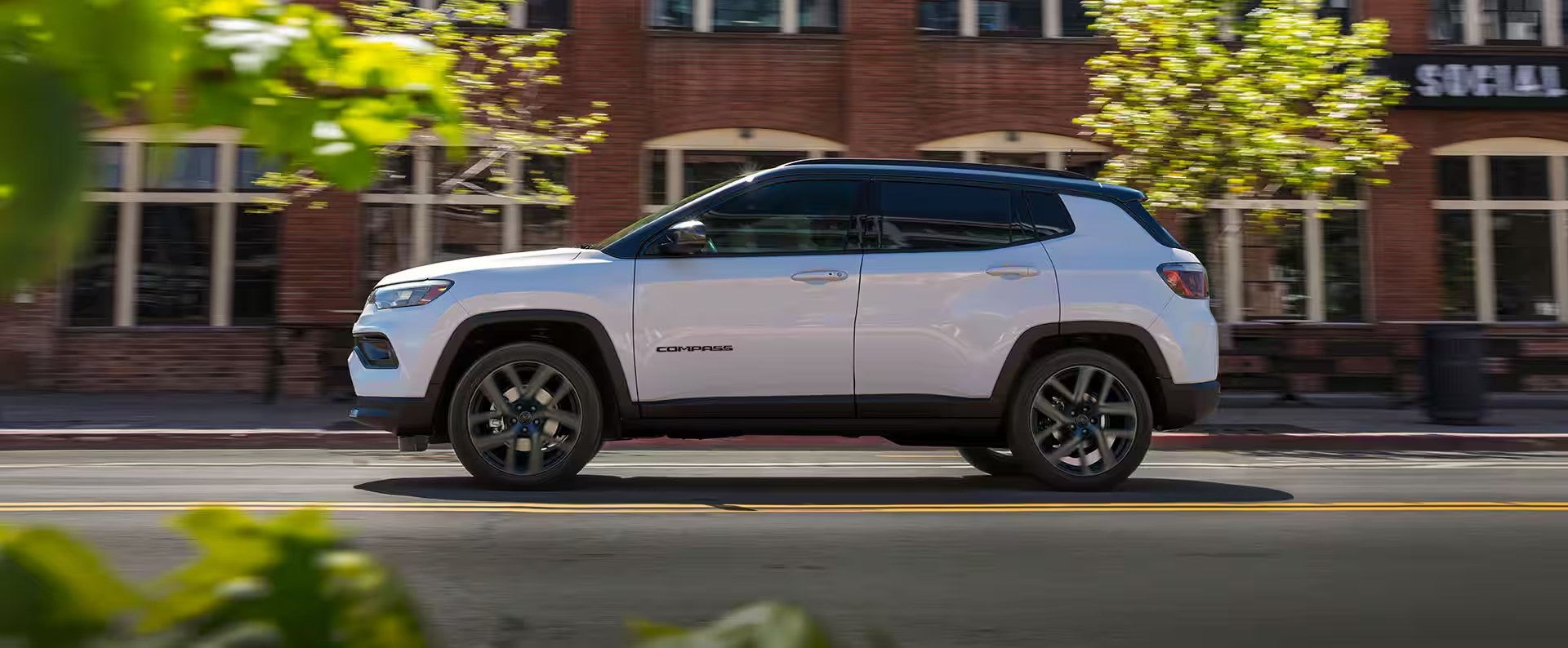
A Beginner's Guide to Buying Your First Jeep Compass in Levittown

A Beginner's Guide to Buying Your First Jeep Compass in Levittown

THE SHORT ANSWER Buying your first Jeep Compass goes smoothly when you take it in order. Set a realistic budget and list your must-have features, then compare Compass trims against that list. Get pre-approved for financing, and take a test drive on the roads you actually use before you decide. Here's the tip I give first-time buyers before anything else: call your insurance company and get a quote on a Jeep Compass this week. It takes a few minutes, and that number often decides which version fits your budget. At Town & Country Jeep Chrysler Dodge Ram in Levittown, we meet plenty of people shopping for their very first car, and the ones who feel best afterward walked in with their monthly number already worked out. Below, we'll go from the basic terms to the test drive, one step at a time. IN THIS POST Setting a Realistic Budget Compass Trim Levels at a Glance Financing Basics for First-Timers What to Bring to the Dealership Taking Your Test Drive What to Do Next Key takeaways Setting a Realistic Budget Your budget is the most you can comfortably spend each month to own a car, not just to pay off a loan. Think of it as a household bill with several parts. The car payment is only one of them. What goes into the real monthly cost Car payment: what you send the lender each month to repay the loan. Insurance: New York requires liability coverage, and lenders usually require full coverage (collision and comprehensive) on a financed car. Fuel and tolls: picture your weekly drive on the Southern State or the LIE. Maintenance: oil changes, tire rotations and wiper blades add up over a year. Must-haves versus nice-to-haves Next, write two short lists. Must-haves are features you'd truly miss, like all-wheel drive for snowy mornings or blind-spot monitoring for busy lane changes. Nice-to-haves are things you'd enjoy but could live without, such as a sunroof or upgraded speakers. Keeping those lists apart stops a shiny extra from quietly pushing you over budget. If things feel tight, a used Compass can stretch the same monthly amount further. It's also worth checking our current offers before you settle on a number, since incentives change from month to month. Compass Trim Levels at a Glance A trim level is a version of the same model with its own set of standard features. Every Compass shares the same basic body, but moving up the lineup adds equipment, and the price rises with it. How the ladder usually works Entry trim: covers the essentials and keeps the price friendliest. Middle trims: typically add comfort and tech, like nicer seat materials, a bigger screen or more driver-assistance features. Upper trims: lean into premium touches and convenience. Off-road focus: in some model years Jeep has offered a Compass wearing the Trail Rated badge, meaning it passed Jeep's own tests for traction, ground clearance and driving through water. A few words you'll hear MSRP stands for manufacturer's suggested retail price. Think of it as the sticker's starting point, not the final amount you pay. An option package is a bundle of extra features added to a trim, often at a lower cost than buying each one separately. My advice is simple. Find the lowest trim that checks every box on your must-have list, then decide whether the next step up is worth it to you. You can browse our new Compass inventory to see which trims and packages are on the lot right now. Financing Basics for First-Timers Financing means borrowing money to buy the car and paying it back over time with interest. If this is your first loan, a handful of terms will come up again and again. APR (annual percentage rate): the yearly cost of borrowing, including interest. A lower APR means you pay less overall. Loan term: how many months you have to repay. A longer term shrinks your payment but usually means more interest in total. Down payment: money you pay up front. Putting more down lowers the amount you borrow. Credit score: a number lenders use to judge how reliably you've repaid past debts. It strongly affects the APR you're offered. Pre-approval: a lender's early look at your finances that estimates how much you can borrow and at what rate. Pre-approval is the step I push hardest. It turns a vague budget into a real figure and lets you compare our financing options with your bank or credit union. Keep in mind it isn't a final promise, since the lender still reviews everything before the loan is approved. If your credit history is thin, which is common for first-time buyers, ask whether a co-signer makes sense for you. Our financing page is a good place to start the conversation before you visit. What to Bring to the Dealership Showing up with the right paperwork can save you a second trip. Here's a simple checklist to tuck in a folder. For the purchase A valid driver's license, which you'll also need for the test drive. Proof of insurance, or your agent's number so coverage can start the day you drive away. Proof of income, such as recent pay stubs. Proof of residence, like a utility bill or bank statement with your current address. Your pre-approval letter, if you have one. If you're trading in a car A trade-in means handing over your current car as part of the payment for the new one. Bring the title (or your loan account details if you still owe money on it), the registration and every key and remote you have. A missing spare key can lower what a car is worth. Before you come in, run your current car through our online trade-value tool. It gives you a ballpark figure, so the trade conversation starts from something you already understand. Keep that number separate from the price of the Compass in your head. Looking at the two on their own makes it much easier to see whether the overall deal works for you. Taking Your Test Drive A test drive is your chance to see how the Compass fits your actual life, not just how it feels on a quick lap. Plan for real driving time and use roads you know. Before you pull out Adjust the seat, steering wheel and mirrors until you're truly comfortable. Check how well you can see out the back and over your shoulder. If you carry a child seat, a stroller or work gear, bring it along and load it in. Pair your phone too, so you know the tech is easy to use. On the road Try to cover a little of everything: Stop-and-go traffic on Hempstead Turnpike, to feel the brakes and low-speed comfort. A highway merge onto the Wantagh Parkway, to judge acceleration and road noise. Quiet side streets, to listen for rattles and feel the ride over bumps. A tight parking lot, to test the turning circle and the camera. Drive it the way you'd drive it every day, and speak up if something feels off. When you're ready, you can book a test drive ahead of time so the trim you're interested in is ready and waiting when you arrive. What to Do Next Once you've driven it, give yourself a moment before you decide. A good car will still be a good car tomorrow, and sleeping on it is perfectly normal. Reading the numbers Ask for the out-the-door price, which is the full amount you'll pay once taxes, registration and fees are added. Compare that against your budget, not the MSRP. When you get a buyer's order (the written breakdown of the sale), read every line, and ask about anything you don't recognize. Nobody should rush you past a question. Weighing new, used and certified Town & Country Jeep Chrysler Dodge Ram sells new, used and Certified Pre-Owned vehicles, so you can compare all three side by side. A Certified Pre-Owned vehicle is a used car that has passed a manufacturer inspection and comes with extended warranty coverage. That's a nice middle ground for a first-time buyer who wants some peace of mind without paying new-car money. Take a look at our certified pre-owned Jeeps if that sounds like you. After you drive home, the relationship doesn't end. As a full-service Chrysler, Dodge, Jeep and Ram dealership in Levittown, we can handle your oil changes and maintenance down the road, which makes owning your first car a lot less intimidating. Where 3156 Hempstead Tpke Levittown, NY Call (516) 271-3278 KEY TAKEAWAYS Budget for the full monthly cost of owning the car (payment, insurance, fuel and upkeep), not just the sticker. Pre-approval tells you what a lender may offer before you fall for a specific Compass. Test drive on your real commute, including a parkway merge and a tight parking lot. FAQ Common questions What's the difference between a trim level and an option package? A trim level is a whole version of the Compass with its own set of standard features. An option package is a bundle of extras added on top of a trim. Start by picking the trim that covers your must-haves, then see whether any package adds something you'd really use. Do I need good credit to finance my first car? Not necessarily, but your credit score affects the rate lenders offer you. First-time buyers often have a short credit history, and options like a larger down payment or a co-signer can help. Approval and rates always depend on the lender's review, so getting pre-approved first gives you the clearest picture. Should my first Compass be new, used or Certified Pre-Owned? New gets you the latest features and full factory warranty. Used usually costs less up front. Certified Pre-Owned sits in between, with an inspection and extended warranty coverage. Your budget and how long you plan to keep the car are the best guides. How long should my test drive be? Long enough to cover the kinds of roads you drive every day, including local streets, a highway merge and a parking lot. Rushing it defeats the purpose. Ask to repeat any part of the route that left you unsure. Want to see it in person? Come by for a test drive, or browse what is on the lot right now. Schedule a test drive Browse new inventory Or call (516) 271-3278 · 3156 Hempstead Tpke, Levittown Or keep browsing Current offers Financing Value your trade Book service Contact us Used cars

5-Year Ownership Costs for a Jeep Grand Cherokee: Fuel, Insurance and Maintenance in Nassau County

5-Year Ownership Costs for a Jeep Grand Cherokee: Fuel, Insurance and Maintenance in Nassau County

THE SHORT ANSWER Over five years, owning a Jeep Grand Cherokee in Nassau County comes down mostly to fuel, insurance and scheduled maintenance. Depreciation hits hardest early and eases after year three. Smaller recurring costs like New York inspection and registration fill out the picture, and your trim and engine choice shape every one of them. The most common mistake we see is budgeting a Grand Cherokee around the monthly payment and stopping there. A few months later, the first insurance bill lands, the tank seems to need filling more often than expected on the LIE crawl, and the inspection sticker comes due. At Town & Country Jeep Chrysler Dodge Ram in Levittown, we'd rather you see the full five-year picture before you sign. Here's what actually drives the cost of owning one in Nassau County, and how to keep it in check. IN THIS POST Fuel Costs for Local and Highway Driving Nassau County Insurance Factors Scheduled Maintenance: Where the Money Goes NY State Inspection and Registration Fees How Trim Level Changes the Total Depreciation and the Five-Year Curve How to Save Over Five Years What to Do Next Key takeaways Fuel Costs for Local and Highway Driving Picture a normal week. You've got school drop-off along Hempstead Turnpike, a Saturday run to Roosevelt Field, maybe a Friday escape out the Southern State. Stop-and-go traffic is where a midsize SUV burns the most fuel, and a lot of Nassau driving is exactly that. Open stretches on the Northern State or the LIE help your average, but only when traffic is actually moving. If your commute is mostly crawling toward the Queens line, expect your real-world fuel use to lean toward the city side of the window sticker. Engine choice matters most The Grand Cherokee comes with a gas engine or as the 4xe plug-in hybrid. If you can plug in overnight in your driveway, the 4xe can cover many short local errands on electricity. That moves part of your fuel bill onto your electric bill. Without home charging, most of that advantage disappears. Check the owner's manual for the recommended fuel grade, too. Paying for higher octane than your engine calls for adds cost with no benefit. The best way to feel the difference between powertrains is to book a test drive of both on roads you use every day. Over five years, fuel is usually one of your largest running costs, and also the one your habits control most. Nassau County Insurance Factors Insurance is where Long Island drivers get the biggest surprise. Premiums here tend to run higher than in much of upstate New York, largely because of traffic density, repair costs and how often claims happen in the metro area. New York is also a no-fault state, so your policy includes personal injury protection on top of liability. What moves your quote Your ZIP code within the county and where the SUV sleeps at night (garage, driveway or street) Your driving record and how far you commute Coverage levels and deductibles you choose Trim level, since upper trims carry more cameras and sensors that cost more to repair after a fender-bender If you finance or lease, the lender will generally require comprehensive and collision coverage, which raises the premium compared with carrying liability alone on an older vehicle you own outright. Get a real quote on the exact trim before you buy. Ask your agent to price the VIN, or at least the specific trim and model year. New York's approved defensive driving course can also lower parts of your premium for three years, and it can be taken online in an evening or two. Scheduled Maintenance: Where the Money Goes Maintenance costs aren't flat over five years. They build gradually, and knowing the rhythm keeps any single visit from catching you off guard. Years one through three Early on, it's mostly oil changes, tire rotations and multipoint inspections. The Grand Cherokee's oil-life monitor tells you when service is due, so you aren't guessing. The factory warranty covers defects during this stretch, but not wear items like wipers, brake pads or tires. Years four and five This is when bigger-ticket wear items tend to show up together: A new set of tires Brake pads, and possibly rotors Engine and cabin air filters and fluid services A replacement battery, depending on climate and use On the 4xe, regenerative braking does some of the slowing, which can help stretch brake pad life. Its hybrid components do call for technicians trained on that system. Long Island winters add one local wrinkle. Road salt on the parkways eats at undercarriage parts, so regular underbody washes from December through March are cheap insurance against rust repairs later. When it's time, you can book service with technicians who work on Jeeps daily. NY State Inspection and Registration Fees These are the smallest costs on the list, but they're guaranteed, so they belong in the budget. Annual inspection New York requires a safety and emissions inspection every year at a licensed station. For newer vehicles, the emissions part is a computer check through the diagnostic port. A lit check-engine light means an automatic fail. Worn tires, brakes or wipers can also stop you from passing, which turns a routine sticker into a repair bill. Fixing small issues before inspection month keeps it simple. Registration You renew registration with the DMV every two years. The fee is based on vehicle weight, and because Nassau sits inside the Metropolitan Commuter Transportation District, a supplemental fee is added on top. Nassau also charges a county vehicle use fee at registration. At purchase, you'll pay sales tax and first-time plate and title fees as well. None of these will make or break your budget, but adding the renewal and inspection months to your calendar means no surprise charges and no risk of driving on an expired sticker. How Trim Level Changes the Total Two neighbors can buy Grand Cherokees the same week and spend very different amounts over five years, simply because of trim. A Laredo and a Summit look related, but they don't cost the same to own. Where higher trims cost more Bigger wheels usually mean pricier replacement tires Available air suspension rides beautifully, but adds parts that could need attention once the warranty ends More cameras, radar sensors and lighting tech raise repair costs after even minor collisions, which feeds straight into insurance A higher purchase price means more sales tax upfront and higher premiums for comprehensive and collision Mid-level trims like the Limited often hit a comfortable balance of features and running costs for many Nassau families. The three-row Grand Cherokee L adds space for a growing household, along with a bit more vehicle to fuel and insure. None of this means you should skip the trim you want. Just price the whole ownership picture, not just the sticker, before deciding. Browsing new Grand Cherokee inventory side by side makes it easy to see which features you'd actually use. Depreciation and the Five-Year Curve Depreciation never shows up as a bill, so it's easy to forget. But for most owners, it's one of the largest costs of all. A new Grand Cherokee loses value fastest in its first few years, and the drop eases noticeably after year three. That curve gives you two smart ways to play it. If you buy new, plan to keep the SUV long enough to ride out the steep part, then enjoy the slower years. If you'd rather skip the biggest hit, a certified pre-owned Grand Cherokee lets the first owner absorb it while you still get an inspected vehicle with warranty coverage. What protects resale value Lower mileage for the model year A clean accident history Complete service records, ideally in one folder or one shop's system Popular trims and colors that buyers on Long Island actually look for Keep every receipt, including tire and brake work. When you sell or trade in at year five, documented care is one of the few things you can control that directly adds to what someone will pay. How to Save Over Five Years Small habits add up over five years and a lot of Long Island miles. These are the ones that tend to make a real difference. On the road and in the driveway Check tire pressure monthly, especially when cold snaps hit. Underinflated tires waste fuel and wear out sooner. Rotate tires on schedule so the whole set lasts as long as possible. Drive smoothly. Gentle starts on Merrick Road beat hard launches between lights. Combine errands into one loop instead of several short trips from a cold start. On paper Re-shop your insurance every year or two. Rates change, and loyalty isn't always rewarded. Set aside a small amount monthly for the year-four tires and brakes, so they don't land on a credit card. Think about loan length. A longer term lowers the payment but usually adds interest. Compare financing options for a few terms before choosing. Approval and rates depend on your credit and the lender. Don't skip scheduled maintenance to save money. Skipping service costs more down the road in repairs and resale value than it ever saves upfront. What to Do Next Ready to put real numbers to your own situation? Work through it in this order. Estimate your weekly miles. Use your actual commute and errand routes, whether that's local to Levittown or daily runs into Queens. Call your insurance agent with the specific trim and model year you're considering. Decide on an engine. Weigh home charging access against how much of your driving is short local trips. Pick a trim with your running costs in mind, not just the features list. If you're replacing a vehicle, find out what it's worth before you shop. Our online trade-value tools let you value your trade from home, and that number can change your five-year math considerably. Town & Country Jeep Chrysler Dodge Ram is a full-service Chrysler, Dodge, Jeep and Ram dealership in Levittown, serving drivers across Nassau, Suffolk and Queens. That means the same place that helps you choose a Grand Cherokee can also handle its maintenance for the next five years. Stop by with your questions and your budget, and we'll help you see the whole picture. Where 3156 Hempstead Tpke Levittown, NY Call (516) 271-3278 KEY TAKEAWAYS Budget for fuel, insurance and maintenance, not just the monthly payment. Those three drive most of what a Grand Cherokee costs to own on Long Island. Get an insurance quote on the exact trim before you buy, because Nassau rates and upper-trim repair costs can change the math fast. Plan ahead for tires and brakes around years four and five, and keep service records to protect resale value. FAQ Common questions Is the Grand Cherokee 4xe cheaper to own over five years than the gas model? It depends on how you drive and where you park. If you can charge at home and most of your trips are short local runs, the 4xe can shift much of your fuel spending to electricity. It does cost more to buy, though, which affects sales tax and insurance. Without regular home charging, the gas model often makes more sense. Why are insurance quotes so much higher here than upstate? Insurers price by location, and Nassau County's traffic density, repair costs and claim frequency push rates up compared with less crowded parts of the state. Your exact ZIP code, parking situation, driving record and chosen coverage all play a part. Comparing several carriers on the same trim is the best way to find a fair rate. Do I have to service my Grand Cherokee at the dealership to keep the warranty? No. Federal law lets you use any qualified shop without voiding your factory warranty. What matters is following the maintenance schedule and keeping records of the work. Many owners still choose the dealership for factory-trained technicians and so their service history stays in one place. What costs should I expect around year four or five? That's when tires, brake pads and sometimes a battery tend to come due, often close together. Your basic factory warranty may also be ending around then, depending on mileage. Setting aside a little each month from the start makes those visits much easier to handle. Let us take care of it Book online in a minute and pick a time that works for you. Book service Order parts Or call (516) 271-3278 · 3156 Hempstead Tpke, Levittown Or keep browsing Current offers Financing New inventory Contact us Used cars Certified pre-owned
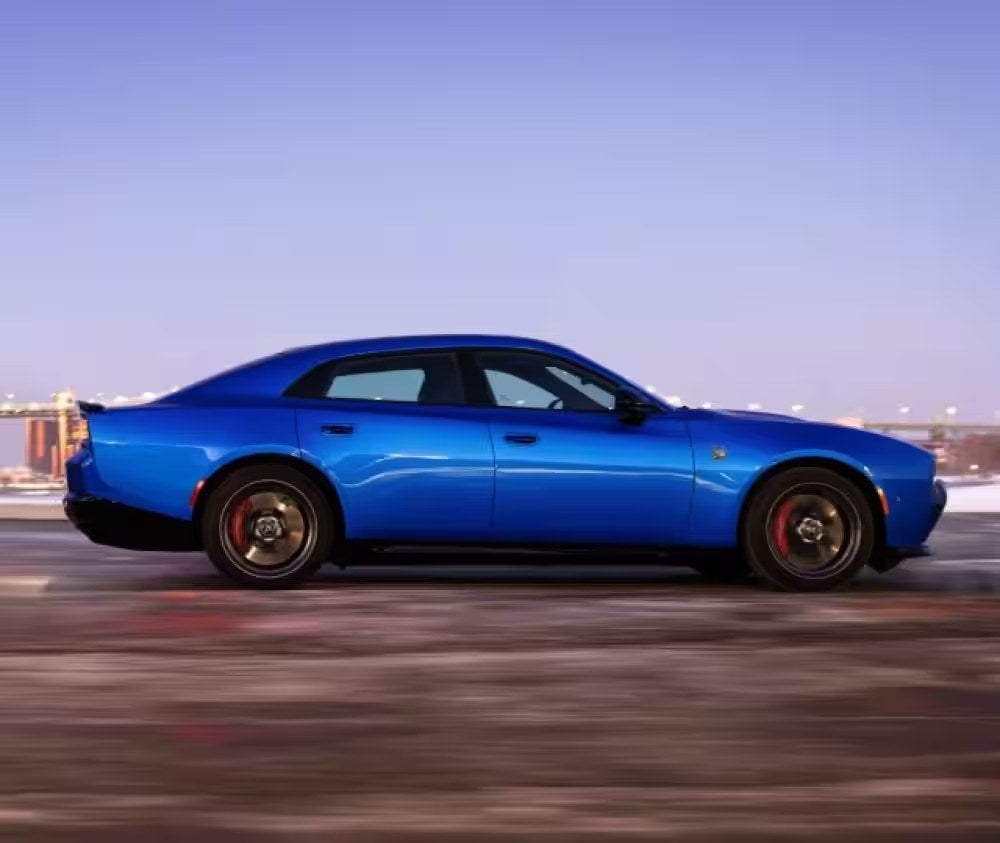
5 Signs Your Dodge Charger Daytona Needs New Tires Before Levittown's Pothole Season

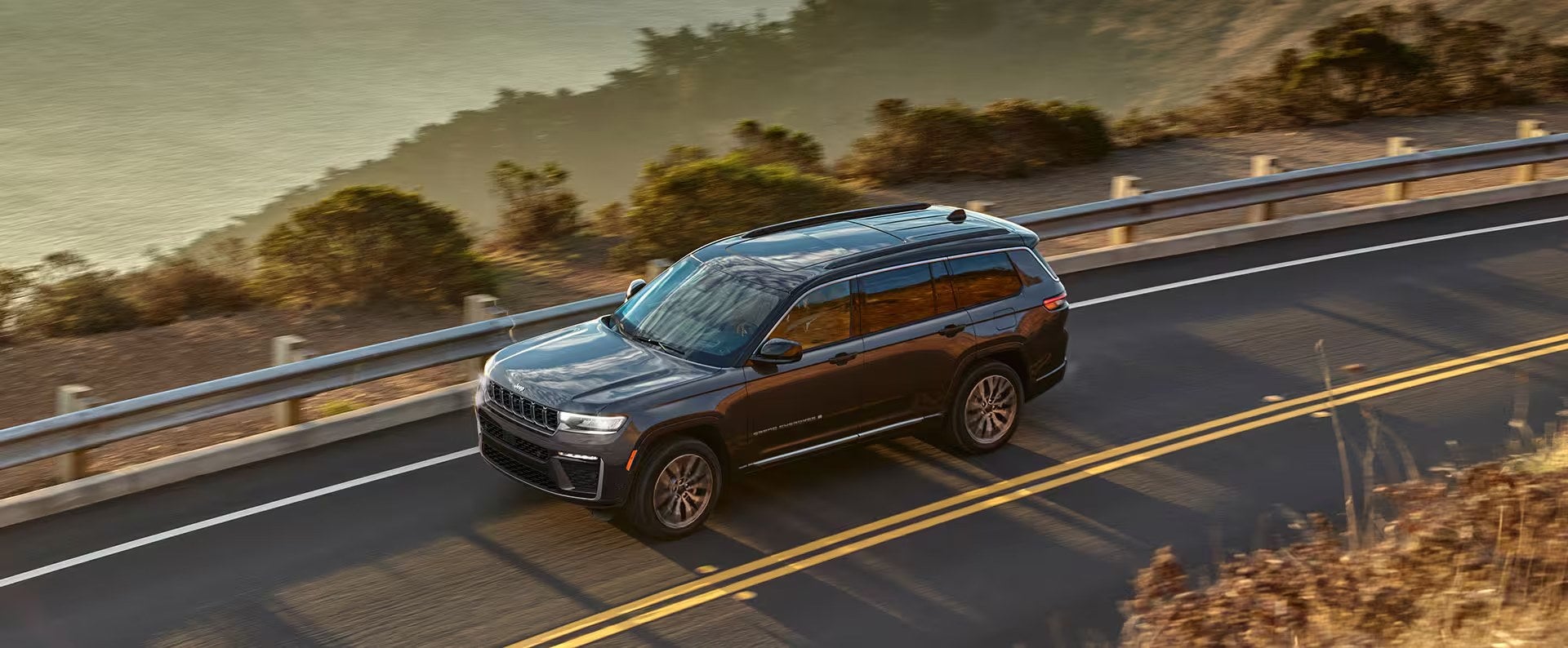
5 Signs Your Dodge Charger Daytona Needs New Tires Before Levittown's Pothole Season

THE SHORT ANSWER If you can see the tread wear bars, notice wear on one edge, feel new vibration at speed, spot cracks in the sidewall, or slide more in the rain, your Charger Daytona needs new tires. Get them checked and replaced before late-winter freeze-thaw cycles break up Levittown's roads. The most common tire mistake we see is judging tires by how they look from the driver's seat. Tread can seem fine at a glance while one edge is worn bald, the rubber is cracking, or a belt inside has shifted after last year's potholes. At Town & Country Jeep Chrysler Dodge Ram in Levittown, we'd rather you catch those problems in your driveway than on a broken-up stretch of Hempstead Turnpike. These five signs tell you when your Charger Daytona needs new tires, and what to do about each one. IN THIS POST Sign 1: Your Tread Is Down to the Wear Bars Sign 2: Uneven Wear Patterns Sign 3: Vibration and Changes in Steering Feel Sign 4: Sidewall Cracks and Old Rubber Sign 5: Less Grip on Wet Roads Picking Replacements That Suit the Car Scheduling a Tire Check Before Pothole Season Key takeaways Sign 1: Your Tread Is Down to the Wear Bars Tread pushes water out from under the tire and gives the rubber something to bite with. Once it gets shallow, the tire can't clear slush the way it used to. It also has less cushion when a pothole edge hits it. What to look for Modern tires have small raised bars molded across the bottom of the grooves. When the tread wears down flush with those bars, the tire is at 2/32 of an inch, the legal minimum in New York, and it's done. You can also use a penny. Put it in a groove with Lincoln's head pointing down. If you can see the top of his head, you're at or near that line. What to do Don't wait for the bars. A quarter works the same way, and if you can see all of Washington's head, you're under 4/32. That's where wet and snowy grip starts dropping off fast. Check the inside, middle and outside grooves on all four tires, because wear isn't always even. If any spot is close, start shopping now, not after the first thaw. Sign 2: Uneven Wear Patterns When wear isn't even across the tread, the tire is telling you something about the car. An electric Charger Daytona is heavy and delivers its torque instantly, and both put a lot of load into the rubber. Small alignment or pressure problems show up faster than you might expect. What the patterns mean Worn on both outer edges: the tire has been running low on air. Worn down the center: too much pressure. Worn on one edge only: alignment is off, often after a hard pothole hit. Scalloped or cupped spots: worn suspension parts or a tire that's out of balance. Rears wearing much faster than fronts: common on cars that launch hard, and a sign rotations have been skipped. What to do Run your palm across the tread in both directions. A sawtooth feel is called feathering, and it usually points to alignment. If you replace tires without fixing the cause, the new set will wear the same way. Ask for an alignment check when you replace them. Check pressure monthly with a gauge, too, because cold Long Island mornings drop it faster than most people realize. Sign 3: Vibration and Changes in Steering Feel A tire that's starting to fail often lets you feel it before you see it. An electric Charger Daytona is so quiet that a new hum or shake through the wheel tends to stand out, and that works in your favor. What it means A shimmy that shows up around highway speed on the LIE or Wantagh Parkway, and smooths out above or below that speed, is usually a balance problem. Constant vibration, or vibration that gets worse as you go faster, can mean a separated belt inside the tire, a bent wheel or a bubble in the sidewall. If the car drifts to one side on a straight, flat road, think alignment or uneven wear. Cupped tread often makes a steady drone that rises with speed. What to do Pull over somewhere safe and look at all four tires for bulges, flat spots or anything stuck in the tread. If nothing jumps out, ease off and get it looked at soon, especially if you've hit a pothole recently. Internal tire damage can't always be seen from outside, and a tire with a broken belt can fail at speed. Balance and alignment are quick to fix. Ignoring them costs you tread and adds wear to your suspension. Sign 4: Sidewall Cracks and Old Rubber Plenty of drivers assume a tire with good tread is a good tire. Rubber ages whether you drive or not, though. Long Island's mix of summer heat, road salt and winter cold speeds that aging along. Reading the sidewall Look for fine cracks, sometimes called weather checking, on the sidewall and between the tread blocks. Shallow surface lines are an early warning. Cracks deep enough to catch a fingernail mean the rubber is drying out. A bulge or bubble means the tire needs replacing right away. It means air has gotten between the tire's layers, often from smacking a pothole edge. Finding the age Locate the DOT code on the sidewall and read the final group of digits. The first pair is the week the tire was made and the second pair is the year. Many tire makers suggest a yearly inspection once a tire passes about five years old, and most recommend replacing by ten no matter how much tread is left. A low-mileage car that lives in a garage can be the worst offender. Its tread looks new while the rubber underneath has hardened. Sign 5: Less Grip on Wet Roads This one sneaks up on people because it happens slowly. You get used to the car stepping out a little, or the stability light flickering when you pull away in the rain, and it starts to feel normal. What it means Worn or aged tires can't channel water well, so the tire rides up on a thin film instead of touching the road. That's hydroplaning, and it's more likely in the low spots that flood along Hempstead Turnpike after a storm. Instant electric torque makes slipping more noticeable, because the tires have to find traction the moment you press the pedal. Longer stops in the rain are another tell. What to do Notice whether traction or stability control kicks in more often than it used to. Compare how the car stops on wet pavement with how it stops on dry. Find out whether you're on summer performance tires. They lose grip as temperatures drop and aren't meant for snow or near-freezing roads. If any of that sounds familiar, don't wait for a close call to replace them. Grip is the whole job of a tire, and a car this quick needs all of it. Picking Replacements That Suit the Car Once you know it's time, the next question is what to put on. Tires for a heavy, powerful electric car aren't interchangeable with whatever's cheapest on the rack. What matters Load and speed ratings should meet what's printed on the door-jamb placard, since an EV carries more weight than a gas car its size. Tires built for electric vehicles often use stiffer construction and quieter tread, which helps with wear and road noise. Summer performance tires grip best in warm weather but harden in the cold. All-seasons give up some sharpness for year-round use. A dedicated winter set is worth considering if you drive out east in snow. Check whether your car uses the same tire size front and rear. If it does, regular rotations stretch tire life. If it doesn't, plan on replacing in pairs at minimum. Replacing in sets If your Charger Daytona is all-wheel drive, mismatched tread depths can strain the drivetrain, so replacing all four together is usually the smart move. Our parts department can help you match the original sizes and ratings so the car drives the way it was designed to. Scheduling a Tire Check Before Pothole Season Potholes on Long Island tend to hit hardest from late winter into early spring. Water seeps into cracks, freezes, expands and breaks the pavement apart. Worn tires take a beating then, so the best time to check yours is before the freeze-thaw cycle gets going. What a tire check should cover Tread depth measured across every tire Pressure set cold to the placard number Sidewall and DOT date inspection Alignment and balance if wear or vibration points that way A look at the wheels for bends or cracks Getting it done Town & Country Jeep Chrysler Dodge Ram is a full-service Chrysler, Dodge, Jeep and Ram dealership in Levittown, and we serve Nassau, Suffolk and Queens. You can book a service visit and ask for a tire inspection on its own or alongside other work. Catching a tire problem before a pothole finds it is cheaper and safer than dealing with a bent wheel or a blowout on the shoulder of the Meadowbrook. Where 3156 Hempstead Tpke Levittown, NY Call (516) 271-3278 KEY TAKEAWAYS Check tread with a quarter, not just your eyes, and look at the inside edge too. Uneven wear and new vibrations point to alignment or damage that will ruin a new set if you don't fix them. Have a full tire check done before the freeze-thaw cycle starts, not after the first big pothole. FAQ Common questions How often should I check tire pressure in the winter? Check it at least once a month and before any long drive, first thing in the morning before the car has moved. Cold air lowers pressure, and an underinflated tire is more likely to be damaged by a pothole. Set it to the number on the driver's door-jamb placard, not the maximum printed on the tire. Can I replace just two tires instead of four? Sometimes, but it depends on your setup. On an all-wheel-drive car, big differences in tread depth between tires can strain the drivetrain, so replacing all four is usually recommended. If you do replace only two, the new ones generally go on the rear for stability. Ask a technician what's right for your car. Do electric cars like the Charger Daytona wear tires faster? They often do. EVs are heavier than comparable gas cars and deliver torque instantly, and both put extra stress on the tread. Smooth acceleration, correct pressure and regular rotations, if your tire sizes allow them, all help a set last longer. What should I do right after hitting a bad pothole? Pull over when it's safe and look for bulges, cuts or a bent wheel rim. Over the next few days, watch for new vibration, a pull to one side or a steering wheel that sits off-center. If you notice any of those, get an inspection soon, because internal damage isn't always visible and can get worse quickly. Let us take care of it Book online in a minute and pick a time that works for you. Book service Order parts Or call (516) 271-3278 · 3156 Hempstead Tpke, Levittown Or keep browsing Current offers Financing New inventory Contact us Used cars Certified pre-owned
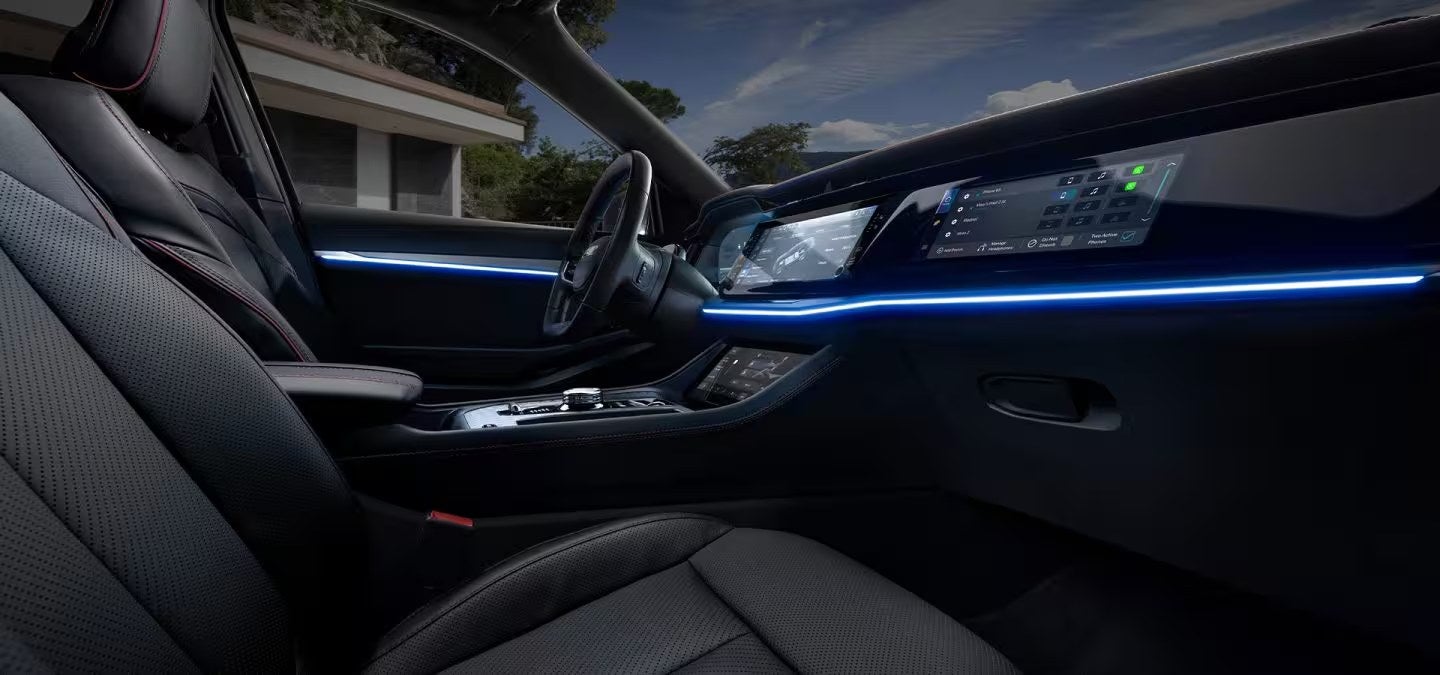
Inside the 2026 Jeep Wagoneer S: What Makes Jeep's First All-Electric SUV Different

Inside the 2026 Jeep Wagoneer S: What Makes Jeep's First All-Electric SUV Different

THE SHORT ANSWER The 2026 Jeep Wagoneer S is Jeep's first dedicated all-electric SUV. It's a two-row midsize model with dual-motor all-wheel drive, built for everyday driving range and quick charging. It also offers the quiet, instant response that only an electric drivetrain delivers. Here's the short version: the 2026 Jeep Wagoneer S is Jeep's first SUV designed from the start to run on electricity alone, with dual-motor all-wheel drive and a focus on daily range and fast charging. At Town & Country Jeep Chrysler Dodge Ram in Levittown, we hear a lot of questions about how it compares to the Wagoneers people already know. Below you'll find a plain-English look at the drivetrain that sets it apart, how to live with it, and why it matters for drivers on Long Island. IN THIS POST Why Jeep Built an All-Electric Wagoneer Range and Charging Basics How It Drives Differently Than a Grand Wagoneer Who This SUV Fits Best Seeing One in Person at Our Levittown Showroom Key takeaways Why Jeep Built an All-Electric Wagoneer Jeep has offered plug-in hybrids for a few years. The 4xe models pair a gas engine with a battery for short electric trips. The Wagoneer S goes further: it has no gas engine at all, and it rides on a platform designed around a large battery pack under the floor rather than a converted gas chassis. That matters more than it sounds. Building from scratch lets engineers place the battery low and flat, which lowers the center of gravity. It also frees cabin space where a transmission tunnel and fuel tank would normally sit, and it leaves room for a small storage compartment under the hood. The feature at the heart of it Dual-motor all-wheel drive is the headline. One electric motor drives the front wheels and another drives the rear, while a computer splits power between them in milliseconds. No driveshaft, transfer case or center differential does the job mechanically, so traction adjustments happen faster than in a typical gas AWD system. The Wagoneer name signals the other half of the idea: a premium, comfortable cabin rather than a trail-first rig. Think of it as Jeep's take on a refined electric family SUV, with the brand's sure-footed traction built in from day one. Range and Charging Basics Range is the question we hear first, and real-world range shifts with how and where you drive. Steady highway speeds on the Long Island Expressway use more energy than stop-and-go errands around Hicksville, which is the opposite of how a gas vehicle behaves. Cold January mornings trim range too, since the battery and cabin both need heat. Three ways to charge Level 1: a standard household outlet. It's slow, but fine for overnight top-ups if your commute is short. Level 2: a 240-volt charger at home or work, on the same kind of circuit a clothes dryer uses. Most owners refill the battery this way overnight. DC fast charging: public stations along major routes, built for road trips when you need a big boost during a meal or coffee stop. How to use it day to day Treat the SUV like your phone. Plug in at home most nights and you'll rarely think about public charging. Before a longer drive, say out to the East End or through Queens toward the bridges, use the navigation or a charging app to plan a stop. If you live in a condo or a house without a driveway, check what's available at work or nearby before you buy. That's the single biggest factor in how easy EV ownership feels. How It Drives Differently Than a Grand Wagoneer Jeep's Grand Wagoneer is a full-size, three-row SUV with a gas engine, built to carry big families and tow. By contrast, the Wagoneer S is a two-row midsize with a sleeker, sloped roofline. It's a different kind of vehicle, not a smaller copy. What you'll notice behind the wheel Instant response: electric motors deliver their pull the moment you press the pedal, with no wait for gears to shift. Merging onto the Meadowbrook feels effortless. Quiet cabin: with no engine noise at idle or cruise, road and wind sound become most of what you hear. Regenerative braking: lifting off the pedal slows the vehicle while sending energy back to the battery. On stronger settings, you'll rarely touch the brake in traffic. Planted feel: the low battery keeps body lean in check through ramps and curves. Give yourself a drive or two to adjust to regeneration. Most people end up preferring it once it clicks, especially in the slow crawl on Hempstead Turnpike. You'll get the clearest sense of these differences on familiar pavement. When you book a test drive, run it on roads you use every day, including a stretch of highway and some tight parking-lot maneuvering. Who This SUV Fits Best The Wagoneer S makes the most sense for drivers whose weeks follow a predictable pattern. Maybe most of your miles are commutes, school runs and errands across Nassau and western Suffolk, and you can charge where you park. If so, an EV takes gas stops out of your routine entirely. It's a strong match if you: Have a driveway or garage where a Level 2 charger can go Want confident traction for wet, snowy Long Island winters Prefer a quiet, upscale cabin over a rugged, trail-focused one Need two rows and room for gear, not three rows When another Jeep may suit you better You may tow regularly, need a third row, or street-park with no charging nearby. In those cases, a Grand Wagoneer or a 4xe plug-in hybrid may fit your life with less planning. That's not a knock on the Wagoneer S. It's about matching the vehicle to how you actually drive. Cost questions usually come next, and the answers depend on your credit, loan term and current offers. Our payment calculators and shopping tools let you try different scenarios from home. You can also explore financing options with our team before you commit to anything. Seeing One in Person at Our Levittown Showroom Photos don't show how an EV feels, so the next step is getting in one. Town & Country serves Nassau, Suffolk and Queens, and a visit is the quickest way to see whether the Wagoneer S fits your routine. What to bring and ask Your daily commute distance and where you'd plan to charge Questions about home charger installation and your electrical panel Your current vehicle, if you're thinking about trading it in Once you're here, sit in both rows and open the front storage compartment. Have someone walk you through the charging port, the regen settings and how the touchscreen shows charging stops along a route, since that's the tool you'll lean on most on longer drives. If you have a vehicle to trade, our online trade-value tools give you a starting number before you leave the house. To see what's on the lot right now, browse our new inventory and pick a time that works for you. Come with your questions; this is a new kind of Jeep, and a hands-on look clears up more than any spec sheet can. Where 3156 Hempstead Tpke Levittown, NY Call (516) 271-3278 KEY TAKEAWAYS The Wagoneer S was designed from the ground up as an EV, with a motor at each axle handling all-wheel drive faster than a mechanical system can. Life with it is easiest when you can charge where you park, ideally on a Level 2 charger at home. It's a different vehicle from the three-row, gas-powered Grand Wagoneer, so a test drive on your own roads is the best way to judge it. FAQ Common questions Is the Wagoneer S just a Grand Wagoneer with a battery? No. It's a separate two-row midsize SUV built on a dedicated electric platform, while the Grand Wagoneer is a full-size, three-row model with a gas engine. They share a name and a premium feel, but they're sized and engineered for different jobs. Do I need to install a charger at home? Not strictly, since a regular outlet will add some charge overnight. Most owners find a Level 2 charger makes daily life much easier, though. Have a licensed electrician check your panel, and ask your utility whether it runs any EV charging programs. How do Long Island winters affect an electric SUV? Cold weather reduces range because energy goes toward warming the battery and cabin. Parking in a garage helps, and so does warming the cabin while the vehicle is still plugged in, so the battery keeps more of its charge for the drive. Want to see it in person? Come by for a test drive, or browse what is on the lot right now. Schedule a test drive Browse new inventory Or call (516) 271-3278 · 3156 Hempstead Tpke, Levittown Or keep browsing Current offers Financing Value your trade Book service Contact us Used cars

How Ram's Uconnect 5 System Actually Works on the 2026 Ram 1500

How Ram's Uconnect 5 System Actually Works on the 2026 Ram 1500

THE SHORT ANSWER Uconnect 5 on the 2026 Ram 1500 runs on a large touchscreen. It pairs with your phone for wireless Apple CarPlay and Android Auto, saves each driver's settings in a profile, and updates its software over the air. Most of the setup happens in the first few minutes with the truck parked, and the step people usually skip is saying yes to CarPlay or Android Auto when the screen asks. The most common Uconnect mistake we see is someone pairing a phone over Bluetooth, hearing music come through the speakers, and figuring the job is done. Bluetooth handles calls and audio, but it doesn't put your maps, messages and apps on the big screen. At Town & Country Jeep Chrysler Dodge Ram in Levittown, Ram 1500 owners ask us about this all the time. Below we walk through how Uconnect 5 works, one piece at a time. IN THIS POST The Mistake Most New Owners Make Getting Started With the Touchscreen Setting Up Wireless CarPlay and Android Auto Driver Profiles Explained Using Voice Commands Over-the-Air Updates: What They Change Fixing the Usual Hiccups What to Do Next Key takeaways The Mistake Most New Owners Make When you first pair a phone, Uconnect 5 sets up two connections. Bluetooth carries calls and audio. Wireless CarPlay or Android Auto carries your phone's whole interface, so your apps show up on the truck's screen. Your phone asks permission for that second connection with a quick pop-up, and plenty of people tap "Not Now" because they're pulling out of a parking lot. After that, it looks like things are working. Spotify plays and calls ring through. Navigation stays on the phone, though, and texts never come up on the screen. Owners often decide wireless CarPlay is broken when really it was never turned on. You can fix it in under a minute: Park the truck and leave it running. On an iPhone, open Settings, then General, then CarPlay, and pick your Ram. On Android, open the Android Auto settings and allow the connection to the truck. Make sure Wi-Fi is on, even if you're not connected to a network. Wireless projection runs over a Wi-Fi link between the phone and the truck. Once you allow it, the truck remembers your phone. From then on it should connect by itself shortly after you start the engine. Getting Started With the Touchscreen Uconnect 5 is laid out a lot like a tablet. Your apps sit in a grid, and a menu bar along the bottom keeps the ones you use most one tap away. You can drag apps into or out of that bar, which is worth doing on day one so radio, phone and navigation are always in reach. Home Screen Basics The home screen shows cards for things like media, weather and your phone. Press and hold a card to move it, resize it or swap it for another. You can set things up so a glance shows what's playing and who called, without opening any menus. Physical Controls Still Matter Ram kept real knobs and buttons for the things you adjust while driving. Volume, tuning and the main climate controls are all physical, so you don't have to look for a slider on the screen. The steering wheel buttons handle volume, skipping tracks and voice, and those are the controls you'll use most once you're moving. If the screen looks crowded at first, give it a few days. Most owners settle on a handful of apps and stop using the full grid. That's the right way to use it. Setting Up Wireless CarPlay and Android Auto Do the first connection with the truck parked. Uconnect blocks some setup screens while you're moving, and the phone prompts are easy to miss at a light. For iPhone Turn on Bluetooth and Wi-Fi, then go to the Phone app on the Uconnect screen and add a new device. Pick the truck from your iPhone's Bluetooth list, confirm that the pairing codes match, and allow contacts and favorites to sync if you want them. When iOS asks about CarPlay, choose Use CarPlay. The screen will switch to Apple's layout, and a Uconnect icon will appear so you can get back to the truck's own menus. For Android Most current Android phones have Android Auto built in. Pair over Bluetooth the same way, and accept the Android Auto prompts on the phone. Some older or budget phones only support Android Auto over a cable. If you have one of those, plug it into a data-capable USB port. Two phones in the truck can cause confusion. Uconnect usually connects to whichever paired phone it saw most recently. To change that, open the phone settings on the screen and pick the device you want. A driver profile can also handle this for you, which is covered next. Driver Profiles Explained A driver profile is a saved set of preferences tied to one person. If two or three people drive the same 1500, profiles keep them from undoing each other's settings every time they get in. A profile can hold: Radio presets and favorite stations Your home screen and menu bar layout Your preferred phone for CarPlay or Android Auto Display and sound preferences Seat and mirror positions, on trucks with memory seats To create one, open Settings and find the profiles menu. Add a name and photo if you like, then set everything up the way you want it. Linking the profile to a key fob is the most useful step. When you unlock the truck with that fob, Uconnect loads your profile automatically, so you get in and everything is already where you left it. There's also a guest profile. It's worth using when a neighbor borrows the truck to move a couch, or when a valet takes the keys, because it keeps their changes out of your setup and keeps your contacts out of their view. If you share the truck, set profiles up the first week. It's much easier than fixing scrambled presets later. Using Voice Commands The voice button on the steering wheel does two jobs, depending on what's connected. Built-In Uconnect Voice With no phone projecting, a short press starts Uconnect's own voice system. It works well for truck functions. You can say things like "Call Dave mobile," "Change radio to FM," "Navigate to Levittown Library" (on trucks with built-in navigation), or "Set temperature to 70." Speak normally and plainly. You don't need to talk slowly, and pausing in the middle of a command can cut it off early. Siri and Google Assistant When CarPlay or Android Auto is active, a long press of the voice button usually brings up your phone's assistant. Use it for messages, music apps and any destination saved on your phone. On most setups, a short press still goes to Uconnect, so you have both. Some trucks also offer Amazon Alexa built in through a connected-services plan. If yours has it, you can link it to your Amazon account and use it for smart-home tasks, like checking whether you closed the garage before you hit the Wantagh. A practical tip: pick one assistant for messages and use it every time. Switching between systems is the main reason voice commands seem unreliable. Over-the-Air Updates: What They Change Uconnect 5 can download software updates through the truck's built-in connection, so you don't need a USB drive or a trip to the dealer. This is one of the bigger differences from older Uconnect systems, which mostly stayed the way they left the factory. What Updates Usually Touch Most updates go to the infotainment side. That means bug fixes, smoother phone connections, interface changes, map data and sometimes new apps or features. Some updates also reach other modules in the truck, and those are often what fix small issues owners have reported. How the Process Works The screen will show a notice when an update is ready. Many can download while you drive, but installation happens while the truck is parked. You'll usually be asked to approve it and choose when it runs. Read the prompt before tapping through, because some installs keep parts of the system offline for a while. Don't start one right before a morning commute on the Northern State. You can only get updates if the truck's connectivity is active. If you've never set up connected services, or you skipped activation at delivery, your truck may be behind. Checking takes a minute in the system settings menu. Fixing the Usual Hiccups Most Uconnect problems come down to a few causes, and you can fix nearly all of them in the driveway. CarPlay or Android Auto Won't Connect Start with the phone. Check that Wi-Fi and Bluetooth are on and that you aren't in low-power mode, since that can block background connections. If it still won't connect, remove the truck from your phone, remove the phone from Uconnect, and pair again from scratch. A clean re-pair fixes most stubborn cases, and it works especially well right after a phone software update. The Screen Freezes or Lags You can restart Uconnect without restarting the truck. Press and hold the radio's power knob until the screen goes dark and reboots. That clears most freezes. If the same problem keeps coming back, check whether a software update is waiting, since that's often what the update is fixing. Wrong Phone Keeps Connecting That's what driver profiles are for. Set each person's preferred phone in their profile, and the truck will stop grabbing whoever walked up first. If a problem sticks around after a reset and a re-pair, have it looked at during your next service appointment. A technician can check software versions and module updates that aren't visible from the driver's seat. What to Do Next If you're still deciding on a 2026 Ram 1500, use the test drive to try Uconnect with your own phone. Pair it in the lot, allow CarPlay or Android Auto, and drive a familiar route, like Hempstead Turnpike to the Wantagh. You'll find out quickly whether the layout makes sense to you. When you book a test drive, tell us you'd like the setup done in the truck, and we'll walk you through it before you leave. If you already own one, here's a short checklist for this week: Confirm CarPlay or Android Auto is actually allowed on your phone. Set up a driver profile and link it to your key fob. Rearrange the menu bar so your top apps are one tap away. Check for a pending software update and install it while parked. Town & Country is a full-service Chrysler, Dodge, Jeep and Ram dealership in Levittown, so questions about the truck's tech get the same attention as anything mechanical. Bring your questions in, and bring your phone so we can work through them with you. Where 3156 Hempstead Tpke Levittown, NY Call (516) 271-3278 KEY TAKEAWAYS Bluetooth pairing alone gives you calls and audio. Allowing CarPlay or Android Auto is what puts your phone's apps on the screen. A driver profile keeps your presets, favorites and connected phone, so set one up before anyone else drives the truck. Over-the-air updates mostly change the infotainment software, and they install while the truck is parked. FAQ Common questions Do I need a cable for Apple CarPlay or Android Auto in the 2026 Ram 1500? No, Uconnect 5 supports both wirelessly. You still have to approve the connection on your phone the first time, and some older Android phones only support Android Auto over a cable. Why does my music play but my apps don't show on the screen? Your phone is connected over Bluetooth, but CarPlay or Android Auto isn't turned on. Allow it in your phone's CarPlay or Android Auto settings, keep Wi-Fi on, and the apps should appear. Will a software update erase my driver profile or paired phones? In normal use, updates leave your profiles and paired devices in place. Once in a while a phone may need to be paired again after a major update, which takes a minute or two. Can two people use CarPlay in the same truck? Only one phone projects at a time, but both can be paired. Set each driver's phone in their own profile and link the profile to their key fob, and the truck will pick the right phone automatically. Is it safe to install an update when the screen prompts me? Yes, as long as the truck is parked and you have some time. Read the prompt first, because parts of the system may be unavailable until the install finishes. Want to see it in person? Come by for a test drive, or browse what is on the lot right now. Schedule a test drive Browse new inventory Or call (516) 271-3278 · 3156 Hempstead Tpke, Levittown Or keep browsing Current offers Financing Value your trade Book service Contact us Used cars

Chrysler

How Elmont Drivers Can Maximize Their Chrysler Trade-in Value

Start Smart: Why Trade-in Preparation Matters in Elmont Getting ready before you trade in your Chrysler can make a real difference in what you are offered at the dealership. A little time spent at home in Elmont cleaning, gathering paperwork, and understanding your numbers can help you get a stronger Chrysler trade-in value in Nassau County than if you just hand over the keys with no preparation. It also puts you in control, so you are not trying to make decisions while feeling rushed at a sales desk. When you arrive prepared, you are more likely to save time, get an offer that is closer to what you expected, and feel more confident choosing your next vehicle. That preparation gives you more room to compare new and used Chrysler, Dodge, Jeep, and Ram options, instead of worrying about whether you left money on the table with your trade. As a full-service dealership in Levittown, we at Town & Country Jeep Chrysler Dodge Ram work with many Elmont drivers and see every day how a little prep can translate into a smoother, more rewarding trade-in experience. Know Your Chrysler’s Real Market Value Before You Visit One of the best ways to protect your budget is to understand your Chrysler’s realistic price range before you leave Elmont. Start by gathering the basics about your vehicle so any tool or dealership can give you accurate numbers. It helps to have: Vehicle Identification Number (VIN) Current mileage Model year and exact trim level Major options and packages, such as navigation, leather seats, premium audio, safety or towing packages Once you have those details, you can use reputable online valuation tools to see an estimated range. Many drivers also like to use the trade-in appraisal resources from their preferred dealership so they can compare numbers that are already based on local demand. This early research does not lock you into a specific offer, but it gives you a good benchmark for Chrysler trade-in value in Nassau County before you even get in the car. It is also important to understand the different types of values you might see online. Retail value is what a dealership might ask for a similar vehicle on the lot. Private-party value is what someone might pay if you sold your Chrysler directly to them. Trade-in value is usually lower than either, because the dealership will recondition, market, and resell the vehicle. On top of that, local conditions matter. Demand in Nassau County, including areas like Elmont, can push trade-in numbers higher or lower than national estimates depending on what shoppers in this area are looking for at the moment. Simple Prep Steps to Help Your Chrysler Look Its Best First impressions matter in an appraisal, and they are surprisingly easy to improve. A clean, cared-for Chrysler signals to the appraiser that the owner has likely taken good care of it in other ways too. Even simple, low-cost steps can support a higher Chrysler trade-in value in Nassau County. Before you leave Elmont, take an hour or two to: Give the exterior a thorough wash and, if possible, a quick wax Vacuum the carpets and seats, including the trunk or cargo area Wipe down the dashboard, console, and other touchpoints Remove personal items from door pockets, cupholders, and under seats Address strong odors from smoke, food, or pets with a good interior cleaning Beyond cleaning, think about minor fixes that show your Chrysler is ready for its next owner. Replacing burned-out bulbs, topping off fluids, swapping in new wiper blades, or tightening a loose trim piece are all relatively inexpensive but can help your vehicle present better during an inspection. None of this will hide major problems, but it can tip borderline decisions in your favor. Maintenance records also carry a lot of weight. If you have receipts for oil changes, brake work, or tire rotations, organize them in a folder and bring them along. Service history from professional shops, especially any work done at certified service centers like our own at Town & Country, helps verify that the vehicle has been cared for properly. When the appraiser can clearly see a record of regular service, it often supports a stronger offer. Get Your Paperwork and Keys Organized for a Faster Appraisal Showing up with complete documentation is one of the simplest ways to keep your visit quick and efficient. Before leaving your driveway in Elmont, gather the essentials you will need for a trade-in: Vehicle title or payoff information if you still have a loan Current registration Driver’s license Lienholder details, if there is a loan or lease Do not forget physical items that came with your Chrysler. Extra keys, key fobs, and remotes are surprisingly important, because replacing them later can be expensive. It also helps to bring: All keys and remotes Owner’s manuals Floor mats and cargo covers Wheel lock keys and any other detachable accessories When everything is ready to go, the appraisal can be completed more quickly and accurately. The team at Town & Country can review your documents while the vehicle is being inspected, which reduces delays and makes it easier to finalize an offer while you wait. What to Expect at a Trade-in Appraisal at Town & Country If you have not traded in a vehicle recently, knowing what happens during an in-person appraisal can help you feel more comfortable. At our Levittown dealership, Elmont drivers can expect a process that typically includes several steps: A visual walkaround to look for cosmetic damage, rust, or body repairs An interior check for wear, tear, and overall cleanliness A review of the odometer and basic mechanical features A short test drive to listen for noises and confirm that the vehicle drives properly On top of what our team can see and hear, we also look at service history and a vehicle history report when available. Factors that can influence Chrysler trade-in value in Nassau County include: Total mileage compared to similar vehicles Accident or damage history reported to insurance Prior modifications that may help or hurt resale value Current mechanical condition, including warning lights or known issues Our goal is to be transparent about how we arrive at an offer. After the appraisal, we can walk you through the findings, explain how local market conditions in Nassau County affect pricing, and show how your vehicle compares to similar trade-ins. When you understand how the numbers were calculated, it is easier to decide what works best for your budget. Turn Your Trade-in Into a Smart Upgrade From Elmont Once you know your trade-in amount, you can start planning your next move. Many Elmont drivers choose to apply their Chrysler’s value directly toward a new or used Chrysler, Dodge, Jeep, or Ram. This can: Reduce the size of your required down payment Lower your monthly payment on a finance or lease plan Help you move into a newer vehicle with updated features and technology It is also worth understanding how your trade-in affects sales tax and total costs. In many cases, you are taxed only on the difference between the price of your next vehicle and your trade-in amount. That means a stronger Chrysler trade-in value in Nassau County can save you money beyond just the offer itself. Speaking with our finance team can help you compare options, from shorter terms with higher payments to longer terms with more budget-friendly monthly amounts, all built around the value of the Chrysler you drive in from Elmont. Unlock More For Your Next Chrysler With a Smart Trade-In If you are ready to see how far your current vehicle can go toward your next upgrade, start by exploring your Chrysler trade-in value in Nassau County with Town & Country Jeep Chrysler Dodge Ram. Our team will walk you through every step so you understand your options and feel confident in your decision. When you are set to move forward or have questions about your offer, simply contact us and we will help you take the next step.

Chrysler

Paperwork That Speeds up Chrysler Financing in Long Island

Start Here: Faster Approvals for Mineola Chrysler Shoppers Getting Chrysler financing in Long Island does not have to take your entire day. When Mineola drivers show up with the right paperwork in hand, we can often shave hours off the process and move from test drive to approval much more smoothly. A little prep at home helps our finance team give you quicker answers and cleaner options. It helps to know what “fast financing” really means. Most shoppers can expect a same-day decision once we have a complete application and proper documentation. Instant approvals are not realistic for every buyer, especially when there are credit questions or special situations. What we can offer is a transparent, organized process that respects your time. At Town & Country Jeep Chrysler Dodge Ram in Levittown, we work with Mineola drivers every day to make Chrysler financing in Long Island as straightforward as possible. Know Your Budget Before You Apply Before you fill out a single form, it pays to know your numbers. When you walk in with a clear idea of what you can afford, you help us line up vehicles and finance options that actually fit your life. A simple way to estimate a realistic monthly payment is to look at three things: Your take-home income Your current monthly bills and obligations How much you can comfortably put down Many drivers find it helpful to keep their car payment within a certain portion of their monthly take-home pay, once essentials like housing, utilities, and groceries are covered. If the number you land on already feels tight, it is worth adjusting your target price, length of term, or down payment. Checking your credit ahead of time is another smart move. Your credit score can affect: Available interest rates Length of the loan term Size of your required down payment Seeing your credit in advance helps you avoid surprises and gives you a chance to clean up small issues, like updating personal information or confirming paid-off accounts are correctly reported. We also encourage Mineola shoppers to use the online payment calculators and pre-qualification tools on our website. Doing that at home gives you a ballpark payment and price range before you even drive over. Essential Documents That Speed Up Financing Decisions Once you know your budget, the next step is gathering the must-have documents lenders expect. When these are ready, we can usually move quickly from application to decision. Plan to bring: Personal identification, such as a valid driver’s license Proof of address, like a recent utility bill, lease agreement, or mortgage statement Secondary ID if requested, such as a passport or state-issued ID card Lenders also want to see proof of income so they can confirm that the payment fits your situation. This might include: Recent pay stubs from your employer W-2 forms or 1099s For self-employed buyers, bank statements or tax returns showing consistent income These documents help our team present a clear, accurate picture to the lender, which shortens the back-and-forth. Do not forget about insurance. To finalize Chrysler financing in Long Island, you will need: Your existing auto insurance card Your insurance company or agent’s contact information Any policy details that may affect adding a new vehicle Having this information ready means we can work with your insurer quickly so you are not stuck waiting on hold when you would rather be getting familiar with your new Chrysler. Extra Paperwork That Makes Lenders Say “Yes” Faster Beyond the basics, a few extra pieces of paperwork can help lenders review and approve your application faster, especially if you have a trade or a more detailed financial picture. If you plan to trade in your current vehicle, bring: Current registration Title, if you have it Loan payoff information from your existing lender All sets of keys and key fobs This lets us appraise your trade quickly and get accurate payoff numbers so the lender sees the full deal structure right away. Lenders also like to see signs of stability. Documents that can help include: Lease or mortgage documents Recent utility bills Employment verification, such as an offer letter or HR contact information These items show that your situation is steady, which often makes it easier to secure favorable terms. For your down payment, clear evidence saves time. Helpful items are: Recent bank statements showing available funds Cashier’s checks or proof of funds from a credit union Verification documents for any gift money, if applicable When Mineola drivers bring this documentation, it helps us move Chrysler financing in Long Island forward with fewer questions and fewer follow-up calls. Special Situations: What Mineola Buyers Should Bring Some buyers need a slightly different checklist. If you are a first-time buyer or recent graduate, lenders may be building your profile from almost nothing, so extra details help. First-time and recent grad shoppers should consider: School ID and proof of enrollment or recent graduation Documentation of any part-time or full-time work Cosigner information if you plan to apply with a parent, relative, or trusted friend These items help show responsibility and future earning potential, which can balance out a thin credit file. Self-employed workers and gig drivers face a different challenge: income that does not show up on a simple pay stub. In that case, bring: Recent tax returns Profit-and-loss summaries, if you keep them Several months of consistent bank statements This helps our team and the lender understand your real income pattern over time, not just a single deposit. If you are rebuilding credit, being open with us usually leads to better results. Helpful documents might include: Proof of recently paid-off accounts Letters regarding any disputes in progress Bankruptcy discharge papers, if applicable When you are transparent about your credit history, we can tailor our approach and match you with lenders more likely to say yes. Make the Most of Online Tools Before You Drive Over You can save even more time by starting the process from your couch in Mineola. Filling out the secure online finance application gives us a head start so we can begin reviewing your information before you walk into the showroom. Here are useful pre-visit steps: Complete the online finance application as thoroughly as possible Use pre-approval or pre-qualification tools to get an early look at your options Save any confirmation emails or screenshots that show your pre-qualification details Some buyers also choose to upload or submit documents online in advance. When we can review your ID, proof of income, and other paperwork ahead of time, we can often identify any gaps and let you know what to bring, which cuts down on surprises. If your situation is unique, it can help to call or chat with our finance team before you visit. That way, you know exactly which documents fit your circumstances, whether you are self-employed, buying with a cosigner, or rebuilding credit. Drive Home Sooner with the Right Paperwork When Mineola shoppers take a little time to prepare, Chrysler financing in Long Island tends to go faster and feel less stressful. The core checklist is straightforward: ID, proof of address, income documents, insurance details, any trade-in paperwork, and clear proof of your down payment. Special situations may call for extras, but the goal is always the same: to give lenders a full, accurate picture right away so there is less waiting and more driving. At Town & Country Jeep Chrysler Dodge Ram, we see how much smoother things go when buyers arrive with these items ready. With some online prep and a folder of key documents, you help us move your application from “submitted” to “approved” as quickly as possible, so you can focus on choosing the Chrysler, Dodge, Jeep, or Ram that feels right for your life on Long Island. Drive Home With Flexible Chrysler Financing Today If you are ready to upgrade your ride, we make it simple to explore your options with Chrysler financing in Long Island that fits your budget and timeline. At Town & Country Jeep Chrysler Dodge Ram, our team will walk you through every step so you can feel confident about your payment plan. Get in touch with us to review your options, ask questions, or schedule a visit, or simply contact us online to get started.

Oil Change

Warning Signs Your Chrysler Needs Oil Change Service in Levittown

Warning Signs Your Chrysler Needs Fresh Oil Regular oil changes keep your Chrysler happy, especially when you are driving in stop-and-go traffic around Levittown or heading out toward the Long Island beaches. When oil is fresh and clean, it helps your engine run smoother, stay cooler, and last longer. When it gets old or low, things can go bad pretty quickly. We see many drivers wait too long because the car still starts and drives. Then small warning signs turn into big engine problems. In this guide, we will go over the most common signs that your Chrysler needs an oil change, what those signs really mean, and how local driving conditions can speed up that timeline. Dashboard Warnings and Service Lights You Should Never Brush Off Your dashboard is your first early alert system. Modern Chrysler models give you clear messages when something is not right, especially with oil. The most serious one is the oil pressure warning light. It usually looks like a red oil can symbol. If this light comes on while you are driving, it is not a gentle reminder. It is a sign that oil is not flowing the way it should inside the engine. If you see that oil pressure light: Pull over safely as soon as you can Turn the engine off Do not keep driving and hope it goes away Arrange for the vehicle to be checked before starting it again There is also a difference between that red oil pressure light and a maintenance reminder or “change oil soon” message. The reminder is your Chrysler telling you it is time for service based on mileage and driving conditions, not a sudden failure. Modern systems track: How far you have driven How long the engine has been running How often the car sees short trips and idling Levittown driving often means short hops around town, traffic on Hempstead Turnpike, and time spent in summer heat. Those habits can make your reminder come on sooner than you might expect from a simple mileage guess. It is smart to trust that system and plan an oil change instead of putting it off. Noises, Smells, and Smoke That Point to Oil Trouble Your ears and nose can also warn you that your Chrysler needs attention. Oil that is old, thin, or low stops protecting parts the way it should, and the engine starts to complain. Listen for: A light ticking or tapping noise on cold starts Knocking or pinging when you press the gas An overall louder engine sound than you are used to A light tick on startup can mean oil is taking longer to reach the top of the engine because it is old or the level is low. Knocking under load can point to more serious wear. Both are signs that it is time to stop pushing your luck. Smells and smoke matter too. A strong burning oil smell inside or outside the car can mean oil is leaking onto hot parts or getting into places it should not be. Blue or gray smoke from the exhaust can be a sign that oil is sneaking into the combustion chamber and burning along with fuel. These symptoms do not always mean the engine is already ruined. Often, catching them early and getting a proper oil change and inspection at a qualified shop can help prevent: Gasket failures Larger leaks Long-term internal wear Waiting on these signs often turns a simple service into a bigger repair. Performance Changes You Feel Behind the Wheel Even if your dashboard looks fine and you do not hear anything strange, you might feel your Chrysler changing as oil wears out. Old oil gets thicker and dirty, which makes the engine work harder. You might notice: Sluggish acceleration when merging onto the Wantagh or Meadowbrook Parkway Rough or shaky idling at traffic lights A small hesitation when you press the gas to pass someone Drivers often chalk this up to the car just getting older, but fresh oil and a new filter can make a big difference. You may also see your fuel economy drop a bit, or your temperature gauge creeping higher more often in heavy traffic or on hot days. When the engine has to fight through dirty oil, it creates more heat and friction. That added stress shows up as: Lower miles per gallon More frequent cooling fan noise A “heavy” feeling when climbing bridges or hills at highway speeds If your Chrysler does not feel as smooth or eager as it used to, an overdue oil change may be part of the reason. Checking Oil at Home vs. Relying on the Pros It is smart to keep an eye on your oil between services. A quick check in your driveway can give you a basic idea of your oil level and condition. To check at home, make sure the car is on level ground and turned off for a few minutes. Then: Pull out the dipstick and wipe it clean Reinsert it fully, then pull it out again Look at where the oil film reaches between the “low” and “full” marks Check the color and feel of the oil on the rag Fresh oil is usually clear and amber. Old oil looks very dark, sometimes almost black, and can smell burnt. If it feels gritty between your fingers, that is a sign of contamination. Milky oil can mean fluid mixing where it should not, and that calls for quick professional attention. Still, home checks only tell part of the story. It is easy to miss: Slow leaks that only show up under pressure Worn gaskets and seals The wrong oil weight or type for modern Chrysler engines Other issues that show up when the car is on a lift Professional Chrysler oil changes in Levittown give you the right oil spec for your engine, a proper Mopar filter, and a trained eye on other key systems. That kind of service helps keep your maintenance history clear and supports long-term reliability. Schedule Your Chrysler Oil Change Before Summer Damage Sets in Hot weather, traffic, and stop-and-go driving around Nassau County put real stress on engine oil. If you notice warning lights, new noises, burning smells, smoke, or changes in performance, it is time to stop guessing and get your Chrysler checked. A steady routine helps. Many drivers do well following: The oil change interval in the owner’s manual A time based schedule if they drive fewer miles Seasonal checks before long trips or major weather changes Regular Chrysler oil changes in Levittown are one of the simplest ways to avoid roadside problems and protect the long-term value of your vehicle. With the right service and a little attention to these warning signs, your Chrysler can handle daily drives around town and weekend runs across Long Island with confidence. Keep Your Chrysler Running Smoothly With Expert Service If your dashboard reminder is on or it has been a while since your last service, schedule your Chrysler oil changes in Levittown with Town & Country Jeep Chrysler Dodge Ram today. Our certified technicians use the right oil and parts for your specific model to help protect your engine and extend its life. Book your appointment online in just a few clicks or contact us with any questions about your maintenance needs.

Contact Us

Fill out this form below and we'll contact you shortly
*Required Fields