



Town & Country Jeep Chrysler Dodge Ram

Blog / Chrysler

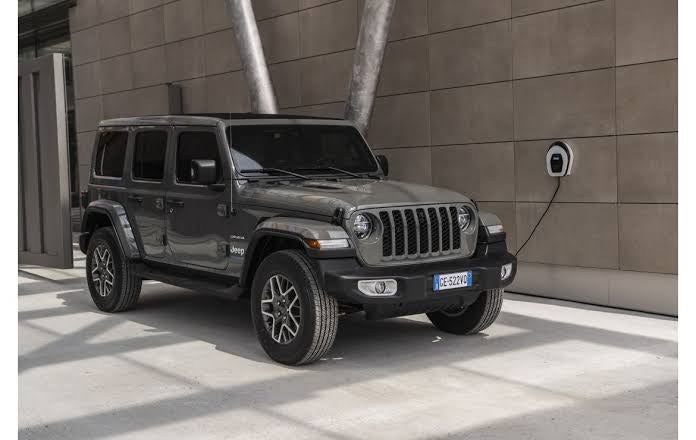
Owner Tips for Getting the Most Electric-Only Miles from Your Jeep Wrangler 4xe This Fall

Owner Tips for Getting the Most Electric-Only Miles from Your Jeep Wrangler 4xe This Fall
THE SHORT ANSWER
Charge fully before short trips, use Electric mode around town, and warm the cabin while the Jeep is still plugged in. Those three habits help your Wrangler 4xe cover more miles on electricity alone as the weather cools.

Why does your Wrangler 4xe seem to run out of electric miles sooner now that the mornings are cold? You're not imagining it, and you're not alone. It's one of the most common questions 4xe owners bring to the service desk at Town & Country Jeep Chrysler Dodge Ram in Levittown this time of year. Most of the fix comes down to habits, and you can start them tomorrow morning.

Why Cold Weather Cuts Electric Range

Lithium-ion batteries are a lot like you on a cold morning. They're slow to get going. When the pack is chilly, the chemistry inside moves less freely, so it can't hand over as much usable energy as it did in September.

Heat is the second hit. A gas engine makes warmth as a byproduct, but in Electric mode your cabin heat has to come from the battery. Run the heater full blast down Hempstead Turnpike, and that energy isn't going to the wheels.

Most owners don't expect the third piece. On a really cold day, the 4xe may start the gas engine even when you've picked Electric mode, either to protect the battery or to warm the cabin. That's normal behavior, not a fault, and it usually settles down as temperatures climb.

A few smaller things stack on top:

  • Tire pressure drops as the air cools, which adds rolling resistance
  • Cold, dense air creates a little more drag at highway speed
  • Short hops never give the battery a chance to warm up

None of this means something's wrong with your Jeep. It's physics. You can work around most of it with habits instead of hardware.

Charging Habits That Help

Top off before short trips

The easiest win is to plug in every time you're home, even if you only ran to the library and back. Think of electric range as a daily allowance. If you start each morning full, your errands around town run on the battery instead of the engine.

A standard household outlet works fine if the Jeep sits overnight. A Level 2 charger at home cuts the wait way down, which helps in the fall when you're making two or three trips a day and want to top off at lunch.

Charge so you leave warm

Timing matters more once it gets cold. A battery that just finished charging is a bit warmer than one that sat full all night in a chilly driveway. Use scheduled charging in Uconnect so the battery finishes close to when you usually head out.

A few more habits:

  • Park in the garage when you can, because a warmer pack holds up better
  • Keep the charge port and connector clear of leaves and grit
  • Plug in at public chargers when you're parked for a while anyway

If your charge cord is damaged or you want a second one for work, our parts department can track down the right one.

Choosing the Right Drive Mode

Your 4xe has three drive modes. Picking the right one for each trip is where a lot of owners leave electric miles on the table.

  • Electric uses the battery first and keeps the engine off as much as it can
  • Hybrid blends both and lets the system decide
  • eSave holds your battery charge for later, or uses the engine to add some back

Around town, Electric is the move. Stop-and-go driving on Wantagh Avenue or through a crowded shopping center lot is where electric power is most efficient and the gas engine is least happy.

Then there's Max Regen. Press that button and the Jeep slows down more strongly when you lift off the accelerator, sending more energy back into the battery. After a few days you'll barely touch the brake pedal in traffic, and coasting up to a red light puts a little charge back.

Smooth driving helps in any mode. Quick launches and hard stops drain charge fast. Ease off early and roll up to lights, and the system recovers that energy instead of wasting it as brake heat.

Preconditioning Before You Leave

If you change only one thing this fall, make it this: warm the cabin while the Jeep is still plugged in. Preconditioning uses wall power to heat the interior and clear the glass. You pull out of the driveway comfortable, with the battery still full, instead of burning your first few miles of charge on heat.

How to do it

Start it from the Uconnect app on your phone, or set it up in the vehicle's settings. Give the cabin a little time to come up to temperature before you head out. Keep the cord connected the whole time, since that's the point.

Heat the person, not the cabin

Once you're rolling, heated seats and a heated steering wheel, if your Jeep has them, warm you directly. They use far less energy than blowing hot air around the whole interior. Plenty of owners set the climate a bit lower and lean on seat heat instead.

A couple more cabin tips:

  • Run the fan on a moderate setting rather than max
  • Switch to recirculation once the windows are clear
  • On a soft top, a snug fit and healthy seals hold warmth in

Preconditioning won't fully fix a pack that sat outside all night in the cold. Still, it cuts down a lot on the energy you'd otherwise spend on heat once you're driving.

When Hybrid Mode Makes More Sense

Chasing electric miles is fun, but it isn't always the smartest play. Sometimes letting the engine help works out better for you and for the Jeep.

Highway runs are the big one. Cruising at speed on the LIE or the Southern State drains battery charge quickly, and that's exactly where gas is relatively efficient. On a mixed trip, like highway miles out east followed by errands once you arrive, try eSave on the highway to hold your charge. Switch to Electric when you hit local streets so the battery goes where it does the most good.

Hybrid also makes sense when:

  • It's bitterly cold and the engine is going to run anyway
  • You're towing or heading off-road and want full combined power
  • You can't charge at your destination and want a cushion for the trip home

Don't stress about burning some gas. The 4xe was built to switch between both, and running the engine now and then is good for it. Fuel that sits too long can go stale. If you've driven a long stretch on electric only, the Jeep has a refresh routine that may run the engine on its own.

What to Do This Week

Here's a short checklist to work through before the next cold snap:

  • Check tire pressure on a cool morning and set it to the number on the driver's door jamb
  • Set up scheduled charging to finish near your usual departure time
  • Turn on preconditioning in the app and try it tomorrow
  • Use Max Regen for a week of commuting and see how it feels
  • Plan on Electric for town and eSave for highway stretches

When it's worth a look

If something still feels off after a week of these habits, have it checked. A range drop that seems bigger than the weather explains, a charge that keeps stopping short, or warning messages on the dash are all good reasons to book a service visit. Our technicians can check battery health, inspect the charging system and make sure your software is current, so you're not left guessing.

Town & Country Jeep Chrysler Dodge Ram serves Nassau, Suffolk and Queens, so wherever your commute takes you, help isn't far off. Bring your questions along, and we'll walk you through what we find.

Where
3156 Hempstead Tpke
Levittown, NY
KEY TAKEAWAYS
  • Plug in every time you're home, and time charging to finish close to when you leave.
  • Use Electric mode and Max Regen in town, and save battery with eSave on the highway.
  • Precondition on wall power and lean on seat heat instead of blasting the cabin heater.
FAQ

Common questions

Is it normal for the gas engine to run in Electric mode when it's cold?

Yes. In very cold weather, the 4xe may start the engine to protect the battery or help heat the cabin, even if you've chosen Electric mode. It usually stops happening as temperatures rise.

Should I plug in after every trip, even short ones?

For everyday driving, yes. Starting each trip with a full battery gives you the most electric miles for local errands. Check your owner's manual for any specific charging guidance for your model year.

Does preconditioning help if the Jeep isn't plugged in?

It'll still warm the cabin, but it pulls that energy from the battery, which works against the goal. You get the full benefit only when the Jeep is connected to a charger while it warms up.

Will my electric range come back in the spring?

In most cases, yes. The fall and winter drop comes mostly from temperature, so range typically recovers as the weather warms. If it doesn't, that's worth a service check.

Do I need a Level 2 charger at home?

No. A standard outlet will charge the 4xe overnight. A Level 2 charger is a nice upgrade if you make several trips a day or want to top off quickly between them.
Want to see it in person?
Come by for a test drive, or browse what is on the lot right now.
Or call (516) 271-3278 · 3156 Hempstead Tpke, Levittown
Posted in:

Related Posts

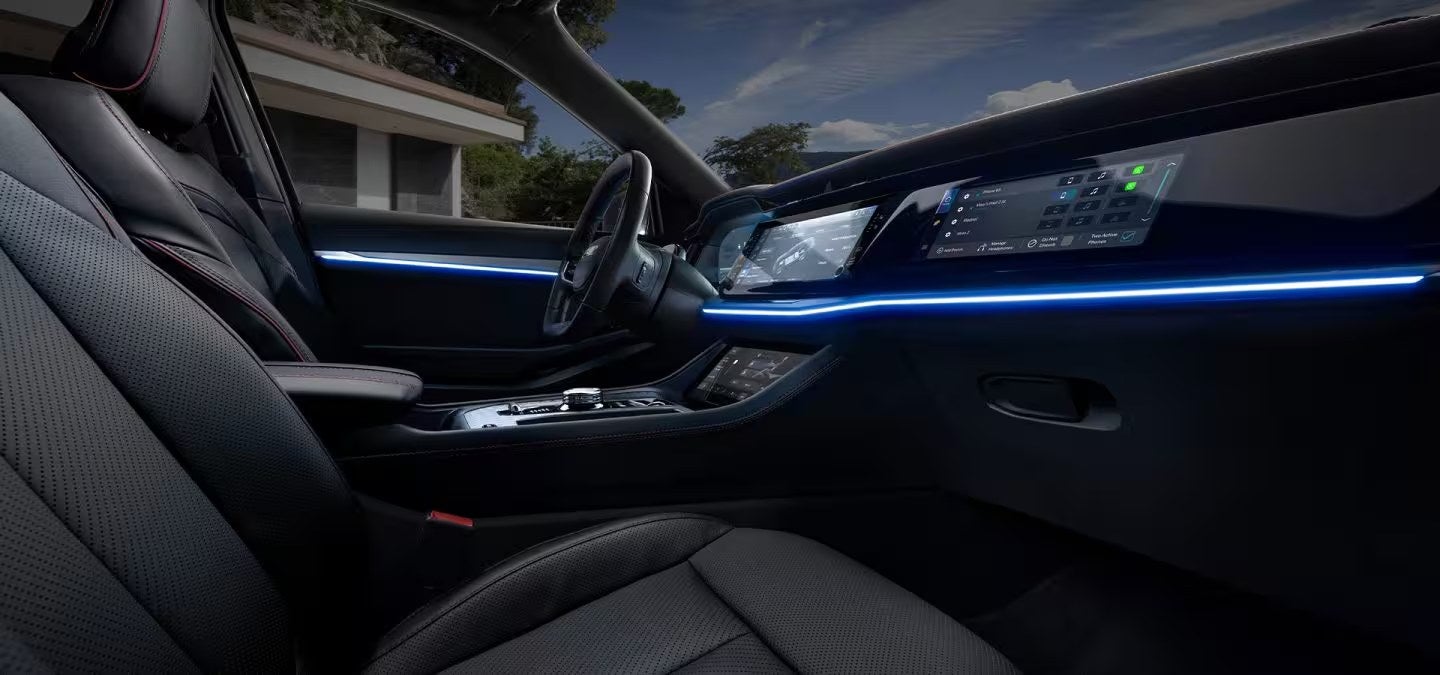
Inside the 2026 Jeep Wagoneer S: What Makes Jeep's First All-Electric SUV Different

Inside the 2026 Jeep Wagoneer S: What Makes Jeep's First All-Electric SUV Different

THE SHORT ANSWER The 2026 Jeep Wagoneer S is Jeep's first dedicated all-electric SUV. It's a two-row midsize model with dual-motor all-wheel drive, built for everyday driving range and quick charging. It also offers the quiet, instant response that only an electric drivetrain delivers. Here's the short version: the 2026 Jeep Wagoneer S is Jeep's first SUV designed from the start to run on electricity alone, with dual-motor all-wheel drive and a focus on daily range and fast charging. At Town & Country Jeep Chrysler Dodge Ram in Levittown, we hear a lot of questions about how it compares to the Wagoneers people already know. Below you'll find a plain-English look at the drivetrain that sets it apart, how to live with it, and why it matters for drivers on Long Island. IN THIS POST Why Jeep Built an All-Electric Wagoneer Range and Charging Basics How It Drives Differently Than a Grand Wagoneer Who This SUV Fits Best Seeing One in Person at Our Levittown Showroom Key takeaways Why Jeep Built an All-Electric Wagoneer Jeep has offered plug-in hybrids for a few years. The 4xe models pair a gas engine with a battery for short electric trips. The Wagoneer S goes further: it has no gas engine at all, and it rides on a platform designed around a large battery pack under the floor rather than a converted gas chassis. That matters more than it sounds. Building from scratch lets engineers place the battery low and flat, which lowers the center of gravity. It also frees cabin space where a transmission tunnel and fuel tank would normally sit, and it leaves room for a small storage compartment under the hood. The feature at the heart of it Dual-motor all-wheel drive is the headline. One electric motor drives the front wheels and another drives the rear, while a computer splits power between them in milliseconds. No driveshaft, transfer case or center differential does the job mechanically, so traction adjustments happen faster than in a typical gas AWD system. The Wagoneer name signals the other half of the idea: a premium, comfortable cabin rather than a trail-first rig. Think of it as Jeep's take on a refined electric family SUV, with the brand's sure-footed traction built in from day one. Range and Charging Basics Range is the question we hear first, and real-world range shifts with how and where you drive. Steady highway speeds on the Long Island Expressway use more energy than stop-and-go errands around Hicksville, which is the opposite of how a gas vehicle behaves. Cold January mornings trim range too, since the battery and cabin both need heat. Three ways to charge Level 1: a standard household outlet. It's slow, but fine for overnight top-ups if your commute is short. Level 2: a 240-volt charger at home or work, on the same kind of circuit a clothes dryer uses. Most owners refill the battery this way overnight. DC fast charging: public stations along major routes, built for road trips when you need a big boost during a meal or coffee stop. How to use it day to day Treat the SUV like your phone. Plug in at home most nights and you'll rarely think about public charging. Before a longer drive, say out to the East End or through Queens toward the bridges, use the navigation or a charging app to plan a stop. If you live in a condo or a house without a driveway, check what's available at work or nearby before you buy. That's the single biggest factor in how easy EV ownership feels. How It Drives Differently Than a Grand Wagoneer Jeep's Grand Wagoneer is a full-size, three-row SUV with a gas engine, built to carry big families and tow. By contrast, the Wagoneer S is a two-row midsize with a sleeker, sloped roofline. It's a different kind of vehicle, not a smaller copy. What you'll notice behind the wheel Instant response: electric motors deliver their pull the moment you press the pedal, with no wait for gears to shift. Merging onto the Meadowbrook feels effortless. Quiet cabin: with no engine noise at idle or cruise, road and wind sound become most of what you hear. Regenerative braking: lifting off the pedal slows the vehicle while sending energy back to the battery. On stronger settings, you'll rarely touch the brake in traffic. Planted feel: the low battery keeps body lean in check through ramps and curves. Give yourself a drive or two to adjust to regeneration. Most people end up preferring it once it clicks, especially in the slow crawl on Hempstead Turnpike. You'll get the clearest sense of these differences on familiar pavement. When you book a test drive, run it on roads you use every day, including a stretch of highway and some tight parking-lot maneuvering. Who This SUV Fits Best The Wagoneer S makes the most sense for drivers whose weeks follow a predictable pattern. Maybe most of your miles are commutes, school runs and errands across Nassau and western Suffolk, and you can charge where you park. If so, an EV takes gas stops out of your routine entirely. It's a strong match if you: Have a driveway or garage where a Level 2 charger can go Want confident traction for wet, snowy Long Island winters Prefer a quiet, upscale cabin over a rugged, trail-focused one Need two rows and room for gear, not three rows When another Jeep may suit you better You may tow regularly, need a third row, or street-park with no charging nearby. In those cases, a Grand Wagoneer or a 4xe plug-in hybrid may fit your life with less planning. That's not a knock on the Wagoneer S. It's about matching the vehicle to how you actually drive. Cost questions usually come next, and the answers depend on your credit, loan term and current offers. Our payment calculators and shopping tools let you try different scenarios from home. You can also explore financing options with our team before you commit to anything. Seeing One in Person at Our Levittown Showroom Photos don't show how an EV feels, so the next step is getting in one. Town & Country serves Nassau, Suffolk and Queens, and a visit is the quickest way to see whether the Wagoneer S fits your routine. What to bring and ask Your daily commute distance and where you'd plan to charge Questions about home charger installation and your electrical panel Your current vehicle, if you're thinking about trading it in Once you're here, sit in both rows and open the front storage compartment. Have someone walk you through the charging port, the regen settings and how the touchscreen shows charging stops along a route, since that's the tool you'll lean on most on longer drives. If you have a vehicle to trade, our online trade-value tools give you a starting number before you leave the house. To see what's on the lot right now, browse our new inventory and pick a time that works for you. Come with your questions; this is a new kind of Jeep, and a hands-on look clears up more than any spec sheet can. Where 3156 Hempstead Tpke Levittown, NY Call (516) 271-3278 KEY TAKEAWAYS The Wagoneer S was designed from the ground up as an EV, with a motor at each axle handling all-wheel drive faster than a mechanical system can. Life with it is easiest when you can charge where you park, ideally on a Level 2 charger at home. It's a different vehicle from the three-row, gas-powered Grand Wagoneer, so a test drive on your own roads is the best way to judge it. FAQ Common questions Is the Wagoneer S just a Grand Wagoneer with a battery? No. It's a separate two-row midsize SUV built on a dedicated electric platform, while the Grand Wagoneer is a full-size, three-row model with a gas engine. They share a name and a premium feel, but they're sized and engineered for different jobs. Do I need to install a charger at home? Not strictly, since a regular outlet will add some charge overnight. Most owners find a Level 2 charger makes daily life much easier, though. Have a licensed electrician check your panel, and ask your utility whether it runs any EV charging programs. How do Long Island winters affect an electric SUV? Cold weather reduces range because energy goes toward warming the battery and cabin. Parking in a garage helps, and so does warming the cabin while the vehicle is still plugged in, so the battery keeps more of its charge for the drive. Want to see it in person? Come by for a test drive, or browse what is on the lot right now. Schedule a test drive Browse new inventory Or call (516) 271-3278 · 3156 Hempstead Tpke, Levittown Or keep browsing Current offers Financing Value your trade Book service Contact us Used cars

How Ram's Uconnect 5 System Actually Works on the 2026 Ram 1500

How Ram's Uconnect 5 System Actually Works on the 2026 Ram 1500

THE SHORT ANSWER Uconnect 5 on the 2026 Ram 1500 runs on a large touchscreen. It pairs with your phone for wireless Apple CarPlay and Android Auto, saves each driver's settings in a profile, and updates its software over the air. Most of the setup happens in the first few minutes with the truck parked, and the step people usually skip is saying yes to CarPlay or Android Auto when the screen asks. The most common Uconnect mistake we see is someone pairing a phone over Bluetooth, hearing music come through the speakers, and figuring the job is done. Bluetooth handles calls and audio, but it doesn't put your maps, messages and apps on the big screen. At Town & Country Jeep Chrysler Dodge Ram in Levittown, Ram 1500 owners ask us about this all the time. Below we walk through how Uconnect 5 works, one piece at a time. IN THIS POST The Mistake Most New Owners Make Getting Started With the Touchscreen Setting Up Wireless CarPlay and Android Auto Driver Profiles Explained Using Voice Commands Over-the-Air Updates: What They Change Fixing the Usual Hiccups What to Do Next Key takeaways The Mistake Most New Owners Make When you first pair a phone, Uconnect 5 sets up two connections. Bluetooth carries calls and audio. Wireless CarPlay or Android Auto carries your phone's whole interface, so your apps show up on the truck's screen. Your phone asks permission for that second connection with a quick pop-up, and plenty of people tap "Not Now" because they're pulling out of a parking lot. After that, it looks like things are working. Spotify plays and calls ring through. Navigation stays on the phone, though, and texts never come up on the screen. Owners often decide wireless CarPlay is broken when really it was never turned on. You can fix it in under a minute: Park the truck and leave it running. On an iPhone, open Settings, then General, then CarPlay, and pick your Ram. On Android, open the Android Auto settings and allow the connection to the truck. Make sure Wi-Fi is on, even if you're not connected to a network. Wireless projection runs over a Wi-Fi link between the phone and the truck. Once you allow it, the truck remembers your phone. From then on it should connect by itself shortly after you start the engine. Getting Started With the Touchscreen Uconnect 5 is laid out a lot like a tablet. Your apps sit in a grid, and a menu bar along the bottom keeps the ones you use most one tap away. You can drag apps into or out of that bar, which is worth doing on day one so radio, phone and navigation are always in reach. Home Screen Basics The home screen shows cards for things like media, weather and your phone. Press and hold a card to move it, resize it or swap it for another. You can set things up so a glance shows what's playing and who called, without opening any menus. Physical Controls Still Matter Ram kept real knobs and buttons for the things you adjust while driving. Volume, tuning and the main climate controls are all physical, so you don't have to look for a slider on the screen. The steering wheel buttons handle volume, skipping tracks and voice, and those are the controls you'll use most once you're moving. If the screen looks crowded at first, give it a few days. Most owners settle on a handful of apps and stop using the full grid. That's the right way to use it. Setting Up Wireless CarPlay and Android Auto Do the first connection with the truck parked. Uconnect blocks some setup screens while you're moving, and the phone prompts are easy to miss at a light. For iPhone Turn on Bluetooth and Wi-Fi, then go to the Phone app on the Uconnect screen and add a new device. Pick the truck from your iPhone's Bluetooth list, confirm that the pairing codes match, and allow contacts and favorites to sync if you want them. When iOS asks about CarPlay, choose Use CarPlay. The screen will switch to Apple's layout, and a Uconnect icon will appear so you can get back to the truck's own menus. For Android Most current Android phones have Android Auto built in. Pair over Bluetooth the same way, and accept the Android Auto prompts on the phone. Some older or budget phones only support Android Auto over a cable. If you have one of those, plug it into a data-capable USB port. Two phones in the truck can cause confusion. Uconnect usually connects to whichever paired phone it saw most recently. To change that, open the phone settings on the screen and pick the device you want. A driver profile can also handle this for you, which is covered next. Driver Profiles Explained A driver profile is a saved set of preferences tied to one person. If two or three people drive the same 1500, profiles keep them from undoing each other's settings every time they get in. A profile can hold: Radio presets and favorite stations Your home screen and menu bar layout Your preferred phone for CarPlay or Android Auto Display and sound preferences Seat and mirror positions, on trucks with memory seats To create one, open Settings and find the profiles menu. Add a name and photo if you like, then set everything up the way you want it. Linking the profile to a key fob is the most useful step. When you unlock the truck with that fob, Uconnect loads your profile automatically, so you get in and everything is already where you left it. There's also a guest profile. It's worth using when a neighbor borrows the truck to move a couch, or when a valet takes the keys, because it keeps their changes out of your setup and keeps your contacts out of their view. If you share the truck, set profiles up the first week. It's much easier than fixing scrambled presets later. Using Voice Commands The voice button on the steering wheel does two jobs, depending on what's connected. Built-In Uconnect Voice With no phone projecting, a short press starts Uconnect's own voice system. It works well for truck functions. You can say things like "Call Dave mobile," "Change radio to FM," "Navigate to Levittown Library" (on trucks with built-in navigation), or "Set temperature to 70." Speak normally and plainly. You don't need to talk slowly, and pausing in the middle of a command can cut it off early. Siri and Google Assistant When CarPlay or Android Auto is active, a long press of the voice button usually brings up your phone's assistant. Use it for messages, music apps and any destination saved on your phone. On most setups, a short press still goes to Uconnect, so you have both. Some trucks also offer Amazon Alexa built in through a connected-services plan. If yours has it, you can link it to your Amazon account and use it for smart-home tasks, like checking whether you closed the garage before you hit the Wantagh. A practical tip: pick one assistant for messages and use it every time. Switching between systems is the main reason voice commands seem unreliable. Over-the-Air Updates: What They Change Uconnect 5 can download software updates through the truck's built-in connection, so you don't need a USB drive or a trip to the dealer. This is one of the bigger differences from older Uconnect systems, which mostly stayed the way they left the factory. What Updates Usually Touch Most updates go to the infotainment side. That means bug fixes, smoother phone connections, interface changes, map data and sometimes new apps or features. Some updates also reach other modules in the truck, and those are often what fix small issues owners have reported. How the Process Works The screen will show a notice when an update is ready. Many can download while you drive, but installation happens while the truck is parked. You'll usually be asked to approve it and choose when it runs. Read the prompt before tapping through, because some installs keep parts of the system offline for a while. Don't start one right before a morning commute on the Northern State. You can only get updates if the truck's connectivity is active. If you've never set up connected services, or you skipped activation at delivery, your truck may be behind. Checking takes a minute in the system settings menu. Fixing the Usual Hiccups Most Uconnect problems come down to a few causes, and you can fix nearly all of them in the driveway. CarPlay or Android Auto Won't Connect Start with the phone. Check that Wi-Fi and Bluetooth are on and that you aren't in low-power mode, since that can block background connections. If it still won't connect, remove the truck from your phone, remove the phone from Uconnect, and pair again from scratch. A clean re-pair fixes most stubborn cases, and it works especially well right after a phone software update. The Screen Freezes or Lags You can restart Uconnect without restarting the truck. Press and hold the radio's power knob until the screen goes dark and reboots. That clears most freezes. If the same problem keeps coming back, check whether a software update is waiting, since that's often what the update is fixing. Wrong Phone Keeps Connecting That's what driver profiles are for. Set each person's preferred phone in their profile, and the truck will stop grabbing whoever walked up first. If a problem sticks around after a reset and a re-pair, have it looked at during your next service appointment. A technician can check software versions and module updates that aren't visible from the driver's seat. What to Do Next If you're still deciding on a 2026 Ram 1500, use the test drive to try Uconnect with your own phone. Pair it in the lot, allow CarPlay or Android Auto, and drive a familiar route, like Hempstead Turnpike to the Wantagh. You'll find out quickly whether the layout makes sense to you. When you book a test drive, tell us you'd like the setup done in the truck, and we'll walk you through it before you leave. If you already own one, here's a short checklist for this week: Confirm CarPlay or Android Auto is actually allowed on your phone. Set up a driver profile and link it to your key fob. Rearrange the menu bar so your top apps are one tap away. Check for a pending software update and install it while parked. Town & Country is a full-service Chrysler, Dodge, Jeep and Ram dealership in Levittown, so questions about the truck's tech get the same attention as anything mechanical. Bring your questions in, and bring your phone so we can work through them with you. Where 3156 Hempstead Tpke Levittown, NY Call (516) 271-3278 KEY TAKEAWAYS Bluetooth pairing alone gives you calls and audio. Allowing CarPlay or Android Auto is what puts your phone's apps on the screen. A driver profile keeps your presets, favorites and connected phone, so set one up before anyone else drives the truck. Over-the-air updates mostly change the infotainment software, and they install while the truck is parked. FAQ Common questions Do I need a cable for Apple CarPlay or Android Auto in the 2026 Ram 1500? No, Uconnect 5 supports both wirelessly. You still have to approve the connection on your phone the first time, and some older Android phones only support Android Auto over a cable. Why does my music play but my apps don't show on the screen? Your phone is connected over Bluetooth, but CarPlay or Android Auto isn't turned on. Allow it in your phone's CarPlay or Android Auto settings, keep Wi-Fi on, and the apps should appear. Will a software update erase my driver profile or paired phones? In normal use, updates leave your profiles and paired devices in place. Once in a while a phone may need to be paired again after a major update, which takes a minute or two. Can two people use CarPlay in the same truck? Only one phone projects at a time, but both can be paired. Set each driver's phone in their own profile and link the profile to their key fob, and the truck will pick the right phone automatically. Is it safe to install an update when the screen prompts me? Yes, as long as the truck is parked and you have some time. Read the prompt first, because parts of the system may be unavailable until the install finishes. Want to see it in person? Come by for a test drive, or browse what is on the lot right now. Schedule a test drive Browse new inventory Or call (516) 271-3278 · 3156 Hempstead Tpke, Levittown Or keep browsing Current offers Financing Value your trade Book service Contact us Used cars

Driving the Wantagh Parkway in Your Jeep Grand Cherokee: A Local Guide for Levittown Commuters

Driving the Wantagh Parkway in Your Jeep Grand Cherokee: A Local Guide for Levittown Commuters

THE SHORT ANSWER The Wantagh Parkway's curves, short merges and seasonal traffic are much easier to handle in a Grand Cherokee once you know where the pinch points are and how to lean on your driver-assist features. Leave a little early, merge with confidence, give adaptive cruise a generous following gap, and get the car ready for fall before the leaves come down. Here's the one tip I give every Levittown driver who asks about the Wantagh Parkway: treat the on-ramp like a runway, not a waiting room. A lot of those entrances have short acceleration lanes, so bring your Grand Cherokee up to the speed of traffic before you merge instead of creeping in and hoping someone lets you over. We see plenty of parkway commuters at Town & Country Jeep Chrysler Dodge Ram in Levittown, and what follows is the rest of what they've taught us about that daily drive. IN THIS POST Morning Commute Patterns and Where It Backs Up Using Adaptive Cruise on the Parkway Fall Weather Changes to Watch For Quick Service Stops Along the Way Key takeaways Morning Commute Patterns and Where It Backs Up Morning patterns On weekday mornings, the northbound side fills in earlier than most people expect as drivers feed toward the Northern State and the Long Island Expressway beyond it. Southbound usually stays lighter until summer, when beach traffic to Jones Beach changes things on weekends and holidays. If your schedule has any give, leaving a little earlier buys you more calm than any shortcut will. Where traffic backs up most Slowdowns cluster around the interchanges. Expect bunching where the Wantagh meets the Southern State, since cars weave across lanes to make that connection, and again near the Northern State at the north end. Exits for Hempstead Turnpike and Sunrise Highway can stack up too when the roads below are jammed. A few habits make a real difference: Settle into your lane well before an interchange instead of cutting over at the last second. Watch for brake lights a few cars ahead, not just the bumper in front of you. Expect sudden slowing on curves, where drivers ease off without much warning. Using Adaptive Cruise on the Parkway If your Grand Cherokee is equipped with adaptive cruise control, the Wantagh is a good road to use it on, with a little judgment. It holds a set following distance and slows down or speeds back up with the car ahead, and depending on how your Jeep is equipped, it may bring you to a stop in heavy traffic and pull away again. On this parkway, I'd set the longest following gap your system allows. Short merges mean people slide in front of you often, and a bigger cushion keeps the system from braking hard every time someone cuts in. That extra room also gives you time to react if traffic stops suddenly at an interchange. Know when to take over, too. Steer and brake yourself through the busy merge zones and the tighter curves, where you'll read the situation better than any sensor. Keep the front of the vehicle clean, because road grime, snow or heavy rain can limit how well the system sees. Shopping and curious how it feels on roads you actually drive? Book a test drive and ask to head toward the parkway so you can try it in real traffic. Fall Weather Changes to Watch For Autumn is a lovely time on the Wantagh, with trees lining much of the route, but it brings a few hazards. Wet leaves can be as slick as ice, especially in shaded stretches and on curves, so ease off a bit after rain. Low morning and evening sun can catch you from the side as you drive north or south, and a dirty windshield makes that glare much worse. Once the clocks change, many people end up driving home in the dark. Overpasses and bridges also tend to frost first on cold mornings, well before the rest of the road does. Before the season turns, run through this quick checklist: Check tire tread and pressure, since pressure drops as nights get colder. Replace streaky or chattering wiper blades. Clean your headlights and the inside of the windshield. Top off washer fluid with a formula made for cold weather. You can pick up wipers and other basics from our parts department and put them on in the driveway in a few minutes. That kind of simple prep pays off on the first rainy morning in November. Quick Service Stops Along the Way Once you're on the Wantagh, your only way off is the next exit, so it pays to handle small issues before they turn into a roadside problem. A new noise, a warning light or a pull to one side is worth checking soon rather than after another week of commuting. Being right here in Levittown makes us a convenient stop for parkway drivers. Town & Country Jeep Chrysler Dodge Ram has dedicated sales, service and parts departments, so routine work and the parts it needs are handled under one roof. We also offer service and parts support after the purchase, which is a big part of how we look after the people who buy from us. Good times to come in include: Before fall, for a tire, brake and battery check. When your Grand Cherokee reminds you an oil change is due. Any time a driver-assist warning comes on. It's easy to book service online around your commute. If you're curious why local drivers pick us, our dealership-specific reasons are collected under "Only at TC Jeep." Where 3156 Hempstead Tpke Levittown, NY Call (516) 271-3278 KEY TAKEAWAYS Most backups happen at the interchanges, so pick your lane early and watch a few cars ahead. Adaptive cruise is a great parkway companion if you set a long gap and take over near merges and tight curves. Fall brings wet leaves, low sun and darker commutes, so check tires, wipers and lights before the season turns. FAQ Common questions Should I use adaptive cruise in stop-and-go parkway traffic? It can take a lot of the strain out of a slow commute, especially if your Grand Cherokee can bring you to a stop and resume. Stay alert, keep your hands on the wheel, and take over in merge zones where cars cut in close. Do I need winter tires for the Wantagh Parkway? Plenty of Levittown drivers get by on good all-season tires with healthy tread. If you drive early mornings or late nights when roads are icy, or you simply want more grip in snow, winter tires are worth considering, and we can help you weigh the options. How often should I check my tire pressure in the fall? Check it at least once a month, and again after the first real cold snap, since pressure drops as the temperature falls. Use the number on the label inside your driver's door, not the one printed on the tire. Want to see it in person? Come by for a test drive, or browse what is on the lot right now. Schedule a test drive Browse new inventory Or call (516) 271-3278 · 3156 Hempstead Tpke, Levittown Or keep browsing Current offers Financing Value your trade Book service Contact us Used cars