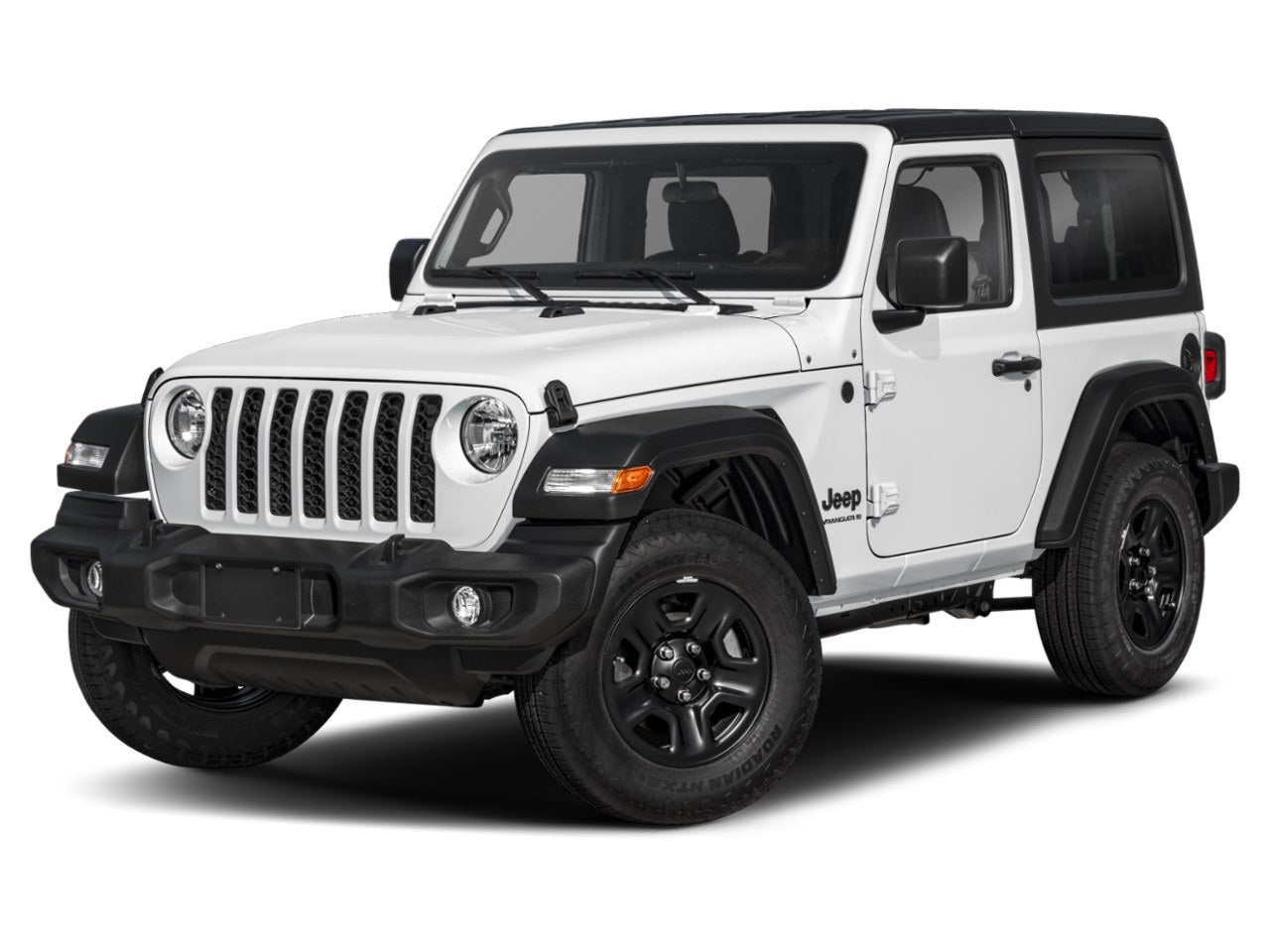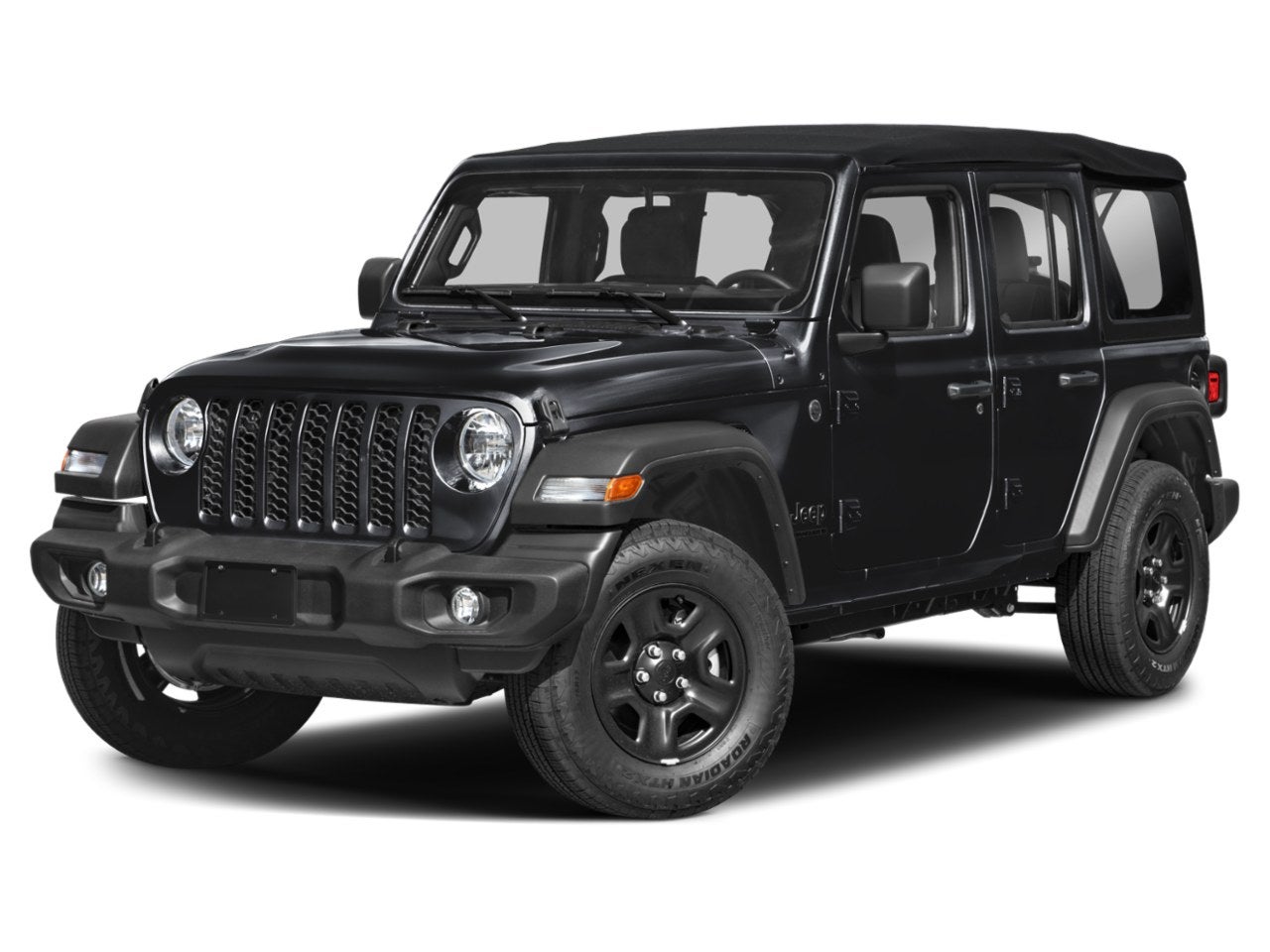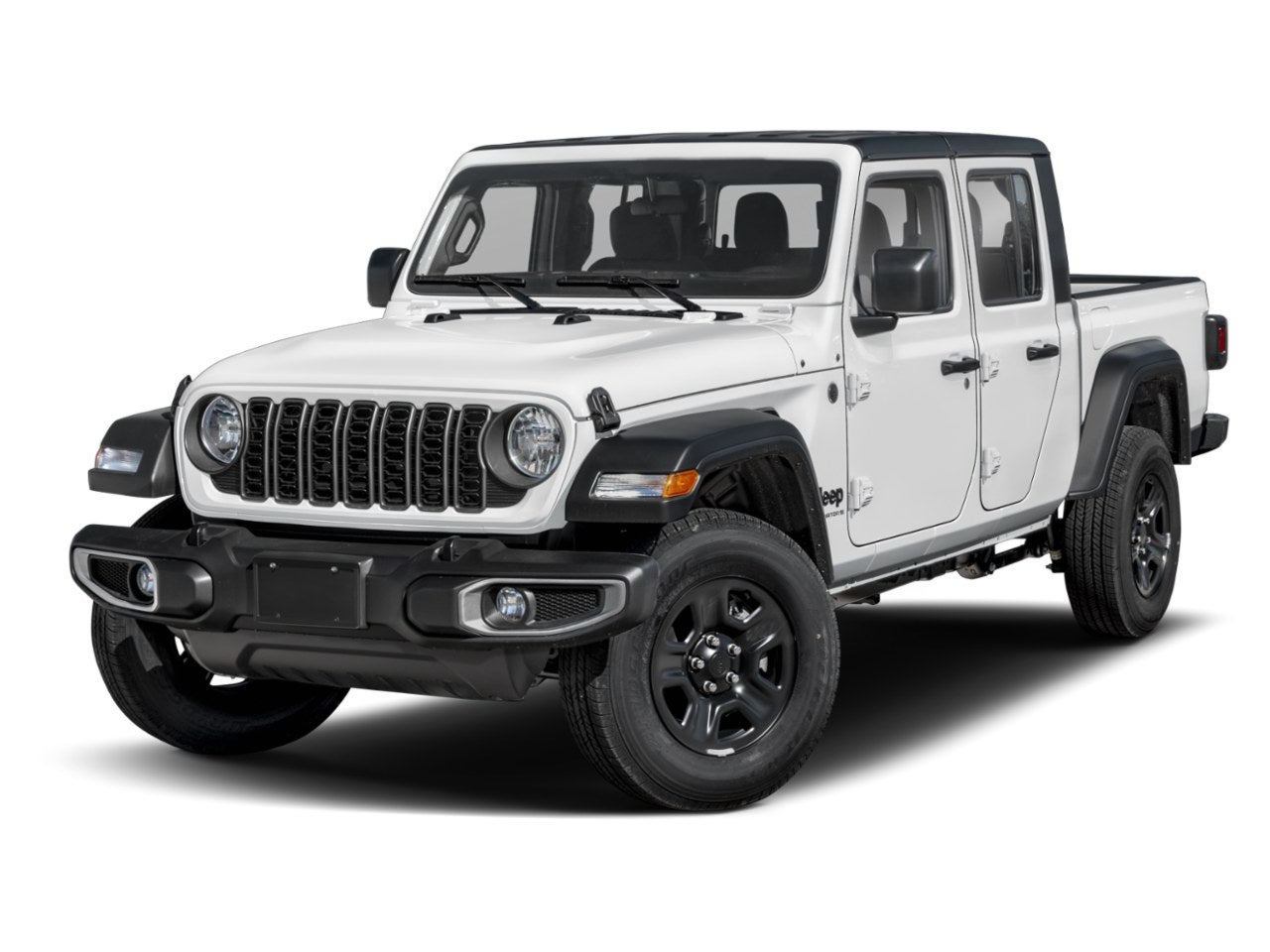



THE SHORT ANSWER Most Wrangler trims share the same 270-horsepower four-cylinder and four-wheel drive, so stepping up mainly buys trail hardware or comfort, not speed. Sport and Sport S cover the basics, Willys and Rubicon add off-road gear, Sahara and Rubicon X add a nicer cabin, and the Rewind and 392 trims change the engine. A Wrangler is a Wrangler, until you see two parked side by side with very different stickers. At Town & Country Jeep Chrysler Dodge Ram in Levittown, we field this question all the time: what am I actually getting as I move up the lineup? Here's each rung of the 2027 Wrangler, what it adds, and who it suits, so you can stop at the right one. IN THIS POST Start With What Never Changes Sport and Sport S: The Foundation Willys: Trail Gear Without Rubicon Money Sahara: Comfort Over Capability Rubicon and Rubicon X: Built for Hard Trails Moab 392 and Willys 392: The V8 Trims Rewind and California Edition: Specialty Picks Matching a Trim to How You Actually Drive Key takeaways Start With What Never Changes Before you compare trims, know what stays the same. Four-wheel drive comes on the entire 2027 lineup, so you're never choosing between a real Wrangler and a watered-down two-wheel-drive version. Removable doors, a top that comes off and that upright shape come at any price. Most trims also share one engine: a 2.0-liter four-cylinder making 270 horsepower. That covers the Sport, Sport S, Willys, Sahara, Rubicon, Rubicon X and California Edition. In practice, stepping from Sport to Rubicon X won't make you any quicker up the on-ramp to the Long Island Expressway. What you're really paying for as you climb Axles, differentials and gearing for off-road work Tires and wheels Interior materials, seats and screens Exterior trim, from black plastic to body color A different engine, but only on a few specialty trims Keep that list in mind. It explains why two Wranglers that look nearly identical can sit far apart on price, and it helps you decide which upgrades you'd use and which you'd just be carrying around. Sport and Sport S: The Foundation The Sport is the Wrangler at its most basic, and for plenty of buyers that's the appeal. You get the same four-wheel-drive system and engine as trims costing much more, with a simpler cabin. If you plan to modify it with your own wheels, bumpers or lift, starting here means you aren't paying for parts you'll pull off. Most people end up on the Sport S. It typically adds the everyday comforts the Sport leaves out, such as more power features, nicer wheels and upgraded interior touches, without changing anything mechanical. It's the version you'd want for a daily drive to Mineola or Garden City, not just weekend fun. On fuel, both trims are rated at 17 mpg city and 23 highway, so there's no efficiency reason to pick one over the other. Compare them on what you'll touch and use every day. Sit in both before deciding. If you catch yourself wanting the Sport S extras within five minutes, you'll want them for years. You can browse our new Wrangler inventory to compare the two side by side, since the exact equipment on any one vehicle depends on its packages. Willys: Trail Gear Without Rubicon Money The off-road look, with real substance The Willys sits between the Sport S and the Rubicon, aimed at people who want trail credibility without the top-tier price. It usually brings more aggressive tires, rock rails to protect the body and a limited-slip rear differential that helps send power to the wheel with grip. Its retro badging nods to the original military Jeep. Under the hood, nothing changes from the Sport. You give up nothing on the highway and gain a noticeably tougher stance off it. Where it stops short What the Willys doesn't include is the Rubicon's heavy-duty crawling hardware. For mud, sand and snowy side streets, it's plenty. Rock crawling and steep, technical trails are where the Rubicon earns its extra cost. For Long Island driving, the Willys hits a sweet spot. Beach access roads, unplowed lots after a nor'easter and the occasional dirt trail upstate are well within its range. Many owners personalize theirs with lights, racks or covers from our parts department, which is an easy way to make a Willys your own without jumping a full trim level. Sahara: Comfort Over Capability The Sahara heads in a different direction from the Willys. Instead of trail hardware, it adds polish: body-color trim, a more upscale cabin, larger screens and tires tuned for pavement. It's built for someone who drives the Northern State far more often than any trail. With a starting MSRP of $51,410, it's a real step up, so be honest about how you'll use it. If most of your miles are commuting, school runs and summer weekends out east, the quieter, more refined Sahara will feel worth the money. Its highway rating is 22 mpg, a hair below the Sport, which you'll barely notice in real driving. Who should skip it If serious off-roading is in your plans, the Sahara isn't a stepping stone toward a Rubicon. It's a side road. You'd pay for comfort features and still lack the locking differentials and crawl gearing that matter on hard trails. For that buyer, the Willys or a Rubicon makes more sense. Before you commit to any trim, check our current offers, since incentives on specific Wrangler trims can shift from month to month. Rubicon and Rubicon X: Built for Hard Trails The Rubicon is the trim the Wrangler's reputation rests on. It adds locking front and rear differentials, an electronic sway bar disconnect for more wheel travel, lower crawl gearing in the transfer case and heavier-duty axles. Together, those parts let it climb things other trims can't, slowly and under control. On pavement, the bigger, chunkier tires are what you'll notice most. They can add some road hum, so a long highway drive is part of judging whether it fits your life. Rubicon X: same hardware, nicer cabin The Rubicon X keeps all of that trail equipment and layers on the kind of comfort you'd find in a Sahara, typically including upgraded seating, a premium sound system and more tech. It's for buyers who want full capability and refuse to give up a nice interior to get it. Both run the same four-cylinder as the base Sport, which surprises a lot of people. Your money goes into the drivetrain and cabin, not more power. The best way to feel the difference is to book a test drive in a Rubicon and a Sahara back to back. Moab 392 and Willys 392: The V8 Trims Two trims trade the four-cylinder for a 6.4-liter V8 making 470 horsepower: the Moab 392 and the Willys 392. This is the biggest single jump in the lineup. Merging onto the Southern State or passing on the Sunrise Highway feels like driving a different vehicle entirely, and the sound alone sells a lot of people. That power costs you at the pump. Ratings drop to 13 mpg city and 16 highway, so if you commute daily from Suffolk into Queens, factor fuel into your monthly budget, not just the payment. Moab 392 or Willys 392 Both share the same engine and four-wheel drive. The Moab 392 leans toward the well-equipped, full-capability end of the lineup, while the Willys 392 pairs the V8 with the Willys' heritage-styled approach. Packages vary, so compare equipment on the actual vehicles rather than assuming. If you love the idea of a V8 Wrangler but want to explore other price points, our certified pre-owned Wranglers are worth a look alongside new ones. A V8 is a want more than a need for most Long Island driving, and there's nothing wrong with that, as long as you go in knowing the trade-off. Rewind and California Edition: Specialty Picks Rewind The Rewind stands out as the only trim here with a 3.6-liter V6, making 285 horsepower. It suits buyers who prefer the smoother, familiar character of a six-cylinder over the four. Its fuel ratings match the Sahara's, so you aren't trading economy for that feel. For longtime Jeep owners trading in an older Wrangler, the Rewind often feels like home. Drive it alongside a four-cylinder trim to see which engine you actually prefer, because the difference is more about personality than raw performance. California Edition The California Edition shares the same four-cylinder as the Sport. Special editions like this bundle a specific set of appearance and equipment upgrades under one name, and they can be built in smaller numbers than core trims. Ask exactly what's included on the one you're considering, since that bundle is where its value lies. Specialty editions can come and go from inventory quickly, so it helps to have your financing options sorted out before you start shopping. That way, if the right one appears, you can make a decision without scrambling. Matching a Trim to How You Actually Drive The right Wrangler is the one that fits your real week, not your dream weekend. Here's a quick way to narrow it down: Daily commuting on the LIE or Northern State: Sport S or Sahara Beach roads and light trails a few times a year: Willys Serious off-road trips upstate or out of state: Rubicon or Rubicon X Power and sound as the priority: Moab 392 or Willys 392 Six-cylinder feel: Rewind Winter matters here too. Since four-wheel drive comes standard, the bigger factor in a Long Island snowstorm is tires, so pay attention to what's mounted on the one you choose. Next steps with us Town & Country Jeep Chrysler Dodge Ram serves Nassau, Suffolk and Queens, with dedicated sales, service and parts departments, so the same team can help long after you drive off. Ask about our dealership-specific reasons to buy, collected as "Only at TC Jeep". If you have a vehicle to swap, you can value your trade before you visit and walk in knowing where you stand. Where 3156 Hempstead Tpke Levittown, NY Call (516) 271-3278 KEY TAKEAWAYS Most trims share one engine, so you're paying for hardware and comfort, not power. Choose Willys or Rubicon for trails and Sahara for pavement comfort. Only the Rewind V6 and the two 392 V8 trims change what's under the hood. FAQ Common questions Does a higher Wrangler trim mean more horsepower? Usually not. Sport, Sport S, Willys, Sahara, Rubicon, Rubicon X and California Edition all share the 270-horsepower 2.0-liter four-cylinder. Only the Rewind, with its 285-horsepower V6, and the Moab 392 and Willys 392, with the 470-horsepower V8, change the engine. What's the real difference between the Willys and the Rubicon? The Willys adds off-road tires, rock rails and a limited-slip rear differential, which handle mud, sand and snow well. The Rubicon goes further with front and rear lockers, a sway bar disconnect, lower crawl gearing and heavier axles for technical trails and rock crawling. Can a Sahara go off-road? Yes, it has the same four-wheel drive as the rest of the lineup and handles beach roads, dirt trails and snow. It's tuned for pavement comfort, though, and lacks the Rubicon's locking differentials and crawl gearing for hard trails. Which Wrangler trim is best for Long Island winters? Any trim works, since four-wheel drive comes standard across the lineup. Tires make the bigger difference in snow and slush, so a Sport S or Sahara on good all-season or winter tires will serve most drivers well. Can I start with a lower trim and upgrade it later? Many owners do, especially with the Sport and Sport S. Wheels, tires, lighting, racks and armor are common add-ons. Deeper drivetrain changes like lockers and axles cost more to add later than buying a Rubicon from the start, so think about where you'll end up before choosing. Want to see it in person? Come by for a test drive, or browse what is on the lot right now. Schedule a test drive Browse new inventory Or call (516) 271-3278 · 3156 Hempstead Tpke, Levittown Or keep browsing Current offers Financing Value your trade Book service Contact us Used cars