



Town & Country Jeep Chrysler Dodge Ram

Blog / Chrysler

Jeep Grand Cherokee vs Kia Telluride for Your Levittown Family

Jeep Grand Cherokee vs Kia Telluride for Your Levittown Family
THE SHORT ANSWER
For most Levittown families, the Jeep Grand Cherokee is the more flexible choice. It offers genuine 4x4 systems, a plug-in 4xe hybrid and a more upscale cabin, and the three-row Grand Cherokee L covers the seating the Telluride is known for. If your week mixes parkway commutes with beach runs, ski trips and the occasional snowstorm, that drivetrain range is the difference you'll feel.

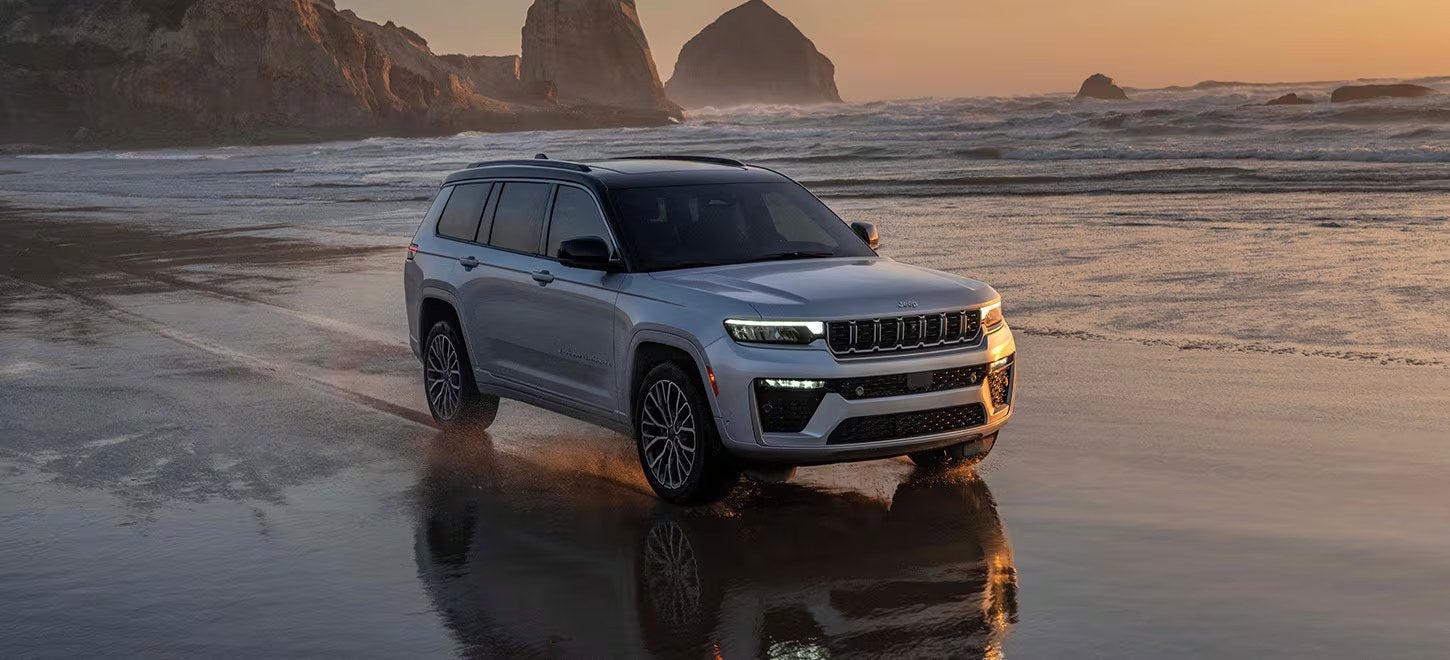
If you're shopping for a family SUV around Levittown, the Jeep Grand Cherokee and Kia Telluride have probably both landed on your short list. At Town & Country Jeep Chrysler Dodge Ram in Levittown, we keep the Grand Cherokee on our lot in both gas and 4xe plug-in hybrid form, so we can walk you through this comparison with the real vehicles in front of you. Below, we take the two point by point, in the same order for each, and finish with which one fits which kind of family.

Grand Cherokee vs Telluride: Start With Your Seats

Here's the most useful tip we can give you before you compare a single feature: count how often you actually fill a third row. Think back over the last month. If more than five people rode along only once or twice, a two-row SUV with a roomy back seat and a big cargo area will probably serve you better day to day than a three-row that carries an empty bench around.

That one honest answer shapes everything else. It tells you whether you're really weighing the Telluride against the two-row Grand Cherokee, the three-row Grand Cherokee L, or both.

Our second tip is to bring your real gear to the test drive. Install your car seats, fold the stroller into the back, and have your tallest teenager sit behind the driver. A few minutes in the parking lot will tell you more than any brochure.

What we'll compare, in order

  • Interior space and third-row use
  • 4x4 and 4xe capability versus AWD
  • Cabin feel and comfort
  • Technology and driver assistance
  • Lease and ownership costs
  • Which one fits Levittown driving

Grand Cherokee vs Telluride: Interior Space and Third Row

Jeep Grand Cherokee

You can get the Grand Cherokee two ways. The standard two-row model gives five people generous room and puts the space a third row would take into the cargo area. That's handy for hockey bags, beach chairs and warehouse-club runs.

Families who need seven seats regularly can step up to the Grand Cherokee L. Its longer body adds a usable third row and keeps the same upscale cabin and 4x4 hardware. Available second-row captain's chairs open a walkway to the back, so kids can climb in without anyone folding a seat. You can compare both versions side by side in our new Grand Cherokee inventory.

Kia Telluride

Three rows come on every Telluride, and the space back there is roomy. That's the vehicle's calling card.

Where the Grand Cherokee answers is choice. You don't have to pay for a third row you rarely use, and when you do need one, the L delivers it with genuine Jeep 4x4 capability underneath. For a family that hauls seven only on holidays, the two-row Grand Cherokee's bigger everyday cargo area is often the more useful layout.

Grand Cherokee vs Telluride: 4x4, 4xe and AWD

Jeep Grand Cherokee

This is where the two SUVs differ most. The Grand Cherokee offers genuine 4x4 systems, starting with Quadra-Trac I. Quadra-Trac II and Quadra-Drive II add a two-speed transfer case with low range for steep, slippery or sandy ground. Selec-Terrain modes adjust traction for snow, sand and mud, and available Quadra-Lift air suspension can raise the body for rough spots or lower it for easier loading.

Then there's the Grand Cherokee 4xe, a plug-in hybrid that pairs a gas engine with electric motors and a battery you charge at home. Short errands around town can run on electricity alone. On longer drives the gas engine takes over, so a trip out to Montauk never turns into a hunt for a charger. The 4xe is still a full 4x4, including the trail-focused Trailhawk version.

Kia Telluride

Kia offers the Telluride with all-wheel drive that includes a center lock mode, and its X-Pro trims add a bit more ground clearance and all-terrain tires. That setup handles a snowy morning well. The Grand Cherokee answers with low-range gearing, available air suspension and a plug-in hybrid option, which covers far more of what a Long Island family might ask an SUV to do.

Grand Cherokee vs Telluride: Cabin Feel and Comfort

Jeep Grand Cherokee

You notice the materials first when you climb into a Grand Cherokee. Depending on trim, you'll find real open-pore wood, stitched leather across the dash and quilted Nappa leather seats. Upper trims add available McIntosh audio, and Summit Reserve models offer front seats with a massage function.

The cabin is built to stand next to luxury-brand SUVs, and on the road it stays quiet and composed at parkway speeds. With the available air suspension, broken pavement and expansion joints come through as soft thumps rather than jolts. That's welcome on the stretches of the Long Island Expressway that see heavy truck traffic.

Kia Telluride

Kia gave the Telluride a handsome, well-organized interior, and upper trims bring comfort features such as ventilated front seats. It's a pleasant family cabin.

The Grand Cherokee's answer is a step up in feel. Its richer materials, premium audio options and the hushed ride that comes with air suspension make the Jeep feel closer to a luxury SUV, and that's a big part of why our customers choose it over other midsize family haulers.

Grand Cherokee vs Telluride: Technology and Driver Assistance

Jeep Grand Cherokee

Uconnect 5 runs the Grand Cherokee's touchscreen, with wireless Apple CarPlay and Android Auto, fast response and over-the-air updates. Available extras include a digital gauge cluster, a head-up display and an available front passenger screen, so whoever rides shotgun can handle navigation or music without reaching across to your display.

Safety tech goes deep. Forward collision warning with automatic braking, blind-spot monitoring, rear cross-path detection and adaptive cruise with stop-and-go come standard. Night vision with pedestrian and animal detection is available, which helps on dark back roads on the East End where deer cross without warning. You'll rarely find that feature in this class.

Kia Telluride

The Telluride offers a wide dual-screen display and Kia's Highway Driving Assist, which helps with steering and speed on the highway. Those are strong features for a family SUV.

The Grand Cherokee matches that highway-assist experience with its own Active Driving Assist on equipped trims. Beyond that, its passenger screen, head-up display and night vision give you tools aimed at the way families actually ride together and the roads they actually drive.

Grand Cherokee vs Telluride: Lease and Ownership Costs

Jeep Grand Cherokee

Your monthly cost will depend on trim, term, mileage allowance and whatever programs are running that month. That's why the smartest move is to compare like-for-like quotes. Several things work in the Grand Cherokee's favor:

  • The 4xe can cover short daily trips on electricity when you charge at home, which means fewer stops at the pump for commuters.
  • The two-row model lets you skip paying for a third row you don't need.
  • New, used and Certified Pre-Owned Grand Cherokees give you more than one price point to work with.
  • Town & Country is a full-service Chrysler, Dodge, Jeep and Ram dealership, so maintenance happens right here in Levittown.

Our payment calculators and shopping tools let you test different terms at home, and you can explore your financing options before you visit. Approval and rates depend on your credit and the lender.

Kia Telluride

When you get a Telluride quote, set it next to a Grand Cherokee quote with the same term, mileage allowance and drive system. Put AWD against 4x4, not against a two-wheel-drive model. Once you're comparing equal things, the Jeep's extra capability and upscale cabin show up as real value for the money.

Grand Cherokee vs Telluride: Which Fits Levittown Driving

Think about a typical week here. You might crawl along Hempstead Turnpike, merge onto the Wantagh or Southern State, run out to Jones Beach on a summer evening, and point the car toward the North Fork, Montauk or an upstate ski area on the weekend. Then a nor'easter drops slush on everything.

Both SUVs can handle the family-hauling part of that. The Grand Cherokee handles that and the rest, with a version matched to how you drive.

Which Grand Cherokee fits whom

  • Parkway commuters with a garage or driveway: the Grand Cherokee 4xe, which can run your daily round trip on electricity and keep the gas engine for weekends away.
  • Families who fill seven seats often: the Grand Cherokee L, with a usable third row and available captain's chairs.
  • Beach-permit, trail and ski-trip families: a Trailhawk, or a model with Quadra-Drive II and low range for sand and snow. Some outer-beach permits on Long Island require four-wheel drive, so check the rules before you go.
  • Drivers who want a luxury feel: an Overland or Summit, with the quieter ride and richer cabin.

Whichever way your week runs, the Grand Cherokee family has an answer for it.

Your Next Step: Drive the Grand Cherokee Yourself

Reading a comparison gets you halfway there. The other half is seat time, and the Grand Cherokee makes its case best from behind the wheel.

When you book a test drive, ask to try the gas and 4xe models back to back so you can feel the difference between them. Plan a route that copies your real week: a parkway on-ramp to test merging, some stop-and-go on Hempstead Turnpike, and a tight parking lot to check visibility and turning. If seven seats matter to you, sit in all three rows of the Grand Cherokee L and climb into the back yourself.

What to bring

  • Your car seats and the stroller or sports gear you carry most
  • The people who ride with you every day
  • Any Telluride quote or notes you already have, so we can compare honestly
  • Your current vehicle, if you'd like a trade-in value while you're here

Our team at Town & Country Jeep Chrysler Dodge Ram will show you how 4x4, the 4xe and the L fit your life, and you'll leave knowing which Grand Cherokee suits your family.

Where
3156 Hempstead Tpke
Levittown, NY
KEY TAKEAWAYS
  • Count how often you really fill a third row: the two-row Grand Cherokee or the three-row Grand Cherokee L lets you buy only the seats you use.
  • Genuine 4x4 with available low range, plus the plug-in 4xe hybrid, gives the Grand Cherokee more range of ability than an all-wheel-drive-only SUV.
  • Drive the gas and 4xe Grand Cherokee back to back on roads you know, such as a parkway merge and Hempstead Turnpike traffic, before you decide.
FAQ

Common questions

Does the Jeep Grand Cherokee come with a third row like the Telluride?

Yes. The Grand Cherokee L adds a usable third row and offers available second-row captain's chairs, along with the same upscale cabin and 4x4 systems as the two-row model. If you rarely need seven seats, the two-row Grand Cherokee gives you more everyday cargo room instead.

Can I get the Grand Cherokee 4xe with three rows?

The 4xe plug-in hybrid is built on the two-row Grand Cherokee. If you want electric driving for daily trips, the 4xe is the one to drive. If seven seats come first, the Grand Cherokee L pairs a third row with Jeep 4x4 capability, so both needs have a Grand Cherokee answer.

Do I need a special charger at home for the Grand Cherokee 4xe?

You can charge the 4xe from a standard household outlet, though it takes longer. A Level 2 home charger speeds things up a lot. Many Levittown owners plug in overnight in the driveway or garage and start most days with a charged battery for local driving.

Is real 4x4 worth it on Long Island, or is AWD enough?

AWD gets most drivers through a snowy commute. The Grand Cherokee's 4x4 systems with available low range go further on sandy beach access, deep snow on the way to the slopes, and rough trails. Pair that with the available air suspension and the Jeep is ready for more of what a Long Island year brings.

Can I finance or lease a Grand Cherokee through Town & Country?

Yes. We offer financing and lease options on new Grand Cherokees and have used and Certified Pre-Owned models too. Approval and terms depend on your credit and the lender, and our payment calculators let you test different terms before you come in.
Want to see it in person?
Come by for a test drive, or browse what is on the lot right now.
Or call (516) 271-3278 · 3156 Hempstead Tpke, Levittown
Posted in:

Related Posts

Owner Tips for Getting the Most Electric-Only Miles from Your Jeep Wrangler 4xe This Fall

Owner Tips for Getting the Most Electric-Only Miles from Your Jeep Wrangler 4xe This Fall

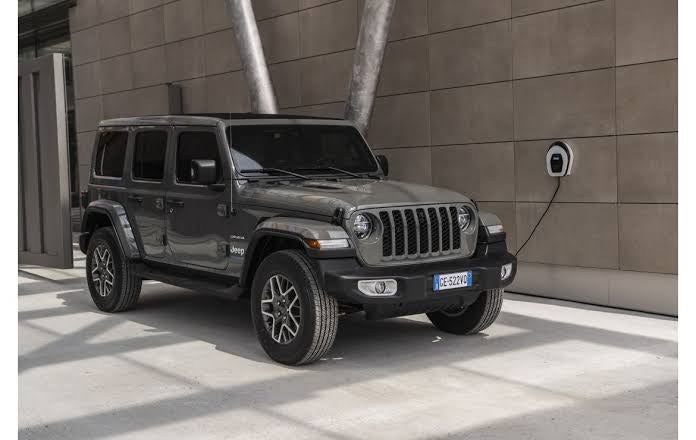
THE SHORT ANSWER Charge fully before short trips, use Electric mode around town, and warm the cabin while the Jeep is still plugged in. Those three habits help your Wrangler 4xe cover more miles on electricity alone as the weather cools. Why does your Wrangler 4xe seem to run out of electric miles sooner now that the mornings are cold? You're not imagining it, and you're not alone. It's one of the most common questions 4xe owners bring to the service desk at Town & Country Jeep Chrysler Dodge Ram in Levittown this time of year. Most of the fix comes down to habits, and you can start them tomorrow morning. IN THIS POST Why Cold Weather Cuts Electric Range Charging Habits That Help Choosing the Right Drive Mode Preconditioning Before You Leave When Hybrid Mode Makes More Sense What to Do This Week Key takeaways Why Cold Weather Cuts Electric Range Lithium-ion batteries are a lot like you on a cold morning. They're slow to get going. When the pack is chilly, the chemistry inside moves less freely, so it can't hand over as much usable energy as it did in September. Heat is the second hit. A gas engine makes warmth as a byproduct, but in Electric mode your cabin heat has to come from the battery. Run the heater full blast down Hempstead Turnpike, and that energy isn't going to the wheels. Most owners don't expect the third piece. On a really cold day, the 4xe may start the gas engine even when you've picked Electric mode, either to protect the battery or to warm the cabin. That's normal behavior, not a fault, and it usually settles down as temperatures climb. A few smaller things stack on top: Tire pressure drops as the air cools, which adds rolling resistance Cold, dense air creates a little more drag at highway speed Short hops never give the battery a chance to warm up None of this means something's wrong with your Jeep. It's physics. You can work around most of it with habits instead of hardware. Charging Habits That Help Top off before short trips The easiest win is to plug in every time you're home, even if you only ran to the library and back. Think of electric range as a daily allowance. If you start each morning full, your errands around town run on the battery instead of the engine. A standard household outlet works fine if the Jeep sits overnight. A Level 2 charger at home cuts the wait way down, which helps in the fall when you're making two or three trips a day and want to top off at lunch. Charge so you leave warm Timing matters more once it gets cold. A battery that just finished charging is a bit warmer than one that sat full all night in a chilly driveway. Use scheduled charging in Uconnect so the battery finishes close to when you usually head out. A few more habits: Park in the garage when you can, because a warmer pack holds up better Keep the charge port and connector clear of leaves and grit Plug in at public chargers when you're parked for a while anyway If your charge cord is damaged or you want a second one for work, our parts department can track down the right one. Choosing the Right Drive Mode Your 4xe has three drive modes. Picking the right one for each trip is where a lot of owners leave electric miles on the table. Electric uses the battery first and keeps the engine off as much as it can Hybrid blends both and lets the system decide eSave holds your battery charge for later, or uses the engine to add some back Around town, Electric is the move. Stop-and-go driving on Wantagh Avenue or through a crowded shopping center lot is where electric power is most efficient and the gas engine is least happy. Then there's Max Regen. Press that button and the Jeep slows down more strongly when you lift off the accelerator, sending more energy back into the battery. After a few days you'll barely touch the brake pedal in traffic, and coasting up to a red light puts a little charge back. Smooth driving helps in any mode. Quick launches and hard stops drain charge fast. Ease off early and roll up to lights, and the system recovers that energy instead of wasting it as brake heat. Preconditioning Before You Leave If you change only one thing this fall, make it this: warm the cabin while the Jeep is still plugged in. Preconditioning uses wall power to heat the interior and clear the glass. You pull out of the driveway comfortable, with the battery still full, instead of burning your first few miles of charge on heat. How to do it Start it from the Uconnect app on your phone, or set it up in the vehicle's settings. Give the cabin a little time to come up to temperature before you head out. Keep the cord connected the whole time, since that's the point. Heat the person, not the cabin Once you're rolling, heated seats and a heated steering wheel, if your Jeep has them, warm you directly. They use far less energy than blowing hot air around the whole interior. Plenty of owners set the climate a bit lower and lean on seat heat instead. A couple more cabin tips: Run the fan on a moderate setting rather than max Switch to recirculation once the windows are clear On a soft top, a snug fit and healthy seals hold warmth in Preconditioning won't fully fix a pack that sat outside all night in the cold. Still, it cuts down a lot on the energy you'd otherwise spend on heat once you're driving. When Hybrid Mode Makes More Sense Chasing electric miles is fun, but it isn't always the smartest play. Sometimes letting the engine help works out better for you and for the Jeep. Highway runs are the big one. Cruising at speed on the LIE or the Southern State drains battery charge quickly, and that's exactly where gas is relatively efficient. On a mixed trip, like highway miles out east followed by errands once you arrive, try eSave on the highway to hold your charge. Switch to Electric when you hit local streets so the battery goes where it does the most good. Hybrid also makes sense when: It's bitterly cold and the engine is going to run anyway You're towing or heading off-road and want full combined power You can't charge at your destination and want a cushion for the trip home Don't stress about burning some gas. The 4xe was built to switch between both, and running the engine now and then is good for it. Fuel that sits too long can go stale. If you've driven a long stretch on electric only, the Jeep has a refresh routine that may run the engine on its own. What to Do This Week Here's a short checklist to work through before the next cold snap: Check tire pressure on a cool morning and set it to the number on the driver's door jamb Set up scheduled charging to finish near your usual departure time Turn on preconditioning in the app and try it tomorrow Use Max Regen for a week of commuting and see how it feels Plan on Electric for town and eSave for highway stretches When it's worth a look If something still feels off after a week of these habits, have it checked. A range drop that seems bigger than the weather explains, a charge that keeps stopping short, or warning messages on the dash are all good reasons to book a service visit. Our technicians can check battery health, inspect the charging system and make sure your software is current, so you're not left guessing. Town & Country Jeep Chrysler Dodge Ram serves Nassau, Suffolk and Queens, so wherever your commute takes you, help isn't far off. Bring your questions along, and we'll walk you through what we find. Where 3156 Hempstead Tpke Levittown, NY Call (516) 271-3278 KEY TAKEAWAYS Plug in every time you're home, and time charging to finish close to when you leave. Use Electric mode and Max Regen in town, and save battery with eSave on the highway. Precondition on wall power and lean on seat heat instead of blasting the cabin heater. FAQ Common questions Is it normal for the gas engine to run in Electric mode when it's cold? Yes. In very cold weather, the 4xe may start the engine to protect the battery or help heat the cabin, even if you've chosen Electric mode. It usually stops happening as temperatures rise. Should I plug in after every trip, even short ones? For everyday driving, yes. Starting each trip with a full battery gives you the most electric miles for local errands. Check your owner's manual for any specific charging guidance for your model year. Does preconditioning help if the Jeep isn't plugged in? It'll still warm the cabin, but it pulls that energy from the battery, which works against the goal. You get the full benefit only when the Jeep is connected to a charger while it warms up. Will my electric range come back in the spring? In most cases, yes. The fall and winter drop comes mostly from temperature, so range typically recovers as the weather warms. If it doesn't, that's worth a service check. Do I need a Level 2 charger at home? No. A standard outlet will charge the 4xe overnight. A Level 2 charger is a nice upgrade if you make several trips a day or want to top off quickly between them. Want to see it in person? Come by for a test drive, or browse what is on the lot right now. Schedule a test drive Browse new inventory Or call (516) 271-3278 · 3156 Hempstead Tpke, Levittown Or keep browsing Current offers Financing Value your trade Book service Contact us Used cars

Myth vs Fact: Does 4WD Really Mean You Can Tow Anything in Winter Weather?

Myth vs Fact: Does 4WD Really Mean You Can Tow Anything in Winter Weather?

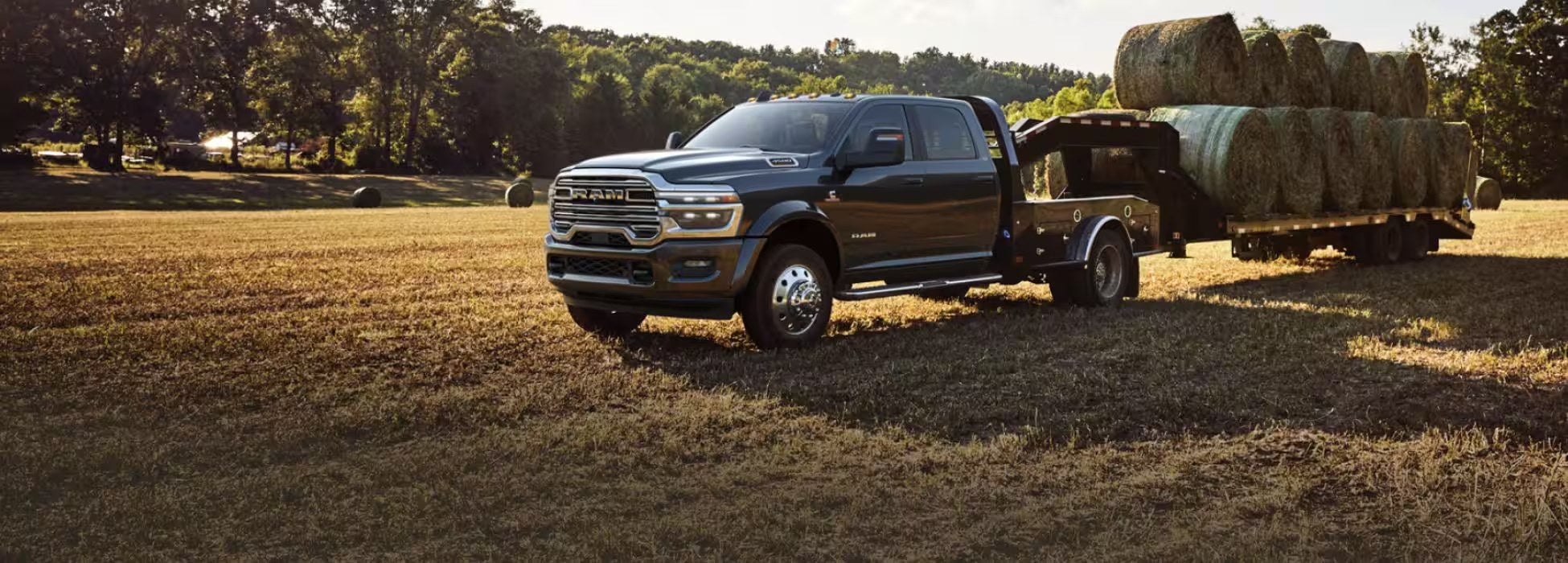
THE SHORT ANSWER No. Four-wheel drive helps your truck find traction and get a trailer moving on snow or ice, but it does nothing to shorten stopping distances or keep that trailer from swaying. Winter towing still calls for lower speeds, much more following distance and a careful cold-weather check before you hook up. Does four-wheel drive mean your truck can pull a trailer through anything winter throws at Long Island? It's one of the most common questions truck owners bring to Town & Country Jeep Chrysler Dodge Ram in Levittown once the first cold snap hits. The honest answer is no, and knowing why can keep you, your rig and the people around you safe all season. IN THIS POST Myth: 4WD Gets You Through Anything (What It Actually Changes) Myth: More Traction Means More Control (What It Doesn't Change) Myth: A Heavy Truck Stops Fine on Its Own (Braking With a Trailer) Myth: The Speed Limit Is a Safe Speed (Winter Towing Speeds) Myth: A Quick Walk-Around Is Enough (Pre-Trip Checks for Cold-Weather Towing) Myth: You Can Sort It Out Once It Snows (What to Do Next) Key takeaways Myth: 4WD Gets You Through Anything (What It Actually Changes) Fact: four-wheel drive is about getting power to the ground. When you shift into 4WD, the transfer case sends engine torque to the front axle as well as the rear, so all four tires share the job of pushing. On a snowy boat ramp, an unplowed driveway or a slushy on-ramp to the Long Island Expressway, that's a real advantage. A rear-drive truck with a loaded trailer can spin its back tires and go nowhere. With 4WD engaged, you have a far better chance of rolling forward smoothly and holding your momentum up an icy grade, where the trailer's weight is working against you. Using it the right way Many heavy-duty trucks, the Ram 2500 among them, offer a part-time system with high and low ranges. A few habits make it work for you: Use 4HI on snow, slush or ice at normal road speeds. Save 4LO for crawling, like pulling a boat up a slick ramp or backing a trailer out of deep snow. Shift back to 2WD on dry, clear pavement, since part-time systems can bind and wear when the tires can't slip. Your owner's manual spells out the exact shifting procedure for your truck, including when you need to be stopped or rolling slowly. Myth: More Traction Means More Control (What It Doesn't Change) Fact: grip to accelerate is not the same as grip to turn or stop. Your tires have only so much hold on a slick road, and 4WD doesn't create more of it. It simply spreads the engine's push across more tires. Once you lift off the gas and need to steer or slow down, a 4WD truck has the same rubber on the same ice as a 2WD one. That's where false confidence creeps in. Because the truck pulls away so easily, it feels planted, and drivers carry more speed than the road can support. Trouble usually shows up in a curve or a lane change, when it's too late to fix. Trailer sway is its own problem A trailer that starts to wag behind you is reacting to speed, crosswinds, passing trucks and how its load is placed. Four-wheel drive has no influence on any of that. What helps: Loading so a healthy share of the weight sits ahead of the trailer axle, never behind it. A weight-distributing hitch with sway control for larger trailers. Easing off the throttle and steering smoothly if sway starts, then using the brake controller's manual lever to apply the trailer brakes alone and pull it back in line. The Ram 2500 adds electronic trailer-sway control, which is a smart backup. Good loading and sensible speed still do most of the work. Myth: A Heavy Truck Stops Fine on Its Own (Braking With a Trailer) Fact: your brakes were never part of the 4WD system. Any vehicle on the road brakes with all four wheels, so engaging four-wheel drive adds nothing when you press the pedal. Hook up a loaded trailer and the total weight you're trying to stop climbs sharply, while the grip available on ice stays exactly where it was. Here's the physics in plain terms: more mass needs more distance to stop, and less grip needs more distance still. Put both together on a freezing night on Sunrise Highway and your stopping distance can stretch well beyond anything you're used to. Making the brakes you have work better Set your brake controller gain for the conditions. A setting that feels right on dry pavement can lock the trailer wheels on ice. Test it at low speed in an empty lot before you head out. Use tow/haul mode so the transmission holds lower gears and helps slow the rig on downgrades. If your diesel has an exhaust brake, consider switching it off on icy roads, since sudden engine braking through the rear wheels can start a skid. Brake early and gently, and keep the wheels straight whenever you can. Think of the trailer brakes as doing their fair share. When they're adjusted well, the rig stops as one unit instead of the trailer shoving the truck. Myth: The Speed Limit Is a Safe Speed (Winter Towing Speeds) Fact: posted limits assume good weather and a vehicle without a trailer. New York's basic speed rule asks you to drive no faster than is reasonable and prudent for conditions, whatever the sign says. With a trailer behind you on a slick road, that usually means well under the limit. Experienced towers live by a few simple rules: Leave at least double the following distance you'd use on a dry day, and more on ice. Keep cruise control off on wet, snowy or icy pavement so you control every change in speed. Check your trailer tires' speed rating, since many trailer tires are rated below the highway speeds your truck could reach on its own. Stay in the right lane and let faster traffic go by. Plan the route, not just the pace On Long Island, the parkways are off-limits to trailers, so your route will lean on the LIE, Sunrise Highway and local roads. Bridges and overpasses freeze before the pavement around them, and wind across open stretches near the shore can push a tall, boxy trailer around. If conditions are getting worse rather than better, the smartest move is often to wait a few hours. Plowed, salted roads are a very different drive from the first hour of a storm. Myth: A Quick Walk-Around Is Enough (Pre-Trip Checks for Cold-Weather Towing) Fact: cold weather changes things you checked back in July. Tire pressure drops as temperatures fall, grease stiffens, and road salt eats at wiring and connectors. A few extra minutes before you hook up pays off. On the truck Tire pressure set cold to the door-placard figure for towing, with tread that still has real bite. Washer fluid rated for freezing temperatures and wipers that clear cleanly. Mirrors adjusted so you can see the trailer's full length on both sides. On the trailer Lights and turn signals tested with someone watching, because salt corrodes plugs and pins fast. Breakaway cable attached to the truck and the breakaway battery charged. Safety chains crossed under the tongue, hitch pin and clip in place, coupler fully latched. Trailer tires and brakes inspected, and snow and ice cleared off the roof so they don't fly off at the car behind you. Rinse the hitch, connector and trailer underside after salty trips, and let the plug dry before you store it. If something looks worn or a light keeps flickering, you can book service and have it sorted before your next haul. Myth: You Can Sort It Out Once It Snows (What to Do Next) Fact: the best time to prepare is before the first storm. Shops fill up once the snow starts, so get a cold-weather inspection on the calendar early. Ask for a look at brakes, tires, battery and cooling system, along with the transfer case and front axle, which may have sat unused since last winter. Practice matters just as much. Hook up in an empty lot on the first slushy morning, test the brake controller, and get a feel for how the rig stops and turns before you need it on a crowded road. Ten minutes of low-speed practice teaches more than any article can. Thinking about a new truck? If your current truck is due for replacement, drive a new Ram 2500 with your own towing in mind. Bring a list of what you pull and where you take it, and book a test drive so you can try the 4WD controls, trailering cameras and tow/haul settings for yourself. Town & Country Jeep Chrysler Dodge Ram serves Nassau, Suffolk and Queens. Our online trade-value tools and payment calculators let you see where you stand before you visit, so your time at the store goes into the truck itself. Where 3156 Hempstead Tpke Levittown, NY Call (516) 271-3278 KEY TAKEAWAYS 4WD on your Ram 2500 helps you get moving and keep pulling, but it doesn't help you stop or steer a sliding trailer. Slow down and leave at least double your usual following distance whenever you tow on slick roads. A pre-trip check of tires, trailer brakes, lights and hitch matters more in winter than which wheels are driven. FAQ Common questions Should I leave 4WD engaged on the highway when towing in snow? Use 4HI when the road is covered in snow, slush or ice, and shift your Ram 2500 back to 2WD once the pavement is clear and dry. Part-time systems can bind on dry roads. Keep your speed down either way, because 4WD won't help you stop. Is all-wheel drive just as good as 4WD for winter towing? Neither one shortens stopping distances. For heavier trailers, a heavy-duty truck like the Ram 2500 gives you a true low range for slow, controlled pulling on slick ramps and driveways, which is a big help when you're moving serious weight in snow. How should I set my brake controller for icy roads? Start lower than your dry-road setting and test at low speed in an empty lot. You want the trailer to brake firmly without locking its wheels. Many Ram 2500 trucks offer an integrated trailer brake controller, which makes adjusting it on the go simple. Do I need special tires to tow in winter? Tires matter more than the drive system. Make sure your truck's tires have deep tread rated for snow, set them cold to the towing pressure on the door placard, and check the trailer's tires for wear, cracking and the right pressure too. Can I take my trailer on the Southern State or Northern State Parkway? No. Trailers aren't allowed on Long Island's parkways, so plan routes around the LIE, Sunrise Highway and local roads. If you're towing out of Levittown often, a Ram 2500 set up for trailering makes those routes easier to manage in any season. Want to see it in person? Come by for a test drive, or browse what is on the lot right now. View New Specials Browse new inventory Or call (516) 271-3278 · 3156 Hempstead Tpke, Levittown Or keep browsing Financing Value your trade Book service Contact us Used cars Certified pre-owned

Inside the 2026 Jeep Wagoneer S: What Makes Jeep's First All-Electric SUV Different

Inside the 2026 Jeep Wagoneer S: What Makes Jeep's First All-Electric SUV Different

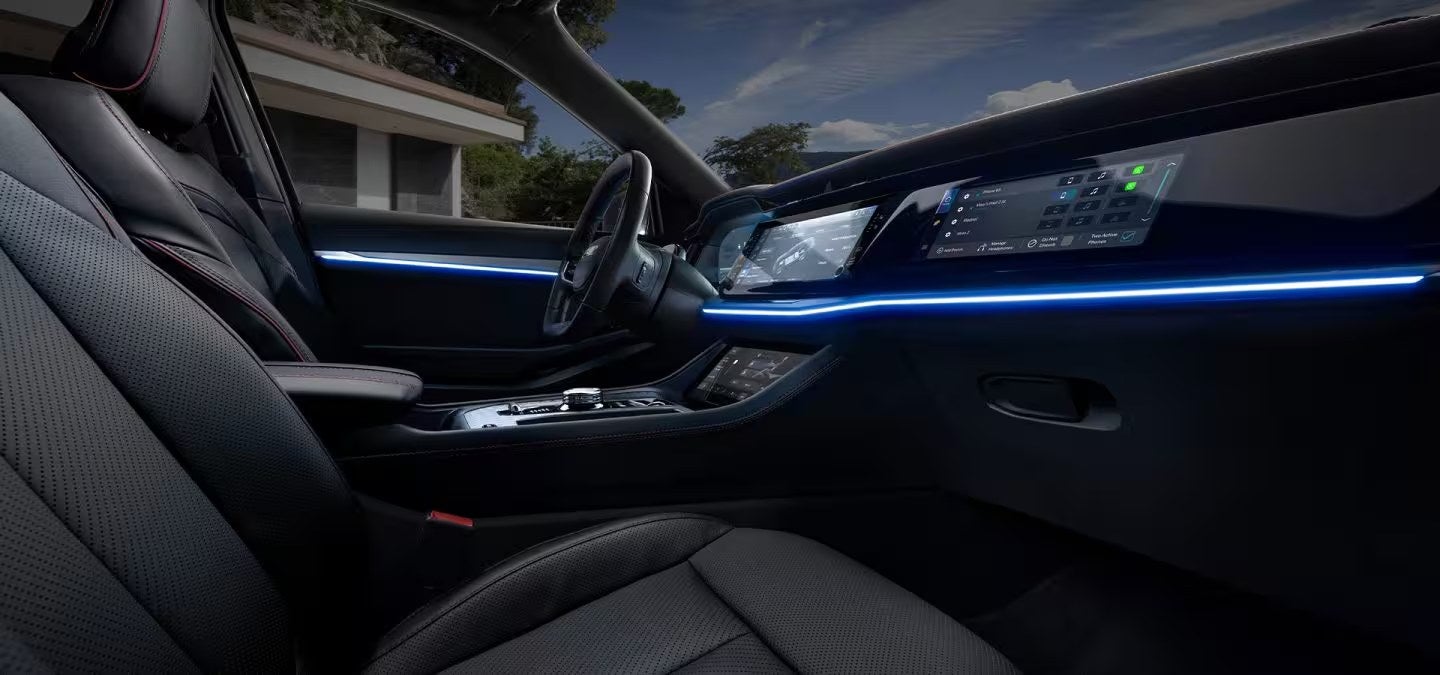
THE SHORT ANSWER The 2026 Jeep Wagoneer S is Jeep's first dedicated all-electric SUV. It's a two-row midsize model with dual-motor all-wheel drive, built for everyday driving range and quick charging. It also offers the quiet, instant response that only an electric drivetrain delivers. Here's the short version: the 2026 Jeep Wagoneer S is Jeep's first SUV designed from the start to run on electricity alone, with dual-motor all-wheel drive and a focus on daily range and fast charging. At Town & Country Jeep Chrysler Dodge Ram in Levittown, we hear a lot of questions about how it compares to the Wagoneers people already know. Below you'll find a plain-English look at the drivetrain that sets it apart, how to live with it, and why it matters for drivers on Long Island. IN THIS POST Why Jeep Built an All-Electric Wagoneer Range and Charging Basics How It Drives Differently Than a Grand Wagoneer Who This SUV Fits Best Seeing One in Person at Our Levittown Showroom Key takeaways Why Jeep Built an All-Electric Wagoneer Jeep has offered plug-in hybrids for a few years. The 4xe models pair a gas engine with a battery for short electric trips. The Wagoneer S goes further: it has no gas engine at all, and it rides on a platform designed around a large battery pack under the floor rather than a converted gas chassis. That matters more than it sounds. Building from scratch lets engineers place the battery low and flat, which lowers the center of gravity. It also frees cabin space where a transmission tunnel and fuel tank would normally sit, and it leaves room for a small storage compartment under the hood. The feature at the heart of it Dual-motor all-wheel drive is the headline. One electric motor drives the front wheels and another drives the rear, while a computer splits power between them in milliseconds. No driveshaft, transfer case or center differential does the job mechanically, so traction adjustments happen faster than in a typical gas AWD system. The Wagoneer name signals the other half of the idea: a premium, comfortable cabin rather than a trail-first rig. Think of it as Jeep's take on a refined electric family SUV, with the brand's sure-footed traction built in from day one. Range and Charging Basics Range is the question we hear first, and real-world range shifts with how and where you drive. Steady highway speeds on the Long Island Expressway use more energy than stop-and-go errands around Hicksville, which is the opposite of how a gas vehicle behaves. Cold January mornings trim range too, since the battery and cabin both need heat. Three ways to charge Level 1: a standard household outlet. It's slow, but fine for overnight top-ups if your commute is short. Level 2: a 240-volt charger at home or work, on the same kind of circuit a clothes dryer uses. Most owners refill the battery this way overnight. DC fast charging: public stations along major routes, built for road trips when you need a big boost during a meal or coffee stop. How to use it day to day Treat the SUV like your phone. Plug in at home most nights and you'll rarely think about public charging. Before a longer drive, say out to the East End or through Queens toward the bridges, use the navigation or a charging app to plan a stop. If you live in a condo or a house without a driveway, check what's available at work or nearby before you buy. That's the single biggest factor in how easy EV ownership feels. How It Drives Differently Than a Grand Wagoneer Jeep's Grand Wagoneer is a full-size, three-row SUV with a gas engine, built to carry big families and tow. By contrast, the Wagoneer S is a two-row midsize with a sleeker, sloped roofline. It's a different kind of vehicle, not a smaller copy. What you'll notice behind the wheel Instant response: electric motors deliver their pull the moment you press the pedal, with no wait for gears to shift. Merging onto the Meadowbrook feels effortless. Quiet cabin: with no engine noise at idle or cruise, road and wind sound become most of what you hear. Regenerative braking: lifting off the pedal slows the vehicle while sending energy back to the battery. On stronger settings, you'll rarely touch the brake in traffic. Planted feel: the low battery keeps body lean in check through ramps and curves. Give yourself a drive or two to adjust to regeneration. Most people end up preferring it once it clicks, especially in the slow crawl on Hempstead Turnpike. You'll get the clearest sense of these differences on familiar pavement. When you book a test drive, run it on roads you use every day, including a stretch of highway and some tight parking-lot maneuvering. Who This SUV Fits Best The Wagoneer S makes the most sense for drivers whose weeks follow a predictable pattern. Maybe most of your miles are commutes, school runs and errands across Nassau and western Suffolk, and you can charge where you park. If so, an EV takes gas stops out of your routine entirely. It's a strong match if you: Have a driveway or garage where a Level 2 charger can go Want confident traction for wet, snowy Long Island winters Prefer a quiet, upscale cabin over a rugged, trail-focused one Need two rows and room for gear, not three rows When another Jeep may suit you better You may tow regularly, need a third row, or street-park with no charging nearby. In those cases, a Grand Wagoneer or a 4xe plug-in hybrid may fit your life with less planning. That's not a knock on the Wagoneer S. It's about matching the vehicle to how you actually drive. Cost questions usually come next, and the answers depend on your credit, loan term and current offers. Our payment calculators and shopping tools let you try different scenarios from home. You can also explore financing options with our team before you commit to anything. Seeing One in Person at Our Levittown Showroom Photos don't show how an EV feels, so the next step is getting in one. Town & Country serves Nassau, Suffolk and Queens, and a visit is the quickest way to see whether the Wagoneer S fits your routine. What to bring and ask Your daily commute distance and where you'd plan to charge Questions about home charger installation and your electrical panel Your current vehicle, if you're thinking about trading it in Once you're here, sit in both rows and open the front storage compartment. Have someone walk you through the charging port, the regen settings and how the touchscreen shows charging stops along a route, since that's the tool you'll lean on most on longer drives. If you have a vehicle to trade, our online trade-value tools give you a starting number before you leave the house. To see what's on the lot right now, browse our new inventory and pick a time that works for you. Come with your questions; this is a new kind of Jeep, and a hands-on look clears up more than any spec sheet can. Where 3156 Hempstead Tpke Levittown, NY Call (516) 271-3278 KEY TAKEAWAYS The Wagoneer S was designed from the ground up as an EV, with a motor at each axle handling all-wheel drive faster than a mechanical system can. Life with it is easiest when you can charge where you park, ideally on a Level 2 charger at home. It's a different vehicle from the three-row, gas-powered Grand Wagoneer, so a test drive on your own roads is the best way to judge it. FAQ Common questions Is the Wagoneer S just a Grand Wagoneer with a battery? No. It's a separate two-row midsize SUV built on a dedicated electric platform, while the Grand Wagoneer is a full-size, three-row model with a gas engine. They share a name and a premium feel, but they're sized and engineered for different jobs. Do I need to install a charger at home? Not strictly, since a regular outlet will add some charge overnight. Most owners find a Level 2 charger makes daily life much easier, though. Have a licensed electrician check your panel, and ask your utility whether it runs any EV charging programs. How do Long Island winters affect an electric SUV? Cold weather reduces range because energy goes toward warming the battery and cabin. Parking in a garage helps, and so does warming the cabin while the vehicle is still plugged in, so the battery keeps more of its charge for the drive. Want to see it in person? Come by for a test drive, or browse what is on the lot right now. Schedule a test drive Browse new inventory Or call (516) 271-3278 · 3156 Hempstead Tpke, Levittown Or keep browsing Current offers Financing Value your trade Book service Contact us Used cars