



Town & Country Jeep Chrysler Dodge Ram

Blog / Chrysler

5-Year Ownership Costs for a Jeep Grand Cherokee: Fuel, Insurance and Maintenance in Nassau County

5-Year Ownership Costs for a Jeep Grand Cherokee: Fuel, Insurance and Maintenance in Nassau County
THE SHORT ANSWER
Over five years, owning a Jeep Grand Cherokee in Nassau County comes down mostly to fuel, insurance and scheduled maintenance. Depreciation hits hardest early and eases after year three. Smaller recurring costs like New York inspection and registration fill out the picture, and your trim and engine choice shape every one of them.

The most common mistake we see is budgeting a Grand Cherokee around the monthly payment and stopping there. A few months later, the first insurance bill lands, the tank seems to need filling more often than expected on the LIE crawl, and the inspection sticker comes due. At Town & Country Jeep Chrysler Dodge Ram in Levittown, we'd rather you see the full five-year picture before you sign. Here's what actually drives the cost of owning one in Nassau County, and how to keep it in check.

Fuel Costs for Local and Highway Driving

Picture a normal week. You've got school drop-off along Hempstead Turnpike, a Saturday run to Roosevelt Field, maybe a Friday escape out the Southern State. Stop-and-go traffic is where a midsize SUV burns the most fuel, and a lot of Nassau driving is exactly that.

Open stretches on the Northern State or the LIE help your average, but only when traffic is actually moving. If your commute is mostly crawling toward the Queens line, expect your real-world fuel use to lean toward the city side of the window sticker.

Engine choice matters most

The Grand Cherokee comes with a gas engine or as the 4xe plug-in hybrid. If you can plug in overnight in your driveway, the 4xe can cover many short local errands on electricity. That moves part of your fuel bill onto your electric bill. Without home charging, most of that advantage disappears.

Check the owner's manual for the recommended fuel grade, too. Paying for higher octane than your engine calls for adds cost with no benefit. The best way to feel the difference between powertrains is to book a test drive of both on roads you use every day. Over five years, fuel is usually one of your largest running costs, and also the one your habits control most.

Nassau County Insurance Factors

Insurance is where Long Island drivers get the biggest surprise. Premiums here tend to run higher than in much of upstate New York, largely because of traffic density, repair costs and how often claims happen in the metro area. New York is also a no-fault state, so your policy includes personal injury protection on top of liability.

What moves your quote

  • Your ZIP code within the county and where the SUV sleeps at night (garage, driveway or street)
  • Your driving record and how far you commute
  • Coverage levels and deductibles you choose
  • Trim level, since upper trims carry more cameras and sensors that cost more to repair after a fender-bender

If you finance or lease, the lender will generally require comprehensive and collision coverage, which raises the premium compared with carrying liability alone on an older vehicle you own outright.

Get a real quote on the exact trim before you buy. Ask your agent to price the VIN, or at least the specific trim and model year. New York's approved defensive driving course can also lower parts of your premium for three years, and it can be taken online in an evening or two.

Scheduled Maintenance: Where the Money Goes

Maintenance costs aren't flat over five years. They build gradually, and knowing the rhythm keeps any single visit from catching you off guard.

Years one through three

Early on, it's mostly oil changes, tire rotations and multipoint inspections. The Grand Cherokee's oil-life monitor tells you when service is due, so you aren't guessing. The factory warranty covers defects during this stretch, but not wear items like wipers, brake pads or tires.

Years four and five

This is when bigger-ticket wear items tend to show up together:

  • A new set of tires
  • Brake pads, and possibly rotors
  • Engine and cabin air filters and fluid services
  • A replacement battery, depending on climate and use

On the 4xe, regenerative braking does some of the slowing, which can help stretch brake pad life. Its hybrid components do call for technicians trained on that system.

Long Island winters add one local wrinkle. Road salt on the parkways eats at undercarriage parts, so regular underbody washes from December through March are cheap insurance against rust repairs later. When it's time, you can book service with technicians who work on Jeeps daily.

NY State Inspection and Registration Fees

These are the smallest costs on the list, but they're guaranteed, so they belong in the budget.

Annual inspection

New York requires a safety and emissions inspection every year at a licensed station. For newer vehicles, the emissions part is a computer check through the diagnostic port. A lit check-engine light means an automatic fail. Worn tires, brakes or wipers can also stop you from passing, which turns a routine sticker into a repair bill. Fixing small issues before inspection month keeps it simple.

Registration

You renew registration with the DMV every two years. The fee is based on vehicle weight, and because Nassau sits inside the Metropolitan Commuter Transportation District, a supplemental fee is added on top. Nassau also charges a county vehicle use fee at registration.

At purchase, you'll pay sales tax and first-time plate and title fees as well. None of these will make or break your budget, but adding the renewal and inspection months to your calendar means no surprise charges and no risk of driving on an expired sticker.

How Trim Level Changes the Total

Two neighbors can buy Grand Cherokees the same week and spend very different amounts over five years, simply because of trim. A Laredo and a Summit look related, but they don't cost the same to own.

Where higher trims cost more

  • Bigger wheels usually mean pricier replacement tires
  • Available air suspension rides beautifully, but adds parts that could need attention once the warranty ends
  • More cameras, radar sensors and lighting tech raise repair costs after even minor collisions, which feeds straight into insurance
  • A higher purchase price means more sales tax upfront and higher premiums for comprehensive and collision

Mid-level trims like the Limited often hit a comfortable balance of features and running costs for many Nassau families. The three-row Grand Cherokee L adds space for a growing household, along with a bit more vehicle to fuel and insure.

None of this means you should skip the trim you want. Just price the whole ownership picture, not just the sticker, before deciding. Browsing new Grand Cherokee inventory side by side makes it easy to see which features you'd actually use.

Depreciation and the Five-Year Curve

Depreciation never shows up as a bill, so it's easy to forget. But for most owners, it's one of the largest costs of all. A new Grand Cherokee loses value fastest in its first few years, and the drop eases noticeably after year three.

That curve gives you two smart ways to play it. If you buy new, plan to keep the SUV long enough to ride out the steep part, then enjoy the slower years. If you'd rather skip the biggest hit, a certified pre-owned Grand Cherokee lets the first owner absorb it while you still get an inspected vehicle with warranty coverage.

What protects resale value

  • Lower mileage for the model year
  • A clean accident history
  • Complete service records, ideally in one folder or one shop's system
  • Popular trims and colors that buyers on Long Island actually look for

Keep every receipt, including tire and brake work. When you sell or trade in at year five, documented care is one of the few things you can control that directly adds to what someone will pay.

How to Save Over Five Years

Small habits add up over five years and a lot of Long Island miles. These are the ones that tend to make a real difference.

On the road and in the driveway

  • Check tire pressure monthly, especially when cold snaps hit. Underinflated tires waste fuel and wear out sooner.
  • Rotate tires on schedule so the whole set lasts as long as possible.
  • Drive smoothly. Gentle starts on Merrick Road beat hard launches between lights.
  • Combine errands into one loop instead of several short trips from a cold start.

On paper

  • Re-shop your insurance every year or two. Rates change, and loyalty isn't always rewarded.
  • Set aside a small amount monthly for the year-four tires and brakes, so they don't land on a credit card.
  • Think about loan length. A longer term lowers the payment but usually adds interest. Compare financing options for a few terms before choosing. Approval and rates depend on your credit and the lender.

Don't skip scheduled maintenance to save money. Skipping service costs more down the road in repairs and resale value than it ever saves upfront.

What to Do Next

Ready to put real numbers to your own situation? Work through it in this order.

  • Estimate your weekly miles. Use your actual commute and errand routes, whether that's local to Levittown or daily runs into Queens.
  • Call your insurance agent with the specific trim and model year you're considering.
  • Decide on an engine. Weigh home charging access against how much of your driving is short local trips.
  • Pick a trim with your running costs in mind, not just the features list.

If you're replacing a vehicle, find out what it's worth before you shop. Our online trade-value tools let you value your trade from home, and that number can change your five-year math considerably.

Town & Country Jeep Chrysler Dodge Ram is a full-service Chrysler, Dodge, Jeep and Ram dealership in Levittown, serving drivers across Nassau, Suffolk and Queens. That means the same place that helps you choose a Grand Cherokee can also handle its maintenance for the next five years. Stop by with your questions and your budget, and we'll help you see the whole picture.

Where
3156 Hempstead Tpke
Levittown, NY
KEY TAKEAWAYS
  • Budget for fuel, insurance and maintenance, not just the monthly payment. Those three drive most of what a Grand Cherokee costs to own on Long Island.
  • Get an insurance quote on the exact trim before you buy, because Nassau rates and upper-trim repair costs can change the math fast.
  • Plan ahead for tires and brakes around years four and five, and keep service records to protect resale value.
FAQ

Common questions

Is the Grand Cherokee 4xe cheaper to own over five years than the gas model?

It depends on how you drive and where you park. If you can charge at home and most of your trips are short local runs, the 4xe can shift much of your fuel spending to electricity. It does cost more to buy, though, which affects sales tax and insurance. Without regular home charging, the gas model often makes more sense.

Why are insurance quotes so much higher here than upstate?

Insurers price by location, and Nassau County's traffic density, repair costs and claim frequency push rates up compared with less crowded parts of the state. Your exact ZIP code, parking situation, driving record and chosen coverage all play a part. Comparing several carriers on the same trim is the best way to find a fair rate.

Do I have to service my Grand Cherokee at the dealership to keep the warranty?

No. Federal law lets you use any qualified shop without voiding your factory warranty. What matters is following the maintenance schedule and keeping records of the work. Many owners still choose the dealership for factory-trained technicians and so their service history stays in one place.

What costs should I expect around year four or five?

That's when tires, brake pads and sometimes a battery tend to come due, often close together. Your basic factory warranty may also be ending around then, depending on mileage. Setting aside a little each month from the start makes those visits much easier to handle.
Let us take care of it
Book online in a minute and pick a time that works for you.
Or call (516) 271-3278 · 3156 Hempstead Tpke, Levittown
Posted in:

Related Posts

Mums and pumpkins arranged for fall

Levittown's Thanksgiving Weekend: Where to Eat Out If You're Not Cooking

You've got three good options: book a holiday dinner at a local restaurant, order a cooked turkey dinner to serve at home, or skip the big meal and eat out over the weekend instead. Whichever you choose, book or order early, because tables and pickup slots around Levittown fill up through mid-November. Not every family wants to spend Thanksgiving Day basting a turkey, and around Levittown you don't have to. You can sit down to a holiday dinner somewhere nearby, bring a cooked meal home, or save the eating out for the long weekend that follows. We put together some practical tips from the folks at Town & Country Jeep Chrysler Dodge Ram to help your Thanksgiving go easy. Book Thursday Dinner Out Early Plenty of restaurants in Levittown and the neighboring towns serve a full holiday meal on Thursday, and the best seating times go fast. Reserve by early November if you can, especially for a big table. Mid-November is when most families finally settle their plans, so the books fill quickly after that. When you call, ask a few questions so nothing surprises you at the table: Is it a set holiday menu, a buffet, or the regular menu? How long do you get the table before the next seating? Is there a kids' menu or a separate price for children? Can the kitchen handle allergies or a vegetarian guest? Mid-afternoon seatings tend to be the easiest to land. If your crew usually eats late, try an evening slot. By then the kitchen is past its busiest stretch, and dinner often feels less rushed. Let Someone Else Cook, Then Eat at Home Ordering a full dinner Supermarkets, delis and caterers across Nassau sell complete turkey dinners with the bird, stuffing, gravy, a few sides and sometimes a pie. Order deadlines usually land the week before, and Wednesday pickup slots go first. Ask whether the meal comes hot or needs reheating, and how much oven time that takes. A cold turkey and a one-oven kitchen can throw off your whole afternoon. Mixing and matching You don't have to go all or nothing. Lots of hosts buy the turkey already cooked and make the one side the family would riot without. A bakery pie and a quart of ready-made gravy can give you back your whole Wednesday night. Try to pick up your order earlier in the day. Holiday pickup lines get long by late afternoon, and you'll want time to check the order before you leave the counter. Friday Through Sunday: Diners, Pizza and a Break From Leftovers By Friday morning, most people want something that isn't turkey. Long Island diners are made for this, with big menus, breakfast all day, and booths that fit a family still half in pajamas. Get there before the late-morning rush if you're heading out to shop afterward. Shopping traffic builds along Hempstead Turnpike and near the big shopping centers all weekend. Eat close to home before you head out, or push lunch until the crowds thin. A few easy plays for the rest of the weekend: Pizza or Chinese takeout on Friday night, when nobody wants to plan anything A Saturday lunch at a neighborhood spot you've been meaning to try Sunday brunch before out-of-town relatives hit the road Call ahead about holiday hours. Some family-run places close on Thursday or cut their hours on Friday so their own staff get a holiday too. Getting There and Getting Home The Wednesday before Thanksgiving is one of the heaviest travel days of the year. By mid-afternoon you'll feel it on the Southern State, the LIE and the Wantagh Parkway. If you're picking up a dinner order that day, go early and stick to local roads when you can. Thanksgiving Eve is also a big night out at local bars. If drinks are part of dinner on Thursday, pick a designated driver or set up a ride before you leave the house. Lots near popular restaurants fill fast, so give yourself a few extra minutes to park. Take a quick look at your car before the long weekend. Tire pressure drops as the cold sets in, and nobody wants a warning light on the way to Grandma's. Town & Country Jeep Chrysler Dodge Ram serves Nassau, Suffolk and Queens, and you can book service with us ahead of the holiday drive. Happy Thanksgiving from all of us. Where 3156 Hempstead Tpke Levittown, NY Call (516) 271-3278 KEY TAKEAWAYS Reserve Thursday dinner by early November and ask about the menu, kids' pricing and table time. Prepared turkey dinners need an order placed the week before and a plan for reheating. Plan around Wednesday travel traffic and Thursday night drinks so getting home is easy. FAQ Common questions How early should I reserve a Thanksgiving table near Levittown? Early November is a safe target, and sooner if you need a table for a big group. Popular afternoon seatings tend to go first, so stay flexible on time if you're booking late. Do restaurants serve their regular menu on Thanksgiving Day? Some do, but many switch to a set holiday menu or a buffet for the day. Ask when you book so picky eaters and kids have something they'll actually enjoy. What should I ask when ordering a prepared turkey dinner? Ask about the order deadline, pickup times, whether the food comes hot or cold, and how long it takes to reheat. Also check how many people the meal is meant to feed so you aren't short on sides. See this month's Jeep lease deals See Jeep lease deals Value your trade Or call (516) 271-3278 · 3156 Hempstead Tpke, Levittown Or keep browsing New inventory Current offers Financing Book service Contact us Used cars

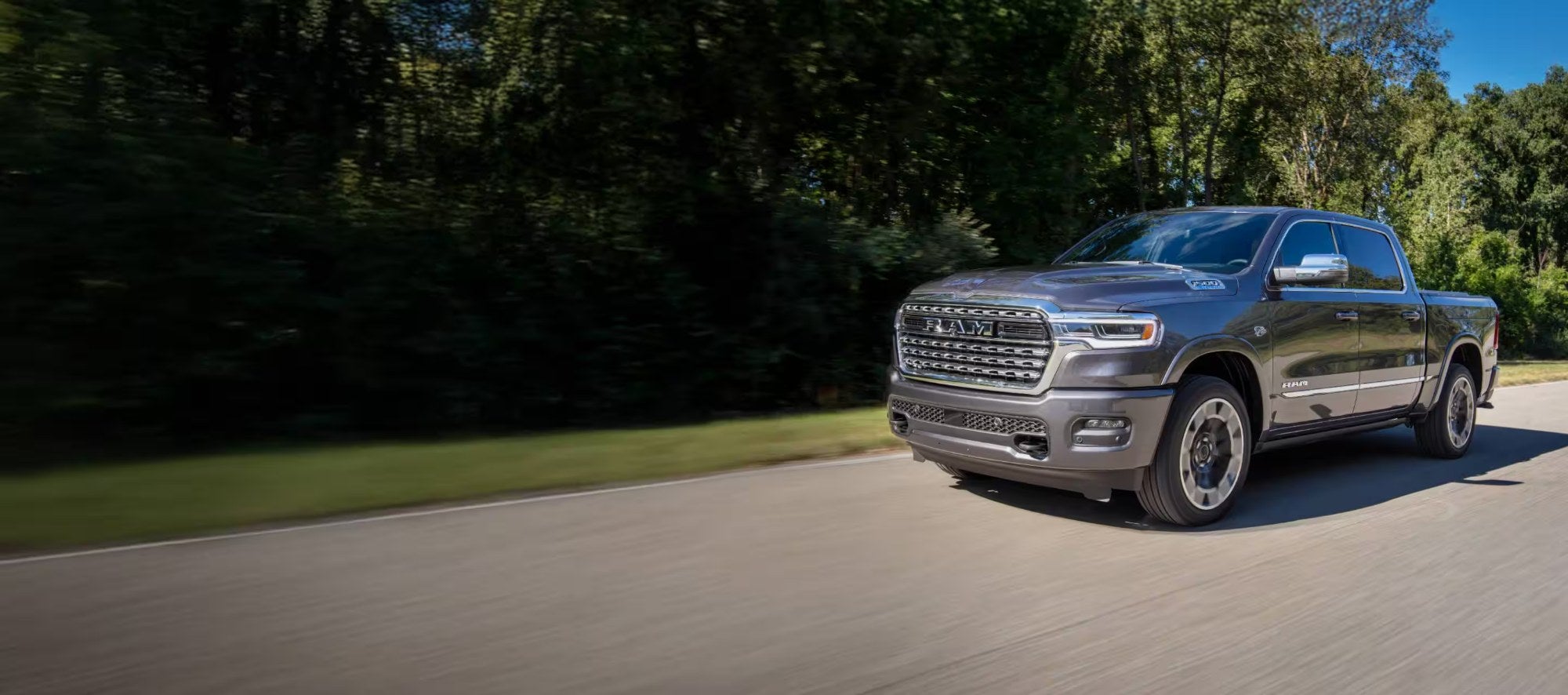
2026 Ram 1500 Limited Crew Cab on a country road

Which Ram Truck Should I Buy? A Plain Guide to Cab, Bed and Engine

THE SHORT ANSWER For most Long Island drivers, a Ram 1500 Crew Cab with the shorter bed and 4x4 covers daily driving, family trips and light towing. Step up to a 2500 or 3500 only if you tow something heavy often or haul for work. Choose the engine based on how much and how often you tow, not on bragging rights. Picking a Ram truck gets easier once you split it into three questions: which cab, which bed, and which engine. At Town & Country Jeep Chrysler Dodge Ram in Levittown, NY, we hear the same handful of questions from shoppers every week, so here are plain answers to each one. Read it through, jot down what matters to you, and you'll walk onto the lot knowing what to look at. IN THIS POST Should I get a Ram 1500 or a 2500/3500? Which cab is right for me? What bed length should I pick? Which engine should I get? Do I need 4x4, and which trim makes sense? How do I narrow it down and shop smart? Key takeaways Should I get a Ram 1500 or a 2500/3500? For most people, the answer is the Ram 1500. It's the half-ton, built for everyday driving with real truck ability behind it: hauling mulch from the garden center, pulling a small boat to a South Shore ramp, or getting a few coworkers to the job site. It rides closer to a big SUV than you might expect, which matters when half your miles are on Hempstead Turnpike. The Heavy Duty trucks, the 2500 and 3500, are a different tool. They're made for people who tow heavy and often, like a large camper, a car trailer, or a landscaping rig loaded five days a week. You give up some comfort for that muscle: a stiffer ride, a bigger footprint, and higher running costs. Here's a quick gut check: Commuting, weekend projects, light towing: 1500 Towing something heavy most weekends, or for a living: 2500 Maximum payload, dual rear wheels, commercial work: 3500 On the fence? Find out what your trailer and gear really weigh before you shop, then compare that against the ratings on the specific truck you're considering. You can browse new Ram trucks in stock to see how the lineup breaks down right now. Which cab is right for me? Ram builds several cab styles, though what's offered depends on the model and year: Regular Cab: two doors, one row of seats. A favorite for work trucks. Quad Cab: four doors with a smaller back seat, fine for kids or the occasional passenger. Crew Cab: four full-size doors and a rear seat adults can ride in comfortably. Most families land here. Mega Cab: Heavy Duty only, with even more rear legroom. Think about who rides in back and how often. A roomy rear seat keeps your teenagers from complaining on the way out east, and the back floor doubles as locked, dry storage for tools or groceries. On Long Island, there's a catch: overall length. A bigger cab usually means a longer truck, and Levittown driveways, mall parking lots and older garages get tight fast. Measure your driveway and garage before you fall for a big cab paired with a long bed. Your best move is to sit in the back seat yourself, then try parking it somewhere you'd normally park. When you book a test drive, ask to spend a few minutes in a crowded lot, not just on the open road. What bed length should I pick? Ram trucks generally come with a shorter bed, a standard bed, or a long bed, and the cab you choose limits which ones are available. Bigger cabs tend to pair with shorter beds to keep the truck from getting unwieldy. How to decide Ask yourself what you actually haul. If it's coolers, bikes, bags of soil and the odd piece of furniture, a shorter bed handles it, and the truck is easier to park. If you regularly carry full 4x8 sheets of plywood or drywall flat with the tailgate closed, or you plan to mount a slide-in camper, look hard at a long bed. A lot of people overbuy here. You can always drop the tailgate for the occasional long load, but you'll live with a longer truck in every parking spot, every day. Features worth a look Some Ram 1500 models offer the RamBox storage bins built into the bed rails, which are handy for tools, wet beach gear or a drained cooler. A split, swing-open tailgate on certain trims makes reaching into the bed easier, too. Bedliners, tonneau covers and tie-down kits make any bed more useful, and our parts department can help you choose ones that fit your truck. Which engine should I get? Engine choice comes down to how much you tow and how often. Ram's lineup shifts from year to year, so check what's offered for the model year you're shopping. Ram 1500 Recent 1500s use the Hurricane twin-turbo six-cylinder, which comes in a standard version and a higher-output version. The standard one suits most commuting and light towing. Opt for the stronger version if you tow regularly or just want quicker merges onto the Southern State. Depending on the year, the familiar HEMI V8 may also be available if you prefer a V8's sound and feel. Heavy Duty The 2500 and 3500 offer a gas HEMI V8 or the Cummins turbo-diesel. That diesel is the pick for big, frequent towing. It pulls hard at low speeds and feels relaxed with a heavy trailer behind it. Diesel isn't free, though. It costs more upfront, needs diesel exhaust fluid, and its emissions system is happiest on longer runs. If your driving is mostly short hops around Nassau County, the gas V8 is often the smarter fit. Do I need 4x4, and which trim makes sense? For Long Island, 4x4 is worth it for most buyers. A pickup with an empty bed is light over the rear wheels, and that shows up fast on snowy side streets or a slick, weedy boat ramp at low tide. It also holds its value well when you trade the truck in later. Two-wheel drive can make sense for a work truck that sticks to paved roads and won't see much winter. Picking a trim Ram trims run from simple to plush, and names vary by model and year. Roughly: Tradesman: work-focused, durable, fewer frills Big Horn: the popular middle ground with the comfort features most people want Laramie: leather, bigger screens, more driver-assist tech Rebel: off-road tuning and tougher looks Limited and above: luxury-level interiors Spend on the things you'll touch every day, like seats, the infotainment screen and safety tech, before paying for looks. Want a higher trim without new-truck pricing? A certified pre-owned Ram can put you in a nicer truck that's been inspected and comes with extra coverage. How do I narrow it down and shop smart? Put your answers together in this order and the choice usually makes itself: What you tow and haul (1500 or Heavy Duty) Who rides with you (cab) Where you park (bed length and overall size) How hard you tow (engine) Where you drive in winter (4x4) What you'll use daily (trim) Bring that short list in and test-drive two or three trucks back to back. Small differences in ride, seat comfort and visibility stand out when you switch from one truck to the next in the same afternoon. Got a vehicle to trade? Get a number before you visit using Town & Country's online trade-value tools, so you know where you stand. You can value your trade from home in a few minutes. If you plan to finance, set a monthly budget first and shop to it rather than the other way around. Approval and rates depend on your credit and the lender, so it helps to talk options through with our team early. And keep in mind that a slightly less loaded truck you're comfortable paying for beats a stretch you'll resent. Where 3156 Hempstead Tpke Levittown, NY Call (516) 271-3278 KEY TAKEAWAYS Start with what you tow and carry: that decides 1500 versus Heavy Duty before anything else. Cab and bed choices set the truck's overall length, so measure your driveway and garage first. Test-drive the exact cab, bed and engine combination you're considering, including a tight parking lot. FAQ Common questions What's the difference between towing capacity and payload? Towing capacity is how much the truck can pull behind it on a hitch. Payload is how much weight it can carry in the cab and bed, including passengers, gear and the tongue weight of a trailer. Both drop as you add heavier options, so look up the ratings for the exact truck you're considering. Will a Ram fit in my garage? It depends on the cab, bed and your garage. Many older Long Island garages are short, so measure length, width and door height, then compare with the specific truck. If it's close, bring a tape measure to your test drive. Should I buy new or used? New gets you the latest engines, tech and full factory warranty. A used or certified pre-owned Ram can get you more truck for your budget, especially if you want a higher trim. Driving both back to back usually makes it clear which one feels right. Can I get help with my truck after I buy it? Yes. Town & Country Jeep Chrysler Dodge Ram has dedicated sales, service and parts departments, and offers service and parts support after the purchase, whether that's routine maintenance or adding a bedliner or hitch down the road. Want to see it in person? Come by for a test drive, or browse what is on the lot right now. Schedule a test drive Browse new inventory Or call (516) 271-3278 · 3156 Hempstead Tpke, Levittown Or keep browsing Current offers Financing Value your trade Book service Contact us Used cars

Checking a vehicle for open safety recalls

Where to Get Jeep Recall Repairs on Long Island

THE SHORT ANSWER Any authorized Jeep dealer can perform recall repairs on your Jeep at no charge for parts or labor, no matter where you bought it or how many owners it's had. On Long Island, that includes Town & Country Jeep Chrysler Dodge Ram in Levittown. Start by checking your VIN for open recalls, then book a service appointment. Got a recall letter for your Jeep, or heard about one on the news and aren't sure what to do next? You're not alone, and the fix is usually simpler than people expect. At Town & Country Jeep Chrysler Dodge Ram in Levittown, our service team handles recall work for drivers from all over Long Island, so here are the questions we hear most and straight answers to each. IN THIS POST Do I have to go back to the dealer where I bought my Jeep? How do I find out if my Jeep actually has an open recall? Is a recall repair really free? What if the parts for my recall aren't available yet? I bought my Jeep used. Is the recall still covered? What should I expect when I bring my Jeep in for a recall? Key takeaways Do I have to go back to the dealer where I bought my Jeep? Nope. Any authorized Jeep dealer can do recall work on your vehicle, and it doesn't matter whether you bought it in Levittown, upstate, or out of state. Recall repairs are paid for by the manufacturer, so the dealer you pick doesn't change what you pay, which is nothing. That gives you room to choose based on what's convenient. If you live in Nassau, work in Queens, or commute in from Suffolk, pick the shop that fits your day. We see plenty of folks who bought their Jeep somewhere else and simply found it easier to swing by our spot off Hempstead Turnpike. What counts as authorized Authorized means a franchised Chrysler, Jeep, Dodge or Ram dealer with a service department. A general repair shop, even a great one, can't perform factory recall work for free because it isn't set up to be reimbursed by the manufacturer. When you're ready, you can book service online and mention the recall when you schedule. That way the team can check whether the parts are in before you show up, which saves you a wasted trip. How do I find out if my Jeep actually has an open recall? Your Vehicle Identification Number, or VIN, is the key to everything. It's a 17-character code unique to your Jeep, and recalls are tracked by that number rather than by your name. You can find your VIN in a few easy spots: On the driver's side of the dashboard, visible through the bottom corner of the windshield On a sticker in the driver's door jamb On your registration and insurance card Once you have it, enter it at NHTSA.gov/recalls, the federal government's free lookup tool. Mopar's owner site has a recall lookup too. Both will show any open safety recalls and whether a fix is available yet. Recall letters get mailed to the registered owner, but mail goes missing and people move. Checking your VIN yourself a couple of times a year is a smart habit, especially before a long drive out east or a road trip off the Island. You can also just call our service department with your VIN and ask. We'll look it up and tell you what's open, plus whether it makes sense to handle it alongside anything else your Jeep is due for. Is a recall repair really free? Yes. Manufacturer safety recalls are done at no cost for parts or labor at an authorized dealer. That holds no matter how old the Jeep is, how many miles are on it, or whether your factory warranty ran out years ago. Where people get tripped up is assuming a recall works like warranty coverage. They're separate things. Warranty covers defects for a set time or distance, while a safety recall stays tied to the vehicle until the fix is done. If you already paid for the repair Maybe you had the problem fixed out of pocket before the recall was announced. In some cases, the manufacturer will reimburse owners who paid for a repair that a recall later covered. Hang on to your receipts and check the recall notice, which usually explains whether reimbursement applies and how to request it. Watch out for add-ons The recall itself is free, but if you ask for other work during the same visit, like brakes or an oil change, that's billed normally. A good service advisor will make the difference clear before anything gets done, and you should feel free to ask. What if the parts for my recall aren't available yet? This happens more than people realize. Sometimes a recall gets announced before the repair parts are ready in large enough numbers, so owners get what's often called an interim notice. It tells you about the problem and promises a second letter once the remedy is available. Read that first letter closely. It may include instructions for staying safe in the meantime, such as avoiding a certain feature, parking outside, or watching for a specific warning light. Some recalls carry a do-not-drive warning, and if yours does, take it seriously. Here's what you can do while you wait: Call the dealer and ask to be put on the list for parts Make sure your address is current so the follow-up letter reaches you Recheck your VIN online every few weeks to see if the status changes If you're not sure whether your Jeep is safe to drive to the dealership, reach out to our team before you head over. We'd much rather talk it through on the phone than have you take a chance on the Southern State with a problem that should've waited. I bought my Jeep used. Is the recall still covered? Absolutely. Recalls follow the VIN, not the owner, so you get the same free repair the original buyer would have gotten. Second, third or fourth owner, it doesn't matter. The catch is that recall letters go to whoever the manufacturer has on file, and that may still be the previous owner. Registering yourself as the current owner through Mopar's owner site helps make sure future notices come to you. Shopping for a used Jeep? Federal law bars dealers from selling new vehicles with open safety recalls, but that rule doesn't extend to used ones. A used vehicle can legally change hands with an open recall, which is why running the VIN before you buy is worth the two minutes it takes. If you're browsing used cars on our lot or anywhere else, ask the salesperson whether the recalls are closed and request the paperwork showing it. Town & Country Jeep Chrysler Dodge Ram sells new, used and Certified Pre-Owned vehicles, and whatever you're looking at, the question of open recalls deserves a clear answer before you sign. What should I expect when I bring my Jeep in for a recall? Start by booking an appointment rather than just showing up. Recall parts are often ordered for a specific VIN, and calling ahead lets the service team confirm they're in stock so you're not sitting in the waiting room for nothing. When you schedule, have these handy: Your VIN The recall number from your letter, if you have one Any other issues you've noticed, so they can be checked during the same visit How long it takes depends entirely on the recall. Some are a quick software update you can wait for. Others involve replacing a part and might mean leaving the Jeep for part of the day. Ask when you book so you can plan around work or school pickup. Bundle it up If your Jeep has more than one open recall, they can often be handled in the same trip. It's also a good moment to take care of routine maintenance you've been putting off. When you pick it up, you'll get a repair order showing the recall was completed. Keep it with your records, since it's useful proof if you ever sell or trade the vehicle. Where 3156 Hempstead Tpke Levittown, NY Call (516) 271-3278 KEY TAKEAWAYS Recall repairs are free at any authorized Jeep dealer, regardless of where you bought the vehicle. Run your 17-character VIN through the NHTSA or Mopar recall lookup to see exactly what's open. Recalls follow the vehicle, so used Jeep owners get the same free fix as the original buyer. FAQ Common questions Can I keep driving my Jeep while I wait for a recall repair? It depends on the recall. Many let you drive normally until the fix is done, but some come with specific precautions or a do-not-drive warning. Read your notice carefully, and if anything is unclear, call the dealer before driving. Will getting a recall done affect my warranty? No. A recall repair at an authorized dealer doesn't void or shorten your warranty. It's a separate program paid for by the manufacturer, and the work is documented on your vehicle's record. What's the difference between a recall and a service bulletin? A safety recall addresses a defect that affects safety, and the fix is free at an authorized dealer. A technical service bulletin is guidance for technicians on a known issue, and coverage depends on whether your vehicle is still under warranty. Your service advisor can tell you which applies. Do I need my recall letter to get the repair done? No, the letter is helpful but not required. The dealer can look up open recalls using your VIN, so just bring the vehicle and your keys, and the service team can take it from there. Let us take care of it Book online in a minute and pick a time that works for you. Book service Order parts Or call (516) 271-3278 · 3156 Hempstead Tpke, Levittown Or keep browsing Current offers Financing New inventory Contact us Used cars Certified pre-owned