




Brake issues can be a real headache for Dodge drivers, especially around places like Nassau County, where traffic stops and busy roadways are all part of daily life. Whether you’re running errands in Levittown or heading out onto the Southern State Parkway, your brakes need to work smoothly every time you hit that pedal. Without a reliable braking system, even a short drive can feel risky.
Most people don’t think twice about their brakes until something starts to sound or feel off. Maybe you’ve noticed an odd squeak, or the car takes a little longer to stop. Those might seem like small problems now, but they could be a sign that something bigger is going on. Let’s take a look at common brake problems Dodge owners face, and what they mean for your safety on the road.
Identifying Brake Problems
When your Dodge starts making strange noises or doesn’t respond the way it should when you touch the brakes, that’s your car trying to get your attention. Here are some of the usual signs that something’s not quite right:
- Squeaking or squealing every time you hit the brakes
- Grinding noises that feel like metal rubbing on metal
- A brake pedal that vibrates or shudders under your foot
- Longer distances to come to a complete stop
- A sharp pull to one side when braking
- A soft or mushy pedal that goes down too far
These aren’t just sounds or weird feelings, they’re warnings. For example, grinding might mean your brake pads are worn down to the base, which can damage your rotors. A vibrating pedal could point to warped rotors. Either way, ignoring those signs puts you at risk, especially when you’re driving through tight spaces or stop-and-go traffic in Nassau County.
If your car is pulling to one side when braking, that could mean something simple like uneven pad wear, but it could also be a caliper sticking, which changes how your brakes work. Don’t treat any of these symptoms as no big deal. They all mean something’s off, and that delay in fixing them can cost you down the road.
Causes Of Brake Issues In Dodge Vehicles
Brake problems usually don’t happen overnight. They can build up over time from everyday use, wear, and sometimes rough driving. In areas like Nassau County, where you get a mix of tight neighborhoods and open speeds on the parkway, brake wear can creep up faster than expected.
Here are a few of the most common causes behind brake issues:
1. Worn Brake Pads: Probably the most common issue. Pads press against the rotors to slow your car down. When they wear too thin, they can’t do their job properly.
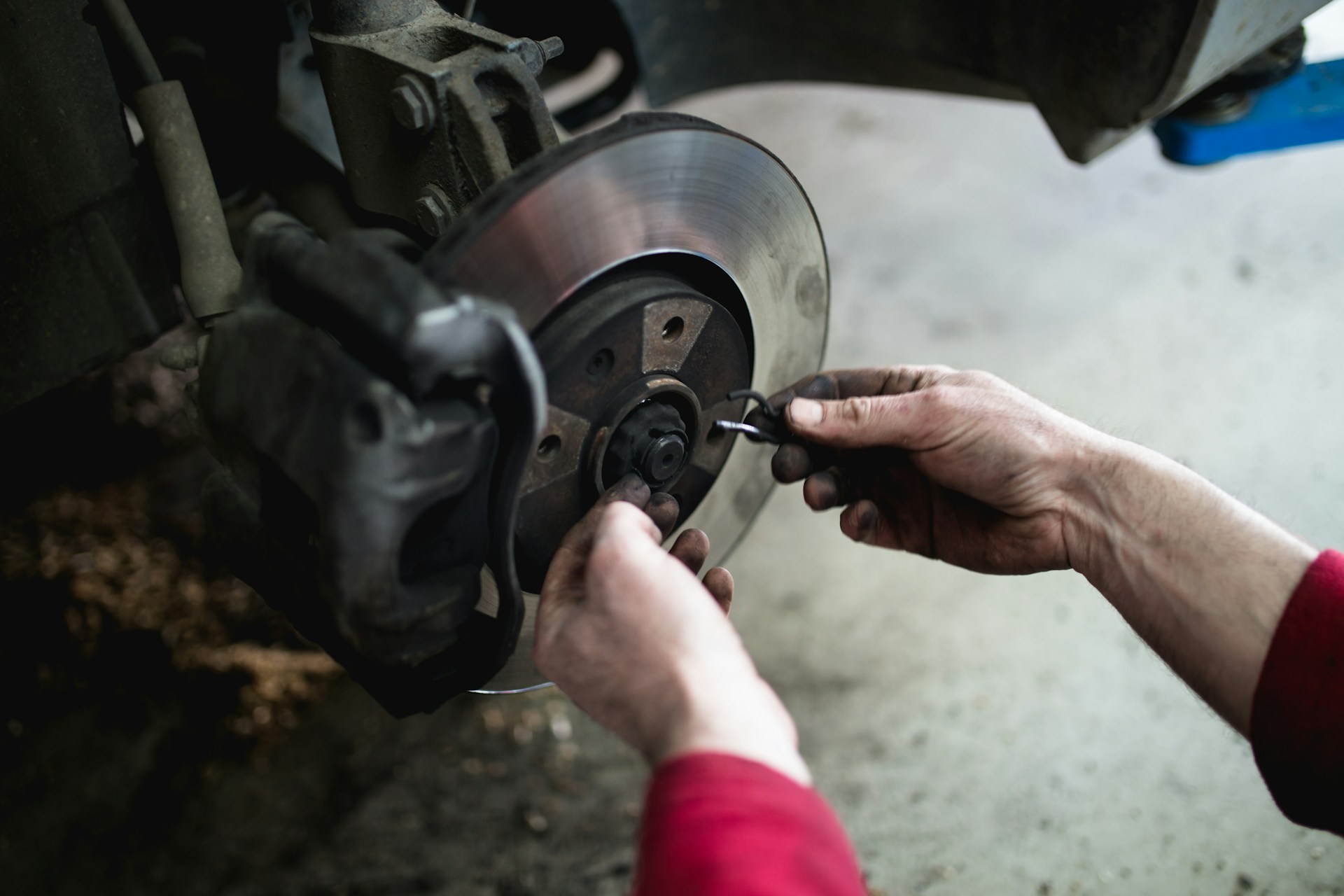
2. Rotor Damage: Warped or cracked rotors can happen after constant hard braking or if pads are too worn. Once rotors get damaged, you may feel uneven braking or pulsing through the pedal.
3. Brake Fluid Leaks: Brake systems use hydraulic pressure. If fluid leaks, that pressure drops, and that makes stopping much harder.
4. Sticky Calipers: A caliper that doesn’t move the way it should can cause uneven wear or poor response when braking.
Driving patterns also play a big role. If you’re constantly hitting the brakes hard in stop-and-go traffic or doing a lot of short trips around Levittown, your brakes may wear faster. Salt and moisture during a Long Island winter can also cause corrosion in brake components, especially if the undercarriage isn’t regularly cleaned. Brake parts are tough, but they’re not made to last forever without attention. Catching these problems early keeps you safer and can make repairs less of a hassle.
Professional Brake Diagnosis in Nassau County
Knowing something’s off with your brakes is one thing. Figuring out exactly what’s wrong is another. That’s where a proper brake inspection comes in. A basic once-over won’t always catch deeper issues, especially on Dodge vehicles that rely heavily on electronic systems and balanced performance. It takes trained eyes and the right tools to get to the root of the problem.
A comprehensive brake check usually starts with the technician checking pad thickness, rotor condition, brake fluid levels, and any signs of leakage. They’ll also test how evenly your brakes respond at each wheel. If your brake warning light turned on, pulling the error codes gives even more detail. Sometimes, a system reset is even needed after replacing certain components. There’s no guessing involved. It’s all about reviewing how the entire brake system is working together.
Example: If you’re hearing that dreaded grinding noise every time you slow down near Hempstead Turnpike or while parking at the mall in East Meadow, get it looked at fast. That sound often means the pads are beyond worn, and you risk damaging the rotors. If those go, you’re dealing with a bigger, pricier job. That’s the difference between a quick pad change and a full rotor replacement.
Solutions And Tips For Long-Term Brake Health
Once you’ve had the issue diagnosed, the actual fix depends on what the technician found. Here’s a look at common repairs and why they matter:
- Pad Replacement: Your pads wear down every time you stop. Once thin, they lose strength and eventually won’t protect your rotors.
- Rotor Resurfacing or Replacement: If rotors warp or develop grooves, they keep the brakes from gripping evenly. That causes vibration and longer stop times.
- Brake Fluid Top-Off or Flush: Old fluid or low levels affect pressure. Fresh brake fluid makes sure the brake pedal feels solid and performs as expected.
- Caliper Service: Whether it’s cleaning, lubricating, or replacing calipers, this is needed if braking feels uneven or one wheel wears faster than the others.
- Brake Hose or Line Repairs: Any cracks or leaks in the line reduce pressure, and that makes braking risky and unpredictable.
Preventive care goes a long way for Dodge drivers around Nassau County. Try to avoid riding your brakes too often, especially in traffic-heavy areas like Hicksville or near the schools in Levittown.
That steady braking adds heat and eats through pads faster. Give space between you and the car ahead so you can brake smoothly. And rinse off the underbody after snowy or slushy drives to wash away road salt and slow down corrosion.
Finding Reliable Brake Service Near You
Being able to rely on a good brake system isn’t just about peace of mind. It’s about being prepared for anything, sharp turns, tight city blocks, or deer suddenly stepping into the road out by Roosevelt Field. If something doesn’t feel right with your brakes, even during a short ride, it’s smart to get things properly checked before the problem grows.
Local weather and driving routines in Nassau County also make regular brake inspections worth keeping on your calendar. With months of damp air, salty roads, and stop-heavy commuting, it doesn’t take much for brake components to wear down or rust. The sooner you catch it, the easier it is to fix.
Staying Safely On The Roads Of Nassau County
Staying on top of your Dodge’s brake system doesn’t have to be complicated. The signs usually start small, an odd squeal, a slight pull, or a soft pedal, and those little clues are how your vehicle tells you it needs help. Ignoring them can mean more than just an expensive repair. It affects your safety and everyone else around you on the roads.
Taking action at the first sign of trouble helps keep your Dodge running dependably through the traffic, curves, and weather changes that Long Island serves up throughout the year. With proper care, quick check-ups, and local attention to how conditions affect your brakes, your car stays ready for whatever the road throws its way.
If you want confident stopping power every time you hit the road, it’s worth understanding how Dodge safety features in Nassau County work alongside expert brake care. Schedule a professional brake inspection with Town & Country Jeep Chrysler Dodge Ram to keep your vehicle running safely and smoothly, no matter where your day takes you. Our experienced technicians are ready to help ensure your Dodge remains reliable throughout all your driving adventures.
Connect with us


- July 2026
- June 2026
- May 2026
- April 2026
- March 2026
- February 2026
- January 2026
- December 2025
- November 2025
- October 2025
- September 2025
- August 2025
- July 2025
- June 2025
- May 2025
- April 2025
- November 2023
- October 2023
- September 2023
- August 2023
- July 2023
- June 2023
- May 2023
- April 2023
- March 2023
- February 2023
- January 2023