



Keep Your Cool in Levittown Traffic Jams
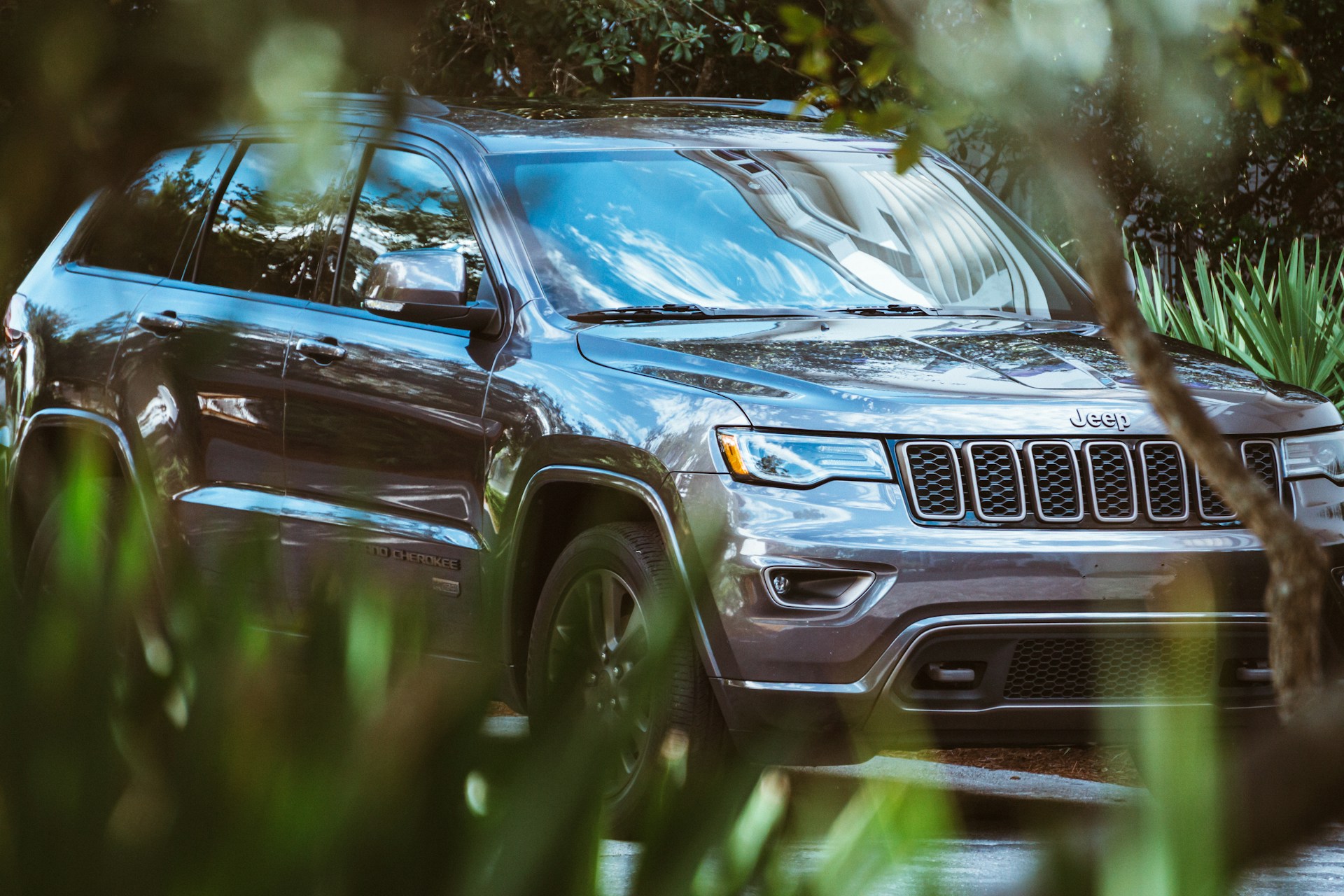
Jeep engines work hard even on a normal day, and slow Levittown traffic can push them to the edge. Long lines on Wantagh Parkway, crawls on Southern State, and stoplights on Hempstead Turnpike all mean less airflow and more heat trapped under the hood.
Overheating happens more in stop-and-go driving than on the highway because the engine is running but the vehicle is barely moving. There is not much fresh air passing through the radiator; the electric fans have to work harder, and the AC is usually blasting. That mix can turn a warm afternoon into a hot problem fast.
In this guide, we will walk through why local traffic is so tough on Jeeps, how the cooling system works, and what fans, coolant, thermostats, and the radiator each do to control engine temperature. We will also talk about how AC load adds heat, share simple driving habits that help, and explain when it is time for professional Jeep maintenance in Levittown instead of guessing in your driveway.
Why Stop-and-Go Levittown Driving Overheats Jeeps
Crawling around Levittown, East Meadow, or Hicksville at low speeds means your Jeep is running with very little natural airflow. At highway speed, air is forced through the grille and radiator. In bumper-to-bumper traffic, that airflow almost disappears and the cooling system must rely on electric fans.
Summer adds even more stress. High air temperature, hot pavement, and strong sun all raise under-hood heat. Many drivers also:
- Run the AC on high
- Sit idling in school zones or at long lights
- Tow small trailers, jet skis, or beach gear
- Creep through parking lots near parks or shopping centers
All of this makes the engine work harder while the coolant is getting less help from airflow. Common signs of overheating around town include:
- Temperature gauge creeping higher than normal
- Red temperature warning light or message on the dash
- AC that suddenly blows warm when you stop
- A hot or sweet smell after sitting in traffic
- Steam or light smoke from under the hood
If you notice any of these in local traffic, it is time to pay attention before a small heat problem becomes major engine damage.
Cooling System Basics Every Jeep Driver Should Know
Your Jeep’s cooling system is a team of parts working together to move heat away from the engine. The main pieces are:
- Radiator, where hot coolant releases heat to the air
- Coolant, the fluid that carries heat through the system
- Thermostat, a temperature-controlled valve that opens and closes
- Water pump, which circulates coolant through the engine and radiator
- Hoses that connect everything and carry coolant
- Radiator cap, which holds pressure and raises the boiling point
The engine cooling system and the AC system are different, but they still affect each other. The AC compressor adds load to the engine, which makes more heat. The condenser, which sits in front of the radiator, also gets hot when the AC runs. That hot condenser warms the air hitting the radiator, so the cooling system has to work even harder.
Regular Jeep maintenance in Levittown is important because small problems tend to show up first in heavy traffic or on hot days. Simple checks like coolant level, hose condition, and leak inspections before long commutes or trips toward the Belt Parkway can prevent roadside breakdowns later.
Fans, Coolant, and Thermostat: Your First Defense
Electric cooling fans are your Jeep’s best friend in slow traffic. When the vehicle is stopped or moving slowly, these fans pull air across the radiator. If they are not working right, heat has nowhere to go.
Signs of fan or fan control trouble include:
- Temperature rising at idle but dropping back down once you drive faster
- Hearing the fan run constantly, or never hearing it at all
- AC that works better on the highway than in parking lots
Sometimes the fan motor is fine, but the relay, sensor, or wiring is not sending the right signal. These can be tricky to track without proper tools.
Coolant health is just as important. Each Jeep model uses a specific type of coolant, and it needs the right water-to-coolant mix for our Long Island climate. Warning signs include:
- Low coolant level in the reservoir
- Rusty, brown, or milky-looking fluid
- Floating debris or sludge inside the tank
- Needing to top off often
Simply adding water can thin out the mix and lower the boiling point, which makes overheating more likely. It can also lead to internal rust.
The thermostat acts like a gate. When the engine is cold, it stays closed to help the engine warm up. As temperature rises, it opens so coolant can flow to the radiator. If it sticks closed, coolant cannot move and the engine overheats quickly. If it sticks open, the engine might run too cool on the highway and too hot in traffic. Because a bad thermostat shares symptoms with other issues, a professional diagnosis is much safer than swapping parts at random.
Radiator, AC Load, and Surviving Summer Gridlock
The radiator is where the real heat exchange happens. Over time, the small passages inside can clog with scale or old coolant, and the fins on the outside can get packed with bugs, salt residue from winter, or leaves. When that happens, hot coolant flows through but does not cool down enough.
You might notice:
- Overheating mainly when climbing hills or towing
- Temperature climbing on long drives even without traffic
- One part of the radiator much hotter than another
AC use has a bigger effect on engine heat than many drivers think. On a 90-degree day around Levittown, turning the AC on:
- Puts extra load on the engine
- Raises under-hood temperature near the radiator
- Adds heat from the condenser directly in front of the radiator
Simple coping habits in heavy traffic can help, such as:
- Turning the AC off briefly if the temperature gauge starts to climb
- Switching to fan and fresh air when possible
- Cracking windows slightly to let hot air escape
- Leaving space ahead of you so air can reach the grille
- Avoiding long periods of idling when you can safely move
Planning errands for cooler times of day can also reduce heat stress on the engine and on you.
When to Pull Over and When to Call the Mopar Pros
If the temperature warning light comes on or the gauge heads toward the red, quick action can protect your engine. Safe first steps include:
- Turn off the AC, which removes extra load
- Turn the cabin heat on high to pull some heat away from the engine
- Move to a safe spot off the road as soon as you can
- Shift into park and let the engine idle briefly if needed, then shut it off
Never open the radiator cap on a hot engine. Pressurized coolant can spray out and cause serious burns. Let the vehicle cool completely before anyone checks coolant level.
Do not ignore:
- Repeated overheating episodes, even if the temperature comes back down
- Visible coolant leaks under the vehicle
- Steam or heavy vapor from under the hood
- A sweet smell inside or outside the Jeep
These are signs the cooling system needs professional attention. Trained technicians can pressure test the system, inspect the radiator, verify fan operation, check the thermostat and water pump, and use genuine Mopar parts where needed. Timely work can help prevent warped heads, blown head gaskets, and other serious engine damage that often follow repeated overheating.
Keep Your Jeep Ready for Every Levittown Drive
Regular care is the best way to protect your vehicle’s performance, and our certified team at Town & Country Jeep Chrysler Dodge Ram is here to help. Schedule your next Jeep maintenance in Levittown so we can inspect, service, and fine-tune your SUV with genuine parts and expert attention. If you have questions about service intervals, pricing, or specific concerns with your Jeep, simply contact us and we will walk you through your options.
Connect with us


- August 2026
- July 2026
- June 2026
- May 2026
- April 2026
- March 2026
- February 2026
- January 2026
- December 2025
- November 2025
- October 2025
- September 2025
- August 2025
- July 2025
- June 2025
- May 2025
- April 2025
- November 2023
- October 2023
- September 2023
- August 2023
- July 2023
- June 2023
- May 2023
- April 2023
- March 2023
- February 2023
- January 2023