





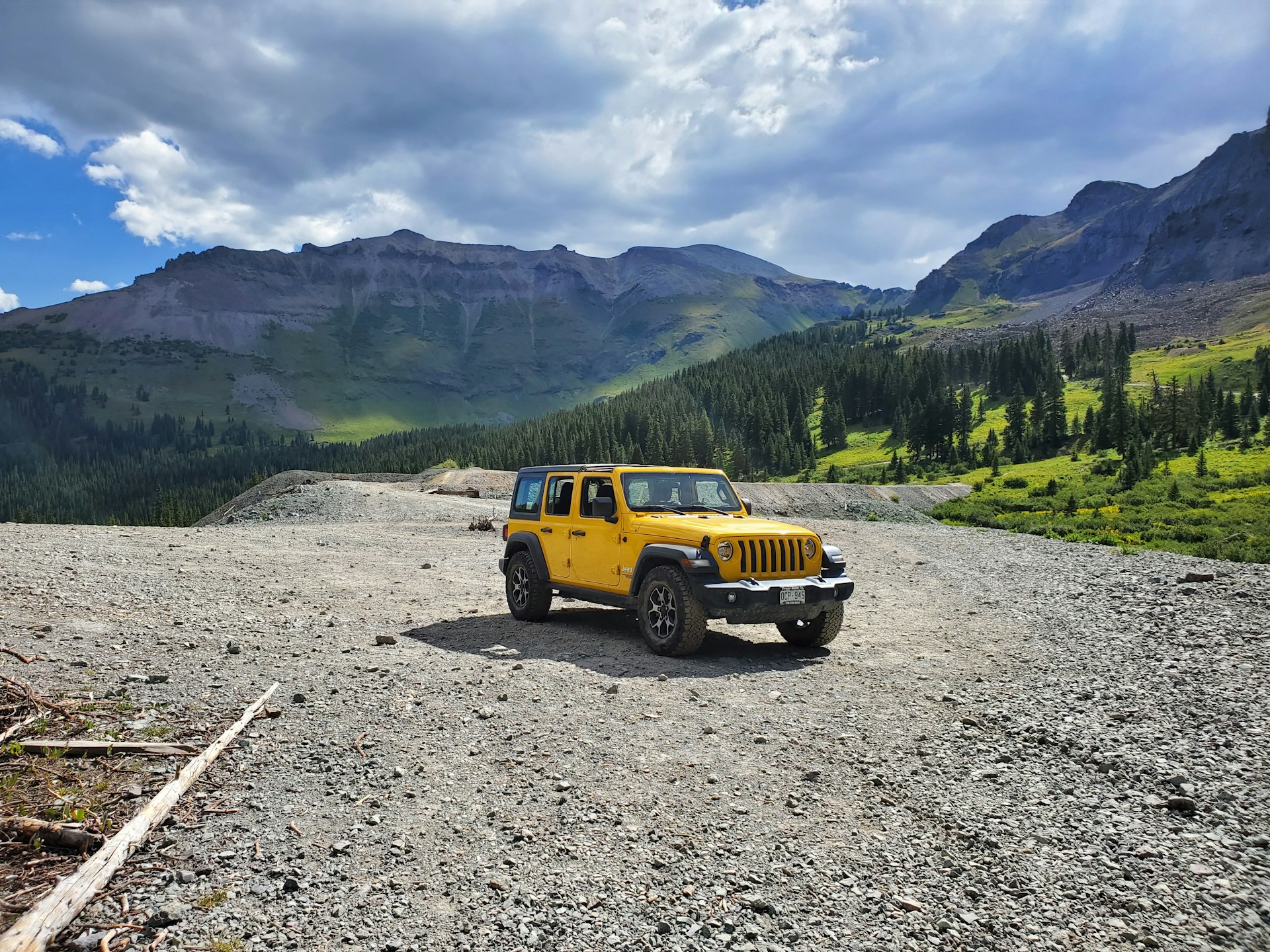
When winter hits Nassau County, Jeep owners know it’s time to put some parts away for a few months. That Northeast chill can do a number on equipment if it’s not taken care of properly. Snow, road salt, and moisture sneak in and wear down even the toughest Jeep parts. Whether you’re a weekend off-roader or just like keeping your ride in top shape, prepping your parts before storing them can save you from bigger headaches later.
Ignoring winter storage prep can lead to rust, cracks, leaks, or even electronic failure in certain components. These issues tend to show up right when you’re ready to get back on the road or trail. A little care now can keep your spring plans from getting delayed by repairs or part replacements. Here’s how to get those Jeep parts stored the right way so they’re ready to go when the snow melts.
Cleaning And Inspection
Before anything goes into storage, give your Jeep parts a proper cleaning. Even small amounts of dirt, salt, or grease can attract moisture and cause damage over the winter. Hose off anything that’s collected grime, use auto-friendly soap, and take your time drying everything. Make sure the parts are dry before moving on. Any moisture trapped in or around them will only cause problems once they’re boxed up in a garage or shed.
Inspection is just as important as cleaning. Once your Jeep parts are cleaned off, look closely for signs of wear or damage. This includes:
- Cracked rubber or weather seals
- Rust starting to form on metal edges
- Loose wires or broken electrical connectors
- Scratches or gouges on surfaces that might spread
If you store damaged parts without fixing or replacing them, they’ll just get worse over the winter. One common issue we see in Levittown is brake components that get tossed in the garage after a fall trail ride, then come spring, they’re completely rusted over. It’s better to fix the small stuff now rather than look for emergency replacements later.
Anything that’s already failing should be repaired before storage. If you’re unsure about the condition of a part, don’t guess at it. It’s worth having us take a look so you know what’s good to keep and what needs attention before getting shelved.
Proper Storage Techniques To Avoid Cold Weather Damage
Once everything’s clean and checked over, your next focus should be proper storage. Winter temps on Long Island can bounce around pretty wildly, and humidity sneaks into garages and sheds all the time. That mix makes it easy for stored parts to rust or crack, especially if they’re sitting near the floor where cold air tends to settle.
Here’s what you’ll want to focus on:
- Store parts off the ground. Use shelves, sturdy bins, or hang items where possible to keep them away from damp floors
- Avoid placing parts near windows or drafty doorways. Repeated freezing and thawing can weaken seals and materials
- Wrap or cover sensitive parts with breathable covers. Avoid plastic wrap for long-term use, since it traps moisture
- Keep your storage space as dry as possible. A small dehumidifier or moisture-absorbing packets can go a long way, especially in tight spaces
Tires, batteries, and electronics should get a little extra care. Store tires upright, not stacked, and keep them in a cool, dry area to maintain shape. If you’re storing batteries, disconnect them and avoid spots that dip below freezing. For electronic components like radios or light kits, make sure they’re in anti-static bags or dry, sealed containers.
Taking these steps can seriously extend the life of your Jeep parts, especially in a tightening winter season like the one hitting Nassau County this year. It’s worth setting up your storage space right, instead of just throwing things into a bin and forgetting about them.
Using Protective Treatments On Jeep Parts
Long Island winters don’t just hit hard; they linger. That’s why adding protective treatments to your Jeep parts before storage makes a real difference. Even with a dry garage or sealed container, temperature swings and moisture in the air can wear down exposed materials over time. Applying a layer of protection helps block out corrosion, grime, and the kinds of damage that sneak up after weeks or months in storage.
Start with any exposed metal surfaces. These are the most prone to rust, especially if they’ve had any minor nicks or scratches. Rust inhibitors and anti-corrosion sprays designed for automotive use work well here. Apply them evenly and let them settle before packing parts away.
Rubber and plastic components like bushings, hoses, and gaskets need attention too. They harden in the cold and get brittle if ignored. Use a silicone-based conditioner to keep them flexible. Just make sure the product is safe for auto-grade rubber so it doesn’t break down the material.
If you’re storing electrical parts or connectors, a quick spray with dielectric grease can help keep out condensation and prevent corrosion inside the terminals. It’s a smart move for items like off-road light bars or removable winch connections.
Painted surfaces, yes, even on parts, should be cleaned and waxed before storage just like you’d handle the body of your vehicle. That added coat gives a layer of defense against moisture and dust.
Protective coating tips to keep in mind:
- Don’t over-apply. Too much build-up can attract dust or cause residue
- Label treated parts so you remember what was coated when spring rolls around
- Always apply products in a well-ventilated space and give them time to dry
A little prep now keeps those Jeep, Dodge, and RAM accessories from becoming a restoration project when you want to use them again.
Why Regular Winter Checks Really Matter
Storing your parts doesn’t mean forgetting about them. Long-term storage works best with short-term check-ins. Garages shift temperatures often on Long Island, and hidden moisture sneaks in when you least expect it. Checking Jeep parts every few weeks during winter can catch problems before they cause real damage.
Build a simple checklist to use during the winter months:
1. Look for signs of condensation inside containers or bags
2. Check that shelving or boxes haven’t shifted or collapsed from weight
3. Feel around for cold spots or wet patches that could collect under parts
4. Inspect tire rubber for cracking, especially if stored upright with weight
5. Make sure metal parts haven’t started discoloring or showing signs of rust
6. Re-apply rust inhibitors or grip protectants as needed if they’ve faded or washed off
These steps don’t take long but make a noticeable difference. One customer we worked with stored an old RAM tailgate in what he thought was a dry shed. Three months later, it was rusted through on the exposed edge from a leak he hadn’t noticed. If he had popped in to check once a month, he likely would’ve caught the issue early.
If something seems off with a part during a winter check, don’t wait for spring to fix it. Pull it out of storage and bring it in to get a proper inspection. It’s better to handle a small fix during cold weather than face a big surprise when the roads dry up.
Keep Your Jeep Parts Safe This Winter In Nassau County
Prepping Jeep parts for winter isn’t just about finding a place to stash them; it’s about protecting function, value, and time. When you clean, inspect, store, treat, and follow up regularly, your parts will last a lot longer and perform better when you need them again. Winter in Nassau County brings road salt, ice, and random warm spells that create the perfect mess for stored equipment. Being ready means less worry when the season starts to thaw.
Whether you’re laying up extra off-road gear, holding onto seasonal components, or making space in your garage, the effort you put into winter prep keeps your equipment from turning into scrap. Doing it once is work. Doing it right means you won’t have to redo it next year. Keep your parts safe now so your spring plans stay on track later.
Winter can be tough on your Jeep parts, but with a little preparation, you can ensure they last and perform optimally when spring arrives. For all your storage and maintenance needs, turn to Town & Country Jeep Chrysler Dodge Ram, where our experts can assist you with Jeep parts in Nassau County. Keep your vehicle in peak condition through every season with support from our dedicated team.
Connect with us

