





When winter hits Long Island, getting into a cold car first thing in the morning isn’t just uncomfortable. It can set the tone for your whole day. If your Dodge isn’t warming up like it should, that’s a sign something’s off.
Heating systems in any vehicle work harder during colder weather. And for drivers in places like Levittown and across Nassau County, those cold snaps can last longer than anyone would like. So, when you’re expecting your car’s interior to heat up and instead you’re greeted with ice-cold air, it can be more than just a minor annoyance.
Heating issues in Dodge vehicles can show up in different ways, and if they’re not handled early, they can lead to bigger problems. A heater that blows cold air, strange squealing sounds behind the dash, or heat that seems to come and go without warning.
These aren’t things you want to ignore. It’s especially important to recognize these signs before deeper winter sets in. The good news is that once you know what to look for, it’s easier to take care of it in time.
Common Heating Problems in Dodge Vehicles
When something’s wrong with the heating system in your Dodge, it usually doesn’t hide for long. You’ll notice it quickly, especially on Long Island, where winters demand a reliable heater. Here’s what most Dodge owners tend to notice when the heat isn’t working right:
- No hot air blowing through the vents even after the engine warms up
- Heat that comes and goes while driving
- Clicking, banging, or humming noises behind the dashboard
- The defroster is not blowing warm air
- The cabin is taking too long to get warm
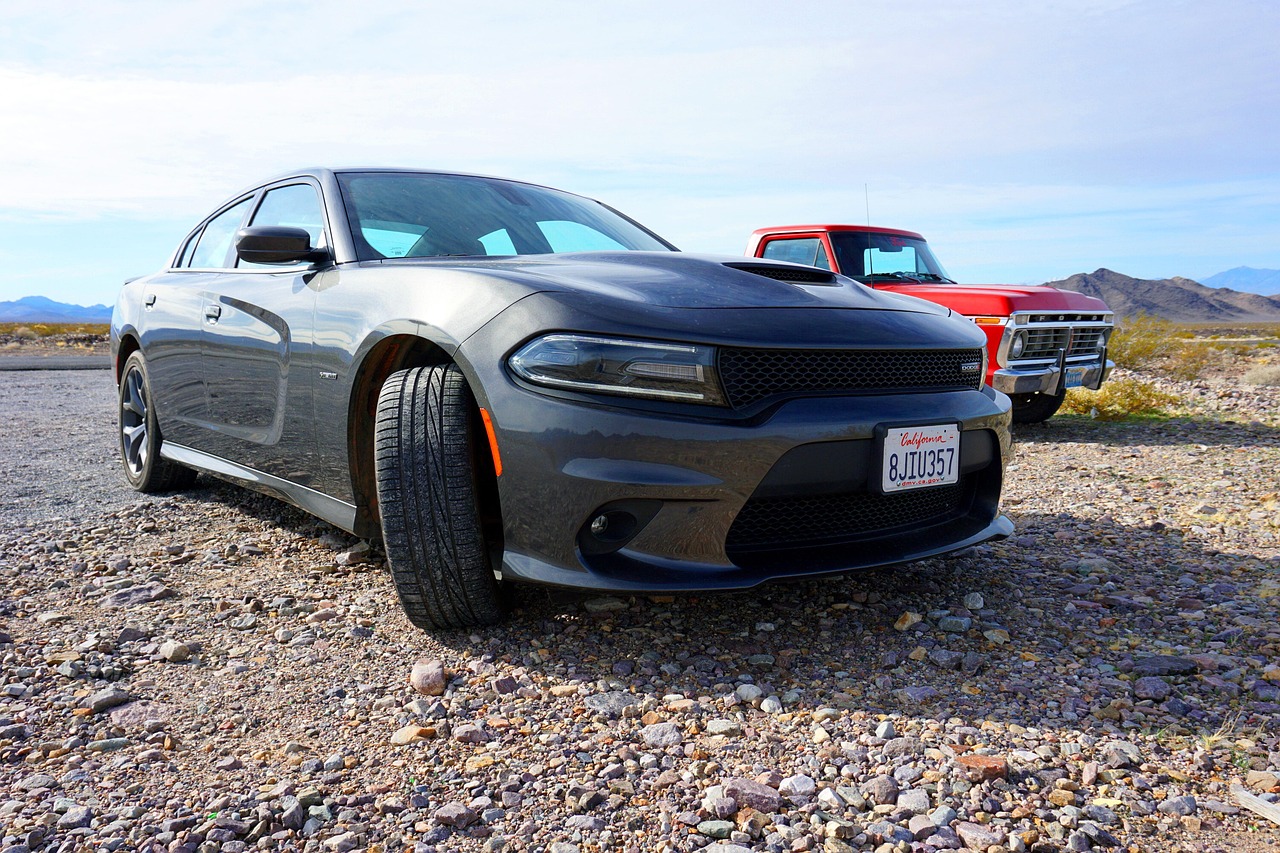
Picture this. You’re driving your Dodge Charger to work, halfway through your commute, and the hot air suddenly turns cold. You crank the dial, even switch to max heat. Nothing changes. This kind of issue may seem random, but it can be linked to things like low coolant levels, air pockets in the system, or a faulty blend door actuator, which controls both air direction and temperature.
Beyond discomfort, a heater that isn’t working can cause safety risks. If the defroster isn’t producing warm air, your windshield stays fogged up longer. That limits visibility and makes road conditions during the winter even more dangerous.
Diagnosing Heating Problems
It takes more than adjusting your dashboard knobs to pinpoint heating issues. Diagnosing the real cause takes knowing what to look and listen for. Some problems can be seen easily, while others are hidden and need a bit more digging.
Start by checking these areas:
1. Thermostat – If it’s stuck open, your engine may stay too cool to send heat inside. If it’s stuck closed, the engine could overheat.
2. Coolant – Low or contaminated coolant tops the list when it comes to heater failures. Without enough antifreeze, the heater core can’t circulate warm fluid properly.
3. Heater Core – This small but mighty part works like a mini radiator. If it’s plugged or leaking, you might notice a sweet smell inside or hear bubbling sounds.
4. Blower Motor – If the fan doesn’t engage, there won’t be any airflow at all, whether hot or cold.
5. Blend Door Actuator – When this motor fails, it may cause a clicking sound or make the temperature impossible to change.
You might also notice dampness under the dashboard. That often means the heater core is leaking. If airflow is weak even at full fan speed, a clogged air filter or worn-out blower motor could be the cause.
Pay attention to when the problem shows up. Does it happen on super cold mornings? Does it get worse the longer you drive? These patterns can help narrow down the cause and get it fixed faster.
Professional Heating System Maintenance for Dodge Vehicles
If your Dodge’s heater is unreliable, having a certified technician check it out is your best option. HVAC systems in Dodge vehicles are more than just fans and vents now. They include electronic thermostats, sensors, motors, and fluid channels that all have to work together.
At Town & Country Jeep Chrysler Dodge Ram, our trained technicians use tools to inspect areas that the average driver can’t access easily. They can pressure-test your heater core, inspect for hidden leaks, and test the thermostat’s response to different temperatures. Technicians are also trained to tell the difference between a broken actuator and a problem with the electronic climate control module.
Long Island’s unpredictable winters can drop temperatures fast. That’s why it’s important your Dodge Durango, Journey, or Charger has a reliable heater and defroster working properly before things freeze over. Issues like salt corrosion around heater system fittings can happen locally here and often go unnoticed until something breaks. Our technicians know what to expect based on conditions here in Nassau County.
Fixes might involve simple part swaps like actuators or blower motors. In other cases, flushing the heating system or replacing clogged heater cores may be required. Professionals will run full system checks to make sure nothing like a weak water pump or cylinder head problem is hiding behind your heat issues. That kind of care ends up saving time, hassle, and money long term.
Preventing Heating Problems in Jeep, Dodge, and Ram Vehicles
While some heating issues come out of nowhere, most can be avoided with basic care. These tips work no matter what vehicle line you drive from the Town & Country Jeep Chrysler Dodge Ram lineup, Jeep Grand Cherokee, Dodge Journey, or Ram 1500.
Here are some practical steps you can take to keep your heating system running strong:
- Get your coolant flushed on time. Dirty or old coolant is a prime suspect when heater cores get clogged.
- Check coolant levels often. Even a slow leak invites air into the lines, which blocks fluid from reaching the heater core.
- Change your cabin air filter. If it’s clogged, airflow drops and the system struggles, especially in winter.
- Listen for odd sounds when adjusting the heat. Repeated clicking under the dashboard can hint at a blend door actuator needing replacement.
- Get your HVAC system checked yearly. Even if everything seems fine, early checks catch problems before they show up.
One smart move is to start heating checks during the fall. That way, if the air coming out isn’t warm enough or it smells weird when first turning on the heat, you’ve got time to fix it. Musty or sweet odors are usually signs of leaks or even mold in the heater system. It’s easier and more affordable to deal with those problems early than when it’s freezing outside.
Keeping your heating system clean and working also helps keep your windshield clear during cold, wet mornings. Reduced ice and fog mean better road visibility. So your comfort and safety both get a boost.
Keep Your Dodge Comfortable and Safe This Winter
Cold mornings on Long Island are uncomfortable enough without surprise heating problems. When your Dodge vehicle struggles to warm up, it can put more stress on your day and even create safety issues. A broken defroster, inconsistent heat, or weird smells from the vents are all signs that your vehicle needs attention before snow and ice make matters worse.
The sooner you address these problems, the smaller the fix tends to be. And the more consistent your seasonal maintenance, the stronger your HVAC system stays. Don’t let a small issue with your Dodge’s heating system grow into something that affects your whole winter. Make the time to get it checked now so your drives stay warm, safe, and stress-free throughout the colder months.
Ensure your drive is warm and comfortable this winter with reliable heating maintenance for your vehicle. At Town & Country Jeep Chrysler Dodge Ram, we specialize in keeping Dodge cars on Long Island performing at their best, ensuring you drive confidently through the cold months.
Our expert technicians are equipped to address all your heating system concerns, ensuring your vehicle stays in optimal condition. Schedule an appointment today and enjoy worry-free journeys on those frosty Long Island mornings.
Connect with us


- July 2026
- June 2026
- May 2026
- April 2026
- March 2026
- February 2026
- January 2026
- December 2025
- November 2025
- October 2025
- September 2025
- August 2025
- July 2025
- June 2025
- May 2025
- April 2025
- November 2023
- October 2023
- September 2023
- August 2023
- July 2023
- June 2023
- May 2023
- April 2023
- March 2023
- February 2023
- January 2023