



Town & Country Jeep Chrysler Dodge Ram

Blog / Dodge

Blog

All Dodge Jeep RAM Chrysler Dealership Jeep Wrangler RAM Truck
Dodge

Fixing Unexpected Engine Stalls in Dodge Journey

Getting stuck on the side of the road with a stalled engine is one of those moments no driver wants, especially during the colder months on Long Island. If your Dodge Journey stalls without warning, it can leave you worried and confused. more This kind of problem isn't just inconvenient. It can also be risky, especially along busy roads in areas like Levittown where winter driving is already stressful enough. Cold weather makes engine problems more noticeable, and if your vehicle shuts off in the middle of a turn or while going up a hill, things can get dangerous fast. Unexpected engine stalls don't always mean your vehicle is completely down and out, but they do signal that something needs to be fixed before it gets worse. Whether you've just noticed the problem or it's been happening off and on, it's good to understand what might cause it and what steps need to be taken next. Here's a look at what might be going wrong in your Dodge Journey, and how to get it back to normal so you're not left stranded in Levittown traffic. Common Causes Of Engine Stalls In A Dodge Journey When a Dodge Journey stalls without warning, there are usually a few places to start looking. Some causes are more common than others, especially in colder months when certain systems work harder than usual. Here's a breakdown of the parts and systems most likely to cause trouble: Fuel System Issues: If fuel isn't getting to the engine properly, it won't run right. Clogged fuel filters, dirty injectors, or weak fuel pumps can stop the engine suddenly. If your Journey feels like it's sputtering before stalling, that's a red flag. Ignition System Problems: This includes components like spark plugs, coils, and ignition wires. Worn-out plugs or faulty coils might still allow the engine to start, but won't keep it running well, especially at stoplights or when idling. Electrical Faults: A dying battery, poor ground connection, or damaged wiring can interfere with how sensors and parts work together. Electrical problems are tricky but common, especially when temperatures drop and components shrink or corrode. Air Intake System Blockages: Engines need air to breathe. If an air filter is clogged or if there's something blocking the airflow, the engine could stall. It may start fine, but lose power and shut off when it can't get enough oxygen. Sensor Failures: Vehicles today rely on a lot of sensors. The crankshaft position sensor or mass airflow sensor, for example, gives information directly to your engine's computer. If one fails or works inconsistently, you might get sudden stalls with no warning, just a shutoff. One example we've come across involves a Dodge Journey owner in Levittown whose vehicle would stall only at low speeds, like when pulling into a parking spot. Turned out, the throttle body needed cleaning, and a sensor had gone bad. Once both were fixed, stalling stopped completely. Knowing the root of the issue is the first step in stopping the stall from happening again. And while the signs might look small, like a flickering RPM gauge or a delayed start, they often point to something more serious under the hood. How To Diagnose The Problem Figuring out what's behind the stalls can be frustrating if you're not sure where to look. Luckily, engine stalls usually follow a pattern, and a proper diagnostic routine can start narrowing it down. Here's how technicians approach the problem: 1. Check the Fuel System: Fuel delivery is key. Professionals will inspect the fuel pump pressure, look at the filter, and confirm that fuel is reaching the engine at the right rate. A drop in flow here can cause random engine shutoffs. 2. Inspect the Ignition Components: Bad spark plugs, corroded wires, or a failing ignition coil could hurt combustion. Each component is checked for signs of wear or loose connections. 3. Examine Electrical Connections: Loose battery terminals or broken wiring can mislead the engine's electrical system. A full scan of the vehicle's circuits can catch problems that aren't visible right away. 4. Test the Air Intake System: Dirty air filters, cracked air hoses, or stuck throttle plates can affect how the engine runs. These parts are inspected and cleaned or replaced as needed. 5. Use Diagnostic Tools to Scan for Codes: Technicians hook up scanners to detect fault codes stored by the engine's computer. These codes point to sensors or systems throwing off your engine's operation. Once they're identified, repairs can be made more accurately. Taking time to properly diagnose instead of guessing saves energy, time, and more expensive damage later. Especially during winter in places like Levittown, a correct diagnosis makes the difference between fixing the stall and ending up with a vehicle that won't move at all. Professional Help Matters More Than You Think Once the cause of the stalling is tracked down, the repair needs to be done right the first time. This is where trained professionals make a big difference. They've seen patterns with Dodge Journey issues before and know how one fault can lead to another. With the right tools and experience, they can find and fix the core problem instead of chasing symptoms. Skilled mechanics don't rely on guesswork. They use industry-grade diagnostic equipment to check fuel pressure, sensor signals, and throttle response in real time. That kind of testing can reveal issues that a basic scan tool might not pick up. They also review your vehicle's repair history and check for any available software updates or known recalls tied to your specific stalling problem. After identifying the problem, repairs follow a step-by-step process. For instance, if a failed crankshaft sensor is discovered and a wire is also damaged, both are repaired or replaced—not just one of them. Once the repair is done, the system gets tested again to make sure the fix holds. Professionals go a step beyond just getting the engine to start again. They check surrounding components to make sure nothing else is compromised. That might include looking at fuel trim levels, checking additional sensors, and confirming steady idle behavior even under load. It's this kind of thorough process that stops the stalling from coming back. How to Prevent Future Stalling in Your Dodge Journey Once your Dodge Journey is back to smooth operation, the goal is to keep it that way. Routine care and staying ahead of possible issues can keep your vehicle out of the shop and on the road during harsh Long Island winters. Here are a few key tips to help reduce the chance of stalling in the future: Get frequent service checks, especially when the seasons change. Cold weather can interfere with how well your fuel and ignition systems operate. Keep the fuel system clean. Using the right fuel and professional-grade treatments can help fight off clogs and poor injector performance. Monitor your battery and electrical system. Cold weather can wear out your battery faster. Make sure the connections are secure and get it checked during service visits. Change your air filter on time. A dirty filter can choke your engine and hurt performance when you need it most. Stay current with vehicle recalls and software updates. Your service provider can check whether your Dodge Journey has any recommended updates tied to stalling issues. These small steps can help extend the life of your engine and avoid sudden shutdowns while out on the road. Stay Ready for Winter Roads in Levittown Unexpected stalling issues can throw off your schedule fast, especially when you need your Dodge Journey to handle school drop-offs, winter errands, or longer drives across Levittown and surrounding areas. Problems that seem small now can grow worse if ignored. Even one unexpected stop in a crowded intersection or going up a cold hill can put you and others at risk. Getting to the heart of the problem and fixing it right makes all the difference. And once that's done, setting up a simple maintenance schedule keeps you ahead of future issues. With the right attention and professional care, your Dodge Journey will be ready for whatever the road brings. Whether you're out running everyday errands or facing icy conditions, a steady and dependable engine helps you get where you're going with peace of mind. Keep your Dodge Journey running smoothly this winter with expert Dodge repair services in Levittown from Town & Country Jeep Chrysler Dodge Ram. Our skilled technicians are ready to assist with any issue related to your Dodge Journey, ensuring your vehicle performs optimally throughout the season. Trust us for reliable and professional service when you need it most.

Dodge

How to Handle Warranty Concerns on Dodge Used Inventory

Buying a used Dodge vehicle in Nassau County often feels like a good way to get a dependable ride at a lower price. But certain questions may come up as you consider the purchase, especially around what kind of warranty coverage comes with the vehicle. No one wants to face a large repair bill right after buying a used car. That's why it's important to know exactly what protection your Dodge comes with before you commit. more Understanding what your warranty covers helps you avoid stress later on. Every vehicle and warranty is different. Whether you're headed to work, running errands, or driving along the Long Island coast, you'll want the peace of mind that comes with knowing you're covered if something goes wrong. Understanding Warranty Terms Warranties on used Dodge vehicles can vary a lot depending on where the car comes from and how old it is. There's no single type of warranty that applies to every used vehicle. Some might still have factory coverage, while others are limited to shorter-term protection offered by the dealership. Here are the most common types of warranties you may find on used Dodge vehicles: Powertrain Warranty: This covers major parts like the engine, transmission, and drivetrain. These are usually the most expensive parts to fix, so this warranty means a lot if it's still active. Bumper-to-Bumper Warranty: This offers more complete coverage for many systems in the car. However, this warranty usually doesn't last as long and typically leaves out things like brake pads or windshield wipers. Certified Pre-Owned (CPO) Warranty: If your Dodge is part of a CPO program, it often includes extended coverage. These warranties usually come after a detailed inspection and are backed by the manufacturer. Limited Dealership Warranty: Some used vehicles come with a short warranty from the selling dealer. This might cover 30, 60, or 90 days, but it likely applies to fewer components overall. Look out for fine print. Warranties often have clear expiration dates or mileage limits. Be sure to ask questions and read your paperwork closely so you don't miss something important. You need to know what repairs are included and, just as importantly, what isn't. Common Warranty Concerns A warranty can sound reassuring, but not everything goes as planned every time. Many Dodge buyers in Nassau County find themselves confused about what actually qualifies for warranty repair. Some think they have full coverage, only to find out that their issue doesn't meet the conditions set out in the paperwork. Here are a few common concerns we hear about: Repairs That Don't Qualify: Warranties often won't cover problems caused by accidents, aftermarket modifications, or general neglect. Expired Warranty: A vehicle may seem new enough, but if the coverage has ended due to dates or mileage, repairs may not be included anymore. Coverage Gaps: Some warranties don't mention various electrical systems, AC units, or touchscreen and navigation systems. These exclusions can catch you by surprise. Pre-Existing Issues: If something was already worn or faulty before the warranty began, repairs may be denied even if you thought they'd fall under coverage. Imagine your Dodge starts dragging or making knocking sounds during an early morning cold start in December. You visit for a warranty check only to find that cold-weather noise isn't considered a covered issue. That can be frustrating, especially during a Nassau County winter. The best way to prevent these types of surprises is by reading through your documents and asking questions upfront. When you're clear on what you're working with, there's less confusion when things need attention. Steps to Address Warranty Issues If you're already facing a warranty situation with your used Dodge, don't stress. There's a smart way to go about getting it resolved. Here's a useful step-by-step path to help you through it. 1. Review Your Warranty Paperwork: Pull out your documents and check what's written. Look for specific parts and systems that are covered. Make sure you're still in the mileage and date range. Don't guess, double-check everything. 2. Document the Problem: Write down what you notice, when it started, and how often it happens. Take photos or video if you can. Receipts and service notes also help show what's been done before. 3. Avoid Further Damage: If the issue feels serious, it's smart to stop driving until it can be looked at. Continuing to use the vehicle could make the problem worse or even void the warranty. 4. Contact the Dealership or Warranty Provider: Call or visit the place that issued the coverage. Be ready to explain the issue clearly. Most will want to inspect the car before moving forward with repairs. Set up an appointment as soon as you can. 5. Keep Records of All Communication: Hang onto every bit of communication. Save emails, write down phone conversations, and get the names of people you talk to. This could help a lot if things drag on or get confusing. 6. Stick With the Process: Warranty repairs can sometimes take longer than regular work. That's because permission may be needed, and paperwork must be done. Be patient, but check in regularly to keep things moving. By following these steps and staying on top of everything, you're putting yourself in a better position if anything comes up later during the process. The more organized and detailed you are, the easier it is for others to help you, too. Where to Seek Help in Nassau County If you're facing warranty trouble in Nassau County, start with someone nearby. Local support is always easier to work with. You won't have to travel far, and it helps to meet with people who already know Dodge vehicles. Before heading out, make sure you have your warranty documents and any recent service history. Write down what problem you're seeing and when it began, even if you've been to another shop already. Some helpful tips when visiting a dealership or service center: Ask for someone experienced with used Dodge vehicles. Get a printed quote if there's a chance something might not be fully covered. Don't approve repairs on the spot. Make sure any work matches your coverage. Ask questions until the answer makes sense. Clarity now avoids problems later. If your used Dodge came with a third-party warranty, some help might come from an external provider. Independent warranty companies operate differently from factory-backed ones. Their processes, approval times, and lists of covered parts may not be the same. Always double-check their terms. Connecting with someone who works with Dodge used inventory regularly is smart. They're likely familiar with how warranties apply and what steps to take when something goes wrong. That kind of experience makes a difference, especially when Long Island weather adds extra pressure to your vehicle. Drive with Confidence in Nassau County Nobody wants their car to give them problems, especially right after buying it. But knowing how your Dodge warranty works can save you stress and money. When you take a little time to look over your paperwork, ask questions, and stay aware, you're much better off. Peace of mind matters whether you're driving to the grocery store, picking up the kids, or heading out of town for the weekend. When your coverage kicks in exactly when needed, everything feels a little easier. The best part is that you don't have to handle all this alone. Having help nearby in Nassau County makes the process smoother. Once you know what's covered and how to go about things, you can enjoy your Dodge knowing you're backed up properly. Simple steps now can protect you from bigger headaches later. Explore the Dodge used inventory in Nassau County to find a reliable vehicle backed by solid warranty options. At Town & Country Jeep Chrysler Dodge Ram, we understand the importance of peace of mind and transparency when it comes to buying a used car. Let our team assist you in selecting a Dodge that meets your needs and answers your warranty questions, ensuring you can drive with confidence wherever the roads take you. See how our selections can fit your lifestyle, and secure a vehicle you can trust.

Dodge

Fuel Efficiency Issues in Dodge Muscle Cars and Their Solutions

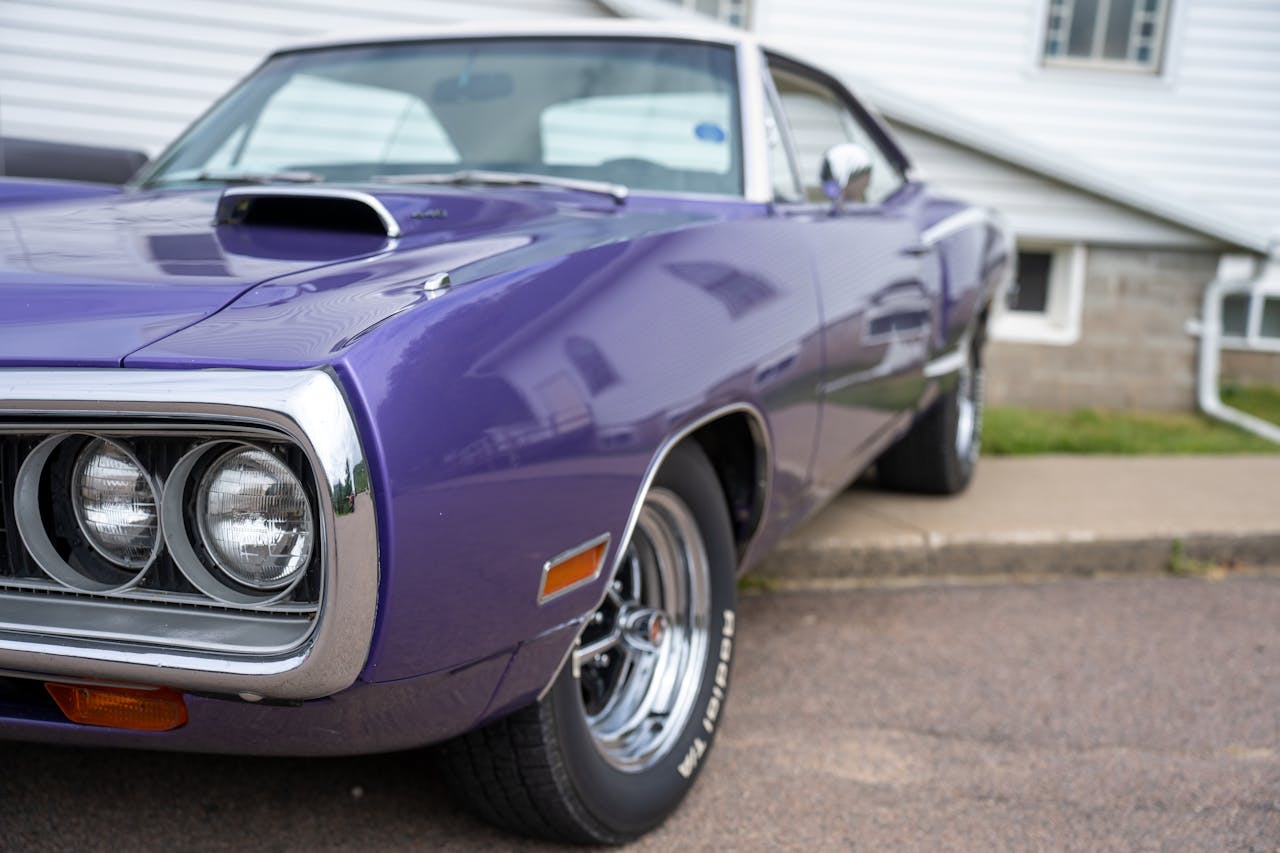
Dodge muscle cars are built to perform. They have aggressive engines and a bold road presence that draws attention. But with that power, fuel efficiency can sometimes take a hit. Many drivers around Nassau County find themselves spending more time and money at the gas pump than they'd like. The good news is that doesn't always mean there's something seriously wrong. There are a few common reasons why your muscle car may not be getting the fuel economy you expected. more Fuel efficiency problems don't just come down to mileage. They creep into your daily life, like how often you need to fill up during a workweek or how fast that needle drops on the Southern State Parkway. Since Nassau County drivers deal with a mix of highway congestion, short neighborhood trips, and heavier stop-and-go traffic, the impact on gas use can stack up quickly. From driving habits and weather conditions to engine issues or worn-out parts, there are multiple areas to check when figuring out where the problem lies. Common Causes Of Fuel Efficiency Problems There's a lot going on under the hood of a Dodge muscle car. But when your fuel range starts shrinking, it usually comes down to a handful of issues. Understanding what's behind the drop in efficiency makes it easier to fix without guessing. Here are the main factors that could be hurting your gas mileage: Driving Conditions Around Nassau County: It's no secret that Long Island roads can be unpredictable. Rush hour traffic, traffic lights that never seem to sync, or stretches of idling outside school zones all keep your engine running without actual movement, using more gas. Heavy Acceleration And Hard Braking: These cars are fun to push, but rapid takeoffs and sudden stops burn fuel quickly. It's easy to fall into fast driving when you have a car that responds so well, but that habit chips away at fuel economy. Underinflated Tires: It may sound minor, but low tire pressure messes with overall performance. When your tires aren't properly aired up, your engine has to work harder to move the car, which leads to higher fuel usage. Cold weather in December can lower pressure just from temperature drops alone. Clogged Air Filters Or Spark Plug Issues: When routine maintenance gets skipped, your engine breathes less easily and fires less efficiently. That can throw off the whole fuel system, making it work overtime. Winter Warm-Ups: During the colder months like December, every cold start usually comes with a longer warm-up time. Letting your car sit and idle burns through gas even before you hit the road. If you're noticing your Dodge guzzling gas more than usual, think about these common triggers. A local driver in Levittown upgraded to premium fuel hoping it would help, but the issue turned out to be a faulty oxygen sensor causing the engine to misread the air-fuel mix. That's why understanding the real cause makes all the difference. Simple Habits To Improve Fuel Efficiency Sometimes, improving your car's mileage doesn't require a wrench but just a little change in behavior behind the wheel. Small choices can add up to keep fuel use down, especially when driving around towns like Wantagh, Massapequa, or Hicksville where short trips and stop-and-go traffic can drain a tank fast. If you're dealing with fuel issues in your Dodge muscle car, try these simple changes: 1. Ease Up On The Pedal: Smooth acceleration and braking can go a long way. Avoid flooring it at green lights or braking hard at the last second. Your engine runs more efficiently when it's not working in extreme bursts. 2. Plan Smart Routes: Use maps that help you avoid traffic-heavy roads. Back roads might feel slower, but if they help you stay away from frequent stops or long idles, they're better for fuel use. 3. Stop Warm-Ups Before They're Too Long: On cold Nassau County mornings, it's common to let your car idle until the cabin gets warm. But idling longer than a minute or two wastes gas. Let the car run just enough to loosen fluids, then drive gently while it finishes warming up. 4. Use Cruise Control When You Can: On longer stretches like the Long Island Expressway or Meadowbrook Parkway, cruise control keeps your speed steady. That helps avoid fuel loss from frequent speeding up and slowing down. 5. Stick To A Service Schedule: Keeping up with oil changes, air filter swaps, and spark plug checks helps your engine run more efficiently. It prevents small issues from building into bigger ones that cost more at the pump. Driving smarter doesn't just save gas. It keeps your car running smoother and cuts down on repairs down the road. It's one of the easiest things to try when your Dodge starts feeling thirsty. Technical Solutions And Upgrades If good habits haven't helped much, your Dodge muscle car might need something beyond small changes. Sometimes performance issues go deeper, and that's where smart upgrades or repairs make a difference. One of the best places to start is the engine's control system. A professional ECU (Engine Control Unit) remap can adjust how your engine manages fuel delivery, timing, and airflow. Small recalibrations can improve mileage without sacrificing horsepower, especially if you're using performance mods or notice poor fuel use in everyday driving. Another trouble spot to check is the exhaust system. If the muffler or catalytic converter is blocked or aging, it can slow down gases that need to exit the engine. Swapping it with a high-flow version can help smooth things out and make the engine work less. The same goes for air filters. A dirty filter chokes the airflow, so replacing it with a high-quality performance filter can help the engine breathe better and burn fuel more cleanly. Here are a few common upgrades Dodge owners in Nassau County use when fuel efficiency is low: Updated oxygen sensors for better air and fuel readings ECU remapping for balanced fuel management Cold air intake systems to improve airflow Lightweight wheels to reduce rolling resistance Low-friction synthetic oil to reduce mechanical drag Every Dodge muscle car is a little different. That's why professional help matters. A skilled technician can look at your specific setup and use, then recommend upgrades that actually make sense for local conditions. Random replacements might backfire if they don't suit how your car is built or driven. Professional Maintenance For Optimal Performance Even a car packed with upgrades still needs regular checkups. Maintenance is what holds it all together. It helps your Dodge muscle car keep fuel efficiency even when it's being pushed hard on Nassau County roads. Getting professional inspections done keeps surprises in check. Those quick winter stops, salt-covered streets, and daily traffic can wear out parts faster than expected. Your maintenance plan should include more than just oil changes. A well-trained shop should also check tire wear, spark plug gaps, software performance, and emissions systems. All of these affect gas mileage in a big way. Some problems don't leave warning lights or loud sounds. Faulty sensors or a rotted exhaust gasket can drop mileage without you noticing anything else until you're filling up more often than usual. Sticking to the official maintenance schedule for your specific Dodge helps you stay a step ahead. Local drivers often get their checkups done before winter sets in deeply or before long summer road trips. The holiday rush can delay parts or appointments, so booking early helps. If you're following a routine, your muscle car runs smoother and uses less gas, even during traffic-heavy holiday shopping or unpredictable weather. Regular services protect your upgrades and your engine at the same time. Get More Out Of Every Gallon In Nassau County Drivers across Nassau County love their Dodge muscle cars for the roar, the power, and the look. That doesn't mean you should settle for poor gas mileage. Even high-performance engines can run more efficiently with the right combination of habits and service. Maybe it's easing up on the gas pedal or making time for a professional tuning session. Maybe it's upgrading your air filter or simply checking the tire pressure every month. No matter the strategy, staying ahead of fuel problems means you'll enjoy your car more and stop at the gas station less. Fuel efficiency isn't about giving up performance. It's about making sure your Dodge muscle car runs like it should, all year long on the roads of Long Island. Keep your Dodge muscle car roaring down Nassau County roads with optimal performance and fuel efficiency. At Town & Country Jeep Chrysler Dodge Ram, we provide the expertise and service you need to enjoy every drive. Explore how we can enhance your driving experience with Dodge muscle cars in Nassau County. Let us help you maintain the perfect balance of power and efficiency on every journey.

Dodge Dakota

Troubleshooting Dakota Issues in Your Dodge Vehicle

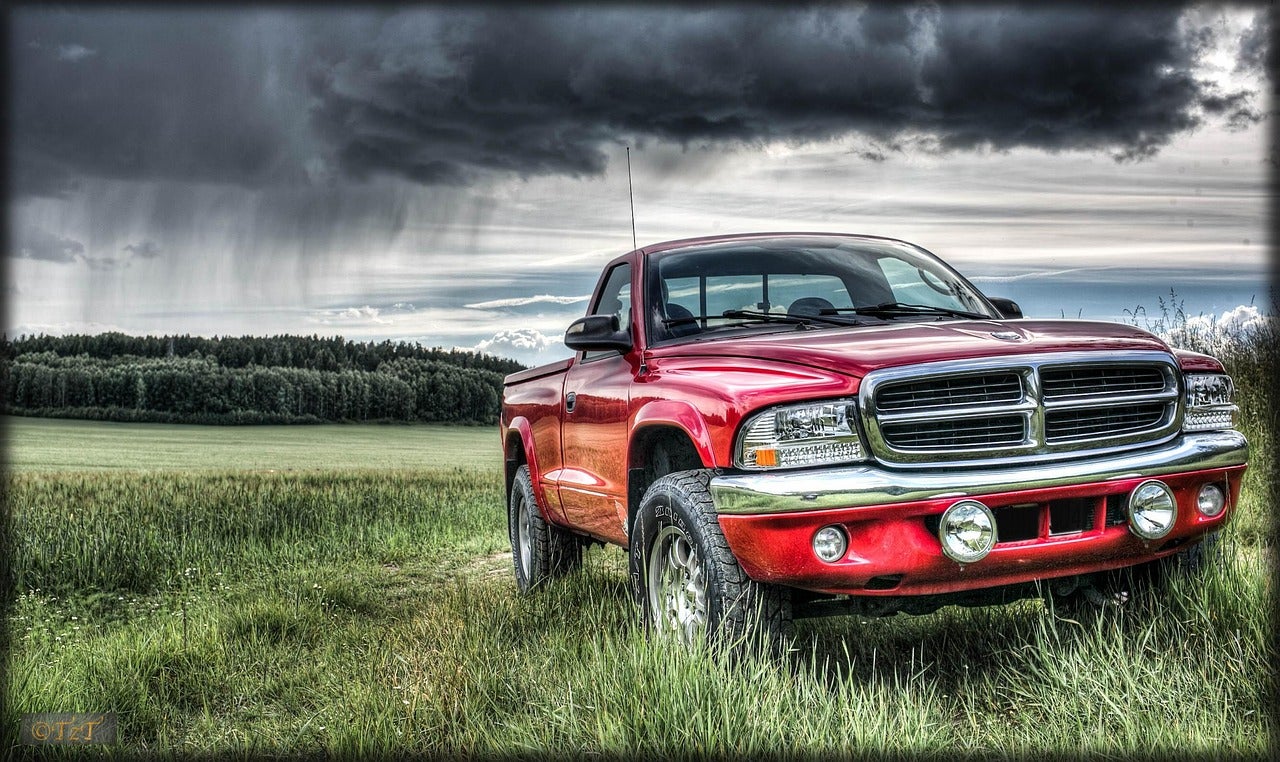
Whether you've had your Dodge Dakota for years or you just picked one up used, it's not unusual to run into a few quirks along the way. As dependable as it is for daily driving or hauling light loads, the Dakota has its fair share of common issues that can trip up even the most seasoned drivers. Spotting problems early makes a big difference, especially as winter tightens its grip across Nassau County. That colder air and rougher roads can push certain systems harder than usual. Getting ahead of these problems can help you stay safe and avoid unexpected trips to the shop. more This article covers some of the more common problems Dakota drivers face and helps you better understand warning signs before they turn into bigger headaches. From laggy acceleration to slow shifting, a few small issues can pile up quickly when not caught in time. You'll learn what to look for, simple checks you can do, and when it makes the most sense to bring your vehicle in for service. Common Dakota Issues Drivers See Most Often The Dodge Dakota, being a mid-size option with a lot of utility packed in, has a dependable reputation. Still, that doesn't mean it's perfect. If your Dakota starts acting up, chances are it falls within a fairly short list of repeat issues that tend to pop up in this type of vehicle. Here's a breakdown of the most common trouble areas: Engine performance problems: sluggish starts, weak acceleration, odd noises Transmission troubles: jerky shifting, gear slipping, delayed engagement Electrical system glitches: dashboard lights flickering, power windows failing, battery drain Brake system concerns: squealing, vibration when braking, brake fade Each of these categories may develop slowly or hit without much warning. Some drivers in the Levittown area report louder engine operation as a first sign of trouble. Others experience a sudden lag while driving through town or getting onto the highway. As temperatures drop, electrical and braking issues tend to show up more often. These areas each have their own signs and causes, so it's worth taking a closer look at them to better understand what's going on with your Dakota. Diagnosing Engine Performance Problems If your Dodge Dakota feels different when you're pulling away from a parking lot or starting it up in the morning, your engine might be trying to tell you something. Some of the most common engine-related complaints include slower acceleration, shaking while idle, or unexpected noises like tapping or knocking under the hood. Here's what you might notice first: The engine cranks longer than usual before starting You're pressing harder on the gas pedal but moving slower than normal There's a rough feel to the idle, almost like it's hiccupping Loud knocking, pinging, or ticking noises when under load Before looking into deeper issues, it's helpful to check a few simple things: 1. Air filter: A clogged filter won't deliver enough air to the engine, which affects spark and fuel delivery. Swapping it out is a basic place to start. 2. Spark plugs: Worn or fouled plugs can cause misfires and rough idling. Replacing them usually needs a trained hand for best results. 3. Fuel quality: Low-quality gas or water in the fuel can drag down engine performance or cause sputtering. Sometimes it's not how the vehicle drives, but what it smells like. A strong fuel odor or burnt smell can point to engine strain or leaks. If you're noticing patterns like it starting fine in the morning but struggling after longer drives, it's time to schedule a diagnostic check. Waiting too long can lead to wear inside the cylinder head or damage to sensors, which means higher repair costs down the road. Resolving Transmission Troubles Your transmission manages how power gets from the engine to the wheels. If that starts slipping, it doesn't just mess with your driving experience, it can lead to long-term damage. Dakota drivers sometimes first notice transmission problems when climbing hills or switching between park and drive. Some clear signs include: The vehicle jolts or lurches when shifting Gears seem to miss or take too long to respond Reverse doesn't engage right away Fluid leaks near the middle or underside of the truck You can start by checking your transmission fluid. If it's low, dirty, or has a burnt smell, it's time for a change or top-off. If there's reddish puddling underneath your truck by morning, it likely points to a leak. Another situation to pay attention to is how the truck behaves in stop-and-go traffic. If it surges forward too suddenly or feels like it slips into neutral before engaging, those are major signs something's off. Even if the symptoms are small or intermittent, it's best to let a technician take a closer look. Sometimes it's as easy as a flush, but other times you'll need a full inspection. Addressing Electrical System Glitches Electrical issues in your Dodge Dakota can show up in frustrating but subtle ways. You might see flickering dash lights, power windows that don't work, or a battery that just doesn't last like it used to. Small electrical issues can quickly affect comfort and driveability, especially if temperatures are dropping across Long Island. Battery connections are a usual suspect. Corrosion at the terminals or a loose clamp can block power and cause slow starts or random functions to fail. If your Dakota's radio resets or warning lights flash intermittently, there could be moisture or wiring issues involved. Look for these warning signs: Dim headlights or cabin lights, especially after starting Loss of accessory features like heated seats or window controls Strong battery odor or bulging battery casing Central locking system issues or poor key fob response You can do a quick visual inspection of the battery area, but most electrical problems aren't easy to spot without proper testing tools. If fuse replacements aren't solving the issue or new electrical problems keep coming up, it's best to get professional help. Low temperatures affect battery efficiency and can increase resistance in older wiring, which is why these electrical faults show up more often in winter. Getting ahead of the problem can keep you from getting stranded when you're out and about on Long Island. Fixing Brake System Concerns Brake issues should never be ignored, especially in a vehicle as heavy as a Dodge Dakota. Squealing noises, soft pedals, or longer stopping distances aren't just annoyances. They are real signs your brake system could be compromised. Brake warning signs to watch for: Grinding or squeaking while braking Soft or squishy pedal feel Shakes or vibrations in the steering wheel or pedal Vehicle takes longer to stop, especially on slippery roads First, check your brake fluid. If it's low or seems dirty, that's a problem. When pads get too thin, they won't just squeal. They could eat into the rotor, causing more serious damage. That pulsing sensation you might feel through the brake pedal on the highway? That could be from a warped rotor. Winter makes it worse. Salt and moisture can cause brake parts to stick or corrode. You might even notice one side of your Dakota braking harder than the other. If that happens, the system's balance is definitely off. Don't put it off. Book a thorough brake inspection if anything feels off. Brake performance won't correct itself over time. It will only get worse. Maintaining Dodge Safety Features in Nassau County Safety features help you stay confident, but they depend on properly working sensors and electronics. In the Dodge Dakota, systems like adaptive cruise control or lane keep assist may fail if something as simple as a dirty lens or misaligned radar sensor is throwing things off. Here's how to help safety systems stay active: 1. Keep the area by the rearview mirror clean and free of obstructions 2. Look for cracks around sensor zones, like the front bumper and grille 3. Take warning messages seriously. "System Off" might mean something is disrupted 4. Keep your tire pressure accurate, since handling systems rely on it Salt buildup from melting snow or exposure to road grime across Nassau County can cloud up radar or camera systems. This can cause a chain reaction of problems, from cruise control shutdowns to proximity sensors not recognizing nearby objects. Routine service often includes software updates or recalibrations, but if your Dakota hit a big pothole or had even a small fender tap, things could be out of alignment. These safety tools depend on accuracy, and issues may not always be visible to the eye. Keeping Your Dodge Running Smoothly Your Dakota is built to last with proper attention and care. Whether you're commuting through Levittown or loading up for weekend work, maintenance can't be an afterthought. A skipped check or unnoticed warning sign today could turn into a costly fix tomorrow. Watch for common red flags like weird noises, slipping gears, blinking lights, or inconsistent brake behavior. Get familiar with patterns in your daily driving, and don't write off unusual changes. Early professional service makes a major difference. It lowers costs, keeps your truck safely on the road, and helps protect your long-term investment. When something doesn't feel right, trust your instincts and reach out to a local Dodge service expert. Being proactive keeps your Dakota moving strong across every mile in Nassau County. Regular maintenance is key to keeping your Dodge Dakota running smoothly and safely on Long Island's roads. With colder seasons approaching, making sure your vehicle's systems are in top shape helps prevent issues before they arise, especially with critical components like brakes and electrical systems. To ensure peak performance, explore our Dodge repair services in Levittown at Town & Country Jeep Chrysler Dodge Ram. Our expert team is ready to provide thorough diagnostics and repairs, so you can drive with confidence through every season.

Dodge

Dodge Sales Events: What You Need to Know

Dodge sales events come around at just the right moments for drivers ready to upgrade or grab a deal before the end of the year. Whether you've been eyeing a newer model or just want to take advantage of better pricing, these events can mean big changes for your garage without knocking too hard on your wallet. Still, walking into one of these events without a plan rarely ends well. It's not all about flashy signs or crowded showrooms. There's a lot more going on behind the scenes that can work for or against you, depending on how prepared you are. more The timing of these events matters, especially in places like Nassau County. Heading into late November, dealerships and manufacturers push hard to clear out inventory before the new year. That makes holiday sale events a prime time to find meaningful savings, but it also means you'll be competing with other buyers who've had the same idea. Knowing what to expect and how to play it smart can make all the difference between landing a good deal or walking away empty-handed. Key Dates And Timing For Dodge Sales in Nassau County When it comes to getting the most from Dodge sales events, timing really does matter. Certain times of the year naturally bring out better buying conditions, especially during holiday weekends or end-of-season promotions. Here are a few of the top windows to keep on your radar: Black Friday: Toward the end of November, right around the holiday shopping rush, Dodge dealerships tend to offer big incentives to bring people in. If you're shopping around this date, be ready to act fast since inventory can move quickly. End-of-Year Clearance: December tends to offer another round of solid sales events as dealers try to meet yearly sales goals and make space for incoming models. Memorial Day and Fourth of July weekend: These aren't winter events, but they're worth keeping in mind if you're flexible on your timeline. These sale periods often come with package offers or low-financing promotions. Model Year Changeovers: When the new Dodge line rolls in, older models often get price drops. Dealerships want to make room on their lots, and buyers in Nassau County can benefit by timing their purchase right. Because sales events usually align with seasonal milestones, the weather can play a role too. Around Thanksgiving, many buyers in Nassau County are trying to get a reliable vehicle for winter. This extra demand often means more generous dealer incentives, but also more people browsing the same deals. Planning ahead helps avoid decision stress once the showroom fills up. Breaking Down Types Of Dodge Sales Events Not all sales events are the same, and knowing the differences can make your choice much easier when the time comes to hit the lot. Some sales are tied to seasons, while others are based on inventory status or manufacturer goals. Paying attention to the labels used in ads can give you clues about what kind of offers you'll see at each event. Here are three of the most common Dodge event types buyers might come across: 1. Holiday Sales Events Usually take place during major holidays like Labor Day, Black Friday, and New Year's Frequent use of bonus cash offers, limited-time price drops, or financing deals through approved lenders Perfect for buyers who are ready to commit and have already done their homework 2. Clearance or Inventory Blowout Events Focused on moving out the remaining inventory from the current model year Might offer stronger price reductions on select vehicles Stock may be limited, especially for high-demand trims or specific colors 3. Manufacturer-Sponsored Events Backed by the brand itself, often featuring special lease terms or reduced rates across the board Could span more than one dealership location, depending on the size of the promotion Offers tend to have strict expiration dates and eligibility requirements Pay attention when comparing promotion types. What looks like a great deal on paper may come with fine print that affects your final cost. For example, a clearance discount might apply only to one VIN or require a trade-in. Armed with a little insider knowledge, you can enter any Dodge sales event with eyes wide open and a better chance of getting what you want. How to Prepare for a Dodge Sales Event Walking into a Dodge sales event without a plan is kind of like showing up to an airport without your bags packed. You might still get somewhere, but it won't be very smooth. Preparation goes a long way, especially when options are flying and deals are time-sensitive. Spend some time ahead of the event doing your homework so you're not stuck making last-minute decisions. Start by narrowing down which models you're interested in. You don't need to memorize every detail, but get a rough idea of what you're looking for: SUV or pickup, two-door or four-door, and so on. Make a list of top choices and compare similar models so you're not rushed later. After that, check local listings to get a feel for current pricing. That frame of reference can help you avoid confusing short-term discounts for long-term savings. Next, make sure your financing is sorted out. Applying for pre-approval before the event saves time and gives you a better idea of what you can afford. This isn't just about credit scores. It's about setting a budget that keeps you confident. Even if you're planning to lease, knowing your monthly comfort zone can steer you away from regret later. Lastly, gather everything you might need: Valid driver's license Proof of insurance Recent pay stubs or employment verification Current vehicle registration, if you're trading in It can feel like overkill, but having your documents ready means you won't lose a good deal because you need to come back later. Being ready to move forward is half the battle. Tips For Getting The Best Deal At Dodge Sales Events During a sales event, things can get competitive. The atmosphere moves faster, the inventory shrinks quicker, and the pressure to make decisions builds. That's when having a smart approach really pays off. Here are a few ways to give yourself an edge: 1. Browse before the event: Visit the dealership lot a few days before the event starts. Take a look without the extra foot traffic. Make notes on VIN numbers, trims, or colors you like. 2. Ask about stackable incentives: Some discounts can be combined. Things like loyalty cash, holiday bonuses, and trade-in credits might stack together. 3. Time your visit smartly: Most people come early and crowd the lot. If you can, visit midweek during working hours. Dealerships are less busy, giving you more time to look around. 4. Hold back during talks: Let the salesperson bring up numbers first. Don't jump right away. Take time to check the details and review every line carefully. 5. Watch for added fees: Prep fees, documentation charges, and other add-ons can sneak in. Always check what's included before finalizing anything. Here's a real example. A buyer from Levittown brought a screenshot of the promotion listed online. They asked to check the vehicle in person before diving into cost discussions. It had higher mileage than shown online, which helped them leverage a better offer and skip some unnecessary upgrades. Small observations like that make a big difference. Why Local Expertise Can Make a Big Difference People sometimes overlook how useful local knowledge can be during a sales event. When looking for a Dodge in Nassau County, working with someone who truly understands the buying habits and driving needs in your area can be a huge advantage. Local staff know what trim levels tend to go fast and what models handle Long Island roads well. They've seen repeat questions from families navigating daily school routes or folks prepping for east-end beach weekends. That kind of day-to-day insight can speed up your decision-making and steer you away from wrong-fit options. Dealerships set up lots based on what nearby drivers ask for. For example, if four-wheel drive is in demand heading into winter, you'll see more of those builds available without delay. That means less waiting, less customizing, and more parking-lot-ready options. Getting your car close to home means service runs more smoothly, too. Regular checkups, tire changes, and oil maintenance feel a lot less stressful when your dealership is nearby and familiar with your vehicle's history. Making the Most of Your Dodge Purchase Getting a good deal is a great starting point, but smart drivers think ahead. Good ownership habits keep your Dodge running strong and help you make the most of your investment. Start with maintenance. Every vehicle needs it. Stick to the recommended timeline and follow up on anything that feels off, even if it seems small. Staying consistent with oil changes, tire rotations, and check-ups adds up over time. Get familiar with your warranty and service contract. If you picked up extras during the sale, like tire and wheel care or extended coverage, make sure you know how they work. Save that paperwork in your glove box or digitally, so it's easy to access when things come up. If you're new to Dodge, take a little time to explore your vehicle. Yes, that includes flipping through the manual or watching a few setup videos. Knowing how to change your vehicle's display settings or adjust safety alerts can make driving more comfortable. Owning your Dodge should feel like a win beyond the day of the sale. Paying attention to the details now will keep things easy and rewarding down the road. Confident Car Buying Starts With Preparation The best way to approach Dodge sales events in Nassau County is with prep, patience, and a plan. Big events can feel overwhelming, especially with so many choices and so many people all looking for a bargain. But with smart timing, local help, and a good strategy, they can turn into the best chance to find what you need. Watch the calendar, do your research, and bring your questions. Ask about the offers, stay sharp when it comes to paperwork, and let your comfort level guide the deal. These aren't just high-volume promotions. They're real chances to find a better ride at a better price. Whether you're buying for the weather, your commute, or a growing family, the right deal is out there. Walk in ready, and walk out with something you're proud to park in your driveway. Don't miss the chance to explore incredible savings during the Dodge sales in Nassau County at Town & Country Jeep Chrysler Dodge Ram. Our team is ready to help you find the perfect vehicle that matches your lifestyle and driving needs. Benefit from our competitive offers and let us guide you through an experience that ensures you're thrilled with your new ride. Mark your calendar and secure your dream vehicle at unbeatable prices.

Dodge

Fixing Bluetooth Connectivity Issues in Dodge Vehicles

Bluetooth issues can sneak up on you when least expected. You're trying to connect your phone to take a call or stream something during your drive in Levittown, but it just won't sync. You reboot your phone, restart the car, even start digging through random settings and it's all still unresponsive or cutting out. With colder weather approaching in November, the last thing drivers want is added stress while trying to get through the morning. more A working Bluetooth connection keeps things safer and easier on the road. It lets you stay hands-free, pull up directions, and talk without handling your phone. When Dodge vehicles have connectivity hiccups, it doesn't just slow you down, it makes every trip a bit more frustrating. Let's get into why this happens and what steps can set things right. Common Causes Of Bluetooth Issues In Dodge Vehicles Bluetooth hiccups aren't always caused by just one thing. There could be different reasons behind the glitch, and identifying which one is at play is the first step to solving it. Not every issue means something big is broken. Some just come down to timing, interference, or settings that need a second look. Here are a few common reasons Dodge owners run into Bluetooth headaches: Outdated Software: If either your phone or the vehicle's system hasn't been updated in a while, the two may stop syncing right. Updates fix bugs and help communication between devices stay smooth. Signal Interference: Other electronics in or near the car like wireless chargers, headphones, or portable speakers can mess with the signal. Even heavy traffic areas around Levittown or industrial spots in Nassau County might create disruptions. Incorrect Pairing Sequence: Sometimes it's as simple as devices being connected in the wrong order. If your phone is trying to connect to another speaker or car first, the Dodge system may be skipped. Too Many Devices Stored: If the system has too many previously paired phones saved, it can jam up and stop accepting new ones or reconnecting properly. Default Bluetooth Settings: Permissions, visibility settings, or even battery saver modes on your phone can affect Bluetooth performance without much warning. The problem might not always be obvious, but these are solid starting points. When frustration kicks in, it's easy to jump straight to conclusions. But before assuming you need a whole system replacement, it helps to think about these triggers and work through them step by step. Steps To Troubleshoot Bluetooth Problems Before heading to a service shop, it's worth going through a basic checklist. Many Bluetooth issues in Dodge vehicles can be cleared up by following a few quick steps that get the system back on track. Start with the simple actions first: 1. Turn Bluetooth Off and Back On: Disable Bluetooth on your phone and in the Dodge system. Wait a few seconds, then turn both back on. This resets the signal handshake and often helps the devices find each other again. 2. Delete Pairing and Reconnect: On your phone and on the vehicle's screen, remove the current pairing and re-pair the two. Make sure you accept all prompts and only pair from one side at a time to avoid duplicates or errors. 3. Check Compatibility Settings: Some phones need additional permissions or software tweaks. Check that Bluetooth permissions are on, battery-saving modes aren't getting in the way, and that apps aren't limiting background data. 4. Clear Out Old Devices on the Dodge System: Go into the Dodge infotainment menu and delete any outdated or unused connected devices. Keeping a short list helps your current phone sync more smoothly. 5. Restart Your Devices: Power off your phone completely and restart the vehicle. Then try reconnecting everything. This simple move solves more problems than most people expect. These steps usually fix most connection errors and save time. But if the issues stick around, holding off on more trial-and-error may be best. Trying too many random solutions can confuse the system more or create other problems. That's the moment when letting an expert step in makes the most sense, especially as the colder Levittown months arrive and temperature drops affect electronics. Preventive Measures to Avoid Bluetooth Connectivity Issues Getting the Bluetooth working again is great, but keeping it that way is even better. A few simple habits can help prevent these issues from coming back. Make updating a habit. Both your phone and your Dodge system need to stay current to avoid bugs. Set a reminder to check for software and app updates regularly. Even if auto-updates are on, sometimes they get skipped. Next, clean out what you don't use. Too many connections stored on your Dodge system can lead to confusion and dropped pairings. Delete old devices and make room for just the ones you use every day. Here are more tips that can help avoid Bluetooth trouble: Turn off nearby Bluetooth devices before starting the car to avoid signal confusion Keep your phone's battery from dropping below 20 percent when possible Close background apps to free up performance Use a stable phone mount so movement doesn't interrupt the signal Always check that your device is visible when doing the first pairing In Levittown, November often brings chillier air and more driving time. Whether you're commuting or getting ready for holiday trips, clean setups reduce stress along the way. Cold temps shouldn't mean sputtering connections or dropped calls. Attention to small things now can save frustration later. When to Seek Professional Help for Bluetooth Problems If you've gone through the steps but are still stuck with lagging or broken connections, it may be time to hand it over to someone who knows Dodge systems well. Some issues just don't show up clearly without proper tech. Deeper electrical issues can be hiding behind the scenes. Even newer vehicles may develop problems due to wet interiors, poor wiring, or older head units. When that happens, trying to fix it on your own could backfire. Special tools in a repair shop can check things you can't. Technicians can see info that doesn't show up on the screen and quickly narrow down the issue. That saves time and prevents unnecessary system resets or part swaps. Locally here in Levittown, we've seen Dodge drivers get more Bluetooth problems during frosty mornings. It isn't always about the software either. Sometimes it's just condensation causing temporary shorts. A quick diagnostics check usually reveals it, and once things are dried and cleaned up, everything syncs again. If calls keep getting dropped or your music won't play properly even after resets, don't wait. Let someone experienced with Dodge tech handle it. It's better to fix it early, before busy holiday traffic and extra hours in the car make it worse. Keeping Your Dodge Bluetooth Connection Strong Bluetooth shouldn't be a guessing game. Keeping your system stable year-round means staying ready with a few good habits and knowing when help is needed. Clear out old connections, stay on top of updates, and keep your phone and vehicle working in sync. Even if everything feels fine most of the time, one small change or cold snap can throw things off. Resetting the signal regularly, checking permissions, and avoiding clutter in your system all contribute to fewer problems later. A solid connection makes the ride smoother and your time on the road easier. Don't settle for glitchy calls or failed uploads every time you start the car. A little attention goes a long way. And when things don't go your way, having a local Dodge repair team in Levittown can keep you rolling without the hassle. If you're finding it difficult to resolve Bluetooth issues on your own, it's time to leave it to the experts. At Town & Country Jeep Chrysler Dodge Ram, our Dodge repair services in Levittown are designed to pinpoint and fix connectivity problems, ensuring your vehicle's systems work seamlessly together. Don't let technical glitches disrupt your drive; our skilled technicians are ready to help keep your Dodge running smoothly and reliably, no matter the season. Reach out to us today and experience service that keeps you connected and stress-free on the road.

Brake

Solving Common Brake Problems in Dodge Cars

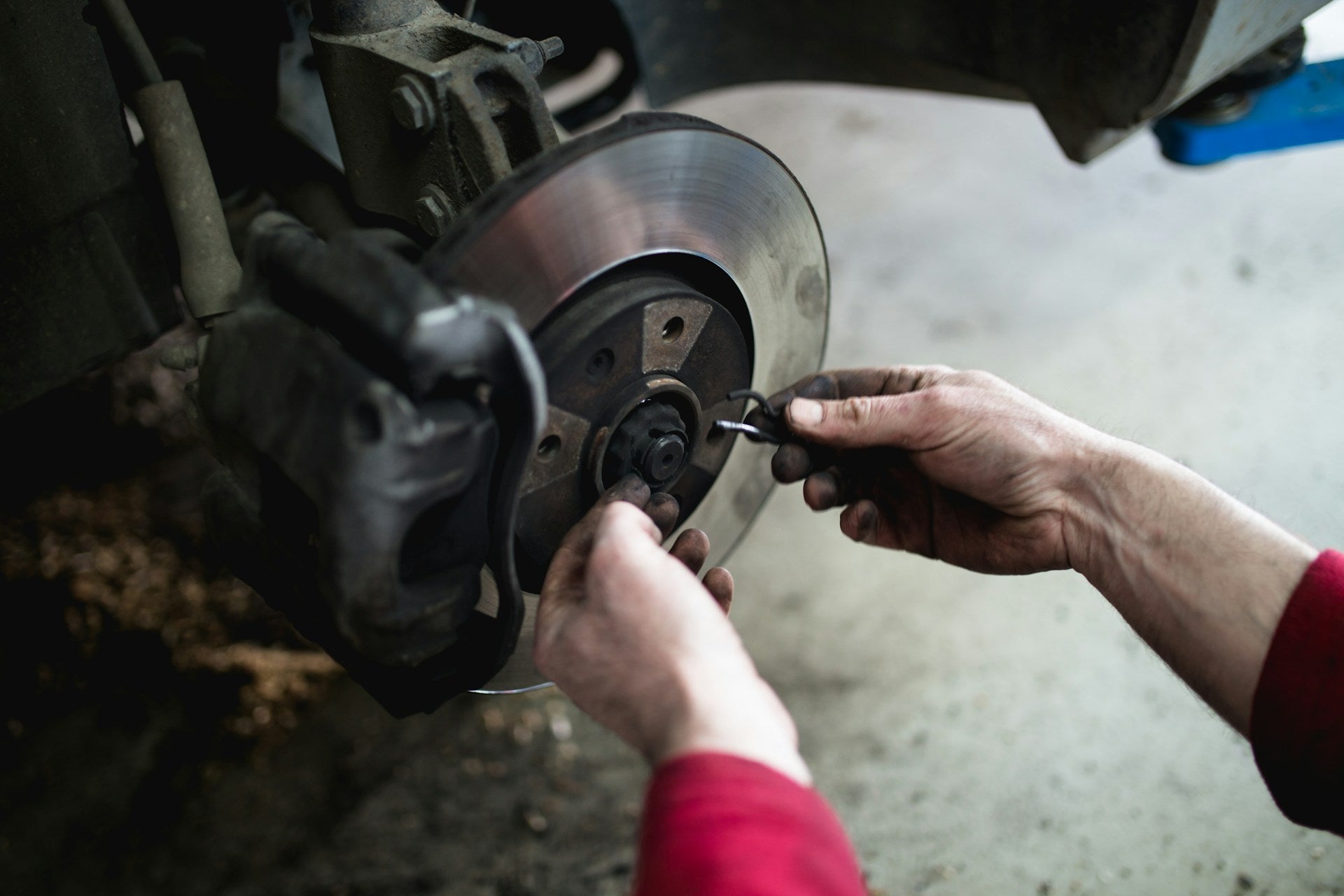
Brake issues can be a real headache for Dodge drivers, especially around places like Nassau County, where traffic stops and busy roadways are all part of daily life. Whether you're running errands in Levittown or heading out onto the Southern State Parkway, your brakes need to work smoothly every time you hit that pedal. Without a reliable braking system, even a short drive can feel risky. more Most people don't think twice about their brakes until something starts to sound or feel off. Maybe you've noticed an odd squeak, or the car takes a little longer to stop. Those might seem like small problems now, but they could be a sign that something bigger is going on. Let's take a look at common brake problems Dodge owners face, and what they mean for your safety on the road. Identifying Brake Problems When your Dodge starts making strange noises or doesn't respond the way it should when you touch the brakes, that's your car trying to get your attention. Here are some of the usual signs that something's not quite right: Squeaking or squealing every time you hit the brakes Grinding noises that feel like metal rubbing on metal A brake pedal that vibrates or shudders under your foot Longer distances to come to a complete stop A sharp pull to one side when braking A soft or mushy pedal that goes down too far These aren't just sounds or weird feelings, they're warnings. For example, grinding might mean your brake pads are worn down to the base, which can damage your rotors. A vibrating pedal could point to warped rotors. Either way, ignoring those signs puts you at risk, especially when you're driving through tight spaces or stop-and-go traffic in Nassau County. If your car is pulling to one side when braking, that could mean something simple like uneven pad wear, but it could also be a caliper sticking, which changes how your brakes work. Don't treat any of these symptoms as no big deal. They all mean something's off, and that delay in fixing them can cost you down the road. Causes Of Brake Issues In Dodge Vehicles Brake problems usually don't happen overnight. They can build up over time from everyday use, wear, and sometimes rough driving. In areas like Nassau County, where you get a mix of tight neighborhoods and open speeds on the parkway, brake wear can creep up faster than expected. Here are a few of the most common causes behind brake issues: 1. Worn Brake Pads: Probably the most common issue. Pads press against the rotors to slow your car down. When they wear too thin, they can't do their job properly. 2. Rotor Damage: Warped or cracked rotors can happen after constant hard braking or if pads are too worn. Once rotors get damaged, you may feel uneven braking or pulsing through the pedal. 3. Brake Fluid Leaks: Brake systems use hydraulic pressure. If fluid leaks, that pressure drops, and that makes stopping much harder. 4. Sticky Calipers: A caliper that doesn't move the way it should can cause uneven wear or poor response when braking. Driving patterns also play a big role. If you're constantly hitting the brakes hard in stop-and-go traffic or doing a lot of short trips around Levittown, your brakes may wear faster. Salt and moisture during a Long Island winter can also cause corrosion in brake components, especially if the undercarriage isn't regularly cleaned. Brake parts are tough, but they're not made to last forever without attention. Catching these problems early keeps you safer and can make repairs less of a hassle. Professional Brake Diagnosis in Nassau County Knowing something's off with your brakes is one thing. Figuring out exactly what's wrong is another. That's where a proper brake inspection comes in. A basic once-over won't always catch deeper issues, especially on Dodge vehicles that rely heavily on electronic systems and balanced performance. It takes trained eyes and the right tools to get to the root of the problem. A comprehensive brake check usually starts with the technician checking pad thickness, rotor condition, brake fluid levels, and any signs of leakage. They'll also test how evenly your brakes respond at each wheel. If your brake warning light turned on, pulling the error codes gives even more detail. Sometimes, a system reset is even needed after replacing certain components. There's no guessing involved. It's all about reviewing how the entire brake system is working together. Example: If you're hearing that dreaded grinding noise every time you slow down near Hempstead Turnpike or while parking at the mall in East Meadow, get it looked at fast. That sound often means the pads are beyond worn, and you risk damaging the rotors. If those go, you're dealing with a bigger, pricier job. That's the difference between a quick pad change and a full rotor replacement. Solutions And Tips For Long-Term Brake Health Once you've had the issue diagnosed, the actual fix depends on what the technician found. Here's a look at common repairs and why they matter: Pad Replacement: Your pads wear down every time you stop. Once thin, they lose strength and eventually won't protect your rotors. Rotor Resurfacing or Replacement: If rotors warp or develop grooves, they keep the brakes from gripping evenly. That causes vibration and longer stop times. Brake Fluid Top-Off or Flush: Old fluid or low levels affect pressure. Fresh brake fluid makes sure the brake pedal feels solid and performs as expected. Caliper Service: Whether it's cleaning, lubricating, or replacing calipers, this is needed if braking feels uneven or one wheel wears faster than the others. Brake Hose or Line Repairs: Any cracks or leaks in the line reduce pressure, and that makes braking risky and unpredictable. Preventive care goes a long way for Dodge drivers around Nassau County. Try to avoid riding your brakes too often, especially in traffic-heavy areas like Hicksville or near the schools in Levittown. That steady braking adds heat and eats through pads faster. Give space between you and the car ahead so you can brake smoothly. And rinse off the underbody after snowy or slushy drives to wash away road salt and slow down corrosion. Finding Reliable Brake Service Near You Being able to rely on a good brake system isn't just about peace of mind. It's about being prepared for anything, sharp turns, tight city blocks, or deer suddenly stepping into the road out by Roosevelt Field. If something doesn't feel right with your brakes, even during a short ride, it's smart to get things properly checked before the problem grows. Local weather and driving routines in Nassau County also make regular brake inspections worth keeping on your calendar. With months of damp air, salty roads, and stop-heavy commuting, it doesn't take much for brake components to wear down or rust. The sooner you catch it, the easier it is to fix. Staying Safely On The Roads Of Nassau County Staying on top of your Dodge's brake system doesn't have to be complicated. The signs usually start small, an odd squeal, a slight pull, or a soft pedal, and those little clues are how your vehicle tells you it needs help. Ignoring them can mean more than just an expensive repair. It affects your safety and everyone else around you on the roads. Taking action at the first sign of trouble helps keep your Dodge running dependably through the traffic, curves, and weather changes that Long Island serves up throughout the year. With proper care, quick check-ups, and local attention to how conditions affect your brakes, your car stays ready for whatever the road throws its way. If you want confident stopping power every time you hit the road, it’s worth understanding how Dodge safety features in Nassau County work alongside expert brake care. Schedule a professional brake inspection with Town & Country Jeep Chrysler Dodge Ram to keep your vehicle running safely and smoothly, no matter where your day takes you. Our experienced technicians are ready to help ensure your Dodge remains reliable throughout all your driving adventures.

Dodge

Benefits of Shopping Dodge Used Inventory for Winter Vehicles

Winters in Nassau County can get ugly fast. What starts off as a brisk morning can turn into a slick, slippery mess by mid-afternoon. When that happens, having the right vehicle isn't just helpful — it's necessary. Shopping for a Dodge used vehicle ahead of the season is one way to make sure you're ready for whatever the roads throw your way. Dodge models are built tough, and that durability comes in handy when cold weather hits hard. more Used vehicles might not be the first thing that comes to mind when thinking about winter safety, but it actually makes a lot of sense. Not only do you skip the steep price tag of a brand-new ride, but you also get something that's already road-tested for the conditions you're about to face. For people driving around places like Levittown, East Meadow, or Garden City during the colder months, it's hard to put a price on peace of mind. If you're looking for a smart, reliable ride that keeps up with Long Island winters, the Dodge used inventory in Nassau County deserves a closer look. Advantages Of Dodge Used Inventory For Winter Dodge used vehicles offer a mix of value and confidence that fits winter life in Nassau County. Vehicles get tested against icy streets, heavy snow, and morning frost. The great news? Dodge used inventory can rise to meet those challenges without draining your savings. Here's what makes Dodge used inventory such a smart choice for winter conditions: Lower Cost, Higher Value: One of the biggest perks of shopping used is the price. You avoid the steep drop in value that hits new vehicles the moment they leave the lot. That means you get more car for your budget, especially useful when prepping for high-maintenance winter driving. Proven Durability: Dodge vehicles have built a strong reputation for standing up to tough conditions. When you buy used, you're often looking at a car or SUV that's already handled cold starts, slushy streets, and long commutes in Northeast conditions. Plenty of Options: Dodge's lineup offers a wide range of vehicles that are dependable and winter-capable. Whether you need something more compact for tight city driving or a roomier vehicle for longer travel, used inventory gives you access to solid picks without paying new-car premiums. These vehicles are built with colder months in mind. And since the options tend to be more varied at the used level, you get more flexibility to find something that matches your needs and driving habits. Performance In Winter Conditions When the roads get covered in snow or freeze over, you're going to want a vehicle that can handle unexpected situations. Dodge used inventory is often stocked with choices that come equipped with drive options that can keep you moving, even when things get tricky. Features like all-wheel drive or 4x4 systems aren't just useful features—they're practically necessities in winter driving across Long Island. They help with: Better grip when snow or ice builds up on the road Improved acceleration on slick surfaces More control when turning corners or crossing over plow lines Even braking and reduced risk of sliding And let's not forget about balance and weight distribution, which make a big difference when traction is limited. The way Dodge vehicles are built gives drivers a more grounded feel, especially when dealing with uneven streets or hills after a storm. For example, imagine you're driving home from work in Mineola after a snowstorm. The main roads are plowed but side streets are still a mess. With the handling that many Dodge vehicles provide, you're more likely to stay in control, even while maneuvering around parked cars and snow piles. That kind of confidence is hard to beat during a Long Island winter. Maintenance And Preparedness Once you've picked out the right Dodge used vehicle, the next step is making sure it's truly ready to face New York winters. Even the most capable vehicle needs regular upkeep when snow, salt, and freezing temps are part of the daily forecast. Start with a full inspection before winter driving kicks into high gear. A lot of issues, like a weakened battery or worn brake pads, aren't easy to notice until the weather takes a turn. It's way better to catch those problems early than to deal with a breakdown when roads are frozen or slushy. Also, tires need checking for both tread depth and air pressure. Cold air causes tire pressure to drop, and driving on underinflated tires can affect traction and fuel economy. Besides inspections, there are a few more simple but smart ways to prepare a Dodge used vehicle for cold weather: Swap to winter tires if your area sees regular snow and ice. They grip better in freezing temps than all-seasons Make sure the battery is strong enough for cold starts. Older batteries tend to fail more often in low temps Top off all fluids, especially antifreeze and windshield washer fluid. Use freeze-resistant washer fluid to avoid frozen spray nozzles Inspect wiper blades. If they leave streaks or chatter, replace them Keep a small safety kit in the trunk with a blanket, phone charger, flashlight, and ice scraper Taking care of these small details can make a big difference later in the season. A little prep early on can prevent you from getting stuck or stranded during harsh conditions. And if you're unsure what might need attention, let a mechanic go over everything before winter ramps up. Local Driving Challenges In Nassau County Winter on Long Island doesn't look the same every year, and Nassau County drivers know that better than most. Some days, it's just slush and sleet. Other times, it feels like a snowstorm came out of nowhere and didn't get the memo to stop. Driving across busy roads like Hempstead Turnpike or Merrick Road in these conditions can test even the most patient driver. Owning a Dodge used vehicle built for winter can make those daily challenges easier to manage. Piled-up snowbanks on neighborhood streets, unexpected black ice at stop signs, or tight turns through residential backroads—these are the kind of situations where control and reliability become more than helpful. They're necessary. Long commutes also factor in here. Whether you're getting to work in Hicksville or heading to family in Oceanside, you're likely spending time on highways like the Southern State Parkway. When snow builds up or the plows haven't made it through yet, it pays to be in a vehicle that's ready to hold its ground through slippery patches and tough visibility. Nassau County also deals with the freeze-thaw cycle, where wet roads refreeze overnight. That bump in temperature during the day, followed by a rapid drop at night, leads to black ice forming on roads that looked clear just hours earlier. Vehicles that handle well and have good traction are far more forgiving in those moments. Drive Through Winter With More Peace of Mind Driving through a Long Island winter doesn't have to be stressful. The right Dodge used inventory can offer solid performance, control, and the kind of driving comfort that makes cold months a little less frustrating. When sleet turns to snow or a cold snap hits unexpectedly, being behind the wheel of a vehicle that's already proven it can take on winter gives you a real edge. Winter-ready Dodge vehicles help you stay in control during those quick temperature drops, surprise morning snowfalls, and slippery corners that catch other drivers off guard. For drivers across Nassau County, that means fewer worries and more confidence every time you leave the driveway—whether you're heading into town or making a longer trip. Finding a used vehicle that can handle all of that, and still give you good value, is just smart planning. When colder months arrive, having already made that decision can save you effort, money, and stress down the line. Getting ahead of the season is the key. Whether it's your first winter on the island or your twentieth, the road always feels easier when your ride is ready. Prepare for the winter season with a reliable vehicle from the Dodge used inventory in Nassau County at Town & Country Jeep Chrysler Dodge Ram. Whether you're navigating icy roads or dealing with sudden snowfalls, these vehicles provide the durability and control you need. Explore our selection and find the perfect Dodge to ensure safe and confident driving all winter long.

Dodge

When Your Dodge Audio System Fails and How to Fix It

A working audio system in your Dodge isn't just about music. It's how you get important traffic updates, weather conditions, navigation cues, and even phone calls. Whether you're headed to work or running errands around Long Island, having your car's sound system go silent can be more than just an inconvenience. When the audio doesn't work the way it should, it can throw off an entire daily routine. more Audio failures in Dodge cars pop up for different reasons. Some drivers deal with constant volume drops, while others report speakers playing static or not working at all. These issues are known to show up more in older models, but even newer ones can experience them. If you've had to turn the volume way up just to hear anything or noticed your radio cutting in and out, you're not imagining things. These are all signs something might be wrong behind the dashboard. Common Reasons For Dodge Audio System Failures Long Island weather takes its toll on vehicles, and your Dodge audio system isn't immune. Cold, salt-heavy air in the fall and winter can work its way into tiny spaces and corrode wiring or loosen connections. On top of that, daily wear from driving adds more stress over time. Below are some of the most common issues behind Dodge audio system failures. Blown fuses: Things like jump-starts or powering devices can create a power surge, which blows fuses responsible for the radio system. Faulty wiring: Loose or frayed wires can interrupt the audio signal. This could result from earlier repairs, rodent damage, or years of vibration. Software glitches: Modern infotainment systems rely on updates. Sometimes, an update goes wrong and causes Bluetooth or other functions to freeze. Faulty amp or speakers: If only some speakers work or if you hear crackling, the amplifier or individual speaker may be the issue. Corrosion from moisture: Rain and snow are common across Long Island. Moisture inside the car's door panels or dashboard can rust parts or cause shorts. A Dodge owner in Levittown even reported their speakers cutting out after the first frost. It turned out that water had leaked into the wiring inside the door, and a short caused the driver-side speaker to go out entirely. The damage wasn't from a high-end package either. It can happen in any trim level. If any of this sounds familiar, you're not alone. These audio troubles can silently build up, especially when driving past salt-covered roads and shifting weather all across Nassau County. Steps To Diagnose Audio System Problems Before taking your Dodge in for service, it helps to have a basic understanding of what might be wrong. Some problems seem like a complete system meltdown but usually come from a smaller, fixable issue. Here are a few steps you can take to get a better idea of what's going on: 1. Check the fuse box. Most Dodge vehicles have a fuse panel below the dashboard or near the driver's side footwell. Look for any audio or radio-labeled fuses. If one looks burnt or broken, that could explain the outage. 2. Test the head unit. See if the display turns on. If it doesn't boot up, this might mean the head unit isn't getting power or isn't functioning correctly. 3. Use another audio source. If the FM radio doesn't work, try Bluetooth or USB. If one input works but others don't, the problem may be with that specific input or source system. 4. Listen to each speaker. Turn the volume up slightly and test balance/fade settings. If certain speakers stay silent or produce distorted sound, it may be a bad wire, speaker, or amp. 5. Look at exposed wiring. Check under seats and around floor mats for any visible damage. Water damage or messy repairs in the past may have affected the system. If none of these steps help clear things up, or if they seem too complex, the next best move is to contact a certified technician who regularly handles Dodge systems. Don't risk setting off dashboard errors or disabling features by poking around parts that may be hooked into your vehicle's computer. Professional Solutions and Repairs Modern Dodge sound systems are smart, meaning they're wired into the same system that handles your car's display, controls, and sometimes engine data. When something goes wrong, a patch job isn't usually enough. It's important to bring your vehicle to a certified team that knows these systems inside and out. When you visit Town & Country Jeep Chrysler Dodge Ram, a trained technician will start with a digital scan of your audio setup. This usually highlights whether the glitch is coming from hardware, software, or outside interference like corrosion or wiring faults. Once that's identified, they'll explain the options. This may include: Replacing a blown fuse or damaged wiring Repairing or swapping out busted speakers Cleaning and drying damp components if water caused the failure Reflashing or reinstalling the infotainment software If damage is too deep, such as in cases where an amplifier shorts or a touchscreen fails entirely, a replacement may be better. Fortunately, most of these repairs are handled quickly. Often in one day, depending on parts availability and problem complexity. Letting professionals do the work means your presets, Bluetooth devices, and vehicle settings stay safe. You avoid triggering extra electrical problems or ruining modules you didn't even mean to touch. Preventative Measures for Long Island Drivers After your system is working again, you probably want to make sure the problem doesn't return, especially if you're commuting through Nassau County regularly. Weather, coastal air, and even leaving the windows cracked can all add up. Here are some quick tips to help keep your audio system in good shape: Get an audio check during your routine maintenance visits Keep your car dry. Use floor mats that trap water and double-check that sealing rings on windows and doors are working Don't park near trees that drip sap or heavy rainwater near the doors or windshield Keep your infotainment system updated. Most updates fix bugs or improve functions related to Bluetooth or volume stability Be aware of known issues for your Dodge model year. Updates or recalls sometimes offer free fixes if enough drivers report the same problem Taking these steps now lessens the risk of audio failure on a cold Monday morning or while sitting in Long Island traffic. A quiet speaker may seem like a small issue at first, but left unchecked, it could cost more time and money down the road. Getting Back to Enjoying Your Drive A reliable audio system does more than just entertain. It keeps you connected, informed, and focused behind the wheel. On your regular routes through Long Island—from school drop-offs in Levittown to weekend errands in Wantagh—sound matters. Ignoring static, low volume, or glitches doesn't make them go away. If anything, problems with audio systems tend to grow. What sounds like a glitch today might be a sign of future electrical issues or corrosion working its way deeper into your car. When things go silent, trust experts who know Dodge systems inside and out. Whether your amp is out, wires are corroded, or a system update went wrong, the right team can get you back on the road fast and frustration-free. You shouldn't have to turn the volume all the way up just to hear your favorite station. Let's make sure your drives sound the way they should. Driving around Long Island should be an enjoyable and seamless experience, especially when your audio system is performing at its best. For reliable and expert assistance in maintaining the sound quality of your Dodge, Town & Country Jeep Chrysler Dodge Ram is ready to help. Our knowledgeable technicians ensure your system operates flawlessly. If you're also considering your next vehicle, explore our diverse options for Dodge cars on Long Island that will suit your lifestyle and needs.

Dodge

Common AC Problems in Dodge Vehicles and How to Fix Them

When your Dodge's air conditioning starts acting up, it's not something you want to ignore. Whether you're on your commute across Nassau County or heading out for errands around Levittown, a working AC system makes driving bearable, sometimes even necessary. From keeping your car cool during traffic to helping defog the windows on those chilly fall mornings, your AC plays more of a role in safety and comfort than most drivers realize. more As we head into early November, the weather in Long Island can switch gears pretty fast. One day might feel like early fall, and the next can have temperatures that dip enough to remind you that winter is just around the corner. This kind of sudden change can put added stress on your vehicle's AC system. That's why it's smart to deal with AC problems early, before they become bigger issues. Knowing what to look or listen for helps get the repairs done right the first time. Understanding Common AC Problems It might start as something small—a weak breeze from the vents or a faint rattle under the dash. Before you know it, that odd smell or strange sound gets worse, and now the AC barely works at all. Dodge drivers in Levittown tend to notice these issues when the weather changes since we rely on our AC to cool us down in the summer and clear our windows in the colder months. Here are the main signs something is wrong with your Dodge's AC: AC isn't blowing any cold air Weak airflow from vents Strange rattling, hissing, or banging noises Musty, damp, or chemical smells coming through the vents Airflow changes when turning, braking, or going over bumps Each of these can point to a different issue. Poor cooling could mean low refrigerant or a clogged condenser. Odd smells might be mold or mildew on the cabin filter. Strange noises often come from a failing AC compressor or loose blower motor. The AC system in Dodge vehicles is connected to other parts like the engine and electrical system, so the longer you wait, the more complicated things can get. When these problems start to show up, your comfort isn't the only thing at risk. A weak or non-working AC system can limit visibility, especially when it can't keep your windshield clear. It can also create electrical stress for the battery and affect how air moves inside the cabin. That combination isn't safe, especially when driving around Nassau County during the colder, wetter months. Causes Of AC Issues In Dodge Vehicles Most of the common AC issues come down to a few repeat culprits. These systems are complicated, but they usually fail for familiar reasons. Here are some of the usual maintenance and repair problems that pop up: 1. Refrigerant Leaks – Small leaks in the AC lines or seals drop refrigerant levels slowly over time. Without the right amount, the system won't cool properly. 2. Compressor Failure – The compressor moves refrigerant through the AC system. When it fails, you're stuck with nothing but warm air. 3. Electrical Problems – Faulty wiring, failing relays, or broken sensors can stop parts of the AC from working. A single blown fuse can shut the whole thing down. 4. Clogged Cabin Air Filter – This filter blocks dust, pollen, and debris from entering the cabin. If it's dirty, airflow drops and performance suffers. 5. Blower Motor Issues – If the fan pushing air into the cabin starts wearing out, airflow may pulse or drop off completely. The weather around Levittown can cause these problems to start earlier or hit harder. Moisture in the air can lead to mold buildup. Quick drops in temperature can create pressure shifts in the system, which may push out refrigerant through weak spots. Road salt and grime can also wear down parts faster. If you're noticing any of these signs, it's time to take the problems seriously. Putting off a repair until next season could turn a small fix into a major service. And let's be honest, nobody wants to deal with an AC failure when they're already late for work or school drop-off. Taking care of it now spares you those headaches. Practical AC Repair Solutions and Easy Preventive Maintenance Fixing AC issues in your Dodge often starts with narrowing down the exact cause. That weak airflow or odd noise isn't just annoying, it's a sign that something in the system isn't working right. Ignoring it won't make it go away, and in most cases, letting it sit makes things worse. Here's a breakdown of what you can do once you spot a problem and how to keep it from coming back: Check refrigerant levels: If the AC isn't cooling well, low refrigerant could be the issue. A technician can pressure test and refill it properly. Too much or too little can damage the system. Inspect and replace the cabin air filter: A clogged filter makes it hard for clean air to move through your vents. Replacing this once or twice a year, especially around allergy season or before winter, keeps things fresh and helps your AC run smoother. Clean the condenser and evaporator coils: Leaves, grime, and road debris from Levittown streets can build up around these parts. Having them cleaned regularly clears airflow and improves cooling performance. Listen for knocks or squeals: Strange noises often signal a failing compressor or blower motor. The sooner you get these checked, the more likely you are to avoid a complete breakdown. Run the AC once a week, even in cooler weather: This keeps parts lubricated and prevents seals from drying out, which helps avoid future leaks. Scheduling a seasonal check-up is one of the easiest ways to avoid surprise issues. Just like you'd prep for colder months with tire changes or battery checks, checking on your Dodge's AC system around late fall can prevent problems when temperatures drop. This helps make sure your defrosters, vents, and overall climate system are ready for colder and wetter days ahead across Nassau County. Professional AC Repair Services at Town & Country A professional AC service can make all the difference when things start to go wrong. Our service team at Town & Country Jeep Chrysler Dodge Ram in Levittown works with Dodge systems every day. That means we know the common trouble spots and how to fix them quickly and correctly the first time. When you trust professionals with your AC issues, there's no guessing. We use diagnostic tools to figure out exactly what's causing the problem, whether it's a low-pressure reading, a faulty sensor, or a clog deep inside the unit. We also check connected systems like relays, fuses, and the blower motor to make sure nothing is missed. Getting your system checked now is a smart move before winter weather adds more wear to already tired parts. It also helps prepare your vehicle for the next temperature swing, whether it's snow or a sudden warm-up that makes you want the AC running again. Staying Ahead of AC Problems for a Safer Drive Waiting for AC issues to fix themselves only makes things worse. Whether it's weak airflow, odd smells, or noisy parts, your Dodge is trying to tell you there's a problem. Acting now means fewer surprises, better comfort, and a safer drive around Nassau County. Make a habit of regular AC maintenance as the seasons change. Even something as simple as a clean filter or topping off refrigerant can help the system work more efficiently. And when bigger issues show up, calling in professionals ensures the problem gets handled before it spreads. As the temperatures shift across Long Island this November, staying comfortable behind the wheel is about more than keeping cool air blowing. It's about windshield clarity, reliable performance, and preparing your vehicle for whatever the weather throws at you next. Regular service checks make that easier to manage year after year. Ensure your Dodge is ready to handle the changing seasons with top-notch AC performance and essential safety features. At Town & Country Jeep Chrysler Dodge Ram, our certified technicians are dedicated to maintaining both your comfort and safety on the road. Schedule an inspection today to address any AC concerns and enhance your vehicle’s capabilities, including the critical Dodge safety features in Nassau County. Get peace of mind knowing your vehicle is prepared for whatever the weather brings.

Dodge

Troubleshooting Common Problems with Dodge Family Vehicles

Dodge family vehicles are popular across Long Island, and for good reason. They’re roomy, powerful, and get the job done for both daily errands and weekend getaways. But like any vehicle, they come with their own set of problems over time. Having a handle on what these problems are and how to spot them early can make a real difference. more Ignoring warning signs can lead to bigger and more expensive repairs down the line. That’s why it helps to know what to watch for and when to take action. Whether it’s something simple like a sensor acting up or something more serious like engine trouble, paying attention now means more time on the road and fewer surprises later. Identifying Electrical System Issues Electrical issues can be tricky because they don’t always show up the same way. One day your windows won’t roll down, the next your headlights flicker, and then suddenly the remote key stops working. These kinds of problems can drive anyone crazy, especially when they appear out of nowhere. Some common warning signs include: 1. Power windows not responding or moving slowly 2. Dashboard lights flickering or staying on even after the issue is fixed 3. Headlights and interior lights dimming unexpectedly 4. Remote lock/unlock functions failing to work 5. Radio or touchscreen display cutting in and out If you're dealing with any of these problems repeatedly, there's a good chance it's related to the wiring, battery terminals, alternator, or onboard computer systems. Simple things like corrosion on the battery terminal can throw off the entire system. That doesn’t mean it’s safe to try and clean or fix these issues yourself. One wrong move could short out a fuse or cause more damage. When these issues persist or start to impact how the car functions overall, it’s time to get it inspected. With colder weather kicking in around late October on Long Island, electrical components often begin to show signs of wear. Taking care of them now means avoiding larger issues down the road. Troubleshooting Engine Performance Problems Your Dodge’s engine does all the heavy lifting, and when it starts acting up, it gets noticed fast. Maybe you feel a rough idle, hear louder engine sounds, or notice it lagging when pulling away from a stop. These are often early signs that something isn’t working the way it should. Common symptoms of engine problems include: 1. Hesitation or jerking when accelerating 2. Engine shaking or vibrating at idle or during driving 3. Unusual smells coming from the exhaust 4. “Check Engine” light flashing or recurring 5. Random stalling at stop signs or traffic lights There are a few basic items that can cause these problems. Worn spark plugs, clogged air filters, or old fuel filters can all affect performance. Cheap fuel or moisture in the tank can also cause issues with how the engine runs. These smaller parts play a big role in engine performance and are a good first stop when something feels off. But if you’ve already checked the basics and the trouble sticks around, there may be a bigger issue brewing. Engine problems tend to get worse when ignored, especially as fall weather cools down further across Long Island. It’s best to get ahead of any trouble to avoid bigger repairs later on. Addressing Transmission Malfunctions Transmission trouble usually makes itself known quickly. Whether you start to feel your gear shifts slipping or notice a pause before the vehicle reacts, these are signs you shouldn’t ignore. Delays, unexpected sounds, or even a higher-than-normal engine roar when accelerating could all point to the transmission. Watch for signs like: 1. Slipping or delayed gear shifts 2. Grinding, buzzing, or humming sounds while shifting 3. Fluid spots under the vehicle 4. Transmission warning light on the dashboard 5. Burnt smell coming from under the hood After months of summer driving and possible towing, transmissions often show wear right as the seasons change. Cold weather on Long Island can make things worse by thickening fluids and straining already tired parts. Once these symptoms appear, waiting them out can cause deeper damage. Something as simple as low transmission fluid or a worn solenoid might be behind the issue. When caught early, these can often be fixed without breaking the bank. But ignoring signs like grinding or burned fluid smell can lead to more serious failures. Don’t give problems like this time to grow. Getting it checked early is always the better route. Resolving Brake System Concerns Brakes rank up there with the most important functions in your Dodge. If they’re not working at 100 percent, you’ll feel it—and the risk increases every time you drive. Sound, feel, and warning lights are your main clues that something could be wrong. Some early indicators of brake trouble include: 1. Squeaking or squealing noises when braking 2. Steering wheel vibration during braking 3. Spongy or low brake pedal 4. Vehicle pulling to one side when slowing down 5. Brake warning light turning on Long Island roads in late October can bring more moisture and changing conditions that lead to grime buildup. That, mixed with worn brake parts, can make common issues worse, faster. Whether it’s worn pads or air in the lines, they need to be discovered before they lead to longer stopping distances or full system failure. Trying to diagnose or patch brake problems on your own might seem quick, but with braking systems, even a small mistake can cause safety risks. For families driving across Nassau County or through school zones and busy parkways, confidence in your brakes is a must. Ensuring Reliable HVAC Performance As the warm days quickly turn into chilly mornings on Long Island, the heating and defrost systems in your Dodge start working harder. When they fall short, it doesn’t just make the ride uncomfortable. A fogged windshield or poor airflow can become a real driving hazard. Common HVAC signs to watch out for include: 1. Heat not coming through vents 2. Weak or uneven airflow across cabin 3. Defrost not clearing the windshield 4. AC engaging when it's set to heat 5. Clicking or tapping noises behind the dashboard Blame for these issues can often be traced to faulty blend door actuators, clogged cabin filters, or a worn thermostat. The shift from AC usage in summer to heat in fall and winter puts stress on the system fast. Instead of dealing with a cold cabin during your morning commute or a fogged window on your errands, it’s better to get any odd HVAC symptoms looked at now. Routine service this time of year helps make sure the system won’t let you down when you need it most. Staying Confident on the Road Every Dodge driver wants peace of mind behind the wheel, especially as the chill settles in across Long Island. Whether it's engine stutters, sluggish brakes, or cold air blowing when the heat’s on, these aren’t just small annoyances. They're clues. And catching them early can save you time, frustration, and money down the line. Keeping up with maintenance doesn’t just make each drive more comfortable. It keeps your family safer, protects your investment, and helps avoid surprises in the colder months. The more in tune you are with your vehicle, the easier it is to spot when something’s off. No one wants to be stuck with a bigger repair in the middle of a freezing day or stranded in traffic. If any of these issues sound familiar, it's smart to have a professional take a closer look now rather than later. Cold weather tends to push systems to their limit, and your Dodge deserves the best shot at staying reliable all season long. Keep your Dodge family vehicles on Long Island running smoothly by staying on top of your maintenance schedule. With colder months coming up, it’s a smart time to get an inspection or take care of any repairs before conditions get rough. Let the team at Town & Country Jeep Chrysler Dodge Ram help you stay ahead of problems with reliable service that fits your needs.

Dodge

Fixing Electrical System Glitches in Dodge Journey

If you drive a Dodge Journey around Levittown regularly, you probably count on it to start up smoothly and get you where you need to go without hiccups. But like any vehicle, electrical issues can pop up when you least expect them. They don’t always come with warning lights or loud clunks either. Sometimes it’s something as small as flickering lights, a radio that cuts out, or a power window that stops working without reason. These kinds of glitches can get frustrating fast, especially when you're just trying to get through a normal day. more Levittown drivers face extra stress in the fall as temperatures swing and the weather starts to get wetter. That kind of shift can put extra pressure on your car’s battery, wiring, and computer systems. Electrical faults can sneak up on you, and the longer they’re ignored, the stranger your Dodge might start behaving. So, staying ahead of it can save time and hassle whether you're heading down Hempstead Turnpike, picking up groceries, or taking the kids to school. Identifying Common Electrical System Issues Electrical problems can start off small, but they can grow fast. One day your dashboard lights blink a little too fast, and the next your power locks stop responding. The Dodge Journey may react in different ways depending on the part of the system that’s acting up. Paying attention to early signs makes it easier to get the problem fixed before it causes more damage, especially with colder months around the corner. Here are some trouble signals to watch out for: Flickering or dim headlights when idling Power windows or door locks that work off and on A battery that frequently dies or needs boosting Engine cranking slowly or not starting at all Unresponsive infotainment screen or flickering display Random warning lights flashing briefly but disappearing Sometimes these issues may seem like a battery problem, but it's not always that simple. A dying alternator, blown fuse, or loose wire could be behind it all. Levittown's coastal weather can also add extra wear to parts like connectors and terminals, especially with moisture that creeps into small spaces. It’s easy to brush off a weird light or a slow start, especially if your vehicle kicks back into shape after restarting. But that inconsistency is a red flag. The electronics in your car are all tied together, and when one part goes haywire, others can follow. Troubleshooting Steps For Electrical Glitches It's frustrating when electrical problems start popping up. But knowing what to check first can make things a lot easier when reporting the issue to a shop. You don’t have to be a technician to spot something out of place. Here's a simple list of checks that can help shed light on what could be going wrong: 1. Battery Check: Look for corroded battery terminals, loose cables, or signs the battery is swelling or cracked. These are clear signs it should be looked at soon. 2. Fuse Inspection: Peek inside the fuse box under the dashboard or hood. Look for any blown fuses. Each one connects to different areas, like your power seats or radio. 3. Connections and Wires: Check visible wiring under the hood. Wiggling connectors carefully can show loose fittings, especially near the battery or alternator. 4. Listen While Driving: Pay attention to clicking, buzzing, or unusually quiet systems like a fan that doesn’t spin or a stereo that won’t power up. 5. System Resets: If your touchscreen system keeps freezing or resetting while on the road, make note of when it happens. Certain patterns can help find the issue faster. Doing a quick rundown like this helps explain key problems when taking the car in. It saves time trying to figure out what’s going wrong, and it makes it easier to get back on the road sooner. Importance Of Professional Diagnosis Once the basic checks are done, many drivers assume they’re in the clear if the problem temporarily disappears. But with a car like the Dodge Journey, electrical systems can act unpredictably. Some issues don’t show up until the weather changes or you've been driving for a while. That’s where a trained technician with the right tools can make a big difference. They can connect your vehicle to diagnostic equipment to pick up error codes and signals that aren’t always visible from the driver's seat. Unlike mechanical issues that may have obvious wear or strange sounds, electrical faults can feel like a guessing game. One faulty sensor can trigger multiple systems to act out. A professional will know where to start, whether it’s a computer module, wiring harness, or failing relay. Especially in Levittown, where salt and humidity can affect wire insulation over time, having someone thoroughly inspect the system saves time and avoids misdiagnosis. There’s also peace of mind that comes with knowing the problem isn’t just patched up temporarily. A lot of Dodge Journey owners have run into the same frustrating loop, with lights resetting, the dashboard going dark, and then working fine the next day. Without a solid checkup from someone who knows these systems inside and out, that loop can continue for months. And during the fall, when your vehicle might need more electrical output like for heat or lights, minor problems can become bigger fast. Preventive Maintenance Tips To Avoid Electrical Trouble Getting ahead of electrical problems doesn’t take much effort. It’s more about being consistent and keeping an eye on things before the signs become hard to ignore. As the cooler weather sets in across Levittown, it’s a good time to prep your Dodge Journey for the changes in temperature and usage. Here are a few habits that can help reduce the risk of sudden electrical issues: Check battery health seasonally: A quick battery load test can tell you if it’s holding a charge the way it should. Don’t wait for a cold morning when it won’t start. Keep terminals clean: Even a small amount of corrosion on battery posts can affect startup and charging. Clean them with a dry cloth or soft brush if you see buildup. Inspect rubber seals and gaskets: If water gets past them, it can short out components behind the dash or in the floor console. Watch your accessory use: Running lots of accessories like heated seats, lights, and charging pads can mark an early warning sign if things start slowing down or lagging. Get regular system scans: Modern Dodge systems might store silent codes even before a check engine light appears. Catching them early can save money and hassle down the road. It’s also worth reading any vehicle alerts or recall notices you get. Sometimes electrical fixes are already available, and ignoring them can lead to more complicated issues that require longer service times. How to Keep Your Dodge Journey Reliable Through Fall Electrical problems can add stress to your day, especially when they come and go without warning. But the sooner they’re scoped out, the better chance you’ll have of avoiding bigger repairs later. Whether it’s dimming lights, glitchy electronics, or a battery that’s constantly needing attention, small irritations today can turn into no-start situations tomorrow. In Levittown, where traffic, weather, and busy schedules all mix together, keeping your Dodge Journey dependable gives you one less thing to worry about. Staying ahead of inconsistencies with the electrical system, especially going into fall, makes those daily drives a lot less stressful. It also helps your Journey stay ready for whatever Long Island roads bring your way. With regular checkups and quick attention to trouble signs, you keep more control over how your vehicle performs every day. Get ahead of any potential electrical issues and keep your Dodge Journey running smoothly. If you're experiencing problems or just want a thorough check-up, consider scheduling a service appointment. The technicians here in Levittown are ready to help. For expert attention and quick service options, explore what we offer for your Dodge Journey in Levittown today. Town & Country Jeep Chrysler Dodge Ram is here to keep your driving worry-free.

Contact Us

Fill out this form below and we'll contact you shortly
*Required Fields