



Town & Country Jeep Chrysler Dodge Ram

Blog / Chrysler

Getting Your Jeep Wrangler Ready for a Long Island Winter

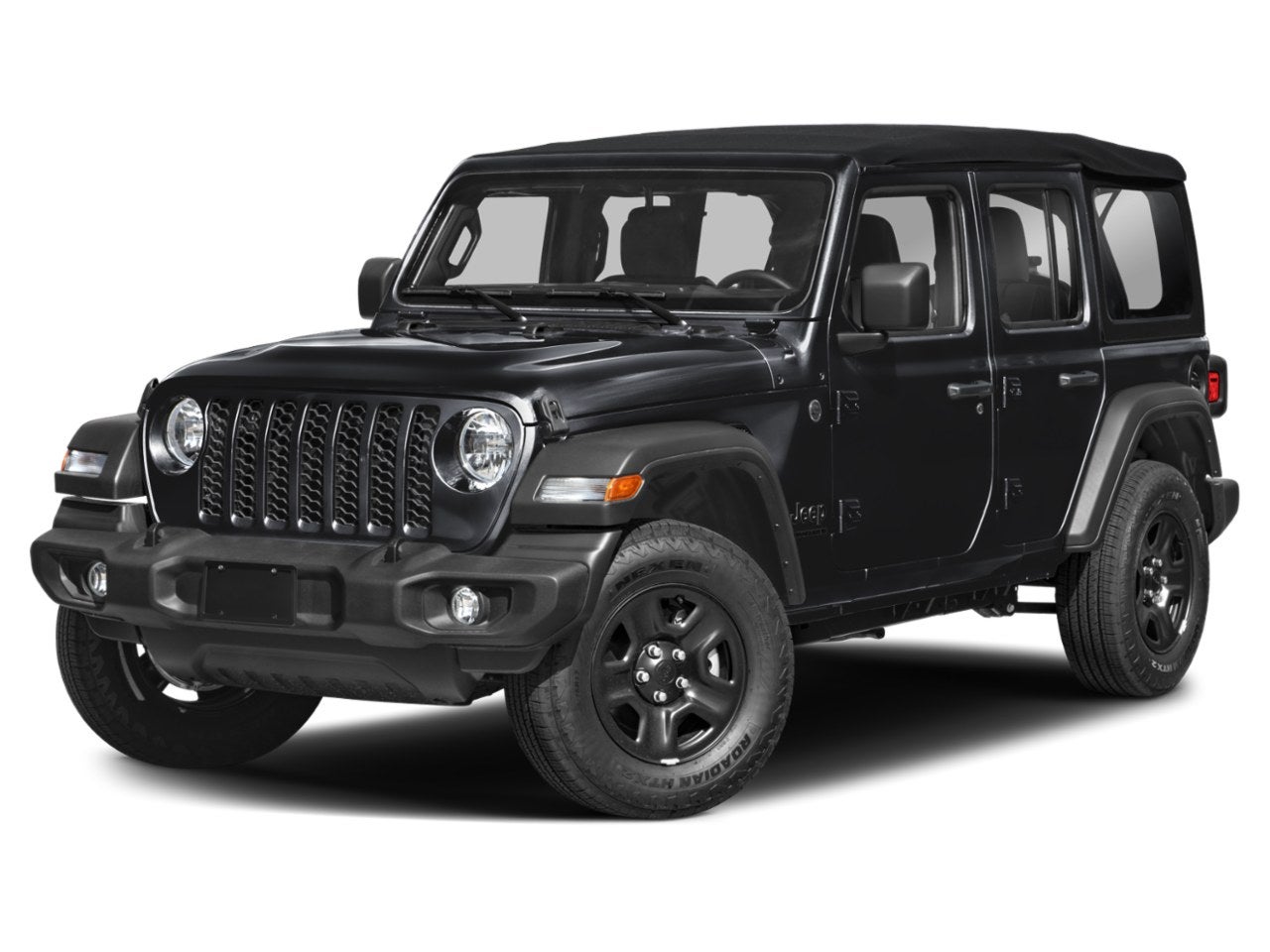
2027 Jeep Wrangler Willys 392 front three-quarter exterior
THE SHORT ANSWER
Winter-ready means good tires for snow and slush, a tested battery, winter washer fluid and fresh wipers, and a plan to rinse road salt off the underbody all season. Add some care for the top and door seals, plus a basic emergency kit, and your Wrangler is set for anything from a dusting in Levittown to a nor'easter on the LIE.

Long Island winters don't always bring deep snow, but they bring plenty of salt, slush, potholes and sudden nor'easters. A Jeep Wrangler handles all of that well when it's prepped ahead of time. Here's what our team at Town & Country Jeep Chrysler Dodge Ram in Levittown suggests checking before the first storm, from tires and batteries to soft tops and salt.

What Winter Does to a Wrangler Here

Long Island rarely buries you for weeks at a time. What it does instead is throw a messy mix at your Jeep. Nor'easters roll in off the Atlantic, temperatures bounce above and below freezing in the same week, and road crews coat the Southern State, the LIE and Hempstead Turnpike with brine before the first flake falls.

That mix is hard on a Wrangler in particular. A lot of its hardware hangs underneath, right in the spray coming off the road, and salt is what quietly does the damage long after the snow melts. Freeze-thaw cycles also open up potholes on side streets and parkway ramps, and hitting those knocks alignment out and wears on steering and suspension parts.

Cold weather has its own effects. Batteries lose strength, tire pressure drops, rubber seals stiffen and soft-top windows get brittle. None of this is a crisis, but it all adds up over a season.

The good news is that most winter prep is simple and inexpensive. It's also easiest in November, before the first real storm, when you aren't scraping ice off the windshield while you figure out what you forgot.

Start With the Tires

Tread and pressure

Tires matter more in winter than anything else on your Jeep. Check the tread with a penny: put Lincoln's head into the groove upside down, and if you can see the top of his head, the tire is too worn for slush and snow. Look at every tire, because uneven wear can mean the alignment is off.

Cold air lowers tire pressure, so a tire that looked fine in October can be low by Thanksgiving. Check pressure monthly with the tires cold. Use the number on the driver's door jamb placard, not the maximum printed on the sidewall.

Picking the right tire

Your driving decides this one:

  • Mostly plowed parkways and daytime commutes: a good all-season tire with healthy tread usually works.
  • Early shifts, unplowed side streets or the hills on the North Shore: dedicated winter tires grip far better in the cold.
  • All-terrain tires, which plenty of Wrangler owners run: look for the three-peak mountain snowflake symbol on the sidewall, which means the tire meets a recognized severe-snow standard.

If you swap to winter tires, have them mounted on their own wheels. That makes the switch faster and cheaper in spring.

Using Four-Wheel Drive the Smart Way

2026 Jeep Wrangler side exterior

Every 2027 Wrangler trim comes with four-wheel drive, and it really does help in snow. It also leads to the most common winter mistake: thinking a Jeep can stop and turn as well as it accelerates. Four-wheel drive helps you get moving, not stop. Braking and cornering grip come down to your tires and your speed.

Read the 4WD section of your owner's manual before the first storm. Some modes are meant only for slippery or loose surfaces and shouldn't be used on dry pavement, and the right choice depends on your specific Wrangler. Switch modes before you need them, such as before turning onto an unplowed street, not halfway up a slick driveway.

Go easy on the throttle, especially with a lot of power. The Moab 392 and Willys 392 use a 6.4-liter V8 making 470 horsepower, which is a lot to send through tires on a slushy Wantagh Parkway on-ramp. Smooth inputs keep the tires from spinning.

After the first snowfall, practice in a large empty lot where you have permission to be there. A few minutes of gentle braking and turning shows you how your Jeep behaves on snow before you're in traffic.

Battery, Fluids and Visibility

Cold weather is hard on batteries. A battery that cranks slowly in October can leave you stuck on a frozen January morning, so have it load-tested before winter. Check the terminals too. White or green buildup on the posts makes starting harder and is easy to clean.

Next, check the fluids:

  • Coolant: have the freeze protection tested, not just the level.
  • Washer fluid: switch to a winter blend that won't freeze. Salt spray from trucks on the LIE can empty a reservoir in one trip, so keep a spare jug in the back.
  • Oil: if a change is coming up soon, get it done now instead of in the middle of a cold snap.

Visibility is a safety issue in winter. Worn wiper blades streak salt film across the glass, and winter blades shed ice better than standard ones. Make sure the heater and defroster clear the windshield quickly, and replace a dirty cabin air filter so the defroster can move air the way it should.

Our technicians can handle all of this in one visit. You can book a service appointment online and ask for a winter inspection that covers the battery, coolant, wipers, tires and alignment.

Fighting Road Salt and Rust

Salt is the biggest long-term winter threat for a Long Island Jeep. Brine goes down early and often, and it collects on the frame, brake lines, exhaust and suspension parts where you can't see it. Rinse the underbody regularly, about every week or two through the season, and soon after any storm once temperatures climb above freezing.

A car wash with an underbody spray is the easiest way to do this. On a mild day, a garden hose aimed under the frame and inside the wheel wells works too. Pay attention to spots where slush packs in and sits.

Before winter starts, give the paint a good coat of wax. It makes salt and grime easier to wash off and protects small chips from turning into rust. At service visits, ask the technician to look over the frame and brake lines for surface rust. Catching it early keeps a small fix from growing into a big one.

Inside, salt tracks in on your boots and soaks into carpet. All-weather floor liners catch the slush and lift out to rinse in the driveway. You can pick up a set made for your Wrangler from our parts department.

Caring for the Top, Doors and Seals

Removable tops and doors are a big part of why people buy a Wrangler, and they need a little extra care in the cold. If you have a soft top, don't fold it down or take it off in freezing weather. Cold fabric and plastic windows can crease or crack when they're forced to bend.

Clear snow off a soft top with a soft brush, never a shovel or ice scraper. Heavy, wet snow left on top can stretch the material, so brush it off after each storm. For the plastic windows, wait for the defroster or a warm garage. Scraping them leaves permanent scratches.

Hard-top owners have their own job. Check the seals around the top and doors for gaps or tears, since winter is when small leaks show up as wet carpet. Wipe a light coat of silicone protectant on the door weatherstripping. It keeps doors from freezing shut after an icy night in your driveway.

If you took the doors or panels off over the summer, put them back on before the weather turns. Store any parts you won't use until spring somewhere dry, covered and lying flat, so the seals keep their shape.

Pack a Winter Kit

Even short trips to Jones Beach or Roosevelt Field can turn slow when a storm moves in faster than forecast. A small kit in the cargo area costs very little and can make a stalled commute much easier. Here's a solid starting list:

  • A sturdy ice scraper and a soft snow brush (the brush also protects a soft top)
  • Jumper cables or a charged portable jump pack
  • A flashlight with fresh batteries
  • A compact shovel and a bag of sand or cat litter for traction
  • A warm blanket, gloves and a hat
  • A phone charging cable
  • Water and a few snacks that won't spoil

If you carry a recovery strap, use it only if you know how to rig it safely. Otherwise, wait for help.

Keep the tank at least half full all winter. You'll have fuel to run the heater if traffic stops during a storm, and less room for condensation in the tank.

Check the kit every few weeks. It's easy to borrow the flashlight for a power outage at home and forget to put it back, and a dead jump pack won't help anyone. A quick look on the first of each month keeps everything ready.

Thinking About a New Wrangler Before Snow?

If your current Jeep needs tires, a battery and brakes all at once, it may make sense to look at a 2027 Wrangler instead. The lineup runs from Sport and Sport S through Willys, Sahara, Rubicon and Rubicon X, plus the Rewind and California Edition. Most use a 2.0-liter four-cylinder making 270 horsepower, which is plenty for winter commuting on the parkways.

The Rewind steps up to a V6, and the two 392 trims carry the V8 for drivers who want maximum power. With all that strength in reserve, smooth driving in snow matters even more. The Sahara starts at an MSRP of $51,410, so you'll have a sense of where the lineup lands.

Before you visit, our payment calculators and shopping tools can help you test budgets, and our online trade-value tools give you a starting number for your current vehicle. You can also browse the dealership-specific reasons to buy collected under "Only at TC Jeep." When you're ready, book a test drive and feel how different trims handle Levittown roads before winter sets in.

Where
3156 Hempstead Tpke
Levittown, NY
KEY TAKEAWAYS
  • Four-wheel drive helps you get moving, but your tires do most of the work when you need to stop and steer.
  • Road salt is the biggest long-term threat on Long Island, so rinse the underbody regularly from November through March.
  • Handle soft tops, plastic windows and door seals gently in the cold, and keep a simple emergency kit on board.

FAQ

Common questions

Do I really need winter tires on a Wrangler on Long Island?

Not always. If you mostly drive plowed parkways during the day, good all-season tires with healthy tread usually work. If you leave early, drive unplowed side streets or need to get moving right after storms, winter tires or all-terrains with the three-peak mountain snowflake symbol give you noticeably better grip.

Should I leave four-wheel drive engaged all winter?

Follow the owner's manual for your Wrangler. Some 4WD modes are meant only for slippery or loose surfaces and shouldn't be used on dry pavement. Switch into the right mode when the road calls for it, and back out when the pavement is clear.

How often should I wash salt off my Jeep?

Aim for an underbody rinse every week or two through the season, and soon after any storm once temperatures are above freezing. Focus on the frame, the wheel wells and anywhere slush packs in.

Can I take my soft top down on a mild winter day?

It's best to leave it up until spring. Cold fabric and plastic windows can crease or crack when folded, and a warm afternoon can still leave the material stiff. If you must lower it, wait for a warm stretch and give it time to warm up first.

Can I get a sense of my trade value and payments before visiting?

Yes. Town & Country Jeep Chrysler Dodge Ram offers online trade-value tools and payment calculators so you can test numbers ahead of time. Final terms depend on your credit and the lender, so treat those numbers as a starting point rather than a promise.
Want to see it in person?
Come by for a test drive, or browse what is on the lot right now.
Or call (516) 271-3278 · 3156 Hempstead Tpke, Levittown
Posted in:

Related Posts

Mums and pumpkins arranged for fall

Levittown's Thanksgiving Weekend: Where to Eat Out If You're Not Cooking

You've got three good options: book a holiday dinner at a local restaurant, order a cooked turkey dinner to serve at home, or skip the big meal and eat out over the weekend instead. Whichever you choose, book or order early, because tables and pickup slots around Levittown fill up through mid-November. Not every family wants to spend Thanksgiving Day basting a turkey, and around Levittown you don't have to. You can sit down to a holiday dinner somewhere nearby, bring a cooked meal home, or save the eating out for the long weekend that follows. We put together some practical tips from the folks at Town & Country Jeep Chrysler Dodge Ram to help your Thanksgiving go easy. Book Thursday Dinner Out Early Plenty of restaurants in Levittown and the neighboring towns serve a full holiday meal on Thursday, and the best seating times go fast. Reserve by early November if you can, especially for a big table. Mid-November is when most families finally settle their plans, so the books fill quickly after that. When you call, ask a few questions so nothing surprises you at the table: Is it a set holiday menu, a buffet, or the regular menu? How long do you get the table before the next seating? Is there a kids' menu or a separate price for children? Can the kitchen handle allergies or a vegetarian guest? Mid-afternoon seatings tend to be the easiest to land. If your crew usually eats late, try an evening slot. By then the kitchen is past its busiest stretch, and dinner often feels less rushed. Let Someone Else Cook, Then Eat at Home Ordering a full dinner Supermarkets, delis and caterers across Nassau sell complete turkey dinners with the bird, stuffing, gravy, a few sides and sometimes a pie. Order deadlines usually land the week before, and Wednesday pickup slots go first. Ask whether the meal comes hot or needs reheating, and how much oven time that takes. A cold turkey and a one-oven kitchen can throw off your whole afternoon. Mixing and matching You don't have to go all or nothing. Lots of hosts buy the turkey already cooked and make the one side the family would riot without. A bakery pie and a quart of ready-made gravy can give you back your whole Wednesday night. Try to pick up your order earlier in the day. Holiday pickup lines get long by late afternoon, and you'll want time to check the order before you leave the counter. Friday Through Sunday: Diners, Pizza and a Break From Leftovers By Friday morning, most people want something that isn't turkey. Long Island diners are made for this, with big menus, breakfast all day, and booths that fit a family still half in pajamas. Get there before the late-morning rush if you're heading out to shop afterward. Shopping traffic builds along Hempstead Turnpike and near the big shopping centers all weekend. Eat close to home before you head out, or push lunch until the crowds thin. A few easy plays for the rest of the weekend: Pizza or Chinese takeout on Friday night, when nobody wants to plan anything A Saturday lunch at a neighborhood spot you've been meaning to try Sunday brunch before out-of-town relatives hit the road Call ahead about holiday hours. Some family-run places close on Thursday or cut their hours on Friday so their own staff get a holiday too. Getting There and Getting Home The Wednesday before Thanksgiving is one of the heaviest travel days of the year. By mid-afternoon you'll feel it on the Southern State, the LIE and the Wantagh Parkway. If you're picking up a dinner order that day, go early and stick to local roads when you can. Thanksgiving Eve is also a big night out at local bars. If drinks are part of dinner on Thursday, pick a designated driver or set up a ride before you leave the house. Lots near popular restaurants fill fast, so give yourself a few extra minutes to park. Take a quick look at your car before the long weekend. Tire pressure drops as the cold sets in, and nobody wants a warning light on the way to Grandma's. Town & Country Jeep Chrysler Dodge Ram serves Nassau, Suffolk and Queens, and you can book service with us ahead of the holiday drive. Happy Thanksgiving from all of us. Where 3156 Hempstead Tpke Levittown, NY Call (516) 271-3278 KEY TAKEAWAYS Reserve Thursday dinner by early November and ask about the menu, kids' pricing and table time. Prepared turkey dinners need an order placed the week before and a plan for reheating. Plan around Wednesday travel traffic and Thursday night drinks so getting home is easy. FAQ Common questions How early should I reserve a Thanksgiving table near Levittown? Early November is a safe target, and sooner if you need a table for a big group. Popular afternoon seatings tend to go first, so stay flexible on time if you're booking late. Do restaurants serve their regular menu on Thanksgiving Day? Some do, but many switch to a set holiday menu or a buffet for the day. Ask when you book so picky eaters and kids have something they'll actually enjoy. What should I ask when ordering a prepared turkey dinner? Ask about the order deadline, pickup times, whether the food comes hot or cold, and how long it takes to reheat. Also check how many people the meal is meant to feed so you aren't short on sides. See this month's Jeep lease deals See Jeep lease deals Value your trade Or call (516) 271-3278 · 3156 Hempstead Tpke, Levittown Or keep browsing New inventory Current offers Financing Book service Contact us Used cars

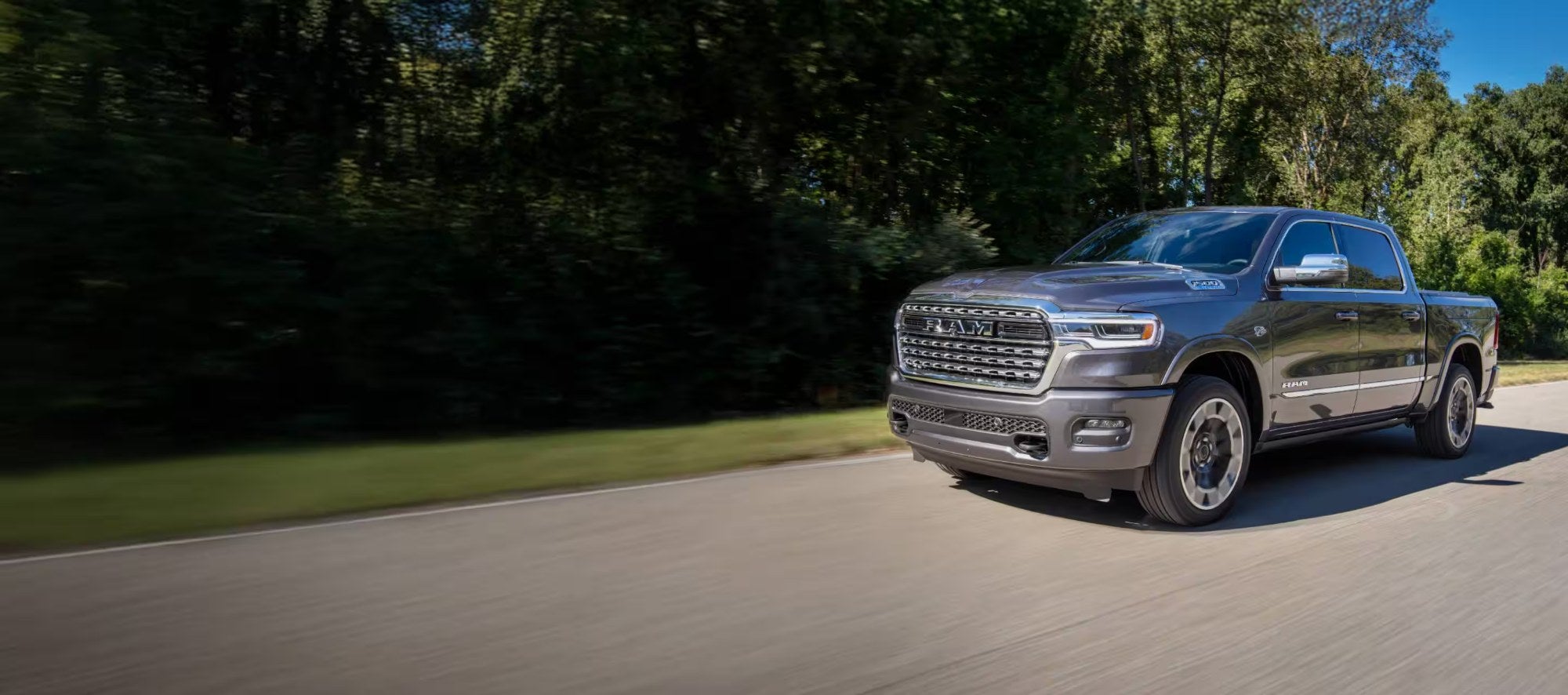
2026 Ram 1500 Limited Crew Cab on a country road

Which Ram Truck Should I Buy? A Plain Guide to Cab, Bed and Engine

THE SHORT ANSWER For most Long Island drivers, a Ram 1500 Crew Cab with the shorter bed and 4x4 covers daily driving, family trips and light towing. Step up to a 2500 or 3500 only if you tow something heavy often or haul for work. Choose the engine based on how much and how often you tow, not on bragging rights. Picking a Ram truck gets easier once you split it into three questions: which cab, which bed, and which engine. At Town & Country Jeep Chrysler Dodge Ram in Levittown, NY, we hear the same handful of questions from shoppers every week, so here are plain answers to each one. Read it through, jot down what matters to you, and you'll walk onto the lot knowing what to look at. IN THIS POST Should I get a Ram 1500 or a 2500/3500? Which cab is right for me? What bed length should I pick? Which engine should I get? Do I need 4x4, and which trim makes sense? How do I narrow it down and shop smart? Key takeaways Should I get a Ram 1500 or a 2500/3500? For most people, the answer is the Ram 1500. It's the half-ton, built for everyday driving with real truck ability behind it: hauling mulch from the garden center, pulling a small boat to a South Shore ramp, or getting a few coworkers to the job site. It rides closer to a big SUV than you might expect, which matters when half your miles are on Hempstead Turnpike. The Heavy Duty trucks, the 2500 and 3500, are a different tool. They're made for people who tow heavy and often, like a large camper, a car trailer, or a landscaping rig loaded five days a week. You give up some comfort for that muscle: a stiffer ride, a bigger footprint, and higher running costs. Here's a quick gut check: Commuting, weekend projects, light towing: 1500 Towing something heavy most weekends, or for a living: 2500 Maximum payload, dual rear wheels, commercial work: 3500 On the fence? Find out what your trailer and gear really weigh before you shop, then compare that against the ratings on the specific truck you're considering. You can browse new Ram trucks in stock to see how the lineup breaks down right now. Which cab is right for me? Ram builds several cab styles, though what's offered depends on the model and year: Regular Cab: two doors, one row of seats. A favorite for work trucks. Quad Cab: four doors with a smaller back seat, fine for kids or the occasional passenger. Crew Cab: four full-size doors and a rear seat adults can ride in comfortably. Most families land here. Mega Cab: Heavy Duty only, with even more rear legroom. Think about who rides in back and how often. A roomy rear seat keeps your teenagers from complaining on the way out east, and the back floor doubles as locked, dry storage for tools or groceries. On Long Island, there's a catch: overall length. A bigger cab usually means a longer truck, and Levittown driveways, mall parking lots and older garages get tight fast. Measure your driveway and garage before you fall for a big cab paired with a long bed. Your best move is to sit in the back seat yourself, then try parking it somewhere you'd normally park. When you book a test drive, ask to spend a few minutes in a crowded lot, not just on the open road. What bed length should I pick? Ram trucks generally come with a shorter bed, a standard bed, or a long bed, and the cab you choose limits which ones are available. Bigger cabs tend to pair with shorter beds to keep the truck from getting unwieldy. How to decide Ask yourself what you actually haul. If it's coolers, bikes, bags of soil and the odd piece of furniture, a shorter bed handles it, and the truck is easier to park. If you regularly carry full 4x8 sheets of plywood or drywall flat with the tailgate closed, or you plan to mount a slide-in camper, look hard at a long bed. A lot of people overbuy here. You can always drop the tailgate for the occasional long load, but you'll live with a longer truck in every parking spot, every day. Features worth a look Some Ram 1500 models offer the RamBox storage bins built into the bed rails, which are handy for tools, wet beach gear or a drained cooler. A split, swing-open tailgate on certain trims makes reaching into the bed easier, too. Bedliners, tonneau covers and tie-down kits make any bed more useful, and our parts department can help you choose ones that fit your truck. Which engine should I get? Engine choice comes down to how much you tow and how often. Ram's lineup shifts from year to year, so check what's offered for the model year you're shopping. Ram 1500 Recent 1500s use the Hurricane twin-turbo six-cylinder, which comes in a standard version and a higher-output version. The standard one suits most commuting and light towing. Opt for the stronger version if you tow regularly or just want quicker merges onto the Southern State. Depending on the year, the familiar HEMI V8 may also be available if you prefer a V8's sound and feel. Heavy Duty The 2500 and 3500 offer a gas HEMI V8 or the Cummins turbo-diesel. That diesel is the pick for big, frequent towing. It pulls hard at low speeds and feels relaxed with a heavy trailer behind it. Diesel isn't free, though. It costs more upfront, needs diesel exhaust fluid, and its emissions system is happiest on longer runs. If your driving is mostly short hops around Nassau County, the gas V8 is often the smarter fit. Do I need 4x4, and which trim makes sense? For Long Island, 4x4 is worth it for most buyers. A pickup with an empty bed is light over the rear wheels, and that shows up fast on snowy side streets or a slick, weedy boat ramp at low tide. It also holds its value well when you trade the truck in later. Two-wheel drive can make sense for a work truck that sticks to paved roads and won't see much winter. Picking a trim Ram trims run from simple to plush, and names vary by model and year. Roughly: Tradesman: work-focused, durable, fewer frills Big Horn: the popular middle ground with the comfort features most people want Laramie: leather, bigger screens, more driver-assist tech Rebel: off-road tuning and tougher looks Limited and above: luxury-level interiors Spend on the things you'll touch every day, like seats, the infotainment screen and safety tech, before paying for looks. Want a higher trim without new-truck pricing? A certified pre-owned Ram can put you in a nicer truck that's been inspected and comes with extra coverage. How do I narrow it down and shop smart? Put your answers together in this order and the choice usually makes itself: What you tow and haul (1500 or Heavy Duty) Who rides with you (cab) Where you park (bed length and overall size) How hard you tow (engine) Where you drive in winter (4x4) What you'll use daily (trim) Bring that short list in and test-drive two or three trucks back to back. Small differences in ride, seat comfort and visibility stand out when you switch from one truck to the next in the same afternoon. Got a vehicle to trade? Get a number before you visit using Town & Country's online trade-value tools, so you know where you stand. You can value your trade from home in a few minutes. If you plan to finance, set a monthly budget first and shop to it rather than the other way around. Approval and rates depend on your credit and the lender, so it helps to talk options through with our team early. And keep in mind that a slightly less loaded truck you're comfortable paying for beats a stretch you'll resent. Where 3156 Hempstead Tpke Levittown, NY Call (516) 271-3278 KEY TAKEAWAYS Start with what you tow and carry: that decides 1500 versus Heavy Duty before anything else. Cab and bed choices set the truck's overall length, so measure your driveway and garage first. Test-drive the exact cab, bed and engine combination you're considering, including a tight parking lot. FAQ Common questions What's the difference between towing capacity and payload? Towing capacity is how much the truck can pull behind it on a hitch. Payload is how much weight it can carry in the cab and bed, including passengers, gear and the tongue weight of a trailer. Both drop as you add heavier options, so look up the ratings for the exact truck you're considering. Will a Ram fit in my garage? It depends on the cab, bed and your garage. Many older Long Island garages are short, so measure length, width and door height, then compare with the specific truck. If it's close, bring a tape measure to your test drive. Should I buy new or used? New gets you the latest engines, tech and full factory warranty. A used or certified pre-owned Ram can get you more truck for your budget, especially if you want a higher trim. Driving both back to back usually makes it clear which one feels right. Can I get help with my truck after I buy it? Yes. Town & Country Jeep Chrysler Dodge Ram has dedicated sales, service and parts departments, and offers service and parts support after the purchase, whether that's routine maintenance or adding a bedliner or hitch down the road. Want to see it in person? Come by for a test drive, or browse what is on the lot right now. Schedule a test drive Browse new inventory Or call (516) 271-3278 · 3156 Hempstead Tpke, Levittown Or keep browsing Current offers Financing Value your trade Book service Contact us Used cars

Checking a vehicle for open safety recalls

Where to Get Jeep Recall Repairs on Long Island

THE SHORT ANSWER Any authorized Jeep dealer can perform recall repairs on your Jeep at no charge for parts or labor, no matter where you bought it or how many owners it's had. On Long Island, that includes Town & Country Jeep Chrysler Dodge Ram in Levittown. Start by checking your VIN for open recalls, then book a service appointment. Got a recall letter for your Jeep, or heard about one on the news and aren't sure what to do next? You're not alone, and the fix is usually simpler than people expect. At Town & Country Jeep Chrysler Dodge Ram in Levittown, our service team handles recall work for drivers from all over Long Island, so here are the questions we hear most and straight answers to each. IN THIS POST Do I have to go back to the dealer where I bought my Jeep? How do I find out if my Jeep actually has an open recall? Is a recall repair really free? What if the parts for my recall aren't available yet? I bought my Jeep used. Is the recall still covered? What should I expect when I bring my Jeep in for a recall? Key takeaways Do I have to go back to the dealer where I bought my Jeep? Nope. Any authorized Jeep dealer can do recall work on your vehicle, and it doesn't matter whether you bought it in Levittown, upstate, or out of state. Recall repairs are paid for by the manufacturer, so the dealer you pick doesn't change what you pay, which is nothing. That gives you room to choose based on what's convenient. If you live in Nassau, work in Queens, or commute in from Suffolk, pick the shop that fits your day. We see plenty of folks who bought their Jeep somewhere else and simply found it easier to swing by our spot off Hempstead Turnpike. What counts as authorized Authorized means a franchised Chrysler, Jeep, Dodge or Ram dealer with a service department. A general repair shop, even a great one, can't perform factory recall work for free because it isn't set up to be reimbursed by the manufacturer. When you're ready, you can book service online and mention the recall when you schedule. That way the team can check whether the parts are in before you show up, which saves you a wasted trip. How do I find out if my Jeep actually has an open recall? Your Vehicle Identification Number, or VIN, is the key to everything. It's a 17-character code unique to your Jeep, and recalls are tracked by that number rather than by your name. You can find your VIN in a few easy spots: On the driver's side of the dashboard, visible through the bottom corner of the windshield On a sticker in the driver's door jamb On your registration and insurance card Once you have it, enter it at NHTSA.gov/recalls, the federal government's free lookup tool. Mopar's owner site has a recall lookup too. Both will show any open safety recalls and whether a fix is available yet. Recall letters get mailed to the registered owner, but mail goes missing and people move. Checking your VIN yourself a couple of times a year is a smart habit, especially before a long drive out east or a road trip off the Island. You can also just call our service department with your VIN and ask. We'll look it up and tell you what's open, plus whether it makes sense to handle it alongside anything else your Jeep is due for. Is a recall repair really free? Yes. Manufacturer safety recalls are done at no cost for parts or labor at an authorized dealer. That holds no matter how old the Jeep is, how many miles are on it, or whether your factory warranty ran out years ago. Where people get tripped up is assuming a recall works like warranty coverage. They're separate things. Warranty covers defects for a set time or distance, while a safety recall stays tied to the vehicle until the fix is done. If you already paid for the repair Maybe you had the problem fixed out of pocket before the recall was announced. In some cases, the manufacturer will reimburse owners who paid for a repair that a recall later covered. Hang on to your receipts and check the recall notice, which usually explains whether reimbursement applies and how to request it. Watch out for add-ons The recall itself is free, but if you ask for other work during the same visit, like brakes or an oil change, that's billed normally. A good service advisor will make the difference clear before anything gets done, and you should feel free to ask. What if the parts for my recall aren't available yet? This happens more than people realize. Sometimes a recall gets announced before the repair parts are ready in large enough numbers, so owners get what's often called an interim notice. It tells you about the problem and promises a second letter once the remedy is available. Read that first letter closely. It may include instructions for staying safe in the meantime, such as avoiding a certain feature, parking outside, or watching for a specific warning light. Some recalls carry a do-not-drive warning, and if yours does, take it seriously. Here's what you can do while you wait: Call the dealer and ask to be put on the list for parts Make sure your address is current so the follow-up letter reaches you Recheck your VIN online every few weeks to see if the status changes If you're not sure whether your Jeep is safe to drive to the dealership, reach out to our team before you head over. We'd much rather talk it through on the phone than have you take a chance on the Southern State with a problem that should've waited. I bought my Jeep used. Is the recall still covered? Absolutely. Recalls follow the VIN, not the owner, so you get the same free repair the original buyer would have gotten. Second, third or fourth owner, it doesn't matter. The catch is that recall letters go to whoever the manufacturer has on file, and that may still be the previous owner. Registering yourself as the current owner through Mopar's owner site helps make sure future notices come to you. Shopping for a used Jeep? Federal law bars dealers from selling new vehicles with open safety recalls, but that rule doesn't extend to used ones. A used vehicle can legally change hands with an open recall, which is why running the VIN before you buy is worth the two minutes it takes. If you're browsing used cars on our lot or anywhere else, ask the salesperson whether the recalls are closed and request the paperwork showing it. Town & Country Jeep Chrysler Dodge Ram sells new, used and Certified Pre-Owned vehicles, and whatever you're looking at, the question of open recalls deserves a clear answer before you sign. What should I expect when I bring my Jeep in for a recall? Start by booking an appointment rather than just showing up. Recall parts are often ordered for a specific VIN, and calling ahead lets the service team confirm they're in stock so you're not sitting in the waiting room for nothing. When you schedule, have these handy: Your VIN The recall number from your letter, if you have one Any other issues you've noticed, so they can be checked during the same visit How long it takes depends entirely on the recall. Some are a quick software update you can wait for. Others involve replacing a part and might mean leaving the Jeep for part of the day. Ask when you book so you can plan around work or school pickup. Bundle it up If your Jeep has more than one open recall, they can often be handled in the same trip. It's also a good moment to take care of routine maintenance you've been putting off. When you pick it up, you'll get a repair order showing the recall was completed. Keep it with your records, since it's useful proof if you ever sell or trade the vehicle. Where 3156 Hempstead Tpke Levittown, NY Call (516) 271-3278 KEY TAKEAWAYS Recall repairs are free at any authorized Jeep dealer, regardless of where you bought the vehicle. Run your 17-character VIN through the NHTSA or Mopar recall lookup to see exactly what's open. Recalls follow the vehicle, so used Jeep owners get the same free fix as the original buyer. FAQ Common questions Can I keep driving my Jeep while I wait for a recall repair? It depends on the recall. Many let you drive normally until the fix is done, but some come with specific precautions or a do-not-drive warning. Read your notice carefully, and if anything is unclear, call the dealer before driving. Will getting a recall done affect my warranty? No. A recall repair at an authorized dealer doesn't void or shorten your warranty. It's a separate program paid for by the manufacturer, and the work is documented on your vehicle's record. What's the difference between a recall and a service bulletin? A safety recall addresses a defect that affects safety, and the fix is free at an authorized dealer. A technical service bulletin is guidance for technicians on a known issue, and coverage depends on whether your vehicle is still under warranty. Your service advisor can tell you which applies. Do I need my recall letter to get the repair done? No, the letter is helpful but not required. The dealer can look up open recalls using your VIN, so just bring the vehicle and your keys, and the service team can take it from there. Let us take care of it Book online in a minute and pick a time that works for you. Book service Order parts Or call (516) 271-3278 · 3156 Hempstead Tpke, Levittown Or keep browsing Current offers Financing New inventory Contact us Used cars Certified pre-owned