





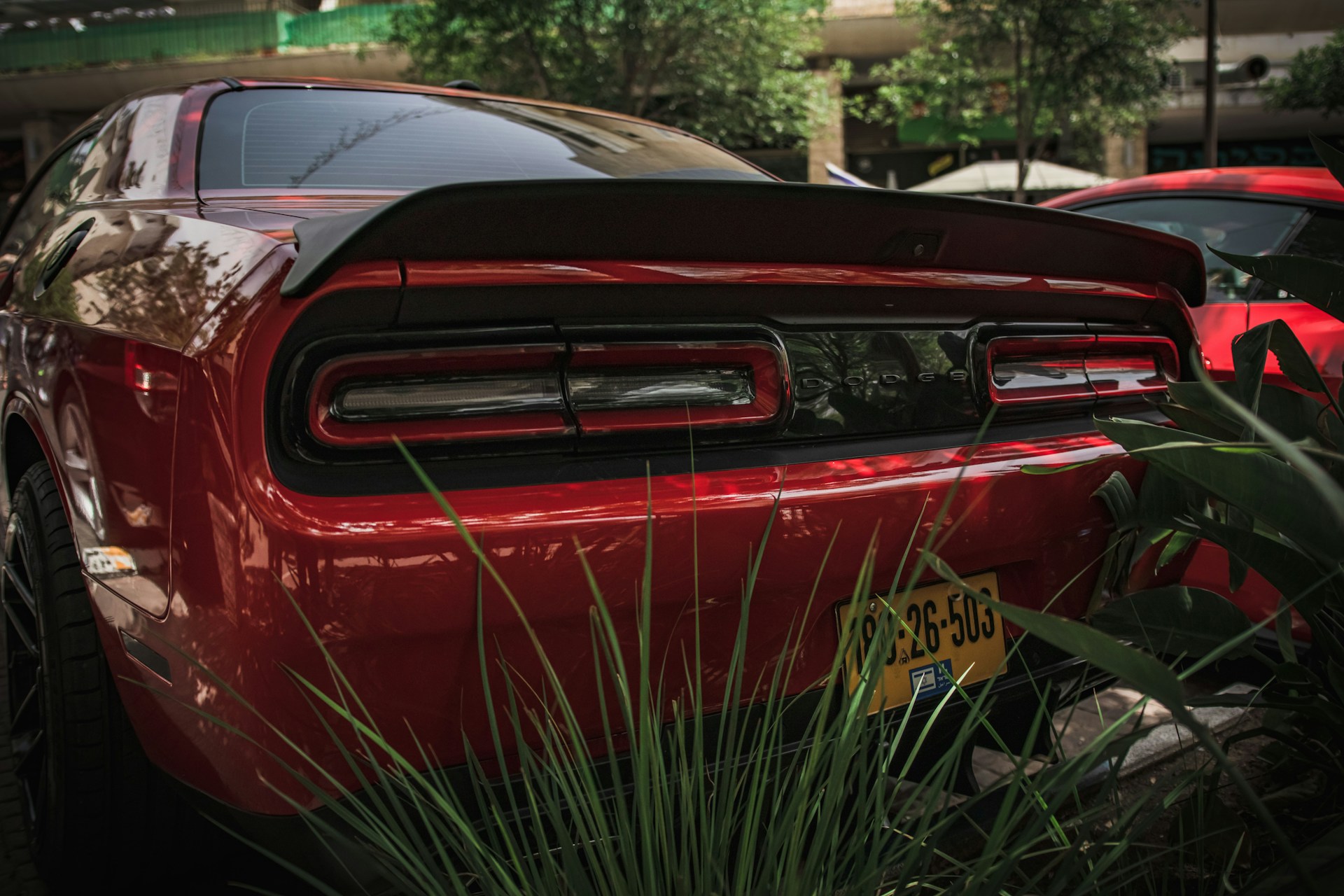
Dodge family vehicles are popular across Long Island, and for good reason. They’re roomy, powerful, and get the job done for both daily errands and weekend getaways. But like any vehicle, they come with their own set of problems over time. Having a handle on what these problems are and how to spot them early can make a real difference.
Ignoring warning signs can lead to bigger and more expensive repairs down the line. That’s why it helps to know what to watch for and when to take action. Whether it’s something simple like a sensor acting up or something more serious like engine trouble, paying attention now means more time on the road and fewer surprises later.
Identifying Electrical System Issues
Electrical issues can be tricky because they don’t always show up the same way. One day your windows won’t roll down, the next your headlights flicker, and then suddenly the remote key stops working. These kinds of problems can drive anyone crazy, especially when they appear out of nowhere.
Some common warning signs include:
1. Power windows not responding or moving slowly
2. Dashboard lights flickering or staying on even after the issue is fixed
3. Headlights and interior lights dimming unexpectedly
4. Remote lock/unlock functions failing to work
5. Radio or touchscreen display cutting in and out
If you’re dealing with any of these problems repeatedly, there’s a good chance it’s related to the wiring, battery terminals, alternator, or onboard computer systems. Simple things like corrosion on the battery terminal can throw off the entire system. That doesn’t mean it’s safe to try and clean or fix these issues yourself. One wrong move could short out a fuse or cause more damage.
When these issues persist or start to impact how the car functions overall, it’s time to get it inspected. With colder weather kicking in around late October on Long Island, electrical components often begin to show signs of wear. Taking care of them now means avoiding larger issues down the road.
Troubleshooting Engine Performance Problems
Your Dodge’s engine does all the heavy lifting, and when it starts acting up, it gets noticed fast. Maybe you feel a rough idle, hear louder engine sounds, or notice it lagging when pulling away from a stop. These are often early signs that something isn’t working the way it should.
Common symptoms of engine problems include:
1. Hesitation or jerking when accelerating
2. Engine shaking or vibrating at idle or during driving
3. Unusual smells coming from the exhaust
4. “Check Engine” light flashing or recurring
5. Random stalling at stop signs or traffic lights
There are a few basic items that can cause these problems. Worn spark plugs, clogged air filters, or old fuel filters can all affect performance. Cheap fuel or moisture in the tank can also cause issues with how the engine runs. These smaller parts play a big role in engine performance and are a good first stop when something feels off.
But if you’ve already checked the basics and the trouble sticks around, there may be a bigger issue brewing. Engine problems tend to get worse when ignored, especially as fall weather cools down further across Long Island. It’s best to get ahead of any trouble to avoid bigger repairs later on.
Addressing Transmission Malfunctions
Transmission trouble usually makes itself known quickly. Whether you start to feel your gear shifts slipping or notice a pause before the vehicle reacts, these are signs you shouldn’t ignore. Delays, unexpected sounds, or even a higher-than-normal engine roar when accelerating could all point to the transmission.
Watch for signs like:
1. Slipping or delayed gear shifts
2. Grinding, buzzing, or humming sounds while shifting
3. Fluid spots under the vehicle
4. Transmission warning light on the dashboard
5. Burnt smell coming from under the hood
After months of summer driving and possible towing, transmissions often show wear right as the seasons change. Cold weather on Long Island can make things worse by thickening fluids and straining already tired parts. Once these symptoms appear, waiting them out can cause deeper damage.
Something as simple as low transmission fluid or a worn solenoid might be behind the issue. When caught early, these can often be fixed without breaking the bank. But ignoring signs like grinding or burned fluid smell can lead to more serious failures. Don’t give problems like this time to grow. Getting it checked early is always the better route.
Resolving Brake System Concerns
Brakes rank up there with the most important functions in your Dodge. If they’re not working at 100 percent, you’ll feel it—and the risk increases every time you drive. Sound, feel, and warning lights are your main clues that something could be wrong.
Some early indicators of brake trouble include:
1. Squeaking or squealing noises when braking
2. Steering wheel vibration during braking
3. Spongy or low brake pedal
4. Vehicle pulling to one side when slowing down
5. Brake warning light turning on
Long Island roads in late October can bring more moisture and changing conditions that lead to grime buildup. That, mixed with worn brake parts, can make common issues worse, faster. Whether it’s worn pads or air in the lines, they need to be discovered before they lead to longer stopping distances or full system failure.
Trying to diagnose or patch brake problems on your own might seem quick, but with braking systems, even a small mistake can cause safety risks. For families driving across Nassau County or through school zones and busy parkways, confidence in your brakes is a must.
Ensuring Reliable HVAC Performance
As the warm days quickly turn into chilly mornings on Long Island, the heating and defrost systems in your Dodge start working harder. When they fall short, it doesn’t just make the ride uncomfortable. A fogged windshield or poor airflow can become a real driving hazard.
Common HVAC signs to watch out for include:
1. Heat not coming through vents
2. Weak or uneven airflow across cabin
3. Defrost not clearing the windshield
4. AC engaging when it’s set to heat
5. Clicking or tapping noises behind the dashboard
Blame for these issues can often be traced to faulty blend door actuators, clogged cabin filters, or a worn thermostat. The shift from AC usage in summer to heat in fall and winter puts stress on the system fast.
Instead of dealing with a cold cabin during your morning commute or a fogged window on your errands, it’s better to get any odd HVAC symptoms looked at now. Routine service this time of year helps make sure the system won’t let you down when you need it most.
Staying Confident on the Road
Every Dodge driver wants peace of mind behind the wheel, especially as the chill settles in across Long Island. Whether it’s engine stutters, sluggish brakes, or cold air blowing when the heat’s on, these aren’t just small annoyances. They’re clues. And catching them early can save you time, frustration, and money down the line.
Keeping up with maintenance doesn’t just make each drive more comfortable. It keeps your family safer, protects your investment, and helps avoid surprises in the colder months. The more in tune you are with your vehicle, the easier it is to spot when something’s off.
No one wants to be stuck with a bigger repair in the middle of a freezing day or stranded in traffic. If any of these issues sound familiar, it’s smart to have a professional take a closer look now rather than later. Cold weather tends to push systems to their limit, and your Dodge deserves the best shot at staying reliable all season long.
Keep your Dodge family vehicles on Long Island running smoothly by staying on top of your maintenance schedule. With colder months coming up, it’s a smart time to get an inspection or take care of any repairs before conditions get rough. Let the team at Town & Country Jeep Chrysler Dodge Ram help you stay ahead of problems with reliable service that fits your needs.
Connect with us


- July 2026
- June 2026
- May 2026
- April 2026
- March 2026
- February 2026
- January 2026
- December 2025
- November 2025
- October 2025
- September 2025
- August 2025
- July 2025
- June 2025
- May 2025
- April 2025
- November 2023
- October 2023
- September 2023
- August 2023
- July 2023
- June 2023
- May 2023
- April 2023
- March 2023
- February 2023
- January 2023