




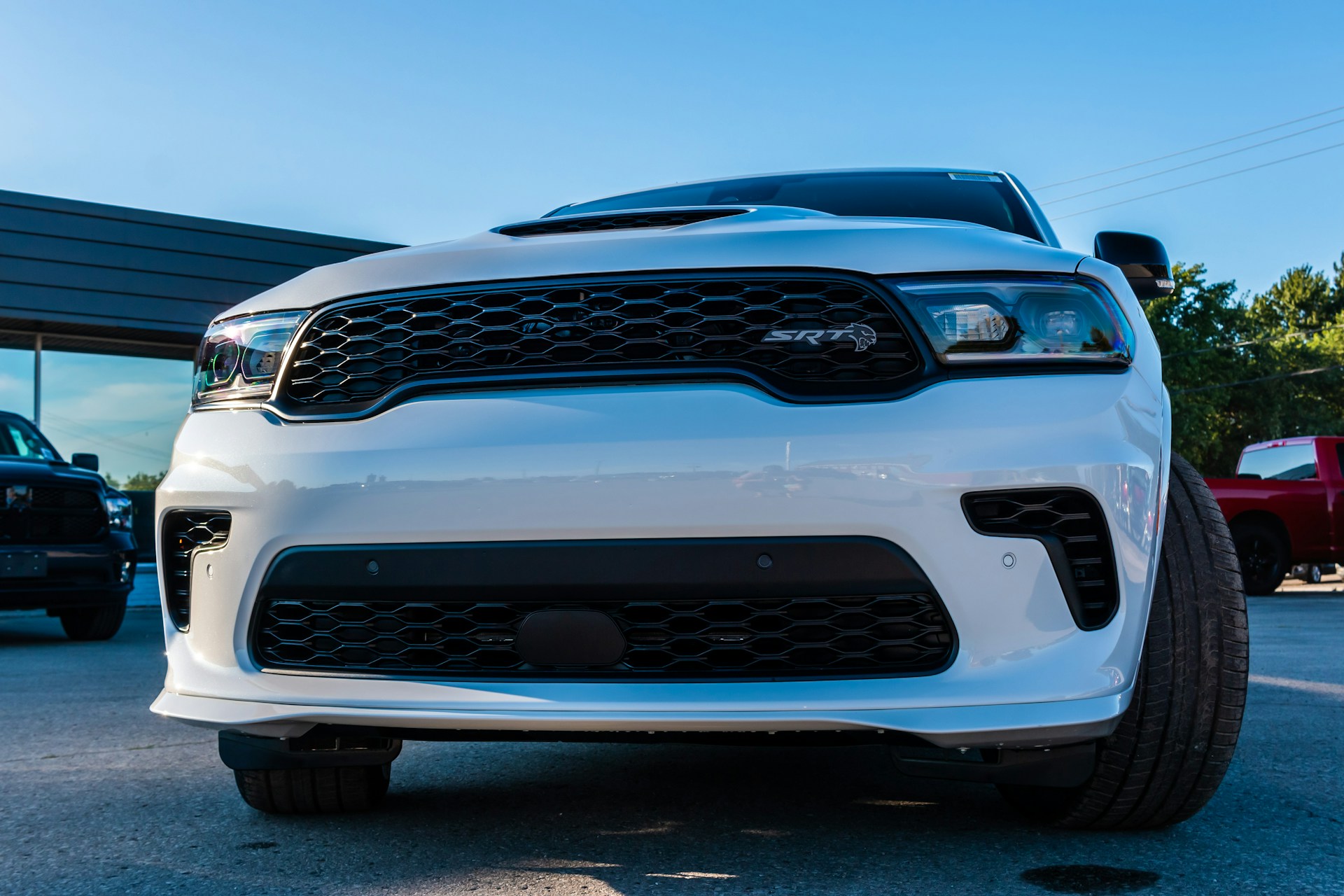
Keeping your Dodge vehicle’s safety features in top shape is like ensuring every arrow in a quiver hits the mark. Whenever your car gets serviced, those finely tuned safety systems may need a little recalibration to keep doing their job properly. Imagine driving down the bustling roads of Nassau County, knowing that every beep and alert from your Dodge is set to protect you. That’s why paying attention to the need for recalibration after service is more than just a good idea—it’s necessary.
In areas like Levittown, where the roads can be uniquely challenging, recalibrating your vehicle’s safety features ensures you’re getting the most from your drive, keeping both the driver and passengers secure. With new technology constantly evolving, it’s easy to forget how crucial these features are until you need them.
Understanding Dodge Safety Features
Dodge vehicles come packed with a plethora of safety features designed to make every ride safer. Understanding these key elements can help you appreciate why recalibration is so important. For instance, features like lane departure warning systems play a critical role in keeping your car aligned within its lane, reducing the stress on long drives. Then there’s automatic emergency braking, which jumps into action when sudden stops or obstacles appear, potentially dodging an accident.
Adaptive cruise control adjusts your vehicle’s speed by monitoring the distance from the car ahead, making highway travel smoother and safer. These features work in harmony to enhance overall driving safety, acting as an extra layer of protection for drivers and passengers alike.
While these systems are vital, they rely heavily on accurate calibration to function effectively. Staying on top of their recalibration ensures these aids know just when to step in. A system that’s out of sync might react slower or not as accurately, and we don’t want that on the unpredictable roads in Levittown. Trustworthy safety systems in a Dodge provide the assurance that passengers are always in good hands.
Reasons for Recalibration After Service
After certain types of maintenance, your Dodge might need a recalibration of its safety features. Think about when you’ve had a tire change, windshield replacement, or suspension work done. Each of these can affect how safety systems perceive road conditions and surroundings. Even after a collision repair, the parameters those systems once understood might be slightly off, needing a reset to maintain optimal performance.
Consider this: changing a windshield can impact the camera views and sensors used for features like the lane departure warning. If you’ve recently had suspension work, the vehicle’s alignment might shift enough that your safety systems can’t operate as intended. These safety features heavily rely on precise data inputs, so even small adjustments during service can throw them off balance. After all, a camera that’s slightly tilted can lead you astray in a tight spot.
To maintain their reliability, these systems need consistent recalibration. It ensures all elements are correctly aligned and functioning properly, safeguarding against any unexpected surprises on the road.
The Recalibration Process
Recalibrating your Dodge’s safety features is no simple task and requires professional attention to detail. Here’s a quick rundown of what typically happens during this process. First, technicians will connect your vehicle to specialized calibration tools. These tools interface directly with your car’s systems, analyzing and resetting them as needed.
Next, they assess each safety feature to determine what adjustments are necessary. This includes testing sensors and cameras to ensure accurate readings. Realigning or updating these components ensures your systems have the correct information from their surroundings. It’s essential that trained professionals with the right equipment handle this job; this ensures everything is completed accurately.
Trying to tackle this alone could lead to incomplete or inaccurate results, affecting your safety on the road. With expert help, you know these systems are operating as they should.
Benefits of Keeping Safety Features Properly Calibrated
Regular recalibration of safety features comes with several benefits. First, it enhances your vehicle’s safety on the road, giving you peace of mind. When systems like automatic emergency braking and lane departure warnings work seamlessly, you can drive confidently, knowing these assists are ready.
Another plus is improved vehicle performance. When everything is fine-tuned, from alignment to sensor sensitivity, you’re in control of a Dodge that’s responsive and reliable. Plus, keeping the systems in check can help them function more efficiently, reducing potential wear and tear.
In Nassau County, drivers face unique challenges, from busy highways to unpredictable weather. Properly calibrated features help navigate these with ease, addressing specific demands of the area. Ensuring these systems are looked after means every trip can be taken with confidence.
Drive with Confidence
So, there you have it—recalibrating your Dodge’s safety features after service is a step you shouldn’t skip. Whether it’s a minor tire change or a significant repair, making sure these systems are in top shape is key to maintaining their trustworthiness.
Every time you get behind the wheel, know that prioritizing recalibration means a safer experience for you and your passengers. With reliable systems on your side, you’re assured a smooth ride, ready to handle the roads of Nassau County with ease.
For efficient driving and the safety of everyone on board, recalibrating your vehicle’s features after any service is key. To make sure your Dodge stays reliable, it helps to understand how Dodge safety features in Nassau County work and why professional recalibration matters. Schedule your service with Town & Country Jeep Chrysler Dodge Ram to keep everything running at its best.
Connect with us


- July 2026
- June 2026
- May 2026
- April 2026
- March 2026
- February 2026
- January 2026
- December 2025
- November 2025
- October 2025
- September 2025
- August 2025
- July 2025
- June 2025
- May 2025
- April 2025
- November 2023
- October 2023
- September 2023
- August 2023
- July 2023
- June 2023
- May 2023
- April 2023
- March 2023
- February 2023
- January 2023