





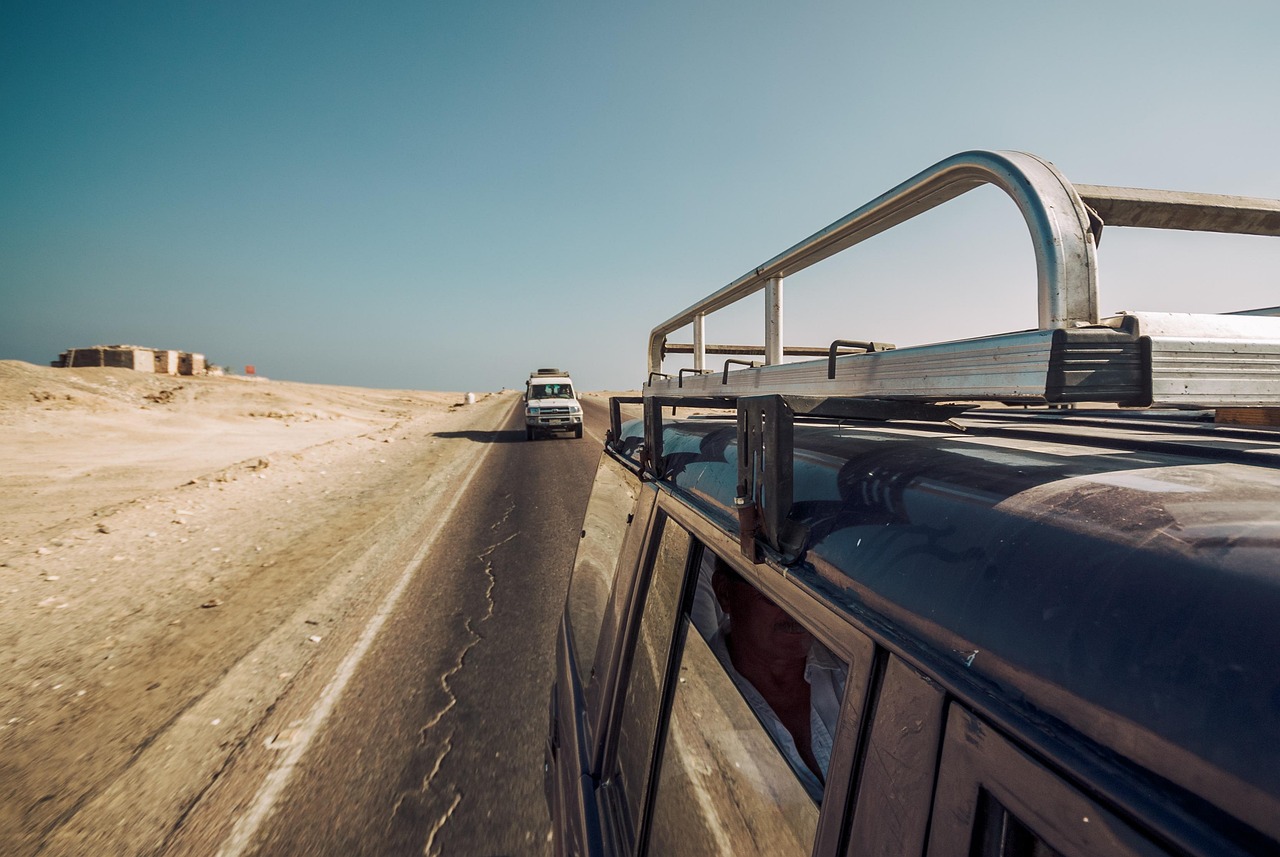
Jeep adventure gear might handle the mud, the rocks, and the trails like a champ, but that doesn’t mean you can go easy on upkeep. Whether it’s the roof rack you use for weekend getaways, the winch that saved you from a messy ditch last winter, or those off-road lights that guide you through the backwoods after sundown, every single piece of gear works harder when you push your Jeep into the outdoors. The more it works, the more attention it needs.
New York weather adds another challenge. In Nassau County, weather shifts fast, especially heading into late fall. Wet leaves, salt buildup, and rapid temperature drops can all wear down your gear. If you leave it ignored for too long, the impact isn’t just cosmetic. Bad gear can turn a fun day into a frustrating one or even a dangerous one. Keeping your equipment in check means every trip starts with confidence, not second guesses.
Understanding The Basics Of Jeep Adventure Gear
Before talking maintenance, it helps to know what’s considered adventure gear on a Jeep. These aren’t the parts that get your Jeep moving. They’re the add-ons that make each trip more capable, more comfortable, and safer, especially when exploring off the beaten path.
Common adventure gear includes:
- Roof racks and cargo carriers
- Tow hooks and winches
- Aftermarket bumpers and skid plates
- Off-road lighting systems
- Snorkels and air intake protectors
Each one of these pieces faces a different type of wear. Tow hooks might get stressed and bent. Roof racks collect grime and salt. Lights can fog up or short out from water exposure. Over time, if they aren’t kept up, they’ll break down and often when you least expect it. That’s how problems build up: a frozen winch cable, a rusted light connector, or mud-covered vents can all show up at exactly the wrong moment.
Building in a simple maintenance habit means your gear stays dependable. Replacing parts too soon can hurt your wallet, but more importantly, it can ruin a trip. Maintaining your gear helps make sure your Jeep is ready when you are. If you’re hauling kayaks to the South Shore or riding trails that twist upstate, working gear makes everything easier and safer.
Seasonal Maintenance Tips In Nassau County
Fall is no time to let your adventure gear sit unchanged. Nassau County’s mix of sea air, wet leaves, and fast temperature drops is tough on anything exposed. It’s easy to forget how grime and salt build up during this time, especially close to Long Island’s coast. Each season comes with different tasks, but the key is staying ahead of the problems.
Here’s how to handle Jeep gear maintenance, season by season:
1. Fall
- Rinse roof racks, hooks, and mounts to get rid of sap and leaf debris
- Wipe off light systems so water doesn’t sneak into small cracks
- Lubricate winches and moving parts before cold air starts stiffening joints
2. Winter
- Wash away salt as soon as possible to fight off rust
- Store loose gear like cargo boxes or exterior racks in a dry space
- Inspect gaskets and seals on winches and lights to be sure they won’t crack
3. Spring
- Double-check all gear for rust after the last freeze ends
- Put any removed gear back on and test it to catch early trouble
- Rinse off air intake parts and snorkels after heavy pollen and spring dust
4. Summer
- Look for signs of heat fade on plastic and rubber
- Refinish any bare metal to help it fight sun stress
- Tighten and test roof gear, especially before long-haul drives
Each of these quick checks keeps problems from snowballing. It’s worth taking a few minutes every season. Whether you’re taking the Jeep out for a camp trip at Nickerson Beach or making your way through snowy parts of northern Long Island, a little prep makes all the difference.
Steps For Effective Jeep Gear Maintenance
You don’t have to tear your gear apart weekly, but checking it on a routine basis will save time and frustration later. Adventure around Nassau County means all kinds of dirt, moisture, road salt, and trail tests. Keeping an eye on your setup helps reduce stress and keeps your trips running smooth.
Here’s a simple checklist to run through every few weeks:
- Check for crusted mud, sand, or salt on exterior racks, winches, and bumpers
- Look over cables and straps for fraying, chips, or loss of flex
- Clean light fixtures and other electric gear to stop water spots and corrosion
- Tighten bolts, straps, and mounting hardware to stop shifting during a drive
- Add grease or silicone spray to hinges or moving pieces that feel stiff
- Keep seasonal or removable gear in dry storage during long gaps of non-use
Take a few minutes to walk around your Jeep and test everything with your hands. A strange clicking from the winch or a loose rack bolt are signs it’s time for repair. Mild soap and a soft brush work well to clean stuck grime before rinsing it off fully.
Some Jeep owners try to tackle everything solo, but not every issue is easy to spot. Dealing with wiring, drives, or damage under the frame is best left to professionals. It can save you from missteps, unnecessary replacements, or worse—gear failure when you’re far from help.
Why Getting Professional Maintenance Matters
Just because gear looks fine doesn’t mean it’s problem-free. Small cracks, corrosion, or bad seals can hide under buildup. Long Island winters take a toll, and Long Island trails grind dirt into spots you might miss.
Dealership techs who work with Jeep adventure gear daily know where weak points show up. They’ve handled worn-out retractors, busted clips, or gear that looks fine on the surface but is just about to fail. Instead of guessing, professionals give you a straight check-up and know what needs attention right now.
What makes it worth the visit is peace of mind. Many shops like Town & Country Jeep Chrysler Dodge Ram inspect full systems, not just deal with the one thing you brought in. That’s how you catch the loose bracket or hairline crack before it becomes a problem in the middle of a trip.
If you use your Jeep for outdoor challenges, it makes sense to keep the gear sharp too. Adventure gear has a job to do—towing, hauling, climbing, lighting up tough paths—and trained hands know how to keep it prepped. It’s not just about washing off the grime. It’s about making sure strength, grip, safety, and support are all in place when you need them.
Keeping Your Jeep Ready For Every Trip
Jeep owners know the thrill of trail rides, beach runs, and weekend escapes. But even the toughest gear takes a beating. Salt, dirt, heat, and cold all put pressure on roof racks, lights, winches, and carriers. It doesn’t take long for something small to turn into something that ruins your plans.
Regular checks help you catch weak spots before they show up on the road. They help your winches keep pulling, help your racks stay steady, and help lights keep shining when it’s pitch black out. Best of all, they keep you focused on the trip, not your tools.
Before your next ride through Nassau County or upstate for a quiet camp night, think back on how hard your Jeep’s gear has worked. If it’s been a while since the last inspection, now’s a good time to stay ahead of trouble. Every bolt, bracket, and switch matters when the road gets rough. Keeping them in good shape helps you enjoy the ride without limits.
Keep your adventures safe and thrilling by maintaining your Jeep gear with top-notch care. For comprehensive service and expert attention to your Jeep adventure gear in Nassau County, rely on the dedicated team at Town & Country Jeep Chrysler Dodge Ram. Their skilled technicians ensure your equipment is always ready for your next journey across Long Island. Enjoy peace of mind and maximize your Jeep’s potential on every trip.
Connect with us


- July 2026
- June 2026
- May 2026
- April 2026
- March 2026
- February 2026
- January 2026
- December 2025
- November 2025
- October 2025
- September 2025
- August 2025
- July 2025
- June 2025
- May 2025
- April 2025
- November 2023
- October 2023
- September 2023
- August 2023
- July 2023
- June 2023
- May 2023
- April 2023
- March 2023
- February 2023
- January 2023