




When Transmission Problems Turn Into Safety Problems
Your transmission does more than help your vehicle feel smooth and comfortable. It is what connects your engine to your wheels, so you can speed up, slow down, and stay in the right gear. When it starts to fail, it is not just an annoyance. It can quickly become a serious safety problem.
That is especially true for drivers dealing with busy traffic in Queens, Nassau County, and across Long Island. Early warning signs are easy to ignore at first, but once the transmission starts to slip or hesitate, you can be put in a risky spot in just a few seconds. Summer heat and heavy August driving can push a weak transmission over the edge, which is why knowing the signs and acting early matters for you and everyone around you on the road.
Hidden Dangers of Delaying Transmission Repair
Most drivers think of the transmission as a comfort feature. If it shifts a little rough, they shrug and keep going. But your transmission is a big part of how safely you can:
- Merge into traffic
- Change lanes on short notice
- Pull away from a light
- Climb a hill without rolling back
When you delay transmission repair in Queens, NY, small problems can grow fast. That light slip you feel today can become a hard jerk tomorrow and a total loss of power the next week. On crowded city roads, there is not much room or time to react if your vehicle suddenly refuses to move.
Summer often makes things worse. High temperatures thin out old or worn transmission fluid, so it cannot protect parts the way it should. Add stop-and-go traffic on the Van Wyck, the Cross Island, or the Long Island Expressway, and a weak transmission is under stress almost every minute. Long weekend trips only pile on more heat and mileage, turning a minor issue into an urgent one.
Warning Signs Your Transmission Is Becoming Unsafe
Your transmission usually gives you plenty of warning before it fails completely. The key is to treat these signs as safety warnings, not just comfort issues.
Common symptoms that should never be ignored include:
- Slipping gears, the engine revs but speed does not match
- Delayed engagement when shifting into drive or reverse
- Grinding, whining, or clunking noises while shifting
- Burning smell, especially after driving in traffic
- Sudden surging, jerking, or loss of power
Each of these can put you in a bad spot on local roads. Slipping gears or delays in shifting can mean your vehicle hesitates when you press the gas to merge onto a busy parkway. That half-second pause can be the difference between a smooth merge and a close call with fast-moving traffic.
Strange noises and burning smells are signs that parts may be wearing out or overheating. If those parts fail when you are crossing a crowded intersection, your vehicle can stall right where other drivers do not expect you to stop. Surging or sudden loss of power can cause jerky movement in tight spaces, like narrow Queens streets or small parking lots, where people and other vehicles are very close.
In August heat, thin, worn fluid cannot cool or protect the transmission the way it should. Stop-and-go vacation traffic gives the transmission almost no time to cool down. If it is already damaged, this extra stress can turn a minor symptom into a real safety hazard in a short time.
Safety Risks of Driving with a Failing Transmission
A failing transmission is more than a mechanical problem. It can affect your control over the vehicle when you need it most.
Some real-world risks include:
- Stalling in the middle of an intersection when the light turns green
- Rolling backward on hills if the transmission cannot stay in gear
- Losing acceleration while passing on parkways or expressways
- Sudden jerks that make it hard to hold a straight line
When your transmission acts up, you may not be able to respond quickly to:
- Sudden stops in front of you
- Pedestrians stepping into crosswalks
- Lane changes from other drivers who cut in close
Loss of control or power in these moments raises the chance of a collision. A failing transmission can also cause leaks. Hot transmission fluid dripping on pavement or hot parts can create smoke, smells, and sometimes more serious damage under the hood.
There is also the risk of being stranded. A full transmission failure on a bridge, a parkway, or the side of a narrow service road forces you to wait in a spot where other drivers might not see you until they are very close.
Repair Versus Full Transmission Replacement
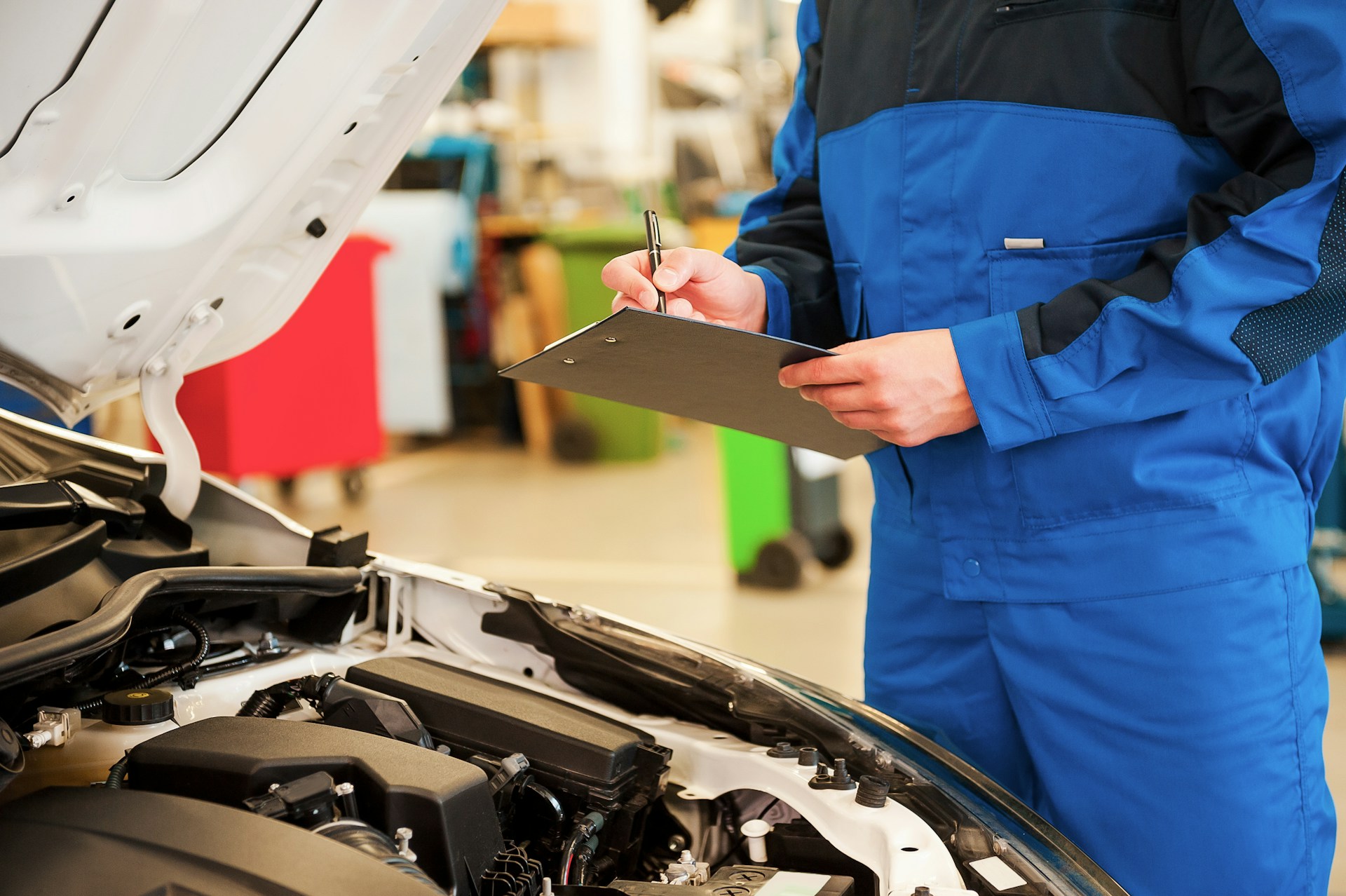
When you bring your vehicle to a service center, the technician will look at several factors before suggesting repair or replacement. These often include:
- Age and mileage of the vehicle
- Type and amount of damage inside the transmission
- Whether problems are electrical, software-related, or mechanical
- Your long-term plans for the vehicle
Catching problems early usually keeps you in the repair range. Sometimes a failing sensor, fluid issue, or worn part can be fixed before the damage spreads deeper into the transmission. That can mean less time off the road and less interruption to your daily driving.
If warning signs are ignored, small issues can turn into major internal damage. Burned clutches, broken gears, or heavy contamination inside the unit may require a rebuild or a full replacement. At that point, the choice is not just about comfort. It becomes a question of whether the vehicle is safe and reliable enough for daily use.
A trustworthy dealership service department will walk you through the findings, use clear language, and explain the pros and cons of repair versus replacement. For Jeep, Chrysler, Dodge, and Ram drivers, it helps to have people who understand how these transmissions are built and how they behave when something is not right.
Why Queens Drivers Need Expert Transmission Care
Driving in and around Queens is hard on transmissions. Constant stop-and-go traffic, frequent short trips, potholes, and speed bumps all add up. Short trips often mean the transmission and fluid never fully warm up, while city driving keeps the transmission shifting over and over again, hour after hour.
Because of this, professional care is especially helpful for local drivers. Certified technicians who work with modern automatic, manual, and CVT systems every day know how to track down tricky problems, like intermittent slipping or strange shifting patterns that only show up in traffic.
Choosing a Mopar-certified service center gives Jeep, Chrysler, Dodge, and Ram owners access to:
- Factory-level diagnostic tools
- Genuine parts designed for their specific transmission
- Technicians trained on the latest CDJR transmission systems
This kind of focused knowledge can spot small issues before they become safety problems, and can help make sure any repair or replacement is done the right way the first time.
Take Control of Your Safety with Proactive Service
Waiting for a complete breakdown puts you, your passengers, and other drivers at risk. If you notice slipping, hesitation, strange noises, or burning smells from your transmission, it is safer to have it checked before your next highway trip or late-summer getaway.
At Town & Country Jeep Chrysler Dodge Ram, we help drivers from Queens, Levittown, Nassau County, and nearby communities keep their vehicles safe and reliable. Our team offers convenient scheduling, careful inspections focused on safety, and options that can help make major repairs more manageable. Taking action early protects both your peace of mind and the long-term health of your vehicle.
Restore Confident Driving With Expert Transmission Care
If your vehicle is hesitating, slipping, or making unusual noises, our certified technicians at Town & Country Jeep Chrysler Dodge Ram are ready to help. Schedule professional transmission repair in Queens, NY so we can diagnose the issue accurately and get you back on the road with confidence. If you have questions before booking, feel free to contact us and we will walk you through your options.
Connect with us


- August 2026
- July 2026
- June 2026
- May 2026
- April 2026
- March 2026
- February 2026
- January 2026
- December 2025
- November 2025
- October 2025
- September 2025
- August 2025
- July 2025
- June 2025
- May 2025
- April 2025
- November 2023
- October 2023
- September 2023
- August 2023
- July 2023
- June 2023
- May 2023
- April 2023
- March 2023
- February 2023
- January 2023