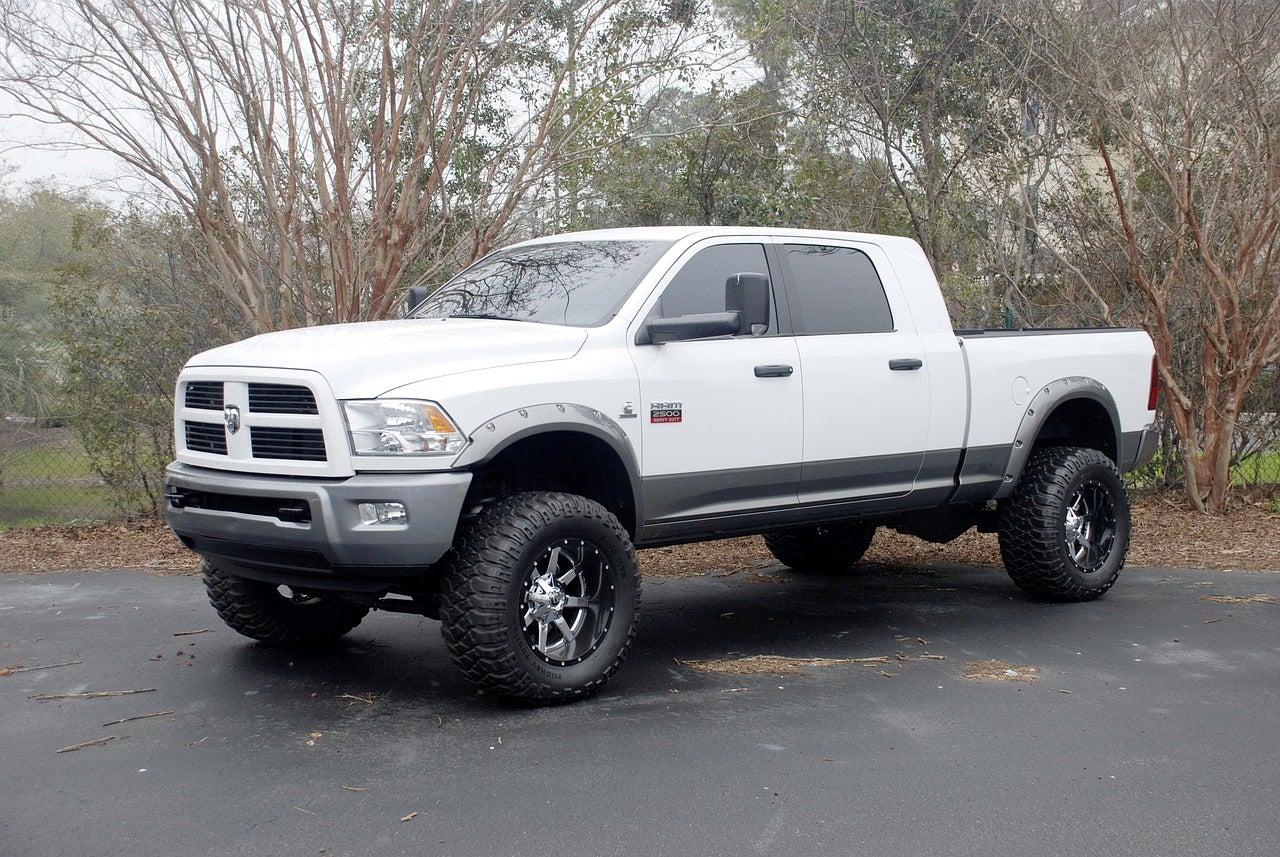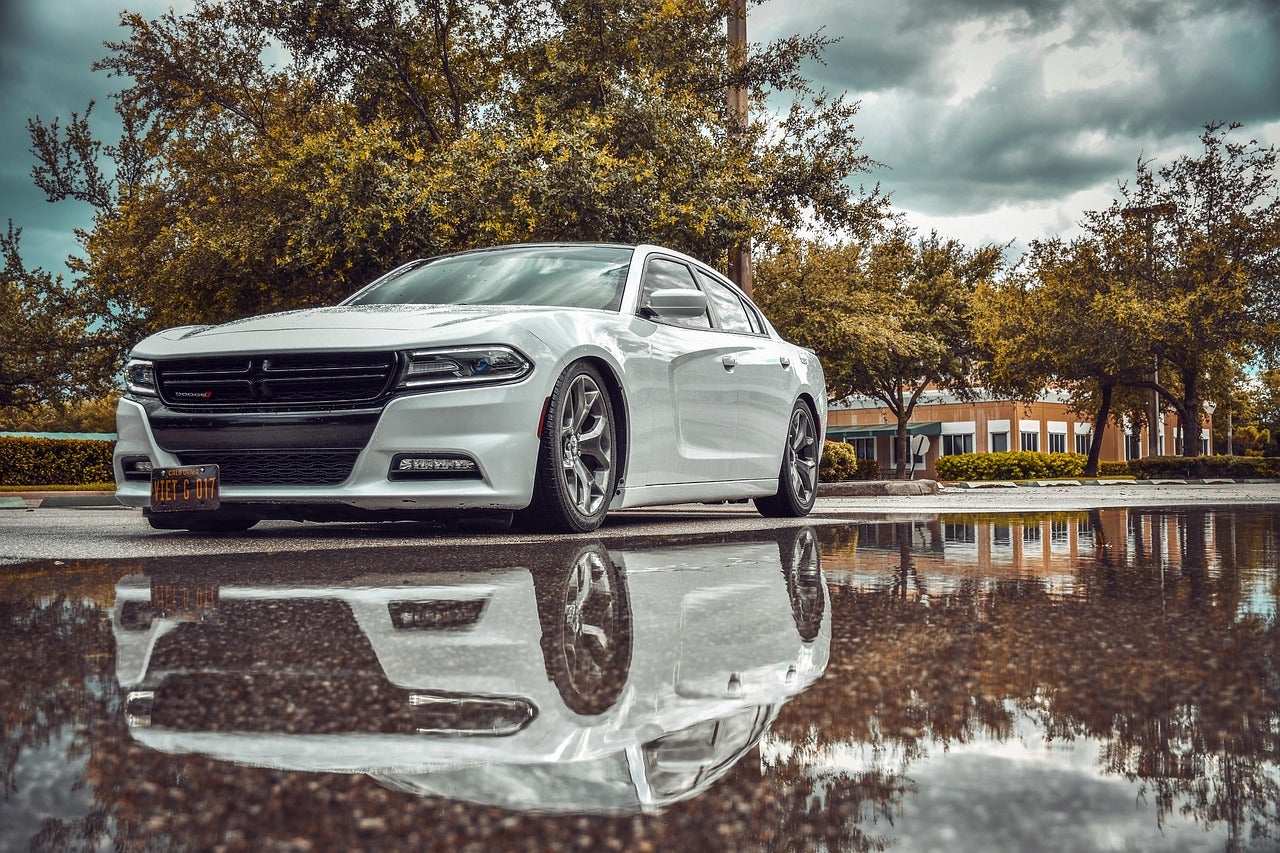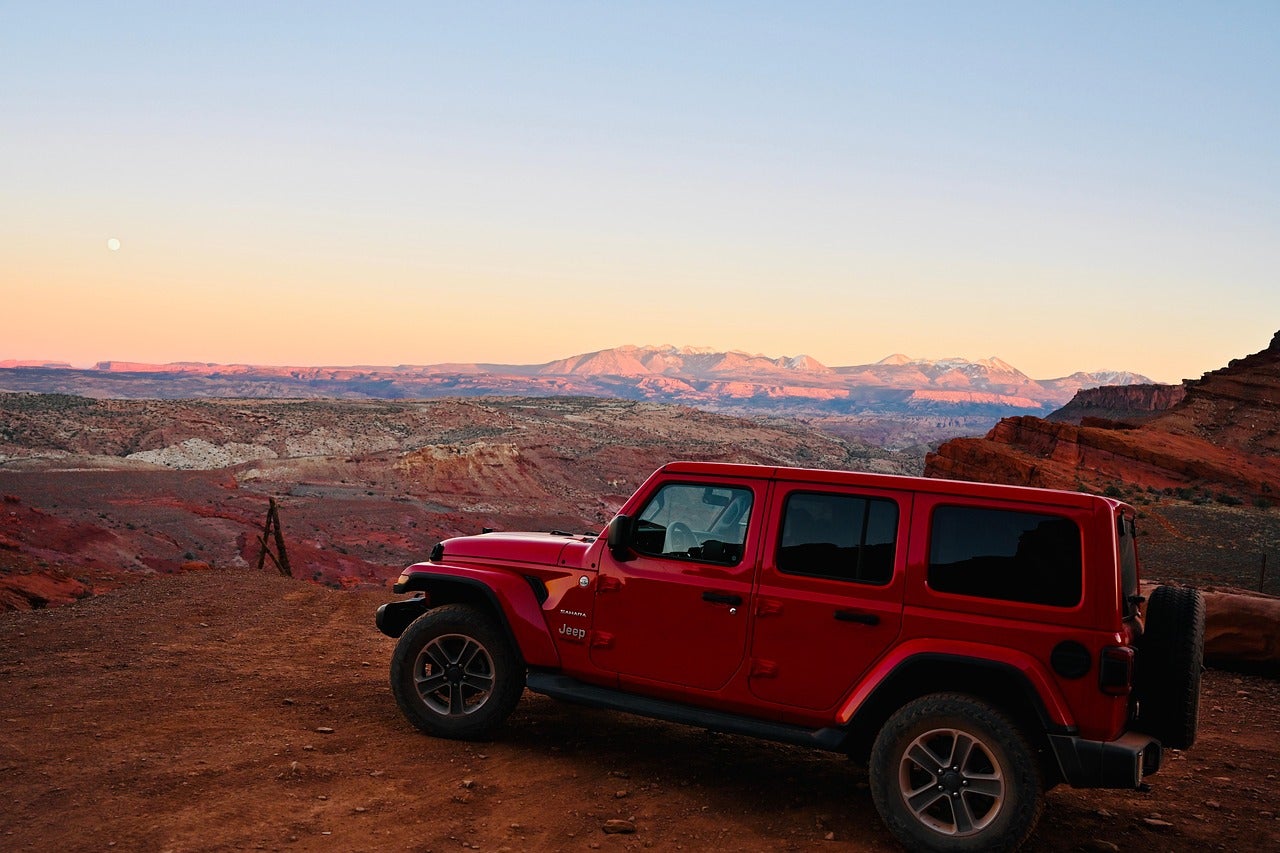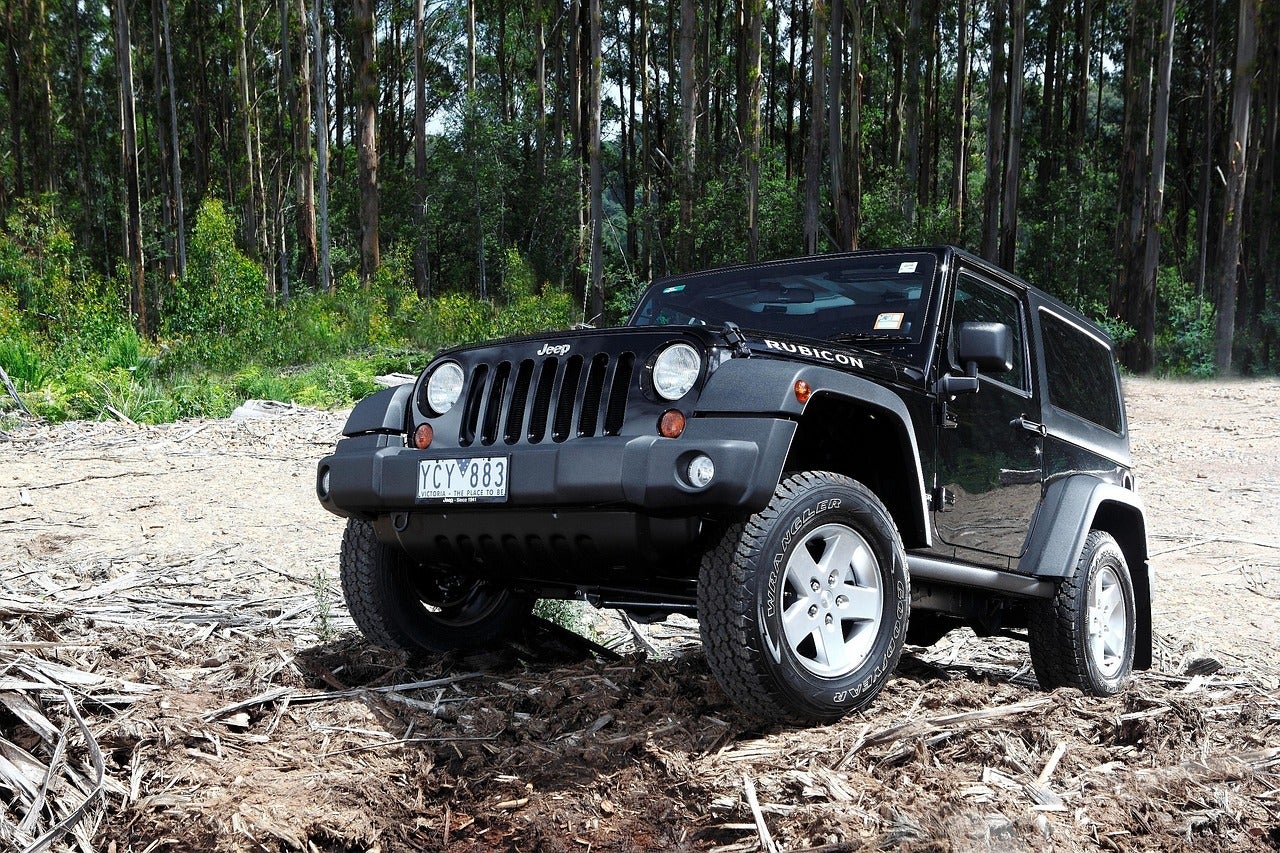




Town & Country Jeep Chrysler Dodge Ram

Blog

All Dodge Jeep RAM Chrysler Dealership Jeep Wrangler RAM Truck
Jeep Wrangler

Preventing Key Fob Malfunctions in Jeep Wrangler Unlimited

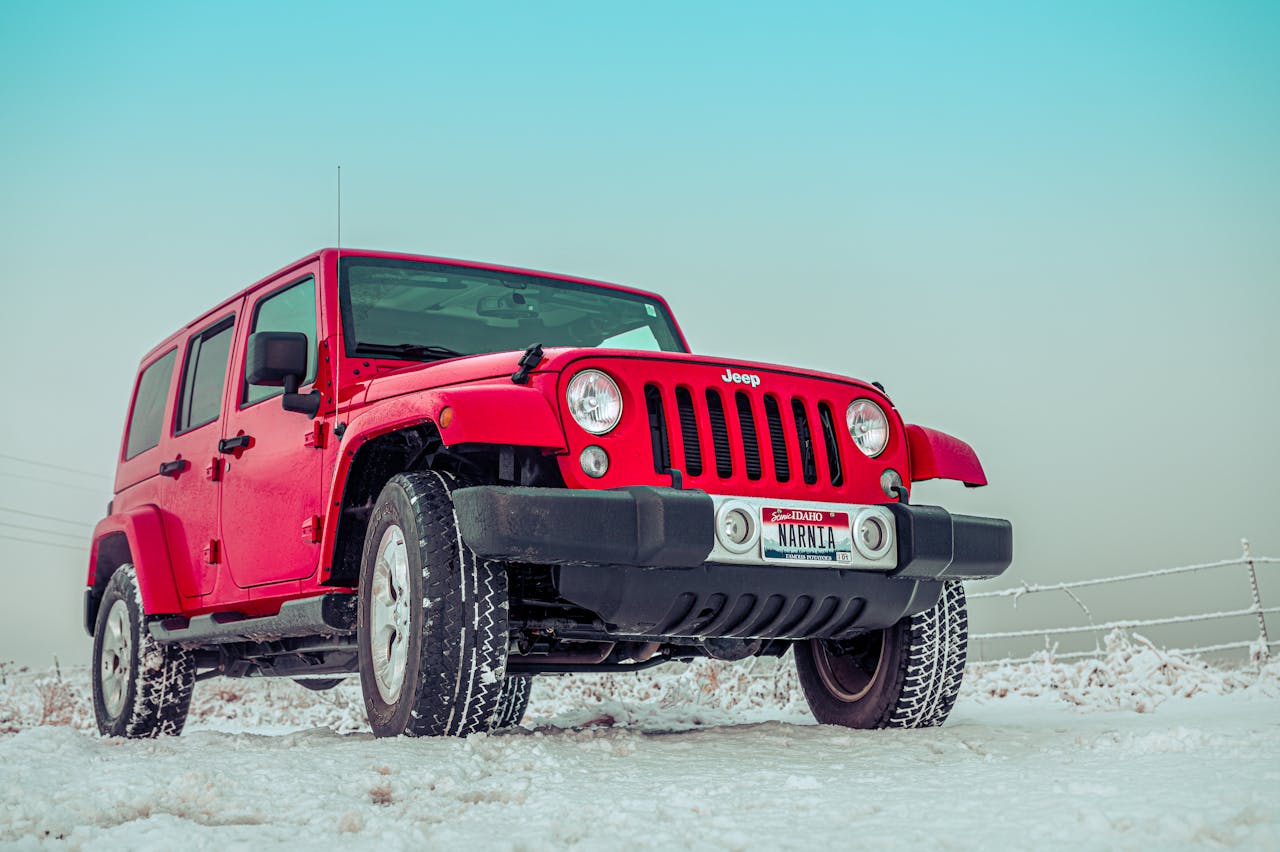
The Jeep Wrangler Unlimited is a favorite across Levittown for lots of reasons. It's known for holding up through tough weather and long drives, making it a strong choice for drivers who need something dependable in both summer traffic and snowy roads. Whether you're heading out to Eisenhower Park or just running errands on Hempstead Turnpike, people count on their Wrangler Unlimited to keep moving without hassle. As we head into late fall and inch closer to a cold Long Island winter, the last thing you want to deal with is a key fob that won't work. That small device might seem like a side note, but when it stops responding, it can throw off your whole day. Cold morning? You can't get the heater going. Running late for school drop-off or a store run? You're stuck fiddling around just to get into your Jeep. Preventing key fob issues now can save a lot of stress down the line, especially as the temperature keeps dropping. Common Causes Of Key Fob Malfunctions Key fobs are designed to be reliable, but like most things, they can stop working when something goes wrong. Heading into winter, a few specific issues tend to pop up more often with Jeep Wrangler Unlimited key fobs in Levittown. 1. Battery Issues Cold temperatures are rough on little batteries. That includes the one inside your key fob. As it gets colder, the battery may drain faster, even if it was working fine just days earlier. If your key fob doesn't respond right away or only works occasionally, the battery is one of the first places to check. 2. Physical Damage Throwing your keys on the counter. Tossing them into a bag with wet gloves. Dropping them on the driveway. These things add up. Over time, wear and tear or moisture inside the fob can lead to real problems. Small cracks in the casing can let in water from snow or rain, which messes with the electronics inside. 3. Signal Interference Sometimes your surroundings can mess with how your key fob talks to your vehicle. Other devices, metal shelves, or even another set of keys nearby might keep the signal from getting through the way it should. If you find yourself pressing the unlock button over and over with no response, you might be dealing with interference. Knowing what causes these issues can give you a head start in cutting them off before they get worse. That means fewer cold mornings stuck in the driveway trying to troubleshoot a problem that could've been prevented. Simple Prevention Tips Stopping problems before they start doesn't take much effort, especially when it comes to something as simple as a key fob. A few smart habits can help keep things running smoothly through the winter and beyond. Try the following: Regular Battery Checks: Pop open your key fob and check the battery early in the season. If it's been more than a year since the last change, swap it out now. Batteries can die quickly once the temperature drops, so it's better to be safe than sorry. Use a Protective Cover: Cases aren't just about looks. A simple rubber cover can help absorb drops and keep moisture out. If your keys spend time in coat pockets or are parked on wet surfaces, this quick step can make a difference. Avoid Storing Near Electronics: Keeping your fob near your phone on a table or stuffing it in a bag with other tech can weaken the signal. Try separating your key fob from metal items and electronic gear when possible to get the best performance. Little things like these go a long way toward keeping your Jeep Wrangler Unlimited key fob working like it should, especially when the weather in Levittown starts acting up. A few habits now can help avoid bigger headaches down the line. Troubleshooting Tips For a Non-Working Key Fob Even with good habits, key fobs can still act up. When your Jeep Wrangler Unlimited won't respond, there are a few things you can check before the problem gets worse. These steps are simple and don't require tools, but they can help point out whether you're dealing with something quick or a deeper issue that needs attention. 1. Try Resetting the Key Fob Some fobs may just need a reset to work properly again. This can happen after sitting unused or after a battery change. The process can vary depending on the year of your Jeep Wrangler Unlimited, but often it just involves pressing a specific button combination or reprogramming it using the vehicle's ignition system. If nothing happens after a reset attempt, it's time to move to the next step. 2. Use Manual Unlocking As a Backup Most Jeep keys still have a manual key blade tucked inside. If the buttons stop working, pull the emergency key from the fob and use it to get into the vehicle. It's a good workaround when you're stuck out in the cold, especially in Levittown's unpredictable late fall weather. This won't start the vehicle if the ignition uses a push button, but at least you'll have access to your interior. 3. Get the Key Fob Professionally Diagnosed If you've tried new batteries, worked around interference, and attempted a reset with no luck, it's time to bring it in. A damaged circuit board or broken transponder chip might not be obvious to the eye, but it can make the whole unit useless. It's better to catch those things early rather than risk complete key failure while you're out somewhere. Keep Your Winter Worries Away By taking a few extra minutes each season to check your key fob and build better habits, you can avoid those frustrating mornings when nothing works. A working key fob isn't just about connecting to your locks; it's also about peace of mind. You want to know you can get into your Jeep, start it up, and keep moving without having to second-guess if the fob will fail. A winter-ready Jeep Wrangler Unlimited doesn't stop with tires or heating systems. Overlooking something as small as a key fob could be the one thing that slows you down. As cold weather settles over Levittown, it makes sense to stay ahead of avoidable issues. Whether you're heading out on the expressway or just trying to defrost your windshield before work, a reliable key fob makes those dark, chilly mornings a little easier. Don't let key fob issues slow you down this winter with your Jeep Wrangler Unlimited in Levittown. Keep your adventures on track by ensuring your key fob is in top condition. At Town & Country Jeep Chrysler Dodge Ram, we're ready to assist with any fob troubles or checkups you need to keep moving smoothly, no matter what the weather throws your way. Schedule a service appointment today and drive confidently this winter season.
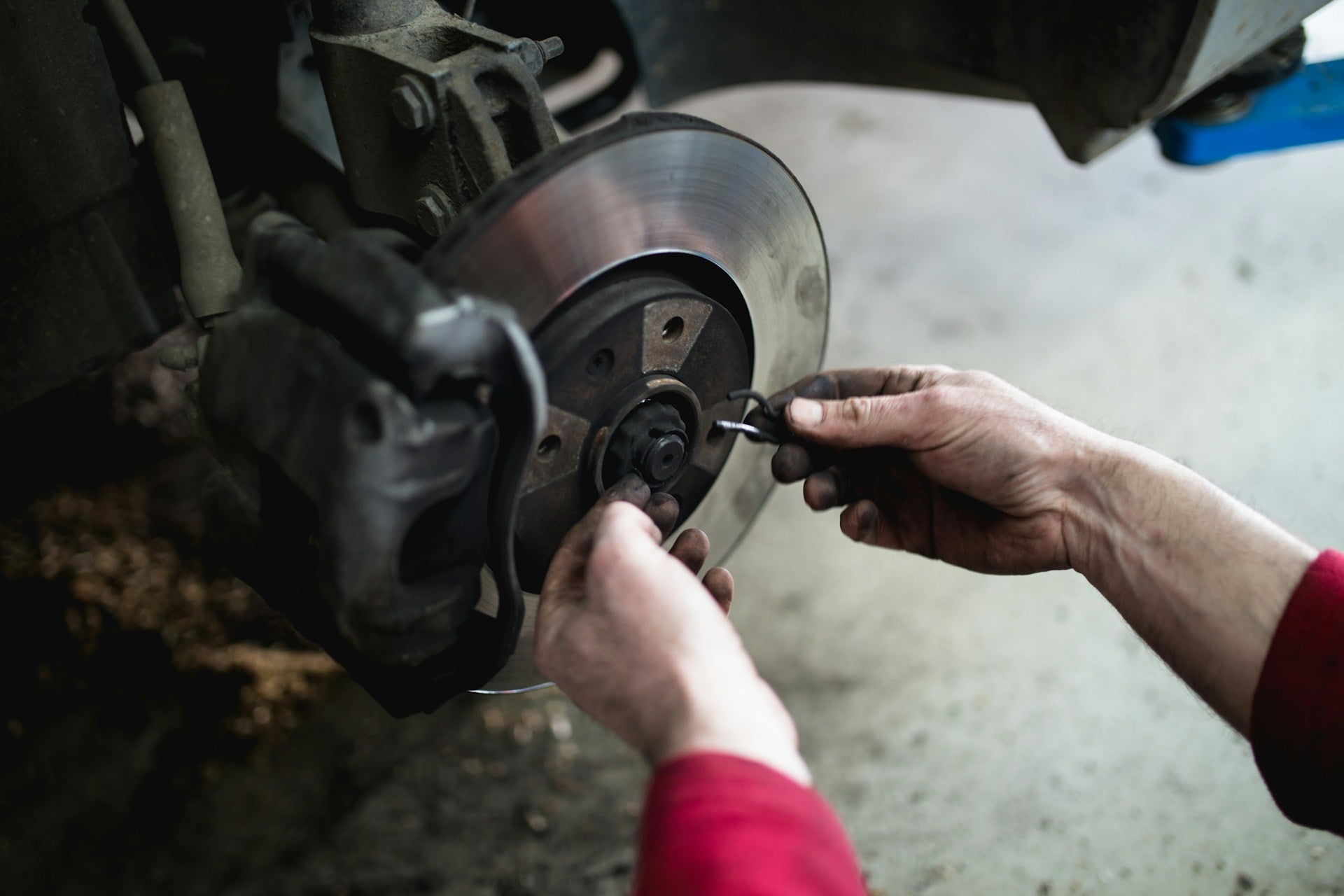
Brake

Solving Common Brake Problems in Dodge Cars

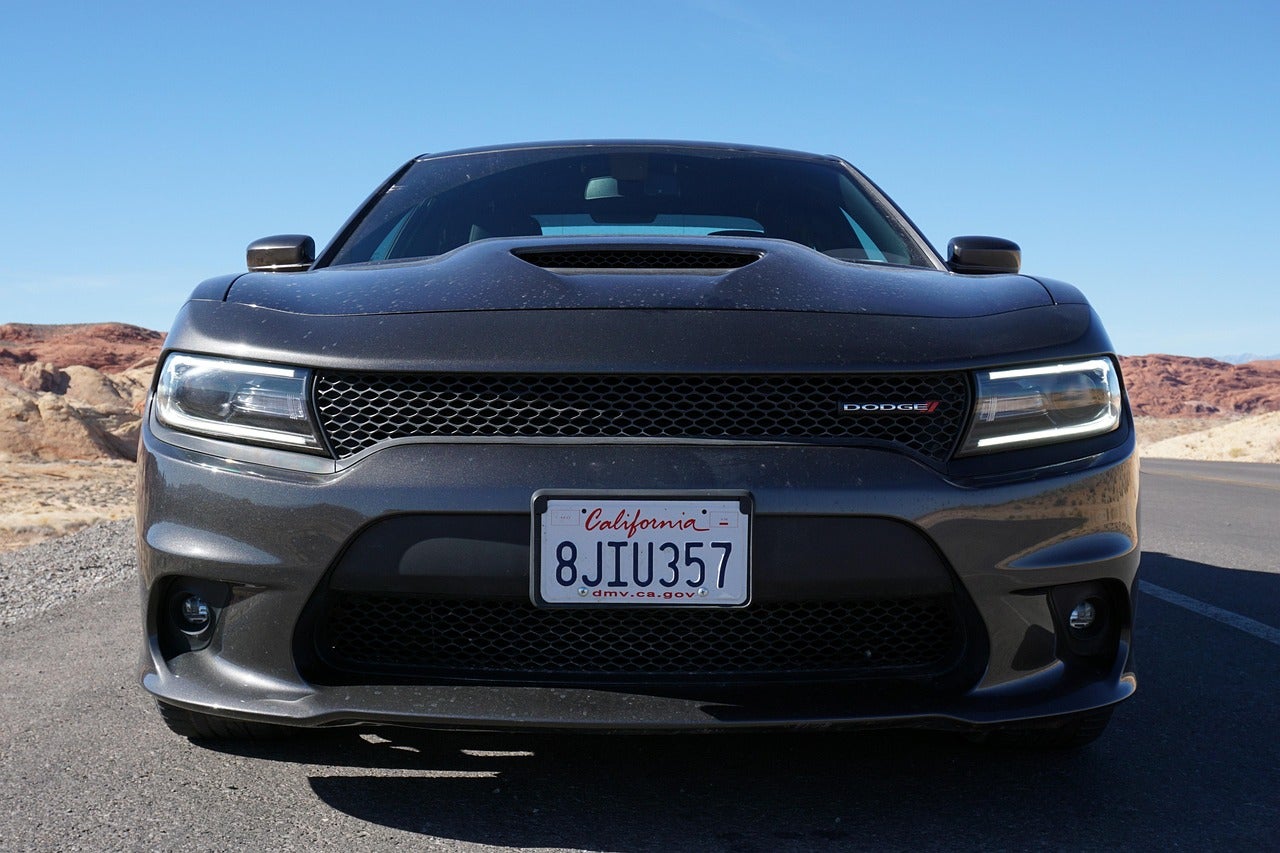
Brake issues can be a real headache for Dodge drivers, especially around places like Nassau County, where traffic stops and busy roadways are all part of daily life. Whether you're running errands in Levittown or heading out onto the Southern State Parkway, your brakes need to work smoothly every time you hit that pedal. Without a reliable braking system, even a short drive can feel risky. Most people don't think twice about their brakes until something starts to sound or feel off. Maybe you've noticed an odd squeak, or the car takes a little longer to stop. Those might seem like small problems now, but they could be a sign that something bigger is going on. Let's take a look at common brake problems Dodge owners face, and what they mean for your safety on the road. Identifying Brake Problems When your Dodge starts making strange noises or doesn't respond the way it should when you touch the brakes, that's your car trying to get your attention. Here are some of the usual signs that something's not quite right: Squeaking or squealing every time you hit the brakes Grinding noises that feel like metal rubbing on metal A brake pedal that vibrates or shudders under your foot Longer distances to come to a complete stop A sharp pull to one side when braking A soft or mushy pedal that goes down too far These aren't just sounds or weird feelings, they're warnings. For example, grinding might mean your brake pads are worn down to the base, which can damage your rotors. A vibrating pedal could point to warped rotors. Either way, ignoring those signs puts you at risk, especially when you're driving through tight spaces or stop-and-go traffic in Nassau County. If your car is pulling to one side when braking, that could mean something simple like uneven pad wear, but it could also be a caliper sticking, which changes how your brakes work. Don't treat any of these symptoms as no big deal. They all mean something's off, and that delay in fixing them can cost you down the road. Causes Of Brake Issues In Dodge Vehicles Brake problems usually don't happen overnight. They can build up over time from everyday use, wear, and sometimes rough driving. In areas like Nassau County, where you get a mix of tight neighborhoods and open speeds on the parkway, brake wear can creep up faster than expected. Here are a few of the most common causes behind brake issues: 1. Worn Brake Pads: Probably the most common issue. Pads press against the rotors to slow your car down. When they wear too thin, they can't do their job properly. 2. Rotor Damage: Warped or cracked rotors can happen after constant hard braking or if pads are too worn. Once rotors get damaged, you may feel uneven braking or pulsing through the pedal. 3. Brake Fluid Leaks: Brake systems use hydraulic pressure. If fluid leaks, that pressure drops, and that makes stopping much harder. 4. Sticky Calipers: A caliper that doesn't move the way it should can cause uneven wear or poor response when braking. Driving patterns also play a big role. If you're constantly hitting the brakes hard in stop-and-go traffic or doing a lot of short trips around Levittown, your brakes may wear faster. Salt and moisture during a Long Island winter can also cause corrosion in brake components, especially if the undercarriage isn't regularly cleaned. Brake parts are tough, but they're not made to last forever without attention. Catching these problems early keeps you safer and can make repairs less of a hassle. Professional Brake Diagnosis in Nassau County Knowing something's off with your brakes is one thing. Figuring out exactly what's wrong is another. That's where a proper brake inspection comes in. A basic once-over won't always catch deeper issues, especially on Dodge vehicles that rely heavily on electronic systems and balanced performance. It takes trained eyes and the right tools to get to the root of the problem. A comprehensive brake check usually starts with the technician checking pad thickness, rotor condition, brake fluid levels, and any signs of leakage. They'll also test how evenly your brakes respond at each wheel. If your brake warning light turned on, pulling the error codes gives even more detail. Sometimes, a system reset is even needed after replacing certain components. There's no guessing involved. It's all about reviewing how the entire brake system is working together. Example: If you're hearing that dreaded grinding noise every time you slow down near Hempstead Turnpike or while parking at the mall in East Meadow, get it looked at fast. That sound often means the pads are beyond worn, and you risk damaging the rotors. If those go, you're dealing with a bigger, pricier job. That's the difference between a quick pad change and a full rotor replacement. Solutions And Tips For Long-Term Brake Health Once you've had the issue diagnosed, the actual fix depends on what the technician found. Here's a look at common repairs and why they matter: Pad Replacement: Your pads wear down every time you stop. Once thin, they lose strength and eventually won't protect your rotors. Rotor Resurfacing or Replacement: If rotors warp or develop grooves, they keep the brakes from gripping evenly. That causes vibration and longer stop times. Brake Fluid Top-Off or Flush: Old fluid or low levels affect pressure. Fresh brake fluid makes sure the brake pedal feels solid and performs as expected. Caliper Service: Whether it's cleaning, lubricating, or replacing calipers, this is needed if braking feels uneven or one wheel wears faster than the others. Brake Hose or Line Repairs: Any cracks or leaks in the line reduce pressure, and that makes braking risky and unpredictable. Preventive care goes a long way for Dodge drivers around Nassau County. Try to avoid riding your brakes too often, especially in traffic-heavy areas like Hicksville or near the schools in Levittown. That steady braking adds heat and eats through pads faster. Give space between you and the car ahead so you can brake smoothly. And rinse off the underbody after snowy or slushy drives to wash away road salt and slow down corrosion. Finding Reliable Brake Service Near You Being able to rely on a good brake system isn't just about peace of mind. It's about being prepared for anything, sharp turns, tight city blocks, or deer suddenly stepping into the road out by Roosevelt Field. If something doesn't feel right with your brakes, even during a short ride, it's smart to get things properly checked before the problem grows. Local weather and driving routines in Nassau County also make regular brake inspections worth keeping on your calendar. With months of damp air, salty roads, and stop-heavy commuting, it doesn't take much for brake components to wear down or rust. The sooner you catch it, the easier it is to fix. Staying Safely On The Roads Of Nassau County Staying on top of your Dodge's brake system doesn't have to be complicated. The signs usually start small, an odd squeal, a slight pull, or a soft pedal, and those little clues are how your vehicle tells you it needs help. Ignoring them can mean more than just an expensive repair. It affects your safety and everyone else around you on the roads. Taking action at the first sign of trouble helps keep your Dodge running dependably through the traffic, curves, and weather changes that Long Island serves up throughout the year. With proper care, quick check-ups, and local attention to how conditions affect your brakes, your car stays ready for whatever the road throws its way. If you want confident stopping power every time you hit the road, it’s worth understanding how Dodge safety features in Nassau County work alongside expert brake care. Schedule a professional brake inspection with Town & Country Jeep Chrysler Dodge Ram to keep your vehicle running safely and smoothly, no matter where your day takes you. Our experienced technicians are ready to help ensure your Dodge remains reliable throughout all your driving adventures.

Ram

Why Choose Ram for Your Next Commercial Vehicle

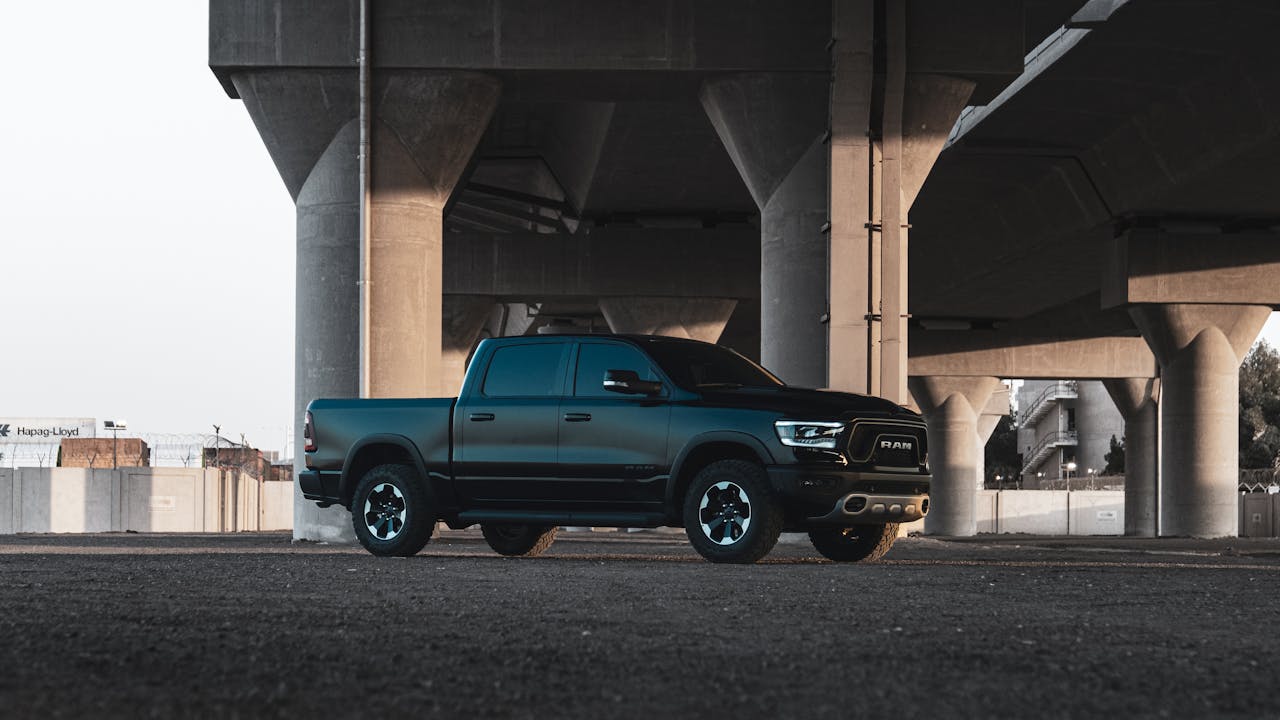
When you're running a business in Levittown, choosing the right commercial vehicle can save you time, money, and plenty of frustration over time. Whether you own a landscaping company, manage a delivery service, or move tools and materials across Nassau County, your truck is more than just transportation. It's an everyday tool that affects your schedule, your budget, and your team's ability to get work done. Ram trucks are known for their toughness and dependability, especially when used across job-focused industries. They're built with durability in mind, created for those who count on their vehicle to show up ready every day. If you're considering a new commercial vehicle, take a closer look at why Ram continues to be a go-to brand for businesses right here in Levittown. Durability and Performance of Ram Commercial Vehicles A work truck isn't just something you drive from one spot to the next. It's how you get your gear to the job. It's what hauls your trailer or moves your equipment. That means your vehicle needs to be strong enough to take daily abuse without falling apart when you need it most. Ram commercial trucks are built to handle heavier jobs and lasting wear. Whether it's stop-and-go traffic on Hempstead Turnpike, or tight jobsite turns, these trucks are built with a solid frame and rugged drive systems. That makes them reliable over months and years. When your job calls for hauling stone, stacking materials, or powering through dirt lots, the toughness of your truck makes a real difference. A solid build means less structural wear even on rough or torn-up roads. Strong towing strength lets you haul heavy trailers or move tools easily. Higher payload ratings allow more cargo per trip, saving fuel and work hours. One local contractor talked about using his Ram pickup daily through fall, moving gear across uneven terrain and narrow driveways. It handled the job smoothly without needing constant fixes. That kind of consistency leads to fewer repairs and less downtime, especially when cold weather adds stress to your vehicle's systems. As freezing mornings and snowy roads hit Long Island, that kind of sturdiness becomes even more noticeable. Ram trucks also deliver power without excessive strain on their engines. They're designed to pull serious weight while maintaining control and efficiency. That balance is a key reason many business owners prefer sticking with Ram over the long term. Cost-Effective Solutions The sticker price might grab attention, but smart owners look at the full cost of owning a vehicle. Over several seasons, fuel use, service calls, and lost driving days can hit your budget harder than expected. Choosing a Ram can ease some of those headaches. Ram trucks are engineered for efficiency. You'll still get plenty of power, but your fuel won't vanish before lunch. That makes a difference in towns like Levittown, where jobs are often spread across the county. And when your truck needs service, Ram parts tend to be easier to source and more affordable than some other brands. One standout tool is the Ram build and price option available for Levittown businesses. It puts you in control of the truck-building process, with better clarity about total costs and configurations. Here's how it helps you stay organized: Breaks down price based on your specific job needs, like towing or cargo space. Filters out extra features you won't use so your build is focused and lean. Gives you a stronger budgeting picture upfront, before committing to anything. That kind of planning helps around year-end, when many businesses review their finances and prep for spring or tax season. Being able to build a commercial truck that fits your exact goals without back-and-forth confusion allows you to move faster and stick to your plan. Especially in Levittown, those details can add up as winter slows down everyday operations. Customization Options That Fit Your Business Needs No workday is exactly the same. And no business has identical needs. That's where Ram commercial vehicles shine, offering custom setups that let you choose what fits your job best. Whether you're loading and unloading tools or packaging orders for delivery, the right configuration saves time and effort. When you're building your truck, small decisions can lead to huge time savings later. Things like storage access, interior space, or tie-down locations are more about function than style. Your crews feel the difference when they can load up faster and find gear without scrambling in tight spaces. Here are a few ways Ram lets you build smarter: Choose the right cab size depending on how many ride along or how much interior space you need. Select bed styles for hauling larger items, business gear, or extra bins. Add tool racks, dividers, or cargo bars to keep everything steady while driving. Pick a 4x4 if you work rough areas or icy parking lots where extra traction helps. Winter in Nassau County can bring snow, potholes, and early sunsets, which often make jobs tougher. Having a vehicle organized for your daily flow means quicker turnarounds and less wasted motion. Whether you're finishing up outdoor jobs or working through deliveries, the right Ram build gives you a smoother path from site to site. Reliable Support and Service in Levittown Once you've got your truck working day in and day out, having nearby support makes all the difference. No matter what brand of vehicle you own, something will eventually need repair. Having local service in Levittown that understands Ram trucks means you'll spend less time waiting and more time getting things done. One of the perks of owning a widely used commercial vehicle like Ram is that help is never far. Local shops are more familiar with the ins and outs of Ram builds, which means issues are spotted and fixed faster than with less common vehicles. That cutting downtime lets you keep jobs moving even during your busiest stretches. The parts network for Ram in Levittown is solid, too, so repairs don't turn into week-long delays while waiting on availability. Whether you're replacing tires stressed from ice and salt, or checking a battery that struggles through low temps, knowing there's service right around the corner boosts your confidence with each season. It also helps when you already have a go-to shop lined up. Routine inspections, warranty questions, and minor repairs, business owners get peace of mind when the answers are nearby instead of across the island. That speed and convenience keep your schedules tight and reduce the risk of piling up missed job opportunities. Rolling Into the Next Season With Ram If you've been thinking about what your team needs to stay productive into the new year, Ram trucks give you a lot to work with. Their builds are tough enough to face long days, changing weather, and rough roads, all without forcing you to overspend or waste time. Commercial use often means the vehicle does more than one job. From towing and hauling to just carrying people and tools across Levittown and Nassau County, your truck needs every part to show up ready. Ram delivers that kind of reliability day after day. Ram trucks make it easy to build a solution that's focused, affordable, and meant to last. They hold value as work tools, not just as vehicles. Especially going into colder months when jobs can get backed up and the work gets tougher, your vehicle should keep up without question. That's the kind of solid footing you want to start a new season on. For Levittown business owners, getting ahead of vehicle needs now can save stress down the road. Ram gives you that strong mix of durability and flexibility to plan smarter and stay ready. When consistency matters most, a Ram truck is the kind of partner that helps you get where you need to go, no questions asked. Take your business to the next level with the reliability of Ram commercial vehicles in Levittown. At Town & Country Jeep Chrysler Dodge Ram, we offer the perfect blend of power and customization to ensure that your truck meets your unique business demands. Enjoy the peace of mind that comes with durable Ram builds, helping you tackle daily challenges without breaking the bank. Start customizing today and see how a Ram can make your work easier and more efficient across all seasons.

Dodge

Benefits of Shopping Dodge Used Inventory for Winter Vehicles

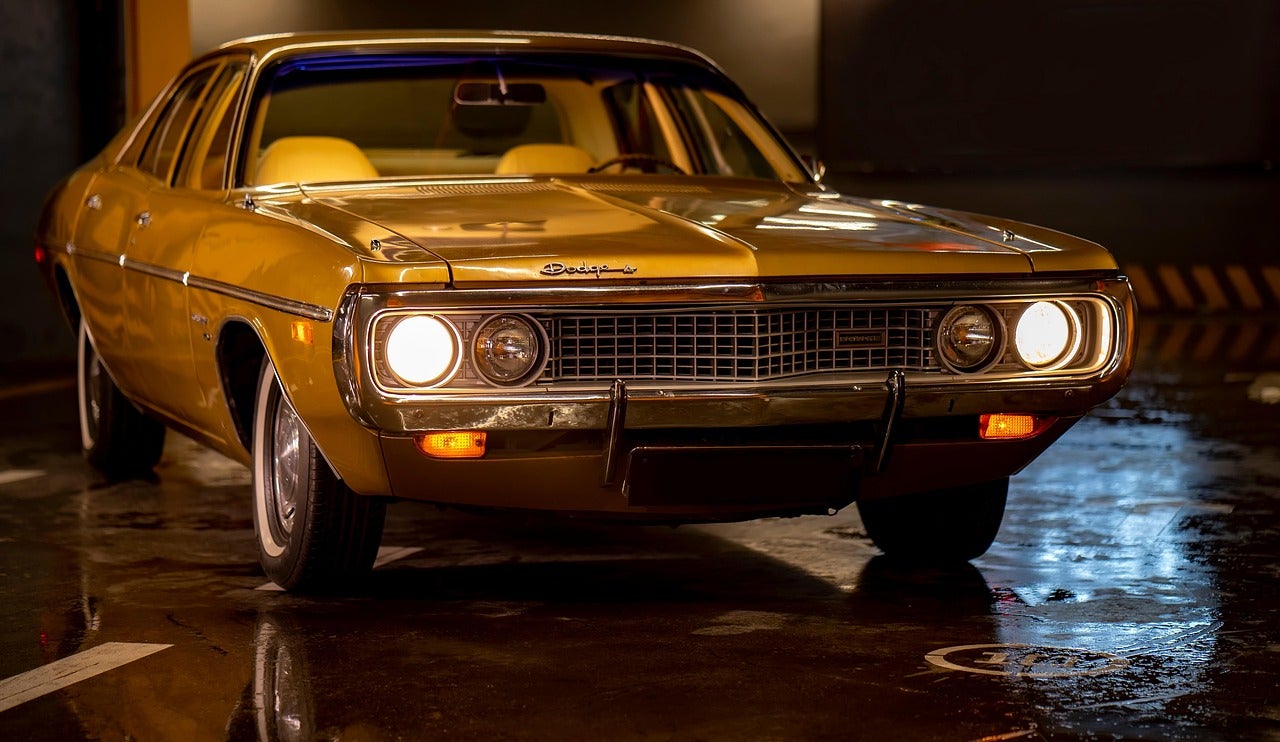
Winters in Nassau County can get ugly fast. What starts off as a brisk morning can turn into a slick, slippery mess by mid-afternoon. When that happens, having the right vehicle isn't just helpful — it's necessary. Shopping for a Dodge used vehicle ahead of the season is one way to make sure you're ready for whatever the roads throw your way. Dodge models are built tough, and that durability comes in handy when cold weather hits hard. Used vehicles might not be the first thing that comes to mind when thinking about winter safety, but it actually makes a lot of sense. Not only do you skip the steep price tag of a brand-new ride, but you also get something that's already road-tested for the conditions you're about to face. For people driving around places like Levittown, East Meadow, or Garden City during the colder months, it's hard to put a price on peace of mind. If you're looking for a smart, reliable ride that keeps up with Long Island winters, the Dodge used inventory in Nassau County deserves a closer look. Advantages Of Dodge Used Inventory For Winter Dodge used vehicles offer a mix of value and confidence that fits winter life in Nassau County. Vehicles get tested against icy streets, heavy snow, and morning frost. The great news? Dodge used inventory can rise to meet those challenges without draining your savings. Here's what makes Dodge used inventory such a smart choice for winter conditions: Lower Cost, Higher Value: One of the biggest perks of shopping used is the price. You avoid the steep drop in value that hits new vehicles the moment they leave the lot. That means you get more car for your budget, especially useful when prepping for high-maintenance winter driving. Proven Durability: Dodge vehicles have built a strong reputation for standing up to tough conditions. When you buy used, you're often looking at a car or SUV that's already handled cold starts, slushy streets, and long commutes in Northeast conditions. Plenty of Options: Dodge's lineup offers a wide range of vehicles that are dependable and winter-capable. Whether you need something more compact for tight city driving or a roomier vehicle for longer travel, used inventory gives you access to solid picks without paying new-car premiums. These vehicles are built with colder months in mind. And since the options tend to be more varied at the used level, you get more flexibility to find something that matches your needs and driving habits. Performance In Winter Conditions When the roads get covered in snow or freeze over, you're going to want a vehicle that can handle unexpected situations. Dodge used inventory is often stocked with choices that come equipped with drive options that can keep you moving, even when things get tricky. Features like all-wheel drive or 4x4 systems aren't just useful features—they're practically necessities in winter driving across Long Island. They help with: Better grip when snow or ice builds up on the road Improved acceleration on slick surfaces More control when turning corners or crossing over plow lines Even braking and reduced risk of sliding And let's not forget about balance and weight distribution, which make a big difference when traction is limited. The way Dodge vehicles are built gives drivers a more grounded feel, especially when dealing with uneven streets or hills after a storm. For example, imagine you're driving home from work in Mineola after a snowstorm. The main roads are plowed but side streets are still a mess. With the handling that many Dodge vehicles provide, you're more likely to stay in control, even while maneuvering around parked cars and snow piles. That kind of confidence is hard to beat during a Long Island winter. Maintenance And Preparedness Once you've picked out the right Dodge used vehicle, the next step is making sure it's truly ready to face New York winters. Even the most capable vehicle needs regular upkeep when snow, salt, and freezing temps are part of the daily forecast. Start with a full inspection before winter driving kicks into high gear. A lot of issues, like a weakened battery or worn brake pads, aren't easy to notice until the weather takes a turn. It's way better to catch those problems early than to deal with a breakdown when roads are frozen or slushy. Also, tires need checking for both tread depth and air pressure. Cold air causes tire pressure to drop, and driving on underinflated tires can affect traction and fuel economy. Besides inspections, there are a few more simple but smart ways to prepare a Dodge used vehicle for cold weather: Swap to winter tires if your area sees regular snow and ice. They grip better in freezing temps than all-seasons Make sure the battery is strong enough for cold starts. Older batteries tend to fail more often in low temps Top off all fluids, especially antifreeze and windshield washer fluid. Use freeze-resistant washer fluid to avoid frozen spray nozzles Inspect wiper blades. If they leave streaks or chatter, replace them Keep a small safety kit in the trunk with a blanket, phone charger, flashlight, and ice scraper Taking care of these small details can make a big difference later in the season. A little prep early on can prevent you from getting stuck or stranded during harsh conditions. And if you're unsure what might need attention, let a mechanic go over everything before winter ramps up. Local Driving Challenges In Nassau County Winter on Long Island doesn't look the same every year, and Nassau County drivers know that better than most. Some days, it's just slush and sleet. Other times, it feels like a snowstorm came out of nowhere and didn't get the memo to stop. Driving across busy roads like Hempstead Turnpike or Merrick Road in these conditions can test even the most patient driver. Owning a Dodge used vehicle built for winter can make those daily challenges easier to manage. Piled-up snowbanks on neighborhood streets, unexpected black ice at stop signs, or tight turns through residential backroads—these are the kind of situations where control and reliability become more than helpful. They're necessary. Long commutes also factor in here. Whether you're getting to work in Hicksville or heading to family in Oceanside, you're likely spending time on highways like the Southern State Parkway. When snow builds up or the plows haven't made it through yet, it pays to be in a vehicle that's ready to hold its ground through slippery patches and tough visibility. Nassau County also deals with the freeze-thaw cycle, where wet roads refreeze overnight. That bump in temperature during the day, followed by a rapid drop at night, leads to black ice forming on roads that looked clear just hours earlier. Vehicles that handle well and have good traction are far more forgiving in those moments. Drive Through Winter With More Peace of Mind Driving through a Long Island winter doesn't have to be stressful. The right Dodge used inventory can offer solid performance, control, and the kind of driving comfort that makes cold months a little less frustrating. When sleet turns to snow or a cold snap hits unexpectedly, being behind the wheel of a vehicle that's already proven it can take on winter gives you a real edge. Winter-ready Dodge vehicles help you stay in control during those quick temperature drops, surprise morning snowfalls, and slippery corners that catch other drivers off guard. For drivers across Nassau County, that means fewer worries and more confidence every time you leave the driveway—whether you're heading into town or making a longer trip. Finding a used vehicle that can handle all of that, and still give you good value, is just smart planning. When colder months arrive, having already made that decision can save you effort, money, and stress down the line. Getting ahead of the season is the key. Whether it's your first winter on the island or your twentieth, the road always feels easier when your ride is ready. Prepare for the winter season with a reliable vehicle from the Dodge used inventory in Nassau County at Town & Country Jeep Chrysler Dodge Ram. Whether you're navigating icy roads or dealing with sudden snowfalls, these vehicles provide the durability and control you need. Explore our selection and find the perfect Dodge to ensure safe and confident driving all winter long.

Jeep

How to Keep Your Jeep Parts in Top Condition During Winter

When winter rolls into Levittown and the rest of Nassau County, road salt, snow, and freezing temps start taking a toll on every vehicle, especially Jeeps. From corrosion to battery trouble, cold weather doesn't seem to care how well your vehicle ran back in September. If you're depending on your Jeep to get through snowy backroads, slushy commutes, or just your daily routine, keeping its parts in good shape should be at the top of your list. Winter doesn't just sneak up on the roads. It works its way into the small corners of your Jeep too, from wheel wells to under the hood. Cold weather can cause fluids to thicken, rubber parts to harden, and metal components to wear out faster. Ignoring early warning signs might leave you stuck in the driveway when it's twenty degrees outside and you're already late. With that in mind, here's how to give your Jeep the kind of support it needs to handle winter comfortably across Long Island. Regular Checks and Maintenance to Stay Ahead Cold temperatures change the way vehicle parts behave. Batteries lose power faster. Wipers struggle with heavy slush. Tires fight for grip on icy roads. That's why giving your Jeep regular checks, especially before and during the first few waves of winter, can help you avoid unpleasant surprises. Here are some parts that need your attention during winter: Tires: Check the tread depth and air pressure often. Cold air lowers tire pressure quickly, which affects grip and handling. Even if you have off-road tires, too little air pressure cuts performance and makes driving riskier. Battery: Freezing temperatures are hard on batteries. If yours is near the end of its life, it may struggle to start your Jeep on cold mornings. Look for slow cranking, dim lights, or corrosion around the terminals. Windshield Wipers and Washer Fluid: Snow, ice, and sand on the roads mean your windshield gets hit fast. Make sure your wiper blades are in good condition and that your washer fluid is rated for freezing conditions. Lights: Since the days are shorter, headlights and taillights are on more often. Clean off any dirt or salt buildup and replace burned-out bulbs right away to stay visible and safe. A simple routine like checking these areas once a week can help stop small problems from turning into bigger ones. For instance, a Jeep owner from Nassau County noticed handling felt strange after a snowstorm. After a quick inspection, it turned out one tire had lost significant air pressure overnight. A fast refill fixed it, but if ignored, that uneven pressure could have led to longer-term tire damage. If you're unsure where to begin or feel something's off, bring your Jeep in for seasonal service. A trained technician can spot things like worn brake pads or suspension issues that aren't immediately visible. Protecting Your Jeep's Exterior and Underbody It's not just what's under the hood that suffers in cold weather. Salted roads and icy conditions can do serious damage to your Jeep's body, especially in areas like Nassau County where snow plows and salt trucks are active all season long. Protecting the exterior and underbody is key to avoiding rust and costly repairs. Here are a few steps you can take: Wash your Jeep frequently during winter, especially after snow or ice. Focus on fenders, wheel wells, and lower panels where road gunk builds up quickly. Apply a quality wax or sealant before winter starts. This creates a barrier that makes it harder for grime and salt to stick to your paint. Install mud flaps or splash guards. They help limit how much slush and salt spray hits your vehicle's sides. Regularly rinse and clean the underbody. Rust often begins underneath where you don't usually look. A wash every couple of weeks can slow the process, especially after storms. If garage space isn't available, use a full vehicle cover during heavy snowfall. It adds one more layer between your Jeep and the elements. Rust on the underbody can sneak up fast, impacting brake lines, the exhaust system, or even parts of the frame. By keeping up with these preventative practices, your Jeep stays looking better and stays safer to drive through the rest of the season. Engine and Fluid Care During Freezing Weather One of the quickest ways to run into trouble during winter is neglecting your fluids and engine care. As temperatures fall across Nassau County, the fluids inside your Jeep can thicken or lose effectiveness. With some simple checks and updates, you can keep everything running smoothly. Start with your antifreeze. If the level is too low or the mixture isn't right for cold temps, your engine can quickly overheat or freeze up. Make sure the coolant is clean and topped off. If it looks rusty or cloudy, it's probably time for a change. Next, look at your oil. In winter, you may need a lighter, winter-grade oil that flows more easily when the engine is cold. Thicker oil can make it harder to start your Jeep or keep it running properly. If you haven't had your oil changed in a while, now is the time. Balance doesn't stop there. Transmission, brake, and power steering fluids all react differently in colder weather. If they've gotten low or dirty, you might notice sluggish response during braking or turning. That's not something you want to find out while trying to stop on a snow-covered street. Lastly, check your HVAC system. Warm air is more than a comfort—it's a necessity for visibility and safety. Weak airflow or slow warm-up can point to deeper issues that should be diagnosed before a deep freeze sets in. Seasonal fluid maintenance may sound basic, but it has a huge impact on how dependable your Jeep stays when the temperature dips. Professional Winter Support in Nassau County Even if you're on top of basic care, winter can push vehicle parts harder than you expect. That's why it's a smart move to schedule a professional inspection at the beginning of cold weather. At Town & Country Jeep Chrysler Dodge Ram, we offer complete winter services that catch small issues early and help your Jeep perform at its best. In Nassau County, roads aren't just covered in snow. They're layered with ice melt, sand, and slush that get into difficult spots like suspension mounts, seals, or brake lines. If ignored too long, those traces can cause lingering wear. Our experienced technicians perform thorough checks that include: Battery stress tests to make sure cold starts won't be a problem HVAC inspections for proper cabin heating and windshield defrosting Detailed brake checks to ensure dependable stops in slick conditions Suspension and drivetrain reviews for any unusual noises or hesitation Undercarriage rust assessments to catch problems before they spread One customer came by after noticing a small oil patch under their Jeep. A quick look revealed a stiffened gasket that would've leaked steadily through winter. Fixing that during a seasonal service visit helped them avoid bigger engine wear later on. Getting expert support doesn't just solve problems—it helps spot them before they slow you down. A visit to our team this season means fewer surprises and a Jeep that's prepped to take on every mile. Keeping Your Jeep Ready All Season Long Cold doesn't take it easy on your Jeep, but with steady maintenance and preventive care, you'll be ready for anything winter throws your way. This season's road salt, sudden freezes, and snow-packed commutes don't have to slow you down, especially when your fluids are fresh, your parts are clean, and your systems are professionally inspected. Remember to check the basics weekly, act on warning signs, and stay ahead with seasonal service appointments. Whether you're trekking along snow-covered backroads or just tackling errands around Levittown and the rest of Nassau County, a Jeep that's cared for gives back with reliability, safety, and comfort. Treat your Jeep with winter-smart habits now, and you'll notice the difference every time you turn the key. Smarter starts, a warmer cabin, and steady braking all add up to a better drive through every icy morning and snow-filled night. Ensure your Jeep is ready to face the challenges of winter by paying attention to essential components that keep it running smoothly all season long. Whether you're navigating snowy backroads or tackling daily errands around Nassau County, maintaining your Jeep parts in Nassau County is crucial. Discover expert care and services at Town & Country Jeep Chrysler Dodge Ram to keep your vehicle in top condition and performing at its best. Enjoy a reliable drive the whole winter through.

Dodge

When Your Dodge Audio System Fails and How to Fix It

A working audio system in your Dodge isn't just about music. It's how you get important traffic updates, weather conditions, navigation cues, and even phone calls. Whether you're headed to work or running errands around Long Island, having your car's sound system go silent can be more than just an inconvenience. When the audio doesn't work the way it should, it can throw off an entire daily routine. Audio failures in Dodge cars pop up for different reasons. Some drivers deal with constant volume drops, while others report speakers playing static or not working at all. These issues are known to show up more in older models, but even newer ones can experience them. If you've had to turn the volume way up just to hear anything or noticed your radio cutting in and out, you're not imagining things. These are all signs something might be wrong behind the dashboard. Common Reasons For Dodge Audio System Failures Long Island weather takes its toll on vehicles, and your Dodge audio system isn't immune. Cold, salt-heavy air in the fall and winter can work its way into tiny spaces and corrode wiring or loosen connections. On top of that, daily wear from driving adds more stress over time. Below are some of the most common issues behind Dodge audio system failures. Blown fuses: Things like jump-starts or powering devices can create a power surge, which blows fuses responsible for the radio system. Faulty wiring: Loose or frayed wires can interrupt the audio signal. This could result from earlier repairs, rodent damage, or years of vibration. Software glitches: Modern infotainment systems rely on updates. Sometimes, an update goes wrong and causes Bluetooth or other functions to freeze. Faulty amp or speakers: If only some speakers work or if you hear crackling, the amplifier or individual speaker may be the issue. Corrosion from moisture: Rain and snow are common across Long Island. Moisture inside the car's door panels or dashboard can rust parts or cause shorts. A Dodge owner in Levittown even reported their speakers cutting out after the first frost. It turned out that water had leaked into the wiring inside the door, and a short caused the driver-side speaker to go out entirely. The damage wasn't from a high-end package either. It can happen in any trim level. If any of this sounds familiar, you're not alone. These audio troubles can silently build up, especially when driving past salt-covered roads and shifting weather all across Nassau County. Steps To Diagnose Audio System Problems Before taking your Dodge in for service, it helps to have a basic understanding of what might be wrong. Some problems seem like a complete system meltdown but usually come from a smaller, fixable issue. Here are a few steps you can take to get a better idea of what's going on: 1. Check the fuse box. Most Dodge vehicles have a fuse panel below the dashboard or near the driver's side footwell. Look for any audio or radio-labeled fuses. If one looks burnt or broken, that could explain the outage. 2. Test the head unit. See if the display turns on. If it doesn't boot up, this might mean the head unit isn't getting power or isn't functioning correctly. 3. Use another audio source. If the FM radio doesn't work, try Bluetooth or USB. If one input works but others don't, the problem may be with that specific input or source system. 4. Listen to each speaker. Turn the volume up slightly and test balance/fade settings. If certain speakers stay silent or produce distorted sound, it may be a bad wire, speaker, or amp. 5. Look at exposed wiring. Check under seats and around floor mats for any visible damage. Water damage or messy repairs in the past may have affected the system. If none of these steps help clear things up, or if they seem too complex, the next best move is to contact a certified technician who regularly handles Dodge systems. Don't risk setting off dashboard errors or disabling features by poking around parts that may be hooked into your vehicle's computer. Professional Solutions and Repairs Modern Dodge sound systems are smart, meaning they're wired into the same system that handles your car's display, controls, and sometimes engine data. When something goes wrong, a patch job isn't usually enough. It's important to bring your vehicle to a certified team that knows these systems inside and out. When you visit Town & Country Jeep Chrysler Dodge Ram, a trained technician will start with a digital scan of your audio setup. This usually highlights whether the glitch is coming from hardware, software, or outside interference like corrosion or wiring faults. Once that's identified, they'll explain the options. This may include: Replacing a blown fuse or damaged wiring Repairing or swapping out busted speakers Cleaning and drying damp components if water caused the failure Reflashing or reinstalling the infotainment software If damage is too deep, such as in cases where an amplifier shorts or a touchscreen fails entirely, a replacement may be better. Fortunately, most of these repairs are handled quickly. Often in one day, depending on parts availability and problem complexity. Letting professionals do the work means your presets, Bluetooth devices, and vehicle settings stay safe. You avoid triggering extra electrical problems or ruining modules you didn't even mean to touch. Preventative Measures for Long Island Drivers After your system is working again, you probably want to make sure the problem doesn't return, especially if you're commuting through Nassau County regularly. Weather, coastal air, and even leaving the windows cracked can all add up. Here are some quick tips to help keep your audio system in good shape: Get an audio check during your routine maintenance visits Keep your car dry. Use floor mats that trap water and double-check that sealing rings on windows and doors are working Don't park near trees that drip sap or heavy rainwater near the doors or windshield Keep your infotainment system updated. Most updates fix bugs or improve functions related to Bluetooth or volume stability Be aware of known issues for your Dodge model year. Updates or recalls sometimes offer free fixes if enough drivers report the same problem Taking these steps now lessens the risk of audio failure on a cold Monday morning or while sitting in Long Island traffic. A quiet speaker may seem like a small issue at first, but left unchecked, it could cost more time and money down the road. Getting Back to Enjoying Your Drive A reliable audio system does more than just entertain. It keeps you connected, informed, and focused behind the wheel. On your regular routes through Long Island—from school drop-offs in Levittown to weekend errands in Wantagh—sound matters. Ignoring static, low volume, or glitches doesn't make them go away. If anything, problems with audio systems tend to grow. What sounds like a glitch today might be a sign of future electrical issues or corrosion working its way deeper into your car. When things go silent, trust experts who know Dodge systems inside and out. Whether your amp is out, wires are corroded, or a system update went wrong, the right team can get you back on the road fast and frustration-free. You shouldn't have to turn the volume all the way up just to hear your favorite station. Let's make sure your drives sound the way they should. Driving around Long Island should be an enjoyable and seamless experience, especially when your audio system is performing at its best. For reliable and expert assistance in maintaining the sound quality of your Dodge, Town & Country Jeep Chrysler Dodge Ram is ready to help. Our knowledgeable technicians ensure your system operates flawlessly. If you're also considering your next vehicle, explore our diverse options for Dodge cars on Long Island that will suit your lifestyle and needs.

Ram

Finding and Fixing Coolant Leaks in Ram Commercial Vehicles

A working coolant system plays a big part in keeping your Ram commercial vehicle running strong. It's what helps your engine stay at the right temperature, even during long hauls or while idling in traffic. When coolant leaks happen, things can go downhill fast. Overheating, reduced vehicle performance, and even long-term engine damage can all start from a small drip that gets overlooked. If you're driving in and around Levittown, coolant leaks are something you'll want to take care of right away, especially as temperatures start to drop in November. Whether your Ram works construction jobs in Nassau County or handles deliveries all across Long Island, coolant issues can mess with your schedule and cost you more than you think. We'll walk you through what causes leaks, how you can spot them early, and why getting them repaired properly matters. Common Causes Of Coolant Leaks In Ram Commercial Vehicles Coolant leaks can show up from a few different trouble spots. While they may seem small at first, they can grow over time and lead to serious problems. If you're seeing drops of green or orange fluid under your Ram, these are the places worth checking first: Hoses and Connections: Over time, rubber hoses wear down and start cracking. Connections between hoses and the engine can also loosen up, especially with all the vibration from regular use. Radiator Damage: The radiator is one of the most common spots for coolant to leak. Fins get bent, metal gets corroded, and small punctures can form from flying road debris. Water Pump Issues: The pump pushes coolant through the engine. If the seal on the pump fails, it may leak along the pulley or near the front of the engine. Heater Core Leaks: Small leaks can develop inside the vehicle, usually under the dashboard. This can leave you with a foggy windshield and a sweet smell in the cabin. Loose or Faulty Clamps: Even healthy hoses won't help much if the clamps holding them aren't tight or have rusted through. In Levittown, the weather can push these parts harder than usual. Snow and slush from the colder months can bring salt into the engine bay, speeding up corrosion on metal and rubber parts. When that happens, leaks become more likely, especially if your Ram is doing regular winter prep work like plowing or salt spreading. How To Identify Coolant Leaks Before They Get Worse Catching a coolant leak before it causes overheating can save a lot of headache. Some signs are easier to spot than others, and knowing what to look for can help you avoid bigger problems down the line. Here are a few things to keep an eye on: 1. Puddles Under Your Vehicle: If there's a small pool of green, pink, or orange fluid where you park, it's a clear warning sign. Even a small puddle means coolant is escaping somewhere. 2. Temperature Fluctuations or Overheating: Your temperature gauge might start climbing faster than normal, especially during stops or heavy use. Ignoring this could lead to warped engine parts or total breakdown. 3. Low Coolant Levels: If you notice you're refilling coolant more than usual, it's likely being lost somewhere. A steady drop in coolant means there's a leak, even if you can't see it right away. 4. Steam or a Sweet Smell: Steam rising from the hood or an oddly sweet odor when your vents are on could mean your heater core or radiator is leaking. 5. Visible Residue or Stains: Check for dried, chalky buildup near hose connections or around the radiator. Coolant leaves a grimy trail when it evaporates, making it easier to pinpoint leaks. If you're not sure where it's coming from, mechanics sometimes use UV dye poured into the coolant tank. With a blacklight, any escaping fluid will glow and show the leak spot clearly. It's a simple trick that can help confirm where the problem is without tearing everything apart. Spotting the signs early helps prevent overheating and keeps you on schedule. A vehicle that overheats too many times can end up with a seized engine, which is a much bigger problem than just fixing a leak. If your Ram is key to daily work and deadlines, keeping its cooling system sealed and accurate is worth paying attention to. Steps To Fix Coolant Leaks In Ram Commercial Vehicles Once you've spotted the signs of a coolant leak, it's time to take steps to fix it. Some leaks may seem minor, but even slow drips can lead to system failure if left alone. For Ram commercial vehicles, the best approach often depends on where the leak is coming from and how much damage has been done. Start by assessing the leak's size and location. A small drip near a hose could mean the clamp is loose or the hose itself has started to crack. In most cases, that hose or clamp will need to be replaced entirely. Trying to patch or tape it won't last. If the radiator's been punctured or corroded, a full replacement might be the only way to stop the leak permanently. The type of coolant used matters just as much as stopping the leak. Ram trucks and vans have specific coolant formulas designed for their engines. Using the wrong type can cause gelling or deposits that make future leaks more likely. Always replace lost coolant with the same kind already used in your system unless your mechanic tells you otherwise after a full flush. Here are a few key points to remember: Don't top off leaking coolant without fixing the leak first Replacing old hoses more than 5 years old can prevent future failures Always let your vehicle cool down before opening the radiator cap or coolant reservoir If your coolant is discolored or has a burnt smell, it's likely contaminated and needs to be flushed Never ignore a leak, no matter how small it seems right now Leaks can lead to poor cabin heat, weak AC performance, and overheating under load. If you're hauling materials or making worksite visits in Levittown, you'll want your Ram fully cooled and ready to handle the stop-and-go traffic all across Nassau County without any surprises. When To Involve A Professional For Cooling System Repairs Sometimes pinpointing a coolant leak isn't so simple. The system snakes through tight spots, behind engine covers, and under body panels. If the issue traces back to the heater core or head gasket, repairs can involve pulling apart big components of the engine or dash. That's not something most drivers are ready to do in a driveway or parking lot. Professional technicians use pressure testers and thermal scanners to check for hidden leaks and make sure everything is flowing the way it should. They also inspect for unusual corrosion that can form from mixing different coolant types or using tap water instead of distilled. Another big reason to get a pro involved? Safety. Hot coolant under pressure can cause burns. Modern engines are compact, with limited access for repairs. An experienced technician knows the safe way to go about it and can often spot problems that are about to happen, not just what's already leaking. One local delivery driver had a slow coolant loss in his Ram ProMaster during his overnight runs. No puddles, no smells. It was only after a tech used a pressure test that they saw a tiny stream spraying from a cracked thermostat housing. A part that size is cheap, but if they hadn't caught it, he could've ended up stranded on Hempstead Turnpike with a blown engine. Professional diagnosis made all the difference. Why Staying Ahead of Leaks Matters for Your Ram Ram commercial vehicles are built for hard work, but that doesn't make them immune to damage, especially when the roads of Long Island throw salted slush, deep puddles, and traffic backups into the mix. Cooling systems take on more stress during those conditions. Regular checks help prevent bigger problems during your busiest weeks. Sticking to a routine maintenance schedule and acting quickly when a leak appears can protect your time and your business. Things like coolant flushes, hose inspections, and pressure tests don't take long and can save you from serious downtime. A healthy cooling system means smoother drives, fewer stops for overheating, and a lot more peace of mind on the job. Whether you're logging hours on local roads or heading across greater Nassau County, a leak-free Ram is one you can count on day after day. Ensure your Ram vehicle is ready for any challenge by trusting the experts at Town & Country Jeep Chrysler Dodge Ram. By staying proactive, you can avoid the headaches of unexpected breakdowns and keep your business running smoothly. Discover more about maintaining Ram commercial vehicles in Levittown and keep your engine in top shape for all your commercial needs. Schedule a service appointment today to guarantee a reliable ride for every journey.

Dodge

Common AC Problems in Dodge Vehicles and How to Fix Them

When your Dodge's air conditioning starts acting up, it's not something you want to ignore. Whether you're on your commute across Nassau County or heading out for errands around Levittown, a working AC system makes driving bearable, sometimes even necessary. From keeping your car cool during traffic to helping defog the windows on those chilly fall mornings, your AC plays more of a role in safety and comfort than most drivers realize. As we head into early November, the weather in Long Island can switch gears pretty fast. One day might feel like early fall, and the next can have temperatures that dip enough to remind you that winter is just around the corner. This kind of sudden change can put added stress on your vehicle's AC system. That's why it's smart to deal with AC problems early, before they become bigger issues. Knowing what to look or listen for helps get the repairs done right the first time. Understanding Common AC Problems It might start as something small—a weak breeze from the vents or a faint rattle under the dash. Before you know it, that odd smell or strange sound gets worse, and now the AC barely works at all. Dodge drivers in Levittown tend to notice these issues when the weather changes since we rely on our AC to cool us down in the summer and clear our windows in the colder months. Here are the main signs something is wrong with your Dodge's AC: AC isn't blowing any cold air Weak airflow from vents Strange rattling, hissing, or banging noises Musty, damp, or chemical smells coming through the vents Airflow changes when turning, braking, or going over bumps Each of these can point to a different issue. Poor cooling could mean low refrigerant or a clogged condenser. Odd smells might be mold or mildew on the cabin filter. Strange noises often come from a failing AC compressor or loose blower motor. The AC system in Dodge vehicles is connected to other parts like the engine and electrical system, so the longer you wait, the more complicated things can get. When these problems start to show up, your comfort isn't the only thing at risk. A weak or non-working AC system can limit visibility, especially when it can't keep your windshield clear. It can also create electrical stress for the battery and affect how air moves inside the cabin. That combination isn't safe, especially when driving around Nassau County during the colder, wetter months. Causes Of AC Issues In Dodge Vehicles Most of the common AC issues come down to a few repeat culprits. These systems are complicated, but they usually fail for familiar reasons. Here are some of the usual maintenance and repair problems that pop up: 1. Refrigerant Leaks – Small leaks in the AC lines or seals drop refrigerant levels slowly over time. Without the right amount, the system won't cool properly. 2. Compressor Failure – The compressor moves refrigerant through the AC system. When it fails, you're stuck with nothing but warm air. 3. Electrical Problems – Faulty wiring, failing relays, or broken sensors can stop parts of the AC from working. A single blown fuse can shut the whole thing down. 4. Clogged Cabin Air Filter – This filter blocks dust, pollen, and debris from entering the cabin. If it's dirty, airflow drops and performance suffers. 5. Blower Motor Issues – If the fan pushing air into the cabin starts wearing out, airflow may pulse or drop off completely. The weather around Levittown can cause these problems to start earlier or hit harder. Moisture in the air can lead to mold buildup. Quick drops in temperature can create pressure shifts in the system, which may push out refrigerant through weak spots. Road salt and grime can also wear down parts faster. If you're noticing any of these signs, it's time to take the problems seriously. Putting off a repair until next season could turn a small fix into a major service. And let's be honest, nobody wants to deal with an AC failure when they're already late for work or school drop-off. Taking care of it now spares you those headaches. Practical AC Repair Solutions and Easy Preventive Maintenance Fixing AC issues in your Dodge often starts with narrowing down the exact cause. That weak airflow or odd noise isn't just annoying, it's a sign that something in the system isn't working right. Ignoring it won't make it go away, and in most cases, letting it sit makes things worse. Here's a breakdown of what you can do once you spot a problem and how to keep it from coming back: Check refrigerant levels: If the AC isn't cooling well, low refrigerant could be the issue. A technician can pressure test and refill it properly. Too much or too little can damage the system. Inspect and replace the cabin air filter: A clogged filter makes it hard for clean air to move through your vents. Replacing this once or twice a year, especially around allergy season or before winter, keeps things fresh and helps your AC run smoother. Clean the condenser and evaporator coils: Leaves, grime, and road debris from Levittown streets can build up around these parts. Having them cleaned regularly clears airflow and improves cooling performance. Listen for knocks or squeals: Strange noises often signal a failing compressor or blower motor. The sooner you get these checked, the more likely you are to avoid a complete breakdown. Run the AC once a week, even in cooler weather: This keeps parts lubricated and prevents seals from drying out, which helps avoid future leaks. Scheduling a seasonal check-up is one of the easiest ways to avoid surprise issues. Just like you'd prep for colder months with tire changes or battery checks, checking on your Dodge's AC system around late fall can prevent problems when temperatures drop. This helps make sure your defrosters, vents, and overall climate system are ready for colder and wetter days ahead across Nassau County. Professional AC Repair Services at Town & Country A professional AC service can make all the difference when things start to go wrong. Our service team at Town & Country Jeep Chrysler Dodge Ram in Levittown works with Dodge systems every day. That means we know the common trouble spots and how to fix them quickly and correctly the first time. When you trust professionals with your AC issues, there's no guessing. We use diagnostic tools to figure out exactly what's causing the problem, whether it's a low-pressure reading, a faulty sensor, or a clog deep inside the unit. We also check connected systems like relays, fuses, and the blower motor to make sure nothing is missed. Getting your system checked now is a smart move before winter weather adds more wear to already tired parts. It also helps prepare your vehicle for the next temperature swing, whether it's snow or a sudden warm-up that makes you want the AC running again. Staying Ahead of AC Problems for a Safer Drive Waiting for AC issues to fix themselves only makes things worse. Whether it's weak airflow, odd smells, or noisy parts, your Dodge is trying to tell you there's a problem. Acting now means fewer surprises, better comfort, and a safer drive around Nassau County. Make a habit of regular AC maintenance as the seasons change. Even something as simple as a clean filter or topping off refrigerant can help the system work more efficiently. And when bigger issues show up, calling in professionals ensures the problem gets handled before it spreads. As the temperatures shift across Long Island this November, staying comfortable behind the wheel is about more than keeping cool air blowing. It's about windshield clarity, reliable performance, and preparing your vehicle for whatever the weather throws at you next. Regular service checks make that easier to manage year after year. Ensure your Dodge is ready to handle the changing seasons with top-notch AC performance and essential safety features. At Town & Country Jeep Chrysler Dodge Ram, our certified technicians are dedicated to maintaining both your comfort and safety on the road. Schedule an inspection today to address any AC concerns and enhance your vehicle’s capabilities, including the critical Dodge safety features in Nassau County. Get peace of mind knowing your vehicle is prepared for whatever the weather brings.

Jeep

Seasonal Jeep Offers in Nassau County

Once the leaves start to fall and the temperature dips in Nassau County, it's a good time for local drivers to check out seasonal Jeep offers. Jeep deals tend to shift as the colder months approach, giving people a great window to find savings, solid financing, or lease options that weren't around earlier in the year. Timing means everything when it comes to car buying, and November brings a wave of offers that are usually set to expire when winter officially arrives. For those living in or around Levittown and across Long Island, the convenience of finding seasonal deals close to home makes the search easier. You might be commuting daily, taking weekend trips out east, or dealing with roads that take a beating from all that coastal weather. A reliable Jeep can go a long way. These limited-time offers help take some pressure off your wallet and make it a little simpler to bring a new vehicle home without stretching your budget too far. Let's take a look at what kinds of deals roll out this season. Types of Seasonal Jeep Offers November usually kicks off fresh rounds of offers designed with year-end goals and cold weather in mind. Whether you're looking to buy or lease, fall promotions can open the door to flexible deals. There's a mix of choices depending on the model, the dealership, and manufacturer incentives. Here are some common types of Jeep deals that many Nassau County buyers tend to see this time of year: Cash offers and rebates: These are straightforward. You get money off the purchase price on select models. Often tied to specific inventory or year-end clearance events. Financing discounts: Low-interest financing can offer big savings over time. Credit strength can affect eligibility, so discussions with the dealership can help clarify your options. Lease specials: These are popular with drivers who like changing cars every few years. The monthly cost is often lower than financing, and November can mean refreshed lease rates. Holiday promotions: With Black Friday and other holiday shopping windows coming up, special pricing is usually introduced around these dates. These often last just a few days or run over weekends. Loyalty or trade-in bonuses: Jeep owners looking to trade in or repeat customers might see extra incentives added to these seasonal deals. These types of offers are often tied to dealership supply, so it's smart to keep an eye on what's rotating through the lot. While you won't always find every deal on every model, most shoppers will have a few good platform-wide options to choose from during this season. How to Take Advantage of Jeep Offers in Nassau County Getting the most out of seasonal Jeep deals often comes down to timing and preparation. There are a few simple steps you can take to stay one step ahead and make sure you're ready when the right offer lines up with your needs. Here's how to get started: 1. Check online listings: Most dealerships update their specials on their websites often. Take your time to browse local offers, compare different trims, and see what kind of pricing is available. 2. Schedule a visit: Once something grabs your attention, call or use the online scheduler to set up time at the store. Waiting until the last minute might cost you a great deal, especially during high-demand seasons. 3. Bring trade-in info: If you're swapping out an old car, bring any paperwork tied to ownership, loan balance, or vehicle condition. This keeps the conversation moving with no surprises. 4. Ask specific questions: Don't be afraid to clarify any fine print. Ask about the duration of the promotion, restrictions by credit tier, or changes in monthly payments based on expected down payments. 5. Time it with seasonal events: Keep an eye on regional timing. Holiday weekends often bring limited drops in pricing or bundled extras like service plans or accessories. Getting a Jeep offer in Nassau County doesn't need to feel like a chore. The right mix of local insight and seasonal opportunities makes the process smoother and more rewarding, especially when you catch a promotion that fits both your timing and your driving needs. Benefits of Seasonal Jeep Offers Seasonal Jeep deals come with more than just a lower price tag. These offers are timed to make buying easier for locals who might be weighing the cost of a new vehicle against other end-of-year expenses. When dealerships rotate out older inventory to make room for new models, they often sweeten the deal with better terms or added services. Grabbing one of these offers adds more value to the buying process without forcing the buyer to stretch as much financially. Payment plans during this season may come with better rates, helping drivers save money over the full term. That can be especially useful if you're looking to finance. In some cases, offers include waived fees or lowered upfront costs, which can make a big difference when you're ready to sign papers. Perks like complimentary maintenance plans or service specials are sometimes bundled in around this time too. They can be useful for those who plan to keep their Jeep long-term and don't want surprise costs popping up right after purchase. There are even occasional loyalty rewards, letting returning customers stack more savings or perks on top of the seasonal promotions. It helps to think of these seasonal offers like catching an end-of-season sale at your favorite store. The product's still great, and now it's just easier to afford. One customer from Nassau County came in for a late fall lease, expecting just a reasonable rate. They walked out with bonus warranty coverage and a few add-ons that made their winter months a lot less stressful. That's the kind of flexibility that tends to show up during these windows. Staying Updated on Future Offers Keeping track of changing offers isn't always easy, especially when they shift based on time of year or dealership goals. But if you're someone who's genuinely interested in future Jeep offers, staying connected helps you get a jump on things before they close out. Here are a few ways drivers in Nassau County can stay updated: Sign up for local dealership newsletters. That way, you'll get alerts sent straight to your inbox when new deals hit. Follow dealership profiles on platforms like Facebook or X. Social updates often include time-sensitive offer drops. Bookmark dealership websites and check back regularly. Some update their promotions weekly or as new inventory arrives. Ask about pending promotions during a visit. Staff often know what's coming up, especially around holiday or quarterly transitions. Set reminders to check every few weeks during peak sale months like November and April. A few minutes now can save you a lot of back-and-forth down the line. Whether you're hoping for better lease terms or you're waiting on a rebate that fits your budget, being proactive means you won't miss out. Things like year-end clearouts or early spring promos come and go quickly across Long Island. A small heads-up can go a long way. Finding Value with Local Jeep Offers Seasonal Jeep offers in Nassau County make it easier for drivers to find real value without cutting corners. From purchase incentives to supportive financing and extras like warranty extensions, fall and early winter deals provide some of the best opportunities of the year. They help turn what might have felt like a big leap into a manageable step. The timing couldn't be better either. Offers around November are usually shaped to match the pace of colder weather, busy schedules, and changing road conditions. Levittown-area drivers benefit most when they can act quickly and plan ahead. All it takes is being aware of local opportunities and knowing where to look. Whether you're leasing, buying, or trading in, you won't have to go far to take advantage of it. Don't miss out on the most exciting Jeep offers in Nassau County this season. At Town & Country Jeep Chrysler Dodge Ram, we're dedicated to bringing you exceptional savings and flexible financing options crafted to fit your lifestyle. Whether you're upgrading for city commutes or planning your next adventure, there's never been a better time to find the perfect Jeep. Let us help you explore these amazing opportunities and drive home in style today.

Jeep Wrangler

Jeep Wrangler Unlimited: Tips to Prevent Rust

The Jeep Wrangler Unlimited is built to power through rough trails, sandy beaches, and snow-covered streets. It's made for drivers who don't just stick to paved roads. But while this SUV handles extreme conditions well, it isn't immune to the kind of wear and tear that creeps in silently like rust. Rust can look small at first, but once it gets going, it eats away at your Jeep's body and parts in ways that are tough and expensive to repair. Living in Levittown, where we get a mix of wet falls, salty winters, and humid summers, makes rust problems worse. Long Island roads get soaked in salt during snowy months, and those salt particles love clinging to vehicle undersides. Over time, if left unchecked, rust can weaken parts of your Jeep in places you don't even see on a daily basis. The good news is that rust can be avoided with a little attention and the right habits. Understanding How Rust Forms Rust doesn't just show up overnight. It starts small and spreads when metal, water, and air mix. Your Jeep's frame, undercarriage, fenders, and even hinges are constantly exposed to moisture and oxygen. When salty water from roads or ocean air joins that mix, rust can grow quickly. Since the Jeep Wrangler Unlimited is often used in all-weather terrain or beach areas near the coast, it's especially sensitive to rust if proper care isn't taken. Levittown's weather plays a big part in this issue. Rainy autumns, snow-packed winters, and humid summers all add up to more moisture, which means more opportunities for rust. The salt used during winter storms is particularly aggressive. It clings to your Jeep's metal surfaces and starts working its way into cracks, joints, and seams. And because Wranglers are known for their off-road use, the buildup of dirt and moisture in hidden corners only makes corrosion risks worse. Here are a few areas on your Jeep that are most likely to attract rust: Undercarriage (especially after snow or beach trips) Door hinges and frame edges Wheel wells and fender areas Suspension parts and cross members Exhaust system and brackets Paying attention to these areas helps you catch signs of surface corrosion before it becomes a bigger problem that affects performance or safety. Daily Maintenance Tips It doesn't have to be complicated to keep your Jeep Wrangler Unlimited rust-free. With some consistent habits, you can keep metal parts clean and protected. It's all about stopping rust before it gets the chance to settle in. Here are some trusted daily and weekly care tips to follow: 1. Rinse your Jeep often, especially after driving in rain, snow, or by the beach. 2. Use fresh water to flush out the undercarriage and wheel wells. 3. Dry all surfaces with a clean cloth to remove leftover moisture. 4. Keep an eye out for paint chips or scratches, and deal with them right away. 5. Apply a protective wax coat at least every couple of months. Beyond cleaning, you'll also want to think about protective treatments. There are undercoatings made specifically for off-road vehicles like the Jeep Wrangler Unlimited. These help block out moisture and salt while giving your suspension and frame an extra shield from wear. Clear sprays or rust inhibitors can add another layer of protection on exposed parts like the exhaust or inside the wheel wells. Regular inspections go a long way too. Make it a habit to check under the body every couple of weeks. Rust doesn't stay in one spot, so catching it early can stop it from spreading to load-bearing parts or suspension mounts. One driver we know from Levittown noticed early rust near the tailpipe and had it cleaned and treated before winter rolled in. Doing that saved him from dealing with a full exhaust replacement later. If you're planning seasonal trips or have just returned from one, take a few extra minutes to clean and inspect under the body. Rust often forms where it's least visible, so being proactive helps avoid costly surprises down the road. Seasonal Rust Prevention Strategies Prepping your Jeep Wrangler Unlimited for each season makes a big impact on how well it stands up to moisture and road salt. Right now, we're heading toward the end of fall in Levittown, which means it's time to get your vehicle ready for winter. Salt-treated roads are coming, and that buildup under your Jeep doesn't go away on its own. Start winter-proofing now before the first snow hits the ground. Here's what to do as late fall wraps up: Give your Jeep a full wash, including the undercarriage and wheel wells Dry it completely to remove hidden moisture that leads to corrosion Apply fresh wax to your exterior surfaces for added protection Check your Jeep's touch-up paint and seal any small chips from gravel or debris Schedule or apply an undercoating treatment to guard your frame through winter During winter, it's important to clean your Jeep more often. Don't wait for grime to pile up. After driving through slushy, salted roads, rinse underneath your Jeep within a day or two. The longer salt sticks to metal, the more damage it does. Pay special attention to any drainage holes, especially around the doors and trunk areas. These can get clogged with grime and trap moisture where it causes the most harm. Once spring rolls around, your focus shifts to undoing winter's damage. This is the time to check for leftover salt, inspect painted surfaces, and look closely for early rust patches. It's also smart to replace cracked or worn protective linings under your Jeep. You'll also want to check your suspension parts where gravel, slush, and salt may have built up. Summer in Levittown brings heat and humidity. While it doesn't pose the same salt risk, constant baking sun and muggy evenings can stress paint finishes and hold moisture in tight spaces. Keeping your Jeep parked in shaded or covered spots helps. Re-waxing after washing makes a difference too. Don't forget to clean off beach sand if you've taken your Jeep near the water. Trapped sand holds onto moisture like a sponge and keeps rust alive longer than you'd think. Professional Rust Prevention Services And Inspections While regular washing and seasonal prep help a lot, rust can sometimes form in places you can't easily see or reach. That's where professional rust prevention services matter. Shops that specialize in Jeep vehicles understand where to look and what to treat. Whether it's under a skid plate, behind inner wheel arch liners, or deep in the suspension bolts, pros know the weak spots that often get missed. They use tools and protection products that bond better and last longer than what you'll find at a generic store. Some treatments can protect both the outside and inside of your metal panels. Experts can also spot small rust clusters before they weaken structural parts or spread to wiring channels or fuel lines. When it comes to off-road-ready vehicles like the Wrangler Unlimited, access to trained eyes and equipment goes a long way. Year-round inspections are a smart move, especially here on Long Island. Late fall, early spring, and the start of summer are key times to catch damage before it worsens or gets costly. Sand, salt, moisture, and even falling leaves can all play a part in rust if left unchecked. It's always better to take action early than to wait until things get serious. Rust can start in places that are impossible to treat without removing panels or replacing hardware. Getting ahead of it saves time, money, and stress. Keep Your Jeep Wrangler Unlimited Rust-Free and Ready for Adventure A rust-free Jeep isn't just about looks. It's about safety and long-term performance. Once rust starts digging into your Jeep's frame, it doesn't wait around. Staying ahead of the rust cycle through regular cleaning, seasonal checkups, and expert services helps keep your Wrangler ready for every kind of drive, from snowy town streets to muddy trails. Levittown drivers know how fast the seasons change around here. That's why it makes sense to keep your Wrangler cleaned, protected, and inspected on a solid schedule. Whether it sees daily drives or weekend adventures, make sure rust never stands a chance. Ensure your Jeep is protected and ready for every season with the help of our expert team at Town & Country Jeep Chrysler Dodge Ram. Keep your Jeep Wrangler Unlimited in Levittown rust-free with our comprehensive maintenance services tailored for local conditions. Don't let rust and wear hinder your adventures—reach out today to learn more about how we can help maintain your vehicle's peak condition all year round.

Jeep Adventure

Why Your Jeep Adventure Gear Needs Regular Maintenance

Jeep adventure gear might handle the mud, the rocks, and the trails like a champ, but that doesn't mean you can go easy on upkeep. Whether it's the roof rack you use for weekend getaways, the winch that saved you from a messy ditch last winter, or those off-road lights that guide you through the backwoods after sundown, every single piece of gear works harder when you push your Jeep into the outdoors. The more it works, the more attention it needs. New York weather adds another challenge. In Nassau County, weather shifts fast, especially heading into late fall. Wet leaves, salt buildup, and rapid temperature drops can all wear down your gear. If you leave it ignored for too long, the impact isn't just cosmetic. Bad gear can turn a fun day into a frustrating one or even a dangerous one. Keeping your equipment in check means every trip starts with confidence, not second guesses. Understanding The Basics Of Jeep Adventure Gear Before talking maintenance, it helps to know what's considered adventure gear on a Jeep. These aren't the parts that get your Jeep moving. They're the add-ons that make each trip more capable, more comfortable, and safer, especially when exploring off the beaten path. Common adventure gear includes: Roof racks and cargo carriers Tow hooks and winches Aftermarket bumpers and skid plates Off-road lighting systems Snorkels and air intake protectors Each one of these pieces faces a different type of wear. Tow hooks might get stressed and bent. Roof racks collect grime and salt. Lights can fog up or short out from water exposure. Over time, if they aren't kept up, they'll break down and often when you least expect it. That's how problems build up: a frozen winch cable, a rusted light connector, or mud-covered vents can all show up at exactly the wrong moment. Building in a simple maintenance habit means your gear stays dependable. Replacing parts too soon can hurt your wallet, but more importantly, it can ruin a trip. Maintaining your gear helps make sure your Jeep is ready when you are. If you're hauling kayaks to the South Shore or riding trails that twist upstate, working gear makes everything easier and safer. Seasonal Maintenance Tips In Nassau County Fall is no time to let your adventure gear sit unchanged. Nassau County's mix of sea air, wet leaves, and fast temperature drops is tough on anything exposed. It's easy to forget how grime and salt build up during this time, especially close to Long Island's coast. Each season comes with different tasks, but the key is staying ahead of the problems. Here's how to handle Jeep gear maintenance, season by season: 1. Fall Rinse roof racks, hooks, and mounts to get rid of sap and leaf debris Wipe off light systems so water doesn't sneak into small cracks Lubricate winches and moving parts before cold air starts stiffening joints 2. Winter Wash away salt as soon as possible to fight off rust Store loose gear like cargo boxes or exterior racks in a dry space Inspect gaskets and seals on winches and lights to be sure they won't crack 3. Spring Double-check all gear for rust after the last freeze ends Put any removed gear back on and test it to catch early trouble Rinse off air intake parts and snorkels after heavy pollen and spring dust 4. Summer Look for signs of heat fade on plastic and rubber Refinish any bare metal to help it fight sun stress Tighten and test roof gear, especially before long-haul drives Each of these quick checks keeps problems from snowballing. It's worth taking a few minutes every season. Whether you're taking the Jeep out for a camp trip at Nickerson Beach or making your way through snowy parts of northern Long Island, a little prep makes all the difference. Steps For Effective Jeep Gear Maintenance You don't have to tear your gear apart weekly, but checking it on a routine basis will save time and frustration later. Adventure around Nassau County means all kinds of dirt, moisture, road salt, and trail tests. Keeping an eye on your setup helps reduce stress and keeps your trips running smooth. Here's a simple checklist to run through every few weeks: Check for crusted mud, sand, or salt on exterior racks, winches, and bumpers Look over cables and straps for fraying, chips, or loss of flex Clean light fixtures and other electric gear to stop water spots and corrosion Tighten bolts, straps, and mounting hardware to stop shifting during a drive Add grease or silicone spray to hinges or moving pieces that feel stiff Keep seasonal or removable gear in dry storage during long gaps of non-use Take a few minutes to walk around your Jeep and test everything with your hands. A strange clicking from the winch or a loose rack bolt are signs it's time for repair. Mild soap and a soft brush work well to clean stuck grime before rinsing it off fully. Some Jeep owners try to tackle everything solo, but not every issue is easy to spot. Dealing with wiring, drives, or damage under the frame is best left to professionals. It can save you from missteps, unnecessary replacements, or worse—gear failure when you're far from help. Why Getting Professional Maintenance Matters Just because gear looks fine doesn't mean it's problem-free. Small cracks, corrosion, or bad seals can hide under buildup. Long Island winters take a toll, and Long Island trails grind dirt into spots you might miss. Dealership techs who work with Jeep adventure gear daily know where weak points show up. They've handled worn-out retractors, busted clips, or gear that looks fine on the surface but is just about to fail. Instead of guessing, professionals give you a straight check-up and know what needs attention right now. What makes it worth the visit is peace of mind. Many shops like Town & Country Jeep Chrysler Dodge Ram inspect full systems, not just deal with the one thing you brought in. That's how you catch the loose bracket or hairline crack before it becomes a problem in the middle of a trip. If you use your Jeep for outdoor challenges, it makes sense to keep the gear sharp too. Adventure gear has a job to do—towing, hauling, climbing, lighting up tough paths—and trained hands know how to keep it prepped. It's not just about washing off the grime. It's about making sure strength, grip, safety, and support are all in place when you need them. Keeping Your Jeep Ready For Every Trip Jeep owners know the thrill of trail rides, beach runs, and weekend escapes. But even the toughest gear takes a beating. Salt, dirt, heat, and cold all put pressure on roof racks, lights, winches, and carriers. It doesn't take long for something small to turn into something that ruins your plans. Regular checks help you catch weak spots before they show up on the road. They help your winches keep pulling, help your racks stay steady, and help lights keep shining when it's pitch black out. Best of all, they keep you focused on the trip, not your tools. Before your next ride through Nassau County or upstate for a quiet camp night, think back on how hard your Jeep's gear has worked. If it's been a while since the last inspection, now's a good time to stay ahead of trouble. Every bolt, bracket, and switch matters when the road gets rough. Keeping them in good shape helps you enjoy the ride without limits. Keep your adventures safe and thrilling by maintaining your Jeep gear with top-notch care. For comprehensive service and expert attention to your Jeep adventure gear in Nassau County, rely on the dedicated team at Town & Country Jeep Chrysler Dodge Ram. Their skilled technicians ensure your equipment is always ready for your next journey across Long Island. Enjoy peace of mind and maximize your Jeep's potential on every trip.

Ram

How to Handle Dashboard Warning Lights in Ram Vehicles

Dashboard warning lights can catch you off guard. One minute, you're running errands or on a delivery route, and the next, a light flicks on that you don’t recognize. It's easy to ignore or even panic when that happens, especially if you're using your Ram vehicle for work around Levittown. These warning lights are your truck's way of saying something needs attention, so brushing them off can lead to more serious problems. For drivers handling Ram commercial vehicles, understanding these alerts matters even more. Downtime means delays in service, lost work hours, or scheduling headaches. Learning which lights mean "get checked soon" versus "pull over now" can help you stay ahead of small problems before they turn into big ones. Understanding Common Dashboard Warning Lights Ram vehicles use a set of dashboard lights to get your attention before a breakdown happens. The good news is you don’t need to memorize all of them. Just knowing the basics can keep you more prepared on the road. Some lights are more common and often signal well-known issues. Here are a few to keep an eye out for: 1. Engine Warning Light: Also called the check engine light, this usually looks like the outline of a motor. It might turn on for something simple like a loose gas cap or something more serious, like an issue with the emissions system. Either way, it’s a sign your Ram needs to be inspected. 2. Oil Pressure Warning: This one shows up as an old-style oil can symbol. It means the oil isn't moving through the engine properly. If you see this, it's best to stop driving. Driving with low or no oil pressure can damage the engine permanently. 3. Battery Light: Represented by a small battery icon, this light means there’s a charging problem. It could be the battery itself or the alternator. Either way, if this light stays on after the truck starts, you may be running strictly on battery power, which won’t last long. 4. Brake System Light: Usually a red circle with an exclamation point or the word "BRAKE." This light could mean the parking brake is still on, or it could signal a brake system issue. If you’ve already released the parking brake, get it checked right away. Each of these lights is color-coded for a reason. Yellow, orange, or amber lights generally mean "check soon." Red lights usually mean "stop safely and get help." Even if you're tempted to ignore them for a short trip, a lit dash could spell trouble right around the corner. Steps to Take When a Warning Light Appears When a warning light shows up, staying calm makes a big difference. Many people keep driving to their destination thinking they’ll handle it later. That can work in some cases, but it’s not always the smart move, especially when you’re operating a commercial vehicle around Nassau County. Here’s what you should do: Take a quick look at the light's color and symbol. Is it red or yellow? Does it flash or stay solid? If it’s red or flashing, find a safe place to pull over and shut off the engine. You don’t want to risk damaging the vehicle. Check to see if it’s something simple, like a loose gas cap or if the parking brake is engaged. Refer to your owner's manual for a quick explanation of what each light means. Keep it somewhere handy in the glove box. Don’t try to reset the warning light or assume it’ll turn off on its own. A good example is when a delivery driver in Levittown tried to finish up his route with the oil pressure light on. A few stops later, the engine seized, and the truck had to be towed. What started out as a simple issue turned into a full engine replacement, plus missed jobs for the rest of the week. Staying alert when these lights appear can save time, money, and a lot of frustration. They're there for a reason, and they're one of the few ways your vehicle can "talk" to you before major trouble hits. How Town & Country Jeep Chrysler Dodge Ram Can Help When dashboard lights start lighting up, guessing what’s wrong can cause more damage than you think. Modern Ram commercial vehicles have complex systems that connect everything from transmission to climate control. Just because the check engine light shows up doesn’t mean it’s a simple fix. It could be anything from a sensor misreading to a real mechanical issue that needs immediate attention. That’s where professional diagnostics come in. Specially trained technicians use factory-level scan tools that give a clear snapshot of what's wrong under the hood. These tools can read error codes, monitor real-time data, and track system behavior to help pinpoint faults fast. Unlike general code readers from big-box stores, professional diagnostics take into account the specific traits of Ram vehicles. They adjust for model year, configuration, and known technical service bulletins that might apply. Once the root issue is found, it becomes easier to fix the problem efficiently instead of just treating symptoms. For work trucks and fleet vehicles around Levittown, fixing issues right the first time helps avoid repeat shop visits and more downtime. If your Ram is relied on for deliveries, snow plow services, or utility work around Nassau County, accurate diagnostics and factory-trained expertise can keep your vehicle in service instead of in the shop. Technicians see patterns across different Ram models too. For example, if your dashboard lights keep flashing after heavy rain or temperature drops, it might trace back to haunted sensor grounds or connection issues, both of which are common in older trucks. Without diagnostics, you’d just keep resetting the battery and wondering why the light keeps coming back. Preventive Maintenance Tips for Ram Drivers Staying ahead of dashboard warnings often comes down to regular maintenance. When a Ram commercial vehicle is cared for on schedule, warning lights tend to stay off longer and repairs cost less. It’s easier and cheaper to catch problems during routine service than dealing with emergency breakdowns that throw off your whole workday. Here are a few helpful ways to reduce the chance of seeing those warning lights pop up again: Stick to the service schedule in your owner's manual, especially for oil changes and brake inspections Use high-quality fluids and parts that match what the manufacturer recommends Keep battery terminals clean and check voltage regularly, especially before heavy workloads Address odd noises, weak starts, or unusual smells early — these can hint at issues before the dash tells you Don’t ignore weather wear — cold, salt, and moisture all affect wiring, sensor response, and fluid sealing Make sure tires and brakes are checked often, especially if your Ram hauls heavy loads in stop-and-go traffic It also pays to take seasonal changes in Levittown into account. Heading into late fall, systems like heating, battery strength, and tire pressure become even more important. Low temperatures aren't always visible on a dash warning, but they still mess with vehicle performance. A well-maintained truck tends to handle these transitions much smoother with fewer surprises. Keeping Your Ram Running Smoothly in Levittown Dashboard lights shouldn’t be a guessing game. They exist to protect your vehicle from long-term damage and keep you and your cargo safe while out on the job. Whether you're behind the wheel of a Ram van, pickup, or chassis cab, avoiding those lights often comes down to two things: timely repairs and proactive upkeep. The roads around Levittown demand a lot from Ram commercial vehicles year-round. Add in seasonal weather, work-related wear and tear, and stop-and-go traffic, and it's easy to see how things can add up fast under the hood. Paying attention to dashboard warnings as soon as they appear and following a strict service routine can keep your vehicle on the road and off the rack. Over time, these habits build into peace of mind. No one wants to sit on the side of Hempstead Turnpike with hazard lights flashing while deliveries are delayed or customers are calling. Handling each dashboard light quickly and professionally helps keep your Ram running at its best and keeps business moving forward without unexpected stops. Taking care of your Ram commercial vehicles in Levittown means paying attention to every warning light and getting timely service. When it's time to address those dashboard alerts, rely on Town & Country Jeep Chrysler Dodge Ram for professional assistance. Schedule your next service visit with us to ensure your truck stays on the road, running safely and smoothly for all your business needs. Learn more about Ram commercial vehicles in Levittown.

Contact Us

Fill out this form below and we'll contact you shortly
*Required Fields