


Town & Country Jeep Chrysler Dodge Ram

Blog / RAM

How to Handle Dashboard Warning Lights in Ram Vehicles

Ram

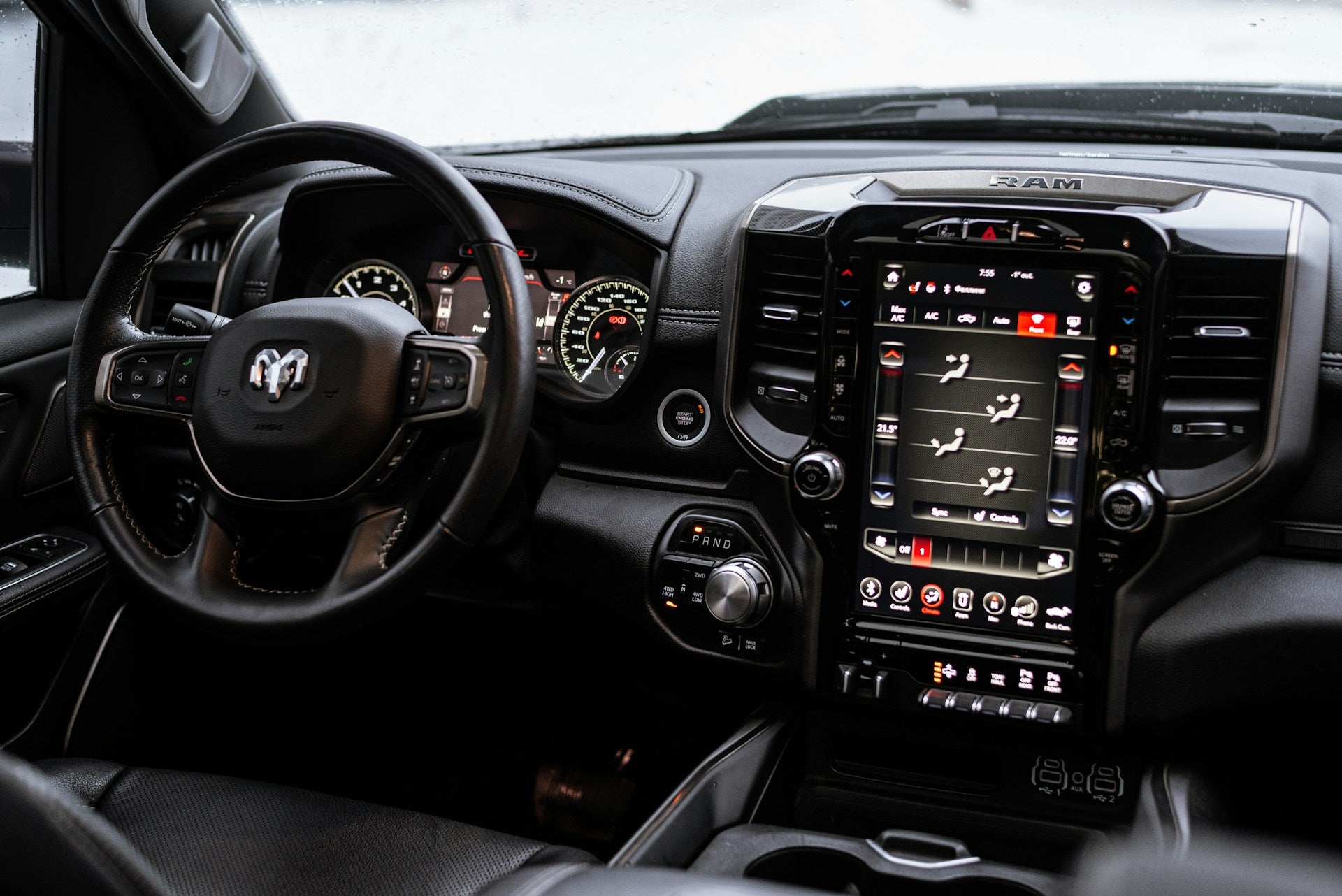
Dashboard warning lights can catch you off guard. One minute, you're running errands or on a delivery route, and the next, a light flicks on that you don’t recognize. It's easy to ignore or even panic when that happens, especially if you're using your Ram vehicle for work around Levittown. These warning lights are your truck's way of saying something needs attention, so brushing them off can lead to more serious problems.

For drivers handling Ram commercial vehicles, understanding these alerts matters even more. Downtime means delays in service, lost work hours, or scheduling headaches. Learning which lights mean "get checked soon" versus "pull over now" can help you stay ahead of small problems before they turn into big ones.

Understanding Common Dashboard Warning Lights

Ram vehicles use a set of dashboard lights to get your attention before a breakdown happens. The good news is you don’t need to memorize all of them. Just knowing the basics can keep you more prepared on the road. Some lights are more common and often signal well-known issues.

Here are a few to keep an eye out for:

1. Engine Warning Light: Also called the check engine light, this usually looks like the outline of a motor. It might turn on for something simple like a loose gas cap or something more serious, like an issue with the emissions system. Either way, it’s a sign your Ram needs to be inspected.

2. Oil Pressure Warning: This one shows up as an old-style oil can symbol. It means the oil isn't moving through the engine properly. If you see this, it's best to stop driving. Driving with low or no oil pressure can damage the engine permanently.

3. Battery Light: Represented by a small battery icon, this light means there’s a charging problem. It could be the battery itself or the alternator. Either way, if this light stays on after the truck starts, you may be running strictly on battery power, which won’t last long.

4. Brake System Light: Usually a red circle with an exclamation point or the word "BRAKE." This light could mean the parking brake is still on, or it could signal a brake system issue. If you’ve already released the parking brake, get it checked right away.

Each of these lights is color-coded for a reason. Yellow, orange, or amber lights generally mean "check soon." Red lights usually mean "stop safely and get help." Even if you're tempted to ignore them for a short trip, a lit dash could spell trouble right around the corner.

Steps to Take When a Warning Light Appears

When a warning light shows up, staying calm makes a big difference. Many people keep driving to their destination thinking they’ll handle it later. That can work in some cases, but it’s not always the smart move, especially when you’re operating a commercial vehicle around Nassau County.

Here’s what you should do:

  • Take a quick look at the light's color and symbol. Is it red or yellow? Does it flash or stay solid?
  • If it’s red or flashing, find a safe place to pull over and shut off the engine. You don’t want to risk damaging the vehicle.
  • Check to see if it’s something simple, like a loose gas cap or if the parking brake is engaged.
  • Refer to your owner's manual for a quick explanation of what each light means. Keep it somewhere handy in the glove box.
  • Don’t try to reset the warning light or assume it’ll turn off on its own.

A good example is when a delivery driver in Levittown tried to finish up his route with the oil pressure light on. A few stops later, the engine seized, and the truck had to be towed. What started out as a simple issue turned into a full engine replacement, plus missed jobs for the rest of the week.

Staying alert when these lights appear can save time, money, and a lot of frustration. They're there for a reason, and they're one of the few ways your vehicle can "talk" to you before major trouble hits.

How Town & Country Jeep Chrysler Dodge Ram Can Help

When dashboard lights start lighting up, guessing what’s wrong can cause more damage than you think. Modern Ram commercial vehicles have complex systems that connect everything from transmission to climate control. Just because the check engine light shows up doesn’t mean it’s a simple fix. It could be anything from a sensor misreading to a real mechanical issue that needs immediate attention.

That’s where professional diagnostics come in. Specially trained technicians use factory-level scan tools that give a clear snapshot of what's wrong under the hood. These tools can read error codes, monitor real-time data, and track system behavior to help pinpoint faults fast. Unlike general code readers from big-box stores, professional diagnostics take into account the specific traits of Ram vehicles. They adjust for model year, configuration, and known technical service bulletins that might apply.

Once the root issue is found, it becomes easier to fix the problem efficiently instead of just treating symptoms. For work trucks and fleet vehicles around Levittown, fixing issues right the first time helps avoid repeat shop visits and more downtime. If your Ram is relied on for deliveries, snow plow services, or utility work around Nassau County, accurate diagnostics and factory-trained expertise can keep your vehicle in service instead of in the shop.

Technicians see patterns across different Ram models too. For example, if your dashboard lights keep flashing after heavy rain or temperature drops, it might trace back to haunted sensor grounds or connection issues, both of which are common in older trucks. Without diagnostics, you’d just keep resetting the battery and wondering why the light keeps coming back.

Preventive Maintenance Tips for Ram Drivers

Staying ahead of dashboard warnings often comes down to regular maintenance. When a Ram commercial vehicle is cared for on schedule, warning lights tend to stay off longer and repairs cost less. It’s easier and cheaper to catch problems during routine service than dealing with emergency breakdowns that throw off your whole workday.

Here are a few helpful ways to reduce the chance of seeing those warning lights pop up again:

  • Stick to the service schedule in your owner's manual, especially for oil changes and brake inspections
  • Use high-quality fluids and parts that match what the manufacturer recommends
  • Keep battery terminals clean and check voltage regularly, especially before heavy workloads
  • Address odd noises, weak starts, or unusual smells early — these can hint at issues before the dash tells you
  • Don’t ignore weather wear — cold, salt, and moisture all affect wiring, sensor response, and fluid sealing
  • Make sure tires and brakes are checked often, especially if your Ram hauls heavy loads in stop-and-go traffic

It also pays to take seasonal changes in Levittown into account. Heading into late fall, systems like heating, battery strength, and tire pressure become even more important. Low temperatures aren't always visible on a dash warning, but they still mess with vehicle performance. A well-maintained truck tends to handle these transitions much smoother with fewer surprises.

Keeping Your Ram Running Smoothly in Levittown

Dashboard lights shouldn’t be a guessing game. They exist to protect your vehicle from long-term damage and keep you and your cargo safe while out on the job. Whether you're behind the wheel of a Ram van, pickup, or chassis cab, avoiding those lights often comes down to two things: timely repairs and proactive upkeep.

The roads around Levittown demand a lot from Ram commercial vehicles year-round. Add in seasonal weather, work-related wear and tear, and stop-and-go traffic, and it's easy to see how things can add up fast under the hood. Paying attention to dashboard warnings as soon as they appear and following a strict service routine can keep your vehicle on the road and off the rack.

Over time, these habits build into peace of mind. No one wants to sit on the side of Hempstead Turnpike with hazard lights flashing while deliveries are delayed or customers are calling. Handling each dashboard light quickly and professionally helps keep your Ram running at its best and keeps business moving forward without unexpected stops.

Taking care of your Ram commercial vehicles in Levittown means paying attention to every warning light and getting timely service. When it's time to address those dashboard alerts, rely on Town & Country Jeep Chrysler Dodge Ram for professional assistance. Schedule your next service visit with us to ensure your truck stays on the road, running safely and smoothly for all your business needs. Learn more about Ram commercial vehicles in Levittown.
Posted in:

Related Posts

Ram

Recognizing When Ram Maintenance in Levittown Can’t Wait

Recognizing Urgent Ram Maintenance Red Flags Owning a Ram truck means you count on it to work hard and stay strong. That is why small problems, like a warning light that pops on or a faint squeak, should never be brushed off. Those “little” issues can turn into big repairs if they are ignored, especially when you depend on your truck for daily driving or work. more When you spot trouble early, you protect your safety, avoid getting stuck on the side of the road around Levittown or Long Island, and help keep your truck’s resale value strong. Knowing which signs cannot wait is just as important as any oil change. Quick action often means a simple fix instead of a major repair. Our service team sees how fast a minor concern can grow when trucks are driven hard, especially during busy summer driving. Timely Ram maintenance in Levittown helps catch worn parts, low fluids, and hidden issues before they leave you stranded or damage other systems in your truck. Dashboard Warnings You Must Never Put Off Your dash lights are your Ram’s way of talking to you. Some messages can wait for your next regular visit, but a few should never be ignored. If these lights stay on, flicker, or show up with other symptoms, your truck needs attention right away. Key warning lights to take seriously include: Check engine light that stays on or flashes Oil pressure light that comes on while driving Battery/charging system light ABS light related to the anti-lock braking system Brake system warning light These alerts often point to issues with the engine, oil system, charging system, or brakes. Waiting can lead to engine damage, brake failure, or a dead battery at the worst possible time. Summer heat adds more stress on engines, batteries, and cooling systems, especially during traffic or long drives for vacations and weekend trips. Quick diagnostics can turn a scary warning light into a clear answer. A simple code scan and inspection can find things like a loose sensor, a failing battery, or low oil pressure before they turn into towing and time off the road. Sounds, Smells, and Vibrations That Signal Trouble Your Ram will often give you signs long before a breakdown. Any new sound, smell, or vibration that makes you think “that is not normal” is worth checking right away. Pay attention to these noises: Grinding or squealing when you brake Clunking or knocking when you hit bumps A loud or rattling exhaust Whining or squealing from the engine bay Brake noises can mean worn pads or rotors. Clunks over bumps may point to loose or worn suspension parts. A loud exhaust could be a leak that affects performance and noise level. Whining under the hood often comes from belts, pulleys, or power steering issues. Certain smells are also clear warning signs: Burning rubber, often from a slipping belt or something touching a hot part Hot oil, which can mean a leak dripping on the engine or exhaust Sweet coolant smell, pointing to a possible coolant leak Strong fuel odor, which can mean a fuel leak that should never be ignored Vibrations should not be brushed aside either. A shaking steering wheel at highway speeds can mean tire balance or alignment problems. A pulsing brake pedal can point to warped brake rotors. A shudder when you start moving or accelerate can be related to the drivetrain or transmission. All of these can affect control, safety, and long-term wear if left alone. How Summer Heat Makes Waiting Risky Heat puts extra stress on every system in your Ram. When the temperature climbs and traffic slows to a crawl on the Southern State or Wantagh Parkway, small cooling or electrical problems can turn serious fast. Watch your temperature gauge and cooling system for signs like: A gauge that often runs hotter than normal Cooling fans that seem to run nonstop Visible coolant leaks under the truck or at the front of the engine Steam or a hot smell from under the hood Warm weather is tough on batteries, fluids, and rubber parts like belts and hoses. A weak battery that worked fine in cooler weather may fail after sitting in the sun. Low or old fluids can thin out and stop protecting parts the way they should. A cracked hose that only seeps in spring can suddenly burst when everything is hot, especially if you are towing a boat or trailer. A seasonal checkup before heavy driving is a smart move. A cooling system inspection, AC performance check, battery test, and tire inspection for tread and pressure help lower the chance of a breakdown when you need your truck the most. Mileage, Usage, and When Your Ram Needs Attention Now Your owner’s manual lays out a maintenance schedule, and staying close to that plan is key. When services are already overdue, it is not something to keep pushing off. Certain items should move to the top of your list. These time and mileage triggers should not wait: Oil changes that are past due Skipped tire rotations and balance checks Brake inspections that have been ignored for many miles Transmission and drivetrain services on older or hard-working trucks How you use your Ram matters as much as the mileage. Trucks that tow equipment, haul heavy loads, or make constant short trips in stop-and-go traffic wear parts faster than trucks that cruise on the highway. Brakes, suspension parts, fluids, and drivetrain components all work harder and need attention sooner. For commercial trucks or contractor vehicles in areas like Nassau County, waiting for “average use” intervals usually is not enough. When your truck is a tool for work, taking care of it early often saves downtime and more serious repairs later. Why Certified Mopar Service Protects Your Investment Ram trucks have their own systems, quirks, and common wear points. Having people who understand these trucks every day makes a real difference when it comes to finding the cause of a problem quickly and fixing it the right way. Certified Mopar technicians are trained to work on Ram 1500, 2500, and 3500 models. They use proper diagnostic tools and service information designed for these trucks. This helps cut down on guesswork and lets them spot related issues before they surprise you later. Genuine Mopar parts are built to fit and perform the way the truck was designed. Using the right parts supports performance and long-term reliability compared to generic pieces that may not match as well. When you pair trained technicians with the right parts, repairs tend to hold up better under hard use. At Town & Country Jeep Chrysler Dodge Ram in Levittown, we focus on helping Ram owners stay ahead of problems with timely Ram maintenance in Levittown. Whether your truck is a daily driver, a work partner, or your weekend towing machine, paying attention to warning lights, strange sounds, new smells, and overdue services keeps it ready for whatever you ask it to do. Keep Your RAM Performing At Its Best With Expert Care Staying on top of RAM maintenance in Levittown helps protect your truck’s performance, safety, and long-term value. At Town & Country Jeep Chrysler Dodge Ram, our factory-trained technicians are ready to handle everything from routine oil changes to more complex repairs. Schedule your next service appointment online today, or contact us with any questions about your RAM’s maintenance needs.

Ram

Lease-End Ram Options Nassau County Drivers Often Overlook

Unlock Hidden Value at the End of Your Ram Lease When your Ram lease is coming to an end, it can be tempting to just circle the turn-in date on the calendar and move on. Many drivers in Nassau County do exactly that, and it often means giving up options that could save money or add more value to their next truck. Lease-end time is not just a deadline; it is a chance to step back and see what you really need from your pickup. more This is especially true when your lease wraps up around busy times, like summer trips, moving plans, or gearing up for a new school year. Your towing needs, daily commute, or family schedule might look very different from when you started your lease. With the right guidance, you can turn that ending date into a fresh start instead of a stress point. At Town & Country Jeep Chrysler Dodge Ram in Levittown, we help local drivers uncover choices beyond just handing over the keys. There are often several good paths, and with a little planning, you can pick the one that fits your lifestyle, your work, and your budget. Know Your Ram Lease Timeline Before Summer Trips One of the easiest ways to avoid stress at the end of your Ram lease is to know your exact turn-in date well ahead of time. Waiting until the last month can leave you rushing, especially if that date lands close to vacations, home projects, or big family plans. It helps to: Check your lease contract and mark your end date on a calendar Count back a few months and set a reminder to review your options Think about how that date lines up with travel, work, and school schedules A smart next step is to plan a pre-return inspection with a trusted Ram team in Levittown. During that visit, you can: Look over any dings, scratches, or interior wear that might lead to fees Review your current mileage and compare it to your lease limit Talk through any questions about lease terms or possible charges By planning early with a local team, Nassau County drivers can time their next truck so they are not stuck without a vehicle. That extra time also makes it easier to match your return date with new Ram lease specials in Nassau County, so your next lease can start smoothly as the current one ends. Overlooked Option: Buying Out Your Ram Lease A lot of drivers are surprised to learn they can buy the Ram they are currently leasing. If you love how your Ram 1500 or Ram 2500 drives, or you have put on fewer miles than expected, a lease buyout can be a smart move. Buying out your lease might make sense if: Your truck has low mileage and is in good condition You added accessories like bed covers or running boards that you want to keep You like the way this exact truck handles your daily route and towing needs The key number to look at is the residual value, which is the purchase price in your lease contract. When you compare that amount to current truck values, you might find that your Ram is worth more than the buyout price. In that case, buying it and then trading it in or selling it could leave you with equity instead of walking away with nothing. Finance specialists at a dealership like ours can help by going over: Your payoff amount and any lease-end charges Possible loan options to buy the truck Estimated monthly payments if you decide to keep it With clear numbers in front of you, it is much easier to see whether owning your current Ram makes more sense than starting a whole new lease. Upgrade Smart with New Ram Lease Specials Another option that often gets overlooked is upgrading into a newer Ram using current Ram lease specials in Nassau County. These offers can change throughout the year, and drivers sometimes assume their options are limited when their lease ends. In reality, there may be special programs for returning lessees that are worth considering. Upgrading can bring real everyday benefits, like: Newer towing and trailer tech that makes hauling boats or campers easier Updated safety features to support daily driving on local roads and highways Better fuel efficiency compared to older models Modern infotainment systems that keep passengers happier on longer drives By the time your lease ends, your needs might have changed. Maybe you need more towing strength, or maybe you want better comfort for long commutes. A newer Ram can be tailored around those needs while keeping payments predictable, especially when you pair it with current deals and loyalty programs for returning drivers. Trade Early to Avoid Mileage and Wear Surprises Many people wait until the exact lease-end date, even when they already know they are close to their mileage limit or worried about the condition of the truck. Trading out of your Ram early can sometimes be a better choice, especially if you are starting to rack up extra miles. Trading in early can help if: You are on pace to go over your allowed mileage Your truck has more wear than you would like to pay for at turn-in You are ready for different features or a different size truck An early trade into a new Ram, lined up with strong Ram lease specials in Nassau County, might reduce or even offset some potential end-of-lease costs. The dealership team can look at: Your current lease terms and remaining payments The trade-in value of your Ram Any available offers that apply to early upgrades With that full picture, you can compare the cost of staying to the end and paying fees versus moving into a new truck a little sooner. Customize Your Next Ram for the Seasons Ahead Lease-end is also a chance to ask if your current Ram truly fits your life on Long Island all year long. Weather, towing, and family needs can shift, and your next truck can be better suited to what you actually do week to week. When planning your next Ram, think about: Four-wheel drive for winter roads and wet days Off-road packages if you spend time on rough job sites or trails Bed liners to protect against yard work, gear, or tools Towing and trailering tech if you pull boats, campers, or work equipment You can also focus on comfort features that make daily driving easier, like upgraded seating, extra storage, or advanced driver assistance features. A knowledgeable team can help you choose or locate a Ram that balances power, comfort, and efficiency so you feel prepared from cold mornings to warm weekends at local parks or beaches. Take Control of Your Lease-End with Local Experts The biggest mistake many drivers make is waiting for a reminder letter from the leasing bank and then rushing through the last few weeks. A better plan is to sit down with a local expert about 60 to 90 days before your turn-in date. That window gives you time to explore every option without pressure. By talking with the team at Town & Country Jeep Chrysler Dodge Ram in Levittown, you can walk through all the main paths, including: Returning your Ram at the end of the lease Buying out the truck and keeping it Trading in early to avoid surprise charges Upgrading to a newer model using current Ram lease specials in Nassau County With a clear view of your contract, your truck, and your upcoming plans, you can choose the path that makes sense for your life and your budget, instead of just doing what feels fastest in the moment. Unlock Affordable RAM Power For Your Next Drive Explore our latest RAM lease specials in Nassau County to find a truck that fits your needs and your budget. At Town & Country Jeep Chrysler Dodge Ram, we work with you to tailor lease options that match your lifestyle and driving habits. If you have questions about trims, pricing, or qualifications, simply contact us and our team will walk you through your choices. Get started today so you can enjoy confident driving with a lease that makes sense for you.

RAM

Decoding Ram Maintenance for Levittown Drivers Who Tow

Tow-Ready Confidence for Levittown Ram Drivers Towing around Levittown is serious work for any Ram truck. Whether you are pulling a boat down to the South Shore, taking a camper out toward eastern Long Island, or hauling tools to a job site, you count on your truck to handle the weight without drama. more That kind of confidence does not come from luck. It comes from knowing your Ram is maintained for heavy loads, not just light commuting. Towing changes how hard every system in your truck has to work, especially in local traffic and warm weather. In this article, we will break down how towing affects your Ram, what maintenance needs to change, and which parts deserve extra attention when you pull a trailer around Long Island. How Towing Really Impacts Your Ram’s Health Towing puts extra strain on almost every major system in your Ram. The added weight makes your engine work harder, which builds more heat. That heat travels through the transmission, brakes, and cooling system. When the weather gets hot starting in June, everything has to work even harder to keep up. Heavy towing affects areas like: Engine, higher loads and more heat every time you pull away Transmission, extra stress when shifting in low gears or on hills Brakes, longer stopping distances and more heat in pads and rotors Cooling system, radiator, water pump, and coolant working harder to keep temps in check Suspension, more weight on springs, shocks, and bushings Short, heavy towing trips around Nassau County can be tougher on your Ram than a long, steady highway drive with no trailer. Stop-and-go driving, low speeds, and constant braking build heat but do not give parts much time to cool off. That is why towing across town to a marina or storage yard can feel harder on your truck than a relaxed drive out east. Your owner’s manual usually lists two sets of service schedules, one for normal duty and one for severe duty. Many Levittown drivers think they fall under normal duty because they do not tow every day. But if you tow heavy loads, sit in traffic, drive in coastal conditions, or haul in warm weather, your use often matches the severe duty category for Ram maintenance in Levittown. That means shorter service intervals and more frequent checks. Smart Service Intervals for Long Island Towing If you tow often, sticking to the basic schedule is not always enough. Your fluids and parts are working harder, so they need attention sooner. While exact timing can depend on your specific Ram and how you use it, there are some smart patterns to follow. Key areas that usually need quicker service for regular towing include: Oil changes, more often because towing raises engine temperatures Transmission service, fluid and filters checked or replaced on a tighter schedule Brake inspections, pads, rotors, and brake fluid checked more frequently Coolant checks, making sure fluid level, strength, and condition are ready for heavy loads Driving around Long Island adds its own twist. Salt air near the water and coastal humidity can speed up rust on brake lines, exhaust parts, and frames. Stop-and-go traffic on Hempstead Turnpike or the Southern State Parkway can be tough on transmissions and brakes, especially when you are pulling a load and not moving very fast. Filters, like engine air filters and sometimes cabin filters, can also clog sooner if you are often in traffic, construction zones, or dusty job sites. Following a schedule that takes local conditions and towing into account is the best way to protect your truck, not just the basic chart in the glove box. Critical Systems Every Ram Owner Who Tows Should Watch Some systems move to the top of the list when your Ram spends time with a trailer hooked up. Keeping an eye on these helps stop small problems from turning into big ones during a trip. Pay special attention to: Transmission fluid, should be the correct type, at the right level, and not burnt or discolored Differential fluid, carries more load when towing and may need more frequent changes Engine cooling system, hoses, radiator, water pump, and coolant all need to be in good shape Brake pads and rotors, must have enough material and no signs of overheating or warping Tires are just as important for safe towing. You will want to watch: Load rating, tires must be rated to handle the weight of the truck plus the trailer tongue weight Tire pressure, often needs to be adjusted when carrying heavy loads Summer heat, makes underinflation more risky and can lead to tire damage or failure Tread depth, worn tires lose grip faster when you are stopping with a trailer Your hitch and trailer connections also need regular checks. Before heading to local marinas, campgrounds, or job sites, it helps to look over: Hitch receiver and ball mount, check for cracks, rust, or loose hardware Safety chains, make sure they are not damaged and are attached correctly Wiring and lights, confirm brake lights, turn signals, and running lights all work Trailer brake controller, if equipped, it should be set up and working smoothly with your trailer A quick walk-around and a few test checks can reveal issues before you are halfway to the ramp with a boat behind you. Dealer-Level Care That Protects Your Towing Investment When your Ram spends time towing, small details in service can make a big difference in how long it lasts and how confident you feel behind the wheel. Having maintenance handled by technicians who work on Ram trucks every day gives you an advantage, especially when those trucks have towing packages and see real-world use. Professional service adds value in several ways: Technicians who know Ram 1500, 2500, and 3500 trucks and how towing affects them Access to parts and fluids that meet factory guidelines for your engine and transmission Diagnostic tools that can spot towing-related stress early, like transmission concerns or cooling issues Ability to align service timing with how you actually drive and tow, not just generic charts Long Island drivers often have unique patterns. Some tow heavier on weekends, some pull work trailers during the week, and some combine short local trips with longer vacations. A maintenance plan that matches your mix of towing, weather, and mileage helps keep your Ram ready for the next load without guessing. Keep Your RAM Performing At Its Best If you are ready to stay ahead of repairs and protect your truck’s value, schedule your RAM maintenance in Levittown with Town & Country Jeep Chrysler Dodge Ram today. Our factory-trained technicians use genuine parts and follow RAM-recommended service intervals to keep your vehicle running strong. Have questions before booking? Just contact us and we will help you find the right service for your truck.