



Town & Country Jeep Chrysler Dodge Ram

Blog

All Dodge Jeep RAM Chrysler Dealership Jeep Wrangler RAM Truck
Dodge Muscle

The Complete Guide to Dodge Muscle Cars Performance Upgrades

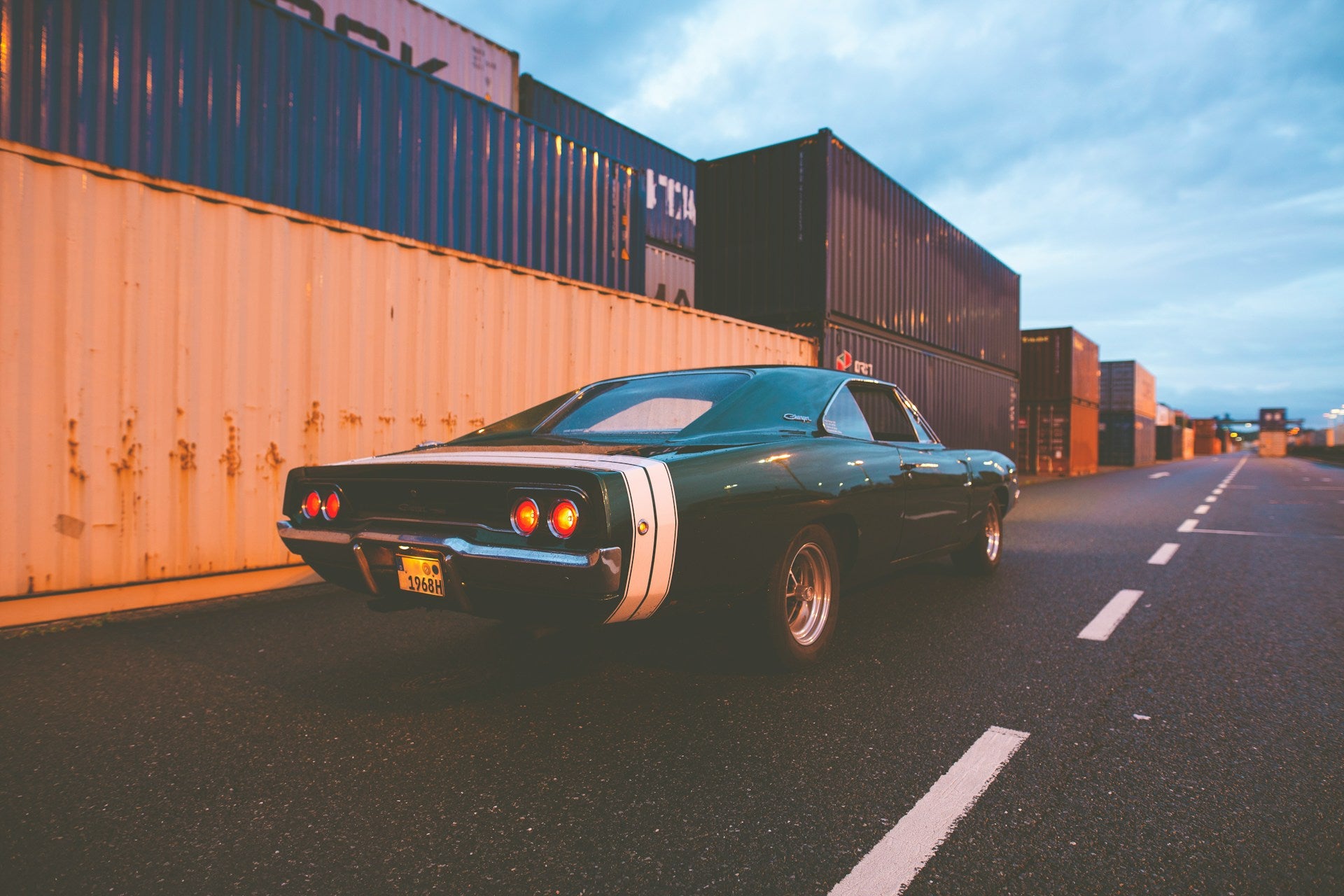
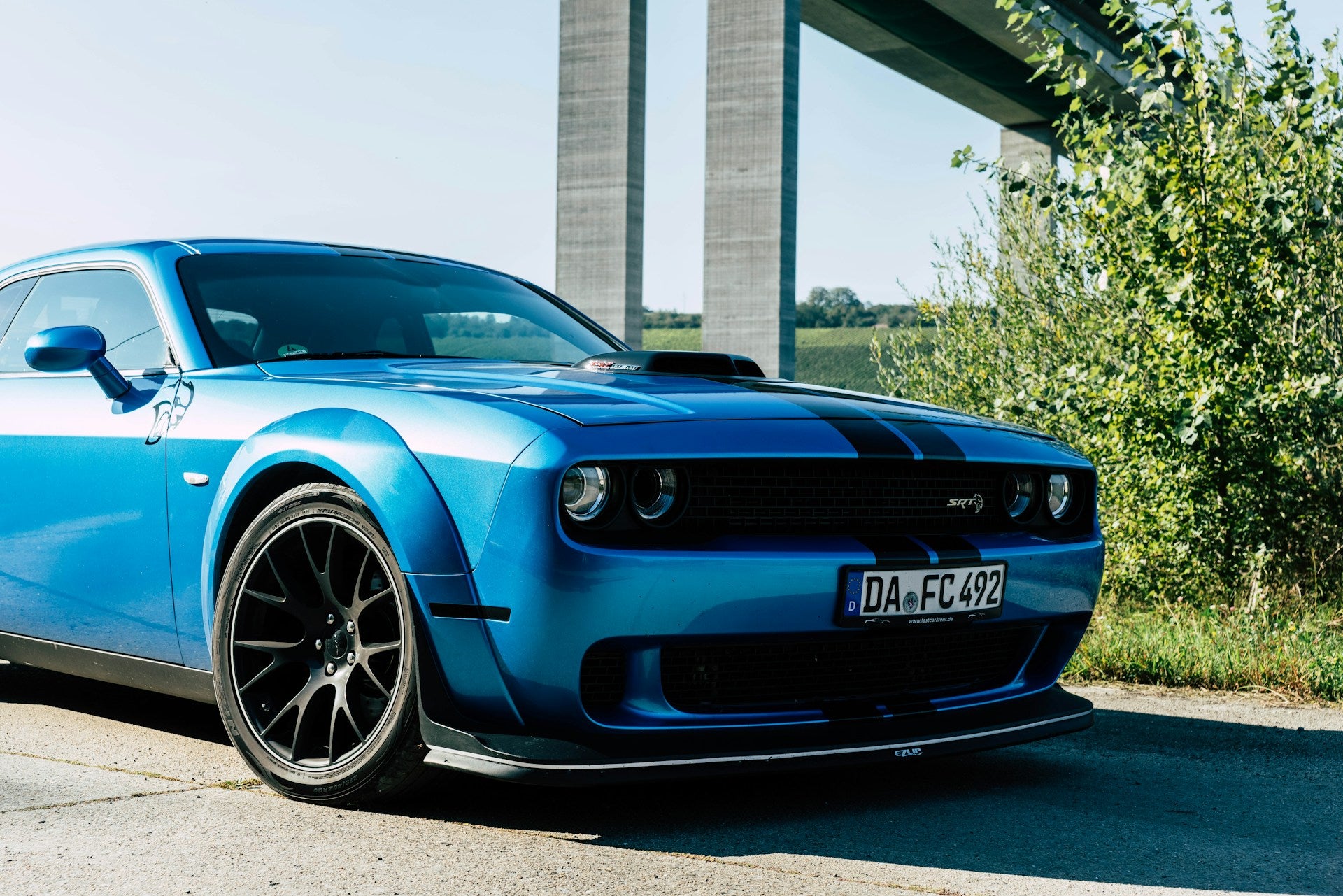
Dodge muscle cars turn heads the moment they hit the pavement. Built for strength and speed, these cars have long held a special place in the hearts of drivers who crave performance and control. Whether it’s the deep growl of the exhaust or the punch you feel when accelerating, there’s no mistaking the experience behind the wheel of a Dodge muscle car. more For fans across Nassau County, performance doesn’t stop at the factory. That’s where upgrades come into play. Some drivers want to push the limits of speed, others want tighter suspension for better handling, and a few just want their ride to stand out on the road. Whatever the reason, performance upgrades give you the chance to fine-tune your ride to match your style and driving habits. We’re breaking down exactly what those upgrades are and why they’ve become such a big part of car culture in this area. Understanding Performance Upgrades Performance upgrades are changes made to your vehicle to improve how it drives, sounds, or handles. These upgrades can increase horsepower, boost fuel response, tighten steering, or just make your Dodge muscle car more enjoyable to drive. Depending on your goals, you might go for something small or invest in a full upgrade package that transforms how your car behaves on and off the highway. Here are some common areas where performance upgrades are often added: Engine: Tuning your engine might involve replacing parts or adjusting computer settings to get more out of each drive. Exhaust: A high-performance exhaust system increases airflow, resulting in better sound and improved overall power. Suspension: Swapping in stiffer suspension pieces gives your car better grip during turns and more control on uneven roads. Tires: Picking the right tires helps with acceleration, braking, and road safety. Many Dodge owners in Nassau County jump into upgrades because they love their cars and want more from them. If you’ve ever driven a stock muscle car and then tried one with just a few key enhancements, the difference is obvious. A driver who added a performance exhaust and tuned their ECM found not just stronger acceleration but also smoother everyday performance. Their car didn’t just sound better—it fit their lifestyle better. It’s not all about big numbers or louder pipes. It’s about making your ride really feel like it’s yours. Whether you’re running errands around town or heading out east for the weekend, performance upgrades help your Dodge adapt better to life on Long Island. Popular Performance Upgrades for Dodge Muscle Cars Once you're ready to level up how your Dodge runs and handles, you’ll find a lot of options out there. Some drivers look for speed, others want handling. Some just want their car to feel tighter and more connected to the road. Dodge muscle cars are great for upgrades because they give you a strong foundation to build on. 1. Engine Modifications Adding a turbocharger or supercharger can bring serious gains. These upgrades force more air into your engine, which creates more powerful combustion. The result is more horsepower and better throttle response. If you’re making those changes, tuning the ECM (engine control module) will help keep things balanced and safe over time. 2. Exhaust System Enhancements A good exhaust system doesn’t just change how your car sounds—it improves performance. Options like headers, cat-back systems, and performance mufflers reduce backpressure so your engine breathes easier. That means smoother gear changes, faster acceleration, and sometimes even better gas mileage. 3. Suspension Upgrades Swapping out your stock suspension for sport-tuned springs and struts will give your Dodge more confidence through corners. You’ll notice better handling right away, particularly on Nassau County roads that shift between smooth stretches and bumpy patches. Lowering kits and performance bushings also help reduce body roll and boost comfort. 4. High-Performance Tires Tires are a big deal when it comes to muscle car upgrades. All-season performance tires work well if you use your Dodge every day. They offer grip in rain, cooler fall mornings, and dry conditions. If track days or spirited weekend drives are more your thing, summer tires or ultra-high-performance models give you that added stickiness and road feedback. Each option can work on its own or alongside others in a bigger build. It all depends on how you drive and what kind of performance feel you’re after. A commuter in Nassau County might want upgraded tires and suspension to stay safe and comfortable year-round. Someone else might be itching for serious horsepower and noise, aiming for a track-ready setup. Choosing the Right Upgrade for Your Car Figuring out which upgrade makes sense can feel like a big decision. It helps to break it down into a few key factors: your budget, the kind of driving you do, and what sort of performance outcome you want. If you're more price-conscious or want to test the waters, starting with high-quality tires or a basic air intake upgrade may be the way to go. For drivers who know they want a complete change, a supercharger and full exhaust might be worth the investment. It’s smart to work with teams that know your local roads, weather, and how to tune for Nassau County conditions. Fall tuning often works well because of the cooler temps and stable driving conditions that let shops properly test how a car performs after modifications. Before committing, take time to ask yourself questions like: Do you want big sound and strong take-off, or a quieter, more refined ride? Is this your daily car or your weekend toy? What seasons and weather patterns are common on your usual routes? Are you upgrading one part at a time or looking to do a full project? When it comes time to install, leave complex work like engine upgrades, suspension swaps, or computer tuning to professionals familiar with Dodge muscle cars. The last thing you want is a setup that doesn’t fit right, causes warning lights, or pushes your car out of alignment. Trusted shops will keep your vehicle reliable and road-ready. Maintaining and Optimizing Your Upgrades Getting performance parts installed is just the first step. After that, you’ll want to keep everything running its best. Some components need extra attention once they’ve been added. Checkups, retuning, and replacing wear items sooner than usual might all become part of your upkeep routine. Here are a few things to include in regular maintenance: Re-check torque settings on suspension components after a few hundred miles of regular driving. Clean or change your air filters more often in tuned engines. Rotate performance tires more often to avoid uneven wear and grip loss. Inspect exhaust setups for loosened clamps or leaks, especially after road trips or seasonal shifts. Stay aware of changes in throttle, shifting, or engine response that might point to ECM issues. If your car got tuned at a shop, ask them if they’ll keep your tune file on hand. That way, if a dealership update resets your ECM, you can have the custom settings flashed back on without starting over. Getting a professional technician to do occasional checkups ensures nothing is missed. Common signs that something needs work include strange vibrations, engine hesitation, or sudden changes in noise. Catching those early means a quicker trip back to full performance. Getting the Most Out of Every Drive Performance upgrades give Dodge muscle car owners in Nassau County more say in how their car runs, sounds, and handles. It’s a chance to create a ride that matches your personality and purpose—whether that’s a louder rumble, smoother cornering, or just more fun every time you pull onto the road. Knowing your needs ahead of time makes upgrade decisions easier. Small changes can bring big improvements, especially when they’re done right and maintained over time. Work with people who understand Dodge systems well and who can make sure your car stays safe and responsive through every season. With the right upgrades, there’s no need to settle. You can build a ride that performs the way you want and stands out every day you drive it through Nassau County and beyond. If you're looking for a more dynamic ride around Long Island, upgrading to one of the high-performance Dodge muscle cars in Nassau County could be the move. Whether it's sharper handling or more power off the line, Town & Country Jeep Chrysler Dodge Ram has options that bring the fun back into everyday driving. Take the first step toward a more exciting drive today.

Jeep

What to Do When Your Jeep AC Is Blowing Hot Air

Getting into your Jeep on a warm fall day in Nassau County, only to be hit with a blast of hot air from the AC, is never fun. Whether you're heading out for errands or sitting in school pickup traffic, a working AC should keep you comfortable, not sweaty. It feels like a small issue until you're stuck in stop-and-go traffic or trying to cool down after a workout. When the AC isn’t doing what it’s supposed to, it’s more than just frustrating. It’s uncomfortable. more If your Jeep’s AC suddenly starts blowing hot air instead of cool relief, there’s almost always a reason behind it. Some problems are simple, others require deeper inspection. Either way, understanding what’s causing it can help you spot early warning signs. Here’s a look at the most common reasons your Jeep might be pushing out hot air and what steps can help get things running cool again in Nassau County. Common Causes of Jeep AC Blowing Hot Air There are a few key reasons why your Jeep’s AC might be blowing hot when it should be cool. Knowing what’s going on under the hood can help steer your next steps. 1. Low Refrigerant Levels Refrigerant is what absorbs heat from inside your Jeep and releases it outside. If there's not enough refrigerant in the system, your AC can't pull heat out, so warm air keeps moving through the vents. Low refrigerant usually means there's a leak, though it might not be easy to spot. If your AC worked fine over the summer and is just now starting to feel warm again, this could be the issue. Listen for hissing sounds or look for frost around the AC parts under the hood. 2. Faulty AC Compressor The compressor is what moves the refrigerant through your Jeep’s AC system. If it stops working, the refrigerant can't circulate, and cooling can't happen. A damaged compressor might make clicking or grinding noises or just not turn on at all. You might notice that at first the air only takes longer to cool but eventually stops going cool altogether. Without a functioning compressor, you're stuck with hot airflow. 3. Electrical Issues Yes, wires, relays, or fuses can be part of the problem. If something electrical breaks or shorts out, the AC system may not turn on, may cut off suddenly, or behave unpredictably. These issues aren't always obvious unless you're experienced in tracing circuits. If your Jeep’s AC acts differently each time you drive, electrical problems could be the reason. 4. Clogged AC Condenser The condenser cools down the hot refrigerant after it’s cycled through the system. If it gets clogged or blocked with leaves or other debris, it can’t allow heat to escape, and hot air stays trapped. This keeps the system from cooling properly. During fall in Nassau County, leaves and dirt can build up fast. A blocked condenser is a common problem during this time of year, especially if your Jeep spends time parked outside under trees. These are all problems that can hurt AC performance, especially during those mild fall days when cooling is still needed. The earlier they’re caught, the easier they are to fix. Immediate Steps to Take When AC Blows Hot Air If your AC suddenly stops working the way it should, there are a few quick things you can check at home before calling in a technician. These steps won’t fix deep issues but can help you figure out if it’s something simple. Check the cabin air filter: A dirty or clogged filter can block airflow, which makes it feel like the AC isn’t doing its job. Look behind the glove box where the filter is stored. If it’s full of so much dirt that it’s hard to see through, it’s time to replace it. Swapping in a new filter takes just minutes and can speed up airflow right away. Look for visible damage or leaks: Open your hood and take a look around the AC hoses and fittings. If anything looks oily, feels damp, or has ice built up on it, that could mean there’s a refrigerant leak or another cooling issue. While you won’t be able to fix it on the spot, spotting it early can speed up the repair process. Try a system reset: Sometimes the AC system glitches. Turning off the Jeep completely, letting it sit for a few minutes, and restarting can sometimes clear out the issue. While this won't fix mechanical problems, it can reset the control module and fix minor bugs. These steps offer a solid starting point when things suddenly stop working right. If none of them help, it’s time to have someone look deeper into the system. When to Seek Professional Help If your Jeep’s AC keeps blowing hot air after you’ve gone through the basics, it’s a good idea to have a technician run a full inspection. Many AC issues hide within parts that aren’t visible and need special tools or knowledge to reach. Leaks in the lines, busted compressor parts, or broken sensors don’t usually show signs that are visible from a surface glance. You might think the system is sort of working if the air turns cool after twenty minutes or works one day but not the next. That usually means the AC is struggling to keep up and likely has a growing problem. Ignoring that and letting it run stressed can cause more damage over time. Trained technicians who know Jeep systems well can test the pressure in the lines, measure temperature ranges, and find electrical glitches that most people won’t be able to identify themselves. In places like Nassau County, catching and fixing these issues before the weather fully shifts is smart. Heating and cooling systems often share vents or motors. A fault in part of one system might be a hint that the other side could have a tough winter ahead. Having things looked at now can save you from more discomfort later. What a Professional AC Inspection Can Cover When you bring your Jeep in for an AC service, technicians don’t just look at whether cold air is coming through. A full inspection covers multiple parts of the system and helps make sure your vehicle is ready for both cool and cold weather ahead. Here’s what a proper AC inspection can include: Testing the refrigerant pressure in key areas of the system Checking the AC compressor, belt, and clutch for wear Visual checks on the condenser and evaporator for clogs or damage Ensuring the blower motor is functioning correctly Measuring air output at the cabin vents Reviewing line connections for leaks or looseness If things point to a sensor or control issue, they can also dig into the HVAC control units or dash switches. These inspections give you the full picture and help prevent the need for repeat visits. A real-world example happened to a local Jeep owner in Nassau County who noticed warm airflow one morning on their daily drive. After taking a quick look under the hood and ruling out a filter problem, they brought it in and found that the condenser had filled with leaf debris. Once it was cleared and the rest of the system checked, performance returned right away. That sort of problem would have gone unnoticed without closer inspection. Back to Cool Comfort in Your Jeep When your AC isn’t cooling the way it should, it changes the whole feel of your ride. It makes every stop feel longer and every drive just a bit more tiring, especially if you're sitting in Nassau County traffic or trying to enjoy a peaceful commute after work. Cool air should always be there when you need it. If your Jeep starts tossing out hot air when it shouldn’t, even in fall, it’s worth paying attention. Problems that seem small can build into major repairs if left unchecked. Once you’ve gone through the basic checks and still find yourself sweating behind the wheel, it’s time to turn to someone who fully understands Jeep AC systems. That’s how you make sure your vehicle stays comfortable no matter what season rolls in next. If you're ready to make sure your Jeep is equipped for any season across Long Island, take a look at our selection of Jeep accessories in Nassau County. The team at Town & Country Jeep Chrysler Dodge Ram is here to keep your ride running cool and comfortable, no matter what the road throws your way.

Ram Pickup Truck

Common Issues with Ram Pickup Truck Tailgates and How to Fix Them

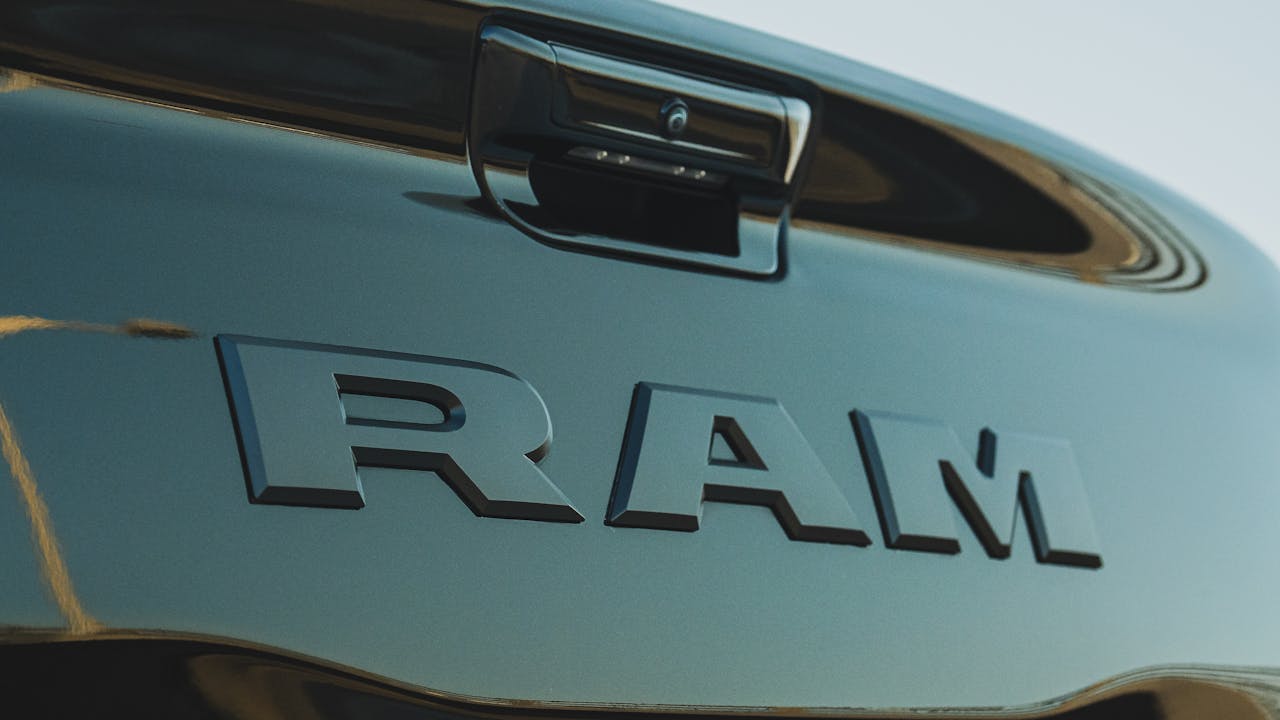
Tailgates on Ram pickup trucks do a lot more than just open and close. They carry weight, haul gear, and help make daily tasks easier. Whether you're hauling work materials, loading up tools, or getting ready for a weekend at Tobay Beach, the tailgate takes a lot of action. That’s why when it starts acting up, even the simplest task can turn into a headache. Folks in Nassau County know how ready-for-anything a Ram truck needs to be, so it's frustrating when the tailgate doesn't hold up the way it should. more The wear and tear from salty air, road debris, and year-round use can lead to some pretty regular tailgate problems. Even minor issues can get worse fast if they’re ignored. That’s why it matters to know what can go wrong and how to deal with it. We'll walk through a few common tailgate issues found in Ram pickup trucks around Nassau County, give you signs to watch for, and the kind of fixes that usually help. By spotting these things early, you stay ahead of the problem before it starts messing with your workflow or travel plans. Common Tailgate Issues Some tailgate problems feel small at first, but over time, they get more annoying or harder to work around. These are some of the most common ones owners of Ram pickup trucks in Nassau County seem to run into: Latch failures: If the latch stops engaging or becomes hard to release, you're stuck wrestling with the tailgate every time you open or close it. A jammed latch can make it impossible to secure your load safely. Misalignment: A tailgate that looks off-center or doesn’t close flush with the bed sides could be out of alignment. This might happen from repeated slamming or hauling oversized loads that shift and push against the tailgate. Loose hinges: Hinges that squeak or pop could mean something's come loose. Letting it go too long might damage the frame or put stress on the whole tailgate assembly. Damaged wiring: On some Ram models, the tailgate includes sensors or a camera. If those stop working, there could be pinched or damaged wiring, especially if the gate has been forced open or closed. Rust or corrosion: Trucks that take on salty roads or coastal air all year long tend to show early signs of rust near the bottom seams or inside the locking mechanism. Rust doesn’t just look bad, it weakens the parts holding everything together. Any one of these things can stop your tailgate from working right. Even something as simple as a sticky latch makes jobs more frustrating. Throw in alignment issues or hidden mechanical damage, and you’ve got a tailgate that’s just not doing its job anymore. Identifying Tailgate Problems Sometimes tailgate issues sneak up slowly. Other times it all seems to go wrong at once. Catching the warning signs early can save time and stress later. Here’s a simple way to check for tailgate problems with your Ram truck: 1. Look at the alignment: Stand behind your truck and see if the tailgate sits straight between the bed rails. If one side looks higher or angled, that's a warning sign. 2. Try opening and closing it: The motion should be smooth. If it feels stuck, doesn’t click into the latches, or makes a scraping sound, something might be off inside. 3. Check the hinges: Open the gate fully and gently rock it back and forth. If there’s any wiggle beyond normal play, worn-out hinges or loose bolts could be the issue. 4. Listen for strange sounds: Latches and hinges shouldn't grind, squeak, or pop when in motion. These sounds tend to mean parts are out of line or missing lubrication. 5. Inspect for rust and wear: Look closely around the latch, bottom edge, and joints where metal meets. These spots collect water and salt that can lead to early rust. Cracks or bubbling paint can also signal trouble under the surface. 6. Test electrical features: For trucks with backup cameras or other tailgate electronics, turn on your system and verify everything works. A flickering screen or error message might mean something came loose when the tailgate was last shut. One Levittown truck owner said they only realized something was wrong when the tailgate didn’t open after a cold snap. Turns out, ice had wedged inside the latching system and cracked a plastic piece. Small problems like that add up fast out here, especially once October rolls in and the weather turns. Regular checks like these aren’t complicated, but they do help keep your Ram truck functioning the way it should. If anything feels off, it’s good to make sure it gets looked at before it becomes a bigger hassle over time. Effective Fixes and Solutions Now that you’ve spotted what’s wrong with your Ram pickup’s tailgate, the next question is what’s actually going to fix it. Most tailgate issues don’t go away on their own. Whether it’s a latch that stays jammed or electronics that don’t respond, waiting it out usually makes things worse. Fixes range from small adjustments to full-on part replacements, depending on the extent of the damage. For example: Latch system repairs: If grime or corrosion is the problem, the latch may just need to be cleaned and realigned. But if it’s bent, broken, or cracked, you need a new latch. Failing to fix this can cause the tailgate to open while driving, which is a big safety risk. Correcting misaligned tailgates: Alignment issues happen when tailgates get slammed hard, warped by heavy loads, or twisted by uneven pressure. A trained tech can adjust or replace the hinge pins and bushings so the tailgate fits flush again. Sometimes, tailgate supports or anchor points need repair too. Hinge and bolt replacements: Worn hinges usually make popping sounds or cause the tailgate to sag. Ignoring this weakens the tailgate structure. Replacing hinges and retightening mounts is a solid fix to prevent worse problems down the line. Electrical fixes: If your tailgate wiring gets pinched or disconnects, especially common when ice builds up or cables get pulled, backup cameras and sensors won't work right. Any electrical solution on these trucks should be done by someone who knows Ram's wiring systems. Rust repair: Rust around the seams isn’t just cosmetic. If it creeps near the latch, it can freeze components in place or weaken attachment points. A surface rust treatment might do the trick early on, but once it spreads, parts need to be replaced and sealed again to prevent continuing damage. Trying to force a broken tailgate to function will likely damage it more. Every time something clicks the wrong way or gets jammed, it places extra strain on the surrounding pieces. That’s why expert service really matters here. An experienced tech who works with Ram trucks regularly can trace the trouble, fix it at the source, and use original parts so it holds up. Preventive Tailgate Maintenance Tips Keeping your Ram’s tailgate working smoothly isn’t hard. A little attention once in a while helps avoid bigger repair bills later. Here’s a breakdown of easy steps Ram owners in Nassau County can take to help stop tailgate issues before they start: Keep it clean: Dirt, salt, and sand collect in the joints and latch area. Hose it out regularly, especially in salty conditions or after trips to the coast. Use it gently: Avoid slamming your tailgate every time. Try to guide it open and closed with smooth movements. Slamming causes hinges to loosen and misalignment over time. Lubricate moving parts: Apply a small amount of spray lubricant on the latches and hinges every couple of months. Don’t overdo it. A little goes a long way and prevents sticking or metal-on-metal wear. Check hinges and latch tension: Test the tailgate’s motion and alignment during oil changes or tire checks. Is anything too stiff or too loose? If so, get it looked at sooner rather than later. Inspect for rust and bubbling paint: Look under the tailgate lip and around the edges for any red-orange dust, peeling paint, or pitting. These are all signs that corrosion might be setting in. Limit heavy loads resting on the tailgate: While Ram tailgates are strong, using them as a workbench or platform repeatedly, especially for heavy items, can strain the hinges and mounts. An example we hear a lot about is from contractors using their tailgate as a step or platform when loading overhead tools. Over time, the mounting points start to shift, and the latching system no longer lines up. Catching wear like this early and fixing or reinforcing the affected areas has kept those trucks job-ready and reliable. These habits don’t take much time and make a real difference, especially when your truck is working year-round through northeast weather. Keeping Your Ram Tailgate Ready for Any Job in Nassau County The tailgate on your Ram pickup plays a bigger role than people give it credit for. Whether you're managing daily construction work, helping with a move, or hauling supplies after a weekend project, you depend on your tailgate to open, close, and secure your cargo without issue. That’s why staying on top of issues like latch problems, misalignment, or worn hinges is such a smart move. Ram tailgate problems in Nassau County are pretty common thanks to local weather, coastal air, and the general wear that comes with using your truck for everything it was built for. That doesn’t mean you need to live with the frustration. Addressing small signs like squeaks, rust spots, or latch clunks early helps keep your truck functioning without surprises, especially during busy months like October, when fall projects pick up and you depend on reliability. Regular checkups paired with expert repairs and routine maintenance go a long way in keeping your Ram ready for anything. And when your tailgate works how it should, loading up gear or getting through your workday feels a whole lot smoother. Keep your Ram truck tailgate in top shape to handle any task smoothly and safely. For help with maintaining or repairing Ram pickup trucks in Nassau County, our experienced technicians at Town & Country Jeep Chrysler Dodge Ram are here to keep your tailgate reliable and functional, no matter what the road throws at you.

Jeep

Exploring the Benefits of Jeep Adventure Gear for Your Next Trip

Planning a Jeep getaway can be exciting, but it also takes some preparation. Whether you're heading out for a weekend escape or taking a longer road trip, a smooth adventure often depends on more than just a full tank of gas and a map. The right gear makes a big difference, especially when it comes to comfort, staying organized, and dealing with surprises along the way. more If you're in Nassau County and gearing up for fall trips around Long Island or beyond, it makes sense to bring along accessories that match your Jeep's capability. Adventure gear adds more than just storage or style. It lets you get the most out of your Jeep when the trail, the beach, or even a muddy back road calls your name. Let’s take a look at the gear that should be on your checklist before hitting the road. Essential Jeep Adventure Gear for Your Next Trip Jeep drivers know adventures rarely happen in predictable settings. Whether you're camping, hiking, off-roading, or taking the scenic route on a day off, packing the right equipment helps everything go smoother. Some accessories are more useful than others, though, especially when space and weight are limited. Here are a few pieces that go a long way in keeping your trip stress-free: All-Weather Floor Mats: Rain, sand, and dirt find their way into your Jeep quickly. All-weather mats protect your interior and make cleaning up quick. These are a no-brainer during the fall when wet leaves and mud are common. Cargo Management Systems: Staying neat is harder once your back seats are folded down and gear gets tossed in. Cargo systems let you sort tools, clothes, and supplies into dividers or compartments, so you don’t have to dig through a pile to find what you need. Roof Racks and Roof Storage Bags: When trunk space runs short, roof racks can take coolers, sleeping bags, and extra bags without crowding the inside. A roof-mounted cargo bag with weatherproof material keeps everything protected from wind and rain. Tailgate Table Attachments: These mount directly onto the tailgate and give you a flat space for meals, cooking gear, or even setting up a laptop if you’re mixing work with weekend travel. Picking what to pack starts with figuring out your trip style. If you’re hitting trails nearby in Hempstead or heading upstate, your gear should reflect that. Local trails may need less storage and more recovery tools. Overnight camping might require food containers and sleeping gear. For day trips, a simpler layout with easy access to snacks, water, and walking shoes might do the trick. Enhancing Safety with Jeep Adventure Gear Even the most scenic fall Jeep rides around Nassau County can come with patches of unpredictable terrain or weather. That’s where safety gear kicks in. Having these items onboard offers peace of mind when the route changes and you're far away from a gas station or phone reception. Start with some basics every Jeep traveler should carry, no matter the season: Tow Straps: Perfect for loose sand or mud, they help you pull or get pulled out of a sticky spot. First Aid Kit: Accidents, even small ones, happen when you least expect it. Keep supplies stocked and check expiration dates before every big outing. Portable Air Compressor: Tire pressure drops during long drives or when you’ve been off-roading. This small tool keeps your tires in good shape so you don’t get stuck. For example, a driver heading to South Shore beaches might park close to the sand. It doesn’t take much moisture to turn that sand into something your tires can’t grip. Having a tow strap and air compressor means you're equipped to fix your own traction instead of waiting for help. Other safety add-ons include hazard signs, work gloves, a reliable flashlight, weatherproof matches, and reflective clothing if you’re driving through the evening. These may sound simple, but they add layers of protection when you’re traveling on less familiar roads. Being ready goes beyond just the fun accessories. It also means packing smart with simple tools that help when plans shift or weather turns fast. That way, your Jeep trip doesn’t turn into a scramble when you’re miles from home. Comfort and Convenience Upgrades for Your Jeep It’s easy to focus on function when planning a Jeep trip, but comfort and convenience should be right up there too. Adding small upgrades inside your Jeep can help you enjoy your time on the road without feeling cramped, worn out, or disorganized. These features don’t just serve outdoor trips—they’re helpful for regular errands too. Seat covers are a great place to start. They guard your seats from water, sand, food spills, or whatever else the trip throws your way. Some even add a little extra cushion, which goes a long way during longer drives. If you have pets joining the ride, they make cleanup much easier once you're home. Another solid addition is a power inverter. This small tool plugs in and lets you charge laptops, cameras, small tools, or air pumps. It keeps your gear ready without draining your Jeep’s battery. Add a few USB chargers and your passengers can keep their devices powered up too. A portable fridge might sound like a camping luxury, but it's incredibly useful. Whether you’re packing road snacks, keeping drinks chilled, or storing food for a beach cookout, having cold storage that runs off your vehicle makes a difference. For trail explorers or those heading to beach zones in Nassau County, this can be the difference between grabbing what you need or cutting the day short to find food. To keep your setup functional, organize your smaller gear in pouches or backseat organizers. Hanging ones fitted behind the front seats are great for maps, snacks, flashlights, or sunscreen. Keeping gear sorted and easy to reach means you spend more time enjoying the view and less time digging around. All-Season Preparation with Jeep Adventure Gear Fall in Nassau County brings falling leaves, cooler mornings, and shorter days. It’s a great season to drive, especially as the trees change and the trails open up. But changes in weather and lighting mean your gear needs to work year-round. Here’s a list of accessories that help your Jeep handle shifting conditions: 1. Sunshades: Even in cooler months, the sun can heat up the cabin if you're parked. A windshield sunshade keeps your seats and dashboard cooler and protects interior surfaces from fading. 2. Heated Seat Cushions: These plug into your car power outlet and make early October drives more cozy. If your Jeep doesn't already have built-in heated seats, these can warm things up without winterizing your whole ride. 3. Extra Lighting: With daylight fading earlier this time of year, consider portable LED lights or clip-on work lights. These help at the campsite or when setting up after sunset. 4. Tarp or Awning: A waterproof tarp can be tossed over gear in sudden rain. Some quick-deploy awnings attach to roof rails for easy shade or shelter. 5. All-Terrain Windshield Wipers: Fallen leaves, drizzle, and dirty trails take a toll. Upgrade to heavy-duty wipers that can handle mixed conditions. Use storage bins to cycle out seasonal gear. When summer ends, wash and store your beach gear in a latching container. Do the same with winter items when spring makes a comeback. This keeps your Jeep clean and makes it quick to switch gear for another trip. If you’ve got storage in your garage or shed, label your off-season bins clearly so you’re not digging months later. Keeping your gear sorted and easy to swap out means your Jeep is ready whenever you are. Your Jeep, Your Trip, and the Gear That Makes It Great Taking a drive through Long Island with your Jeep should feel like freedom, not frustration. When you're loaded with gear that fits your trip and makes life easier, even a last-minute ride can turn into something memorable. From safety add-ons to fall-friendly comfort upgrades, the right setup means you're always ready, whether it’s an early-morning park drive or a weekend in the Catskills. For residents near Levittown or elsewhere in Nassau County, the fall season offers a perfect mix of cool weather and open roads. Having adventure gear that matches your needs and the season keeps your Jeep practical, safe, and fun to drive. Simple changes inside and out can turn your normal vehicle into a road-trip-ready setup. With the right pieces of gear, your next trip isn’t just planned, it’s prepared. If you're planning your next weekend trek or just want to keep your ride adventure-ready, make sure it's equipped with the right gear. Town & Country Jeep Chrysler Dodge Ram offers trusted options for Jeep adventure gear in Nassau County to help you travel better and stay prepared no matter where you go.

Dodge

Understanding Dodge Financing Options to Get the Best Deal

Shopping for a Dodge in Levittown or anywhere in Nassau County is about more than just picking a model. The way you choose to pay for it will shape your monthly budget and long-term financial comfort. That's why understanding your Dodge financing options is worth your time. Making a fast decision without knowing all your choices can lead to higher costs down the road or a deal that doesn’t really fit your life. more Whether you're thinking about leasing a brand-new Dodge or buying a used one that’s just right for weekend road trips and errands around town, there’s a lot to consider. Not every financing method works the same way for every driver. What’s perfect for someone who travels a lot might not make sense for someone who rarely leaves Nassau County. Knowing what’s out there makes it easier to get a deal that matches your plans, your credit, and your budget. Types Of Dodge Financing Options Getting into a new or used Dodge usually comes down to a few core choices in how you want to pay. Each has different upsides and trade-offs. Understanding them early on can help you avoid surprises and make a decision that you’ll feel good about later. 1. Traditional Auto Loans This option is the most straightforward. You borrow money to pay for the Dodge, then repay it in monthly installments over time. At the end of the loan, the car is all yours. These loans often come from banks, credit unions, or through the dealership. Pros: You own the car at the end Better interest rates for strong credit No mileage caps Cons: Higher monthly payments than a lease The car starts losing value the moment you drive it 2. Leasing Leasing is like a long-term rental. You drive the Dodge for a few years, make fixed payments, then return it or buy it if you choose. You’re not paying for the full value of the car, just the part you use during the lease. Pros: Lower payments Access to new models every few years Fewer repair costs under warranty Cons: Mileage limits may apply Fees for excess wear and tear No trade-in or resale value at the end unless purchased 3. Balloon Financing This option starts off a bit like leasing or a traditional loan. You make smaller monthly payments, then a larger final payment if you want to keep the car. Pros: Lower early payments End-of-term flexibility Cons: Large one-time cost at the end Higher risk if you're not ready to cover that final balance Which financing option will work best depends on your goals. For instance, someone in Nassau County who wants a car for the next decade might lean toward a standard loan. But if you like having the latest features and plan to trade in every three years, a lease could fit better. No matter what, weighing the pros and cons helps narrow it down. Factors To Consider When Choosing A Financing Option Monthly payments are part of the picture, but there’s more to think about before picking how you’ll pay for your Dodge. Not every deal with a low monthly cost ends up being smart over time. Here are a few things to watch closely: Interest Rates: These can change everything. A better credit score usually means a lower interest rate, which can save a lot in the long run. Loan Term Length: A five-year loan may have smaller payments, but an extra year or two often means more money spent in total. Shorter loans are faster but cost more per month. Budget Planning: Just because you can technically afford a monthly payment doesn’t mean you should push your limits. Make sure there’s room left in your budget for gas, insurance, and repairs. How Credit Affects Your Offer: Your credit history plays a part in what loan or lease deals are available to you. Even a decent score can still unlock flexible options, especially through a dealership. Let’s say someone in Levittown wants a pre-owned Dodge Charger for their daily commute. Choosing a slightly longer loan term might ease the monthly pressure and still leave room in their budget for insurance and maintenance. Little adjustments like this make a big impact on daily peace of mind. Every buyer works with a different credit score, income level, and driving plan. What's right for one person may not work for another. Taking the time to look beyond the monthly number is one way to avoid regret later. How To Apply For Dodge Financing In Nassau County Once you've got a handle on which type of financing works for you, the next step is applying. With the right info upfront, the process doesn’t have to feel overwhelming. At Town & Country Jeep Chrysler Dodge Ram, we make applying as straightforward as possible. Here’s how the process usually unfolds: 1. Start with a pre-approval: This gives you a realistic picture of what you can afford. It’s a soft credit check and helps you focus on vehicles within your range. 2. Fill out a credit application: You can do this in person or online. You’ll list things like your employment, income, and past addresses. 3. Get your paperwork ready: Have your driver’s license, recent pay stubs, a utility bill for proof of address, and any details for your trade-in ready to go. 4. Submit and wait for a response: Processing time varies. Sometimes it’s quick, especially during business hours. Just be ready in case there are questions or extra steps. 5. Review all terms before signing: Loan length, total interest, and any fees should all make sense to you. Always ask if there’s anything you don’t understand. Don’t feel like poor credit means you’re out of options. Many buyers in Nassau County finance their vehicles with less-than-perfect credit. The key is honesty, preparation, and being realistic about what works in your current situation. Benefits Of Getting Help With Financing Plenty of buyers try to handle everything by themselves and end up confused or stuck in a deal they don’t love. A financing expert can help make the options simpler, clearer, and more aligned with your real life—not just what sounds good on paper. At Town & Country Jeep Chrysler Dodge Ram, we’ve helped drivers across Long Island get financing that fits. We specialize in matching buyers to programs that suit their budgets and driving goals. A few ways the right help can change things for the better: Spotting flexible lenders that match your credit or financial profile Comparing lease versus loan options without bias Restructuring payments to keep monthly costs more comfortable Access to dealership-only financing specials you might not find on your own Handling paperwork so there are no unwelcome surprises or extra steps Take someone who stops by planning to lease a new Dodge but realizes, after going over the numbers, that buying a similar used model with a short-term loan could work out better for their weekend use. That moment of clarity only comes with some expert guidance. When you work with someone who understands how the numbers add up over time, you lower your chances of choosing a deal you regret. It makes the whole process smoother and gives you a deal that fits your life both now and in the future. Find The Dodge Deal That Actually Fits You Picking the right Dodge for your needs is a big decision—but so is choosing how to pay for it. Whether it’s through a loan, a lease, or something in-between like balloon financing, the way you set up your deal can affect your finances for years to come. Many buyers in Nassau County discover that once they understand their options, they feel much more confident stepping into the dealership. Knowing the difference between monthly savings today and long-term payoff later is valuable. Every choice from term length to down payment influences how easy it feels to enjoy your drive without second-guessing the deal. No matter if you're new to car financing or ready to shop for your next vehicle, planning ahead makes a real difference. There are deals that fit every kind of budget and driving need—you just need to know which one is right for you. Whether you’re getting ready to explore new roads with a Dodge or looking to upgrade your current ride, understanding your Dodge financing options in Nassau County can make all the difference. At Town & Country Jeep Chrysler Dodge Ram, we're here to guide you through the process with ease and expertise. For a closer look at what fits your lifestyle and budget, take the next step toward driving home your perfect car.

Jeep Adventure

Why Your Jeep Adventure Gear Rusts Prematurely

Picture this: it's a bright morning, perfect for an adventure in your cherished Jeep, and you're eager to explore the stunning trails of Nassau County. But as you begin loading your gear, you notice something unsightly—signs of rust creeping over your adventure equipment. Rust is not only an eyesore but can also compromise the strength and functionality of your gear, potentially putting your adventures at risk. more Maintaining your Jeep adventure gear in top shape isn't just about aesthetics. It's crucial for ensuring safe and enjoyable trips, especially in areas like Long Island where the weather can be unpredictable. Let's explore why gear tends to rust prematurely and how to tackle these challenges to keep your equipment adventure-ready. Common Causes of Premature Rusting Rust seems to thrive in certain conditions, and Nassau County provides a perfect blend of factors that can kickstart this process. One primary villain is the salty sea air. Being close to the coast means your gear might be more exposed to salt, which speeds up the rusting process. The humidity levels here also don't help, as moisture fosters rust, attacking exposed surfaces on your Jeep gear. But it's not just the environment. Frequent, rough off-road adventures contribute to wear and tear. When your gear faces constant bouncing or scraping, any protective coatings can wear away, exposing metal to elements that cause rust. Think of how driving through mud, water, and dusty trails can leave bits of debris clinging to your equipment, trapping moisture and inviting corrosion. Neglecting maintenance plays another part. If gear isn't regularly cleaned and stored properly, dirt and moisture can settle in unnoticed spots. Over time, these can lead to corrosion. Skipping regular inspections and forgetting to apply protective treatments can leave your gear vulnerable. The combination of environmental challenges and daily strain from adventures means rust can develop faster than anticipated. Understanding these causes is the first step. Let's look at ways you can stay ahead of rust, keeping your gear durable and ready for whatever journey lies ahead. Preventative Measures to Avoid Rusting Taking care of your Jeep adventure gear requires a bit of extra attention to fend off those pesky rust spots. Regular cleaning is the first line of defense. After each trip, make it a habit to rinse off mud and salt residues from your gear immediately. This simple step can help prevent corrosion from setting in, especially after driving through salty puddles or wet trails typical in Nassau County. Storing your gear properly is also crucial. Find a dry place to keep your equipment when not in use. If possible, create a dedicated storage area where moisture can't reach, reducing the chances of rust. Plus, a well-organized space ensures you're always ready for your next adventure. To further protect your gear, consider applying rust inhibitors or protective sprays available at any local auto store. Products designed for metal surfaces can add a protective layer that shields against moisture and other rust-promoting elements. Make it a routine to check your gear regularly, doing periodic inspections to catch any early signs of rusting. Quick touch-ups with these sprays can prevent small rust spots from spreading. Selecting the Right Adventure Gear Choosing the right gear from the start can save you a lot of trouble down the road. When shopping for Jeep adventure gear, go for materials known to resist rust, like stainless steel or aluminum. These materials stand up better to the environmental elements you encounter on Long Island. It's wise to opt for Jeep-specific gear designed to withstand the type of rugged use and environmental conditions your adventures demand. Always look for high-quality, weather-resistant products that provide durability for tough off-road escapades. While these might cost a little more upfront, they tend to last longer, saving you money and hassle over time. This doesn't mean you need to overhaul your entire setup. A few strategic upgrades where rust is most likely to strike can make a big difference. Keep in mind that not all gear is created equal, so spend some time researching brands and their materials before making a purchase. When to Seek Professional Help Even with the best care, sometimes rust can get out of hand. Know when it's time to call in a professional for help. If you find rust that's difficult to manage on your own or affecting crucial parts of your equipment, it might be best to get expert advice. Seasoned professionals can offer solutions that you might not have considered, helping to restore your gear to its former glory. If you're looking for a place to service your Jeep gear, look for reputable providers in Nassau County who have experience with off-road and adventure equipment. Regular check-ups by professionals can help pinpoint risk areas and prevent complications from developing into something more serious. Keep Your Jeep Gear in Top Condition Maintaining the condition of your Jeep adventure gear doesn't have to be a burden. By incorporating these preventative strategies and understanding when to seek expert help, you can ensure your gear remains in excellent shape. Consistent care prepares your equipment for any off-road challenge, making each trip as enjoyable and safe as possible. Staying proactive with maintenance will extend the life of your gear, allowing you to focus on more important things, like planning your next adventure through the scenic landscapes of Long Island. As you explore the trails and embrace the road less traveled, you'll have the peace of mind that your trusted gear is ready to tackle whatever comes your way. To keep your gear adventure-ready and protected from corrosion, trust the team at Town & Country Jeep Chrysler Dodge Ram for reliable upkeep and expert care. Learn how we can help preserve your Jeep adventure gear in Nassau County by scheduling a professional service appointment today.

Jeep

Troubleshooting Jeep Dealership Review Platform Problems

Maintaining a positive online presence for a Jeep dealership is key to success, especially in bustling places like Long Island. This visibility attracts potential customers and boosts credibility, making platforms for reviews immensely important. They’re not just about gathering feedback; they actively shape how others perceive your dealership. A glowing review can be a powerful tool, swaying the undecided to choose your business. On the other hand, negative feedback can stop someone in their tracks before they even visit. more However, dealing with review platforms isn’t always straightforward. Dealerships may encounter challenges, beginning with unfavorable reviews that can impact reputation. Technical problems with the platforms can make things more complicated than necessary. Imagine trying to navigate a website that’s down or one where reviews vanish. Plus, there’s nothing more frustrating than delays in getting new feedback or in the dealership's ability to reply. These hurdles can make it seem daunting for any business aiming to keep a sterling record online. Common Issues with Review Platforms Handling online reviews can present several challenges that dealerships must navigate effectively: Unfavorable Reviews: These types of reviews can harm a dealership’s reputation and scare away potential customers. Even a single unhappy reviewer can make others rethink their choices. Technical Glitches: Sometimes, technology doesn’t cooperate. Review platforms may experience downtimes, corrupted data, or annoying user interface problems that hinder the dealership’s control over their online presence. Delays in Communication: Delays in review visibility or the ability to respond can be another stumbling block. If feedback takes ages to appear online, it affects how quickly you can manage the conversation. These issues can disrupt customer relations and the dealership’s image on sites they rely on to engage with their community. The ability to swiftly respond to feedback and manage online interactions is not just a luxury; it’s a necessity. Failure to do so will make potential customers turn to your competitors instead. Being informed and prepared can be key in tackling these common problems effectively. Steps to Address Negative Reviews Dealing with negative reviews requires a calm and professional approach. Start by acknowledging the feedback. A simple "thank you for your input" sets a positive tone. Address the concern directly without sounding defensive. Providing solutions or steps being taken to fix the issue can help mend the situation faster. Timely communication is important. Responding quickly shows customers that you value their opinions and are committed to improving their experience. This builds trust and might turn a negative impression into a positive relationship. It's equally important to encourage happy customers to share their experiences online. This can be prompted by following up with a thank-you message after their purchase or service, subtly suggesting they leave a review. Technical Solutions for Review Platform Problems To keep those pesky technical glitches at bay, having a game plan can make all the difference. Check for common issues like login problems or missing reviews, and know how to fix them. Keeping the platform current with updates not only improves functionality but can also prevent many of these technical headaches. Working closely with tech support ensures you don't waste time on problems that seem too big. Learn what support options your platform offers, such as chat or phone support. This knowledge can make future issues less stressful. Another key point is to verify that your platform is easy to use. A simple, intuitive interface means you'll spend less time troubleshooting and more time engaging with customers. Professional Tools and Services Engaging professional review management services can transform how you handle online feedback. These services can automate monitoring, alert you about new reviews, and provide detailed metrics to track trends. But when selecting a review management tool, look for features like user-friendly dashboards, automated alerts, and integration with other platforms you're using. Consider working with trusted vendors known for excellent service in this field. They offer expert insights and often come with proven success records, giving you a greater sense of security in managing your online reputation effectively. Keeping Your Online Reputation Strong Your dealership's online buzz needs constant attention to stay positive. Regular monitoring and engagement ensure you're aware of any budding issues before they grow. Responding to reviews, both positive and negative, helps build a community around your brand and shows that you care about customer satisfaction. Encouraging ongoing positive feedback can be as simple as asking for reviews during customer interactions. Over time, creating a proactive plan for improvement in customer interactions can enhance their experiences and your dealership's reputation. By nurturing these relationships, you'll keep your dealership in good standing in the eyes of current and potential customers on Long Island. As you manage and grow your Jeep dealership's online reputation on Long Island, staying on top of customer reviews is important. Town & Country Jeep Chrysler Dodge Ram is here to support you with trusted solutions. To see how we can help you strengthen customer engagement and keep your reputation strong, explore how we handle Jeep Dealership Reviews on Long Island for insights and support.

Ram

When Ram Financing Terms Don't Match What You Were Promised

Dealing with car financing can be tricky, especially when the numbers don't seem to match the expectations set by your dealership. If you've experienced such an issue with Ram financing terms, you're not alone. Many customers in Nassau County face discrepancies between the terms they initially discussed and those in the final paperwork. Finding yourself in a mix-up over financing terms can be stressful, but understanding why this happens is the first step to resolving it. more Sometimes the excitement of getting a new vehicle can overshadow the importance of understanding every detail in the financing agreement. From terms that aren't clear to hidden costs, several factors can lead to surprises. In this piece, we'll explore why these misunderstandings occur and how you can arm yourself with the knowledge to prevent them, helping you secure the right deal without any unexpected financial hiccups. Misunderstanding Financing Terms When you're ready to sign a financing agreement, it's crucial to know exactly what you're agreeing to. But financing agreements are often filled with industry jargon that can confuse even the savviest of buyers. It's easy to overlook or misinterpret terms that can impact your financial commitment. Common misconceptions include thinking that the interest rate is the same as the annual percentage rate (APR). While the interest rate is just a part of the cost of borrowing money, the APR gives you a broader picture by including fees and other costs. Another mix-up occurs when buyers assume monthly payments are all they'll owe, not realizing that additional fees could rack up. To ensure you're clear on the terms, always ask questions. Even if the team at the dealership seems knowledgeable, it's still important to seek clarification if some terms seem off or unfamiliar. Here's how you can avoid misunderstandings: Review your agreement thoroughly before signing. Ask the salesperson to explain any unfamiliar terms. Use online resources to educate yourself on financing terms. Ensure you know the difference between similar-sounding terms like interest rate and APR. Recognizing these common points of confusion can help clear up misunderstandings before your signature makes things official, allowing you to enjoy your new Ram with peace of mind. Hidden Fees and Charges Fees can pop up in unexpected places, turning a seemingly straightforward financing into a complex puzzle. Some of these charges might not have been mentioned during your initial chats with the dealership, and they can really add up. Common hidden fees include processing fees, document fees, and early repayment penalties. Processing fees cover the administrative costs involved in setting up the loan. Document fees are charged for preparing the paperwork, while early repayment penalties surprise some who want to settle their loans sooner than planned. Spotting these hidden charges requires vigilance. When reviewing your financing documents, keep an eye out for any line items that weren't previously discussed. Here are ways to identify and avoid hidden charges: Request a breakdown of all fees and charges in writing. Compare the initial quote with the final paperwork to spot discrepancies. Ask if any fees are negotiable or can be removed. By keeping an eye on those less-than-apparent costs, you can safeguard your wallet and ensure the only surprises you encounter are the good kind, like discovering a new feature in your Ram. Dealer Miscommunication or Mistakes Sometimes miscommunication or simple mistakes at the dealership can lead to a mismatch in financing terms. Maybe a salesperson quoted a rate that didn't make it to your final paperwork, or a promotion wasn't applied as expected. These little errors can result in big headaches. It's not uncommon for dealerships to make honest mistakes. For example, a dealership might incorrectly include a charge or forget to apply a promotional discount you were promised. Mistakes can happen when there are numerous deals and documents being handled every day. Spotting these errors early can save you a lot of stress. To address these issues: Double-check all the numbers and terms against any prior discussions or quotes. Contact the dealership as soon as you notice a discrepancy. Speak with the same representative who made the original agreement with you. If the issue isn't resolved, escalate it to a manager or supervisor who may have more authority to make changes. By catching these issues quickly, you can ensure that the deal you sign is the one you agreed upon, without any last-minute surprises. Steps to Take if Terms Don't Match If you find yourself in a situation where the financing terms aren't what you agreed to, don't panic. Start by evaluating your immediate options. A calm approach can help you reach a resolution more efficiently. First, revisit the conversation you had with the dealership. Ensure you have written evidence, such as emails or documented offers. This documentation will be crucial if you need to make your case. Next, consider reaching out to the dealership directly to discuss the issue calmly and clearly. They may be willing to negotiate or adjust the paperwork if there's evidence of a mistake. For additional support, you can explore legal options or reach out to consumer protection resources available in Nassau County. They can guide you on your rights and may offer legal assistance if the discrepancy can't be resolved directly. Wrapping Up Your Financing Journey Navigating car financing terms might feel like navigating a maze, but with the right tools and knowledge, you can emerge unscathed. Remember to thoroughly review all documentation and clarify any doubts before committing. By staying proactive and informed, you can protect yourself from potential pitfalls and ensure peace of mind during the car buying process. Clear communication with the dealership is your best friend. Establishing open lines of dialogue drastically reduces the likelihood of unintentional errors. Maintain a record of all interactions and promises made. This way, if financing terms don't initially match, you'll have the upper hand in negotiating necessary changes. Knowing the intricacies of these agreements helps equip you to handle them confidently. If you're navigating the complexities of finance agreements, sorting through your options for RAM financing in Nassau County with a reliable partner can make all the difference. Town & Country Jeep Chrysler Dodge Ram is dedicated to providing transparent guidance to ensure that there are no surprises along the way. Check out our selection and find the terms that suit your needs today.

Dodge Muscle Car

Solutions for Dodge Muscle Cars That Pull to One Side

Owning a Dodge muscle car is a thrill, especially when cruising through the scenic roads of Nassau County. Yet, nothing puts a damper on your ride like feeling your car pulling to one side. This annoyance, while common, can lead to more significant safety concerns if left unaddressed. Ensuring your Dodge drives straight not only enhances the driving experience but also prolongs the life of your vehicle. more If you’ve ever noticed this issue with your car, you're not alone. It's a sign that something isn't quite right with your beloved muscle car. In a place like Nassau County, where roads can be unpredictable, it's important to recognize and resolve these problems as soon as possible. Ignoring the pull might lead to uneven tire wear and even more devastating problems, impacting both safety and performance. Let's explore what causes these vehicles to drift and how to tackle the root of the problem. Common Causes of Pulling to One Side There are several reasons why your Dodge might start pulling. Understanding these can help you address the issue effectively. Misalignment: Frequent drives on uneven roads, a common scenario in Nassau County, could cause your car's alignment to go off track. Misalignment affects how your tires touch the road, pulling your vehicle in one direction. Tire Pressure Problems: Inconsistent tire pressure is another reason your car might drift. When one tire has less pressure than the others, it causes uneven traction, making your vehicle veer. Worn Suspension or Steering Parts: Over time, the suspension and steering components might wear out. These parts keep your car steady, and when they degrade, your vehicle might not maintain the correct course. Addressing each of these areas ensures a smooth and safe driving experience, preventing further damage or potential accidents. Diagnostic Steps to Identify the Problem Before diving into fixes, it's important to pinpoint the exact cause. Here's how you can start: 1. Check Tire Pressure and Wear Patterns: Begin with a quick inspection of your tires. Make sure they’re all at the correct pressure according to your vehicle’s specifications. Uneven wear patterns can also indicate alignment issues. 2. Visual Inspection of Suspension and Steering Components: A thorough look at the suspension and steering might reveal loose or worn parts. These need a professional's touch to resolve, but identifying them early can save a lot of grief. 3. Professional Alignment Check: For a detailed evaluation, bring your Dodge in for a professional alignment inspection. This will rule out or confirm misalignment effectively, ensuring your vehicle is aligned correctly with the specifications needed for safe driving. These steps help in addressing the problem efficiently, making sure that your car stays on track, literally and figuratively, across all Nassau County explorations. Professional Solutions and Services Getting your Dodge muscle car checked by professionals is the best way to handle that unwanted pull. Professional alignment services in Levittown address the issue directly, bringing your car back to stability. An expert can adjust the angles of your wheels to make sure everything's in perfect sync, so your car doesn't veer off again as you drive those Nassau County roads. It's not just about realigning your wheels, though. Sometimes, it could involve repairing or replacing worn suspension or steering parts. Professionals can spot what's worn out or on the verge of breaking. Replacing these parts restores the control you need and keeps your driving experience enjoyable. Regular maintenance is crucial to avoid these issues popping up repeatedly. Scheduling routine check-ups helps catch problems before they turn into pricey repairs. Keeping a sharp eye on your car’s health ensures a longer life for your trusty Dodge. Tips for Preventing Future Issues Once your car's pulling issue is resolved, staying ahead with a few preventive steps can save you a lot of trouble down the road. Regular Tire and Alignment Checks: Make it a habit to regularly check your tire pressure. This quick task can prevent uneven wear and keep your car running smoothly. Scheduled Maintenance for Suspension and Steering: Regular check-ups aren't just for the doctor. Keeping your Dodge’s suspension and steering components inspected ensures they’re in peak condition. Choose Quality Tires for Local Conditions: Investing in high-quality tires suitable for Nassau County's roads can make a world of difference. Good tires provide stability and reduce the chance of future alignment issues. By taking these steps, you're laying the groundwork for a consistently smooth ride. It's about being proactive and listening to what your Dodge has to say, ensuring it's ready for whatever the road throws at it next. Ensuring a Smooth Ride in Your Dodge As we wrap up, it bears repeating how important it is to tackle that pulling problem head-on. Addressing this issue is rooted in both practical benefits and overall safety. There's a real peace of mind knowing that your car will handle well on any road you take. Seeking out professional services for these tasks ensures the job is done right. When problems are resolved by experts, you gain confidence in the reliability of your car. The roads of Nassau County become yours to enjoy freely, without worrying about unwanted surprises. Maintaining your Dodge muscle car isn’t just about understanding problems; it’s about embracing them and taking proactive measures. With the right care, your car promises many more miles of exhilarating drives through the beautiful paths of Nassau County. For Dodge muscle car owners in Nassau County looking to keep their vehicles in top shape, proactive service is key. Schedule your next maintenance appointment with Town & Country Jeep Chrysler Dodge Ram to address any alignment or suspension concerns. Make sure your Dodge muscle cars in Nassau County continue performing their best with expert care built around local driving conditions.

Jeep

Troubleshooting Jeep Accessories That Drain Your Battery

When it comes to your Jeep, having reliable accessories is key to ensuring smooth rides across Nassau County. From off-road adventures to everyday commuting, each journey relies on a dependable battery to power essential add-ons. But sometimes, these accessories can become a drain on your Jeep's battery. Understanding what causes these issues and how to address them can save you from unexpected battery failures, leaving you stuck. more We'll guide you through the process of identifying problematic accessories, executing some basic diagnostic checks, and applying appropriate solutions. By the end, you'll be equipped with the knowledge to keep your Jeep running smoothly, avoiding the inconvenience of a dead battery. Identifying Problematic Accessories Your Jeep is designed to handle a variety of accessories, but some may inadvertently cause your battery to drain. Spotting these culprits early can save you trouble down the road. Here are some accessories that might be the source of the problem: Aftermarket lights and light bars High-powered audio systems Portable fridges and coolers GPS and additional navigation devices Winches and electronic winch controls Recognizable signs of battery drain include dimming headlights, slow engine starts, and electrical functions that seem sluggish. If you've noticed any of these symptoms, your accessories might be drawing power even when your Jeep is turned off. A handy way to test this is to disconnect each accessory one at a time and observe any changes in performance. This targeted approach can help identify which accessory is causing the issue. If an accessory is indeed the problem, consider whether it's crucial. Temporary disconnection can offer a quick fix while you investigate permanent solutions. Keep an eye out for others commonly affecting Jeeps, noting when issues arise. Identifying patterns will assist in narrowing down the cause and prevent recurrence. Diagnostic Checks and Tools Finding out which accessory is causing a battery drain involves some detective work and the right tools. Having a reliable multimeter is invaluable; it allows you to measure electrical current and identify any unusual power usage in your Jeep. You don’t need to be an expert to use one, and it’s a great aid for pinpointing the source of your battery woes. Here's a simple guide: 1. Check for Parasitic Draw: Set your multimeter to measure amperage. Disconnect the negative terminal of your battery and place the multimeter leads between the terminal and cable. Any current draw above a few milliamps signals a problem. 2. Test Each Circuit: With the multimeter in place, start pulling the fuses for each accessory one at a time. When the reading on your multimeter drops significantly, you've found the circuit that's causing the drain. 3. Inspect the Wiring: Once you’ve identified the problem circuit, inspect the wiring and connections associated with it. Loose or damaged wires might be the root of the issue. Understanding the roles these tools play and knowing how to use them can keep your Jeep’s battery running well, avoiding unexpected downtime. Solutions for Battery Drain Once you've identified which accessory is causing the battery drain, you can take action. You might need to replace or upgrade the accessory with a more efficient version. For example, swapping to LED lighting can reduce power consumption compared to older halogen lights. But if replacing the accessory doesn’t solve the problem or you're unsure about handling the electronics, it might be wise to consult professionals. They have the expertise to ensure the solution is implemented correctly, reducing the risk of further issues. Sometimes a simple fix, like tightening a loose wire or a minor tweak in how accessories are wired, can resolve the drain. Whether replacing a component or consulting an expert, tackling these issues leads to fewer disruptions and a more reliable ride. Preventative Measures To prevent battery drain in the future, consider a few precautions when adding accessories: Choose Energy-Efficient Models: Opt for accessories designed to conserve power. Regular Maintenance: Schedule regular checks on both the battery and accessory wiring to catch issues early. Professional Installation: Have new accessories installed by experts who can ensure they integrate well with your vehicle’s electrical system. Keeping your Jeep’s battery and its accessories in top condition ensures your rides through Nassau County are seamless. Ensuring a Smooth Ride in Nassau County Addressing battery drain issues keeps your Jeep ready for every adventure, whether it’s a quick trip into town or an off-road escapade. By understanding common problems, utilizing the right tools, and taking preventative measures, you can avoid being unexpectedly sidelined due to a drained battery. By keeping on top of maintenance and choosing the right solutions, you ensure that your Jeep remains the reliable, adventurous vehicle you love, ready for roads less traveled. For peace of mind, rely on experts when tackling complex issues, ensuring nothing slows you down. Keep your adventures across Nassau County running smoothly by staying ahead of vehicle power issues. For support you can count on, explore the wide range of Jeep accessories in Nassau County available through Town & Country Jeep Chrysler Dodge Ram. We'll help make sure your Jeep is ready to handle whatever the road throws your way.

Dodge

Fixing Bluetooth Connectivity Issues in Dodge Cars

Bluetooth connectivity in Dodge cars often seems to have a mind of its own. It's a common hiccup that many drivers face, turning what should be the pleasant experience of hands-free calling or streaming music into a frustrating affair. Whether you're trying to sync your playlist for the drive to work or catch up on a podcast during a leisurely trip around Long Island, a glitchy connection can be a major roadblock. more On Long Island, where drivers value convenience and efficiency, a smooth Bluetooth connection is a must. It helps keep focus squarely on the road without the distraction of fiddling with settings. A seamless connection ensures that drivers stay both entertained and informed, making those commutes and road trips much more enjoyable. Common Causes of Bluetooth Connectivity Issues Understanding why these issues occur can be the first step to fixing them. One of the biggest culprits is outdated software. Your car’s system and your phone both need up-to-date software to speak the same language. If either device is lagging behind in updates, connectivity can suffer. Interference from other devices is another common issue. Imagine trying to have a conversation at a crowded party; sometimes your car’s Bluetooth signal competes with other devices. This can happen in environments with lots of wireless signals flying around, which is not uncommon on Long Island. Also, compatibility between your smartphone and car stereo can sometimes be the problem. Not all phones and systems work perfectly together. If the phone’s software doesn’t quite mesh with the car’s, the result is often shaky or dropped connections. These problems might seem like a hassle, but knowing the source is a great start in keeping your drives distraction-free. Simple Troubleshooting Steps Here are a few steps to help tackle those pesky Bluetooth issues: Restart both your phone and your car’s system. It might seem simple, but it can reset and resolve many connectivity hiccups. Ensure that Bluetooth is enabled on both your phone and in your car’s system settings. It's easy to accidentally disable it without realizing. Delete any old or unused paired devices from your phone and car. Too many connections can confuse the system. Try re-pairing your phone with your car. This fresh start can sometimes smooth out any connection wrinkles that have developed over time. These basic steps aim to address many of the root causes of Bluetooth problems. They may not solve every issue, but they provide a solid starting point for restoring a reliable and convenient connection for your everyday driving needs. Advanced Solutions and When to Seek Professional Help If the earlier steps haven't done the trick, there might be deeper issues to explore. Consider checking for any available software updates. Both your Dodge's system and your smartphone need the latest updates to interact smoothly. Sometimes, an update includes enhancements that can improve connectivity or resolve known issues. Looking into your car’s stereo system settings might reveal an option for a system reset. This can clear any temporary glitches that are causing Bluetooth problems. Remember to back up any settings or data you might need before doing this, just to be on the safe side. If you've gone through these steps and are still experiencing issues, it might be time to consult a professional. An expert can diagnose more complex problems that require specialized tools or software. They can also ensure that any technical issues with your car's system are resolved safely and accurately. Leveraging professional help can give you peace of mind and get you back to enjoying a seamless Bluetooth experience. Preventative Measures for Future Connectivity Maintaining a reliable Bluetooth connection doesn't stop once the problem is fixed. There are steps you can take to help prevent future issues. Regularly updating your phone and vehicle's Bluetooth system can keep compatibility issues at bay. You might also want to limit the number of devices connected to your car. Having numerous devices paired and recognized can sometimes create confusion or slow down the connection process. It's smart to occasionally check your car's settings and connections, especially after any major updates. By staying proactive, you can minimize surprises and ensure consistent performance. Routine service appointments can also play a role. During these visits, systems are checked and updated as necessary, ensuring everything works as it should. On Long Island, where the flow of traffic and connectivity are essential, this regular maintenance can save a lot of headaches down the road. Get Back on the Road with a Reliable Connection Understanding and solving Bluetooth connectivity issues in Dodge cars can seem daunting at first, but with some patience and the right steps, you can find a solution. Remember, these issues are common, and you're far from alone in dealing with them. By following these tips and solutions, you're well on your way to enjoying a clearer, more dependable connection. As we wrap up, take comfort in knowing that you have the resources and knowledge to tackle these connectivity challenges. So, whether you're just heading out for a leisurely drive or your daily commute, feel assured that your vehicle's Bluetooth system is one less thing to worry about. Need further assistance with your Dodge cars on Long Island? Let the experts at Town & Country Jeep Chrysler Dodge Ram keep you connected with the best service available. Stay ahead of any potential problems by scheduling regular maintenance with us. For hassle-free servicing and to keep your Bluetooth running smoothly, explore our service options today.

Dodge

What to Do When Your Dodge Journey Stalls While Driving

Driving your Dodge Journey through the busy streets of Levittown can be a great experience until it unexpectedly stalls. Imagine being halfway through a routine drive when the engine suddenly stops. This situation can be startling and leave you wondering what happened. Understanding why your Dodge Journey might stall while driving helps in preventing such occurrences and ensures you can handle them smoothly if they happen. more Stalling issues can arise from a number of potential problems. These might relate to the vehicle's fuel system, electrical components, sensors, or even overheating issues. Knowing about these common causes and having a plan for dealing with unexpected stalls is wise for any driver. Let's explore some of these typical issues and how you can respond when your Dodge Journey faces such challenges. Common Causes of Stalling There are several reasons why your Dodge Journey might stall unexpectedly. Here are some of the most common culprits: Fuel Issues: A clogged fuel filter or a failing fuel pump can prevent your vehicle from getting the fuel supply it needs. Without a proper flow of fuel, the engine can't run efficiently, leading to potential stalling. Regularly changing fuel filters and checking the fuel pump's health can help prevent this problem. Electrical System Failures: The battery and alternator play key roles in keeping your Dodge moving. If the battery can't hold a charge or the alternator fails to supply power, your engine might suddenly stop. Keeping an eye on battery health and charging systems is important for smooth operation. Sensor Malfunctions: The crankshaft and camshaft sensors ensure that your engine's parts are synchronized correctly. If either of these sensors malfunctions, it can disrupt engine timing, causing stalling. Regular diagnostics can spot these issues before they become severe. Engine Overheating: An overheated engine can lead to stalling. This can happen if there are cooling system issues like low coolant levels or a broken radiator fan. Monitoring engine temperature and checking coolant levels can keep this in check. Understanding these causes helps you better respond if your Dodge Journey ever stalls. Being aware of the signs of these problems can aid in diagnosing them early, saving time and trouble on the road. Maintaining your vehicle with regular check-ups can also help keep pesky stalling issues to a minimum. Immediate Steps to Take When Your Dodge Journey Stalls If your Dodge Journey stalls while you're on the road, it's important to remain calm and act quickly. Here’s what you should do: 1. Safely Pull Over: First, steer your vehicle towards the road shoulder or a safe parking area. Utilize your emergency flashers to alert other drivers. This step is key to ensuring your safety and that of those around you. 2. Restarting the Engine: After pulling over and stopping, try restarting the engine. Turn off all accessories that use power, such as the AC and radio, before you give it another go. If the engine restarts smoothly, drive cautiously to the nearest service center for a check-up. 3. Calling for Help: If your vehicle refuses to start or stalls repeatedly, it's time for assistance. Call roadside help or a towing service. It’s always a good idea to have these contacts saved in your phone for easy access when you need them. Dealing with a stalled vehicle can be frustrating. However, following these steps ensures you handle the situation safely and effectively. Diagnosing the Issue Understanding what caused your Dodge Journey to stall in the first place can prevent further trouble. Here’s how to diagnose the problem: Using Diagnostic Tools: An OBD-II scanner is a handy tool that can read error codes from your vehicle's computer. Investing in one can help you quickly identify what may be wrong with your car. Most codes offer a starting point for dealing with engine or electrical issues. Checking for Error Codes: Connect your OBD-II scanner under the dashboard. Follow the prompts to retrieve any error codes. Make sure you record or look up these codes to understand their implications, as they can point to specific issues with your vehicle. Inspecting the Vehicle: Conduct a thorough visual check of the engine bay. Look for obvious issues like loose connections, broken belts, or fluid leaks. Finding these can give you clues about why your vehicle stalled and help you discuss concerns with a technician. Knowing what to look for helps in diagnosing the problem more efficiently, making it easier to communicate issues to professionals. Preventative Measures to Avoid Future Stalls Taking steps to prevent future stalling can save you many headaches down the road. Consider these strategies: Regular Maintenance: Keep up with regular maintenance like oil changes and inspections. Routine check-ups can detect potential problems early, reducing the likelihood of stalling. Monitoring Warning Signs: Always be alert to new or unusual sounds and dashboard lights. These signs often indicate a developing problem that, if addressed early, can prevent stalling issues. Seasonal Vehicle Checks: As Levittown's temperatures change, so do the needs of your vehicle. Schedule maintenance that aligns with seasonal changes to keep your Dodge Journey in top shape year-round. By practicing these preventative measures, you help ensure your vehicle remains dependable wherever your travels take you. Keeping Your Dodge Journey Reliable in Levittown A Dodge Journey offers the freedom to explore Long Island comfortably, but unpredictable stalling can quickly disrupt your plans. Addressing potential causes and taking proactive steps means more worry-free adventures and fewer roadside emergencies. For drivers in Levittown, it’s smart to enhance your vehicle care routine with regular maintenance and diagnostic checks. Pay attention to your car's behavior, act early on warning signals, and adapt your maintenance schedule to the local climate. With a little diligence and timely attention, you can ensure your Dodge Journey remains a dependable and trustworthy partner on every journey. Regular maintenance goes a long way in preventing unexpected stalls, especially if you're driving a Dodge Journey in Levittown. Make sure your vehicle gets the attention it needs by scheduling service with Town & Country Jeep Chrysler Dodge Ram through our online portal today.

Contact Us

Fill out this form below and we'll contact you shortly
*Required Fields