



Town & Country Jeep Chrysler Dodge Ram

Blog

All Dodge Jeep RAM Chrysler Dealership Jeep Wrangler RAM Truck
Jeep Adventure

Why Your Jeep Adventure Gear Needs Regular Maintenance

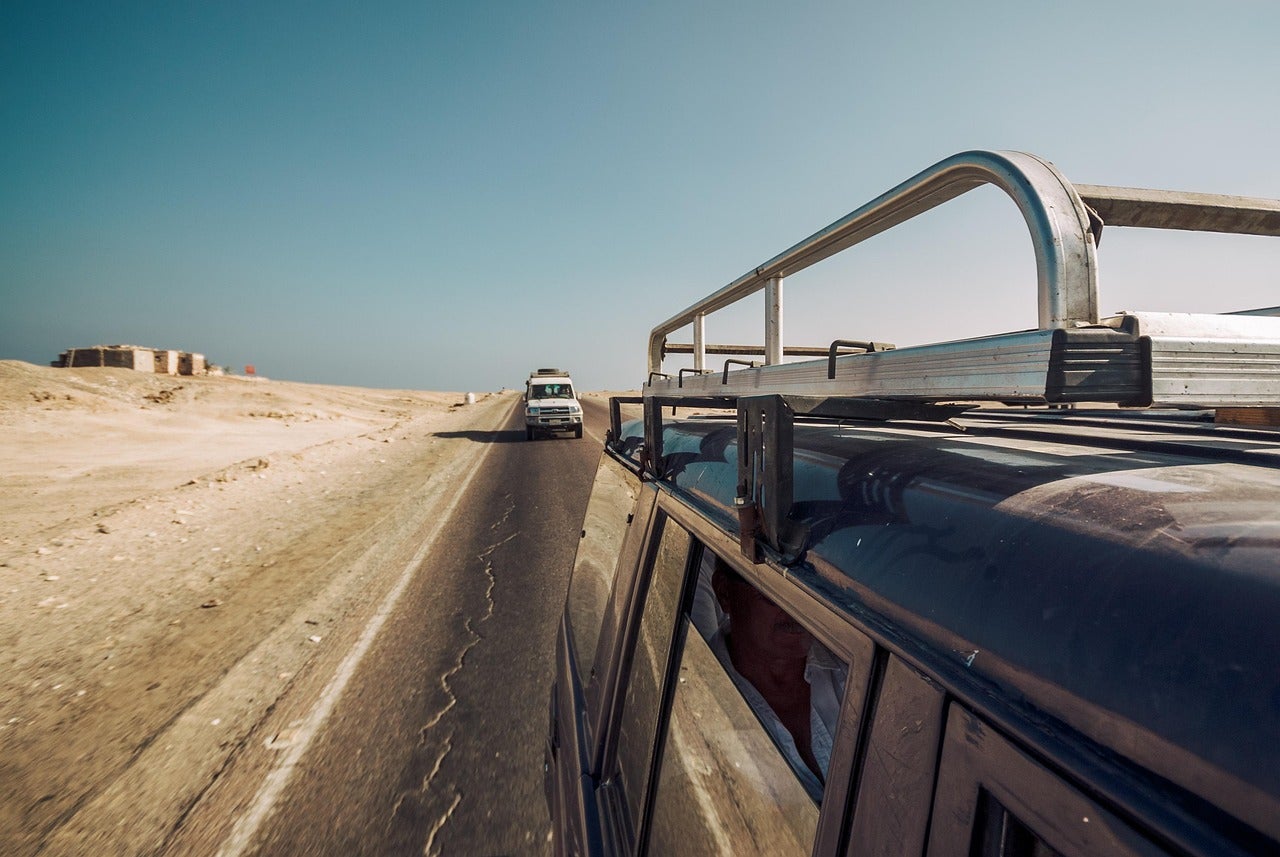
Jeep adventure gear might handle the mud, the rocks, and the trails like a champ, but that doesn't mean you can go easy on upkeep. Whether it's the roof rack you use for weekend getaways, the winch that saved you from a messy ditch last winter, or those off-road lights that guide you through the backwoods after sundown, every single piece of gear works harder when you push your Jeep into the outdoors. The more it works, the more attention it needs. more New York weather adds another challenge. In Nassau County, weather shifts fast, especially heading into late fall. Wet leaves, salt buildup, and rapid temperature drops can all wear down your gear. If you leave it ignored for too long, the impact isn't just cosmetic. Bad gear can turn a fun day into a frustrating one or even a dangerous one. Keeping your equipment in check means every trip starts with confidence, not second guesses. Understanding The Basics Of Jeep Adventure Gear Before talking maintenance, it helps to know what's considered adventure gear on a Jeep. These aren't the parts that get your Jeep moving. They're the add-ons that make each trip more capable, more comfortable, and safer, especially when exploring off the beaten path. Common adventure gear includes: Roof racks and cargo carriers Tow hooks and winches Aftermarket bumpers and skid plates Off-road lighting systems Snorkels and air intake protectors Each one of these pieces faces a different type of wear. Tow hooks might get stressed and bent. Roof racks collect grime and salt. Lights can fog up or short out from water exposure. Over time, if they aren't kept up, they'll break down and often when you least expect it. That's how problems build up: a frozen winch cable, a rusted light connector, or mud-covered vents can all show up at exactly the wrong moment. Building in a simple maintenance habit means your gear stays dependable. Replacing parts too soon can hurt your wallet, but more importantly, it can ruin a trip. Maintaining your gear helps make sure your Jeep is ready when you are. If you're hauling kayaks to the South Shore or riding trails that twist upstate, working gear makes everything easier and safer. Seasonal Maintenance Tips In Nassau County Fall is no time to let your adventure gear sit unchanged. Nassau County's mix of sea air, wet leaves, and fast temperature drops is tough on anything exposed. It's easy to forget how grime and salt build up during this time, especially close to Long Island's coast. Each season comes with different tasks, but the key is staying ahead of the problems. Here's how to handle Jeep gear maintenance, season by season: 1. Fall Rinse roof racks, hooks, and mounts to get rid of sap and leaf debris Wipe off light systems so water doesn't sneak into small cracks Lubricate winches and moving parts before cold air starts stiffening joints 2. Winter Wash away salt as soon as possible to fight off rust Store loose gear like cargo boxes or exterior racks in a dry space Inspect gaskets and seals on winches and lights to be sure they won't crack 3. Spring Double-check all gear for rust after the last freeze ends Put any removed gear back on and test it to catch early trouble Rinse off air intake parts and snorkels after heavy pollen and spring dust 4. Summer Look for signs of heat fade on plastic and rubber Refinish any bare metal to help it fight sun stress Tighten and test roof gear, especially before long-haul drives Each of these quick checks keeps problems from snowballing. It's worth taking a few minutes every season. Whether you're taking the Jeep out for a camp trip at Nickerson Beach or making your way through snowy parts of northern Long Island, a little prep makes all the difference. Steps For Effective Jeep Gear Maintenance You don't have to tear your gear apart weekly, but checking it on a routine basis will save time and frustration later. Adventure around Nassau County means all kinds of dirt, moisture, road salt, and trail tests. Keeping an eye on your setup helps reduce stress and keeps your trips running smooth. Here's a simple checklist to run through every few weeks: Check for crusted mud, sand, or salt on exterior racks, winches, and bumpers Look over cables and straps for fraying, chips, or loss of flex Clean light fixtures and other electric gear to stop water spots and corrosion Tighten bolts, straps, and mounting hardware to stop shifting during a drive Add grease or silicone spray to hinges or moving pieces that feel stiff Keep seasonal or removable gear in dry storage during long gaps of non-use Take a few minutes to walk around your Jeep and test everything with your hands. A strange clicking from the winch or a loose rack bolt are signs it's time for repair. Mild soap and a soft brush work well to clean stuck grime before rinsing it off fully. Some Jeep owners try to tackle everything solo, but not every issue is easy to spot. Dealing with wiring, drives, or damage under the frame is best left to professionals. It can save you from missteps, unnecessary replacements, or worse—gear failure when you're far from help. Why Getting Professional Maintenance Matters Just because gear looks fine doesn't mean it's problem-free. Small cracks, corrosion, or bad seals can hide under buildup. Long Island winters take a toll, and Long Island trails grind dirt into spots you might miss. Dealership techs who work with Jeep adventure gear daily know where weak points show up. They've handled worn-out retractors, busted clips, or gear that looks fine on the surface but is just about to fail. Instead of guessing, professionals give you a straight check-up and know what needs attention right now. What makes it worth the visit is peace of mind. Many shops like Town & Country Jeep Chrysler Dodge Ram inspect full systems, not just deal with the one thing you brought in. That's how you catch the loose bracket or hairline crack before it becomes a problem in the middle of a trip. If you use your Jeep for outdoor challenges, it makes sense to keep the gear sharp too. Adventure gear has a job to do—towing, hauling, climbing, lighting up tough paths—and trained hands know how to keep it prepped. It's not just about washing off the grime. It's about making sure strength, grip, safety, and support are all in place when you need them. Keeping Your Jeep Ready For Every Trip Jeep owners know the thrill of trail rides, beach runs, and weekend escapes. But even the toughest gear takes a beating. Salt, dirt, heat, and cold all put pressure on roof racks, lights, winches, and carriers. It doesn't take long for something small to turn into something that ruins your plans. Regular checks help you catch weak spots before they show up on the road. They help your winches keep pulling, help your racks stay steady, and help lights keep shining when it's pitch black out. Best of all, they keep you focused on the trip, not your tools. Before your next ride through Nassau County or upstate for a quiet camp night, think back on how hard your Jeep's gear has worked. If it's been a while since the last inspection, now's a good time to stay ahead of trouble. Every bolt, bracket, and switch matters when the road gets rough. Keeping them in good shape helps you enjoy the ride without limits. Keep your adventures safe and thrilling by maintaining your Jeep gear with top-notch care. For comprehensive service and expert attention to your Jeep adventure gear in Nassau County, rely on the dedicated team at Town & Country Jeep Chrysler Dodge Ram. Their skilled technicians ensure your equipment is always ready for your next journey across Long Island. Enjoy peace of mind and maximize your Jeep's potential on every trip.
Ram

How to Handle Dashboard Warning Lights in Ram Vehicles

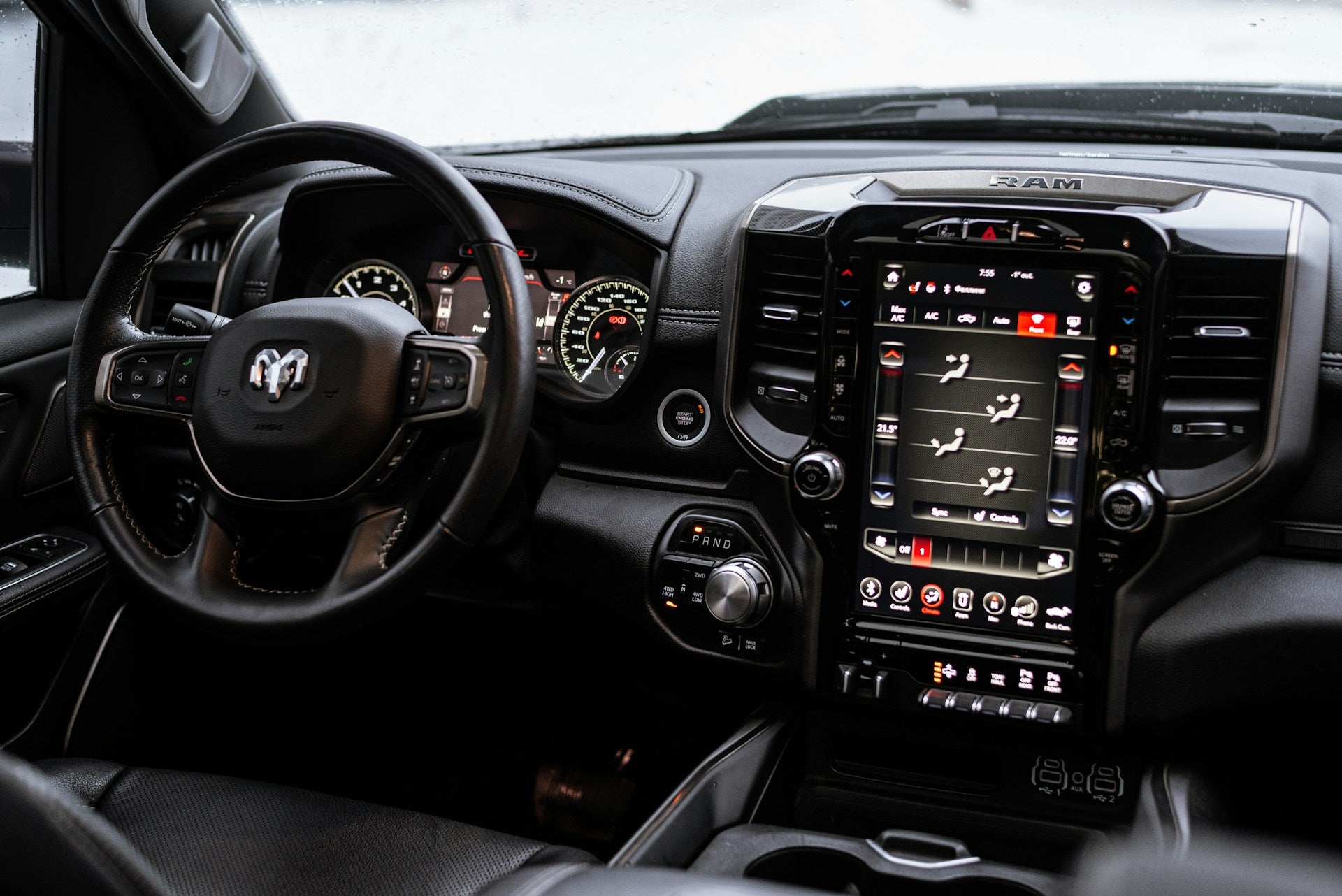
Dashboard warning lights can catch you off guard. One minute, you're running errands or on a delivery route, and the next, a light flicks on that you don’t recognize. It's easy to ignore or even panic when that happens, especially if you're using your Ram vehicle for work around Levittown. These warning lights are your truck's way of saying something needs attention, so brushing them off can lead to more serious problems. more For drivers handling Ram commercial vehicles, understanding these alerts matters even more. Downtime means delays in service, lost work hours, or scheduling headaches. Learning which lights mean "get checked soon" versus "pull over now" can help you stay ahead of small problems before they turn into big ones. Understanding Common Dashboard Warning Lights Ram vehicles use a set of dashboard lights to get your attention before a breakdown happens. The good news is you don’t need to memorize all of them. Just knowing the basics can keep you more prepared on the road. Some lights are more common and often signal well-known issues. Here are a few to keep an eye out for: 1. Engine Warning Light: Also called the check engine light, this usually looks like the outline of a motor. It might turn on for something simple like a loose gas cap or something more serious, like an issue with the emissions system. Either way, it’s a sign your Ram needs to be inspected. 2. Oil Pressure Warning: This one shows up as an old-style oil can symbol. It means the oil isn't moving through the engine properly. If you see this, it's best to stop driving. Driving with low or no oil pressure can damage the engine permanently. 3. Battery Light: Represented by a small battery icon, this light means there’s a charging problem. It could be the battery itself or the alternator. Either way, if this light stays on after the truck starts, you may be running strictly on battery power, which won’t last long. 4. Brake System Light: Usually a red circle with an exclamation point or the word "BRAKE." This light could mean the parking brake is still on, or it could signal a brake system issue. If you’ve already released the parking brake, get it checked right away. Each of these lights is color-coded for a reason. Yellow, orange, or amber lights generally mean "check soon." Red lights usually mean "stop safely and get help." Even if you're tempted to ignore them for a short trip, a lit dash could spell trouble right around the corner. Steps to Take When a Warning Light Appears When a warning light shows up, staying calm makes a big difference. Many people keep driving to their destination thinking they’ll handle it later. That can work in some cases, but it’s not always the smart move, especially when you’re operating a commercial vehicle around Nassau County. Here’s what you should do: Take a quick look at the light's color and symbol. Is it red or yellow? Does it flash or stay solid? If it’s red or flashing, find a safe place to pull over and shut off the engine. You don’t want to risk damaging the vehicle. Check to see if it’s something simple, like a loose gas cap or if the parking brake is engaged. Refer to your owner's manual for a quick explanation of what each light means. Keep it somewhere handy in the glove box. Don’t try to reset the warning light or assume it’ll turn off on its own. A good example is when a delivery driver in Levittown tried to finish up his route with the oil pressure light on. A few stops later, the engine seized, and the truck had to be towed. What started out as a simple issue turned into a full engine replacement, plus missed jobs for the rest of the week. Staying alert when these lights appear can save time, money, and a lot of frustration. They're there for a reason, and they're one of the few ways your vehicle can "talk" to you before major trouble hits. How Town & Country Jeep Chrysler Dodge Ram Can Help When dashboard lights start lighting up, guessing what’s wrong can cause more damage than you think. Modern Ram commercial vehicles have complex systems that connect everything from transmission to climate control. Just because the check engine light shows up doesn’t mean it’s a simple fix. It could be anything from a sensor misreading to a real mechanical issue that needs immediate attention. That’s where professional diagnostics come in. Specially trained technicians use factory-level scan tools that give a clear snapshot of what's wrong under the hood. These tools can read error codes, monitor real-time data, and track system behavior to help pinpoint faults fast. Unlike general code readers from big-box stores, professional diagnostics take into account the specific traits of Ram vehicles. They adjust for model year, configuration, and known technical service bulletins that might apply. Once the root issue is found, it becomes easier to fix the problem efficiently instead of just treating symptoms. For work trucks and fleet vehicles around Levittown, fixing issues right the first time helps avoid repeat shop visits and more downtime. If your Ram is relied on for deliveries, snow plow services, or utility work around Nassau County, accurate diagnostics and factory-trained expertise can keep your vehicle in service instead of in the shop. Technicians see patterns across different Ram models too. For example, if your dashboard lights keep flashing after heavy rain or temperature drops, it might trace back to haunted sensor grounds or connection issues, both of which are common in older trucks. Without diagnostics, you’d just keep resetting the battery and wondering why the light keeps coming back. Preventive Maintenance Tips for Ram Drivers Staying ahead of dashboard warnings often comes down to regular maintenance. When a Ram commercial vehicle is cared for on schedule, warning lights tend to stay off longer and repairs cost less. It’s easier and cheaper to catch problems during routine service than dealing with emergency breakdowns that throw off your whole workday. Here are a few helpful ways to reduce the chance of seeing those warning lights pop up again: Stick to the service schedule in your owner's manual, especially for oil changes and brake inspections Use high-quality fluids and parts that match what the manufacturer recommends Keep battery terminals clean and check voltage regularly, especially before heavy workloads Address odd noises, weak starts, or unusual smells early — these can hint at issues before the dash tells you Don’t ignore weather wear — cold, salt, and moisture all affect wiring, sensor response, and fluid sealing Make sure tires and brakes are checked often, especially if your Ram hauls heavy loads in stop-and-go traffic It also pays to take seasonal changes in Levittown into account. Heading into late fall, systems like heating, battery strength, and tire pressure become even more important. Low temperatures aren't always visible on a dash warning, but they still mess with vehicle performance. A well-maintained truck tends to handle these transitions much smoother with fewer surprises. Keeping Your Ram Running Smoothly in Levittown Dashboard lights shouldn’t be a guessing game. They exist to protect your vehicle from long-term damage and keep you and your cargo safe while out on the job. Whether you're behind the wheel of a Ram van, pickup, or chassis cab, avoiding those lights often comes down to two things: timely repairs and proactive upkeep. The roads around Levittown demand a lot from Ram commercial vehicles year-round. Add in seasonal weather, work-related wear and tear, and stop-and-go traffic, and it's easy to see how things can add up fast under the hood. Paying attention to dashboard warnings as soon as they appear and following a strict service routine can keep your vehicle on the road and off the rack. Over time, these habits build into peace of mind. No one wants to sit on the side of Hempstead Turnpike with hazard lights flashing while deliveries are delayed or customers are calling. Handling each dashboard light quickly and professionally helps keep your Ram running at its best and keeps business moving forward without unexpected stops. Taking care of your Ram commercial vehicles in Levittown means paying attention to every warning light and getting timely service. When it's time to address those dashboard alerts, rely on Town & Country Jeep Chrysler Dodge Ram for professional assistance. Schedule your next service visit with us to ensure your truck stays on the road, running safely and smoothly for all your business needs. Learn more about Ram commercial vehicles in Levittown.

Ram

Best Financing Options for Your Ram Vehicle Purchase

Buying a new Ram truck is an exciting step, especially when you’ve got your eye on the exact type that fits your needs. Whether you're thinking about hauling tools, towing a camper, or just want something strong and reliable for daily life, getting the right vehicle matters. But before driving off in your new truck, it helps to understand your financing options. The way you finance your Ram can affect how much you're paying each month and over time. more If you're in Nassau County, you've probably come across a few options already, and it can feel like a lot. Taking some time to figure out what works best for your budget and lifestyle can make the difference between a smooth process and one that ends up feeling frustrating. With basic planning and the right info, you can land on a financing solution that holds up over time. Understanding Your Budget Before looking at any auto loans, lease offers, or dealership plans, it’s smart to start with your budget. Knowing how much truck you can actually afford makes everything else easier. This part isn’t just about the truck’s sticker price—it’s about your full financial picture. Start with your take-home pay each month. Subtract all your usual expenses like housing, utilities, food, insurance, gas, and any recurring payments. Make sure you leave wiggle room for saving and emergencies, too. Whatever is left is what you could reasonably put toward a Ram truck payment each month. Here’s a quick formula: Total take-home pay Minus your fixed expenses (rent, bills, etc.) Subtract a savings goal and emergency buffer Equals your potential car payment budget Online loan calculators can help you plug in different loan amounts and payment terms to see what fits best. Some even let you view the full cost over the life of the loan, which gives you a clearer picture going forward. Exploring Financing Options Once your budget is in place, the next step is figuring out how you actually want to pay for your Ram. There are a few common options, and each one suits a different type of driver or situation. The most familiar choices include loans, leases, and dealer-arranged financing. 1. Auto Loans – These are straightforward. You borrow money from a lender, buy the truck, and then pay it off month by month until you own it. This is a great choice if you plan to keep your Ram for a long time. The payments can be higher than leases, but you build equity with every payment. 2. Lease Agreements – A lease lets you drive a new Ram without buying it right away. You’re basically renting it for a few years, with mileage limits and a set return date. Monthly payments are usually lower, which appeals to folks who like upgrading every few years or want to keep costs down short-term. 3. Dealer Financing – This route involves working directly with the Ram dealership. Dealers often have lending partners they work with, and they can handle the whole financing process on-site. This can save you time and may even result in better terms if there are promotions running. Each option has trade-offs. An auto loan gives you full ownership but might come with higher payments. A lease frees you up from long-term commitments but includes more limits. Dealer financing is convenient and may be flexible, especially if your financial situation has a few bumps. Choosing the best one comes down to how long you want to keep your vehicle, how much you plan to drive, and what kind of monthly commitment fits your budget. Benefits of Dealer Financing Dealer financing has its share of perks, especially if you're looking to simplify the process. Starting at the same place where you're choosing your truck saves steps. You don’t have to schedule back-to-back meetings with banks or fill out multiple applications. At Town & Country Jeep Chrysler Dodge Ram, dealer financing may also come with access to promotions or rate incentives through lending partners. These might include lower annual percentage rates or bonuses during end-of-year events, making it a smart time to explore during model-year transitions like early fall. Dealership experts are often familiar with a wide range of credit backgrounds. If you’re self-employed, have a slightly damaged credit history, or need a longer-term agreement to lower payments, dealer financing can be structured with those things in mind. It's not always about having perfect credit—it's about finding something that works. Imagine you're a construction professional in Levittown and need a Ram 2500 this season, but you don’t have days to chase down bank approvals. Dealer-managed financing lets you come in, pick your truck, and possibly complete the paperwork within a few hours. At the end of the day, dealer financing puts everything in one place. Your vehicle, your loan, and your paperwork are handled together, making it easier to understand what you're signing and leaving less room for confusion. Preparing for Financing Approval If you've decided on financing through a loan or dealer, prepping a little in advance can make things go faster and give you better offers. Lenders want to see that you’re consistent with your finances and organized with your paperwork. The first thing to do is check your credit. You’re allowed one free credit report per year, and it’s helpful to catch any mistakes or lingering items you forgot about. A stronger credit score usually means better interest rates. Next, gather your paperwork. When you meet with the dealership or lender, it helps to bring: Proof of income (pay stubs or tax documents) A valid driver’s license Proof of your current residence (like a utility bill) Employer contact information An idea of your monthly financial obligations Making a larger down payment can also work in your favor. Less money borrowed means less risk for the lender, and it can lead to lower rates or even approval when credit history is borderline. Being prepared doesn't just help the dealer help you—it gives you peace of mind that you’re walking in with everything ready to go. Enjoying Your New Ram in Nassau County Once all the pieces are in place, you’re ready for the best part: getting behind the wheel of your new Ram and putting it to work. Whether you’re hauling gear to a job site around Levittown or heading out east for a weekend project, there’s something satisfying about driving something you know fits your life. Financing can feel complicated at first, but when broken down into clear steps, it becomes way less stressful. You looked at your budget, explored all your options, compared what each choice meant long-term, and got yourself set up for success. If you’ve made room in your budget, picked the right payment approach, and gathered everything needed for approval, you’re ahead of the game. Ram trucks are built to handle a lot, and now you've got a setup that won't stretch your wallet too thin while doing it. Whether it’s work, errands, or weekend plans around Long Island, knowing your Ram was financed with your lifestyle in mind makes the drive smoother from the start. If you’re ready to make your next truck purchase stress-free, exploring your options for Ram financing in Nassau County is a great place to start. At Town & Country Jeep Chrysler Dodge Ram, we're here to help you find a solution that fits your needs and gets you on the road faster.

Jeep

Jeep Dealership Reviews on Long Island: What to Look For

When you're buying a Jeep, finding the right dealership on Long Island can be just as important as picking the right vehicle. A good dealership is more than just a place to sign paperwork. It’s a place where you should feel respected, heard, and secure in the decisions you’re making. But how do you know if a dealership is actually doing right by its customers? more One place many people turn to is online reviews. They can shine a light on how a dealership treats people day to day, whether it’s during the sale or months after. That said, not all reviews are helpful or even honest. Knowing what to watch for can save you from some real headaches. Let’s break down what really matters when going through Jeep dealership reviews on Long Island. Recognizing Genuine Reviews Online reviews aren’t all created equal. Some tell helpful, honest stories from real customers. Others? Not so much. You’ll come across vague five-star ratings with no details or rants that seem disconnected from reality. Learning how to tell the difference helps you get the real picture. Here’s what to look for in genuine reviews: Specific examples: Honest reviews often give details about the customer’s visit. They might mention names of staff, what service was provided, or how an issue was handled. Balanced opinions: Reviews that talk about both the good and bad in a calm tone are usually more reliable than ones full of extreme praise or harsh criticism. Verified platforms: Stick with trusted review platforms. Avoid reviews from websites you’ve never heard of or ones that appear copied across multiple sources. Consistency across reviews: If multiple people mention similar experiences, good or bad, it might reflect a pattern. Recent reviews: Dealerships change over time. Focus on reviews from the last year or two to get a more accurate feel for how things are now. If a review sounds overly dramatic, too generic, or sounds like someone just copying a brochure, take it with a grain of salt. One example could be a review that just says, “Great place. Five stars. Will return.” That probably doesn’t come from someone who actually spent time there or had a full experience. Make sure to read more than just a couple of reviews. Getting the full story takes a little effort, but it’s worth it. You’re not just looking to spot the glowing or terrible ones. You’re looking to see what most people agree on. Key Elements To Look For Once you weed out the fake or unhelpful reviews, the next step is figuring out which parts matter most. Buying a Jeep is a big move, and you want to work with people who help you move through it with confidence. Reviews can shine a light on how a dealership actually operates. Pay special attention to these areas: Customer service You want to hear stories about staff being patient, respectful, and honest. If someone felt rushed, pressured, or ignored, that’s a sign to pause. Real experiences about how the customer was treated are way more important than just a star rating. Pricing and financing A good dealership will be upfront. Look for mentions of clear quotes, no hidden add-ons, and honest discussions about payment options. People will usually mention if they felt tricked by wording or if the final price was totally different from what they were first told. Vehicle availability If you’re shopping for a specific Jeep and the dealership constantly runs low on stock, that’s something you’ll probably find mentioned. You may even read about how well-kept or clean the cars were, even during test drives. That matters too. The more details customers give about their interactions, from stepping in the door to signing paperwork, the better you can judge whether or not you want the same experience. Keep all of this in mind when comparing dealerships throughout Long Island. Evaluating Dealership Experience Once you've got a good feel for the overall tone of the reviews, it's worth zooming in on what people say about the buying process itself. When someone has a solid experience at a Jeep, Dodge, or RAM dealership, it usually shows in how they describe things step by step. Look for comments about how easy it was to get questions answered, whether the test drive felt rushed, or what kind of vibe the sales team gave off. A helpful review may explain how the salesperson pointed out differences between trim options or walked through every line in the closing paperwork. Others might mention if there was pressure to make a decision on the spot or if the process felt relaxed. These insights matter because they can give you an idea of how your own visit might go. Beyond the sale, check to see what people say about their service and follow-up experience. Some buyers return a few weeks later for minor adjustments, warranty questions, or help with tech features. If multiple customers mention being ignored once the deal was done, that’s a red flag. A Jeep dealership that stays in touch after the sale, whether it’s for routine maintenance or fixing an issue under warranty, builds trust. Timing is another factor customers talk about. If a lot of people mention that paperwork took forever or their appointments got pushed back, you may want to prepare for delays. On the other hand, great reviews often throw in surprise comments about how fast and smooth the process felt. During fall, inventory and appointments can shift fast going into cooler months, so it’s good to know how flexible a dealership has been with others around that time of year. Red Flags To Watch Out For Even though glowing reviews can draw you in, don’t ignore the patterns in negative ones. Some complaints are one-offs, but others may pop up regularly. Spotting those early can save you from wasting time or running into the same problems. Pay attention to these kinds of issues: Lack of follow-through. If multiple reviews mention unanswered calls, no updates after promises, or delays in processing paperwork, that’s a warning sign. Confusing fees. Some reviewers might say they were offered one price online but hit with unexpected charges later. Always look for mentions of added costs that weren’t discussed upfront. Pushy sales behavior. Selling is part of the business, but there’s a difference between enthusiastic and aggressive. Watch for reviewers describing pressure to buy now or accept an offer that didn’t feel fair. Incomplete service or rushed jobs. Whether it’s a loose part not fixed properly or a rushed explanation about financing, these things show how the dealership may treat your concerns. Titles and paperwork delays. A review that says someone waited weeks to get their registration or plates, only to keep chasing down paperwork, should grab your attention. If you see the same complaint mentioned in reviews across Yelp, Google, or even X, there's probably truth to it. One buyer who had a terrible time might be an outlier. But when five or six people talk about pushy salespeople or long waits for a test drive, that's likely a real issue. Smart Planning Leads to Better Jeep Buying You don’t need to become an expert overnight, but taking the time to scan through Jeep dealership reviews around Long Island can make a huge difference. It gives you a better feel for how people are actually treated, not just how things are presented online. Positive reviews with substance make good dealerships easier to recognize. Negative ones that repeat the same problems can help you decide where not to go. Shopping for a new or used Jeep anywhere in Nassau County, especially Levittown, doesn’t have to feel like a guessing game. The more you use past buyers’ experiences to help guide your own, the clearer your options will become. Look at the mix of reviews, weigh the consistent feedback, and trust your instincts along the way. A little extra reading time can lead to a lot less frustration later. If you're trying to get a better understanding of what others think before making your next move, reading through Jeep dealership reviews on Long Island can give you some helpful insight. At Town & Country Jeep Chrysler Dodge Ram, we know how important it is to feel confident about your choices, and we're here to support you every step of the way.

Dodge

Troubleshooting Common Problems with Dodge Family Vehicles

Dodge family vehicles are popular across Long Island, and for good reason. They’re roomy, powerful, and get the job done for both daily errands and weekend getaways. But like any vehicle, they come with their own set of problems over time. Having a handle on what these problems are and how to spot them early can make a real difference. more Ignoring warning signs can lead to bigger and more expensive repairs down the line. That’s why it helps to know what to watch for and when to take action. Whether it’s something simple like a sensor acting up or something more serious like engine trouble, paying attention now means more time on the road and fewer surprises later. Identifying Electrical System Issues Electrical issues can be tricky because they don’t always show up the same way. One day your windows won’t roll down, the next your headlights flicker, and then suddenly the remote key stops working. These kinds of problems can drive anyone crazy, especially when they appear out of nowhere. Some common warning signs include: 1. Power windows not responding or moving slowly 2. Dashboard lights flickering or staying on even after the issue is fixed 3. Headlights and interior lights dimming unexpectedly 4. Remote lock/unlock functions failing to work 5. Radio or touchscreen display cutting in and out If you're dealing with any of these problems repeatedly, there's a good chance it's related to the wiring, battery terminals, alternator, or onboard computer systems. Simple things like corrosion on the battery terminal can throw off the entire system. That doesn’t mean it’s safe to try and clean or fix these issues yourself. One wrong move could short out a fuse or cause more damage. When these issues persist or start to impact how the car functions overall, it’s time to get it inspected. With colder weather kicking in around late October on Long Island, electrical components often begin to show signs of wear. Taking care of them now means avoiding larger issues down the road. Troubleshooting Engine Performance Problems Your Dodge’s engine does all the heavy lifting, and when it starts acting up, it gets noticed fast. Maybe you feel a rough idle, hear louder engine sounds, or notice it lagging when pulling away from a stop. These are often early signs that something isn’t working the way it should. Common symptoms of engine problems include: 1. Hesitation or jerking when accelerating 2. Engine shaking or vibrating at idle or during driving 3. Unusual smells coming from the exhaust 4. “Check Engine” light flashing or recurring 5. Random stalling at stop signs or traffic lights There are a few basic items that can cause these problems. Worn spark plugs, clogged air filters, or old fuel filters can all affect performance. Cheap fuel or moisture in the tank can also cause issues with how the engine runs. These smaller parts play a big role in engine performance and are a good first stop when something feels off. But if you’ve already checked the basics and the trouble sticks around, there may be a bigger issue brewing. Engine problems tend to get worse when ignored, especially as fall weather cools down further across Long Island. It’s best to get ahead of any trouble to avoid bigger repairs later on. Addressing Transmission Malfunctions Transmission trouble usually makes itself known quickly. Whether you start to feel your gear shifts slipping or notice a pause before the vehicle reacts, these are signs you shouldn’t ignore. Delays, unexpected sounds, or even a higher-than-normal engine roar when accelerating could all point to the transmission. Watch for signs like: 1. Slipping or delayed gear shifts 2. Grinding, buzzing, or humming sounds while shifting 3. Fluid spots under the vehicle 4. Transmission warning light on the dashboard 5. Burnt smell coming from under the hood After months of summer driving and possible towing, transmissions often show wear right as the seasons change. Cold weather on Long Island can make things worse by thickening fluids and straining already tired parts. Once these symptoms appear, waiting them out can cause deeper damage. Something as simple as low transmission fluid or a worn solenoid might be behind the issue. When caught early, these can often be fixed without breaking the bank. But ignoring signs like grinding or burned fluid smell can lead to more serious failures. Don’t give problems like this time to grow. Getting it checked early is always the better route. Resolving Brake System Concerns Brakes rank up there with the most important functions in your Dodge. If they’re not working at 100 percent, you’ll feel it—and the risk increases every time you drive. Sound, feel, and warning lights are your main clues that something could be wrong. Some early indicators of brake trouble include: 1. Squeaking or squealing noises when braking 2. Steering wheel vibration during braking 3. Spongy or low brake pedal 4. Vehicle pulling to one side when slowing down 5. Brake warning light turning on Long Island roads in late October can bring more moisture and changing conditions that lead to grime buildup. That, mixed with worn brake parts, can make common issues worse, faster. Whether it’s worn pads or air in the lines, they need to be discovered before they lead to longer stopping distances or full system failure. Trying to diagnose or patch brake problems on your own might seem quick, but with braking systems, even a small mistake can cause safety risks. For families driving across Nassau County or through school zones and busy parkways, confidence in your brakes is a must. Ensuring Reliable HVAC Performance As the warm days quickly turn into chilly mornings on Long Island, the heating and defrost systems in your Dodge start working harder. When they fall short, it doesn’t just make the ride uncomfortable. A fogged windshield or poor airflow can become a real driving hazard. Common HVAC signs to watch out for include: 1. Heat not coming through vents 2. Weak or uneven airflow across cabin 3. Defrost not clearing the windshield 4. AC engaging when it's set to heat 5. Clicking or tapping noises behind the dashboard Blame for these issues can often be traced to faulty blend door actuators, clogged cabin filters, or a worn thermostat. The shift from AC usage in summer to heat in fall and winter puts stress on the system fast. Instead of dealing with a cold cabin during your morning commute or a fogged window on your errands, it’s better to get any odd HVAC symptoms looked at now. Routine service this time of year helps make sure the system won’t let you down when you need it most. Staying Confident on the Road Every Dodge driver wants peace of mind behind the wheel, especially as the chill settles in across Long Island. Whether it's engine stutters, sluggish brakes, or cold air blowing when the heat’s on, these aren’t just small annoyances. They're clues. And catching them early can save you time, frustration, and money down the line. Keeping up with maintenance doesn’t just make each drive more comfortable. It keeps your family safer, protects your investment, and helps avoid surprises in the colder months. The more in tune you are with your vehicle, the easier it is to spot when something’s off. No one wants to be stuck with a bigger repair in the middle of a freezing day or stranded in traffic. If any of these issues sound familiar, it's smart to have a professional take a closer look now rather than later. Cold weather tends to push systems to their limit, and your Dodge deserves the best shot at staying reliable all season long. Keep your Dodge family vehicles on Long Island running smoothly by staying on top of your maintenance schedule. With colder months coming up, it’s a smart time to get an inspection or take care of any repairs before conditions get rough. Let the team at Town & Country Jeep Chrysler Dodge Ram help you stay ahead of problems with reliable service that fits your needs.

Dodge

Fixing Electrical System Glitches in Dodge Journey

If you drive a Dodge Journey around Levittown regularly, you probably count on it to start up smoothly and get you where you need to go without hiccups. But like any vehicle, electrical issues can pop up when you least expect them. They don’t always come with warning lights or loud clunks either. Sometimes it’s something as small as flickering lights, a radio that cuts out, or a power window that stops working without reason. These kinds of glitches can get frustrating fast, especially when you're just trying to get through a normal day. more Levittown drivers face extra stress in the fall as temperatures swing and the weather starts to get wetter. That kind of shift can put extra pressure on your car’s battery, wiring, and computer systems. Electrical faults can sneak up on you, and the longer they’re ignored, the stranger your Dodge might start behaving. So, staying ahead of it can save time and hassle whether you're heading down Hempstead Turnpike, picking up groceries, or taking the kids to school. Identifying Common Electrical System Issues Electrical problems can start off small, but they can grow fast. One day your dashboard lights blink a little too fast, and the next your power locks stop responding. The Dodge Journey may react in different ways depending on the part of the system that’s acting up. Paying attention to early signs makes it easier to get the problem fixed before it causes more damage, especially with colder months around the corner. Here are some trouble signals to watch out for: Flickering or dim headlights when idling Power windows or door locks that work off and on A battery that frequently dies or needs boosting Engine cranking slowly or not starting at all Unresponsive infotainment screen or flickering display Random warning lights flashing briefly but disappearing Sometimes these issues may seem like a battery problem, but it's not always that simple. A dying alternator, blown fuse, or loose wire could be behind it all. Levittown's coastal weather can also add extra wear to parts like connectors and terminals, especially with moisture that creeps into small spaces. It’s easy to brush off a weird light or a slow start, especially if your vehicle kicks back into shape after restarting. But that inconsistency is a red flag. The electronics in your car are all tied together, and when one part goes haywire, others can follow. Troubleshooting Steps For Electrical Glitches It's frustrating when electrical problems start popping up. But knowing what to check first can make things a lot easier when reporting the issue to a shop. You don’t have to be a technician to spot something out of place. Here's a simple list of checks that can help shed light on what could be going wrong: 1. Battery Check: Look for corroded battery terminals, loose cables, or signs the battery is swelling or cracked. These are clear signs it should be looked at soon. 2. Fuse Inspection: Peek inside the fuse box under the dashboard or hood. Look for any blown fuses. Each one connects to different areas, like your power seats or radio. 3. Connections and Wires: Check visible wiring under the hood. Wiggling connectors carefully can show loose fittings, especially near the battery or alternator. 4. Listen While Driving: Pay attention to clicking, buzzing, or unusually quiet systems like a fan that doesn’t spin or a stereo that won’t power up. 5. System Resets: If your touchscreen system keeps freezing or resetting while on the road, make note of when it happens. Certain patterns can help find the issue faster. Doing a quick rundown like this helps explain key problems when taking the car in. It saves time trying to figure out what’s going wrong, and it makes it easier to get back on the road sooner. Importance Of Professional Diagnosis Once the basic checks are done, many drivers assume they’re in the clear if the problem temporarily disappears. But with a car like the Dodge Journey, electrical systems can act unpredictably. Some issues don’t show up until the weather changes or you've been driving for a while. That’s where a trained technician with the right tools can make a big difference. They can connect your vehicle to diagnostic equipment to pick up error codes and signals that aren’t always visible from the driver's seat. Unlike mechanical issues that may have obvious wear or strange sounds, electrical faults can feel like a guessing game. One faulty sensor can trigger multiple systems to act out. A professional will know where to start, whether it’s a computer module, wiring harness, or failing relay. Especially in Levittown, where salt and humidity can affect wire insulation over time, having someone thoroughly inspect the system saves time and avoids misdiagnosis. There’s also peace of mind that comes with knowing the problem isn’t just patched up temporarily. A lot of Dodge Journey owners have run into the same frustrating loop, with lights resetting, the dashboard going dark, and then working fine the next day. Without a solid checkup from someone who knows these systems inside and out, that loop can continue for months. And during the fall, when your vehicle might need more electrical output like for heat or lights, minor problems can become bigger fast. Preventive Maintenance Tips To Avoid Electrical Trouble Getting ahead of electrical problems doesn’t take much effort. It’s more about being consistent and keeping an eye on things before the signs become hard to ignore. As the cooler weather sets in across Levittown, it’s a good time to prep your Dodge Journey for the changes in temperature and usage. Here are a few habits that can help reduce the risk of sudden electrical issues: Check battery health seasonally: A quick battery load test can tell you if it’s holding a charge the way it should. Don’t wait for a cold morning when it won’t start. Keep terminals clean: Even a small amount of corrosion on battery posts can affect startup and charging. Clean them with a dry cloth or soft brush if you see buildup. Inspect rubber seals and gaskets: If water gets past them, it can short out components behind the dash or in the floor console. Watch your accessory use: Running lots of accessories like heated seats, lights, and charging pads can mark an early warning sign if things start slowing down or lagging. Get regular system scans: Modern Dodge systems might store silent codes even before a check engine light appears. Catching them early can save money and hassle down the road. It’s also worth reading any vehicle alerts or recall notices you get. Sometimes electrical fixes are already available, and ignoring them can lead to more complicated issues that require longer service times. How to Keep Your Dodge Journey Reliable Through Fall Electrical problems can add stress to your day, especially when they come and go without warning. But the sooner they’re scoped out, the better chance you’ll have of avoiding bigger repairs later. Whether it’s dimming lights, glitchy electronics, or a battery that’s constantly needing attention, small irritations today can turn into no-start situations tomorrow. In Levittown, where traffic, weather, and busy schedules all mix together, keeping your Dodge Journey dependable gives you one less thing to worry about. Staying ahead of inconsistencies with the electrical system, especially going into fall, makes those daily drives a lot less stressful. It also helps your Journey stay ready for whatever Long Island roads bring your way. With regular checkups and quick attention to trouble signs, you keep more control over how your vehicle performs every day. Get ahead of any potential electrical issues and keep your Dodge Journey running smoothly. If you're experiencing problems or just want a thorough check-up, consider scheduling a service appointment. The technicians here in Levittown are ready to help. For expert attention and quick service options, explore what we offer for your Dodge Journey in Levittown today. Town & Country Jeep Chrysler Dodge Ram is here to keep your driving worry-free.

Dodge

When to Get Dodge Repair Services to Avoid Bigger Issues

Taking care of your Dodge isn’t just about keeping it running today. It’s about making sure it keeps performing tomorrow without draining your wallet. Regular upkeep and quick attention to problems go a long way in preventing more expensive repairs down the line. As we head into fall here in Levittown, it’s a good time to pay closer attention to any changes in how your Dodge feels, sounds, or even smells while on the road. more Fall can bring cooler mornings, heavier traffic with school back in session, and unpredictable road conditions, especially with wet leaves or early frost. These shifts sometimes bring hidden vehicle problems to light. Whether it’s a strange rattle when the engine starts or your check engine light flicking on, it’s best not to wait. Catching issues early keeps those small repairs from turning into big ones just as winter starts creeping in. Recognizing Early Warning Signs One of the smartest things you can do as a Dodge owner is learn to catch warning signs before they grow into serious issues. Most problems with Dodge cars and trucks don’t appear out of nowhere. They usually show small clues along the way. Here are a few you should watch out for: Strange noises under the hood like ticking, banging, or whining Warning lights appearing on the dashboard more than once Unsteady or rough idling when you're stopped A sudden drop in fuel efficiency Gears slipping or the car hesitating when shifting Fluid spots under your car after it’s been parked Slow cranking or trouble starting in the morning Sometimes these issues don’t seem big at first. Maybe your Dodge still starts fine, just with a little more noise than it used to. Or it might hesitate just for a second before shifting gears. Either way, small changes like those can point to larger trouble coming if left alone. One local driver thought their brake squeak was from rain, but after a few weeks, the sound got louder and the pedal started feeling spongy. It turned out to be worn brake pads and a damaged rotor. Fixing it early would've cost less and kept things safer from the start. If your Dodge has shown any of these issues lately, it's better to get it checked now before the temperatures drop more. Early fixes help keep you from being stuck roadside or facing an even higher repair bill later. Key Times to Seek Dodge Repair Services It’s not always easy to know when to bring your vehicle in, but certain situations deserve quicker attention. Some repairs can wait a bit, but others can get worse fast if ignored. If you’re unsure, it’s always better to be safe. Here are some cases where you should schedule Dodge repair services right away: 1. After an accident, even a minor bump: Body damage can hide alignment or suspension problems 2. When dashboard warning lights stay on: Even if the car feels okay, lights signal something's off 3. If your Dodge doesn’t start smoothly or takes longer to turn over: These are signs of battery, starter, or fuel system trouble 4. When you hear grinding or knocking under the hood: That sound could mean internal engine trouble is starting 5. If your brakes feel soft, spongy, or take longer to stop: Brake failures are major safety hazards and should never wait Seasonal changes in Levittown, especially in late October, can bring colder mornings and longer commutes. It's smart to plan repairs before winter arrives. Cold weather puts more stress on older parts, weakening your battery, thickening your fluids, and making any drivetrain issues worse. Taking care of small problems now avoids the hassle of a breakdown in the middle of a snowy morning or freezing evening. Benefits of Timely Repairs Waiting too long to repair your Dodge can lead to more than just bigger bills. Small issues might seem harmless at first, but they often grow into more serious problems that are harder to fix and easier to avoid. Timely service means fewer surprises and smoother driving. When you take care of a small repair up front, you're less likely to face sudden breakdowns or unexpected part failures. For example, fixing a minor coolant leak might cost less now, but if ignored, it can overheat your engine and lead to a full replacement down the line. That’s a huge difference in cost, time, and stress. Timely repairs also help extend the life of your Dodge. When parts work the way they’re supposed to and your systems stay in sync, your engine doesn’t have to work as hard. That makes for better fuel use and smoother performance all around. It can also prevent wear on related parts, so you won’t end up replacing more than necessary. Another thing to think about is safety. If your brakes, steering, or suspension aren’t working like they should, it puts you, your passengers, and others on the road in danger. Issues with lights, wipers, or even tires can become a problem fast, especially with daylight hours shortening in the fall. Taking repairs seriously the first time means you’re not dealing with things twice. You’ll skip the stress of having to tow your vehicle or being without it for days. It doesn’t just save money. It protects your schedule and keeps life moving without a hiccup. Trusting Local Dodge Service Experts in Levittown When something’s off with your Dodge, it helps to get it checked by people who know exactly what to look for. Trying to sort it out through trial and error wastes time, and guessing leads to more damage. That’s where experience and local know-how make a big difference. Levittown drivers face unique road conditions, especially during the fall and early winter. Local service providers understand this better than most. Cold snaps, coastal moisture, and heavily salted roads on Long Island can lead to wear that isn’t as common elsewhere. That knowledge helps technicians anticipate hidden problems your Dodge might develop based on region, road wear, or how often you drive in stop-and-go traffic. Many local providers stay up to date on the latest training and tools that apply specifically to Dodge, Ram, and Jeep vehicles. That includes everything from recalls and new software updates to the latest factory tech for diagnostics. You’re more likely to get a faster, cleaner diagnosis from an expert who handles your type of vehicle every day. There’s also a comfort level when you can bring your Dodge somewhere close by. You won’t have to plan a long drive, hope traffic’s light, or worry about where your car’s going. Working with someone in Levittown means getting help from people who understand what your vehicle has been through just by living in this area. That makes a difference when the goal is solving problems for good and not just patching them up. Helping Your Dodge Run Strong Through Fall and Winter Your Dodge works hard for you. Whether it’s getting you to work, hauling gear, or making weekend trips upstate, the last thing you want is for something small to knock it out of commission. Staying on top of your repair needs now, when temperatures are starting to dip, will help prevent more costly issues in the months to come. Routine maintenance matters, but so does listening to your vehicle. If it’s acting different, don’t shrug it off. Strange sounds, longer starts, or warning lights that keep reappearing all mean it’s time to act. Getting things checked now keeps your fall and winter on track and helps hold the value of your vehicle over time. Finding a repair team that knows Dodge vehicles inside and out and understands the Levittown area can make all the difference. With the right team in your corner, staying ahead of repairs isn’t stressful. It just becomes part of how you drive with confidence all year long. If your Dodge isn't running like it should, it’s time to take action before it turns into something bigger. The team at Town & Country Jeep Chrysler Dodge Ram is here to help with trusted support and professional care. To stay ahead of the seasons, schedule your Dodge repair services in Levittown today and keep your vehicle in top shape no matter what the road brings.

Dodge

Top Highlights of Dodge Used Inventory in Nassau County

Fall in Nassau County brings a change of pace, cooler weather, and for many locals, the perfect time to look at upgrading their vehicle. Whether prepping for weekend drives out to Montauk or just looking for something reliable for the daily grind, used Dodge vehicles offer strong value for Long Island drivers. The balance of performance and practicality is a big reason why so many people lean toward Dodge when searching for a pre-owned model. more Used cars often get a bad rap, but Dodge’s lineup tends to hold up over time, especially when kept in good shape. From roomy family rides to powerful pickups, there’s a lot to explore. As you check out Dodge used inventory in Nassau County, it's worth pausing to learn which highlights make the search easier, more rewarding, and better aligned with your needs. Here's what stands out. Extensive Selection Of Models Used Dodge inventory gives shoppers quite a bit to choose from. No matter how simple or specific your vehicle needs are, chances are you'll find a match without much compromise. Here’s what makes the selection worth checking out: Sedans for everyday driving: Great for commuters who want comfort and low maintenance SUVs for families or adventure-seekers: Extra space without going full-size Trucks with strong towing capability: Good for hauling gear or getting things done around Long Island While shopping for new models can sometimes feel limiting due to trim choices or budget, used options often open the door to features and models that might not have been in reach before. Some people even use it as a chance to explore a model they’ve always liked but never thought they could own. For example, someone looking for a reliable SUV may be surprised to find several options with decent mileage, newer tech, and enough cargo space to handle school runs, errands, and weekend getaways. Rotating inventory also means there's usually something new to check out across different body styles. If you like choices and are willing to compare, Dodge’s used lineup makes that experience feel a lot less stressful. Benefits Of Opting For Used Dodge Vehicles Going used doesn’t mean giving up on quality. In fact, shopping for a pre-owned Dodge in Nassau County can mean getting a lot of value for the money. Here's why many locals stick with used instead of new: 1. Less depreciation: New cars lose value faster, while used ones tend to hold steady for longer 2. More features for your price: A few years old can still mean solid interiors, safety tech, and comfort options 3. Certified pre-owned options: These often come with service coverage and inspection reports for peace of mind 4. Lower insurance costs: Typically more affordable to insure than newer versions of the same model 5. More buying power: Many buyers can afford a higher trim level or extra options when buying used There's also comfort in knowing the vehicle’s already proven itself on the road. Local buyers often look out for models with clean maintenance records, minimal wear and tear, and mileage that reflects everyday use, not abuse. That’s especially helpful when Nassau County roads often go from tight town streets to open highway stretches in a matter of blocks. And saving on the vehicle itself opens up room in your budget for other important things, like regular maintenance or service plans that keep it running well for years to come. Key Features Of Dodge Used Inventory Just because a vehicle is pre-owned doesn’t mean you’re settling for less. Dodge used inventory in Nassau County often includes models with modern features that make driving easier and more enjoyable. Even models that are a few years old tend to come with technology and comfort options people actually use on a regular basis. Some features worth looking out for include: Well-built interiors with durable materials that hold up over time Infotainment setups with touchscreen access, Bluetooth, and simple connection options Reliable safety systems like backup cameras and parking assist functions Seats built for long rides, not just short errands Climate control that handles both hot summers and chilly beach nights Aside from comfort and convenience, performance remains a big part of what draws people to Dodge. Whether you're driving on Merrick Road or heading north on the Meadowbrook Parkway, handling matters. Many used Dodge vehicles deliver solid pickup, tight steering, and stable driving. These qualities stick around well after the new-car smell fades. What makes things better is knowing these features still perform the way they should. Buyers who spend the time to check maintenance records, get a decent test drive, and ask a few direct questions usually feel well-equipped to make a smart choice. We've seen more than a few customers come in thinking it’s going to be run-down or outdated, only to find something that exceeds expectations in terms of condition and capability. Special Offers And Financing Options Saving money up front matters, but so does finding a deal that helps you avoid stress down the line. Around Nassau County, more folks are paying close attention to what their monthly payments look like, not just the price tag on the windshield. That’s where flexible financing makes a big difference when buying used. Some helpful things to look for include: 1. Loan terms that fit your budget and timeline 2. Competitive interest rates, especially for qualified buyers 3. Trade-in credits that actually reflect your current car’s value 4. Seasonal discount events (fall is a good time for this) 5. Cashback deals or first-payment deferrals that lighten the upfront load One customer from East Meadow recently took advantage of a financing offer that helped them lower their monthly costs without having to bump their down payment. That kind of flexibility matters when you're balancing work, bills, and the everyday needs of a family. The good news is that many lenders now offer options that work for different types of buyers. Whether you’ve bought used before or it’s your first time, it’s worth asking questions and comparing options until the plan makes sense to you. When financing lines up just right and doesn’t stretch your wallet, it makes the experience a lot smoother from start to finish. Maintaining Your Dodge Vehicle Buying used is only half the story. Keeping your Dodge in good shape is what keeps the value alive well after the keys are in your hand. For drivers around Nassau County, seasonal weather shifts and routine miles can sneak up on you if you're not keeping track of what your vehicle needs. Start with these: Stick to regular oil changes. Skipping them is never worth the savings Rotate your tires and check alignment after every few thousand miles Wash your undercarriage during and after snowy seasons to avoid corrosion Listen to your brakes. Any squeak or feel that’s off needs to get checked Don’t ignore the dashboard lights. They’re there for a reason If you’re commuting from towns like Massapequa or Farmingdale, your Dodge is putting in miles across potholes, tight turns, and stop-and-go traffic. That kind of routine can wear things down faster than expected. Staying consistent with upkeep makes sure those little issues don’t become big problems. Getting your car checked over every few months, especially before shifts in weather, helps stop problems early. Technicians familiar with Dodge vehicles can spot things you might miss and often finish the job faster since they know the common wear points. It’s less hassle now and fewer surprises later. Why Choose Us For Your Next Used Dodge Most buyers don’t just want a vehicle. They want something they can trust to run well for the long haul. Experience goes a long way when it comes to helping people find that kind of fit. Whether you're drawn to the performance of a Charger or thinking about a Durango for your daily drive, working with folks who understand the features, the mileage history, and service readiness of Dodge vehicles makes the process way less stressful. When inventory changes week to week, it’s helpful to have experts around who know what’s fresh and what’s worth waiting for. The goal is finding something reliable that isn’t a headache to own. A lot of drivers in Nassau County have similar needs. Something strong on the road, safe for families, and priced right. That balance is what keeps people coming back to look at used Dodge options. When that balance comes with helpful insight along the way, it’s even better. Finding Your Perfect Dodge In Nassau County With so many options available, finding a Dodge that checks all the boxes doesn’t have to drag on. Whether you're trading up from an older model or this is your first Dodge, used inventory in Nassau County keeps things flexible. From parking lots in Wantagh to traffic on Hempstead Turnpike, your daily drive deserves something reliable and comfortable. Buying used the right way takes more than luck. It takes a little research, a few test drives, and clear answers to your questions. Luckily, the right help makes all of those steps a lot easier. When you’re ready to take that next step toward a used Dodge, it helps to know you're not doing it alone. Enhance your driving experience today by exploring our Dodge used inventory in Nassau County. With a wide range of reliable vehicles waiting for you, Town & Country Jeep Chrysler Dodge Ram is ready to help you find the perfect fit for your lifestyle. Discover options that match your needs and benefit from our knowledgeable team who can guide you every step of the way. Whether it's for daily errands or weekend getaways, your ideal Dodge is just around the corner.

Jeep

Why Your Jeep Accessories Might Be Draining Your Battery

Jeep owners love adding accessories to make their rides stand out or handle specific terrain. Whether it's a light bar for night trails or a winch for off-road hangs, these add-ons are a big part of the Jeep lifestyle. But while they’re fun and functional, there’s a downside people in Nassau County often overlook—some of them can mess with your vehicle’s battery. And if your Jeep won’t start on a cold October morning, those extras might be the reason why. more As we head into fall, it's a good idea to check any power-hungry equipment before it catches you off guard. A weak battery isn't something you want to wrestle with when the weather starts to dip and night comes quicker. Understanding which accessories can drain your battery and spotting trouble early can save you time, hassle, and a tow truck call. Common Jeep Accessories That Drain Your Battery Some Jeep accessories sip power. Others gulp it down even when you're parked in your Levittown driveway. Here are a few that tend to be the most demanding: 1. Light Bars and Extra Lighting: Off-road lights pull a lot of power, especially if you’ve upgraded to high-lumen LED bars. If your lighting stays wired directly to the battery or isn’t shut off fully, it can drain power, even when the vehicle is off. 2. Aftermarket Sound Systems: A thumping subwoofer and an upgraded head unit can sound great on the trail, but they draw plenty of juice. If installed wrong or left in play mode, they can keep pulling power from your Jeep’s battery overnight. 3. Winches and Recovery Tools: Winches use loads of power when in use. If left wired directly without a cut-off switch or used frequently, they can cause your battery to work overtime and wear down quicker. 4. Fridges and Portable Power Stations: Overlanding setups with plug-in coolers or battery packs may keep essentials chilled or phones topped off, but these systems often run continuously even when the vehicle is off. Without a way to disconnect properly, your battery may struggle to keep up. 5. Dash Cams and Security Equipment: Constant-recording dash cams or surveillance add-ons are helpful for safety, but they often stay active around the clock. That non-stop operation drains power without giving your battery time to recharge, especially during short trips. If you're noticing performance issues, think about which accessories you’ve added lately. One client's Jeep kept needing jump starts after installing multiple LED light bars and a powerful dash cam. After disconnecting both for a weekend, the battery held its charge just fine. Sometimes, the fix is pinpointing what changed recently and working from there. How To Identify Battery Drain Issues Battery problems don't always hit all at once. They tend to sneak up slowly until one morning your Jeep won’t turn over. Pay attention to these signs if you think accessory drain could be the cause: Dimming headlights or interior lights, especially at idle Slow startup when turning the key or pushing the button Electronic glitches or flickering screens Needing jump starts more often than before Battery warning light on your dashboard You can check for parasitic drain using a basic multimeter, but it’s easy to misread if you’re not used to testing circuits. If a recently added accessory is the issue, pulling the fuse for it or fully removing the device might stop the problem for now until it’s wired correctly or rerouted. If your battery is under two years old and this isn’t cold weather related, a power draw is likely the cause. Pay attention to when your problems pop up. If issues get worse overnight or when the Jeep is parked for several hours, it’s more than likely something is still pulling power when the ignition is off. Preventive Measures for Battery Drain Once you know what’s pulling power, the next step is figuring out how to stop it from wearing down your battery. Keeping your Jeep’s electrical system in check doesn’t have to be complicated. It just takes a little attention to the stuff you've added. Start with your accessories. If you’re using lights, winches, or fridges, make sure they’re wired with proper switches or control modules. Leaving something hooked up directly to the battery without a cutoff is asking for problems. Even when turned off at the unit itself, some of these draw minor current unless fully disconnected. Here are a few ways to cut down on unnecessary drain: Turn off all accessories before shutting off the engine Use battery disconnect switches or isolators for energy-hungry gadgets Check all wiring for corrosion, frays, or poor connections Avoid using plug-in devices like fridges when your Jeep is parked long-term Unplug dash cams or charging cords when not needed, especially overnight Jeep systems are built to handle rugged terrain, but they’re not meant to run like an RV. Adding too many devices without a proper plan can overload things fast. Seasonal use matters, too. Fall brings shorter days and cool overnight temps to Nassau County, which already strains battery performance. That makes it an even worse time for avoidable drains. If you're heading into October with a fridge still running ten hours a day or lights left half-wired after a summer project, now’s a good time to get those sorted out. Don’t overlook routine maintenance. A fresh terminal cleaning and charging test every few months can help flag small issues before they become big ones. A good technician can check for things like constant draw, voltage drops, or control module errors if problems stick around. When to Seek Professional Help Some Jeep owners don’t mind getting under the hood to troubleshoot, but not everyone has the time or tools for that. If your battery problems keep coming back, especially after removing obvious culprits, it might be something buried deeper in your electrical system. You should reach out to a pro when: You’ve tried turning off or removing accessories but the battery still dies regularly The battery keeps failing even after getting replaced Electrical issues occur only when certain accessories are installed You notice erratic electronic behavior unrelated to obvious drains Shops that specialize in Jeep, Dodge, and RAM vehicles are used to these setups and can spot patterns quicker. Some of the issues might come from how the accessory was installed, not the accessory itself. Improper wiring, missed grounds, or loose terminal fittings can all throw your battery off its game. Local weather adds another layer. With fall in full swing in Nassau County, overnight lows and early morning battery draw make electrical issues more noticeable. If things seem worse during colder starts, that’s a red flag. Batteries weakened by months of slow draining don’t always bounce back even if they seem fine while driving. It helps to have a technician go through everything from power routing to amp load tests. They can also verify whether your alternator or fuse box is handling your accessory setup the right way, especially if you've added multiple power-demanding features over time. Helping Your Jeep Handle More Without Losing Power Custom gear and electronics can make your Jeep feel like your own, and sometimes they’re necessary for the way you use the vehicle. But each upgrade changes how your Jeep manages power, and that has real impact on your battery, especially during shorter daylight hours in the fall. Being proactive with how accessories are installed and managed goes a long way. Shut things down fully, clean your terminals, and don’t overload your setup without checking if your battery system can support it. If things still seem off, it’s probably time to let someone take a closer look rather than guessing or hoping it resolves itself. By staying alert to early warning signs and getting help when needed, your Jeep can stay ready for the road, trail, or weekend getaway without battery trouble catching you off guard. Keeping up with accessory care and power management now can save you a morning of frustration later. Stay ahead of any potential battery issues with your setup this fall by making sure your Jeep accessories in Nassau County are properly installed and maintained. With cooler days approaching, it’s the perfect time to get your electrical system checked out. Scheduling a service with the expert team at Town & Country Jeep Chrysler Dodge Ram can help you catch problems early. For service details and power upgrade support, explore our Jeep accessories in Nassau County.

Jeep

How to Maintain Your Jeep Parts for Longevity

If you've owned a Jeep for a while, you know it's built for tackling rough roads and weekend rides through Long Island trails. But rugged adventures come with wear and tear, especially on the parts that keep your Jeep running strong. When those parts aren’t taken care of, you’ll feel it in performance and even in your wallet over time. Making sure your Jeep parts last as long as possible isn’t just smart. It's necessary. more For drivers in Nassau County, the changing seasons and shoreline weather can take a toll on tires, suspension systems, and other metal components. Regular care goes a long way in fighting off rust, cracks, and random part failures. Below, we’ll break it down into practical steps that help your Jeep stay tough on the road and safe through the cold months ahead. Regular Inspection And Maintenance Keeping things in good shape starts with knowing what to check and doing it often. Even the strongest Jeep parts eventually wear down, and catching problems early helps you avoid bigger ones down the line. You don’t have to know every nut and bolt inside your Jeep, but having a basic checklist can really help, especially with driving conditions constantly changing throughout Nassau County. Here are the top parts you’ll want to keep an eye on: 1. Brakes Listen for squeaking or grinding sounds Feel for vibrations or softness when pressing the pedal If you notice either one, it could be time for a professional check 2. Tires Check for uneven tread wear on all four tires Make sure the tire pressure stays consistent, especially during colder months Watch for sidewall cracks or bulges that could signal a blowout risk 3. Suspension System Notice how your Jeep responds over bumps If the ride feels extra rough or bouncy, your shocks or struts may need work Clunking noises or a leaning stance could be signs of worn-out components A good example is when local drivers switch from off-roading out east to smoother pavement in Levittown. The gear designed for dirt and gravel may not hold up well to city potholes and daily commuting. Mixing up the driving conditions wears parts in different ways. Quick seasonal inspections will help your Jeep stay reliable year-round. Proper Cleaning Techniques Jeep parts collect grime and salt fast, especially with coastal winds and road treatments ahead of winter in Nassau County. Leaving that stuff baked on for too long can cause corrosion, mechanical problems, and damage that spreads. Cleaning isn’t just about looking good—it’s about keeping things working right. The process doesn’t have to be complicated, but it should be done right: Use cleaners made for auto parts. Everyday soap can strip protective coatings Rinse undercarriages where salt, dirt, and moisture tend to settle Dry everything with clean cloths so water doesn’t sit in small joints or crevices If you’re carrying trail gear like roof racks, off-road lights, or spare wheels, give those a cleaning too. Leaving debris on metal areas just invites rust. Fall is a smart time to wash off summer gunk and prep parts before low temps and salt start settling into every gap and corner. Maintaining a routine like this saves you money later on. Rust can sneak up on you in winter, but if your Jeep parts are clean and dry before the season begins, you’re already ahead. Correct Storage Practices Nassau County winters mean cooler days with damp air settling in, and that mix can really mess with your Jeep parts if they’re left exposed. Even parts that don’t see daily use need to be stored with care to avoid damage. Whether you’re parking your Jeep for a few months or just removing certain parts during the colder seasons, here are practical storage tips: Wash and dry parts before storing. Grime left on parts invites decay Use breathable fabric covers that let in airflow, instead of plastic wraps that trap moisture Keep stored items raised off cement flooring to avoid moisture from below Stash small bolts and metal hardware in labeled containers with silica packets inside Picture this: you take off your Jeep’s soft top before winter and leave it stacked directly on the garage floor. Over time, it's likely to warp or gather mold. Instead, use padded supports or wall-mounted organizers to save both space and condition. These storage tweaks make a major difference when it’s time to put everything back together again. Professional Servicing And Repairs There’s absolutely a role for hands-on upkeep, but no amount of cleaning or checking replaces a professional inspection when things aren’t adding up. If your Jeep doesn’t feel right or you’ve had to replace the same part more than once, it could mean a deeper issue. Jeep, Dodge, and RAM models work hard—some are off-roading, some are towing, others are grinding through traffic every day. That kind of use puts parts under real pressure. Local experts who know these vehicles can spot patterns and wear before they grow into full-scale damage. Factory parts, aftermarket upgrades, and even custom mods can change how your Jeep behaves. If things start acting off—like soft braking, strange steering, or a change in the way the drivetrain feels—it’s better to get it looked at early. Sometimes, there's no warning light. Just something a little off that gets worse fast. Professional technicians working here in Nassau County understand the local conditions and can look for common seasonal stress issues. Getting that support now often saves major headaches later. Staying Ready Through Every Season Living in Nassau County means dealing with wet roads, salty air, and falling temps that creep in before winter sets in. That combination can eat away at parts—especially when buildup sits unnoticed or parts are left out in the elements. But with a little organization and regular effort, Jeep owners can stretch the life of everything from brakes to bolts. It really comes down to paying attention and acting early. That means fall cleanings after long summer outings, checking tires and suspension before winter, and staying in tune with how your ride feels on the road. No one keeps a Jeep forever without needing work done. What matters is how you stay ahead, and when the job gets past regular maintenance, it’s smart to work with experts who know your specific model and how to keep it rolling strong. Small habits now help avoid big bills later. And when you need a professional eye, we’re here to help at Town & Country Jeep Chrysler Dodge Ram. From inspections to repairs and parts help, we’ll make sure your Jeep is ready for whatever the road throws your way. If you want your vehicle to hold up through every season, keeping up with reliable care makes a big difference. Whether it's routine maintenance or replacing worn components, quality Jeep parts in Nassau County help ensure your ride stays dependable. The team at Town & Country Jeep Chrysler Dodge Ram is here to support you with expert service every step of the way.

Dodge

Solving Power Steering Problems in Dodge Cars

Power steering makes driving smoother, easier, and far less physically tiring. When this system starts acting up in your Dodge, the change can be hard to miss. Simple things like turning into a parking spot or making a sharp left can turn into a frustrating task. Whether you're commuting through Levittown or heading east across Long Island, having a stiff or unresponsive steering wheel isn't just annoying—it can affect your safety and your vehicle's long-term condition. more Dodge cars are built to handle a lot, but even the tough ones run into power steering trouble. Some drivers start hearing odd whines when they turn the wheel. Others notice fluid puddles under the car or feel sudden jerks while steering. These are all signals something is wrong under the hood. In a place like Long Island, where stop-and-go driving happens daily, power steering issues shouldn't be brushed off. It's smart to start understanding the warning signs early and act before things get worse. Recognizing The Signs Of Power Steering Issues When power steering issues come up, your Dodge won’t stay quiet about it. The steering wheel tells the truth—if something feels strange while turning or maneuvering, it's worth some attention. Spotting the first signs can help prevent further damage or more expensive problems down the road. Here’s what to look—and listen—for: Steering feels heavy or difficult, especially at low speeds Squealing or whining noises when you turn the wheel A slow or jerky response when steering Fluid stains on the driveway or garage floor Low levels in the power steering fluid reservoir A burning smell, often from the pump struggling under pressure One local driver in Nassau County noticed their steering became tougher after a rainy spell. A quick look under the hood revealed a leaking hose. The sooner these kinds of clues are caught, the easier they are to fix. If it feels like your steering wheel takes more effort than usual or seems to fight you during turns, power steering might be to blame. Don’t wait for the issue to get worse. A failing steering system doesn’t just make driving inconvenient—it could become unsafe. Plus, catching the signs before winter weather hits Long Island means you’ll need less muscle to keep your car on track in bad conditions. Common Causes Of Power Steering Failures In Dodge Cars When power steering troubles show up in Dodge vehicles, the cause is usually one of a few common issues. Knowing what can go wrong helps explain why symptoms like stiff steering or odd noises pop up. Most problems come from wear over time, especially with the daily driving demands of Long Island routes. Here are some of the main causes drivers may run into: 1. Leaking Power Steering Fluid: Seals and hoses in the system can wear out, especially with regular exposure to road debris or salt. Once they start leaking, the fluid level drops and the system loses pressure. 2. Worn or Damaged Steering Belt: A loose or cracked belt can slip, making the pump less effective. This can cause squealing sounds when turning and may lead to full failure if ignored. 3. Faulty Power Steering Pump: The pump pushes the fluid through the system. If it begins to fail, the pressure drops, and steering becomes harder and less responsive. 4. Clogged or Contaminated Fluid: Power steering fluid doesn’t stay clean forever. Dirt or metal particles can clog up the works and lead to stiff steering and grinding noises. 5. Rack and Pinion Wear: For cars that have seen a lot of years or mileage, the gears inside the steering rack may wear out. This leads to delayed or uneven movement when turning the wheel. Long Island’s weather, road conditions, and stop-and-go traffic all put added stress on the system. Salt in winter and potholes in spring can wear down parts faster than you’d expect. For Dodge owners in places like Levittown or Hicksville, it’s helpful to know these weak spots so you're not stuck trying to make a sharp turn when the vehicle decides it’s not going to cooperate. Keeping your eyes and ears open can give you a head start on fixing issues before they snowball. Preventative Measures To Avoid Power Steering Problems The best way to deal with power steering trouble in your Dodge car is to stop it before it starts. A few simple habits go a long way, especially given how unpredictable Long Island roads can get during the fall and early winter. With rain, salt, and uneven pavement in play, your steering system faces more wear than you might think. Start with regular fluid checks. Power steering fluid should stay at a steady level and look clean. If you see grime, dark fluid, or bubbles, something’s off. It’s also smart to peek under your vehicle every so often—leaks often show themselves as small puddles or stains near the front wheels. Hose clamps, seals, and connections can come loose just from daily driving. Here are a few routine tips to help keep things smooth: Check fluid levels monthly and top off only with the type listed in your owner's manual Schedule belt inspections to catch signs of cracking or fraying Listen for whining, groaning, or squeaking during tight turns Avoid holding the steering wheel at extreme angles for long periods Get any odd changes in steering behavior looked at quickly Cold weather can also thicken the fluid, so as the temperature drops across Long Island, it’s even more important to keep this system in top shape. Snow plows and salt spreaders can leave behind road grit that speeds up part damage too. If your Dodge car is already a few years old or has seen its fair share of highway miles, a seasonal inspection right before the deeper chill sets in will help catch wear before it gets out of hand. Professional Solutions For Power Steering Issues Power steering isn’t something you want to guess your way through. When a Dodge has steering system issues, waiting or trying to troubleshoot it alone can often make the problem worse. What seems like a small leak or noise today might lead to damaged internal parts down the line—parts that are harder and more expensive to replace once they reach that point. A proper repair starts with an accurate diagnosis. Trained professionals use pressure tests and system scans to figure out what’s causing the hesitation, noise, or leak. It may turn out to be a simple part like a worn belt or hose, but more involved repairs like a pump or rack replacement need parts matched specifically to the make and model. That’s why it helps to go somewhere that regularly services Jeep, Dodge, and RAM vehicles. Timing matters too. If you’re on Long Island and your Dodge starts acting up during the earlier part of fall, waiting could land you in a tight spot once December hits. Snow storms haven’t shown up yet, which makes it a good window to get things taken care of without being stuck on icy roads with a steering problem. Realistically, there aren't any shortcuts here. When power steering starts to fail, accurate repair by someone who knows what they’re doing is the safest move. Keep Your Dodge Safe And Steer With Confidence Power steering might feel like an invisible part of your Dodge until something goes wrong. Catching leaks, noises, or weird changes in the way your wheel feels helps you stay ahead of bigger repair bills. Steering should feel natural—not stiff, noisy, or unpredictable—and when it doesn't, that's your car’s quiet way of asking for help. Long Island drivers get hit with all kinds of road mess from salt spray and rough pavement to traffic that shifts from slow to sudden stops without notice. That makes it even more important to keep your steering healthy through seasonal maintenance and smart checks throughout the year. When you take small signs seriously, you cut down your chances of bigger problems and make those morning drives a lot less stressful. Whether you're navigating crowded roads in Nassau County or heading back from the shore, the last thing you want is for your Dodge to start fighting you at every turn. A little extra attention now can help you stay ready for the colder months ahead when even the simplest things like turning a corner shouldn’t feel like a workout. Keep your Dodge steering like a dream on Long Island roads by staying ahead of potential issues. If you've noticed any signs that might hint at power steering trouble, don't delay in getting expert help. We understand how important it is to keep your Dodge cars on Long Island performing their best. Let Town & Country Jeep Chrysler Dodge Ram assist you with seamless repairs and maintenance. Schedule your service with us today to ensure your car stays in top shape through all road conditions.

Jeep Wrangler

Jeep Wrangler Unlimited: Preventing Convertible Top Leaks

The Jeep Wrangler Unlimited gives drivers the freedom to enjoy open-air drives through Levittown and across Long Island. But that freedom comes with some responsibility, especially when it comes to keeping the convertible top sealed tight. Leaks can sneak in when you least expect them and cause a lot of trouble, especially once temperatures drop and fall rains pick up. more Catching and stopping leaks early can save you from extra cleanup and future repairs. Taking steps now, before the cold sets in, helps you avoid water damage, mildew, or electrical issues that come from moisture creeping into places it doesn’t belong. A little care and attention before the seasons change can mean a much easier ride through fall and winter. Common Causes Of Convertible Top Leaks Convertible top leaks in the Jeep Wrangler Unlimited often start in familiar ways. While the soft top is built to handle the outdoors, it's still made of fabric and rubber, which wear down over time. Seams can loosen, zippers may get stuck, and seals can crack without much warning. That’s when water starts to sneak in. Improper installation causes problems too. If the top is not aligned correctly during reinstallation or if something gets pinched while folding it back, small gaps can form. These openings aren't always clear at first, but they can let in water during storms or humid conditions. Levittown’s weather doesn’t help either. Rain, salty air from the coast, and cold nights all break down the seals. The freeze-thaw cycle, especially common in fall and winter, puts added stress on stitching and rubber edges. Here’s where leaks often begin: Torn seams from repeated folding or damage Shrinking fabric pulling away at the edges Ripped or cracked weatherstripping around doors and windows Loose or poorly latched connections Worn frame pieces or missing hardware Checking these areas before heavy rainfall or cooler months arrive can go a long way in keeping your interior dry. Regular Inspection And Maintenance Tips Consistent inspections can help you catch potential problems before they turn into leaks. Taking a few minutes every now and then to look over the top can save you from bigger repair costs and interior moisture. Here’s an easy checklist to follow for inspections: 1. Check the seams and stitching. Look for loose threads or brittle spots. Feel along the fabric from the inside to check for dampness. 2. Inspect the weather seals. Around doors, windows, and the rear hatch, look for hard, cracked rubber. Even a small break might let in water. 3. Test all latch points. Make sure everything holds securely. If a latch feels loose, tighten or replace it. 4. Examine the plastic windows. After a summer of strong sunlight, these can get dry and cloudy. Brittle windows may not seal well. 5. Lift the carpet and check below. Musty smells or soft spots could mean water is collecting in hidden areas. Do these checks twice a year: once at the end of summer and again just before fall weather ramps up. When cleaning the top, use soft brushes and products made for convertible materials. Avoid pressure washers or harsh cleaners, which can damage coatings and weaken fabric. Jeep Wrangler Unlimited soft tops stay in better shape with routine care. Making this part of your seasonal prep helps avoid costly headaches down the road. Effective Leak Prevention Strategies for Your Jeep Wrangler Unlimited Checking your Jeep regularly is a good habit, but preventing issues before they start is even better. Leak prevention comes down to staying clean, conditioned, and stored properly. These tasks don’t take much time, but they have lasting benefits through the colder months in Levittown. Helpful tips for leak prevention: Clean the soft top using a cleaner made for convertible or vinyl tops. Regular soap breaks down the protective layers. Use a soft brush or microfiber cloth to clean. Tough bristles can wear fabric or scratch windows, which reduces their ability to seal. Rinse with low-pressure water. A strong spray might push water into seams or damage seals. Follow cleaning with a protective conditioner to keep the soft top flexible. This is especially helpful before a temperature drop. Never store the top while it is damp. If the roof has been down at the beach or during rainy weather, dry it fully before folding to avoid mildew. When temperatures fall below freezing, avoid putting the top down or rolling the plastic windows. These parts stiffen in the cold and may crack if bent. For example, if you visit a coastal spot like Jones Beach and fold down your top while it’s still wet, that moisture may freeze overnight. Your Jeep could be full of fog and frozen seals in the morning—not ideal. Preventive care is all about staying ahead with the right materials, gentle techniques, and good timing. Protecting the top helps everything stay in place so you don’t have to deal with costly moisture issues later. When It's Time to Call in a Professional Some problems, like small tears or loose seals, can be handled with regular checks. But if you’ve tried everything and water still finds its way in, it may be time to let an expert take a closer look. Signs you may need professional help: Ongoing leaks even after tightening seals and cleaning Large tears, holes, or missing portions of fabric Soft top no longer fits snugly due to stretch or warping Mold, stains, or water-damaged electronics inside Missing or damaged latches or frame parts A technician has tools to inspect leaks you may not see. They can check underneath panels, test for seam gaps, and replace worn hardware with the right parts. Locating a professional nearby in Levittown means quicker service—useful when the forecast calls for heavy rain or sudden cold. Plus, they know how to recommend the best option for your top, whether that’s a detailed repair or a full replacement based on your driving habits. Professionals can also help determine if it's smarter to repair the existing roof or invest in a replacement. Their experience with Jeep Wrangler Unlimited soft tops makes that decision easier. Keep Your Soft Top Protected Before Weather Turns If you’re in Levittown, your Jeep Wrangler Unlimited likely faces everything from coastal wind to cold fall nights. Getting ahead of leaks and taking good care of the convertible top now helps you beat winter frustration. Even if you only drive short distances, leaks can lead to much bigger problems—from moldy carpets to shorted-out electronics. By checking, cleaning, and storing the top properly, you’ll not only keep things dry but also protect your Jeep from the kind of damage that adds up faster than people expect. So whether you’re running local errands or taking in views on a weekend drive across Long Island, give your soft top some extra attention now. A few simple steps today can help you start the colder season with peace of mind and a dry interior. Take care of small leaks before they become big problems by scheduling expert maintenance at Town & Country Jeep Chrysler Dodge Ram. If you're looking to keep your Jeep Wrangler Unlimited in Levittown performing at its best through rain or cold, our team is ready with trusted service and support. Book your appointment today and stay ahead of the weather.

Contact Us

Fill out this form below and we'll contact you shortly
*Required Fields