



Town & Country Jeep Chrysler Dodge Ram

Blog / Dodge

Troubleshooting Dakota Issues in Your Dodge Vehicle

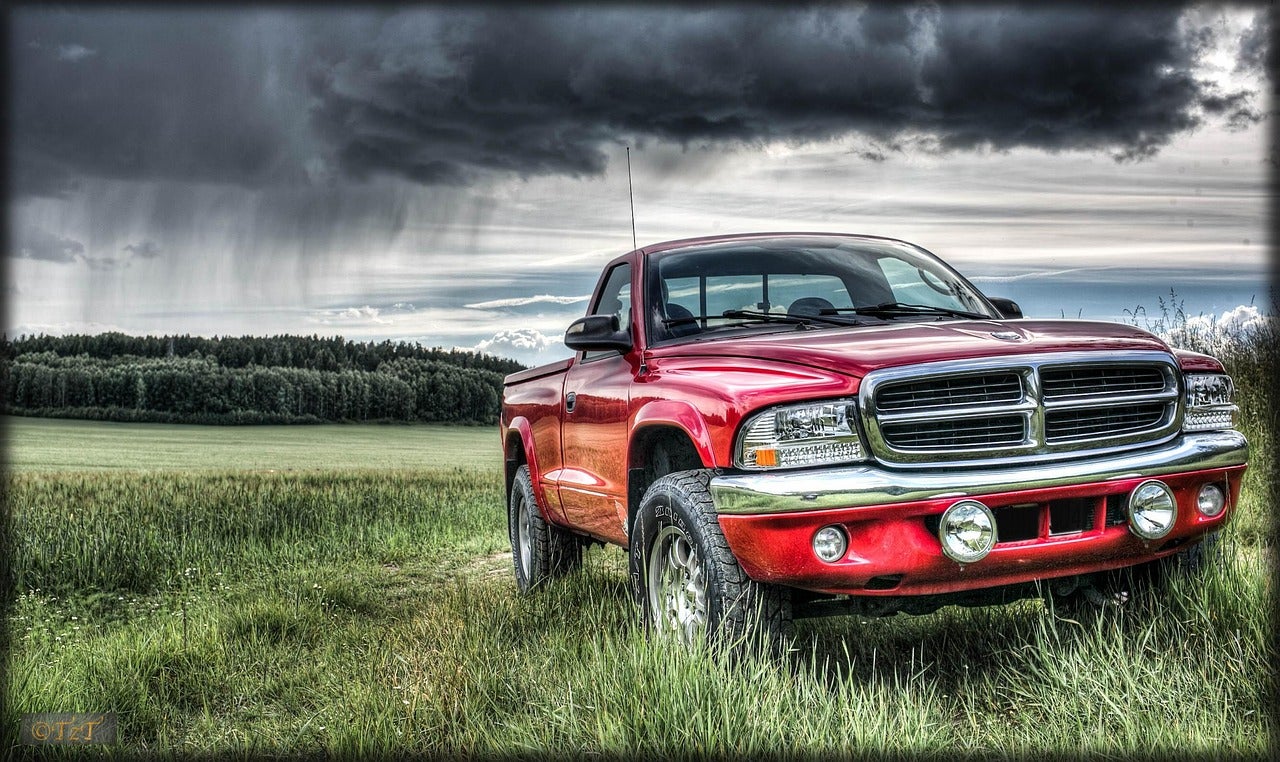
Dodge Dakota

Whether you've had your Dodge Dakota for years or you just picked one up used, it's not unusual to run into a few quirks along the way. As dependable as it is for daily driving or hauling light loads, the Dakota has its fair share of common issues that can trip up even the most seasoned drivers. Spotting problems early makes a big difference, especially as winter tightens its grip across Nassau County. That colder air and rougher roads can push certain systems harder than usual. Getting ahead of these problems can help you stay safe and avoid unexpected trips to the shop.

This article covers some of the more common problems Dakota drivers face and helps you better understand warning signs before they turn into bigger headaches. From laggy acceleration to slow shifting, a few small issues can pile up quickly when not caught in time. You'll learn what to look for, simple checks you can do, and when it makes the most sense to bring your vehicle in for service.

Common Dakota Issues Drivers See Most Often

The Dodge Dakota, being a mid-size option with a lot of utility packed in, has a dependable reputation. Still, that doesn't mean it's perfect. If your Dakota starts acting up, chances are it falls within a fairly short list of repeat issues that tend to pop up in this type of vehicle.

Here's a breakdown of the most common trouble areas:

  • Engine performance problems: sluggish starts, weak acceleration, odd noises
  • Transmission troubles: jerky shifting, gear slipping, delayed engagement
  • Electrical system glitches: dashboard lights flickering, power windows failing, battery drain
  • Brake system concerns: squealing, vibration when braking, brake fade

Each of these categories may develop slowly or hit without much warning. Some drivers in the Levittown area report louder engine operation as a first sign of trouble. Others experience a sudden lag while driving through town or getting onto the highway. As temperatures drop, electrical and braking issues tend to show up more often.

These areas each have their own signs and causes, so it's worth taking a closer look at them to better understand what's going on with your Dakota.

Diagnosing Engine Performance Problems

If your Dodge Dakota feels different when you're pulling away from a parking lot or starting it up in the morning, your engine might be trying to tell you something. Some of the most common engine-related complaints include slower acceleration, shaking while idle, or unexpected noises like tapping or knocking under the hood.

Here's what you might notice first:

  • The engine cranks longer than usual before starting
  • You're pressing harder on the gas pedal but moving slower than normal
  • There's a rough feel to the idle, almost like it's hiccupping
  • Loud knocking, pinging, or ticking noises when under load

Before looking into deeper issues, it's helpful to check a few simple things:

1. Air filter: A clogged filter won't deliver enough air to the engine, which affects spark and fuel delivery. Swapping it out is a basic place to start.

2. Spark plugs: Worn or fouled plugs can cause misfires and rough idling. Replacing them usually needs a trained hand for best results.

3. Fuel quality: Low-quality gas or water in the fuel can drag down engine performance or cause sputtering.

Sometimes it's not how the vehicle drives, but what it smells like. A strong fuel odor or burnt smell can point to engine strain or leaks. If you're noticing patterns like it starting fine in the morning but struggling after longer drives, it's time to schedule a diagnostic check.

Waiting too long can lead to wear inside the cylinder head or damage to sensors, which means higher repair costs down the road.

Resolving Transmission Troubles

Your transmission manages how power gets from the engine to the wheels. If that starts slipping, it doesn't just mess with your driving experience, it can lead to long-term damage. Dakota drivers sometimes first notice transmission problems when climbing hills or switching between park and drive.

Some clear signs include:

  • The vehicle jolts or lurches when shifting
  • Gears seem to miss or take too long to respond
  • Reverse doesn't engage right away
  • Fluid leaks near the middle or underside of the truck

You can start by checking your transmission fluid. If it's low, dirty, or has a burnt smell, it's time for a change or top-off. If there's reddish puddling underneath your truck by morning, it likely points to a leak.

Another situation to pay attention to is how the truck behaves in stop-and-go traffic. If it surges forward too suddenly or feels like it slips into neutral before engaging, those are major signs something's off. Even if the symptoms are small or intermittent, it's best to let a technician take a closer look. Sometimes it's as easy as a flush, but other times you'll need a full inspection.

Addressing Electrical System Glitches

Electrical issues in your Dodge Dakota can show up in frustrating but subtle ways. You might see flickering dash lights, power windows that don't work, or a battery that just doesn't last like it used to. Small electrical issues can quickly affect comfort and driveability, especially if temperatures are dropping across Long Island.

Battery connections are a usual suspect. Corrosion at the terminals or a loose clamp can block power and cause slow starts or random functions to fail. If your Dakota's radio resets or warning lights flash intermittently, there could be moisture or wiring issues involved.

Look for these warning signs:

  • Dim headlights or cabin lights, especially after starting
  • Loss of accessory features like heated seats or window controls
  • Strong battery odor or bulging battery casing
  • Central locking system issues or poor key fob response

You can do a quick visual inspection of the battery area, but most electrical problems aren't easy to spot without proper testing tools. If fuse replacements aren't solving the issue or new electrical problems keep coming up, it's best to get professional help.

Low temperatures affect battery efficiency and can increase resistance in older wiring, which is why these electrical faults show up more often in winter. Getting ahead of the problem can keep you from getting stranded when you're out and about on Long Island.

Fixing Brake System Concerns

Brake issues should never be ignored, especially in a vehicle as heavy as a Dodge Dakota. Squealing noises, soft pedals, or longer stopping distances aren't just annoyances. They are real signs your brake system could be compromised.

Brake warning signs to watch for:

  • Grinding or squeaking while braking
  • Soft or squishy pedal feel
  • Shakes or vibrations in the steering wheel or pedal
  • Vehicle takes longer to stop, especially on slippery roads

First, check your brake fluid. If it's low or seems dirty, that's a problem. When pads get too thin, they won't just squeal. They could eat into the rotor, causing more serious damage. That pulsing sensation you might feel through the brake pedal on the highway? That could be from a warped rotor.

Winter makes it worse. Salt and moisture can cause brake parts to stick or corrode. You might even notice one side of your Dakota braking harder than the other. If that happens, the system's balance is definitely off.

Don't put it off. Book a thorough brake inspection if anything feels off. Brake performance won't correct itself over time. It will only get worse.

Maintaining Dodge Safety Features in Nassau County

Safety features help you stay confident, but they depend on properly working sensors and electronics. In the Dodge Dakota, systems like adaptive cruise control or lane keep assist may fail if something as simple as a dirty lens or misaligned radar sensor is throwing things off.

Here's how to help safety systems stay active:

1. Keep the area by the rearview mirror clean and free of obstructions

2. Look for cracks around sensor zones, like the front bumper and grille

3. Take warning messages seriously. "System Off" might mean something is disrupted

4. Keep your tire pressure accurate, since handling systems rely on it

Salt buildup from melting snow or exposure to road grime across Nassau County can cloud up radar or camera systems. This can cause a chain reaction of problems, from cruise control shutdowns to proximity sensors not recognizing nearby objects.

Routine service often includes software updates or recalibrations, but if your Dakota hit a big pothole or had even a small fender tap, things could be out of alignment. These safety tools depend on accuracy, and issues may not always be visible to the eye.

Keeping Your Dodge Running Smoothly

Your Dakota is built to last with proper attention and care. Whether you're commuting through Levittown or loading up for weekend work, maintenance can't be an afterthought. A skipped check or unnoticed warning sign today could turn into a costly fix tomorrow.

Watch for common red flags like weird noises, slipping gears, blinking lights, or inconsistent brake behavior. Get familiar with patterns in your daily driving, and don't write off unusual changes.

Early professional service makes a major difference. It lowers costs, keeps your truck safely on the road, and helps protect your long-term investment. When something doesn't feel right, trust your instincts and reach out to a local Dodge service expert. Being proactive keeps your Dakota moving strong across every mile in Nassau County.

Regular maintenance is key to keeping your Dodge Dakota running smoothly and safely on Long Island's roads. With colder seasons approaching, making sure your vehicle's systems are in top shape helps prevent issues before they arise, especially with critical components like brakes and electrical systems. To ensure peak performance, explore our Dodge repair services in Levittown at Town & Country Jeep Chrysler Dodge Ram. Our expert team is ready to provide thorough diagnostics and repairs, so you can drive with confidence through every season.

Posted in:

Related Posts

Dodge

Solving Dodge Engine Trouble in Nassau County with Mopar Diagnostics

Get Back on the Road Faster With Precise Dodge Diagnostics When your Dodge starts acting up, it usually picks the worst time. You are trying to get to the beach, the AC is blasting, traffic on the parkway is crawling, and suddenly the engine starts to stumble, or a warning light pops on. That sinking feeling in your stomach is real, because engine trouble can ruin plans in a hurry. more Modern Dodge engines depend on electronics, sensors, and computer controls working together. When something goes wrong, guessing at the fix can lead to wasted time, repeat visits, and problems that keep coming back. You do not want someone swapping random parts just to see what happens. That is where Mopar diagnostics come in. With factory-level tools and software, Mopar diagnostic equipment can look deep into your Dodge engine systems and point to the true cause of a problem. At a dealership service center in Levittown where technicians work with Dodge vehicles daily, this means less downtime, fewer surprises, and a smoother path back to normal driving. Common Dodge Engine Issues Nassau County Drivers Face Local driving is tough on engines. Short trips, stop-and-go traffic, salt air from the South Shore, and hot, humid weather all put extra stress on your Dodge. Many drivers start to notice small changes that hint at bigger engine issues. Some common warning signs include: Check engine light staying on or flashing Rough idle while crawling on Hempstead Turnpike or in parkway traffic Engine temperature creeping up in summer heat Sluggish acceleration when merging onto the Meadowbrook or Wantagh Parkway Fuel economy dropping even though you drive the same routes On Dodge models, certain problems tend to show up more often, such as: HEMI misfires that make the engine shake or feel weak Failing sensors that confuse the engine computer Timing concerns that cause noise, poor power, or rough running Oil pressure warnings that should never be ignored Local conditions can turn a small issue into a big one. Salt and moisture can corrode wiring, heavy traffic can overheat a weak cooling system, and constant short trips can keep carbon buildup from burning off. Prompt, professional Dodge engine repair in Nassau County helps keep these minor issues from turning into major breakdowns or serious internal engine damage. Why Mopar Diagnostics Beat Generic Code Readers Many drivers have seen a basic code reader used at a parts counter. It plugs into the vehicle, pulls a simple code, and prints a short description. That sounds helpful, but it usually tells you the symptom, not the cause. For complex Dodge engines, that is only the first step. Mopar diagnostic tools go far beyond a generic reader. They use factory software designed specifically for Chrysler, Dodge, Jeep, and Ram vehicles. This gives deeper access to: Manufacturer-specific fault codes that a basic reader might miss Live data from sensors while the engine is running System histories, freeze-frame data, and stored events With this information, technicians can see how your engine is behaving under load, at idle, in traffic, and during cold starts. Mopar diagnostic systems also tie into brand-specific troubleshooting charts, so the tech is not just guessing which part might fix the code that appeared. For you, that means: Fewer random parts thrown at the problem More accurate repair estimates and timelines Faster, more reliable Dodge engine repair in Nassau County because the team knows exactly what the engine needs Instead of chasing symptoms, Mopar diagnostics help get to the root cause, which saves time and reduces repeat visits for the same issue. Inside the Diagnostic Bay at a Mopar Service Center When you bring your Dodge in with an engine concern, the process is more than just plugging in a scanner. It starts with a quick conversation about what you notice: when the problem happens, how it feels, and what lights or messages you have seen on the dash. From there, the service process usually includes: A visual check under the hood for leaks, loose connections, or obvious damage A check of fluid levels and basic engine condition Connection of Mopar diagnostic equipment to your vehicle’s onboard computer As the tool reads the data, Mopar-trained technicians look for codes, patterns, and odd readings. They do not stop at what the screen says. They compare the results with: Hands-on tests, such as checking spark, fuel, or vacuum Factory service information and wiring diagrams Real-world experience with the same Dodge engines that many Nassau County drivers own Once the team understands what is going on, they explain it in clear, simple terms. No confusing jargon. You get an overview of: What was found Which repairs are needed now to protect the engine Which items can be watched and handled later This kind of step-by-step explanation is especially helpful before a long road trip. You can decide what to handle right away and what to plan for in the future, so you are not worried about your engine the whole way out of Nassau County. Protecting Your Engine with Preventive Mopar Service The best engine problem is the one that never happens. Regular preventive service using Mopar-approved parts and fluids helps your Dodge handle local driving demands. Helpful maintenance steps include: Oil changes with the right grade and type recommended for your engine Tune-ups and ignition checks so coils, plugs, and wires stay strong Cooling system inspections to keep temperatures in check during hot weather Software updates that can improve drivability and system communication Periodic diagnostic scans can also catch issues before they leave you stranded. A Mopar scan can reveal: Weak sensors that are slow or reading slightly off Early misfires that have not yet turned on a warning light Small leaks or pressure drops in fuel or cooling systems Mid-summer is a good time to give extra thought to your engine. Heat, heavy AC use, and traffic can stress a marginal system. Simple checks of: Coolant level and condition Belt and hose condition Oil level and quality can keep your engine from overheating or working too hard. This preventive approach lowers the chances of a breakdown on a crowded parkway or while heading out for a weekend trip. Scheduling Mopar Engine Care Before Trouble Strikes Waiting for a strange noise, strong smell, or bright red warning light is never a good plan. A small concern today can turn into a tow truck tomorrow, especially when hot weather and traffic are part of daily life. Getting ahead of problems with Mopar diagnostics and routine service keeps your Dodge ready for whatever your schedule demands. A factory-connected Dodge service center in Levittown that works with Mopar diagnostics, genuine parts, and trained technicians can make Dodge engine repair in Nassau County smoother and less stressful. With equipment designed for your vehicle and people who see Dodge engines every day, you get focused care that respects your time and your plans. Town & Country Jeep Chrysler Dodge Ram provides new and used vehicles, financing options, and a full Mopar service and repair center that works on Dodge engines daily. When you are ready to give your engine the attention it deserves, you can use easy online tools or a quick phone call to arrange a visit that fits your schedule. That way, your Dodge is ready for beach runs, road trips, and everyday driving all year long. Keep Your Dodge Running Strong With Expert Engine Care If your Dodge is showing signs of engine trouble, our certified technicians are ready to help you get back on the road with confidence. Schedule your Dodge engine repair in Nassau County and we will thoroughly inspect, diagnose, and address the issue using genuine parts. At Town & Country Jeep Chrysler Dodge Ram, we focus on transparent communication and timely repairs so you always know what to expect. If you have questions before booking, feel free to contact us for more information.

Dodge

Preventing Dodge Brake Alignment Problems for Levittown Drivers

Keep Levittown Drives Safe With Spot-on Braking Precise braking is one of the most important parts of safe driving, especially in a busy area like Levittown. When your Dodge brakes and wheels are not working together the right way, your vehicle may not stop as quickly or as straight as it should. That can turn a normal stop in traffic into a stressful moment fast. more Many drivers first notice something is off when they step on the pedal on Wantagh Parkway or the Southern State and feel the steering wheel shake or the car tug to one side. It can be tempting to shrug it off and keep going. But those small signs often point to a problem with Dodge brake alignment and wheel geometry that can grow into a bigger safety issue if it is ignored. In heavy stop-and-go traffic, school zones, and weekend trips across Long Island, you need every part of your braking system working together. Good alignment helps your vehicle stay straight and stable when you hit the pedal, so you have better control even in a sudden stop. That is what we want for every driver in our community. How Dodge Brake Alignment Affects Everyday Driving When people talk about Dodge brake alignment, they are really talking about how your brakes and your wheel alignment work as a team. Your wheels need to point in the right direction, your tires need even contact with the road, and your brake parts need to apply pressure evenly side to side. When any of those get out of balance, the whole system starts to feel off. Common signs of a brake and alignment issue include: Your vehicle pulls left or right when you brake The steering wheel shakes or vibrates as you slow down The brake pedal feels uneven or harder on one side Stopping distances feel longer than they used to When the alignment is off, your tires do not sit flat on the road. That means less grip when you need it most, like during a hard stop on a wet road or when traffic suddenly slows on Sunrise Highway. Uneven braking can also put extra stress on one side of the vehicle, which can lead to faster wear on pads, rotors, and suspension parts. At higher speeds, even small problems can feel much bigger. A light pull you barely notice on a side street can turn into a strong tug at highway speeds. That is why keeping your Dodge brake alignment in good shape is not just about comfort, it is about control. Common Summer Causes of Brake and Alignment Trouble Long Island roads can be tough on vehicles, especially after winter weather and into summer driving season. Potholes that formed earlier in the year do not just shake the cabin, they can knock your wheels out of alignment in a single hit. Construction zones, uneven pavement, and quick turns into tight parking spots can do the same. Some of the most common causes include: Hitting potholes, curbs, or raised manhole covers Driving through rough construction areas at higher speeds Carrying heavy loads like vacation gear or towing a trailer Repeated hard stops in beach or mall traffic Heat also plays a big role. When temperatures climb and you are in slow traffic headed toward Jones Beach or around Levittown, your brakes work harder. Higher brake temperatures can speed up rotor wear and make any small alignment issue more noticeable. Warped or uneven rotors are more likely when brakes get hot again and again. Worn suspension parts add even more movement when you brake. If bushings, ball joints, or shocks are loose or tired, the wheels can shift slightly every time you hit the pedal. Over time, that extra play can lead to a clear pull or shake. These changes usually happen slowly, so you might adjust your driving without even thinking about it, until one day the problem feels too big to ignore. Simple Checks You Can Do Before a Service Visit You do not need special tools to spot early signs that your Dodge brake alignment might be off. A few quick checks in your driveway or a quiet side street can help you catch issues before they turn into a real safety concern. Start by looking at your tires: Check the inner and outer edges for extra wear compared to the center Look for cups or scallops in the tread pattern Run your hand lightly across the tread and feel for a sawtooth or feathered texture Uneven tire wear can point to alignment trouble, and when that mixes with brake issues, you may feel pulling or shaking under braking. Next, take a short test drive on a calm, straight road. From a low speed, brake in a controlled way and notice what the car does. Does it pull to one side? Does the steering wheel wobble? Does the brake pedal feel soft or spongy? Listen as you slow down. Squeals, grinding, or clunks can point to worn pads, warped rotors, or loose suspension parts that affect how your brakes and wheels line up. If you feel any of these signs, it is time to stop guessing. A professional inspection is the safest way to find the real cause and keep your Dodge stopping straight and steady. How a Mopar Team Helps Protect Your Dodge Braking System When you bring your Dodge to a Mopar-focused service center like Town & Country Jeep Chrysler Dodge Ram in Levittown, the goal is to look at the whole picture, not just one part. A typical brake and alignment visit will often include: A road test to feel pulls, vibrations, or noises Measuring brake pad thickness and checking rotors for wear Inspecting brake calipers and hardware for sticking or uneven movement Computerized wheel alignment to check and adjust factory specs Factory-trained technicians use Mopar information and parts that match your Dodge, so the brake system and alignment are brought back into balance the way the vehicle was designed. That can mean services like brake fluid flushes, rotor resurfacing or replacement, lubrication of caliper slides, and four-wheel alignment, all completed in the same visit when needed. Keeping up with this kind of care on a regular schedule helps in a lot of ways. You can see longer tire life, quieter and smoother braking, shorter stopping distances, and a steering wheel that stays straight when you brake. It also helps catch small issues before they become bigger repairs, which can save time and stress down the road. Create Your Summer Brake Safety Plan Today The best time to think about Dodge brake alignment is before you load the family into the vehicle for a long trip or spend more time on the highways. Planning a brake and alignment check before peak vacation season helps you drive with more confidence, whether you are staying around Levittown or heading out across Long Island. As a simple guide, many drivers choose to have: A full alignment about once a year or every 12,000 miles Brake inspections with every oil change or seasonal service By treating brake and alignment care as part of your normal maintenance, you give yourself a better chance of avoiding mid-summer breakdowns, stressful pulls or shakes at highway speeds, and surprise repair needs. With steady attention to how your Dodge feels when you slow down and turn, you can keep your drives smoother, quieter, and safer all year long. Keep Your Dodge Stopping Smoothly and Safely Protect your brakes and your peace of mind by scheduling a professional Dodge brake alignment with our certified technicians at Town & Country Jeep Chrysler Dodge Ram. We will inspect your braking system, address any alignment issues, and help extend the life of your components. If you have questions before booking, you can contact us for personalized assistance.

Dodge

Recognizing When Your Dodge Brakes Need Service in Levittown

Stop Sooner, Drive Safer Healthy brakes are one of the most important safety features on your Dodge, especially with the kind of traffic we see around Levittown and the rest of Long Island. With beach runs, parkway driving, and stop-and-go commutes, your brake system works hard every single day. When something starts to go wrong, it often gives you warning signs first. more This guide explains how to recognize those early signs, what they might mean, and why acting quickly protects your family, your vehicle, and your wallet. We will also touch on how professional Dodge brake service in Levittown helps keep your stopping power strong and your drives less stressful. Warning Signs Your Dodge Brakes Need Attention Your brakes usually talk to you before they fail. The key is knowing what to listen for and feel so you can get help before a small issue becomes a big repair. Sounds that should get your attention include: High-pitched squealing when you press the brake pedal Grinding or scraping that you can feel and hear A constant chirping noise that gets louder as you slow down These noises can point to worn pads, grooves in your rotors, or hardware that is no longer moving smoothly. Grinding is especially serious, since it often means the pad material is gone and metal is rubbing on metal. Changes in how the pedal feels are just as important: A soft or spongy pedal that sinks more than usual The pedal slowly dropping toward the floor at a stop Having to push much harder than before to slow down Issues like these may suggest air in the brake lines, old or contaminated brake fluid, or trouble with the master cylinder. Any time the pedal feel is different from what you are used to, it is time to get it checked. You can also feel brake problems through the steering wheel and body of the vehicle. Pay attention if you notice: A shaking steering wheel when you slow from highway speeds A pulsing or vibrating sensation in the brake pedal The vehicle pulling to one side when you brake Longer stopping distances on the Southern State or Wantagh Parkway These symptoms can be caused by warped rotors, uneven pad wear, or issues with one or more calipers. The sooner they are inspected, the easier it usually is to correct them. Dash Lights, Smells, and Leaks You Should Never Ignore Your Dodge dashboard is designed to warn you when something in the brake system is not right. Different warning lights can point to different parts of the system. Lights to watch for include: Red brake warning light ABS warning light Traction control or stability control warning light The red brake light can signal low fluid level or another problem that affects basic braking. ABS and traction control lights suggest an issue with the anti-lock system or wheel speed sensors. Any of these should be taken seriously and checked by a professional offering Dodge brake service in Levittown as soon as you can. Smell is another clear sign something is off. If you notice: A sharp, burning odor after braking hard A hot, chemical smell from one corner of the vehicle You could be dealing with overheated brakes, a sticking caliper, or pads that are dragging on the rotor when they should be released. Heat is hard on brake parts, so this is not something to brush off. Finally, keep an eye on what is under your Dodge. Visible fluid around the wheels or under the front of the vehicle can mean a brake fluid leak. Low brake fluid can lead to: Reduced stopping power A soft or sinking pedal Damage to other brake components over time With the constant starting and stopping in Levittown and wider Nassau County traffic, you want full, steady braking every time you press the pedal. How Long Dodge Brakes Typically Last on Long Island Roads Brake life depends on how and where you drive, but there are some general patterns. On many Dodge cars and SUVs like the Charger, Challenger, Durango, and Hornet, brake pads and rotors wear at different rates. In general: Front pads tend to wear faster than rear pads City driving often wears brakes faster than steady highway cruising Heavy vehicles and performance models may need brake service more often Local driving habits on Long Island can shorten brake life. Common brake wear boosters include: Heavy traffic on Hempstead Turnpike and nearby roads Short trips where brakes never get a break to cool down Frequent beach runs with stop-and-go traffic near popular spots Towing trailers or carrying heavy cargo Spirited acceleration followed by hard braking Seasonal changes matter too. Heat from summer road trips, wet conditions in spring and fall, and winter salt exposure can all affect pads, rotors, and hardware. Having your brakes checked at regular intervals, especially before and after the harshest seasons, helps catch wear and corrosion before they turn into safety problems. Professional Dodge Brake Service in Levittown You Can Trust Brakes are not something we recommend guessing on or trying to handle on your own. Having trained technicians inspect and service your Dodge brake system gives you peace of mind every time you head out. When you choose professional Dodge brake service in Levittown, you get: Technicians who work with Dodge vehicles every day Tools and diagnostics that help pinpoint brake problems quickly Service that takes the whole system into account, not just the pads Using genuine Mopar brake pads, rotors, and fluids is another smart choice for many Dodge owners. These parts are designed to match your specific model, which can mean: A better fit with less noise and vibration More consistent stopping power under different conditions Parts that work well with your factory braking and stability systems A thorough brake inspection typically includes: Measuring pad thickness and checking for uneven wear Inspecting rotors for thickness, grooves, and warping Looking over calipers and hardware for sticking or damage Evaluating brake fluid level and condition A road test to feel how the brakes respond in real driving On the kinds of roads we see in and around Levittown, from neighborhood streets to parkways, this type of full checkup helps keep your Dodge ready for whatever your day brings. Schedule Expert Brake Service for Safer Driving Today Keep your stops confident and your family safe by scheduling professional brake care with Town & Country Jeep Chrysler Dodge Ram. Our certified technicians provide thorough inspections, quality parts, and precise repairs so your vehicle is ready for every drive. Book your Dodge brake service in Levittown now, or contact us with any questions about your brake concerns.