



Town & Country Jeep Chrysler Dodge Ram

Blog / Dodge

Blog

All Dodge Jeep RAM Chrysler Dealership Jeep Wrangler RAM Truck
Dodge

Why Your Dodge Safety Features Need Recalibration After Service

Keeping your Dodge vehicle's safety features in top shape is like ensuring every arrow in a quiver hits the mark. Whenever your car gets serviced, those finely tuned safety systems may need a little recalibration to keep doing their job properly. Imagine driving down the bustling roads of Nassau County, knowing that every beep and alert from your Dodge is set to protect you. That's why paying attention to the need for recalibration after service is more than just a good idea—it's necessary. more In areas like Levittown, where the roads can be uniquely challenging, recalibrating your vehicle's safety features ensures you're getting the most from your drive, keeping both the driver and passengers secure. With new technology constantly evolving, it's easy to forget how crucial these features are until you need them. Understanding Dodge Safety Features Dodge vehicles come packed with a plethora of safety features designed to make every ride safer. Understanding these key elements can help you appreciate why recalibration is so important. For instance, features like lane departure warning systems play a critical role in keeping your car aligned within its lane, reducing the stress on long drives. Then there's automatic emergency braking, which jumps into action when sudden stops or obstacles appear, potentially dodging an accident. Adaptive cruise control adjusts your vehicle's speed by monitoring the distance from the car ahead, making highway travel smoother and safer. These features work in harmony to enhance overall driving safety, acting as an extra layer of protection for drivers and passengers alike. While these systems are vital, they rely heavily on accurate calibration to function effectively. Staying on top of their recalibration ensures these aids know just when to step in. A system that's out of sync might react slower or not as accurately, and we don't want that on the unpredictable roads in Levittown. Trustworthy safety systems in a Dodge provide the assurance that passengers are always in good hands. Reasons for Recalibration After Service After certain types of maintenance, your Dodge might need a recalibration of its safety features. Think about when you’ve had a tire change, windshield replacement, or suspension work done. Each of these can affect how safety systems perceive road conditions and surroundings. Even after a collision repair, the parameters those systems once understood might be slightly off, needing a reset to maintain optimal performance. Consider this: changing a windshield can impact the camera views and sensors used for features like the lane departure warning. If you've recently had suspension work, the vehicle's alignment might shift enough that your safety systems can't operate as intended. These safety features heavily rely on precise data inputs, so even small adjustments during service can throw them off balance. After all, a camera that's slightly tilted can lead you astray in a tight spot. To maintain their reliability, these systems need consistent recalibration. It ensures all elements are correctly aligned and functioning properly, safeguarding against any unexpected surprises on the road. The Recalibration Process Recalibrating your Dodge’s safety features is no simple task and requires professional attention to detail. Here’s a quick rundown of what typically happens during this process. First, technicians will connect your vehicle to specialized calibration tools. These tools interface directly with your car's systems, analyzing and resetting them as needed. Next, they assess each safety feature to determine what adjustments are necessary. This includes testing sensors and cameras to ensure accurate readings. Realigning or updating these components ensures your systems have the correct information from their surroundings. It’s essential that trained professionals with the right equipment handle this job; this ensures everything is completed accurately. Trying to tackle this alone could lead to incomplete or inaccurate results, affecting your safety on the road. With expert help, you know these systems are operating as they should. Benefits of Keeping Safety Features Properly Calibrated Regular recalibration of safety features comes with several benefits. First, it enhances your vehicle’s safety on the road, giving you peace of mind. When systems like automatic emergency braking and lane departure warnings work seamlessly, you can drive confidently, knowing these assists are ready. Another plus is improved vehicle performance. When everything is fine-tuned, from alignment to sensor sensitivity, you’re in control of a Dodge that’s responsive and reliable. Plus, keeping the systems in check can help them function more efficiently, reducing potential wear and tear. In Nassau County, drivers face unique challenges, from busy highways to unpredictable weather. Properly calibrated features help navigate these with ease, addressing specific demands of the area. Ensuring these systems are looked after means every trip can be taken with confidence. Drive with Confidence So, there you have it—recalibrating your Dodge’s safety features after service is a step you shouldn’t skip. Whether it’s a minor tire change or a significant repair, making sure these systems are in top shape is key to maintaining their trustworthiness. Every time you get behind the wheel, know that prioritizing recalibration means a safer experience for you and your passengers. With reliable systems on your side, you're assured a smooth ride, ready to handle the roads of Nassau County with ease. For efficient driving and the safety of everyone on board, recalibrating your vehicle’s features after any service is key. To make sure your Dodge stays reliable, it helps to understand how Dodge safety features in Nassau County work and why professional recalibration matters. Schedule your service with Town & Country Jeep Chrysler Dodge Ram to keep everything running at its best.

Dodge

How to Fix Alignment Issues in Your Dodge Family Vehicle

Having your Dodge vehicle aligned properly is like ensuring the compass needle always points north — it keeps your journey smooth and on track. Alignment isn't just about keeping your wheels straight; it's about enhancing the overall driving experience. When your vehicle's wheels are aligned correctly, you feel more in control, ensuring every drive is comfortable and safe. It's one of those essential aspects of car maintenance that many overlook, yet it has a profound impact on how your car handles and wears over time. more Misalignment can creep in quietly and cause issues before you know it. It doesn't take much for alignment to slip, especially when on the roads of Long Island. Ignoring alignment problems can lead to uneven tire wear and affect your vehicle's fuel efficiency, not to mention the safety hazards. By understanding alignment's role, you can ensure your driving experience remains stress-free and enjoyable. The Importance of Proper Alignment in Dodge Family Vehicles A poorly aligned Dodge vehicle might not just make your driving less enjoyable; it can have far-reaching consequences. Adjustments to alignment impact a car in several ways. A properly aligned vehicle minimizes tire wear, extending the life of your tires and saving money in the long run. When done right, alignment ensures your Dodge rolls smoothly with less resistance, boosting fuel efficiency, which is a win for your wallet. For safety, proper alignment ensures better control of the vehicle. Imagine trying to steer a ship with a faulty rudder—the same applies to your car. When the wheels aren't aligned, you end up fighting the steering, leading to exhaustion on long trips and reducing your reaction time in emergencies. A correctly aligned car makes sure the tires maintain maximum contact with the road, especially during wet conditions. It’s about gaining peace of mind knowing that your Dodge will behave predictably, even when the unexpected happens. Signs Your Dodge Family Vehicle Needs Alignment Spotting alignment issues early can save you from potential headaches down the road. Here are some telltale signs that your Dodge might need an alignment check: Uneven Tire Wear: When tires wear out unevenly, it often points to alignment issues. Steering Wheel Off-Center: If your steering wheel isn't centered when driving straight, your car might be misaligned. Vehicle Pulling to One Side: Feeling your car drift towards one side is a definite sign something's off. Vibrations in the Steering Wheel: Experiencing wobbly steering can indicate misalignment. Recognizing these signs early helps in taking timely corrective actions. Regular checks ensure your Dodge stays in peak condition, and a little awareness can make a world of difference in maintaining your car's health over time. Causes of Alignment Issues in Dodge Family Vehicles Alignment problems in your Dodge often arise from everyday events. For instance, hitting a pothole or bumping into a curb can easily knock your wheels out of alignment. These sudden jolts impact your suspension system, causing the wheels to deviate from their intended trajectory. Over time, even minor accidents can disrupt the alignment since the force of a collision can be enough to push the wheels off balance. Aside from external impacts, the gradual wear and tear of the suspension components can also lead to misalignment. These parts endure a significant amount of stress, considering the numerous bumps and turns taken on Levittown roads. As these components age, they lose their ability to hold the wheels in the correct position, affecting the alignment. Routine checks can catch these signs early, preventing misalignment from affecting the rest of your car's components. Steps to Fix Alignment Issues Once you've identified signs of alignment problems, it's important to address them with prompt action. Here are steps you can follow or discuss with your mechanic: 1. Inspect Tires for Wear: Look at the tread for any uneven spots or excessive wear, which might suggest misalignment. 2. Check Suspension Components: Examine parts like ball joints, tie rods, and control arms to ensure they're in good shape. 3. Adjust Tire Angles: Wheel alignment involves precise adjustments to the angles at which tires meet the road. A professional can make sure they match the manufacturer’s specifications. 4. Visit a Professional Mechanic: An alignment specialist can use advanced equipment to measure and adjust wheel angles accurately. Keeping on top of these steps can restore your vehicle's alignment, ensuring a smoother drive and preventing further wear on the tires and suspension system. Preventing Future Alignment Problems Preventing alignment issues requires a bit of diligence and care in your driving habits. Here are some strategies to help: Regular Maintenance and Inspections: Schedule regular visits to an experienced mechanic to catch potential problems before they manifest in noticeable symptoms. Avoid Potholes and Rough Terrain: While you can't always avoid these hazards, slowing down when approaching them can reduce their impact. Ensure Proper Tire Inflation: Keep your tires inflated to the recommended PSI. Properly inflated tires support even weight distribution, which contributes to maintaining alignment. Schedule Routine Alignment Checks: Regularly checking your alignment can catch problems early, preventing excessive wear and keeping your vehicle running smoothly. Develop these simple habits to keep your vehicle in top shape and avoid alignment problems that might sneak up on you in the future. Drive Smoothly with a Well-Aligned Dodge Vehicle Whether cruising through Levittown or venturing further into Long Island, a well-aligned vehicle ensures each journey is pleasant and worry-free. Good alignment not only extends the life of your tires but also enhances safety and handling, allowing your Dodge to perform at its best. It’s a small investment in time that pays significant dividends in driving quality and vehicle longevity. By keeping a close eye on your alignment and working with experts for maintenance and adjustments, you can maintain your Dodge's integrity and enjoy peace of mind on the road. A well-maintained alignment means your car handles predictably, which is essential for both daily commutes and those spontaneous weekend adventures. So next time you hit the road, do so with confidence, knowing that your vehicle is aligned just right. When it comes to keeping your Dodge vehicles running smoothly, addressing alignment issues is key. Regular maintenance not only boosts safety and driving comfort but also extends vehicle longevity. To ensure your Dodge is in peak condition, consider scheduling a service with Town & Country Jeep Chrysler Dodge Ram. Learn more about how we support Dodge Family Vehicles on Long Island and book your appointment today.

Dodge

What to Do When Your Dodge Challenger Has Fuel System Problems

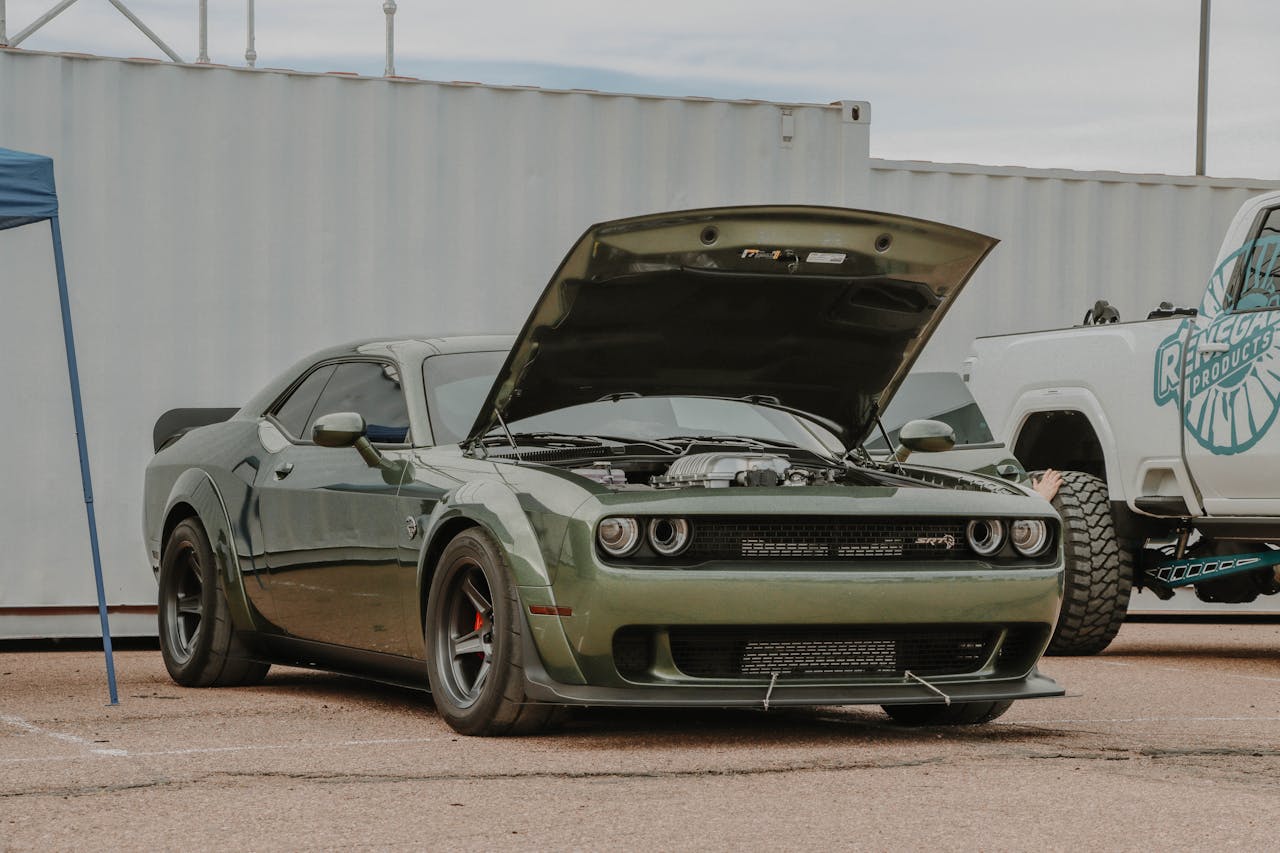
Every car enthusiast knows just how exhilarating it feels to glide on the open road with a powerful Dodge Challenger. To keep that feeling alive, ensuring the fuel system is in good working condition is essential. The fuel system keeps your engine running smoothly by delivering the right amount of gas when needed. When it malfunctions, though, it can turn even the most thrilling drives into a headache. Problems in the fuel system can significantly impact performance and drivability, which nobody wants when cruising through Nassau County. more Living in Nassau County means dealing with various driving conditions, so knowing the typical fuel system issues specific to your Dodge Challenger can help you catch problems early. Stalling, poor acceleration, and difficulty starting are signs that something might be amiss. Addressing these issues quickly is important to avoid more significant problems down the road. Identifying Fuel System Problems If you've ever found yourself scratching your head because your Challenger seems a bit off, it might be time to consider its fuel system. Here are some signs to watch out for: Engine stalling: If the engine cuts out unexpectedly, your fuel system may not be delivering enough gas. Poor acceleration: Does your car struggle when you try to pick up speed? This might mean fuel flow is restricted. Difficulty starting: An engine that takes multiple attempts to start could indicate insufficient fuel reaching it. In Nassau County, the stop-and-go traffic can exacerbate these symptoms. You might find your Challenger hesitating when you hit the gas pedal at a green light or the engine sputtering when idling at a red light. Recognizing these signs early on can save you time and frustration, keeping your vehicle in top shape while you enjoy your drive. Once any issues arise, having a plan of action can help get your Challenger back to performing its best. Immediate Steps to Take If you suspect fuel system issues in your Dodge Challenger, there are a few immediate steps you can take to identify and manage the problem. First, pop the hood and check for any visible signs of trouble. Look for leaking fuel, as this is a clear indicator you should get professional help immediately. A fuel smell or small puddles under the car are telltale signs. Next, have a look at the fuel filter. While changing the filter might not be something you'd do yourself, noting its condition can be useful information when you talk to a professional. A clogged filter can cause a variety of performance issues because it restricts fuel flow to the engine. If you're feeling up to it, inspect the fuel lines for any kinks or blockages. These can restrict the flow of fuel. You can also check the fuel cap to ensure it’s sealing properly, as a loose cap can trigger alerts on the dashboard. However, for more complicated checks and repairs, like dealing with an issue in the fuel pump or injectors, it's wise to trust the experts. Professional Diagnostics and Repair Options When your Challenger doesn't run the way you expect, and the culprit seems to be the fuel system, it's time to consult with professionals. They're equipped to diagnose complex issues that aren't immediately visible. They have the right tools to test parts like the fuel pump and injectors, ensuring each is functioning well. Professional service centers can use specialized diagnostic equipment to detect problems that might be invisible to the naked eye. This technology allows mechanics to pinpoint the root causes and suggest effective solutions, saving you time and effort. One of the benefits of professional diagnostics is the peace of mind that comes from knowing your car is in capable hands. Skilled technicians understand the specifics of different models, including the Dodge Challenger, ensuring a more accurate and comprehensive service. Preventative Measures to Avoid Future Issues Keeping your Dodge Challenger in top condition involves regular maintenance that goes beyond just fixing problems as they arise. To ensure your fuel system stays healthy, there are some easy preventative measures to consider. Schedule regular fuel system checks with a trusted service center to catch issues early. Use high-quality fuel to keep your system clean and efficient. Follow a consistent maintenance schedule for oil changes, air filter replacements, and other standard upkeep tasks that affect engine performance. Maintaining regular service intervals helps prevent larger problems and keeps your vehicle's fuel system running efficiently. By continuing to care for your vehicle conscientiously, you'll be able to enjoy the power and performance that brought you to the Dodge Challenger in the first place. If your Dodge Challenger in Nassau County is facing fuel system troubles, don't wait for small issues to become significant problems. Town & Country Jeep Chrysler Dodge Ram offers expert attention and timely solutions. Schedule a service appointment with our team to keep your vehicle running smoothly and enjoy peak performance on Nassau County roads.

Dodge

When Your Dodge Muscle Cars Have Starting Problems in Hot Weather

Having your Dodge muscle car struggle to start on a scorching summer day can be quite frustrating, especially in a place like Nassau County where the summer heat intensifies. It's almost a rite of passage for vehicle owners to occasionally face the inconvenience of hearing nothing but silence when turning the ignition. Whether you're heading to work or ready for a day out at the beach, the last thing you want is for your car to refuse to start. Understanding why these issues occur during hot weather can help you avoid some of these sudden setbacks and keep your car running smoothly. more Hot weather can put your Dodge muscle car to the test. Many drivers aren't aware that high temperatures can greatly affect how a car starts. Your vehicle’s engine might seem complicated, but understanding a few basics about how heat impacts its components can make a world of difference. Here's a look at some common culprits that cause starting problems and what you can do to keep your Dodge reliable, even on the hottest of days. Common Causes of Starting Problems in Hot Weather High temperatures can mess with your car's ability to start in several ways. While some issues are more common than others, a few key factors frequently lead to starting problems: 1. Battery Performance: Heat can accelerate the wear and tear on your car's battery. As temperatures rise, the battery fluid can evaporate, leading to reduced capacity and increased chances of a dead battery. It's like how a phone might run out of juice faster as it struggles with too many apps running in the background. By keeping an eye on your battery health during the summer, you can catch issues early and avoid inconvenience. 2. Fuel System Impact: Hot weather can cause fuel to evaporate in the fuel lines, making it harder for the engine to get the right fuel-air mixture to start. It's like trying to drink a milkshake through a straw, but the milkshake is too thick and melts too quickly in the summer sun. Consider having your fuel system inspected regularly to catch problems early. 3. Starter Motor Issues: Excessive heat can lead to additional stress on the starter motor. When worn down by heat, the motor may not crank the engine properly, leaving you with a silent, non-starting vehicle. Regular check-ups ensure that this crucial part is in top condition, especially before summer sets in. Keeping these potential issues in mind can help you troubleshoot starting problems before they become major headaches. The next step involves knowing preventative measures to fend off these issues in the first place. Preventive Measures to Avoid Starting Problems To keep your Dodge muscle car purring even when temperatures rise, preventative maintenance is key. Think of it as a regular health check-up for your beloved vehicle. Here are some practical steps you can take: Regular Battery Checks and Maintenance: Make sure the battery terminals are clean and secure. Check the cable connections too. Regularly inspect the battery fluid levels if applicable or have an expert test the battery to ensure it's holding a proper charge. Clean and Maintain the Fuel System: Keeping the fuel system in optimal condition is crucial. Add fuel system cleaners as recommended to fend off deposits that can mess with performance. Consider using fuels with additives designed to clean fuel injectors and remove deposits. Routine Vehicle Inspections: Consistent inspections allow for early detection of potential issues before they turn into large problems. Always follow the recommended service intervals specific to your vehicle model. These tips can help maintain your car's reliability and save you from headaches associated with an unexpected breakdown. Don’t wait for problems to arise; a proactive approach is often the best way to keep your ride smooth. What to Do When Your Dodge Muscle Car Won't Start Even with regular upkeep, there might be times when your car just refuses to start. Here’s what you can do: 1. Check the Battery: Look at the battery connections and ensure they're tight and clean. If the interior lights and radio are working but the car won’t start, the issue might lie elsewhere. 2. Listen for Noises: If you hear a clicking sound when turning the key, the starter motor could be at fault. This noise can help you pinpoint the issue more accurately. 3. Examine the Fuel and Ignition Systems: Ensure there's enough fuel in the tank. Check if the fuel pump is running when you turn the key. If you’re not sure, listen for a faint whirring sound from the rear. 4. Call a Professional: If troubleshooting doesn't resolve the issue, it’s probably time to seek help from experts familiar with Dodge vehicles. Getting Professional Help There are times when it’s best to call in the professionals. They have the experience and tools to diagnose and fix problems effectively. Expertise in professional diagnostics means the root cause of an issue is identified accurately, saving time and money in the long run. If you're having trouble every time the mercury rises, professional attention can provide peace of mind and ensure you're not stranded by the side of the road. Stay Cool and Keep Your Dodge Muscle Car Running Smoothly Summer in Nassau County doesn't have to be synonymous with car troubles. With the right preventive measures in place, starting problems linked to high temperatures can become a thing of the past. Keep track of regular maintenance, and don’t hesitate to reach out for expert assistance when needed. Staying on top of your vehicle’s maintenance leads to a smoother driving experience and prolongs the life of your Dodge. By taking a proactive approach, you’ll not only tackle little problems before they turn into big ones but also enhance your car’s performance, giving you plenty of trouble-free summer adventures. If you’ve been dealing with persistent starting issues in the summer heat, now is the time to get expert help for your Dodge muscle cars in Nassau County. Trust Town & Country Jeep Chrysler Dodge Ram to deliver reliable diagnostics and long-lasting solutions. Schedule your service appointment today through our online booking system.

Dodge

Why Your Dodge Used Inventory Vehicle Has Unexpected Damage

Buying a used Dodge vehicle can be a fun and rewarding experience, especially if you're looking to get a quality ride at a more affordable price. But what happens when your new-to-you car has unexpected damage that you didn't see coming? It's not uncommon for used vehicles to come with a few surprises. Understanding why these issues appear can help you better tackle the situation, and ensure your used car is as trouble-free as possible. more Imagine finding the perfect Dodge car at a great price in Nassau County, driving it off the lot, and then discovering a significant issue that wasn't noticeable before. Knowing the potential causes for unexpected damage can make a big difference in how you handle these hiccups. By being prepared, you can address minor setbacks before they become major headaches. Common Causes of Unexpected Damage When it comes to used Dodge vehicles, several factors can lead to unexpected damage. Understanding these can help you be more informed when shopping for your next car. 1. Wear and Tear: Over time, any vehicle will go through natural wear and tear. This includes things like brake wear, tire tread loss, or minor dings and scratches. While some of these issues are cosmetic, others can impact the car's performance or safety. 2. Neglect From Past Owners: Not every previous owner maintains their vehicle with the same care. Some used cars might have skipped maintenance or received patchwork fixes. This can lead to problems that aren't immediately visible, like engine trouble or faulty electronics. 3. Undetected Issues: Sometimes, issues are simply missed during initial inspections. Things like tiny leaks might not be obvious on the dealership lot but can become big problems later. It's important to look for telltale signs of hidden damage to catch these issues early. Each of these factors can contribute to the unexpected challenges that often come with buying used cars. However, being aware of them allows you to take preventive measures, such as thorough inspections or seeking professional advice. This knowledge helps you stay one step ahead of potential problems, ensuring your Dodge's reliability for years to come. Signs to Look for When Inspecting Used Vehicles When buying a used Dodge, keeping an eye out for specific signs can make all the difference. Performing a thorough inspection not only saves you time and money but also helps you avoid future headaches. Let's explore what to watch for when you're checking out a potential purchase. Exterior Inspection: Start with a detailed look at the car's body. Look for uneven paint jobs, dents, or rust spots, which can signal prior accidents or other issues. Make sure to check the condition of the tires, including tire tread and even wear, as uneven wear might point to alignment issues. Interior Scrutiny: Next, check inside. Look at the upholstery for tears or stains, which might show signs of neglect. Make sure all features function properly, including lights, power windows, and the AC system. Any unusual smells could hint at underlying problems like water damage. Mechanical Components: Open the hood and listen for unusual sounds from the engine. Check fluid levels and conditions as low or dirty fluids might indicate neglect. Test all gears during a brief drive to ensure smooth shifting, and pay attention to any noises when braking. Test Drive: Finally, a test drive is crucial. Pay attention to how the car steers and brakes, along with any vibrations. Listen for unusual sounds, and test the vehicle in different driving conditions, including sharp turns and stops. This step rounds out your inspection by giving a sense of overall performance. Preventive Measures and Maintenance Tips By taking preventive steps, you can minimize unexpected damage in your Dodge over time. Regular maintenance offers the best protection against costly repairs and helps keep your ride running smoothly. Routine Maintenance: Keeping up with regular oil changes and scheduled servicing is crucial. This reduces wear and tear on engine components and ensures your car runs efficiently. Regular checks of tire pressure, brake conditions, and fluid levels also support vehicle longevity. Important Check-Ups: Setting up seasonal check-ups can help pre-empt weather-related wear, especially in places like Nassau County with varied climates throughout the year. Before the cold sets in, ensuring your battery and heating system are in good condition can prevent unexpected breakdowns. Ensuring a Reliable Purchase: Steps to Take To make sure you're getting a reliable used Dodge, follow these steps for peace of mind: 1. Get a Vehicle History Report: This document reveals past accidents, ownership changes, and any reported damage. It provides a clearer picture of the car's background. 2. Professional Inspection: Employing a professional mechanic to do a detailed inspection can uncover hidden issues that the untrained eye might miss. 3. Dealership Reputation: Purchase from reputable sources known for transparency. This decreases the risk of buying a vehicle with undisclosed problems. Keeping Your Dodge in Top Condition Regular inspections and maintenance are key to keeping your Dodge performing its best. Staying proactive allows you to catch small problems before they spiral into major repairs. Your vehicle's health doesn't just depend on the initial purchase; it's about maintaining it throughout its life on the road. Investing time and effort in regular car care can extend its life and keep surprises at bay. Consider professional help for routine servicing and inspections. Doing so ensures your Dodge remains reliable and ready to tackle the roads of Nassau County, no matter where your travels take you. If you're searching for a dependable pre-owned vehicle, exploring Dodge used inventory in Nassau County is a great place to start. Town & Country Jeep Chrysler Dodge Ram is here to help you find a thoughtfully inspected model that suits your needs and budget, so you can enjoy peace of mind behind the wheel.

Dodge

Fixing Automatic Transmission Issues in Dodge Cars

Automatic transmission issues can be a real headache for Dodge car owners. They can affect your daily commute or your weekend getaways around Long Island. These problems are common, but they're not something to ignore. Ignoring transmission issues can lead to more significant damage and costly repairs down the road, which no owner wants to face. Knowing the signs of transmission trouble can help you tackle any problems before they worsen. more Dealing with these car troubles early on is key to ensuring the longevity of your Dodge. Whether you're rolling through the scenic routes of Long Island or exploring more urban environments, keeping your transmission running smoothly will save time and money. Common Signs of Transmission Problems Understanding the warning signals of transmission trouble is essential for Dodge owners. Here are a few signs that might indicate your car's transmission needs some attention: Unusual Noises: If your car makes grinding or whining noises, it's a clue something isn't right. These sounds usually indicate gear issues, which could mean your transmission is struggling to operate smoothly. Difficulty Shifting Gears: Ever noticed your Dodge hesitating or jerking while shifting gears? This is a red flag. Difficulty in shifting gears can lead to more severe issues if not addressed promptly. Slipping Transmission: Feeling like your car unexpectedly changes gears while driving is a typical symptom of a slipping transmission. You might notice a sudden increase in engine noise without acceleration—a clear indication to check things out. Delayed Engagement: A delay between when you shift the car into gear and when the car moves can be frustrating. It's not just an annoyance but a sign that the gears aren't aligning correctly. Pay attention to these signs so you can take your car in for a check-up before minor issues become significant problems. Diagnostic Steps for Transmission Issues Once you notice any troubling signs, it's important to run some diagnostics to pinpoint the problem. You can start by checking the transmission fluid levels and quality. Consistently low levels or discolored, burnt-smelling fluid may indicate that your transmission has a leak or requires servicing. Correct fluid levels are your first line of defense, ensuring that all moving parts are adequately lubricated to prevent further damage. Next, listen closely for any warning sounds. A car's noises can often act as a clue to its internal troubles. If you hear something unusual, it's a good idea to note when it occurs: during shifting, accelerating, or idling. Using onboard diagnostics (OBD) tools can be really useful to help identify any trouble codes from the vehicle's computer. This tool can assist in detecting specific issues, making the repair process more efficient. If these steps don't reveal the problem, consulting a professional mechanic is the best course of action. A qualified technician can provide more in-depth insights and repairs that require specialized tools or expertise. It’s always better to seek expert advice when you're unsure about the situation. Repair Options for Transmission Problems If diagnostics indicate an issue, several repair options can be considered. A simple solution is often fluid replacement and filter changes. This routine service can sometimes resolve minor concerns and improve the performance of your vehicle. For more significant problems, addressing minor leaks and seal replacements might be necessary. These leaks can lead to low fluid levels, causing poor lubrication and overheating. If leaks are left unchecked, the damage can escalate, resulting in the need for more extensive repairs. In cases where worn-out gears or clutches are the culprit, replacing these parts may be necessary to restore your transmission to full operation. Sometimes, when problems are extensive or recurring, it may be wise to consider a complete transmission rebuild or replacement. While it sounds complicated, a professional service center can guide you through your options and recommend the best solution. Preventative Maintenance Tips Keeping your Dodge in prime condition requires regular attention. Here’s a short list of preventative maintenance tips to keep things running smoothly: Regularly check and change transmission fluid according to your vehicle's manual. This keeps the system lubricated and functioning well. Avoid heavy loads and aggressive driving that puts excess strain on the transmission. Use manufacturer-recommended transmission fluids to ensure compatibility and performance. Schedule regular inspections with a certified technician to catch potential problems early. Keep Your Dodge Running Smoothly Consistent maintenance and timely repairs can make a significant difference in the longevity of your Dodge's transmission. By following these steps, you can avoid larger issues and keep your ride smooth and reliable for years to come. Maintaining your vehicle not only gives you peace of mind but also ensures safety on every journey. Need professional help to keep your Dodge vehicle in prime condition as you explore Long Island? Schedule a service appointment with Town & Country Jeep Chrysler Dodge Ram. Whether you’re dealing with transmission troubles or other maintenance needs, our expert team is ready to assist. Keep enjoying your journeys with peace of mind and learn more about maintaining Dodge Cars on Long Island.

Dodge

Troubleshooting Power Steering Problems in Your Dodge Journey

Handling a car with power steering problems can be pretty nerve-wracking, especially on those winding roads around Levittown. The Dodge Journey, known for its comfortable drive and family-friendly design, isn't immune to such issues. When the steering doesn't respond smoothly, it can make everyday drives feel unsafe. Understanding the common causes of power steering troubles can help ensure these issues are addressed quickly, keeping your drives enjoyable and stress-free. more In the sections to come, we'll explore some usual power steering problems you might encounter with your Dodge Journey. Recognizing these issues early can help prevent them from escalating, saving time and ensuring you're always driving with a responsive steering system. Whether it's a whining noise or a bit too much resistance when you turn the wheel, knowing what to listen for and where to check can keep you and your Journey running smoothly. Common Power Steering Problems When it comes to the Dodge Journey, power steering problems often manifest in a few recognizable ways: 1. Whining Noises: If turning the wheel results in high-pitched noises, it's often an indicator of a problem with the steering fluid or pump. The sound can be due to low fluid levels or a failing pump, both of which need immediate attention. 2. Stiff Steering: Encountering resistance while turning can be caused by low power steering fluid or potential blockages in the system. Such stiffness might make navigating Long Island's roads a tougher job, especially during quick maneuvers or when parking. 3. Fluid Leaks: Spotting an oily patch under the vehicle might indicate a power steering fluid leak. Checking for these leaks promptly can prevent more significant issues, as fluid level drops can lead to increased wear on the steering components. The local conditions, like the salty breeze and rougher roads of Long Island, can contribute to these problems over time. Regular checks and taking immediate action upon noticing any of these signs can keep your steering system in optimal condition. Being proactive not only ensures safety but also preserves the joy of driving your Dodge Journey around the scenic routes in and around Levittown. Diagnosing Power Steering Problems It's easy to overlook what's happening under the hood, but catching power steering problems early means less hassle down the road. Begin by checking for fluid leaks. Pop the hood and examine the power steering reservoir. If the fluid is low, it could indicate a leak somewhere in the system. It's important to use the correct type of fluid for your Dodge Journey to keep the steering components running smoothly. Next, assess the power steering pump and belt. Look for any visible wear or damage on the belt. If it's showing signs of fraying, it's time to get it replaced. The pump itself might cause issues if it's making unusual noises or if there's a noticeable power drop when turning. Checking these components helps ensure the system is getting the help it needs to operate efficiently. Lastly, inspect the steering rack and hoses. Leaks or visible wear on these parts can lead to decreased steering performance. Verify the hoses aren't cracked or loose, allowing pressure loss in the system. Routine checks of these elements can spare you from sudden steering surprises during your commutes. Potential Solutions and Repairs When tackling power steering issues, there are several effective solutions. Replacing the power steering fluid is often the first step. If the fluid is dirty or old, it can impede the system's function. Changing it can restore steering ease. Sometimes, the belt might need tightening or replacement if it's become loose or worn out. Fixing leaks is another critical repair step. This could involve replacing faulty hoses or seals within the steering system. Leaving these leaks unattended can result in more severe damage over time. Considering professional diagnostics and repairs ensures not only accurate fixes but also enhances the vehicle's safety. Quality matters when it comes to parts. Using high-quality replacements reduces the risk of recurrent problems and enhances the steering system's lifespan. Investing in good parts might seem like a bit of extra effort, but it saves you from frequent breakdowns down the line. Preventive Maintenance Tips Long-term care keeps power steering issues at bay. Schedule regular fluid checks and replace the steering fluid as necessary. Examine the belt regularly to avoid surprise breakages or malfunctions. Addressing steering changes, like stiffness or unusual noises, quickly can prevent them from growing into more serious problems. Routine professional assessments are invaluable. They provide insights into the condition of your vehicle, helping catch and remedy issues before they become significant. Additionally, adopting careful driving habits, such as avoiding sharp turns at high speeds, can help extend the life of your power steering components. Ensuring Smooth Drives Through Levittown Keeping your power steering system in top shape is crucial for enjoying safe and stress-free drives around Levittown. Regular maintenance and prompt attention to problems make sure you don't feel anxious about unexpected steering failures. If you're facing ongoing power steering troubles, seeking advice from professionals who know the ins and outs of your Dodge Journey can make a world of difference. While DIY fixes might feel tempting, professional diagnostics and repairs provide reliability and security. Remember, a well-maintained steering system isn't just about convenience, it's about keeping you safe. If you're experiencing ongoing steering trouble, now’s the time to get it sorted by the team at Town & Country Jeep Chrysler Dodge Ram. If you’ve noticed handling issues in your Dodge Journey in Levittown, schedule a service appointment with us today. Our technicians are here to deliver reliable repairs and make sure your drive feels smooth and safe again.

Dodge

Solutions for Poor Audio Quality in Dodge Vehicle Sound Systems

Driving through the scenic roads of Nassau County in a Dodge vehicle should be a joyful experience, with your favorite tunes enhancing every mile. Yet, poor audio quality can often spoil the ride. Whether it's crackling speakers or unexpected audio dips, these issues can be more than just minor annoyances. The clarity of your sound system significantly contributes to driving comfort, making it an aspect worth addressing. more Audio troubles in vehicles can stem from a variety of causes, but the good news is that there are effective solutions available. Let's explore some common issues impacting your Dodge's audio quality and how you can begin to tackle them. Common Causes of Poor Audio Quality Dealing with sound issues often necessitates understanding the source. Here are some common culprits that could be affecting your Dodge's audio system: Speaker Damage: Everyday wear and tear can lead to speaker damage. If your music begins to sound muffled or you hear a constant buzzing, your speakers might be compromised. Faulty Wiring: Loose or damaged wires can interrupt the audio signal, causing intermittent sound or complete audio failure. Outdated Software: Occasionally, the problem might be as simple as needing a software update. An out-of-date interface could cause synchronization issues, especially if your car's infotainment system isn't compatible with wireless tech changes. Local Driving Conditions: The roads in Nassau County, especially during peak traffic times, can impact your car's components. Potholes and uneven surfaces shake up delicate audio equipment, sometimes loosening connections or stressing speaker mounts. Each of these issues requires a different approach for resolution, but recognizing what might be to blame is the first step toward a fix. Effective Diagnosis Methods Once you've identified potential causes, diagnosing the specific problem in your audio system becomes essential. Here's how you can go about it: 1. Check Speaker Connections: Inspect your speakers to ensure all connections are secure. Loose wires can often be the root of sound distortion or failure. 2. Inspect Sound Settings: It might seem simple, but a quick review of your sound settings can reveal adjusted balances and profiles that contribute to bad audio. Play with the balance, fade, and EQ settings until the sound is optimal. 3. Use Diagnostic Tools: Some modern tools can help pinpoint exactly what's wrong. Using a multimeter can help you check the electrical output reaching your speakers, ensuring everything's functioning as it should. Identifying the problem efficiently ensures you're not throwing money at unnecessary fixes. Additionally, getting familiar with diagnosing common issues can save time and frustration down the road. Upgrading Your Sound System When contemplating an upgrade for your Dodge vehicle's sound system, thinking about various component options is crucial to enhance performance. Investing in high-quality speakers, amplifiers, and sound processors can bring about a significant improvement. While OEM components are designed for your specific model, aftermarket alternatives offer a wide range of choices in terms of styles and functionalities. To decide whether to go with OEM or aftermarket, consider your preferences regarding sound clarity and budget. OEM parts usually fit perfectly and integrate easily with existing systems. In contrast, aftermarket parts might provide better sound quality at a competitive price, but may require additional installation tweaks. Seeking professional help for installation ensures that each component operates optimally. Professionals possess the technical know-how and tools needed for precise fitting, which is often missed during home setups. This way, you avoid the hassle and ensure the components work seamlessly together for the best audio experience. Regular Maintenance Tips for Optimal Audio Maintaining your Dodge's sound system is just as significant as upgrading components. Simple, consistent maintenance routines can extend the lifespan of your system and preserve sound quality. Here's how you can keep everything in top shape: Cleanliness Matters: Regularly dust off and clean the speakers with a soft cloth to prevent dust buildup that can affect sound quality. Check Connections Frequently: Periodically inspect connections to ensure everything is secure and undamaged. This helps in maintaining a clear signal flow. Software Updates: Keep your infotainment system updated. Manufacturers often release patches that enhance system performance and compatibility with new tech. Periodic Checks: Occasionally, let a professional examine your system. They can spot potential issues you might overlook and suggest preventive measures. Taking these small steps saves time and money in the long run by minimizing the chances of more significant problems. Enjoying Premium Audio on Your Nassau County Drives Driving through Nassau County with premium audio makes every trip more enjoyable. Having crisp, clear sound transforms your vehicle into a personal concert hall. Addressing audio issues improves not just entertainment but also enhances the overall driving experience. Remember that achieving excellent audio is a blend of good components, professional installation, and regular maintenance. By focusing on these aspects, you're setting yourself up for countless memorable journeys, no matter where the road takes you. Enjoy each drive with the soundtrack of your choice and the clarity you desire. Finish your Nassau County drives with the peace of mind that top-notch audio brings. If you're exploring your options, consider a Dodge vehicle comparison in Nassau County to help narrow down the best fit for your lifestyle. Discover more at Town & Country Jeep Chrysler Dodge Ram, where our team is ready to help you upgrade your driving and listening experience.

Dodge

When Your Dodge Repair Services Cost More Than Quoted

If you've ever owned a vehicle, you know that repair costs can sometimes surprise you. Maybe you took your Dodge to a service center expecting to pay one price, but when you return to pick it up, the bill is much higher than anticipated. It's a scenario that many drivers have faced, but understanding why this happens can help you better prepare for future repair visits. Getting to grips with how estimates work and what can lead to unexpected cost changes is key to managing your vehicle expenses effectively. more When repair costs exceed expectations, it can feel frustrating and even stressful. But by gaining some insight into the process, you'll feel more confident when discussing repairs with your service provider. Whether it's unexpected issues or simply not understanding what an estimate covers, there are several reasons costs might spiral. Let’s explore how estimates are made and what factors can lead them to change. Understanding Repair Estimates Repair estimates are detailed projections of what services your Dodge might need, including potential labor and parts costs. Service centers base these quotes on the initial inspection, where they assess your vehicle's condition and try to predict any hidden issues. While estimates offer a ballpark figure, the nature of vehicle repairs can make it hard for mechanics to account for every possible complication upfront. Several elements affect the accuracy of a repair estimate, including the level of expertise of the mechanic, the type of issue, and the availability of parts. For example, a mechanic might initially overlook an underlying problem that surfaces only after work begins. Common factors that can throw off estimates include: 1. Unseen problems: Some issues only appear once repairs start. These can lead to additional work and costs. 2. Part availability: If a required part is out of stock, finding a replacement can sometimes mean higher expenses. 3. Labor costs: Time estimations can vary, as some fixes demand more work than initially thought. Understanding these factors helps you manage expectations when you leave your Dodge at a service center. Whether you’re in Levittown or somewhere else, being informed means fewer surprises when it's time to settle your repair bill. Common Reasons for Cost Overruns There are a few main reasons why the cost of repairing your Dodge might be more than what was first quoted. Sometimes, once the repair process starts, mechanics might discover hidden problems they didn't see at first. If your vehicle has an issue that's quietly lurking beneath the surface, this might raise the cost when it's finally discovered and needs addressing. Parts availability also plays a big role. Imagine your Dodge needs a specific part that's not readily available. In such cases, the shop may have to source it from different suppliers, who might charge different prices or increase costs due to shipping. Another factor is labor costs, which can shift if a job takes longer than planned. Mechanics provide an initial quote based on expected hours to complete a repair, but cars are complex and sometimes take unexpected turns. How to Manage and Avoid Surprises Managing repair costs and avoiding surprise expenses requires a proactive approach. Here are some strategies to help you navigate these waters: 1. Discuss Detailed Estimates: Always ask for an itemized breakdown when you receive an estimate. Understanding what labor and parts are involved helps you see where every dollar goes. 2. Explore Potential Additional Costs: Inquire about any possible additional costs before the repair begins. For instance, you might ask your service advisor what kind of unexpected issues they’ve seen with repairs like yours. 3. Establish Open Communication: Stay in touch with your mechanic. Regular updates can alert you if an unforeseen problem pops up, making you aware immediately instead of being surprised at the checkout. 4. Research Parts and Labor Costs: A little research can help set realistic expectations. Knowing about the average cost of parts and repair times for your Dodge model can guide you in conversations with your mechanic. 5. Set Aside Budget for Surprises: It’s wise to set aside a buffer budget for unexpected repairs. This way, even if a cost does rise, it doesn't hit your wallet as hard. Working With Reliable Service Providers Navigating repair costs isn't just about understanding estimates; it's also about who you choose to work with. In Levittown, finding a service provider you can trust plays a crucial role in managing expenses. Reliable mechanics are upfront about costs from the start and transparent about any changes. They won’t perform repairs without your consent or surprise you with hidden fees. Choosing a provider known for honesty and fair practices can save you from a lot of headaches. Trustworthy shops provide detailed updates and encourage you to come in and see issues firsthand. This collaborative approach ensures you're never in the dark about what's happening to your Dodge. Navigate Repair Costs with Confidence Understanding how repair costs can exceed estimates empowers you as a vehicle owner. The knowledge gives you the tools to stay on top of expenses and avoid uncomfortable surprises. By delving into the intricacies of repair processes, communicating openly with your service provider, and choosing a transparent and trusted workshop, you can navigate the world of Dodge repairs with greater ease. As you prepare for your next vehicle service, remember to keep these strategies in mind. They offer the peace of mind that comes with being proactive and well-informed. Engaging with your service provider, asking the right questions, and embracing these insights helps make the repair process less daunting, ensuring you and your vehicle are well taken care of. Take the stress out of unexpected vehicle expenses by consulting with experienced mechanics. If you're looking for reliable expertise and transparent service in Levittown, explore Dodge repair services in Levittown with Town & Country Jeep Chrysler Dodge Ram. Let us help you keep your Dodge running smoothly and stay ahead of potential cost overruns.

Dodge

How to Resolve Dodge Financing Options Application Errors

Dealing with financing application errors can feel like hitting a brick wall. These glitches can suddenly stall the exciting process of financing a new Dodge vehicle, leaving you frustrated. Whether it’s an incomplete application or a typo, such issues can disrupt your plans. Addressing these errors swiftly is crucial to getting back on track and moving forward with your financing smoothly. more When you’re prepared with the right knowledge, tackling financing application errors becomes easier. Understanding what commonly goes wrong and how to fix it not only saves time but also eases the stress of the situation. Let's dive into some common challenges faced in the application process and how to effectively resolve them, ensuring a smooth road to financing your next Dodge. Common Dodge Financing Application Errors Navigating the financing paperwork might feel like solving a puzzle, but being aware of typical errors can help you steer clear. Here are some common mistakes you might encounter: 1. Incomplete Applications: Applications with missing fields or forgotten signatures can delay the process. Triple-check your entries before submission. 2. Incorrect Information: Mistakes in personal data such as wrong social security numbers or outdated addresses can cause snags. Always confirm the details you’ve entered. 3. Credit Report Issues: Errors in your credit report can come as a surprise and might affect your financing options. It’s wise to review your credit report for inaccuracies ahead of time. 4. Misunderstanding Financing Terms: Not fully understanding the terms of the financing agreement may lead to misunderstandings and headaches down the line. Navigating these errors might seem challenging, but with a bit of practice, you’ll get the hang of it. Paying attention to detail and preparing thoroughly can prevent many of these issues. Such proactive measures make a big difference in having a trouble-free application process and getting you closer to driving home your Dodge. Step-by-Step Guide to Resolve Application Errors Tackling application errors doesn't have to feel overwhelming. With straightforward actions, you can identify and resolve these hiccups efficiently. Here’s a clear plan to help you through: Check for Typos and Missing Information: Start by reviewing every page of your application. Look for blank fields or misspelled words. This basic step can save you from a lot of hassle down the road. Verify Your Credit Report: Before applying, pull up your credit report and carefully inspect it for mistakes. Rectifying any discrepancies beforehand ensures a smoother application process. Understand the Financing Terms: Take time to read through and grasp the terms of your financing agreement. Knowing what each clause means helps avoid misunderstandings. Follow Up Promptly: If there’s a problem, promptly reach out to the lender to discuss potential solutions. A quick response can prevent small issues from turning into bigger obstacles. Being careful with these steps can help ease concerns and streamline the journey toward securing financing for your Dodge vehicle. The aim is to make your experience as seamless as possible, ensuring all paperwork aligns with expectations. Resources and Support Available Support is readily accessible when you run into financing snags. Here’s how you can make the most of the resources available: Contact the Finance Department: Reach out to the finance department at your dealership for expert advice and assistance. They are familiar with these processes and can offer valuable insight into resolving your issues. Utilize Online Resources: Many dealerships provide online portals where you can gather information or update your application with ease. This can be a quick way to fix minor errors without a trip to the dealership. Get Personalized Help: Sometimes a face-to-face discussion provides more clarity. Discuss your problem with a financial advisor who understands your unique situation and can tailor solutions accordingly. By leveraging these resources, handling application hiccups becomes less of a solo endeavor and more of a collaborative effort with knowledgeable professionals guiding you. How to Prevent Future Financing Application Errors Being proactive can protect you from repetitive issues with future financing applications. Here are some effective practices: Double-Check Your Information: Taking a few minutes to review your application goes a long way in ensuring accuracy and completeness. Work Closely with Finance Teams: Establishing a rapport with your dealership’s finance team can be immensely beneficial. They can guide you through complex paperwork and clarify confusing terms. Stay Informed About Financing Options: Keep yourself updated on the latest financing offers and benefits. Knowing what’s available helps you pick the option best suited to your needs. These steps contribute to a simpler and more effective financing application process. By being vigilant, you can make sure your applications are flawless and your financing needs are met without hiccups. Ensuring Smooth Financing Applications in Nassau County It's clear that taking proactive measures plays a key role in ensuring your financing applications go off without a hitch. Addressing common errors, leveraging available resources, and preventing future issues sets you on the right path. Given the expertise and support available, you are not alone in facing the challenges of financing application errors. With the right guidance and resources, you can resolve hiccups efficiently and with confidence, paving the way for a smooth and successful loan process. For residents in Nassau County exploring financing options for your Dodge, Town & Country Jeep Chrysler Dodge Ram is here to simplify the process. Learn more about how you can get started by exploring our Dodge financing options in Nassau County. With our support, you'll navigate any financing challenges with ease, ensuring a seamless experience on your way to owning your next Dodge vehicle.

Dodge

Solutions for Dodge Safety Features That Disable Randomly

Dodge vehicles are known for their advanced safety features that keep drivers and passengers safe on the road. The technology behind these features includes warning systems, collision avoidance, and automated support, which make driving both easier and safer. However, it can be frustrating when these systems don't work as expected. Sometimes, safety features disable randomly, leaving drivers puzzled and worried. Addressing these issues is important to ensure your Dodge continues to provide the protection and peace of mind it's built for. more Understanding why these safety features malfunction is the first step in fixing them. We'll explore some common reasons why these systems might turn off unexpectedly. From electrical problems to software glitches and environmental impacts, we'll cover the most frequent causes and provide guidance on how to address these concerns effectively. Common Reasons for Randomly Disabled Safety Features Electrical Issues: One frequent cause of safety features acting up is related to electrical problems. If there's an interruption in power or if the wiring is compromised, these systems might not work properly. Loose connections or issues with the car’s battery can interfere with the proper functioning of safety components. Software Glitches: Technology can sometimes have its quirks. Outdated or buggy software is another common issue. Cars rely on their onboard computers to manage safety features, and if there’s a fault in the system software, it can lead to unexpected failures. Keeping the software updated is key to avoiding these hiccups. Sensor Malfunctions: Sensors play a huge role in how safety features operate. If a sensor gets dirty or misaligned, it might not read or respond correctly, causing the system to shut off. Sensors located near the bumpers or windshield are especially susceptible to these problems and need regular cleaning and inspection. Environmental Factors: The weather and road conditions in Nassau County can also have an impact on the effectiveness of your Dodge's safety resources. Heavy rain, snow, or even extreme temperatures can cause temporary disruptions. For example, ice might obstruct sensors or cameras, leading to a malfunction. Taking the time to diagnose and understand these issues is essential in ensuring your Dodge performs as it should. The good news is that most of these problems have straightforward solutions. Next, we'll go through steps to identify what might be causing the trouble with your vehicle's safety features and how to address it. Diagnostic Steps to Identify the Issue To solve problems with your Dodge's safety features, start by looking for some simple issues you can handle yourself. Check for loose connections or visible damage to wires, as these are often easy fixes. Make sure that the sensor areas are clean; dirt or debris can interfere with their ability to function properly. If you’ve recently driven through harsh weather conditions like sleet or snow, this might have affected those systems too. If these checks don't resolve the issue, it's wise to have a professional step in. Licensed technicians have the right tools and experience to diagnose more complex problems with your vehicle's advanced systems. They use specialized diagnostic equipment to pinpoint exactly what's causing the functionality issues. Whether it’s electrical, software-related, or something else entirely, a professional can provide an accurate assessment and the necessary fixes quickly. Solutions and Repairs Once the problem has been diagnosed, the appropriate solution can be applied. For electrical issues, a technician might replace faulty wiring or connectors to ensure consistent power flow. When it comes to software glitches, updating the system software can often resolve these problems. Regular software updates are important because they fix bugs and add improvements that keep your safety features running smoothly. Sensors can sometimes require recalibration or even replacement. For instance, if a sensor has been knocked loose or is giving incorrect readings, adjusting its alignment or swapping it for a new one can restore your vehicle’s safety capabilities. Professionals have the right tools to ensure sensors are set up perfectly. Considering Long Island's varied climate, weatherproofing measures might also be helpful. This includes ensuring that the seals around cameras and sensors are intact to block out moisture and that the vehicle spends less time in extreme conditions as much as possible. Preventative Measures to Avoid Future Issues Consistent maintenance helps keep your Dodge's safety features in top shape. Regularly scheduled checks with a trusted automotive service center can prevent problems before they start. A reliable service provider will ensure that the software is up to date and check that all components, including sensors and wiring, are in good condition. Professional inspections also play a key role in maintaining your vehicle's safety systems. These inspections go beyond what you can do in your driveway, using advanced diagnostic tools to catch any potential issues early. These proactive steps can save you trouble down the road. It's also wise to stay informed about any recalls or updates from Dodge. This means keeping an eye out for any official communications regarding your vehicle that might affect its safety systems. If there's a software update or a recall for a particular part, acting on these issues promptly can help maintain the integrity of your vehicle's safety features. Keep Your Dodge Safe on the Roads Maintaining the proper function of your Dodge’s safety features boosts your confidence while driving. By understanding how these systems may face problems and recognizing solutions, you can handle future challenges more effectively. This way, your Dodge continues to provide the protection it promises. Whether it's through regular maintenance or being attentive to any irregularities, staying proactive ensures your vehicle remains safe and reliable. Now that you're armed with all this information, keeping your Dodge in top shape becomes a lot more manageable. Make sure your Dodge stays in top condition while you're driving around Nassau County. At Town & Country Jeep Chrysler Dodge Ram, we're here to help you maintain those important safety features. Whether it's dealing with electrical concerns, software updates, or sensor replacements, our expert team is ready to assist. To ensure your vehicle's safety systems are fully functional, take a moment to learn more about Dodge Safety Features in Nassau County.

Dodge Challenger

What to Do When Your Dodge Challenger Makes Knocking Sounds

Hearing knocking sounds from your Dodge Challenger is not exactly music to a driver's ears, especially if you're cruising through the streets of Nassau County. These unsettling noises can indicate something under the hood isn't quite right, and while it's tempting to turn up the radio and ignore it, that's probably not the safest choice. The issue could be minor, but it might also mean your Challenger needs some attention before things escalate and lead to more costly fixes. more When you're dealing with strange sounds in your vehicle, prompt action is your best friend. Knocking noises in particular can hint at a range of engine troubles that could worsen if left unchecked. It's important to listen to your vehicle, much like you'd listen to a friend, and address what might be wrong. Here's a closer look at what could be behind those knocks and how you can proceed safely. Common Causes of Knocking Sounds in Dodge Challengers A few things could be causing your Dodge Challenger to make knocking sounds. Understanding them can help you figure out what steps to take next. Low-Quality Fuel: Using poor quality or incorrect octane fuel might seem harmless, but it can lead to knocking noises in your engine. The fuel you choose affects the engine's performance, and cheap or contaminated fuel might not be up to the task. Your Challenger is designed to perform with high-octane fuel. Cutting corners here could result in a knock that signals your engine isn't happy. Engine Timing Issues: Your engine's timing is crucial for smooth operation. When this gets misaligned, it can result in knocking noises. Think of it like playing music out of sync; everything should work together in harmony to avoid unpleasant outcomes. If the timing is off, whether due to wear or an issue with the timing belt, those knocks are a clue that something needs adjusting. Worn Engine Parts: Over time, some engine parts may become worn and contribute to the knocking sounds. Pistons, bearings, or connecting rods that are past their prime can start to cause trouble. Regular maintenance helps catch these issues early, but if you do hear knocking, it might be time for a closer look at these components. Understanding these causes lays the groundwork for addressing the issue effectively, ensuring your ride remains as smooth and enjoyable as possible. Listening to these knocks and acting accordingly is just part of responsible car ownership in any part of Nassau County. Immediate Steps to Take When You Hear Knocking Sounds If you start hearing knocking sounds in your Dodge Challenger, act quickly to prevent potential damage. Here’s what you should do right away: 1. Pull Over Safely: If you're driving and hear unexpected noises, find a safe spot to pull over. It's crucial to ensure your safety first. This allows you to assess the situation without the stress or danger of continuing on the road. 2. Check Oil Levels: Once you've stopped, pop the hood and check your oil levels. Low oil can contribute to knocking sounds. If the oil is low, consider topping it up. Keep oil in your car for emergencies, especially on long drives around Nassau County. 3. Listen for Patterns: Hearing the sound up close can reveal a lot. Pay attention to whether it's constant or intermittent. A continuous noise might suggest serious issues, while sporadic knocks could mean something smaller. These steps offer a useful first response to keep things from getting worse. They help in piecing together the puzzle of what might be happening with your Challenger, making it easier to communicate with a professional for a more accurate diagnosis later. Professional Diagnostic and Repair Options When your car makes unexpected noises, it's tempting to diagnose and fix the problem yourself, but having an expert check things out is usually better. A mechanic can pinpoint issues that you might overlook and ensure that your car is in top shape. Here’s why it's beneficial: Importance of Professional Diagnosis: A skilled mechanic will have the experience to evaluate your engine. They use specialized tools that can identify causes of knocking, saving you time and stress. Relying on professional input helps ensure you don't miss underlying problems. Timely Repairs: Getting the issue fixed promptly can prevent more costly repairs down the line. Addressing knocks early can stop them from turning into serious engine damage, which could mean being carless for a while if things get really bad. Trusting a reputable service for your Dodge Challenger means you're leaning on trained professionals who understand these vehicles. Their insights and expertise ensure that your car is not just fixed but operates smoothly and reliably. Preventative Measures to Avoid Future Knocking Sounds Preventing knocking sounds before they start can save you the worry and hassle. Here are some proactive steps: Regular Maintenance Schedule: Stick to a regular schedule for oil changes and general tune-ups. This keeps your engine running smoothly and lets you catch minor issues before they become big headaches. Use of High-Quality Fuel: Always fill up with the recommended high-octane fuel. This not only helps improve performance but also keeps your engine in better shape, reducing the risk of knocking. Engine Additives: Consider using engine additives that can help keep internal components clean and running efficiently. They act as a preventative measure by maintaining good fuel quality and reducing deposits that can cause knocking. Taking these preventative steps keeps your Dodge Challenger running smoothly, ensuring a pleasant and reliable drive around Nassau County without those nerve-wracking knocking sounds. Drive Peacefully Again in Nassau County Addressing the knocks in your Dodge Challenger lets you get back to smooth, worry-free driving in Nassau County. Tackling these sounds promptly means fewer interruptions and a better driving experience. Regular maintenance and attention to weird noises make keeping your car in top condition much simpler. You’ll find that a steady approach to car care is key to peace of mind on the road. Keeping up with these practices ensures that your Challenger stays a joy to drive, leaving you free to enjoy the ride without unexpected issues disrupting your plans. Whether you're dealing with knocking sounds or just want to keep your Dodge running smoothly, trust the experts at Town & Country Jeep Chrysler Dodge Ram. To get your vehicle back in peak condition, schedule service today and explore helpful maintenance options for your Dodge Challenger in Nassau County.

Contact Us

Fill out this form below and we'll contact you shortly
*Required Fields