


Town & Country Jeep Chrysler Dodge Ram

Blog / Dealership

Blog

All Dealership Dodge Jeep RAM Chrysler Jeep Wrangler RAM Truck
Maintenance Shop

Benefits of a Factory-Authorized Mopar Maintenance Shop in Levittown

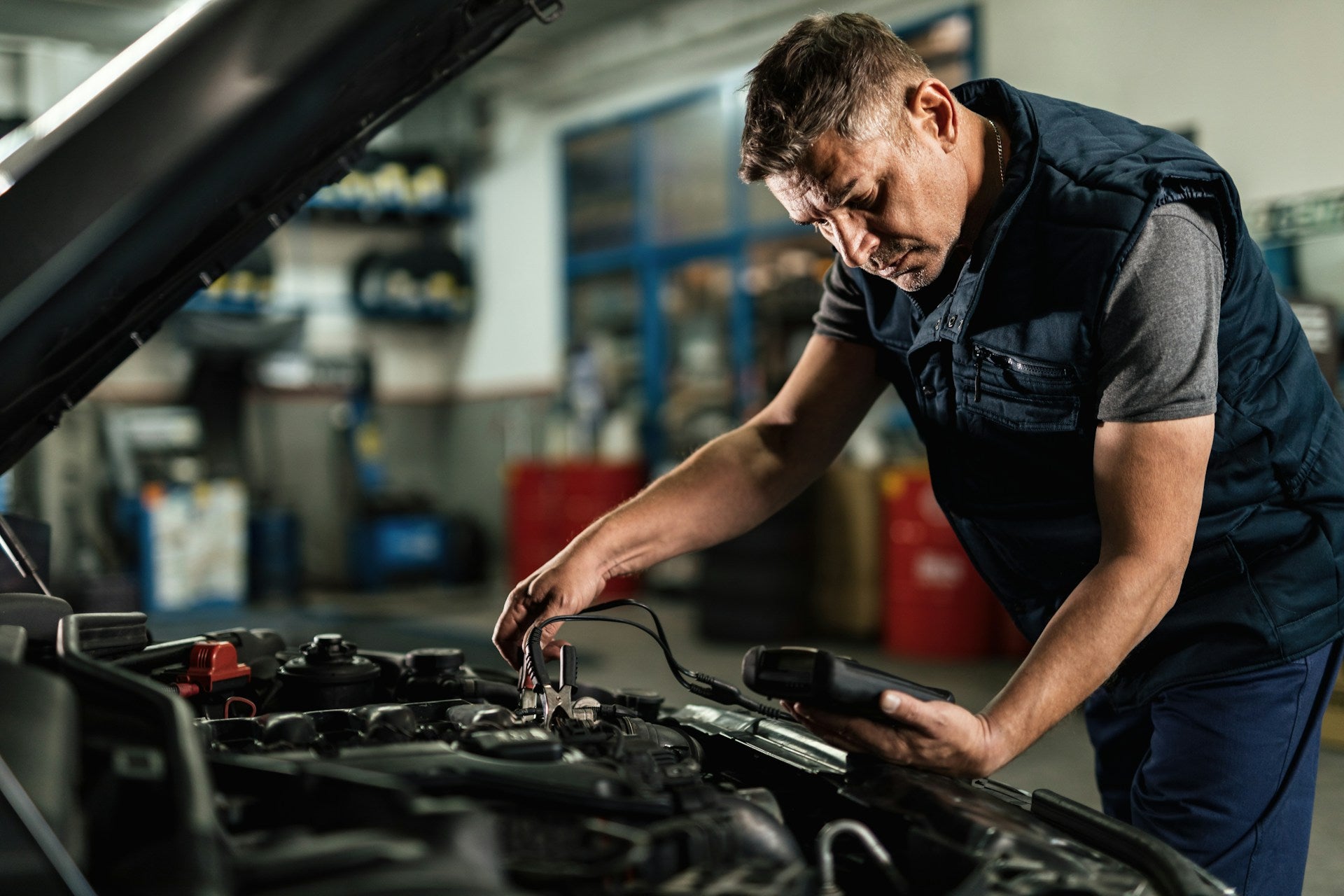
Protect Your Vehicle with Authorized Mopar Care Taking care of your Chrysler, Dodge, Jeep, or Ram is a lot easier when you have the right team on your side. A factory-authorized Mopar maintenance shop focuses on your brand, your parts, and your driving needs, so your vehicle gets the kind of care it was built for. That means better performance, better safety, and less stress for you. more When you choose a shop that is factory-authorized, you get certified technicians, brand-specific tools, and genuine Mopar parts all working together. This kind of care helps protect your engine, transmission, brakes, and every system that keeps you moving. For drivers in Levittown and across Long Island, having that support nearby can make a big difference for summer road trips and everyday commuting. Why Factory Authorization Matters for Your Mopar Vehicle “Factory-authorized Mopar maintenance shop” is not just a fancy label. It means the service center is directly connected to the manufacturer and follows the standards set for Chrysler, Dodge, Jeep, and Ram vehicles. The training, equipment, and repair methods are aligned with what your vehicle’s engineers designed. Here is what that means for you in practical terms: Service procedures that follow current Mopar guidelines Technicians who know your exact model and trim level Repairs that match how your vehicle was built, inside and out Generic repair shops may work on many brands, but they may not have the same access to Mopar technical information or the same level of model-specific training. That can affect: Diagnostic accuracy when warning lights or odd noises appear Repair quality on complex systems like transmissions or 4x4 drivetrains Consistency in how maintenance is done over the life of your vehicle Using a factory-authorized Mopar maintenance shop can also help you stay aligned with your warranty terms, since work is done using approved procedures and proper parts. This reduces the chance of repeat repairs, guesswork, and surprise issues down the road. Genuine Mopar Parts for Safety, Performance, and Longevity Parts are the backbone of every repair. Genuine Mopar parts are built to the same specs your vehicle had when it rolled off the line. They are made to fit right the first time, without odd gaps or tricky workarounds. Compared with many aftermarket parts, genuine Mopar parts offer: Precise fitment for your exact model and year Materials chosen to match factory standards Performance that lines up with the original design That precise fit shows up in real-world driving. With Mopar brake parts, your stops can feel smoother and more controlled. Factory-spec suspension components can help your ride feel steady over potholes and rough Long Island roads. For Jeep drivers, Mopar parts matter when you are towing a trailer, exploring rougher paths, or dealing with sand and salt near the shore. Over the long term, high-quality parts support: Fewer unexpected breakdowns on longer trips A cleaner service history, which buyers tend to value when it is time to sell or trade More confidence when you head out in hot summers or colder, slushier months When your parts were made for your vehicle and installed in a factory-authorized Mopar maintenance shop, everything works together the way your vehicle’s designers intended. Certified Mopar Technicians and Advanced Diagnostics Modern vehicles are more complex than ever, with advanced electronics, driver-assist systems, and new engine and transmission designs. Certified Mopar technicians are trained specifically on Chrysler, Dodge, Jeep, and Ram models, including the latest powertrains and technology. Their training focuses on: Brand-specific systems and layouts Current Mopar repair procedures Safe handling of newer technology and driveline setups Along with training, the tools matter just as much. Factory-grade diagnostic equipment lets technicians talk to your vehicle’s computer systems in detail. That helps them quickly track down. Check engine lights and warning messages Electrical issues like sensor problems or intermittent faults Transmission behavior, shifting concerns, or driveline noises Advanced driver-assistance features that are not working as they should Because the tools and software are designed for Mopar vehicles, repairs can often be completed faster and with fewer repeat visits. That is especially helpful when you rely on your vehicle for daily commuting, weekend trips, and busy holiday travel. Seasonal Maintenance Benefits for New York Drivers Driving around Levittown means dealing with hot, humid summers and colder, messy winters. A factory-authorized Mopar maintenance shop understands how those conditions affect your Chrysler, Dodge, Jeep, or Ram. In the warmer months, it helps to stay ahead of: AC system performance, so the cabin stays cool in traffic Cooling system condition, including coolant and hoses Tire wear and pressure, especially for longer highway drives Brake health before heading out on beach trips or weekend getaways As weather cools and roads get wet or icy, seasonal prep becomes just as important. A Mopar-focused shop can help with: Tire rotations and inspections for grip and even wear Battery tests before the cold sets in Fluid checks, including oil and brake fluid, for reliable starting and stopping Wiper blades and lighting inspections for dark, slushy commutes Year-round, having a local, factory-authorized Mopar maintenance shop means you can plan oil changes, multi-point inspections, and any needed recall or software updates in a way that fits your schedule and your driving habits. How Town & Country Makes Mopar Service Easy At Town & Country Jeep Chrysler Dodge Ram in Levittown, we focus on making Mopar service feel simple and straightforward. We know you have things to do, so we work to keep the process clear from start to finish. Drivers can expect: Easy appointment options that fit busy schedules Clear, upfront explanations of recommended services Updates while your vehicle is in the shop, so you are never guessing We also know that waiting for service is part of life, so we keep the experience as comfortable and convenient as we can, whether you choose to stay on-site or head out and return when your vehicle is ready. For many routine services, our goal is to complete work the same day, so you can get back on the road quickly. Service offers and Mopar coupons are often available, which can help you stay on top of recommended care without putting it off. When you return to the same trusted location for maintenance, your vehicle builds a complete service history. That history helps keep future visits quicker and more accurate, and it can be a plus when it is time to trade or sell. By choosing a factory-authorized Mopar maintenance shop like ours, you give your Chrysler, Dodge, Jeep, or Ram the kind of focused care that supports strong performance, safety, and value for many miles ahead. Keep Your Vehicle Running Like New With Certified Mopar Care Schedule your next service with our Factory-authorized Mopar maintenance shop to help protect performance, safety, and long-term value. At Town & Country Jeep Chrysler Dodge Ram, our trained technicians use genuine Mopar parts and follow factory-approved procedures for every service. If you have questions before booking, feel free to contact us so we can help you choose the right maintenance for your vehicle.
Wheel Alignment

Avoid Costly Tire Wear with Expert Wheel Alignment in Levittown

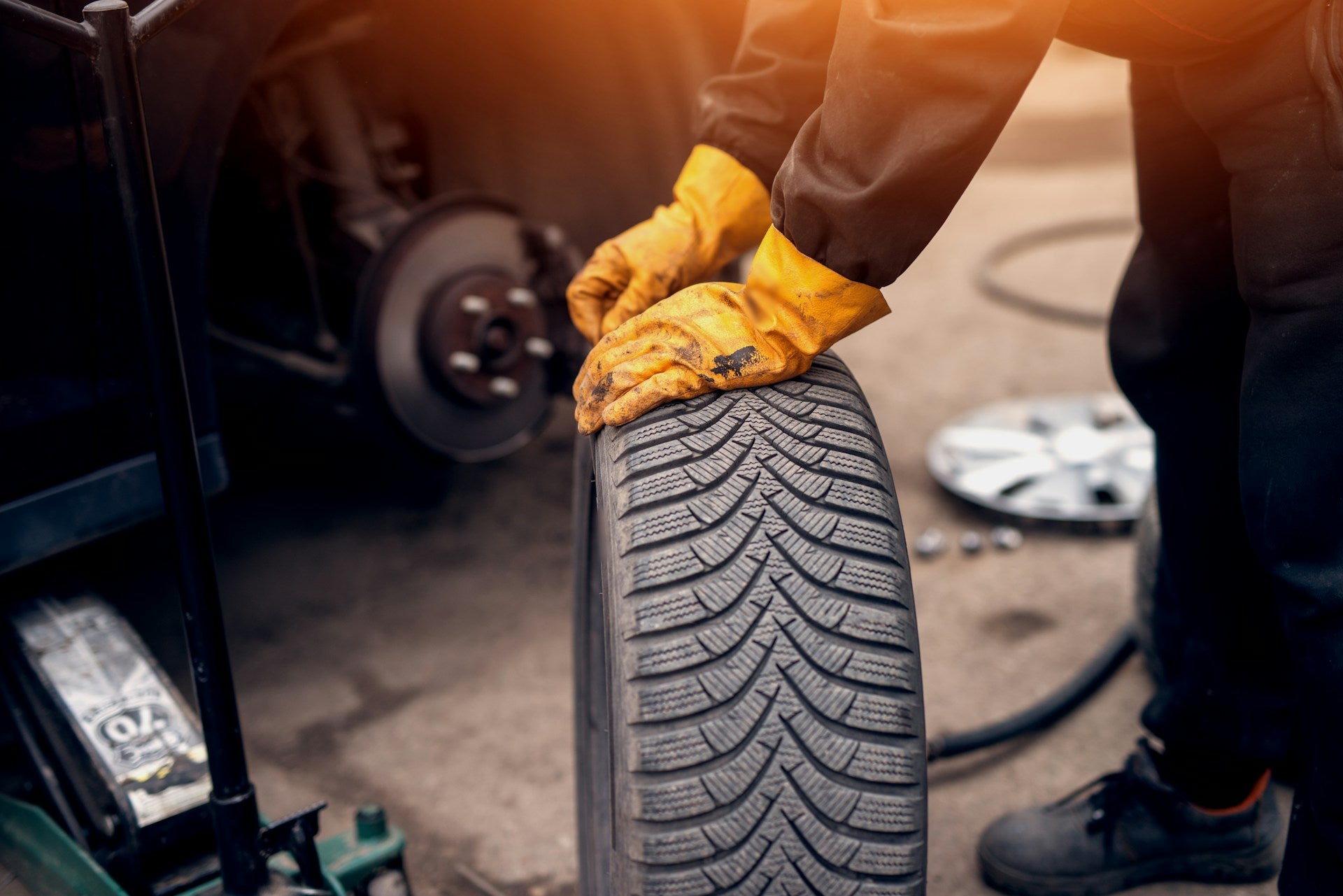
Protect Your Tires and Budget This Summer Good wheel alignment keeps your tires wearing evenly, your steering steady, and your ride smooth. When the wheels are not pointed in the right direction, your tires quietly wear out long before they should, and you usually will not notice until damage is done. more On Long Island, summer driving can be tough on a vehicle. There are hot highways, sandy side streets near the water, and crowded parking lots where it is easy to bump a curb. All of that adds stress to your suspension. If your alignment is off, those miles to the beach or on the parkways can burn through tire tread and add extra stops to the gas pump. Misaligned wheels do more than just chew up rubber. They can cause your vehicle to wander, feel nervous in turns, and waste fuel as your engine works harder to push tires that are fighting each other. The good news is that expert wheel alignment is a simple, affordable service that helps extend tire life, improve safety, and keep your Jeep, Chrysler, Dodge, or Ram riding comfortably around Levittown and the rest of Long Island. Our team focuses on accurate, model-specific alignment that fits how you really drive, from local errands to longer weekend trips, so those summer miles feel safe and controlled instead of rough and expensive. How Misaligned Wheels Destroy Tires Faster Wheel alignment is all about angles. Your suspension holds each wheel at a certain position. Alignment adjusts three main angles so the tire meets the road correctly. Camber, how much the top of the tire leans in or out Caster, how far forward or back the steering pivot tilts Toe, whether the front of the tires point in toward each other or out When these angles are set properly, the full tread of each tire shares the work of gripping the road. When they are off, only parts of the tread touch the ground correctly. That is when uneven wear starts. Around Levittown and the rest of Long Island, alignment can slip for a few common reasons: Hitting potholes that show up after winter Bouncing over speed bumps or curb edges in crowded parking lots Driving on rough or patched pavement Normal wear in suspension parts over time Once alignment is off, your tires may start to show: Feathering, where tread blocks feel sharp on one side and smooth on the other Cupping or scalloped dips around the tire Heavy wear on just the inner or outer edges Strange patterns that repeat around the tire These patterns shorten tire life much faster than even wear. You might think a tire still has plenty of tread in the center, but one edge could already be worn down to the point where grip in rain is reduced. That raises the risk of hydroplaning in summer thunderstorms or losing control during a sudden lane change. On top of that, misalignment makes the engine work harder because the tires are not rolling straight. That can hurt fuel efficiency over time. So a small alignment issue can turn into early tire replacement, more fuel stops, and a car that never really feels settled on the road. Clear Signs You Need Expert Wheel Alignment Misalignment often starts small. You may not notice it at first, but there are several warning signs that something is off. Common red flags include: The vehicle pulls to the left or right when you are on a straight, flat road The steering wheel is not centered when you are driving straight You feel vibration in the steering wheel at highway speeds Tires squeal during normal, low-speed turns Tires show rapid or uneven wear when you inspect them Ignoring these symptoms can lead to more than just worn tires. When parts are constantly fighting against bad angles, steering and suspension components can wear out faster. That can affect how your vehicle responds in an emergency stop or sudden swerve, especially when you are loaded up with passengers, luggage, or towing a small trailer. This is where expert wheel alignment really matters. Quick, generic alignments may not account for the specific setup of 4x4 systems, off-road suspensions, or performance-tuned models. Jeep, Chrysler, Dodge, and Ram vehicles are built with different specifications, especially when you consider: 4x4 and all-wheel drive systems Off-road packages and lifted suspensions Performance models with sportier handling Summer adds extra stress, too. Road trips, towing boats or campers, and frequent drives to the shore all increase the load on your suspension. Getting alignment checked and corrected by someone who understands the design of your specific model helps you avoid small issues that could turn into bigger handling problems when your vehicle is fully loaded. Why Levittown Drivers Trust Town & Country Local drivers want their vehicle to feel solid on the LIE, Southern State, and neighborhood streets. That starts with an alignment that matches real-world conditions, not just numbers on a screen. At Town & Country Jeep Chrysler Dodge Ram, we perform wheel alignments using Mopar equipment and up-to-date specifications that match each CDJR model. That helps us set camber, caster, and toe angles the way the manufacturer intended so your vehicle tracks straight and feels planted. During an alignment visit, our technicians also have the chance to inspect steering and suspension parts. This matters because worn components can cause or hide alignment problems. While checking angles, we can often spot: Loose or worn tie rod ends Ball joints with excess play Damaged control arm bushings Uneven ride height that points to tired springs or other issues Catching these early can help prevent bigger, more expensive repairs down the road. Since we work with local drivers every day, we know how stop-and-go traffic, tight parking lots, and mixed highway speeds affect different models. That real-world knowledge helps inform our recommendations, whether you mostly commute, run errands around Levittown, or spend weekends exploring farther out on Long Island. We also know your time is important. Our service department offers online scheduling, a comfortable place to wait, and service specials that can include alignment. We take the time to explain what we find in clear language so you understand what your vehicle needs and why. Get Summer Ready with a Precision Alignment Check If you are planning longer trips, towing more often, or just want a smoother daily drive, a precision alignment check is a smart step. It is especially helpful: Before or after a big summer road trip Right after installing new tires or seasonal wheels After hitting a serious pothole or curb When you add a lift kit or other suspension changes A simple seasonal routine can keep your vehicle feeling solid and safe. Many drivers like to combine: Expert wheel alignment to set correct angles Tire rotation to even out tread wear Wheel balancing to reduce vibration A basic brake inspection for peace of mind This kind of plan helps you protect your tires, keep steering tight and predictable, and stay ready for rain, heat, and sudden traffic changes. A professional alignment is a small step that pays off every time you drive. With angles set correctly and suspension issues caught early, your Jeep, Chrysler, Dodge, or Ram can stay steady, quiet, and comfortable all summer long and well beyond. Protect Your Ride With Precision Wheel Alignment Service Keep your vehicle handling smoothly and your tires wearing evenly by scheduling an expert wheel alignment with Town & Country Jeep Chrysler Dodge Ram. Our factory-trained technicians use advanced equipment to get your alignment back to exact specifications. Book your appointment online in minutes, or contact us with any questions before you come in.

Wheel Alignment

Preventing Uneven Tire Wear with Expert Wheel Alignment in Levittown

Drive Smoother and Save Money with Proper Alignment Uneven tire wear, a steering wheel that pulls, or a shaky ride on the parkway are more than mere annoyances. They are early warning signs that your wheels may be out of alignment and your tires are wearing out before their time. That means you are spending more money and getting less comfort and control. more Good alignment helps your tires meet the road at the right angle, so your Jeep, Chrysler, Dodge, or Ram rolls straight and smooth. When your wheels are pointed where they should be, your tires last longer, your fuel use stays in check, and your drive feels calm instead of tiring. Expert wheel alignment is one of the simplest ways to protect the money you have already put into your vehicle and tires. At our Levittown dealership, we focus on alignment that is matched to CDJR vehicles. That means trained technicians, specialized equipment, and careful checks so you leave with a ride that feels steady and safe on Long Island roads. How Uneven Tire Wear Starts and Why It Gets Worse Most misalignment starts with something small that hits your wheels hard. Around Levittown and across Long Island, that often means: Potholes that open up after winter Clipping a curb while parking on a busy street Driving over road debris that jolts the suspension Normal wear in steering and suspension parts over time When parts shift even a little, your tires no longer sit flat on the road. The rubber then wears in strange patterns. Some common types of uneven wear include: Inner or outer edge wear: One edge looks smooth and worn down while the rest of the tread looks OK, often tied to camber or toe issues. Feathering: Tread blocks feel smooth on one side and sharp on the other, usually related to improper toe settings. Cupping or scalloping: Small dips or cups around the tread, which may point to worn shocks or struts along with alignment problems. Once these patterns start, they tend to speed up. The tire grips the road unevenly, which can increase heat and stress. That can lead to: Shorter tire life and more frequent replacements Longer stopping distances, especially in rain Less control during quick lane changes or sudden braking on crowded Nassau County roads Ignoring early signs means small issues can grow into bigger safety and comfort problems. Catching alignment troubles early keeps your ride stable and your tires from wearing out before their time. Benefits of Expert Wheel Alignment for Long Island Drivers Not all alignments are the same. A quick, generic adjustment may get your wheels close, but an expert wheel alignment focuses on accuracy for your specific vehicle. An expert alignment usually includes: Measurements taken with digital or computerized equipment Settings checked against manufacturer guidelines for your Jeep, Chrysler, Dodge, or Ram Careful review of suspension and steering parts before and after adjustments When alignment is done right, you feel it every time you drive: Longer tire life: Tires wear evenly, so you get more miles out of each set. Better fuel economy: Rolling straight takes less effort from your engine, which helps on daily commutes on the Southern State or Wantagh Parkways. Smoother steering: The wheel feels centered, the vehicle tracks straight, and you are less tired holding it steady, especially in wind or summer storms. Good alignment also supports many modern safety systems. If your vehicle has lane-keeping aids, stability control, or other driver-assist features, they work best when the wheels and steering are set the way the factory intended. Proper alignment helps those systems read the road and your steering inputs more accurately. Summer Driving in Levittown and Why Alignment Matters Now Summer puts extra stress on both tires and suspension. Hot pavement, longer trips, and higher speeds all bring small issues to the surface. If your wheels are slightly out of line, summer driving can make that stand out quickly. Think about common Long Island summer habits: Beach runs with friends or family, often on a mix of local streets and highway speeds Towing a small boat, trailer, or camper with a Ram truck, which puts more weight on the rear suspension Tight city-style parking near shops or restaurants, where bumping curbs is easy Each of these adds load and stress. Add in the potholes and cracks left over from winter, and your alignment can slip slowly out of spec. Hot weather also softens asphalt, so sharp edges or ruts can catch your tires in new ways. Mid-summer is a smart time to pause and think about your tires and alignment. Many drivers are planning late-summer trips or getting ready for busier school drop-off runs. If you take care of alignment and tire checks now, the rest of the season can feel more relaxed and controlled behind the wheel. What to Expect From an Alignment at Town & Country Jeep When you bring your vehicle in for alignment, the process is careful but straightforward. We want you to know what is happening at each step so there are no surprises. A typical visit includes: Initial road feel check: A technician may take a short drive to notice pulling, vibrations, or noise. Tire and suspension inspection: We look at tread patterns, tire condition, and visible wear in steering or suspension parts. Computerized measurements: Your vehicle is placed on an alignment rack and sensors read the wheel angles. Precise adjustments: We set toe, camber, and caster as needed to match manufacturer guidelines for your CDJR vehicle. Final verification: Measurements are rechecked and a final feel test confirms that the vehicle tracks straight. Choosing a dealership service team for alignment gives you some added benefits. We work with CDJR vehicles every day, so we understand how these platforms are designed to feel and respond on the road. Our focus is on matching factory specs, using Mopar parts when replacements are needed, and treating alignment as part of your overall maintenance, not just a quick fix. Many drivers also like to pair alignment with other services, such as an oil change or tire rotation. That way, one visit can cover several items on your maintenance list while you relax in the waiting area. Take the Next Step to Protect Your Tires and Your Drive A few simple checks at home can tell you if it is time to think about alignment. Watch and feel for: A steering wheel that is off-center when you are driving straight Pulling to one side on a flat road, even with correct tire pressure Shaking or vibration in the steering wheel at certain speeds Any tire with tread that looks uneven compared to the others If you spot one or more of these signs, expert wheel alignment can help get things back on track. At Town & Country Jeep Chrysler Dodge Ram in Levittown, our team is ready to inspect your tires, check your alignment, and keep your Jeep, Chrysler, Dodge, or Ram driving straight and steady for the miles ahead. Keep Your Drive Smooth, Safe, and Efficient If your steering feels off or your tires are wearing unevenly, our technicians are ready to help with expert wheel alignment tailored to your vehicle. At Town & Country Jeep Chrysler Dodge Ram, we use precise equipment to help protect your tires, improve handling, and support better fuel economy. Schedule your visit online or reach out through our contact page so we can get you back on the road with confidence.

Mopar Maintenance

Protecting Your Warranty with Factory Authorized Mopar Maintenance

Keep Your Warranty Safe with Certified Mopar Care Your factory warranty is a big part of the value of your new or certified pre-owned Chrysler, Dodge, Jeep, or Ram. It helps cover certain repairs so you are not stuck with big surprise bills if something goes wrong. That peace of mind is a huge reason many drivers choose a new or CPO vehicle in the first place. more But that coverage depends on one important thing: how your vehicle is cared for. Skipping oil changes, putting off warning lights, or using the wrong fluids can all put your warranty at risk. The good news is that staying on track is simple when you follow the maintenance schedule and work with a factory-authorized Mopar maintenance shop that understands what your vehicle needs. Here on Long Island, summer adds extra stress. Hot days, heavy traffic to the beaches, and long highway trips can be hard on your engine, AC, cooling system, brakes, and tires. Keeping up with proper Mopar-approved service helps protect both your warranty and your plans, whether you are commuting through Levittown or heading out for a weekend trip. How Your Warranty Really Works on Your Chrysler, Dodge, Jeep, or Ram Most Chrysler, Dodge, Jeep, and Ram owners have a few core types of coverage that work together to protect the vehicle. These often include: A limited bumper-to-bumper warranty that covers many parts and systems for a set time or mileage A powertrain warranty that covers the engine, transmission, and related components Corrosion or rust-through coverage on certain body panels Optional Mopar protection plans that can extend or add to factory coverage For this coverage to stay in good standing, the manufacturer expects owners to do a few simple but important things: Follow the maintenance schedule in the owner’s manual Use fluids that meet Mopar specifications, like the correct oil type and coolant Use parts that are approved for your vehicle Keep records of service, including receipts and repair orders Problems often start when small delays turn into long gaps. Some common ways drivers accidentally put coverage at risk include: Stretching oil change intervals far past what the manual calls for Ignoring check engine lights or other warning lights Skipping fluid checks, like coolant, transmission fluid, or brake fluid Making performance or suspension changes without knowing how they affect warranty coverage By staying on schedule and letting trained technicians handle repairs, you keep a clear paper trail that shows your vehicle has been cared for the way the manufacturer expects. Why a Factory-Authorized Mopar Maintenance Shop Matters Not all repair shops are the same. A true factory-authorized Mopar maintenance shop focuses on Chrysler, Dodge, Jeep, and Ram vehicles and works directly with Mopar parts and information. That means: Technicians are trained on Mopar systems and repair procedures The shop has direct access to official service information and updates Genuine Mopar parts and approved fluids are used for repairs and maintenance Service is performed to the same standards used when the vehicle was built When it comes to warranty protection, this matters a lot. If you ever need a warranty repair, the manufacturer may look at how the vehicle has been maintained. Work that was done at a factory-authorized Mopar maintenance shop is more likely to match what they expect, from the parts that were used to the way the job was documented. For Long Island drivers, that difference shows up in everyday life. Instead of bouncing between a quick-lube place for oil changes, another shop for brakes, and somewhere else for AC, you can bring your vehicle to one team that understands your specific model. During busy summer months, when traffic is heavier and breakdowns are more stressful, having that trusted partner can make a big difference in both comfort and confidence. Genuine Mopar Parts vs. Aftermarket: What Is at Stake Parts might look similar on the shelf, but what you cannot see can affect both performance and warranty coverage. Genuine Mopar parts are designed for your specific Chrysler, Dodge, Jeep, or Ram model. They are built to match the original fit, materials, and performance standards that your vehicle left the factory with. Aftermarket parts are made by other companies and may be designed to fit a range of vehicles. That can lead to issues, especially with: Brake pads and rotors Filters, like oil, air, and cabin filters Sensors and electronic components Suspension parts, like shocks, struts, and bushings When the wrong part is installed, or a low-quality part wears out early, you may see: Premature wear on related components Poor braking or handling performance Warning lights or strange drivability issues Confusing diagnostic codes that make problems harder to track If a part that does not meet Mopar specifications causes damage to another system, it can also complicate warranty claims for that repair. By using genuine Mopar parts installed by trained technicians, you help keep your vehicle performing the way it was designed and keep your maintenance history aligned with factory expectations. Seasonal Service Essentials to Stay Warranty Compliant This Summer Summer driving around Levittown and the rest of Long Island means hot days, stop-and-go traffic, and more time on the road. All of that can raise the stress on systems that are important for both safety and warranty protection. Key summer services to stay current on include: Oil and filter change with the correct Mopar-approved oil grade Coolant system check for proper level, mixture, and hose condition AC performance inspection to make sure the system cools correctly Battery test to confirm strong starting power in heat and traffic Tire rotation and, when needed, alignment to support even wear and safe handling Heavy use in July and August, such as towing a boat, loading up for a beach day, or sitting in highway traffic, creates extra heat in the engine and transmission. If fluids are old or low, or if filters are clogged, your vehicle has to work harder. Over time, that extra strain can lead to issues that may not be covered if regular care was skipped. When these services are handled at a factory-authorized Mopar maintenance shop, each visit adds to a clear, organized maintenance trail. That way, if a covered part fails, your records show that the vehicle was serviced on time, with the right parts and fluids. It is one of the simplest ways to protect both your warranty and your vehicle’s long-term health. Make Your Next Service Count Toward Long-Term Protection A smart first step is to open your owner’s manual and look at the maintenance schedule. Check the mileage and time-based services and compare them to your current odometer and how long it has been since your last visit. If you are planning a late summer or Labor Day road trip, it is especially helpful to get caught up before you go, so any worn items can be addressed ahead of time. When you bring your vehicle to Town & Country Jeep Chrysler Dodge Ram in Levittown for Mopar-approved care, you are pairing everyday maintenance with long-term protection. Your fluids, your parts, and your service records all line up with what Chrysler, Dodge, Jeep, and Ram expect. That means more confidence every time you turn the key, wherever the road takes you next. Keep Your Mopar Running Its Best With Certified Care When you are ready to give your vehicle the expert attention it deserves, schedule service with our Factory-authorized Mopar maintenance shop. At Town & Country Jeep Chrysler Dodge Ram, we use genuine parts and Mopar-trained technicians to help keep your car, truck, or SUV performing like it should. If you have questions about maintenance or need help setting up an appointment, contact us and we will walk you through your options.

Leasing Car

Lease or Buy in Levittown: How to Choose the Right Payment Plan

Weighing Your Options at a Levittown Dealership Choosing between leasing and buying a vehicle is one of the biggest decisions drivers in Levittown and across Nassau County make when they visit a showroom. The payment plan you pick affects your monthly budget, how often you change vehicles, and what your long-term costs look like. When you are looking at a new Chrysler, Dodge, Jeep, or Ram, it helps to understand how each option actually works in real life. more Leasing is essentially a long-term rental where you pay for the portion of the vehicle you use over a set period. Buying with financing means you are paying off the full price of the vehicle over time until you own it outright. At Town & Country Jeep Chrysler Dodge Ram in Levittown, we guide drivers through both paths so they can line up their choice with their lifestyle, driving habits, and comfort level. In this article, we will break down how payments are structured, how long-term costs compare, and how leasing versus buying in Levittown shapes your day-to-day ownership experience. How Leasing Works at a Levittown Jeep Chrysler Dodge Ram Dealer When you lease, you agree to drive a vehicle for a specific length of time and mileage, then return it or buy it at the end. Your monthly payments generally cover the vehicle’s estimated depreciation during your lease term, plus rent charges and fees, instead of the full purchase price. Because you are not paying for the entire vehicle, monthly lease payments are often lower than finance payments on the same model. Typical leases at a Levittown dealership like ours run for a set number of months with several mileage options. Many drivers choose mileage limits that fit their commute and weekend plans, and there are usually choices for higher or lower mileage based on your needs. Upfront costs at signing often include the first month’s payment and other lease-related fees, which can be different from what you would pay on a traditional purchase. Leasing can be especially appealing for Long Island drivers who enjoy having a newer vehicle more often. It can be a good fit if you like the idea of: Lower monthly payments compared with financing the same vehicle Driving a late-model Chrysler, Dodge, Jeep, or Ram more frequently Getting regular access to updated tech, comfort, and safety features Keeping your vehicle under warranty for most or all of the term With a lease, you agree to keep the vehicle in good condition, follow routine maintenance, and stay within your mileage allowance. At the end of the term, you usually return the vehicle, pay any excess mileage or wear charges if they apply, and decide if you want to lease again or consider buying. Early termination can come with additional costs, so it is important to choose a term and mileage that feel realistic for your daily life around Levittown. What It Really Means to Buy and Own Your Vehicle Buying a vehicle, whether you pay in cash or finance it, means you are working toward full ownership. When you finance, you typically make a down payment, then monthly payments that cover the principal plus interest over a set loan term. As you pay down the loan, you build equity, which is the portion of the vehicle’s value you truly own. A finance plan at a Levittown dealership is usually built around a few key factors: your down payment, the length of the loan, the interest rate, and the price of the vehicle. A larger down payment or shorter term can raise or lower your monthly payment in different ways, and also affects your total cost over the life of the loan. Once the loan is paid off, you own the vehicle free of monthly finance payments, aside from insurance and ongoing operating costs. For many Nassau County drivers, buying is appealing because it comes with: Unlimited mileage without lease-style penalties The freedom to customize or personalize the vehicle Long-term value if you plan to keep it for many years Flexibility to keep, sell, or trade the vehicle whenever you choose Of course, owning a vehicle means you are also responsible for maintenance and repairs, especially once any factory warranties have ended. Over a longer timeline, those costs can add up, but you are not tied to a set contract end date. Compared with the shorter focus of leasing, buying tends to suit drivers who see their vehicle as a long-term part of their lifestyle. Leasing Versus Buying in Levittown: Cost, Lifestyle, and Miles When we sit down with Levittown shoppers, we often start by comparing monthly costs side by side. Lease payments are typically lower because you are only paying for the time you drive the vehicle during the term. Finance payments are usually higher at first, but if you keep the vehicle after the loan is paid off, you can enjoy years without a monthly payment, which can create long-term savings. Your lifestyle is just as important as your budget. Many Long Island drivers have a regular commute on local roads and parkways, plus family errands and occasional weekend trips. If your driving is fairly predictable and you like switching into a newer model every few years, leasing versus buying in Levittown may lean in favor of a lease. If you regularly drive long distances, rack up high mileage, or plan to keep a vehicle for a long time, buying might make more sense. Mileage and usage are often the deciding factors. Leasing tends to be a strong option if you: Drive a consistent, moderate number of miles each year Prefer low, predictable monthly payments Enjoy always having late-model features and styling Buying often works better if you: Put a lot of miles on your vehicle each year Want to keep your vehicle beyond any loan term Like the flexibility to drive without mileage limits Insurance, sales tax, and available incentives can also influence your choice. Some drivers may find that certain offers at Town & Country Jeep Chrysler Dodge Ram make one option line up better with their budget. The right answer usually comes from looking at the full picture, not just the monthly payment in isolation. How Town & Country Helps You Choose the Best Payment Plan Our finance team in Levittown spends time walking drivers through both lease and finance options on the exact vehicle they are considering. Instead of talking in general terms, we show you what leasing versus buying in Levittown looks like in real numbers for your preferred model and trim. Seeing both options side by side often makes the decision feel much clearer. We may review several pieces to help you decide: Personalized payment comparisons for lease and finance plans Your trade-in appraisal and how its value affects each option Pre-approval details so you understand your price range and possible terms Credit profile, trade-in equity, and how long you expect to keep the vehicle can all shift which option fits best. Some drivers prioritize flexibility, preferring leases that let them move into a new vehicle more frequently. Others value long-term ownership and the idea of eventually driving payment-free. Our goal is to match the plan to your comfort level, not to push a one size fits all answer. Drive Home Confidently with the Right Plan for You In the end, leasing is about lower payments, newer vehicles more often, and mileage limits, while buying is about long-term ownership, unlimited miles, and building equity. Both paths can work well for Levittown and Nassau County drivers, depending on budget, driving habits, and how long you want to keep your vehicle. Thinking honestly about how much you drive, what kind of monthly payment fits your life, and how often you like to change vehicles will point you in the right direction. When you visit Town & Country Jeep Chrysler Dodge Ram, we work with you to line up the numbers with your priorities so you can feel confident in your choice. With clear information, realistic mileage planning, and a payment plan that fits, you can drive off the lot knowing you chose the approach to leasing versus buying in Levittown that truly works for you. Confidently Choose the Best Jeep, Chrysler, Dodge, or Ram Option For You If you are weighing Leasing versus buying in Levittown, our team at Town & Country Jeep Chrysler Dodge Ram is here to walk you through every detail so you can decide with confidence. We will review your driving habits, budget, and long-term plans to help match you with the right payment structure and vehicle. Reach out today through our contact page to schedule a personalized consultation and take the next step toward your new ride.

Car History

How to Read a Used Car History Report Like a Pro Buyer Would

Protect Yourself Before You Sign the Paperwork A used car history report can be the difference between driving home in a smart buy and inheriting someone else’s headaches. When you know how to read a used car history report the right way, you can spot red flags early, ask sharper questions, and feel much more confident about what you are paying for. more A vehicle history report is a summary of a car’s documented past. The information usually comes from the DMV, insurance companies, police reports, auctions, and sometimes service and dealership records. It is not perfect, and it will not catch every fender bender or repair, but it is still one of the most powerful tools you have as a used car shopper around Nassau County and Long Island. Our goal here is simple: walk you through how to read a used car history report like a pro, so you can catch issues most buyers miss, whether you are buying from a private seller on your street or at a dealership like Town & Country Jeep Chrysler Dodge Ram in Levittown. What a Vehicle History Report Can (and Can’t) Tell You Most reports are laid out in similar sections. Once you know what you are looking at, they become much less intimidating. Here are the core sections you will usually see: Ownership history Title information Accident and damage reports Odometer and mileage readings Service and registration records Recall and safety information Ownership history shows how many people or businesses have had the car and for how long. Title information shows what kind of legal status the car has. Accident and damage sections list reported crashes, insurance claims, and sometimes whether airbags deployed or the frame was affected. Mileage entries come from inspections, registration renewals, and service visits. Service and registration records give clues about how the car was maintained and where it lived. Recalls show safety issues the manufacturer has identified and whether repair campaigns have been addressed. What is often missing? Not every accident gets insurance involved, and not every shop reports service data. Minor parking-lot scrapes, quick paint work, or cash repairs may never appear. Some older records may be incomplete or missing if the vehicle moved between states. That is why we always treat the report as a starting point, not a final verdict. It should help you decide what to ask, what to inspect more closely, and when to bring in a professional inspection at a trusted service center. Ownership and Title: Paper Trail Red Flags When you first look at a report, start with the ownership history. A simple, stable history is usually a good sign. Pay attention to: Number of owners How long each owner kept the vehicle Type of use, such as personal, commercial, or rental A car with frequent ownership changes in a short period can be a warning that people kept trading it in to escape recurring problems. A vehicle that spent its early life as a rental or fleet vehicle may have higher wear, even if the mileage looks average, because many different drivers were behind the wheel. Next, study the title section. Key title terms include: Clean title, no major damage history reported Salvage title, insurance company declared the car a total loss Rebuilt title, vehicle was previously salvage and then repaired and inspected Lemon or manufacturer buyback, repurchased due to repeated issues covered under warranty Flood or water damage title Hail or other specific damage brands These labels matter for safety, long-term reliability, resale value, and even whether some insurers will fully cover the vehicle. A clean title does not guarantee a perfect past, but anything labeled salvage, rebuilt, flood, or buyback needs a very careful follow-up. Subtle warning signs often hide in the title timeline. Watch for: Multiple title transfers across different states in a short time A brand appearing in older records that is missing in newer ones Titles from areas known for major flooding followed by quick out-of-state transfers Title “washing” can happen when vehicles with branded titles are moved between states with different rules. If you spot a pattern like that, it is a clear cue to get the vehicle inspected closely and to ask very direct questions about its history. Mileage, Accidents, and Damage You Should Question The odometer section should tell a straightforward story of mileage gradually increasing over time. Any strange patterns deserve a second look. Possible mileage red flags: Readings that drop instead of rise, which can signal odometer rollback Big, sudden jumps that do not match typical driving for the time span Long gaps with no readings, especially during years when the car should have been inspected or registered Very low mileage on an older car, which can be real, but should be supported by strong records Next, look closely at the accident and damage entries. Many reports show severity, location of impact, and whether airbags deployed. While one minor accident with professional repairs is not always a reason to walk away, you want to understand the story. Pay special attention to: Structural or frame damage, which can affect safety and alignment Airbag deployment, which usually signals a more serious impact Multiple accidents, especially if they involve the same side or corner of the car Hidden concerns often live in vague phrases. “Damage reported” without a listed accident can mean anything from a scraped bumper to significant bodywork. Repeated notes about damage or repairs to the same area could point to underlying issues that were never fully corrected. If the seller calls something a “tiny fender bender” but the report lists airbag deployment or structural repair, that mismatch should send you looking for more details. Service Records, Recalls, and Local Driving Clues Service history may look boring at first, but it is one of the best ways to judge how a previous owner treated the car. Regular oil changes, routine maintenance, and on-time major services are good signs. When you read a used car history report, look for: Consistent oil changes at reasonable mileage intervals Scheduled maintenance, such as transmission service or brake fluid changes Major repairs that are documented, like transmission or engine work A long record of maintenance entries at reputable shops can actually make a higher-mileage vehicle more attractive than a low-mile one with no records. On the other hand, repeated visits for the same issue may suggest a chronic problem. Recalls are another key section. A report will usually show: Open recalls that still need to be completed Past recalls and campaigns that have already been addressed Any open safety recall should be taken seriously. Work is typically performed by a dealership service department and recorded with the manufacturer, so a trained team can help confirm what has been done. Finally, use the registration and location history as a window into how the vehicle lived. On Long Island and around coastal areas, salt exposure and humidity can contribute to rust, especially on the underbody. A car that spent years in a high-salt region, or was used heavily in rideshare or delivery service, might have more wear than its odometer alone suggests. Turn the Report Into Smart Questions and Next Steps The real power of knowing how to read a used car history report is in the questions it helps you ask. Instead of accepting a vague answer, you can point to specific entries and ask for proof. Good questions include: Can you show receipts or invoices for this repair? Who performed the bodywork after this accident? Has the vehicle been inspected since the damage was repaired? Do you have records that explain this mileage gap? Can your service department confirm that these recalls are completed? Bring the report with you on the test drive and use it as a checklist. If you see past front-end damage, pay attention to steering feel, alignment, and any odd noises. If there are gaps in service history, listen for engine or transmission issues and ask a technician to check fluid condition and wear items. We always recommend pairing the report with a professional inspection at a qualified service center. An experienced technician can put the car on a lift, look for rust or framework, and compare what they see to what the report claims. At Town & Country Jeep Chrysler Dodge Ram, we review reports with shoppers every day, and we know how much more confident buyers feel when they understand what those pages really mean. Drive Home Confidently With a Smart Used Car Choice If you are still unsure about how to read a used car history report, we are here to walk you through each detail so you can feel confident in your decision. At Town & Country Jeep Chrysler Dodge Ram, we take the time to review reports with you and answer any questions about a vehicle’s past. Reach out to our team with your questions or to schedule a visit through our contact us page. Let us help you turn a confusing report into clear, trustworthy information before you buy.

Car Shopper

Dealer Fees That Surprise Car Shoppers and How to Verify Them

Understanding Dealer Fees Before You Sign Anything Dealer fees have a way of showing up at the very end of the car-buying process, right when you think the price is set. That is why so many shoppers feel blindsided, especially if it is their first purchase or it has been a long time since they last bought a vehicle. The car that looked like a great deal online can suddenly feel a lot more expensive once the paperwork hits the desk. more When we talk about “dealer fees,” we are usually referring to charges added by the dealership, not the state. State and DMV fees cover things like registration, title, and sales tax. Dealer fees are separate line items on your buyer’s order that cover dealership services, such as documentation, processing, or optional add-ons. Not every dealer fee is bad, and not every extra charge is a “junk” fee. Some are legitimate costs of doing business, but every fee should be clear, justified, and something you can verify. At Town & Country Jeep in Levittown, we encourage shoppers to bring any quote they receive and sit down with us to review every fee line by line before they agree to a deal. Documentation and Processing Fees Explained Clearly Documentation and processing fees usually cover the back-office work that happens after you say yes to a vehicle. This can include preparing contracts, filing title paperwork, submitting DMV forms, and keeping records in line with legal and lender requirements. Instead of building those costs into the vehicle price, many dealerships list them as a separate DOC or processing fee. These fees can vary between dealerships and sometimes are affected by state rules. Some states set a cap on DOC fees. Others leave it open, as long as the fee is charged consistently to all buyers. In New York, shoppers often notice that DOC fees differ from store to store, which is why it helps to compare. You can verify DOC fees a few ways: compare them with other nearby dealers, ask for a simple explanation of what the fee covers, and confirm that the amount is the same whether you are paying cash or financing. If the fee changes based on how you pay, that is something worth questioning. At Town & Country Jeep in Levittown, our approach is to present our DOC or processing fees upfront, early in the conversation, so you can compare offers fairly. Transparency makes it easier to focus on the total cost of the deal instead of worrying about hidden surprises in the finance office. Destination, Delivery, and Preparation Fees There is a big difference between manufacturer-set destination charges and dealer-added delivery or prep fees. The manufacturer destination charge is the amount the automaker sets to ship the vehicle from the factory to the dealership. It is printed on the official window sticker, also known as the Monroney label, and is typically non-negotiable. Some dealers add separate delivery or preparation fees on top of the factory destination charge. These might be described as dealer delivery, dealer prep, or similar wording. That is where you want to pay close attention. The manufacturer destination fee should already be included in the published price of a new vehicle, so an extra “delivery” line sometimes overlaps what you are already paying. Common pre-delivery services include interior and exterior cleaning, safety inspection, topping off fluids, and installing accessories. In many cases, these services are part of standard dealership operations. When you see a separate prep fee, it is fair to ask what specific work was done and whether it was already reflected in the price. To verify these charges, you can: Check the Monroney sticker to see the official destination charge Compare that amount to what the manufacturer lists on its site for that model Ask the dealer to show you what is included in any additional delivery or prep fee Confirm you are not being charged twice for the same type of service Add-On Packages, Protection Plans, and Appearance Fees Add-on products are another source of surprise for many car buyers. These can include paint and fabric protection, VIN etching, nitrogen in tires, wheel and tire protection, key replacement plans, and appearance packages. Some shoppers find value in these products, while others feel caught off guard if they were installed or added without discussion. The key difference is choice. Optional protections can make sense if they fit your needs, budget, and driving habits. They start to feel like “junk” fees when they are pre-loaded into the deal and presented as if you have no say. To decide whether you actually want or need an add-on, ask to see: What the coverage includes and excludes How long the coverage lasts and any deductible Whether your auto insurance or credit card already provides similar protection Whether the product was installed before you agreed to buy, or is simply being proposed A transparent dealer will clearly mark optional products, explain each one in plain language, and let you decline items you do not want. That is how this process should work at a dealership like Town & Country Jeep in Levittown, where the goal is to build long-term trust with shoppers across Nassau County and Long Island. Financing, Market Adjustments, and Trade-Related Fees Financing the vehicle brings its own set of potential fees and markups. Lenders may charge acquisition or administrative fees, and dealerships sometimes add their own finance or origination charges. In addition, the rate you receive can reflect both the lender’s rate and any markup the dealership applies for arranging the loan. Market adjustment or additional dealer markup fees, often labeled ADM, tend to show up when certain models are in high demand. Instead of raising the advertised price, some dealers list a separate market adjustment line. This directly affects your out-the-door price, so it should be easy to identify and discuss. If you have a trade-in, there can be real costs tied to inspecting, reconditioning, and handling the payoff with your current lender. Ideally, those costs are reflected in the trade value itself, not in extra, vague line items on your contract. To verify these types of fees, you can: Request an itemized out-the-door quote that includes every fee Compare offers from multiple dealerships on similar vehicles Check that no fee is listed twice under different names Ask specifically what each finance-related or trade-related charge covers How to Review Your Buyer’s Order Like a Pro When you sit down to sign, the buyer’s order is your roadmap. It usually lists the base price of the vehicle, any factory or dealer-installed options, your trade-in value, taxes, DMV fees, and all dealer-added fees. Taking a few extra minutes with this document can save you hundreds or even thousands over the life of the loan. Work through it step by step. Verify the agreed-upon vehicle price and options. Make sure your trade-in value and any payoff are correctly listed. Check that taxes and DMV fees look realistic for your location. Then focus on dealer-added fees like documentation, delivery, prep, add-ons, and market adjustments. Use a simple checklist of questions for every unfamiliar charge: What is this fee, in plain terms? Is it required by the state or optional? Is it charged on every deal or only in my case? Where was it disclosed earlier in the process? Is the amount negotiable or can it be removed? If anything feels rushed or unclear, it is completely reasonable to pause. You can ask to take a copy of the buyer’s order home or send it to a knowledgeable friend or advisor before signing. A transparent dealership team member should be willing to sit down with you and walk through every line, just as we do for shoppers at Town & Country Jeep in Levittown. Driving Home Confidently with Transparent Pricing At the end of the day, some dealer fees are a normal part of buying a vehicle, but none of them should be mysterious or impossible to explain. When you understand what each fee covers and you have verified that it is fair, you can focus on what really matters: getting the right vehicle at a price that fits your budget. One of the best habits you can develop is to focus on the total out-the-door price instead of just the monthly payment. Ask questions about every fee you do not recognize, compare quotes whenever you can, and take your time with the paperwork. When shoppers come to Town & Country Jeep in Levittown with that mindset and a willingness to review the details, they tend to drive home feeling confident, informed, and satisfied with their deal. Unlock Exclusive Savings On Your Next Vehicle Today If you or a family member has served, we invite you to explore the military benefits available through Town & Country Jeep in Levittown. At Town & Country Jeep Chrysler Dodge Ram, we are committed to helping you make the most of your service-related incentives while finding the right vehicle for your needs. Reach out to our team with any questions or to schedule a visit by using our contact us form.

Contact Us

Fill out this form below and we'll contact you shortly
*Required Fields