




Town & Country Jeep Chrysler Dodge Ram

Blog / Dealership

Levittown Steering Pull Problems When Tire Wear Isn’t the Whole Story

Steering

Why Your Car Still Pulls After New Tires

When your car keeps pulling left or right even after new tires, it is more than an annoyance. Constantly correcting the wheel makes driving stressful, especially on the parkways and local streets around Levittown. Steering pull can feel like your vehicle is drifting off the lane, fighting you when you try to keep it straight, and leaving you more tired after even a short drive.

Many drivers assume uneven tire wear is always the reason a car pulls, so they start with a tire rotation or a new set of tires. Sometimes that works, but not always. If the pull is still there, the real problem is often hiding in your alignment, suspension, or brakes. That is where a professional Levittown wheel alignment service becomes important, because it can separate simple tire issues from deeper mechanical problems.

Common Causes of Steering Pull Beyond Tire Wear

Uneven tread can definitely send your car off in one direction, but when fresh rubber does not fix the issue, we start looking past the tires. The first place we look is the alignment, because even small changes can push the car off center.

There are three main alignment angles that matter:  

  • Camber, the inward or outward tilt of the wheels when viewed from the front 
  • Caster, the angle of the steering axis that helps your wheel return to center 
  • Toe, how much the front of the tires point toward each other or away from each other 

If camber is different from one side to the other, your vehicle can lean into one direction. If caster is off, the wheel might not want to stay straight, so you constantly correct it. When toe is incorrect, the tires can scrub along the road, causing both pull and rapid wear even on new tread.

Suspension and steering components are another big piece of the puzzle. Worn parts can let the alignment shift every time you hit a bump. We often see pull related to:  

  • Loose or worn tie rods that let the wheels point in slightly different directions 
  • Tired ball joints that no longer hold the knuckle steady 
  • Cracked or soft control arm bushings that allow excess movement 
  • Struts or shocks that have lost their damping, so the car wanders and feels unstable 

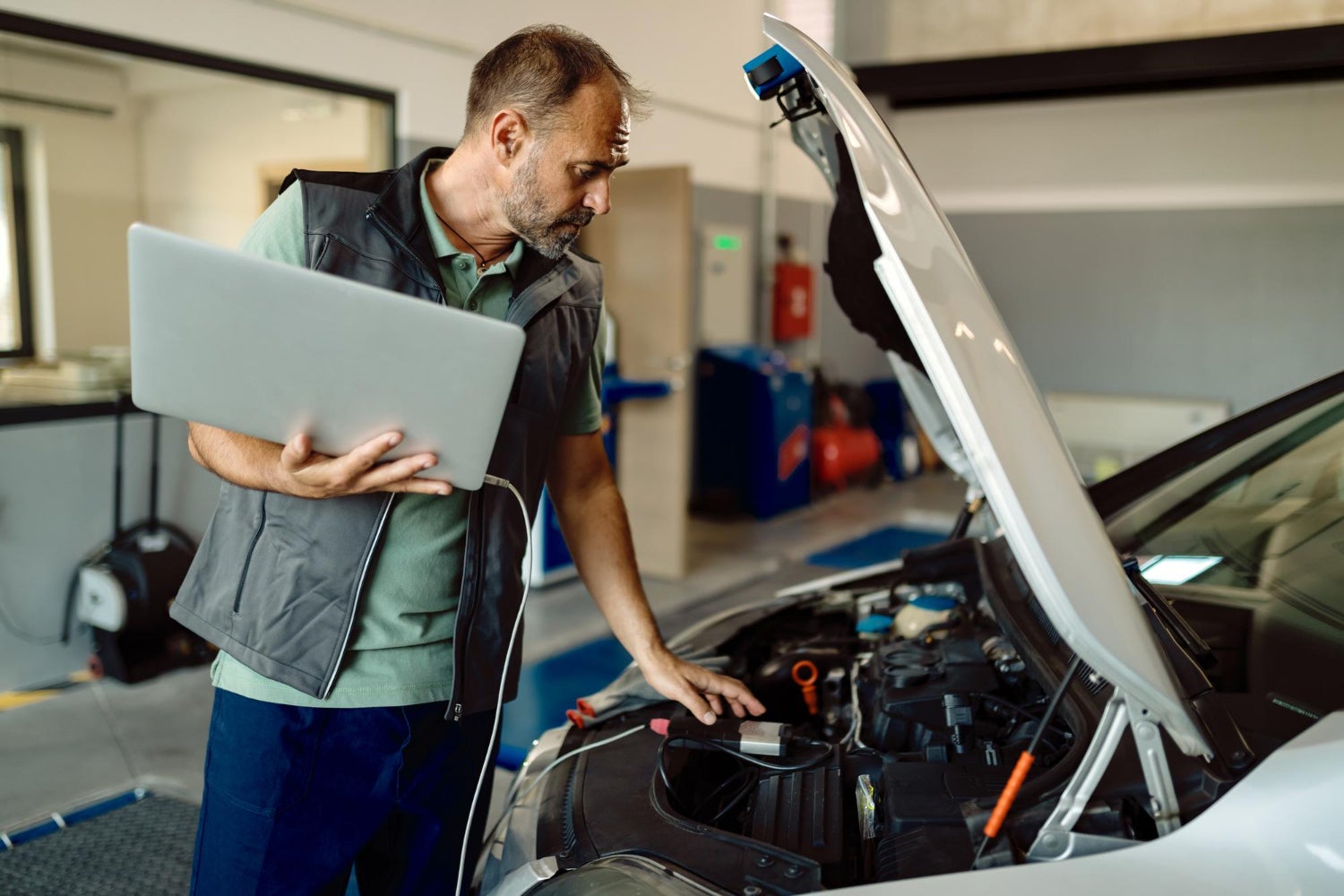
Brake and wheel problems can also mimic an alignment issue. A sticking brake caliper or dragging pad on one wheel can pull the car to that side when you apply the brakes, and sometimes even while cruising. A bent wheel or damaged rim may make the car shake or drift even when the alignment angles look fine. That is why persistent steering pull calls for a careful inspection, not just a quick guess.

How Technicians Track Down a Persistent Pull

When you bring a vehicle to a Levittown shop with a steering pull complaint, the diagnosis starts before we ever touch an alignment machine. We want to confirm what you feel and what conditions bring it out.

A thorough diagnostic process often begins with:  

  • A road test to feel the pull during acceleration, cruising, and braking 
  • A check of tire pressure on all four corners so small pressure differences do not trick us 
  • A visual inspection of tires for uneven wear, cupping, or damage 

During that first look, we also scan for obvious issues like fluid leaks from struts or shocks, damaged suspension pieces, or a wheel that looks out of round. If nothing stands out, the next step in a wheel alignment service in Levittown is to move your vehicle onto an alignment rack.

Using computerized alignment equipment, we measure camber, caster, and toe at each wheel and compare those readings to the factory specifications for your specific model. This gives us a clear picture of whether the angles are out of range enough to cause a pull. If the readings show one side significantly different, we know alignment is a likely contributor.

Sometimes, though, the readings tell us something else is going on. When that happens, we perform additional checks, such as:  

  • Steering and suspension play tests, where we move the wheels by hand to feel for looseness 
  • Runout checks to see if a wheel or tire is bent or not rotating correctly 
  • Brake inspections to spot a sticking caliper, uneven pad wear, or warped rotor 

By working through each step systematically, we can pinpoint whether your steering pull is alignment-related, suspension-related, brake-related, or a combination of several smaller issues.

Why Professional Alignment Matters on Levittown Roads

Driving around Levittown and the rest of Long Island, your vehicle deals with plenty of punishment. Potholes, worn pavement, raised manhole covers, speed bumps, and tight parking spots with high curbs all put sudden forces on your suspension. Even a single hard hit can nudge alignment angles out of spec.

When your alignment is correct, you feel it in how the car behaves. Some benefits of a proper alignment include:  

  • Straighter tracking on the highway with less wandering 
  • More predictable steering response in lane changes and turns 
  • Better contact between the tire and road surface for shorter stopping distances 
  • Less steering effort and less driver fatigue over time 

Good alignment also protects your investment in tires and suspension parts. A quality wheel alignment service in Levittown can help reduce:  

  • Uneven or rapid tire wear, which can otherwise force you into early replacement 
  • Extra stress on shocks, struts, and bushings from constant fighting against misalignment 
  • Loss of fuel efficiency caused by tires scrubbing along the pavement instead of rolling smoothly 

On busy local routes, where you are constantly braking, turning, and stopping for lights, a vehicle that tracks straight and responds consistently is a real safety and comfort advantage.

What to Expect From an Alignment Visit at Town & Country

When you bring your vehicle to Town & Country Jeep Chrysler Dodge Ram in Levittown for steering pull concerns, we treat it as both a comfort issue and a safety concern. Our process is built around listening first, then measuring, then correcting.

A typical visit for alignment-related problems often looks like this:  

  • Check in and a conversation about when you notice the pull, how strong it is, and whether it changes with speed or braking 
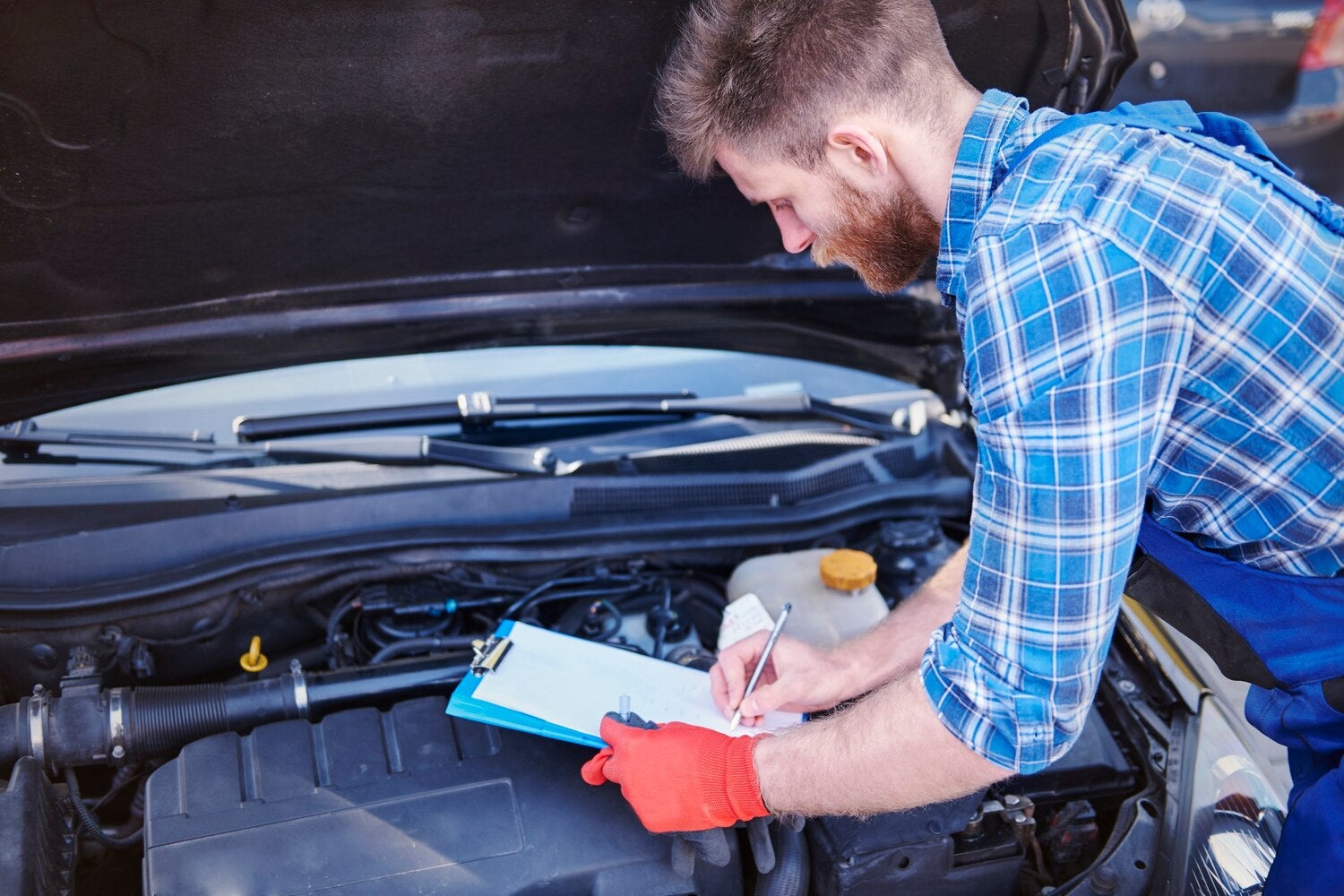
  • Initial inspection of tires, pressures, and visible suspension and steering components 
  • Placement of your vehicle on the alignment rack for detailed angle measurements 
  • Adjustments to bring camber, caster, and toe as close to factory specifications as the design allows 
  • A final road test to confirm the vehicle now tracks as it should 

Because we are a Jeep, Chrysler, Dodge, and Ram dealership, we are especially familiar with how these models are supposed to feel when the alignment is correct. That familiarity, combined with professional equipment, gives us a strong reference point when diagnosing something as subtle as a steering pull. We also work on many other makes, so even if you are not driving one of our primary brands, the same careful process applies.

We believe in clear communication throughout. After a wheel alignment service in Levittown, you can expect an explanation of what we found and how we corrected it. Alignment printouts that show before-and-after readings help you see the difference for yourself. From there, we can talk about how often to check alignment as part of your long-term maintenance plan, especially if you regularly deal with rough roads, construction zones, or frequent curb contacts in tight parking areas.

Take Back Control of Your Steering

If your car still pulls after new tires or a recent rotation, there is a good chance the real cause lies deeper than tread wear. Misalignment, worn suspension parts, brake issues, or wheel damage can all work alone or together to make your vehicle drift, wander, or fight you for control.

You do not have to keep wrestling with the steering wheel on every trip through Levittown. A thorough inspection and a professional Levittown wheel alignment service can restore straight-line confidence, help protect your tires, and make daily driving far less tiring.

Protect Your Tires And Drive With Confidence

Keep your vehicle tracking straight and your tires wearing evenly with professional care from Town & Country Jeep Chrysler Dodge Ram. Schedule your wheel alignment service in Levittown today so we can inspect your suspension, correct your alignment, and help you get the most out of every mile. If you have questions or want to set up an appointment by phone or email, simply contact us and our team will walk you through the next steps.
Posted in:

Related Posts

Car Cooling

West Hempstead Cooling Problems That Aren’t Just the AC

Stop the Heat: Why Your Car Feels Hot Even with AC On When you are stuck in traffic around West Hempstead with the AC on full blast, the last thing you want is warm, sticky air from the vents. If the air only feels cool for a minute, then fades, it is easy to blame the AC itself. But many comfort problems actually start under the hood, with the system that keeps your engine at the right temperature. If the engine is running too hot, your AC has to work harder and may never feel as cold as it should. Left alone, those same problems can lead to breakdowns and expensive repairs. That is why scheduled vehicle maintenance is about more than oil changes. It is your best defense against hidden cooling problems. At Town & Country Jeep Chrysler Dodge Ram in Levittown, we help drivers from West Hempstead and across Long Island keep both their engines and cabins cool. Engine Cooling Basics Every West Hempstead Driver Should Know Your vehicle has two different systems that deal with heat. The AC system cools the air inside the cabin. The engine cooling system manages the heat created by the engine so it does not overheat. They are separate, but when the engine cooling system struggles, AC performance often drops too. Key parts of the engine cooling system include: Radiator, where hot coolant releases heat to the outside air Coolant, the fluid that carries heat away from the engine Water pump, which pushes coolant through the engine and radiator Thermostat, a temperature-controlled valve that helps the engine warm up and then maintain proper temperature Cooling fans, which pull air through the radiator, especially when the vehicle is not moving fast Hoses, which connect everything and keep coolant flowing When these parts are working together, your engine holds a steady temperature, your AC has an easier job, and you get consistent cooling inside the vehicle. When they do not, you may notice: A temperature gauge that climbs higher than normal Brief overheating while idling, then cooling off when you start moving Sweet coolant smells from under the hood Light steam near the front of the vehicle Those are all early hints that your engine cooling system, not just the AC, needs attention. Hidden Cooling Issues That Masquerade as AC Problems Many West Hempstead drivers come in thinking they have a bad AC, only to find the engine cooling system is the real troublemaker. Some of the most common issues include: Weak or failing radiator: If the radiator fins are blocked with leaves, dirt, or road debris, or if the inside of the radiator is clogged, it cannot shed heat effectively. The result is a hotter engine, and you may notice the AC feels weak at idle but better on the highway, where more air flows through the radiator and condenser. Low or contaminated coolant: Coolant breaks down over time. Old coolant, the wrong type of coolant, or coolant mixed with rust and debris does a poor job transferring heat. That can cause your engine temperature to bounce up and down, and your AC may cycle between cool and not-so-cool air. Faulty thermostat or water pump: If the thermostat sticks closed, coolant cannot circulate. If the water pump is slipping or failing, it may not move enough coolant. On hot Long Island days, that can quickly push your engine toward overheating and make the AC feel inconsistent or warm, especially at lower speeds. Cooling fan or fan clutch problems: If the electric fan does not turn on, or a fan clutch is weak, there is not enough airflow through the radiator and AC condenser at low speeds. You may notice a pattern: AC feels decent on the Southern State or Meadowbrook Parkway AC turns lukewarm in West Hempstead stop-and-go traffic or at long red lights From the driver’s seat, all of this feels like an AC failure. Under the hood, it is often the cooling system calling for help. Everyday Clues Your Cooling System Needs Attention You do not need to be a technician to spot early warning signs. A few quick checks can help you decide when to talk about cooling issues during your scheduled vehicle maintenance. Watch your temperature gauge. Pay attention if: The needle creeps higher in traffic, then drops once you pick up speed You see sudden spikes on hills or while towing The gauge sits higher than it used to, even on cooler days Look for fluid and leaks when you park: Green, orange, or pink spots or small puddles under the front of the vehicle A low coolant level in the reservoir bottle Coolant in the overflow tank that looks rusty, sludgy, or cloudy instead of clean and bright Use your senses while driving: A sweet, syrup-like smell inside or outside the car Faint hissing from the engine area after you shut it off Occasional squealing from belts under the hood AC air that gets cooler at highway speeds and warmer in town When you bring your vehicle in, sharing these details during your scheduled vehicle maintenance visit helps our team narrow down the problem faster and more accurately. How Scheduled Vehicle Maintenance Protects Your Cooling System Regular, planned service visits are the easiest way to keep cooling issues from sneaking up on you. During a cooling-focused maintenance check, our team may: Inspect coolant level and condition Examine the radiator, cap, and hoses for leaks or damage Verify cooling fan operation and related electrical components Check drive belts that power the water pump and other systems Coolant does not last forever. It eventually loses protective additives and can let corrosion build up inside your engine and radiator. New York driving, with cold winters and warm, humid summers, puts your cooling system through wide temperature swings. Fresh coolant at the proper intervals helps: Maintain stable engine temperature Protect internal passages from rust and scale Support consistent AC performance in hot weather Pairing scheduled vehicle maintenance with a quick check before peak summer heat or before long trips gives you a chance to catch small leaks, weak hoses, or tired radiators early. At Town & Country Jeep Chrysler Dodge Ram, our service team is factory-trained on Chrysler, Dodge, Jeep, and Ram vehicles, so we are familiar with common cooling patterns on the models we see every day from West Hempstead and nearby communities. When to Call a Pro in West Hempstead for Cooling Help Some warning signs mean you should stop driving and get professional help as soon as possible. Those include: A red temperature warning light or message on the dash Steam or heavy vapor from under the hood AC air that suddenly turns hot and stays that way Coolant levels that keep dropping even after top-offs Cooling problems can be dangerous to work on at home. Opening a radiator cap while the engine is hot can cause serious burns. Mixing different coolant types can create sludge inside the system. Topping off coolant without finding the source of a leak can hide a growing problem until it causes major damage. Professional diagnostic tools go beyond basic checks. Technicians can use: Pressure tests to find hidden leaks Dye tests to track small seepage points over time Electronic tools to monitor fan operation, thermostat behavior, and temperature sensors If you are in West Hempstead or elsewhere on Long Island and notice strange temperature gauge behavior, changing AC performance, or any coolant smell, it makes sense to have both your cooling and AC systems inspected together at a qualified service center like Town & Country Jeep Chrysler Dodge Ram. Stay Cool and Protect Your Engine All Year in West Hempstead Not every uncomfortable, warm drive is caused by a failing AC. Many times, the real problem lives in the engine cooling system that supports both your engine and your cabin comfort. Ignoring those early clues can turn a simple fix into a costly repair. Regular, scheduled vehicle maintenance is the best way to keep your cooling system healthy, protect your engine, and stay comfortable on every drive through West Hempstead, from quick errands to longer trips across Long Island. Keeping a simple note on your phone about temperature gauge swings, coolant smells, or any leaks you see at home, then sharing it with our technicians at your next visit, helps us keep your vehicle running cooler, longer. Keep Your Vehicle Reliable With Expert Scheduled Care Stay ahead of costly repairs by booking your scheduled vehicle maintenance with Town & Country Jeep Chrysler Dodge Ram today. Our certified technicians follow factory-recommended service intervals to help your vehicle run safely and efficiently mile after mile. If you have questions about what your car or truck needs next, simply contact us and we will help you plan the right maintenance visit.

Fluid Flush

Glen Head Drivers: Why a Fluid Flush May Not Fix Shifting Trouble

When Shifts Feel Wrong, but a Flush Is Not the Answer Shifting that feels off can turn a quick drive through Glen Head into a stressful trip. Maybe your Jeep hesitates going into Drive, your Ram shudders pulling away from a light, or your Chrysler bangs into gear as you roll toward the LIRR. When that happens, it is easy to hope that a simple transmission fluid flush will make everything smooth again. We hear that advice a lot: “Just do a flush.” Sometimes it helps, but other times it is incomplete or even risky. In this article, we will explain what a transmission fluid flush can and cannot do, the warning signs that point to deeper trouble, and why professional diagnosis matters before anyone hooks your vehicle up to a machine. At Town & Country Jeep Chrysler Dodge Ram in Levittown, we help drivers from Glen Head and surrounding communities with everything from basic maintenance to full transmission service in Bethpage and beyond, so you can make a smart decision about your next step. What a Transmission Fluid Flush Really Does A transmission fluid flush is not magic, and it is not the same as a quick drain and refill. In most flush services, a machine is connected to the transmission cooler lines so the old fluid is pushed out while new fluid is added, cycling through until the fluid comes out clean. This changes a higher percentage of the old fluid than a basic drain-and-fill, which only replaces what drains out of the pan. In the right situation, a fluid flush can help, especially when the transmission is generally healthy. It is often helpful when you have: Fluid that looks dark or smells burnt, but is not full of metal Mild shudder at steady speeds, especially under light load Early signs of overheating, like slightly harsher shifts after long drives A service interval that is simply overdue on an otherwise well-maintained vehicle Fresh fluid restores proper lubrication and helps the transmission carry away heat. It can also help hydraulic passages work correctly, so clutches apply and release more smoothly. That can reduce minor shudder or soften slightly harsh shifts. However, there are clear limits. A fluid flush cannot fix: Worn clutch packs or bands that are already slipping badly Broken or sticking solenoids inside the transmission Internal mechanical damage like cracked drums or stripped gears Electrical problems between the transmission and the vehicle computer In other words, a flush changes fluid, not hardware. If parts are worn out, no amount of new fluid will rebuild them. Warning Signs a Flush Will Not Fix Your Shifting Trouble Some symptoms are your transmission’s way of saying, “I need more than fresh fluid.” When we talk with Glen Head drivers about their concerns, there are certain patterns that usually point to deeper issues. Pay attention if you notice: Long delay when shifting into drive or reverse, especially first thing in the morning Loud clunks, bangs, or grinding sounds as the transmission engages Strong shudder or vibration when accelerating, not just a small hiccup Repeated “limp mode,” where the vehicle stays in one gear and will not upshift These are often signs of worn clutches, internal leaks, or failing solenoids. Changing the fluid alone will not rebuild those parts. Fluid condition also tells us a lot. If you check the dipstick or we pull the pan and find: Heavy metal shavings or glitter in the fluid A strong burning smell and very dark, almost black fluid Sludge or debris built up in the pan then there is reason to suspect serious internal wear. A simple fluid change cannot reverse that damage. There is another risk in high-mileage or neglected transmissions. Over time, worn clutch material can mix into the old fluid. That debris sometimes adds a bit of extra friction that is actually helping those worn parts grab. When an aggressive transmission fluid flush washes everything out in one shot, the transmission can start slipping more because the worn parts are now on their own. That is why we prefer to inspect and diagnose first instead of automatically recommending a flush for every shifting complaint. The Right Diagnosis for Glen Head Drivers Before anyone tells you that you “just need” a transmission fluid flush, it is worth taking a step back. Modern Jeep, Chrysler, Dodge, and Ram transmissions rely heavily on electronics and software. The way they shift is controlled by the vehicle’s computer, which listens to sensors and then commands solenoids inside the transmission. A proper diagnostic approach typically includes: A road test to feel when and how the problem shows up A computer scan to check for stored transmission codes Inspection of fluid level, color, and smell Visual checks for leaks or damaged mounts If needed, more advanced steps can include checking transmission line pressure or evaluating solenoid operation. Many shifting issues that feel “mechanical” are actually caused by a faulty sensor, a wiring problem, or a software-related issue. In those cases, a flush does nothing to solve the real cause. Drivers from Glen Head are not far from Bethpage and Levittown, and many choose to travel a short distance for expert transmission service in Bethpage or at our Levittown service center. Working with a team that knows your specific model helps ensure that the diagnosis is based on the way your vehicle was designed, not guesses. Repair Options When a Flush Is Not Enough Once we understand what is really going on, we can look at repair options that make sense. Not every shifting issue means a full transmission replacement. In many cases, the fix is more targeted. Common paths include: External repairs, such as replacing faulty sensors, repairing wiring, or addressing engine or transmission mounts that cause clunks Valve body or solenoid pack service, when the hydraulic control system is not directing fluid properly Resealing work if leaks are causing low fluid pressure and delayed engagement Full rebuild or replacement if internal clutches, bands, or hard parts are badly worn Choosing between these options depends on the vehicle’s age, mileage, and overall condition. For a relatively low-mileage Jeep with a specific solenoid code and clean fluid, a focused repair might be the best value. For a high-mileage vehicle that has been worked hard and now has metal in the pan, replacing or rebuilding the transmission may be more sensible than chasing one issue at a time. The important thing is catching problems early. When we address small complaints quickly, such as mild shudder or slightly delayed shifts, we have a better chance of fixing the issue before it grows into a full failure. That is usually smarter, and more budget-friendly, than doing repeated fluid flushes and hoping the problem disappears. How Town & Country Protects Your Transmission Investment At Town & Country Jeep Chrysler Dodge Ram, we treat every transmission concern as a chance to protect one of the most expensive systems in your vehicle. That starts with listening carefully to your description of the symptoms, then pairing that with road testing and diagnostics before suggesting any service. Our approach to transmission care for Glen Head drivers includes: Inspecting and confirming fluid condition and level Checking for software updates or known behavior patterns specific to Jeep, Chrysler, Dodge, and Ram models Using genuine Mopar fluids and parts that match what your transmission was built to run on Following manufacturer-approved procedures for any service or repair If a transmission fluid flush is the right move for your vehicle, we want to do it in a way that aligns with factory guidelines. If the diagnosis points to the need for more advanced transmission service in Bethpage or Levittown, our team explains what we find, what your options are, and what each choice means for cost and long-term reliability. By focusing on accurate information instead of one-size-fits-all answers, we help you avoid unnecessary work and protect your transmission investment. For Glen Head drivers who depend on their vehicles for daily commuting and family life, that peace of mind matters every time you shift into gear. Protect Your Vehicle With Expert Transmission Care Today If you are noticing rough shifts, slipping gears, or delayed acceleration, our certified team at Town & Country Jeep Chrysler Dodge Ram is ready to help. Schedule your transmission service in Bethpage so we can inspect, diagnose, and address small issues before they become expensive repairs. We work efficiently to get you back on the road with confidence and a transmission you can rely on every day. If you have questions before booking, feel free to contact us for personalized guidance.

Battery Diagnostics

New Hyde Park No-Start Mornings Solved with Battery Diagnostics

When Your New Hyde Park Commute Starts with Silence A no-start car on a New Hyde Park morning is more than an inconvenience. It can throw off your entire day. You turn the key or press the start button, expecting your engine to come to life, and instead you get a weak click, dim interior lights, or complete silence. Right away, most drivers blame the battery and start thinking about jumper cables or a roadside call. The truth is, a no-start situation does not always mean your battery is dead. The problem might come from the alternator, starter, wiring, or another part of the charging and starting system. That is why careful car battery electrical diagnostics matter so much. With the right testing, we can quickly separate a simple fix from a deeper electrical issue and help you avoid repeat breakdowns. At Town & Country Jeep Chrysler Dodge Ram in Levittown, we regularly help New Hyde Park and other Nassau County drivers track down the cause of electrical trouble. When you need electrical repair in Nassau County, having a nearby team that understands modern vehicle systems can make a stressful morning a lot easier to handle. Battery Vs Charging Problem: How Symptoms Differ When a vehicle will not start, it is natural to ask whether the battery is bad or if the charging system is at fault. The symptoms can overlap, but there are some common clues that point in one direction or the other. Signs that often point to a weak or failing battery include: Slow cranking when you start the engine Interior or exterior lights that are dim right at start-up A swollen or bloated battery case A rotten-egg or sulfur smell near the battery A battery that is older and has not been checked in a long time Charging system trouble, usually related to the alternator or its wiring, tends to show up differently: Battery warning light glowing on the dashboard Engine starts but stalls soon after, especially if accessories are on Headlights that get brighter or dimmer as engine RPMs change Needing frequent jump-starts even though the battery is fairly new Driving habits in New Hyde Park also play a part. Short trips around town, stop-and-go traffic, and long periods of sitting can put extra strain on both the battery and alternator. For example, lots of short drives may not give the alternator enough time to fully recharge the battery, while long idling with accessories running can stress the charging system. The result is often the same for the driver: a car that will not start when you need it most. What Professional Car Battery Electrical Diagnostics Include Because the symptoms can overlap, professional diagnostics are the best way to tell if you need a new battery, alternator work, or something else entirely. At our dealership service department, we follow a step-by-step approach instead of guessing. A thorough check usually includes: Visual inspection of the battery, cables, and terminals for corrosion or damage Testing battery state of charge to see how much power it is actually holding Load testing the battery to see how it performs under stress, similar to real starting conditions Measuring alternator output to confirm it is charging within the proper range Testing starter draw to see how much power the starter is pulling when you crank the engine On top of that, our technicians use advanced tools designed for modern vehicles. That can involve: Scan tools to check for any stored trouble codes in the charging or starting systems Digital multimeters to get accurate voltage and resistance readings Smart battery testers that can simulate different load conditions and provide detailed health reports Simply swapping in a new battery without this kind of testing can be an expensive guess. If the alternator is weak, or if there is a wiring problem, a fresh battery may get you going for a short time, then the same no-start issue will come back. Careful car battery electrical diagnostics help protect your wallet and keep you from getting stranded, which is why they are such an important part of electrical repair in Nassau County. Hidden Electrical Issues Common in New Hyde Park Vehicles Many electrical problems hide behind the scenes until they suddenly leave you stuck in a driveway or parking lot. Around New Hyde Park and the rest of Long Island, local conditions can accelerate some of these hidden issues. Coastal moisture, road salt, and seasonal temperature swings often lead to: Corrosion on battery terminals and cable ends Rust or corrosion on important ground connections Brittle or cracked insulation on older wiring There are also several trouble spots beyond the battery and alternator that can cause no-start complaints: Loose or corroded ground straps that interrupt the electrical path Failing starters that work one day and fail the next Parasitic drains from aftermarket accessories that draw power while the car is parked Faulty relays or blown fuses that cut power to key circuits Without proper testing, these issues can be hard to track down. That is where a full-service dealership has an advantage. Our technicians can use wiring diagrams, test equipment, and their training to trace voltage drops, find drains, and identify weak components before they leave you stranded again. Detecting these hidden faults is a big part of thorough car battery electrical diagnostics. When to Call the Pros at Town & Country Jeep Chrysler Dodge Ram Some electrical issues show up so clearly that it makes sense to bring the vehicle to a professional right away. Paying attention to early warning signs can save you from a tow and a lot of hassle. Common signals that it is time for expert help include: Repeated jump-starts within a short period Any battery or charging warning light on the dashboard Visible corrosion, frayed wiring, or loose battery connections A no-start problem that returns soon after a battery replacement When drivers in New Hyde Park look for electrical repair in Nassau County, convenience and trust both matter. Our Levittown location is close by, and we offer help with everything from a straightforward battery swap to in-depth charging system diagnostics. Because we are an auto dealership service department, we can provide parts that match your vehicle and service from technicians who work on these systems every day. We also understand that car trouble is disruptive, so we aim to make your visit as comfortable as possible. There are waiting amenities for shorter visits, and we provide options to set up service online or by phone so you can choose what works best for your schedule. Get Ahead of the Next No-Start Morning The best time to think about your vehicle’s electrical system is before it refuses to start. A little planning goes a long way toward preventing that early-morning scramble for jumper cables in your New Hyde Park driveway. Here are a few smart habits: Have your battery and charging system checked during routine service Pay attention to slow cranking or flickering lights and mention them right away Be cautious with aftermarket electronics and be sure they are installed properly Ask for a battery test before extreme heat or cold seasons Car battery electrical diagnostics are not just for when the car is already dead. Regular checks can spot a weak battery, a tired alternator, or a small drain long before they turn into a no-start emergency. By staying proactive and working with a knowledgeable service team, you can keep your vehicle ready for those early commutes, weekend trips, and everything in between. Schedule Trusted Electrical Service With Confidence When your dashboard lights, power accessories, or starting system are acting up, our certified technicians at Town & Country Jeep Chrysler Dodge Ram are ready to help pinpoint and fix the issue. Schedule your electrical repair in Nassau County today so we can inspect your vehicle thoroughly and address problems before they become costly. If you have questions about symptoms you are noticing or need help setting an appointment, simply contact us and we will walk you through your options.