





When Shifts Feel Wrong, but a Flush Is Not the Answer
Shifting that feels off can turn a quick drive through Glen Head into a stressful trip. Maybe your Jeep hesitates going into Drive, your Ram shudders pulling away from a light, or your Chrysler bangs into gear as you roll toward the LIRR. When that happens, it is easy to hope that a simple transmission fluid flush will make everything smooth again.We hear that advice a lot: “Just do a flush.” Sometimes it helps, but other times it is incomplete or even risky. In this article, we will explain what a transmission fluid flush can and cannot do, the warning signs that point to deeper trouble, and why professional diagnosis matters before anyone hooks your vehicle up to a machine. At Town & Country Jeep Chrysler Dodge Ram in Levittown, we help drivers from Glen Head and surrounding communities with everything from basic maintenance to full transmission service in Bethpage and beyond, so you can make a smart decision about your next step.
What a Transmission Fluid Flush Really Does
A transmission fluid flush is not magic, and it is not the same as a quick drain and refill. In most flush services, a machine is connected to the transmission cooler lines so the old fluid is pushed out while new fluid is added, cycling through until the fluid comes out clean. This changes a higher percentage of the old fluid than a basic drain-and-fill, which only replaces what drains out of the pan.In the right situation, a fluid flush can help, especially when the transmission is generally healthy. It is often helpful when you have:
- Fluid that looks dark or smells burnt, but is not full of metal
- Mild shudder at steady speeds, especially under light load
- Early signs of overheating, like slightly harsher shifts after long drives
- A service interval that is simply overdue on an otherwise well-maintained vehicle
Fresh fluid restores proper lubrication and helps the transmission carry away heat. It can also help hydraulic passages work correctly, so clutches apply and release more smoothly. That can reduce minor shudder or soften slightly harsh shifts.
However, there are clear limits. A fluid flush cannot fix:
- Worn clutch packs or bands that are already slipping badly
- Broken or sticking solenoids inside the transmission
- Internal mechanical damage like cracked drums or stripped gears
- Electrical problems between the transmission and the vehicle computer
In other words, a flush changes fluid, not hardware. If parts are worn out, no amount of new fluid will rebuild them.
Warning Signs a Flush Will Not Fix Your Shifting Trouble
Some symptoms are your transmission’s way of saying, “I need more than fresh fluid.” When we talk with Glen Head drivers about their concerns, there are certain patterns that usually point to deeper issues.Pay attention if you notice:
- Long delay when shifting into drive or reverse, especially first thing in the morning
- Loud clunks, bangs, or grinding sounds as the transmission engages
- Strong shudder or vibration when accelerating, not just a small hiccup
- Repeated “limp mode,” where the vehicle stays in one gear and will not upshift
These are often signs of worn clutches, internal leaks, or failing solenoids. Changing the fluid alone will not rebuild those parts.
Fluid condition also tells us a lot. If you check the dipstick or we pull the pan and find:
- Heavy metal shavings or glitter in the fluid
- A strong burning smell and very dark, almost black fluid
- Sludge or debris built up in the pan
then there is reason to suspect serious internal wear. A simple fluid change cannot reverse that damage.
There is another risk in high-mileage or neglected transmissions. Over time, worn clutch material can mix into the old fluid. That debris sometimes adds a bit of extra friction that is actually helping those worn parts grab. When an aggressive transmission fluid flush washes everything out in one shot, the transmission can start slipping more because the worn parts are now on their own. That is why we prefer to inspect and diagnose first instead of automatically recommending a flush for every shifting complaint.
The Right Diagnosis for Glen Head Drivers
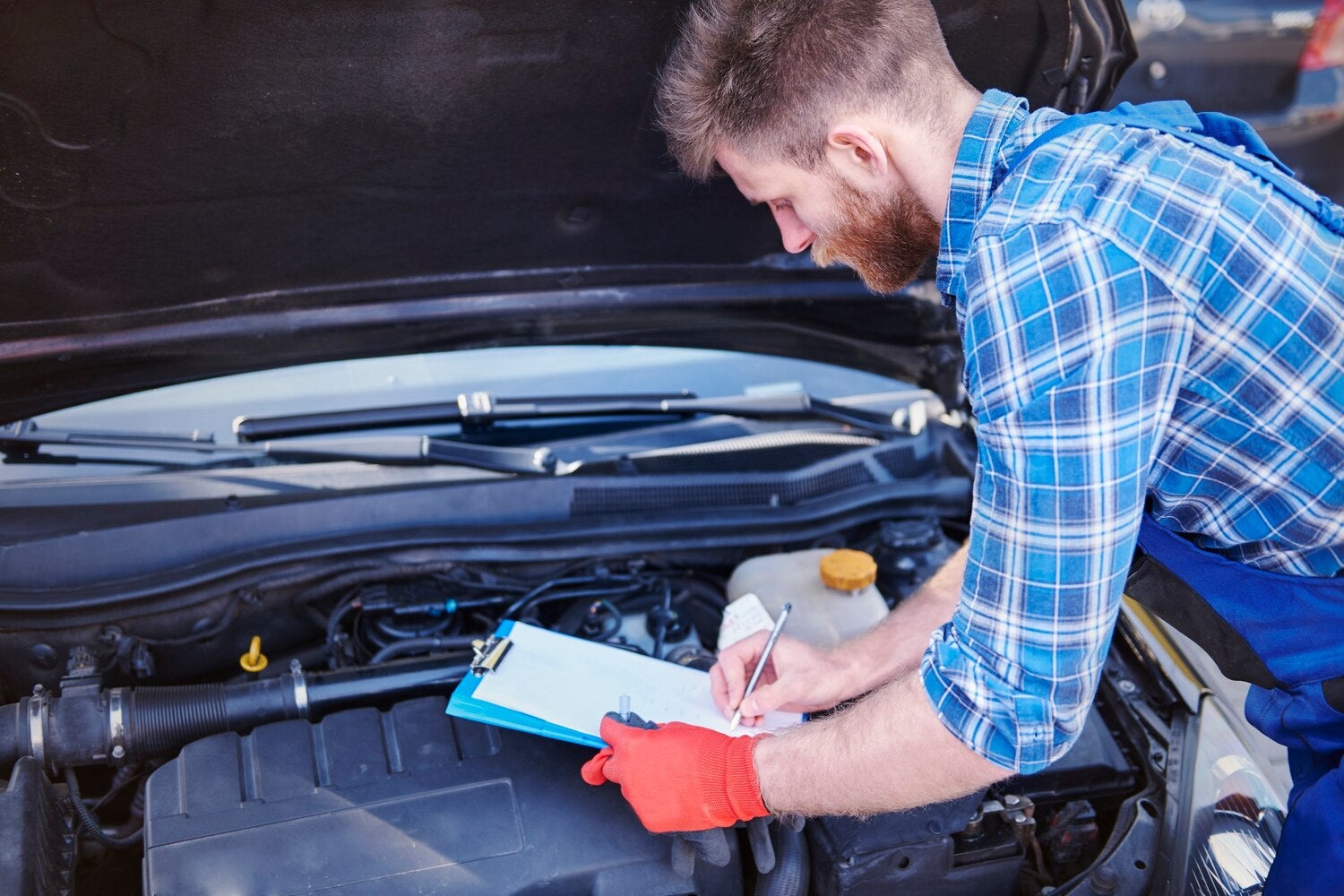
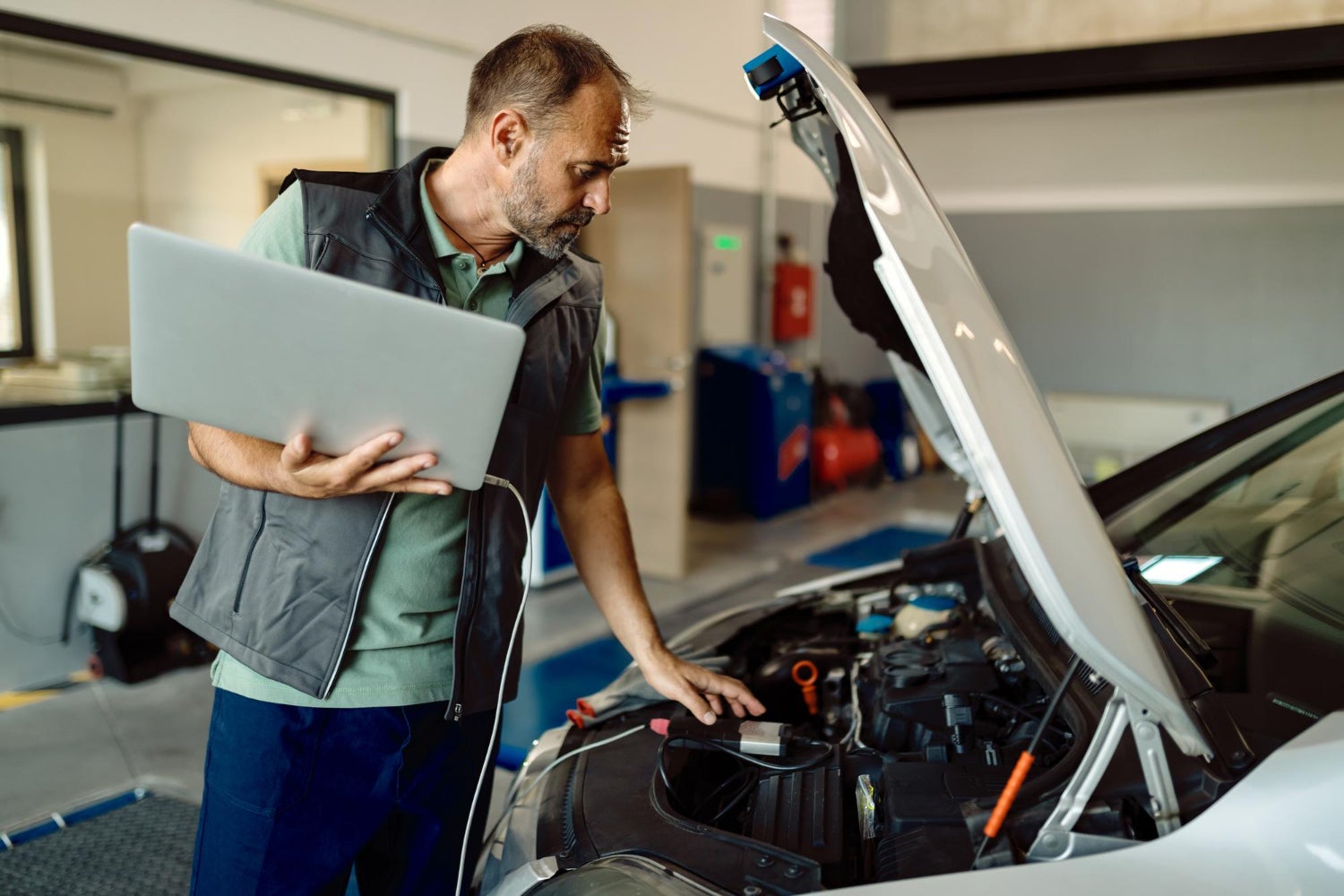
Before anyone tells you that you “just need” a transmission fluid flush, it is worth taking a step back. Modern Jeep, Chrysler, Dodge, and Ram transmissions rely heavily on electronics and software. The way they shift is controlled by the vehicle’s computer, which listens to sensors and then commands solenoids inside the transmission.A proper diagnostic approach typically includes:
- A road test to feel when and how the problem shows up
- A computer scan to check for stored transmission codes
- Inspection of fluid level, color, and smell
- Visual checks for leaks or damaged mounts
If needed, more advanced steps can include checking transmission line pressure or evaluating solenoid operation. Many shifting issues that feel “mechanical” are actually caused by a faulty sensor, a wiring problem, or a software-related issue. In those cases, a flush does nothing to solve the real cause.
Drivers from Glen Head are not far from Bethpage and Levittown, and many choose to travel a short distance for expert transmission service in Bethpage or at our Levittown service center. Working with a team that knows your specific model helps ensure that the diagnosis is based on the way your vehicle was designed, not guesses.
Repair Options When a Flush Is Not Enough
Once we understand what is really going on, we can look at repair options that make sense. Not every shifting issue means a full transmission replacement. In many cases, the fix is more targeted.Common paths include:
- External repairs, such as replacing faulty sensors, repairing wiring, or addressing engine or transmission mounts that cause clunks
- Valve body or solenoid pack service, when the hydraulic control system is not directing fluid properly
- Resealing work if leaks are causing low fluid pressure and delayed engagement
- Full rebuild or replacement if internal clutches, bands, or hard parts are badly worn
Choosing between these options depends on the vehicle’s age, mileage, and overall condition. For a relatively low-mileage Jeep with a specific solenoid code and clean fluid, a focused repair might be the best value. For a high-mileage vehicle that has been worked hard and now has metal in the pan, replacing or rebuilding the transmission may be more sensible than chasing one issue at a time.
The important thing is catching problems early. When we address small complaints quickly, such as mild shudder or slightly delayed shifts, we have a better chance of fixing the issue before it grows into a full failure. That is usually smarter, and more budget-friendly, than doing repeated fluid flushes and hoping the problem disappears.
How Town & Country Protects Your Transmission Investment
At Town & Country Jeep Chrysler Dodge Ram, we treat every transmission concern as a chance to protect one of the most expensive systems in your vehicle. That starts with listening carefully to your description of the symptoms, then pairing that with road testing and diagnostics before suggesting any service.Our approach to transmission care for Glen Head drivers includes:
- Inspecting and confirming fluid condition and level
- Checking for software updates or known behavior patterns specific to Jeep, Chrysler, Dodge, and Ram models
- Using genuine Mopar fluids and parts that match what your transmission was built to run on
- Following manufacturer-approved procedures for any service or repair
If a transmission fluid flush is the right move for your vehicle, we want to do it in a way that aligns with factory guidelines. If the diagnosis points to the need for more advanced transmission service in Bethpage or Levittown, our team explains what we find, what your options are, and what each choice means for cost and long-term reliability.
By focusing on accurate information instead of one-size-fits-all answers, we help you avoid unnecessary work and protect your transmission investment. For Glen Head drivers who depend on their vehicles for daily commuting and family life, that peace of mind matters every time you shift into gear.