




Step 1: Get Your Tire Pressure Right
Underinflated tires are the easiest fuel waste to fix, and most drivers never notice them. A soft tire flattens where it meets the road, so the engine has to work harder to keep it rolling. Long Island's temperature swings make it worse, because air pressure drops as the weather cools.
Here's how to check it properly:
- Find the correct number on the sticker inside the driver's door jamb. The number on the tire sidewall is the tire's maximum, which is a different thing.
- Check in the morning before you drive, when the tires are cold and readings are accurate.
- Use your own gauge, since the ones at gas stations take a beating.
- Fill to the door-jamb number, and check the spare while you're down there.
Make it a monthly habit, and add a check whenever a cold snap rolls in. A tire-pressure warning on the dash usually means a tire is already well below where it should be, so don't wait for that light.
Step 2: Lighten the Load and Clear the Roof
Weight and wind resistance both cost you gas, and both are easy to trim.
Clean out the cargo area
Take a look in your trunk or truck bed right now. Leftover sand bags from last winter, sports gear from a season that ended months ago, a toolbox you haven't opened since spring: it all rides along on every trip. Keep what you genuinely need, like jumper cables and a first-aid kit, and move the rest to the garage.
Take off what you're not using
Roof racks, cargo boxes and bike carriers disrupt the air flowing over your vehicle, and that drag adds up fast at highway speed on the Southern State. If kayak season is over, remove the carrier instead of leaving it bolted on until next summer. Bare crossbars matter less, but a box or basket makes a real difference.
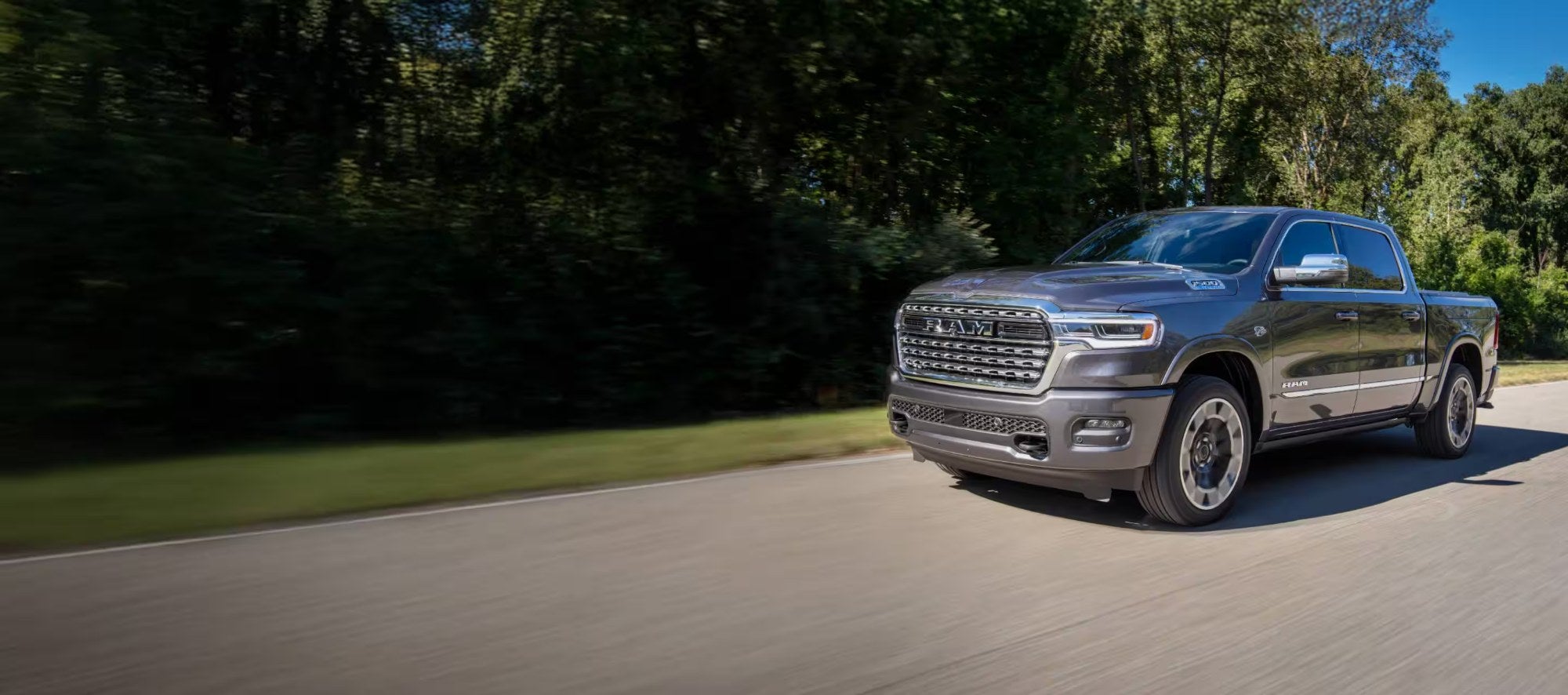
Driving a pickup? Keep the tailgate up; the truck is designed to manage airflow over the bed that way.
Step 3: Drive Like There's a Full Coffee in the Cup Holder
How you use the pedals matters more than most people realize. Hard launches followed by late braking turn fuel into heat at the brake pads, and that's money you won't get back.
Try these habits on your next drive:
- Accelerate gently away from lights, building speed smoothly instead of jumping off the line.
- Look well ahead. If the light on Hempstead Turnpike is already red, lift off the gas early and coast toward it.
- Leave space behind the car in front so you aren't constantly braking and speeding back up.
- Use cruise control on flat, open stretches of the parkway to hold a steady pace.
- Ease off the top end. Wind resistance climbs sharply as speed rises, so a slightly slower highway pace saves more fuel than it costs you in time.
Idling burns gas while going nowhere. If you're parked and waiting outside a school or store for more than a minute or so, shut the engine off, unless your vehicle's stop-start system is already doing it for you.
Step 4: The Expert Move: Chain Your Errands and Stay on Top of Maintenance
Plan one loop instead of five trips
Here's the tip seasoned mechanics give their own families: a cold engine is the least efficient engine. For the first few miles it runs richer while it warms up, so a string of separate short trips burns noticeably more than one loop covering the same stops. Plan errands as a single route, head to the farthest stop first so the engine warms up quickly, and work your way back home.
Let maintenance do its part
A well-kept engine simply uses fuel better. Stick with the oil grade in your owner's manual, replace a clogged engine air filter, and never ignore a check-engine light, since a failing sensor can quietly throw off how much fuel the engine uses. Worn spark plugs and dragging brakes waste gas too. When you're due, you can book service with our team and ask the technicians to look for exactly these issues.
Levittown, NY
- Check tire pressure monthly against the door-jamb sticker, not the tire sidewall.
- Smooth acceleration, early coasting and steady highway speeds save more than most people expect.
- Short trips on a cold engine waste the most fuel, so chain errands into a single route.
FAQ Common questionsDoes running the air conditioning really use more gas?Yes, the compressor adds some load on the engine. Around town at lower speeds, opening the windows is usually the thriftier choice. On the highway, open windows create drag, so running the AC with the windows up is often just as efficient and a lot more comfortable. Will premium fuel improve my mileage?Only if your owner's manual calls for it. If your engine is designed for regular, premium won't make it more efficient; it just costs more at the pump. If the manual says premium is required, use it, because the wrong grade can reduce performance and efficiency. Should I let my car warm up in the driveway on cold mornings?Modern fuel-injected engines only need a short moment before you pull away. Letting the car idle for a long time wastes fuel, and the engine actually warms up faster when you drive gently for the first few minutes. Scrape the windows fully clear first, then go easy on the throttle until the temperature gauge rises. How much does the vehicle itself affect how much gas I use?Quite a bit. Size, weight, powertrain and gearing all play a role, so two vehicles in the same class can use fuel very differently. If you're thinking about a change, compare the official ratings for the models you're considering and take each one on your usual commute to see how it fits the way you drive. |
Want to see it in person? Come by for a test drive, or browse what is on the lot right now. Or call (516) 271-3278 · 3156 Hempstead Tpke, Levittown |