



Town & Country Jeep Chrysler Dodge Ram

Blog / Jeep

Exploring Jeep Accessories to Enhance Your Off-Roading Adventure

Jeep

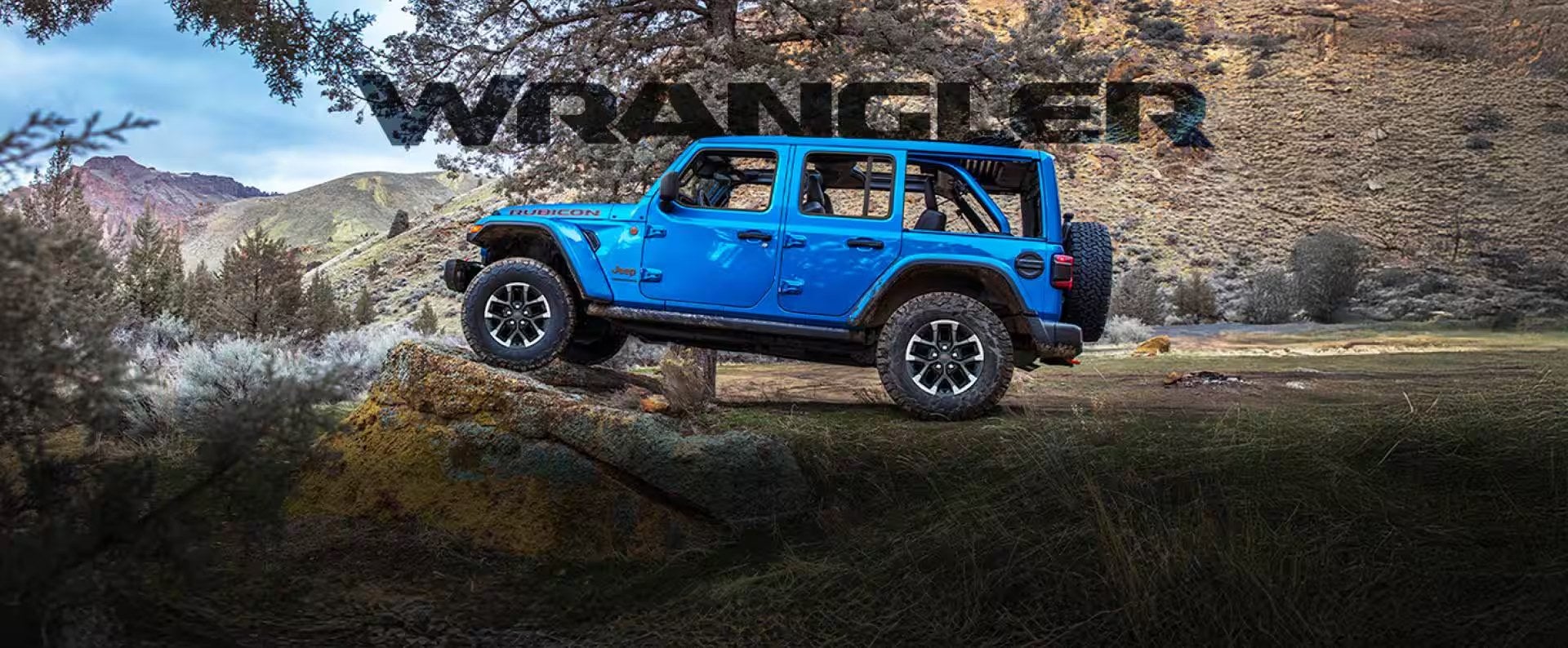
Off-roading gives Jeep owners a whole new way to enjoy their vehicle, whether it's plowing through mud, trekking rocky terrain, or rolling through sand trails. But if you've been adventuring with the basics, you're probably starting to notice where your Jeep could use a bit more support. That's where the right gear makes a huge difference. When you're far from the pavement, relying on your tools and accessories can mean the difference between having fun or having to call for help.

There are plenty of Jeep accessories in Nassau County that give your vehicle better utility, comfort, and durability when off the beaten path. As the weather cools down in late fall, it's a great time to start prepping your Jeep for outdoor getaways that don't have to stop just because there's a chill in the air. Whether you're new to modifying a Jeep or looking to improve what you've already got, there are helpful add-ons made to match your driving style and favorite trails.

Must-Have Exterior Accessories

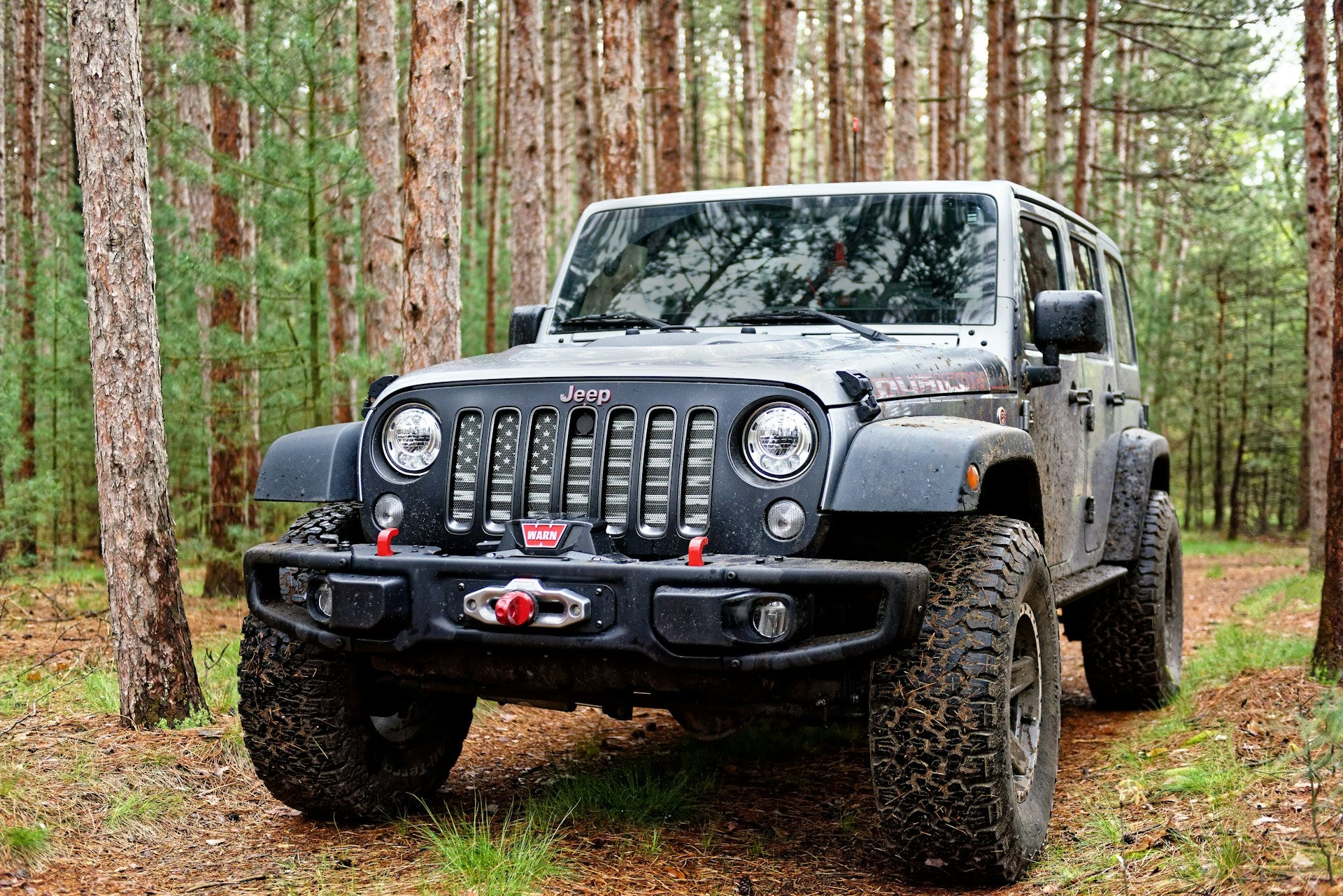
Adding off-road accessories isn't just about making your Jeep look rugged. It's about making sure it holds up under pressure and keeps you in control of the ride. Your vehicle's exterior can take a beating from rocks, tree limbs, water, and sand. Reinforcing key external points can help keep your Jeep protected while getting through obstacles more easily.

Here are some of the most effective exterior upgrades to consider:

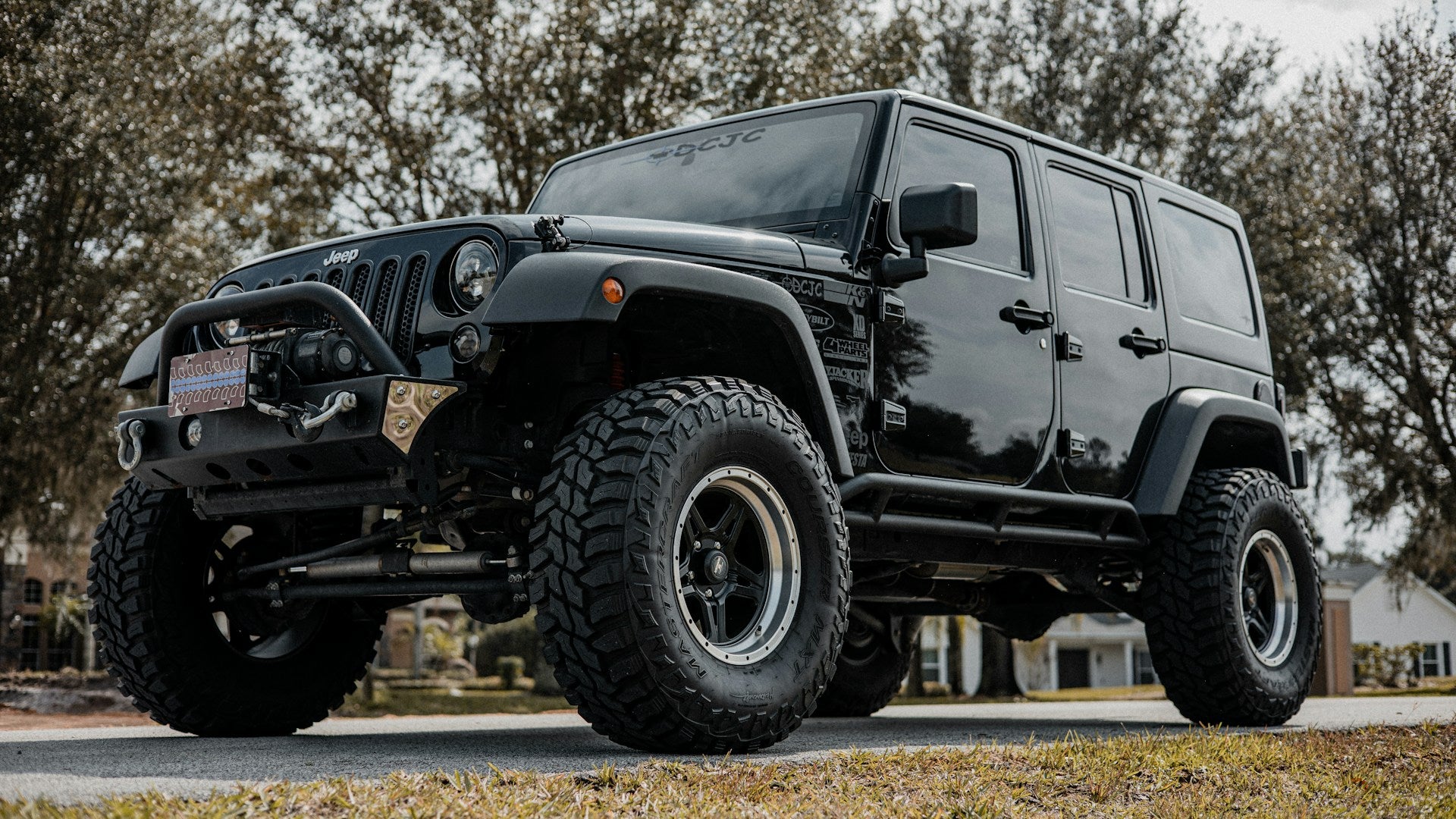
  • Heavy-duty bumpers: A solid bumper does more than just add toughness. It can give you better clearance angles and protect your grille and headlights from impact.
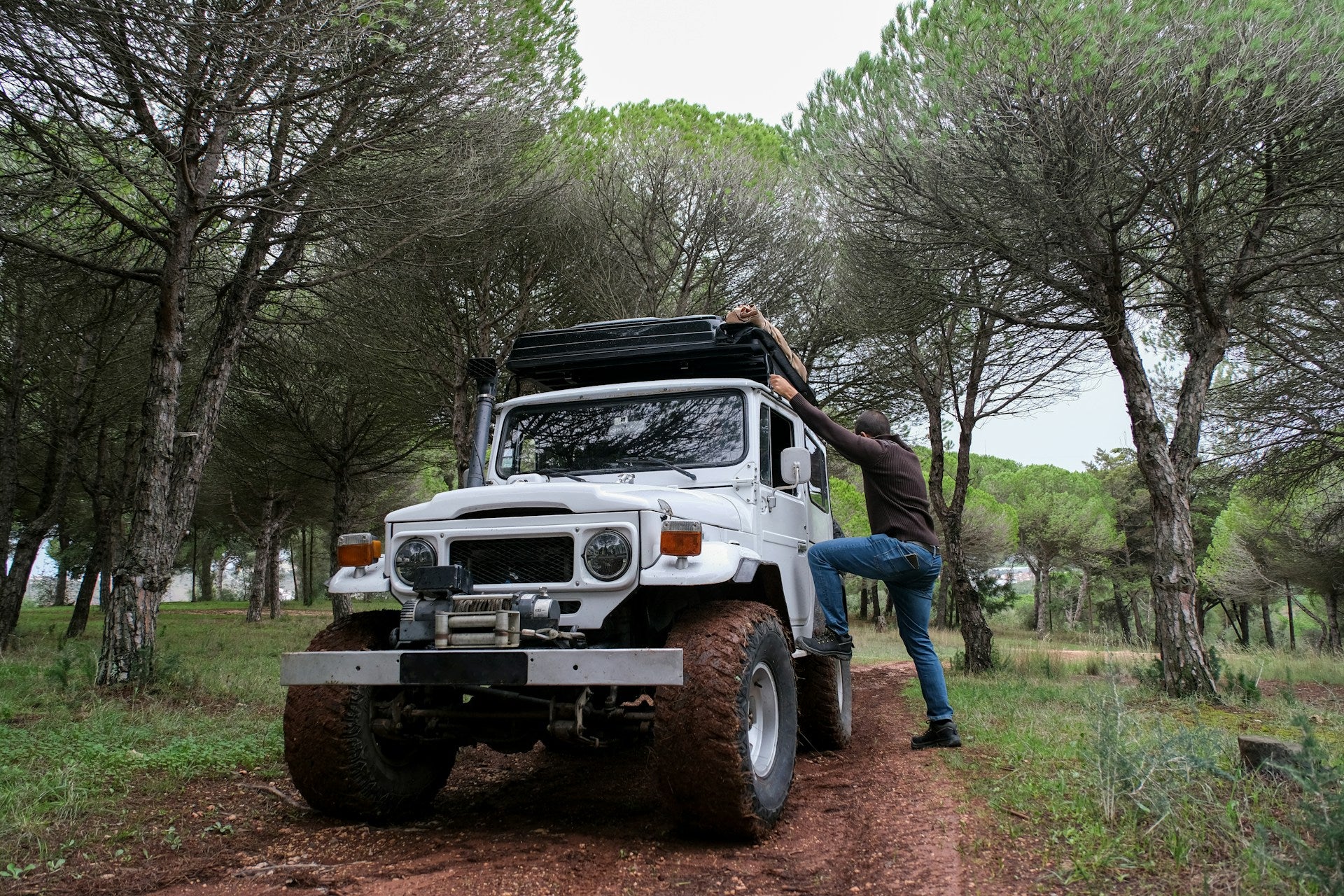
  • Winches: These are incredibly useful for pulling your Jeep out of mud or helping others on the trail. A winch with enough pulling strength can be a lifesaver when traction fails.
  • Light bars and spotlights: Off-roading often means low-visibility areas. Adding more light to the front or top of your Jeep will help you see better at night or in deep forest zones.
  • Skid plates: These protect the underbody of your Jeep from scrapes and hits. With rocky trails across parts of Long Island, these are smart if you're headed anywhere rugged or unfamiliar.
  • Fender flares: These keep debris like mud and rocks from flying up and damaging your paint or getting into sensitive areas.

Exterior accessories help turn a stock Jeep into a trail-ready machine. One of our customers recently upgraded with a set of new bumpers and lights before taking a weekend trip upstate. He said being able to see clearly after dark and knowing his grill was protected gave him enough confidence to take on steeper paths than he normally would've tried. That's the kind of difference the right gear can make.

Interior Comfort And Protection

The inside of the Jeep takes just as much abuse as the outside when you're out on rough trails. Muddy boots, soaked clothes, spilled snacks, and tools banged around in the back all add up. If your Jeep is your go-to vehicle for weekend drives and weekday errands, it's worth keeping the cabin protected and organized.

Here are a few practical upgrades to consider:

  • All-weather floor mats: These help trap mud, sand, water, and snow so they don't end up soaking into your carpet. Look for mats with raised edges for better containment.
  • Seat covers: These are great for protecting cloth or leather seats from dirt, spills, and sun damage. Water-resistant covers are especially useful for beach or lake trips.
  • Cargo liners: These protect your trunk area from scratches, gear damage, and messy haul jobs.
  • Overhead and seatback organizers: Keep tools, emergency kits, or snacks in one place with organizers that strap directly onto your seats.
  • Grab handles: These aren't just for comfort. They give passengers something secure to hold during quick turns or bumpy stretches.

These simple add-ons won't just keep your Jeep cleaner, they'll make your trips a whole lot easier. Instead of having to wipe down everything after every adventure, you can just shake off a mat, vacuum lightly, and be done. And when your gear has a place, it's quicker to get back on the road or trail.

Performance-Enhancing Accessories

If you're trying to push your Jeep a little harder on the trails, upgrading performance parts is a smart move. Stock equipment might hold up fine for everyday driving, but once you're on rocky climbs or soft sand, small changes can make a big difference. These upgrades are all about helping your Jeep get better traction, handle rough terrain, and keep its power steady.

Some key performance-focused accessories include:

  • Lift kits: These help increase ground clearance so your Jeep can handle deeper ruts, uneven rocks, and water crossings more safely. They give your suspension more room to flex without bottoming out.
  • Off-road tires: These provide better grip and more durability than regular street tires. Tread designs vary for mud, sand, or rocky trails, so it's worth choosing the style that fits your usual riding conditions.
  • Air intake systems: A high-performance intake helps your engine breathe better by allowing more air into the combustion chamber. That can lead to stronger throttle response when you need a quick power boost going uphill.
  • Differential lockers: These keep both wheels spinning at the same rate even if one loses traction. It keeps your Jeep moving in conditions where one tire might otherwise spin out.
  • Upgraded shocks: Aftermarket shocks boost ride comfort and stability when crawling over rough ground. They absorb impact better and keep the vehicle more balanced.

For example, one local driver who frequently goes out to off-roading spots around Riverhead upgraded his suspension with a mild lift and switched to larger off-road tires. After the install, he reported less scraping on small dips and more stable driving over sandy paths. He didn't feel every bump like before, and the steering felt more planted, especially after rain.

Tech Gadgets For Off-Roading

Off-roading isn't always about brute strength. Sometimes it's about knowledge and awareness. That's where off-road tech gadgets come in handy. From helping you find your way to giving you a record of your trip, smart accessories can add a whole new level of usefulness when you're out exploring.

Some of the most helpful electronic add-ons include:

  • GPS navigation systems: While most Jeeps come with basic maps or you can use your phone, dedicated off-road GPS units are more reliable in areas without cell service. Look for ones that include trail maps and customizable routing.
  • Action cameras: If you want to document your trips, attachable waterproof cameras provide clear footage without needing to hold anything. Great for reviewing your routes or sharing highlights with friends.
  • Tire pressure monitoring kits: Airing down your tires helps with traction on sand or rocks, but you need to keep an eye on pressure. Adding these monitors lets you easily track PSI during your drive.
  • Handheld radios or mounted two-way radios: These help when you're with a group or in areas without reception. They make trail coordinating easier and are much safer than relying on phones alone.
  • Dash-mounted phone holders: While simple, these keep your devices secure on bumpy roads where suction cups or loose items tend to fall.

Technology like this can protect your Jeep and your time. If you've ever missed a turn because your GPS lost signal or had no idea how much air was left in your tires after airing down, these gadgets save you the trouble. Often, they're less about showing off and more about giving you better control over your adventure.

Where To Find The Best Jeep Accessories In Nassau County

Long Island has a solid community of Jeep drivers who know there's no shortage of places to ride between the beaches, wooded trails, and out-of-state parks just a few hours away. When it's time to gear up, knowing where to get reliable accessories locally makes things a lot easier. Nobody wants to wait for parts that don't fit or end up with gear that fails when it counts.

Nassau County has several sources for Jeep parts, but not every place offers equipment meant for off-roading. Finding accessories that match your Jeep's specs and hold up under real conditions can take some digging. It's smart to shop where the staff actually understands four-wheel drive, suspension systems, clearance angles, and how the parts connect to one another.

Parts availability is also a factor. Jeep accessories aren't all one-size-fits-all. Whether you're upgrading bumpers or fitting a snorkel kit, having someone double-check part compatibility can save time and avoid returns. Many local drivers look for guidance from shops that know what's needed for off-roading in specific Long Island areas, like the pine trails near Rocky Point or muddy backroads east of Yaphank.

Some dealerships in Levittown also handle both regular service and off-road upgrades, combining product advice with installation support. If the shop knows about Jeeps and deals directly with trusted brands, you're more likely to leave with exactly what works for your setup.

Ready For Your Next Adventure?

Tough terrain, sudden rain, and wild backroads are what make off-road driving fun, but they also demand more from your Jeep. With the right upgrades, you can make your vehicle more capable, more comfortable, and a lot safer to drive when the roads are anything but smooth. Accessories like durable mats, strong bumpers, lift kits, or extra lights all work together to help your Jeep handle an adventure without missing a beat.

As fall pushes toward early winter in Nassau County, it's the perfect time to prep your Jeep for cold-weather off-roading. The trails are less crowded, the views are crisp, and there's still plenty of daylight left. Whether you're exploring new ground or improving your longtime rig, making the right upgrade choices now means more confidence later, wherever the trail leads next.

To make the most of your off-road adventures across Long Island, check out our wide selection of Jeep accessories in Nassau County. The team at Town & Country Jeep Chrysler Dodge Ram is ready to help you choose the right upgrades to boost performance, protect your ride, and keep you prepared for every trail ahead. Add the right gear to your Jeep today to elevate your off-roading experience and ensure every adventure goes smoothly.
Posted in:

Related Posts

What Is Regenerative Braking in the Jeep Wrangler 4xe?

What Is Regenerative Braking in the Jeep Wrangler 4xe?

THE SHORT ANSWER Regenerative braking captures energy normally lost when slowing down and sends it back to the Wrangler 4xe's battery, helping extend electric-only range. It works alongside the regular brakes, not instead of them. You can make it stronger with the Max Regen setting. Regenerative braking turns some of the energy your Wrangler 4xe would normally waste as heat into electricity for its battery. That recovered charge helps you travel farther on electric power before the gas engine needs to step in. At Town & Country Jeep Chrysler Dodge Ram in Levittown, 4xe shoppers and owners often ask us to explain it in plain terms before they buy. Here's how it works, how it feels and what you can adjust. IN THIS POST How Regenerative Braking Works Where the Recovered Energy Goes What You'll Feel Behind the Wheel How Regen Affects Your Electric Range Does It Replace Normal Brakes? Adjusting Regen Settings Regen in Cold Weather and Off-Road What to Do Next Key takeaways How Regenerative Braking Works In a regular vehicle, braking turns motion into heat. Pads squeeze the rotors, friction slows the wheels, and that energy drifts off into the air. It's gone for good. The Wrangler 4xe handles slowing down differently. Its electric motor can work in reverse, acting as a generator when you lift off the accelerator or press the brake pedal gently. Instead of pushing the wheels, the motor lets the turning wheels spin it, and the resistance that creates is what slows you down. That electricity goes back into the high-voltage battery. Why it matters Think of it as a refund on energy you already spent getting up to speed. You paid for that momentum with battery charge or gasoline. Regenerative braking gets part of it back instead of burning it off as heat. You don't have to switch anything on to use it. It works automatically every time you slow down. Behind the scenes, the system decides how much of the slowing comes from the motor and how much comes from the brake pads. You just drive. Where the Recovered Energy Goes The 4xe pairs a gas engine with electric motors and a high-voltage battery pack. Regen tops up that battery. When you coast toward a red light or ease down a hill, watch the power gauge in the instrument cluster swing into its charge zone. That's your sign the motor is making power, not using it. How that energy gets used depends on the drive mode you pick: Hybrid blends gas and electric power and lets the system decide when to draw on stored charge. Electric runs on the battery as long as charge and conditions allow, so recovered energy turns straight into extra electric driving. eSave holds your battery charge for later. That's handy if you'd rather save electric driving for your own neighborhood. Regen works in all three modes. You'll notice its benefit most clearly in Electric mode, because recovered charge delays the moment the engine has to start. There's one limit. A battery can only take in so much. When the pack is nearly full, there's less room for incoming energy, so the system leans more on the friction brakes. That's why regen can feel a bit weaker right after a full charge at home and stronger once you've used some of that charge. What You'll Feel Behind the Wheel In normal driving, most people barely notice regen. When you lift off the accelerator, the Wrangler slows a little more than a gas-only vehicle would while coasting, a bit like gentle engine braking in a lower gear. Passengers usually don't feel anything unusual. The brake pedal When you press the pedal, the 4xe blends motor braking and friction braking together. Light pressure leans mostly on the motor. Firmer pressure brings in more of the pads. The handoff is designed to feel smooth, but the pedal may respond a little differently from the gas vehicle you're used to. Most drivers stop noticing after a drive or two. Sound and sensation You may hear a faint electric hum as the motor recovers energy, especially at lower speeds with the engine off. That sound is normal. With Max Regen turned on, the change is easier to feel. Letting off the accelerator slows the Jeep noticeably, enough that you'll touch the brake pedal less in traffic. Expect stronger slowing, though, not true one-pedal driving. You'll still use the brake to come to a full stop. The feel is personal, and reading about it only gets you so far. The quickest way to judge it is to book a test drive and try it on roads you actually use. How Regen Affects Your Electric Range Regen doesn't create energy. It recovers part of what you used to get moving, so its value depends on how often you slow down. Some of the energy is always lost along the way, so you never get back everything you spent. Where it helps most Stop-and-go driving gives regen the most chances to work. A crawl down Hempstead Turnpike, errands along Wantagh Avenue or a school pickup line means constant slowing and plenty of energy to recover. Long downhill stretches help too, because the motor can recharge for a sustained period. Steady highway cruising is a different story. On the Southern State or the LIE at a constant speed, you're rarely slowing, so there's little to capture. Range on those trips depends more on speed, temperature and how much charge you started with. Habits that make a difference Look ahead and lift off the accelerator early when you see a light changing. Brake gently and steadily rather than late and hard. Let the Jeep coast down to the speed you want before using the pedal. Smooth, early braking keeps more of the slowing on the motor. Hard, last-second stops push more of the work onto the friction brakes, and that energy turns into heat instead of charge. Does It Replace Normal Brakes? No. The Wrangler 4xe has a full friction brake system, and it's always ready. Regen does a lot of the everyday slowing, but the pads and rotors take over whenever the situation calls for more stopping power than the motor can deliver. Your regular brakes do the work when: You need to stop hard or quickly. You're crawling the last few feet to a full stop, where the motor has little effect. The battery is too full or too cold to accept much charge. Anti-lock braking or stability control steps in on a slippery surface. Press the pedal hard, and the Jeep stops the way you'd expect. Safety systems work the same way they do on any modern vehicle. What it means for maintenance Because the motor handles much of the gentle braking, pads often wear more slowly than on a gas-only vehicle. That's the upside. The downside is less obvious: brakes that see less use can collect rust on the rotors and stiffness in the caliper hardware. Long Island winters, with salt on every road, make that more likely. Don't skip brake checks just because the pads look thick. When you book a service visit, ask the technician to inspect the rotors and calipers, not just pad thickness. Adjusting Regen Settings Standard regen is always part of how the 4xe slows down. You can't switch it off, and you won't need to. What you can change is its strength, using the Max Regen button near the drive mode controls. Press it once, and an indicator in the cluster confirms it's on. Press it again to go back to the standard setting. When Max Regen makes sense Heavy local traffic, where you're on and off the accelerator constantly Long downhill stretches, where stronger motor braking keeps your speed in check Drivers who like controlling speed mostly with the accelerator pedal Anyone trying to make the most of electric-only driving around town When the standard setting may suit you better On open highways, a lighter setting lets the Wrangler coast more freely when you ease off. That can feel more relaxed and natural. Some passengers also prefer the gentler slowing, especially in the back seat. Snow, ice or wet leaves call for smooth inputs. Sudden strong slowing, even from the motor, can feel abrupt on a slick surface. Some owners switch back to standard regen in bad weather for a gentler response. There's no wrong answer. Try both settings for a few days on your usual routes, and you'll quickly figure out which one fits your driving. Regen in Cold Weather and Off-Road Conditions affect how much energy the 4xe can recover, so it helps to know what to expect before the seasons change. Cold mornings Batteries don't like to take in charge when they're cold. On a frosty morning, regen may feel weaker than usual for the first part of your drive. The friction brakes make up the difference, so stopping isn't affected. Regen comes back to normal strength as the battery warms. Parking in a garage and plugging in overnight helps the pack start the day in better shape. If the Jeep slows differently on a winter morning than it did in July, nothing is wrong. It's battery temperature at work. On the trail The Wrangler 4xe is still a Trail Rated Jeep, and regen has a real job off-road. Creeping down a steep, rocky descent, the motor can help control your speed while sending a little energy back to the battery. Combined with careful throttle control, that can make slow descents feel more composed. On very steep or loose ground, use the off-road tools Jeep designed for that terrain, along with the brake pedal, and let the vehicle's systems manage traction. Think of regen as a helper, not your descent plan. It recovers energy and takes some strain off the brakes, but you're still the one controlling the speed on the way down. What to Do Next If you're considering a Wrangler 4xe, the most useful step is getting behind the wheel. Ask to try Max Regen on and off during the same drive. Spend part of it in local traffic and part at highway speed so you can feel the difference both ways. Pay attention to the brake pedal too. Ten minutes on familiar roads will tell you more than any explanation. Questions worth asking How do the drive modes work with regen on my daily route? What's the best charging setup for where I park overnight? What brake inspections does the maintenance schedule recommend? If you already own a vehicle, Town & Country Jeep Chrysler Dodge Ram has online trade-value tools, so you can value your trade before you visit and come in with a realistic number in mind. After you buy Owning a plug-in hybrid works best when you have support close by. The dealership has dedicated sales, service and parts departments, plus service and parts support after the purchase. That covers routine brake checks, software questions and any regen behavior that doesn't feel right. If something about the way your 4xe slows down seems off, bring it in. A quick look can tell you whether it's normal regen behavior or something that needs attention. Where 3156 Hempstead Tpke Levittown, NY Call (516) 271-3278 KEY TAKEAWAYS Slowing down puts a little charge back in the battery, so stop-and-go driving wastes less energy. Your regular friction brakes still handle hard stops and the last few feet before you stop, so they still need regular inspection. Max Regen adds stronger slowing when you lift off the accelerator, and a test drive is the best way to see if you like it. FAQ Common questions Does regenerative braking work when the battery is fully charged? Only a little. A nearly full battery has less room to take in energy, so the Wrangler 4xe relies more on its friction brakes until you've used some charge. Regen gets stronger again as the battery level drops. Will regenerative braking make my brake pads last longer? Often, yes, because the motor handles much of the gentle slowing. Brakes that see less use can still develop rust and sticky caliper hardware, especially with road salt, so keep up with regular brake inspections. Can I turn regenerative braking off? Standard regen is always part of how the 4xe slows down, and it works automatically. You can turn the stronger Max Regen setting on or off with its button whenever you like. Does regen charge the battery enough that I don't need to plug in? No. Regen recovers only part of the energy you used to get moving, so it stretches your electric driving rather than replacing charging. Plugging in is still the main way to fill the battery. Want to see it in person? Come by for a test drive, or browse what is on the lot right now. Schedule a test drive Browse new inventory Or call (516) 271-3278 · 3156 Hempstead Tpke, Levittown Or keep browsing Current offers Financing Value your trade Book service Contact us Used cars

Jeep

Your Jeep Lease Is Ending: Options and Turn-in Locations in New York

Make Your Jeep Lease Ending Work for You A Jeep lease ending does not have to leave you guessing about what comes next. Whether you have enjoyed your Jeep for daily Long Island driving, family trips, or weekend plans, you generally have more than one path at lease maturity: return it, purchase it, trade it toward another vehicle, or begin a new lease. At Town & Country Jeep Chrysler Dodge Ram, we help drivers from Levittown, Nassau County, Suffolk County, Queens, and nearby communities understand those choices before the lease-end date arrives. Drivers searching for a Jeep lease turn-in in Levittown can begin by reviewing their lease-end paperwork and contacting Town & Country Jeep Chrysler Dodge Ram to discuss their next steps. Review Your Jeep Lease-End Timeline Early Start thinking about your lease several months before its scheduled maturity date. Early planning gives you room to compare your options, evaluate your vehicle’s condition, and decide whether a new lease, purchase, or trade-in fits your current budget and transportation needs. Waiting until the final days of a lease can make an otherwise simple decision feel rushed. Gather the details that will shape your decision before reviewing vehicles or arranging a turn-in. Helpful information includes: Your lease maturity date and account information Current mileage and your lease’s mileage allowance The payoff or purchase amount listed by the leasing company Vehicle condition, including tires, glass, and dashboard warnings Any lease-end letters, inspection notices, or return instructions Some leasing companies require or recommend a pre-return inspection. This can identify excess wear, damage, missing equipment, or tire concerns before your return appointment. It also gives you time to decide whether addressing an issue before turn-in makes sense. Review your contract and the leasing company’s instructions, since requirements can vary by agreement. Choose Between Returning, Buying, or Trading Your Jeep A standard lease return may be the right choice when you are ready to hand in your Jeep and move in a different direction. Your final lease-end statement can depend on several factors, including excess mileage, vehicle condition, unpaid payments, missing items, and any disposition fee described in your agreement. Reading the contract closely helps prevent surprises. Purchasing your leased Jeep is another option worth considering. Some drivers choose to keep a vehicle they know well, especially when it continues to fit their lifestyle and has been properly maintained. Compare the stated buyout price with your budget, the Jeep’s condition, and its current market value. Financing may be available for qualified buyers who prefer to spread the purchase cost over time. Trading your leased Jeep toward another vehicle can also make sense. We can help you consider another Jeep lease, a new Chrysler, Dodge, or Ram model, or a quality used vehicle. A different vehicle may better suit a growing family, a changing commute, added cargo needs, or a new monthly-payment goal. Prepare Your Jeep for a Smooth Turn-In A little preparation can make turn-in day much easier. Begin by cleaning out the cabin, cargo area, center console, and door pockets. It is easy to overlook sunglasses, parking passes, charging cords, garage remotes, and personal documents tucked into small spaces. Before your appointment, confirm that you have the items that came with the vehicle: All keys and key fobs Owner’s manuals and available records Cargo covers, floor mats, and other included accessories Charging equipment for eligible electrified models The documentation requested by your leasing company Look over the Jeep in daylight, inside and out. Common lease-end concerns include scratches, dents, windshield chips or cracks, worn tires, warning lights, and mileage beyond the contracted allowance. Compare what you see with the wear-and-tear standards supplied by your leasing company rather than relying on guesswork. Qualifying repairs completed before a return may help you avoid an unexpected assessment later. Our service department can inspect maintenance concerns and discuss repair options with local Jeep owners. Keep receipts for any work completed, particularly if your lease provider requests documentation. Find a Convenient Jeep Turn-in Location in Levittown The proper turn-in location depends on your leasing company, the terms of your contract, and dealership eligibility. Before arriving, confirm where the vehicle may be returned, whether an appointment is needed, what paperwork to bring, and how the final odometer reading will be recorded. A quick confirmation protects you from making an unnecessary trip. Town & Country Jeep Chrysler Dodge Ram is a local place to start when considering a Jeep lease turn-in in Levittown. We can help customers review their vehicle transition choices and explore another vehicle when appropriate. Because lease rules can differ among providers, confirming current guidance in advance remains an important step. Our Levittown location is convenient for drivers throughout Nassau County, Suffolk County, Queens, and surrounding Long Island communities. If you are considering a return alongside another lease, a purchase, or a trade, bring your lease documents and vehicle details so the discussion can stay focused on your actual options. Move Forward with the Right Vehicle Plan Returning your Jeep, purchasing it, or selecting another vehicle can each be a smart decision. The best fit depends on your mileage, vehicle condition, budget, buyout amount, and what you need from your next vehicle. Taking time to review those details helps turn lease maturity into a well-informed choice rather than a last-minute obligation. Town & Country Jeep Chrysler Dodge Ram provides support for lease-end questions, vehicle appraisals, financing discussions, and new or used vehicle test drives. With your lease paperwork in hand and a clear view of your priorities, you can make the next move with greater confidence. Make Your Lease Turn-In Simple And Stress-Free At Town & Country Jeep Chrysler Dodge Ram, we help drivers understand their options and complete a smooth Jeep lease turn-in in Levittown. Whether you plan to lease another vehicle, purchase your current one, or return it, our team is ready to assist with the next steps. Contact us to discuss your lease timeline and get answers tailored to your situation.

Jeep Service

Jeep Service Near Levittown: Dealer or Independent Shop?

Protect Your Jeep with Service That Fits Your Needs Jeep owners in Levittown have more than one choice for oil changes, brake work, diagnostics, and scheduled maintenance. The right fit depends on your vehicle’s age, warranty status, repair needs, budget, and whether you value a familiar local shop or Jeep-specific resources. Both dealerships and independent repair facilities can provide worthwhile service, but they are not always equipped for the same kinds of work. An authorized Jeep service center offers direct manufacturer support, Jeep-trained technicians, OEM Mopar parts, and factory diagnostic equipment. For drivers throughout Nassau County, Suffolk County, Queens, and nearby Long Island communities, understanding the difference can make it easier to choose care that supports their Jeep SUV, truck, or crossover for the long haul. What Dealership Service Can Offer Your Jeep Dealership technicians work with Jeep vehicles regularly, which can be helpful when a concern involves systems that are unique or especially common to the brand. Four-wheel-drive components, transmissions, electrical issues, Uconnect technology, and driver-assistance features often require more than a basic visual inspection. At an authorized Jeep service center, technicians can use manufacturer diagnostic tools, technical service information, and applicable software updates intended for Jeep models. That support can be particularly valuable when a warning light appears, a vehicle needs a recall repair, or an intermittent issue is difficult to identify. Dealer service also offers access to OEM Mopar parts. These parts are engineered for Jeep vehicles and designed to meet manufacturer specifications. Keeping service records in one place may also make future warranty-related visits easier and can help document your vehicle’s maintenance history. When an Independent Shop May Make Sense Independent repair shops can be a practical choice for routine maintenance and common repairs. A trusted local technician may offer flexible scheduling, competitive pricing, or a relationship built over many years. For straightforward work, that familiarity can be valuable. Still, service quality and equipment vary from shop to shop. Before choosing an independent facility, it helps to ask a few clear questions: Does the shop have experience with your specific Jeep model? Are replacement parts from a dependable source? Does the facility have equipment to diagnose modern electrical and computer systems? What parts and labor warranty comes with the repair? Routine maintenance does not always need to be performed at a dealership. Keep detailed records of every oil change, inspection, repair, and recommended service, especially while your Jeep is under warranty. Recall repairs and certain warranty concerns are generally best handled through a dealership because they may require manufacturer procedures, records, or parts. Compare Cost, Convenience, and Long-Term Value A lower estimate can be appealing, but the initial price is only one part of the decision. Accurate diagnostics, quality replacement parts, proper repair procedures, and warranty coverage all affect what a repair may cost over time. Paying less for a repair that does not address the actual problem can lead to another visit sooner than expected. Convenience matters, too. Consider service hours, appointment availability, online scheduling, transportation options, and whether several needs can be addressed during one visit. A dealership can be particularly convenient when your Jeep needs scheduled maintenance along with a diagnostic evaluation, software update, or recall inspection. Factory maintenance schedules and vehicle-specific procedures may also support long-term ownership value. Drivers planning to keep a Jeep for many years, or trade it in later, may appreciate having a clear service history that shows consistent care. Match Your Service Choice to the Repair The best provider often depends on the work itself. An authorized Jeep service center is usually the stronger choice for repairs that require manufacturer resources or specialized knowledge, including: Factory recalls and warranty repairs Complex electrical concerns and warning lights Four-wheel-drive or transmission issues Software updates and Uconnect-related concerns Advanced diagnostics involving Jeep-specific systems A qualified independent shop may be suitable for basic oil changes, tire rotations, brake service, and repairs on older vehicles, provided it has a strong reputation and experience with Jeep models. Review your owner’s manual, consider your Jeep’s mileage and condition, request written estimates, and ask about the parts being installed. Confidence in the technician and clarity about the work should matter as much as the price. Jeep Care with Confidence in Levittown No matter where you take your Jeep, do not compromise on technician expertise, clear communication, and quality parts. The right service choice should support safety, reliability, and the confident performance Jeep drivers expect on Long Island roads. At Town & Country Jeep Chrysler Dodge Ram in Levittown, we provide maintenance and repair support for Jeep owners with Jeep-trained technicians, OEM Mopar parts, factory diagnostic equipment, and professional guidance for both routine care and more involved concerns. Keep Your Jeep Ready for Every Mile At Town & Country Jeep Chrysler Dodge Ram, we provide the expertise and care your vehicle deserves. Schedule service with our authorized Jeep service center for maintenance, diagnostics, and repairs performed by knowledgeable technicians. We are here to help keep your Jeep dependable for daily drives and weekend adventures.