




Before you buy a single part for your Chrysler, find your 17-character VIN. It's on the lower corner of the windshield on the driver's side and on the sticker inside the driver's door jamb. Ordering by that number is the easiest way to make sure the blade, filter or bulb you bring home actually fits. At Town & Country Jeep Chrysler Dodge Ram in Levittown, we see plenty of owners who like doing their own work, and a handful of myths trip people up again and again.
Myth: If it fits, it's the right part
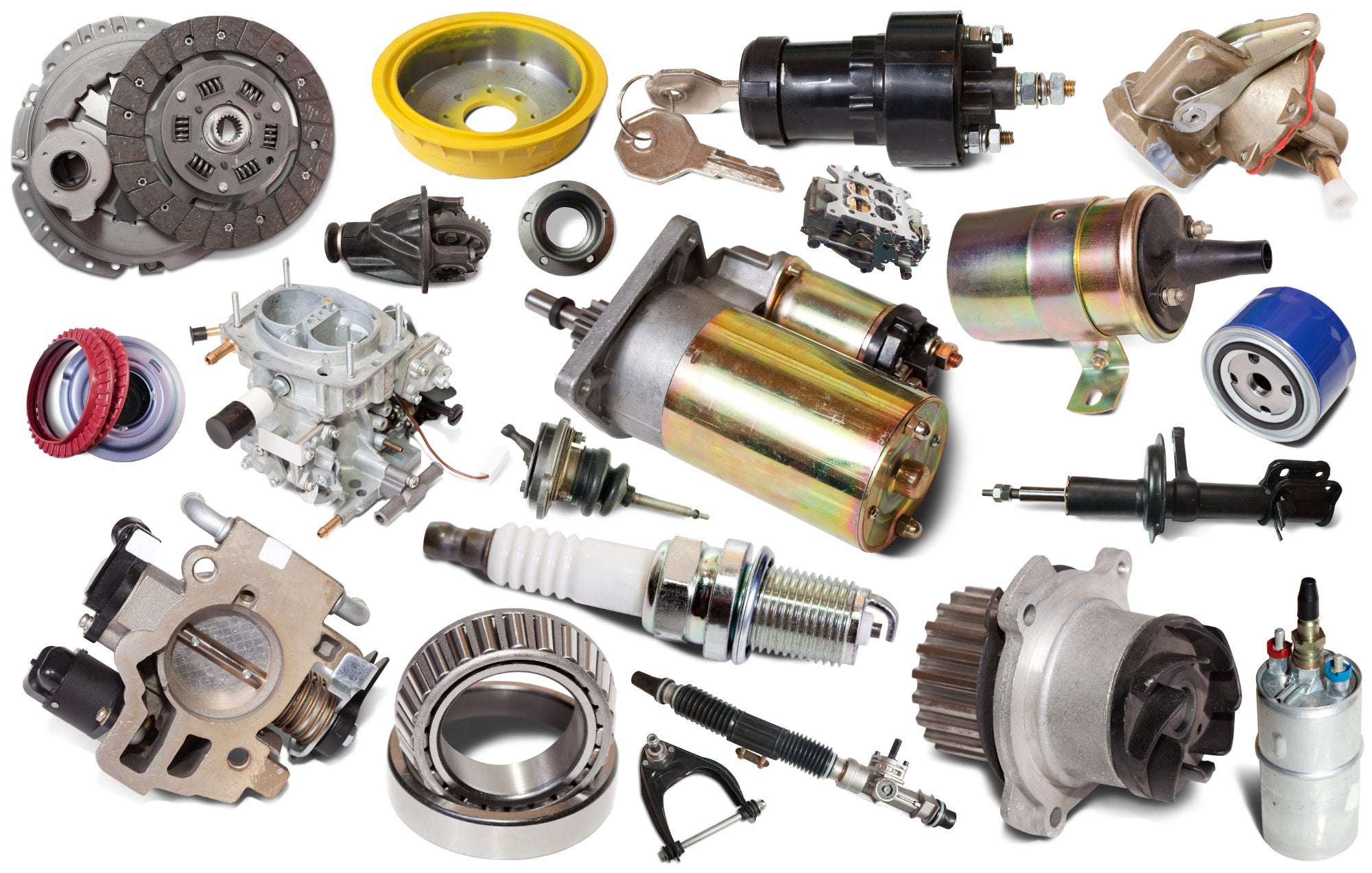
It's easy to assume a filter or bulb that slides into place is good to go. Not quite. Two Chryslers from the same model year can use different parts depending on trim, engine and options. A part that almost fits can rattle, let air leak around the edges or trigger a warning light.
Order by VIN, not by model name. Your VIN tells the parts system exactly how your vehicle left the factory, so you get a match for your car and not a close cousin.
Genuine vs. aftermarket
You'll find two broad kinds of parts out there:
- Genuine Mopar parts are built to the factory design for your vehicle.
- Aftermarket parts come from other makers, and their quality runs from excellent to barely adequate.
For simple items like wiper blades, a quality aftermarket brand can be perfectly fine. For sensors, electrical connectors and anything tied to a safety system, sticking with factory parts takes a lot of the guesswork out. Not sure which way to go? Our parts department can look up your VIN and show you what the factory calls for.
Myth: Doing it yourself voids your warranty
This one scares a lot of people off, and it shouldn't. A federal law, the Magnuson-Moss Warranty Act, generally prevents a manufacturer from denying warranty coverage just because you did the work yourself or used a non-factory part. To turn down a claim, the manufacturer typically has to show that the part or the work caused the problem.
That protection works best when you can prove what you did.
Keep a paper trail
- Save dated receipts for every part and fluid.
- Write down the mileage when you do the job.
- Snap a quick photo of the new part installed, or of the old one sitting next to it.
- Follow the maintenance schedule in your owner's manual instead of guessing.
Where DIY can hurt you is a botched install. If a filter is seated wrong and something downstream gets damaged, that repair may not be covered. Take your time and follow the steps. If a job starts going sideways, stop before you make it worse.
A tidy logbook pays off later, too. When it's time to value your trade, it shows the vehicle was cared for.
Myth: Filters and wipers are a job for the shop
Honestly, these are the best place to start. Wiper blades usually unclip from the arm with a small tab, and new ones snap on in a couple of minutes. Engine air filters sit in a housing under the hood that's held shut by clips or a few screws. On many vehicles, you'll find the cabin air filter tucked behind the glove box.
How to do it without breaking anything
- Check your owner's manual first. It shows where the part lives and the right way to get to it.
- Lay a towel on the windshield before you swap blades, so a bare wiper arm can't snap back and crack the glass.
- Note which way the airflow arrow points on the old filter, and install the new one the same way.
- Go easy on plastic clips. They get brittle and break easily in a Long Island winter.
Start with the easy wins. You'll build confidence and get a feel for how your Chrysler is put together. A fresh cabin filter can make a noticeable difference in how clean the air inside feels, especially during spring pollen season. And if a clip does snap, a replacement is usually an easy order.
Myth: A battery swap is just two bolts
Physically, sometimes it is. Modern Chryslers carry a lot of electronics, though, and cutting the power can have side effects you don't expect. Radio presets, seat and mirror memory, and one-touch windows may need to be reset or relearned afterward. Your owner's manual walks you through those steps.
Get the right battery
Vehicles with engine stop/start usually need a specific battery type, often an AGM battery. A cheaper standard battery may not hold up to all that restarting. Match the type your vehicle calls for, not just the size that fits the tray. On some models, the battery isn't under the hood at all, so check the manual before you go hunting for it.
Safety basics
- Wear eye protection and gloves.
- Disconnect the negative cable first and reconnect it last.
- Keep metal tools from touching both terminals at once.
- Take the old battery to a retailer or recycler. Don't toss it in the trash.
If warning lights stay on after the swap, or something electrical starts acting strange, that's your cue to bring in a technician with a proper scan tool.
Myth: Brakes and bulbs are simple Saturday jobs
Some bulbs are. Others are anything but. On many newer vehicles, the headlamps are sealed LED assemblies rather than a bulb you twist out, and getting to them can mean removing trim or loosening the bumper cover. Interior lights and some exterior bulbs are still easy, so check the manual before you commit a weekend.
Why brakes are different
Brakes are where we'd urge real caution. Many newer vehicles, including a number of Chrysler models, use an electronic parking brake. On those, the rear calipers often have to be put into a service mode with a scan tool before you can change the pads. Forcing the piston back by hand can damage the caliper motor.
There's more to a brake job than pads, too:
- Bolts have to be tightened to the correct torque.
- Rotors should be checked for wear and thickness.
- Brake fluid absorbs moisture over time and should be tested.
If you don't have the right tools and experience, this is a smart job to hand off. You can book service and have it done right the first time.
Myth: The dealer only wants to sell you labor
We get why people think that. Plenty of our customers do their own maintenance, though, and we're glad to help them do it well. Town & Country Jeep Chrysler Dodge Ram has dedicated sales, service and parts departments. That means the person you talk to at the parts counter is focused on parts, with no sales pitch in between.
What to do next
- Grab your VIN and note your mileage.
- Pick one easy job, like wipers or a cabin filter, and read that section of your manual.
- Order the part by VIN so it fits the first time.
- Keep the receipt and jot the job down in your logbook.
- Save brakes, airbags and anything that needs a scan tool for a technician.
Got questions before you start? Contact our team with your VIN and what you're planning. Someone can point you to the right part or give you a straight answer on whether a job is worth handing off. Doing the small stuff yourself is a great way to get to know your vehicle and keep it in good shape.
Levittown, NY
- Order parts by your VIN, not just the model name, so they match how your vehicle was built.
- Doing your own maintenance generally won't void your warranty, but you need receipts to prove the work was done.
- Start with wipers and filters, and hand off brakes, airbags and scan-tool jobs.
FAQ Common questionsWhere do I find my Chrysler's VIN?Look at the lower corner of the windshield on the driver's side, or on the sticker inside the driver's door jamb. It's also printed on your registration and insurance card. Will aftermarket parts void my warranty?Generally, no. Under the Magnuson-Moss Warranty Act, coverage usually can't be denied just because you used a non-factory part. If that part causes damage, though, the repair may not be covered, so choose quality parts and keep your receipts. Do I need to reset anything after changing the battery?Often, yes. Radio presets, seat and mirror memory, and one-touch windows may need to be reset or relearned. Your owner's manual has the steps. If warning lights stay on afterward, have a technician scan the system. Can I buy genuine Mopar parts if I'm installing them myself?Yes. The parts counter sells to do-it-yourselfers. Bring your VIN, and they can look up the exact part your vehicle calls for. How do I know a job is beyond DIY?If it involves brakes, airbags, steering, suspension springs or the fuel system, or if it needs a scan tool to finish, hand it off. The same goes for any job where you're not sure you can put everything back exactly as it was. |
Want to see it in person? Come by for a test drive, or browse what is on the lot right now. Or call (516) 271-3278 · 3156 Hempstead Tpke, Levittown |