Town & Country Jeep Chrysler Dodge Ram

Blog

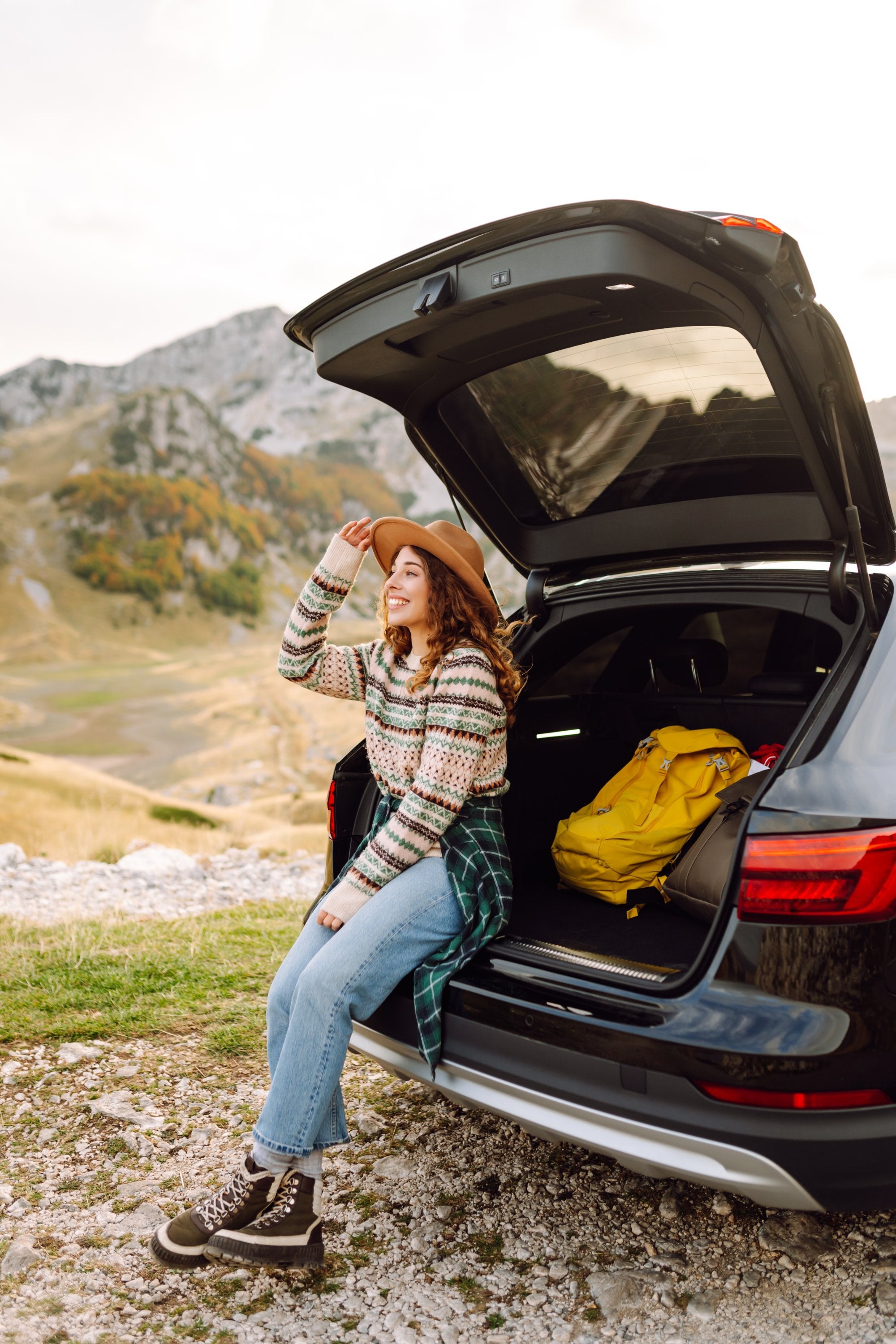
Best Time for a Fall Scenic Drive

Best Time for a Fall Scenic Drive
THE SHORT ANSWER
For drives close to home on Long Island, aim for late October into early November. If you're heading north to the Hudson Valley, Catskills or Adirondacks, go earlier, since color peaks sooner the farther north and higher up you are. Go on a weekday morning or late afternoon for the best light and the lightest traffic.

If you're planning a fall color drive from Long Island, timing matters more than anything else. Here's how the folks at Town & Country Jeep Chrysler Dodge Ram in Levittown think about it, whether you're taking a quick loop close to home or heading north for the day.

1. Match the week to where you're going

Leaves turn first up north and in the mountains, then the color works its way down to the coast. For you, that means the destination sets the date, not the other way around.

Here's a rough guide for a typical year:

  • Adirondacks: late September into early October
  • Catskills: early to mid October
  • Hudson Valley: mid to late October
  • Long Island: late October into early November

Year-to-year swings of a week or so are normal, so treat these as a starting point. If you miss the peak upstate, you haven't lost the season. You've just moved your trip closer to home.

2. Pick the right day and the right hour

Go on a weekday if you can

Popular routes like Seven Lakes Drive through Harriman State Park, or the roads around Bear Mountain, get packed on October weekends. A Tuesday or Wednesday can feel like a different trip, with easier parking at overlooks and no crawling behind a line of cars.

Chase the good light

Low sun in the early morning and late afternoon makes reds and oranges glow. Midday light tends to flatten the color and wash out your photos. Starting early also gets you back before the evening rush on the Long Island Expressway or the Northern State. That's a nice bonus after a long day behind the wheel.

3. Watch the weather, not just the calendar

The best color comes after a run of sunny days and cool, crisp nights. A warm, dry stretch can leave the leaves dull, and one windy rainstorm can strip a hillside in an afternoon. So keep an eye on the forecast for the week before your trip, not just the day of.

New York State puts out a free fall foliage report every week during the season. It breaks down color by region, and it's the easiest way to tell whether your spot is early, at peak or past it.

For a local drive, Route 25A along the North Shore winds past old estates and tree-lined stretches. Pair it with a stop at Caumsett State Historic Park in Lloyd Neck, and you've got a solid half-day trip without leaving the Island.

4. Get your car ready, then go

A scenic drive is only relaxing if the car cooperates. Fall brings cold mornings, wet leaves on the road and earlier sunsets, so give your vehicle a quick once-over a week or so ahead:

  • Tires: check pressure and tread, since wet leaves can be slick
  • Wipers and washer fluid for sudden rain
  • Headlights and brake lights for the drive home at dusk
  • Oil, coolant and any warning lights on the dash

If something looks off, you've still got time to book service before your trip instead of scrambling the night before. Town & Country has dedicated service and parts departments and serves drivers from Nassau, Suffolk and Queens. Once the car's set, pack snacks, download offline maps for spotty cell areas upstate, and head out.

Where
3156 Hempstead Tpke
Levittown, NY
KEY TAKEAWAYS
  • Peak color moves south over the season, so drive north early in October and stay local later.
  • Weekday mornings and late afternoons give you better light and fewer cars.
  • Check the weekly foliage report and your car before you go, not the night before.
FAQ

Common questions

When do the leaves peak on Long Island?

Usually late October into early November, a few weeks after the mountains upstate. Weather can shift that by a week or so either way, so check the state's weekly foliage report as the date gets close.

Is it worth driving upstate for fall colors, or should I stay local?

Both are good, just at different times. Upstate gives you big mountain views earlier in October, while local routes like the North Shore are best later in the season. If you can, do one of each.

What time of day is best for a fall foliage drive?

Early morning or late afternoon. The low sun makes the colors pop, and you'll dodge the heaviest traffic at popular spots, especially on weekdays.
Ready to get started?
Or call (516) 271-3278 · 3156 Hempstead Tpke, Levittown

Recommended Posts

What Is Regenerative Braking in the Jeep Wrangler 4xe?

What Is Regenerative Braking in the Jeep Wrangler 4xe?

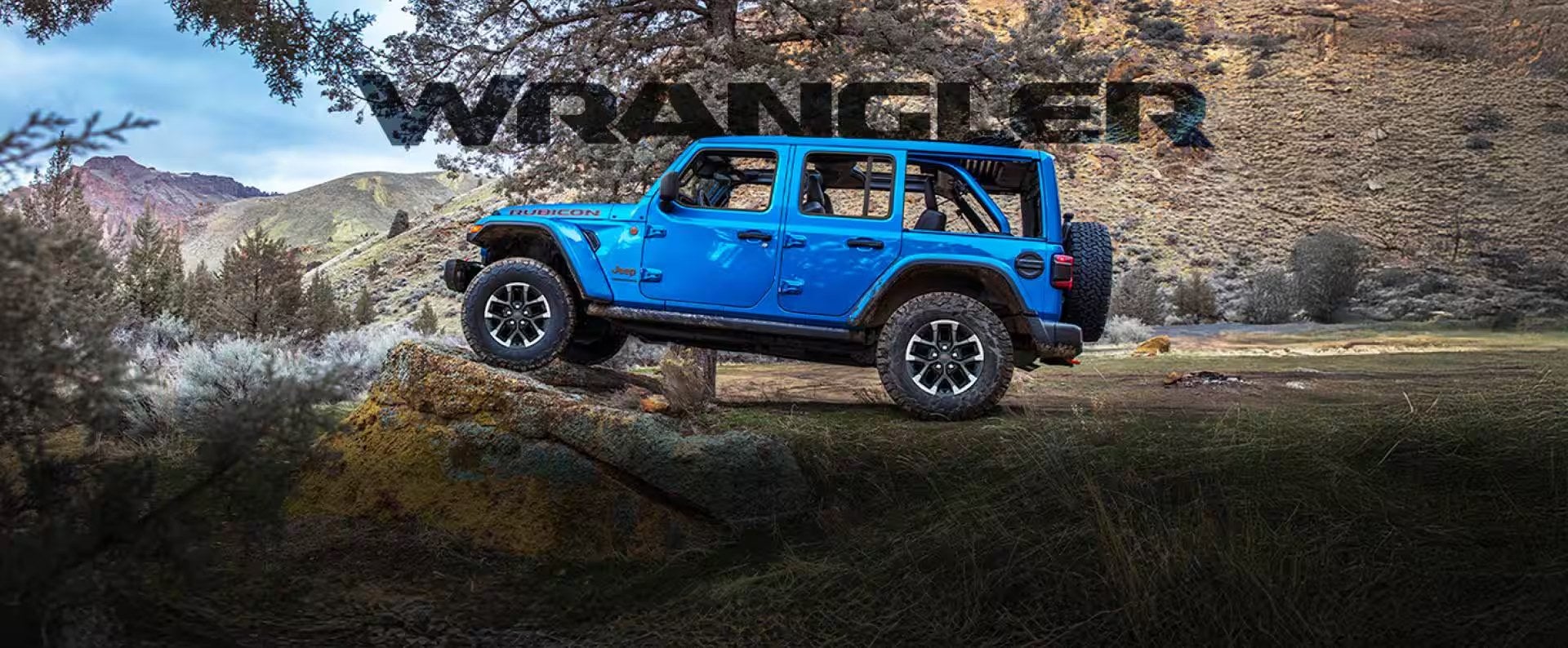
THE SHORT ANSWER Regenerative braking captures energy normally lost when slowing down and sends it back to the Wrangler 4xe's battery, helping extend electric-only range. It works alongside the regular brakes, not instead of them. You can make it stronger with the Max Regen setting. Regenerative braking turns some of the energy your Wrangler 4xe would normally waste as heat into electricity for its battery. That recovered charge helps you travel farther on electric power before the gas engine needs to step in. At Town & Country Jeep Chrysler Dodge Ram in Levittown, 4xe shoppers and owners often ask us to explain it in plain terms before they buy. Here's how it works, how it feels and what you can adjust. IN THIS POST How Regenerative Braking Works Where the Recovered Energy Goes What You'll Feel Behind the Wheel How Regen Affects Your Electric Range Does It Replace Normal Brakes? Adjusting Regen Settings Regen in Cold Weather and Off-Road What to Do Next Key takeaways How Regenerative Braking Works In a regular vehicle, braking turns motion into heat. Pads squeeze the rotors, friction slows the wheels, and that energy drifts off into the air. It's gone for good. The Wrangler 4xe handles slowing down differently. Its electric motor can work in reverse, acting as a generator when you lift off the accelerator or press the brake pedal gently. Instead of pushing the wheels, the motor lets the turning wheels spin it, and the resistance that creates is what slows you down. That electricity goes back into the high-voltage battery. Why it matters Think of it as a refund on energy you already spent getting up to speed. You paid for that momentum with battery charge or gasoline. Regenerative braking gets part of it back instead of burning it off as heat. You don't have to switch anything on to use it. It works automatically every time you slow down. Behind the scenes, the system decides how much of the slowing comes from the motor and how much comes from the brake pads. You just drive. Where the Recovered Energy Goes The 4xe pairs a gas engine with electric motors and a high-voltage battery pack. Regen tops up that battery. When you coast toward a red light or ease down a hill, watch the power gauge in the instrument cluster swing into its charge zone. That's your sign the motor is making power, not using it. How that energy gets used depends on the drive mode you pick: Hybrid blends gas and electric power and lets the system decide when to draw on stored charge. Electric runs on the battery as long as charge and conditions allow, so recovered energy turns straight into extra electric driving. eSave holds your battery charge for later. That's handy if you'd rather save electric driving for your own neighborhood. Regen works in all three modes. You'll notice its benefit most clearly in Electric mode, because recovered charge delays the moment the engine has to start. There's one limit. A battery can only take in so much. When the pack is nearly full, there's less room for incoming energy, so the system leans more on the friction brakes. That's why regen can feel a bit weaker right after a full charge at home and stronger once you've used some of that charge. What You'll Feel Behind the Wheel In normal driving, most people barely notice regen. When you lift off the accelerator, the Wrangler slows a little more than a gas-only vehicle would while coasting, a bit like gentle engine braking in a lower gear. Passengers usually don't feel anything unusual. The brake pedal When you press the pedal, the 4xe blends motor braking and friction braking together. Light pressure leans mostly on the motor. Firmer pressure brings in more of the pads. The handoff is designed to feel smooth, but the pedal may respond a little differently from the gas vehicle you're used to. Most drivers stop noticing after a drive or two. Sound and sensation You may hear a faint electric hum as the motor recovers energy, especially at lower speeds with the engine off. That sound is normal. With Max Regen turned on, the change is easier to feel. Letting off the accelerator slows the Jeep noticeably, enough that you'll touch the brake pedal less in traffic. Expect stronger slowing, though, not true one-pedal driving. You'll still use the brake to come to a full stop. The feel is personal, and reading about it only gets you so far. The quickest way to judge it is to book a test drive and try it on roads you actually use. How Regen Affects Your Electric Range Regen doesn't create energy. It recovers part of what you used to get moving, so its value depends on how often you slow down. Some of the energy is always lost along the way, so you never get back everything you spent. Where it helps most Stop-and-go driving gives regen the most chances to work. A crawl down Hempstead Turnpike, errands along Wantagh Avenue or a school pickup line means constant slowing and plenty of energy to recover. Long downhill stretches help too, because the motor can recharge for a sustained period. Steady highway cruising is a different story. On the Southern State or the LIE at a constant speed, you're rarely slowing, so there's little to capture. Range on those trips depends more on speed, temperature and how much charge you started with. Habits that make a difference Look ahead and lift off the accelerator early when you see a light changing. Brake gently and steadily rather than late and hard. Let the Jeep coast down to the speed you want before using the pedal. Smooth, early braking keeps more of the slowing on the motor. Hard, last-second stops push more of the work onto the friction brakes, and that energy turns into heat instead of charge. Does It Replace Normal Brakes? No. The Wrangler 4xe has a full friction brake system, and it's always ready. Regen does a lot of the everyday slowing, but the pads and rotors take over whenever the situation calls for more stopping power than the motor can deliver. Your regular brakes do the work when: You need to stop hard or quickly. You're crawling the last few feet to a full stop, where the motor has little effect. The battery is too full or too cold to accept much charge. Anti-lock braking or stability control steps in on a slippery surface. Press the pedal hard, and the Jeep stops the way you'd expect. Safety systems work the same way they do on any modern vehicle. What it means for maintenance Because the motor handles much of the gentle braking, pads often wear more slowly than on a gas-only vehicle. That's the upside. The downside is less obvious: brakes that see less use can collect rust on the rotors and stiffness in the caliper hardware. Long Island winters, with salt on every road, make that more likely. Don't skip brake checks just because the pads look thick. When you book a service visit, ask the technician to inspect the rotors and calipers, not just pad thickness. Adjusting Regen Settings Standard regen is always part of how the 4xe slows down. You can't switch it off, and you won't need to. What you can change is its strength, using the Max Regen button near the drive mode controls. Press it once, and an indicator in the cluster confirms it's on. Press it again to go back to the standard setting. When Max Regen makes sense Heavy local traffic, where you're on and off the accelerator constantly Long downhill stretches, where stronger motor braking keeps your speed in check Drivers who like controlling speed mostly with the accelerator pedal Anyone trying to make the most of electric-only driving around town When the standard setting may suit you better On open highways, a lighter setting lets the Wrangler coast more freely when you ease off. That can feel more relaxed and natural. Some passengers also prefer the gentler slowing, especially in the back seat. Snow, ice or wet leaves call for smooth inputs. Sudden strong slowing, even from the motor, can feel abrupt on a slick surface. Some owners switch back to standard regen in bad weather for a gentler response. There's no wrong answer. Try both settings for a few days on your usual routes, and you'll quickly figure out which one fits your driving. Regen in Cold Weather and Off-Road Conditions affect how much energy the 4xe can recover, so it helps to know what to expect before the seasons change. Cold mornings Batteries don't like to take in charge when they're cold. On a frosty morning, regen may feel weaker than usual for the first part of your drive. The friction brakes make up the difference, so stopping isn't affected. Regen comes back to normal strength as the battery warms. Parking in a garage and plugging in overnight helps the pack start the day in better shape. If the Jeep slows differently on a winter morning than it did in July, nothing is wrong. It's battery temperature at work. On the trail The Wrangler 4xe is still a Trail Rated Jeep, and regen has a real job off-road. Creeping down a steep, rocky descent, the motor can help control your speed while sending a little energy back to the battery. Combined with careful throttle control, that can make slow descents feel more composed. On very steep or loose ground, use the off-road tools Jeep designed for that terrain, along with the brake pedal, and let the vehicle's systems manage traction. Think of regen as a helper, not your descent plan. It recovers energy and takes some strain off the brakes, but you're still the one controlling the speed on the way down. What to Do Next If you're considering a Wrangler 4xe, the most useful step is getting behind the wheel. Ask to try Max Regen on and off during the same drive. Spend part of it in local traffic and part at highway speed so you can feel the difference both ways. Pay attention to the brake pedal too. Ten minutes on familiar roads will tell you more than any explanation. Questions worth asking How do the drive modes work with regen on my daily route? What's the best charging setup for where I park overnight? What brake inspections does the maintenance schedule recommend? If you already own a vehicle, Town & Country Jeep Chrysler Dodge Ram has online trade-value tools, so you can value your trade before you visit and come in with a realistic number in mind. After you buy Owning a plug-in hybrid works best when you have support close by. The dealership has dedicated sales, service and parts departments, plus service and parts support after the purchase. That covers routine brake checks, software questions and any regen behavior that doesn't feel right. If something about the way your 4xe slows down seems off, bring it in. A quick look can tell you whether it's normal regen behavior or something that needs attention. Where 3156 Hempstead Tpke Levittown, NY Call (516) 271-3278 KEY TAKEAWAYS Slowing down puts a little charge back in the battery, so stop-and-go driving wastes less energy. Your regular friction brakes still handle hard stops and the last few feet before you stop, so they still need regular inspection. Max Regen adds stronger slowing when you lift off the accelerator, and a test drive is the best way to see if you like it. FAQ Common questions Does regenerative braking work when the battery is fully charged? Only a little. A nearly full battery has less room to take in energy, so the Wrangler 4xe relies more on its friction brakes until you've used some charge. Regen gets stronger again as the battery level drops. Will regenerative braking make my brake pads last longer? Often, yes, because the motor handles much of the gentle slowing. Brakes that see less use can still develop rust and sticky caliper hardware, especially with road salt, so keep up with regular brake inspections. Can I turn regenerative braking off? Standard regen is always part of how the 4xe slows down, and it works automatically. You can turn the stronger Max Regen setting on or off with its button whenever you like. Does regen charge the battery enough that I don't need to plug in? No. Regen recovers only part of the energy you used to get moving, so it stretches your electric driving rather than replacing charging. Plugging in is still the main way to fill the battery. Want to see it in person? Come by for a test drive, or browse what is on the lot right now. Schedule a test drive Browse new inventory Or call (516) 271-3278 · 3156 Hempstead Tpke, Levittown Or keep browsing Current offers Financing Value your trade Book service Contact us Used cars

Understanding the Dodge Charger Daytona's Electric Performance

Understanding the Dodge Charger Daytona's Electric Performance

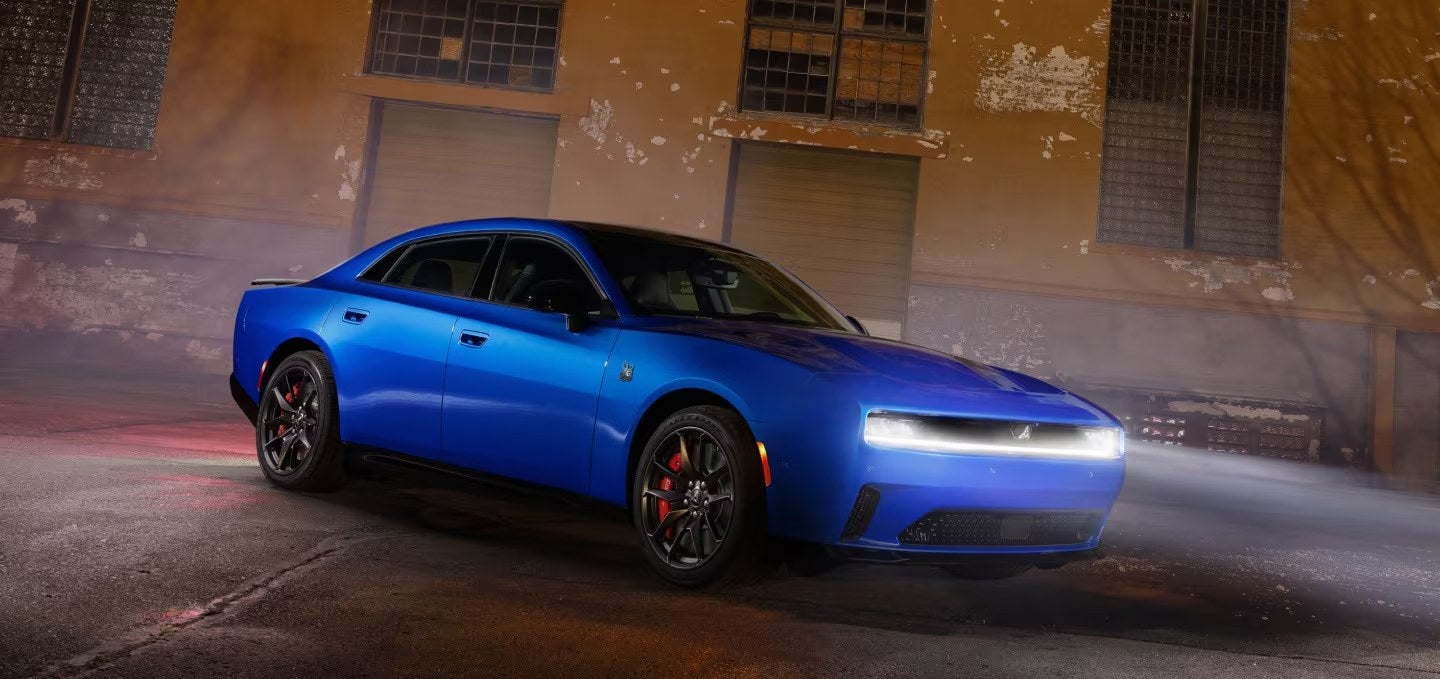
THE SHORT ANSWER The Charger Daytona swaps the V8 for dual electric motors, so power arrives instantly, and all-wheel drive helps put it on the road. Dodge kept the muscle-car character with eRupt simulated shifting, the Fratzonic Chambered Exhaust sound, and Direct Connection performance upgrades. It feels quicker and more composed than the old car, but different in spirit, so a back-to-back drive is the best way to judge it. Here's a tip worth more than any spec sheet: on your first Charger Daytona drive, ease onto the throttle from a stop before you try a hard launch, because the electric punch shows up so fast it catches V8 drivers off guard. At Town & Country Jeep Chrysler Dodge Ram in Levittown, we sell both the gas Charger and the electric Daytona. The question we hear most is simple: what does the electric one actually feel like? Here's how it works, piece by piece, in plain English. IN THIS POST Why electric power feels different How the dual-motor setup makes power What eRupt simulated shifting feels like The Fratzonic exhaust: sound on purpose Direct Connection performance packages explained How it compares to the outgoing V8 feel Charging considerations for daily driving What to do next Key takeaways Why electric power feels different A gas engine has to build revs before it makes its best pull. You press the pedal, the engine spins up, the transmission picks a gear, and the shove grows from there. That buildup is a big part of the drama people love about a V8. An electric motor skips the warm-up. It makes strong torque from a standstill, so the moment your foot moves, the car moves. You never wait for the tach to climb or for a downshift before a pass. You'll notice that in everyday spots more than at a drag strip: Pulling out of a side street onto Hempstead Turnpike when the gap is tight Merging onto the Wantagh or Southern State from a short ramp Passing a slow truck on the LIE without planning it several seconds ahead It also changes how you drive smoothly. Because response is so direct, a heavy right foot in stop-and-go traffic can feel jerky. Most new owners settle into a lighter touch within a week or so. After that, the car stays calm until you ask for more. How the dual-motor setup makes power The Daytona uses two electric motors, one at each axle. That gives you all-wheel drive without a long driveshaft running front to back like a traditional AWD system needs. Software decides many times a second how much power goes to each end of the car. Why should you care? Splitting the work between front and rear wheels lets the car put its power down without spinning the rear tires every time you get eager. On a wet morning in Levittown, or on a cold day when the pavement is slick, that's the difference between a clean launch and a sideways wiggle. Where the battery fits in A large battery pack sits low in the floor between the axles. Keeping that mass down low lowers the center of gravity, which helps the car feel planted through quick direction changes like a tight cloverleaf ramp. You'll feel the battery's weight too, as a solid, heavy-footed ride rather than a light, darty one. Depending on trim, Dodge adds tools like a push-button power boost and launch control, and we can point out which ones a given car in our new inventory has. What eRupt simulated shifting feels like Most electric cars use a single-speed drive, so acceleration is one long, smooth surge. Dodge went another way. The eRupt multi-speed transmission simulates gear changes, briefly easing and then reapplying power so you feel a shift, the same rhythm you'd get from an automatic in a gas muscle car. No real gearbox is swapping gears here. Software shapes the motor output to mimic that feel. So the effect is about character rather than efficiency, and you get some say in how much of it you want. Here's how it tends to play out: In calmer drive modes, you get the smooth, uninterrupted pull most EVs have. In sportier modes, the simulated shifts come in, giving acceleration a stepped, punchy cadence. You can change modes as you go, so a commute stays mellow and a weekend drive gets the full effect. Some drivers love it right away because it brings back that sense of a car working through its gears. Others treat it as a novelty and leave it off for the daily grind. Try both ways on your drive, because your preference here is personal and there's no wrong answer. The Fratzonic exhaust: sound on purpose Silence is the first thing people notice in most EVs. Dodge decided a Charger shouldn't be quiet, so the Daytona gets the Fratzonic Chambered Exhaust. Nothing is burning back there. A speaker-and-chamber system pushes a deep, engineered sound out the rear, tied to how hard you're accelerating. The point is feedback. In a V8, sound tells you how hard the car is working, and without it, speed can sneak up on you. Fratzonic rises and falls with your throttle, so your ears stay part of the driving experience. What it sounds like in real life It isn't a recording of a Hemi, and it doesn't pretend to be. Expect something bold and a little sci-fi, loud enough that people on the sidewalk turn their heads. Volume and character shift with drive modes, so you can keep things civil pulling into your driveway at night and turn it up when you want the show. If sound was a big reason you loved the old Charger, give it extra attention on your drive. Have someone pull away while you listen from outside too, since that's how your neighbors will hear it. Direct Connection performance packages explained Direct Connection is Dodge's in-house performance parts brand, a name with deep roots in Mopar drag racing. With the Daytona, it takes a new form: performance upgrades that unlock more output from the electric motors, offered in stages. Rather than bolting on a new intake or cam, an electric upgrade is largely calibration. So the car you buy can have room to grow, and moving up a stage doesn't mean tearing into the drivetrain. A few practical points before you count on one: What's available depends on the trim you start with, so choose your car with the upgrade in mind. Ask how a given stage affects warranty coverage before you buy it. Have installation and programming done by a dealer that knows the platform. That last point is where we fit in. Town & Country offers service and parts support after the purchase, so if you add a Direct Connection kit later, you have a place to sort out the details. Our advisors can tell you which stages suit your trim, and you can order through our parts team when you're ready. How it compares to the outgoing V8 feel Here's the honest version. Coming out of a Hemi Charger, you'll find the Daytona quicker off the line and more composed, but different in spirit. What you gain Response is immediate at any speed, with no waiting for a downshift. All-wheel drive helps on wet Long Island roads in a way a rear-drive V8 never could. Around town it's quieter and smoother, and you skip the gas station on the way to work. What changes A V8 builds. It rumbles at idle, gets louder and angrier as revs climb, and rewards you for winding it out. With the Daytona, most of the drama lands right away, and its sound, while bold, comes from a different place. Extra weight shows up in tight corners and over rough pavement. Plenty of longtime muscle-car fans find their first drive surprising in a good way. Others still prefer the old feel, and that's fair. Since we sell both, you can book a test drive in each one back to back and trust your own seat-of-the-pants judgment. Charging considerations for daily driving Owning an EV is easiest when you can charge where you sleep. If you have a garage or driveway in Levittown, a Level 2 home charger is the setup most owners land on. Plug in at night, wake up with the range you need, and you rarely think about it. A regular household outlet works in a pinch, but it's slow, better for topping off than refilling. Installing a Level 2 unit usually takes a licensed electrician and sometimes a panel upgrade, so get a quote before you take delivery. If you don't have a driveway Apartments and condos make things trickier. Look at what's near your job, your grocery store or your gym, and ask whether your building plans to add chargers. DC fast charging along the highways is great for road trips, but leaning on it daily costs more and takes planning. Driving style and weather Two things drain range faster than people expect: hard launches and cold weather. Enjoying that instant torque uses more energy, and a January morning on Long Island takes its own bite. Preconditioning the cabin while plugged in helps, and charging soon becomes routine. What to do next If the Daytona sounds like your kind of car, the best next step is seat time. Reading about torque and simulated shifts only gets you so far. A simple plan for your visit: Ask for a route with a real highway merge, not just local streets. Try a gentle start and a hard one, in both a calm mode and a sport mode. Listen to Fratzonic from inside and outside the car. Ask about Direct Connection stages for the trim you're eyeing. Bring a rough idea of where you'd charge. Running the numbers Before you come in, our payment calculators and shopping tools can show you what a monthly payment might look like, and you can explore financing options ahead of time. Approval and terms depend on your credit and the lender, so treat any estimate as a starting point. Trading in your current car? Get a value first so you know where you stand. It's also worth browsing what we've collected as "Only at TC Jeep" for the dealership-specific reasons people choose to buy here. Then stop by Town & Country Jeep Chrysler Dodge Ram in Levittown and take one out. Where 3156 Hempstead Tpke Levittown, NY Call (516) 271-3278 KEY TAKEAWAYS Electric motors pull hard from a standstill, so the Daytona's punch comes the moment you press the pedal instead of building with revs. eRupt shifting and Fratzonic sound are there to keep the car feeling like a Charger, and you can dial them up or down to suit your mood. Daily life with a Daytona is easiest with home charging, so sort out where you'll plug in before you buy. FAQ Common questions Does the Charger Daytona need oil changes? No engine oil changes, since there's no engine. It still needs regular care like tire rotations, brake checks, cabin air filters and fluid service on its own schedule, and our service team can walk you through what that looks like. How does the Daytona handle Long Island winters? Dual motors give it all-wheel drive, which helps on wet or slick roads, especially with good winter tires. Cold weather does reduce range, so plan on charging a bit more often in January and use preconditioning while the car is plugged in. Can I turn the Fratzonic sound down? Yes, the sound changes with drive modes, so you can keep it calmer for late-night arrivals and turn it up when you want the full effect. Try the different modes on your test drive to hear the range for yourself. Want to see it in person? Come by for a test drive, or browse what is on the lot right now. Schedule a test drive Browse new inventory Or call (516) 271-3278 · 3156 Hempstead Tpke, Levittown Or keep browsing Current offers Financing Value your trade Book service Contact us Used cars

Owner Tips for Getting the Most Electric-Only Miles from Your Jeep Wrangler 4xe This Fall

Owner Tips for Getting the Most Electric-Only Miles from Your Jeep Wrangler 4xe This Fall

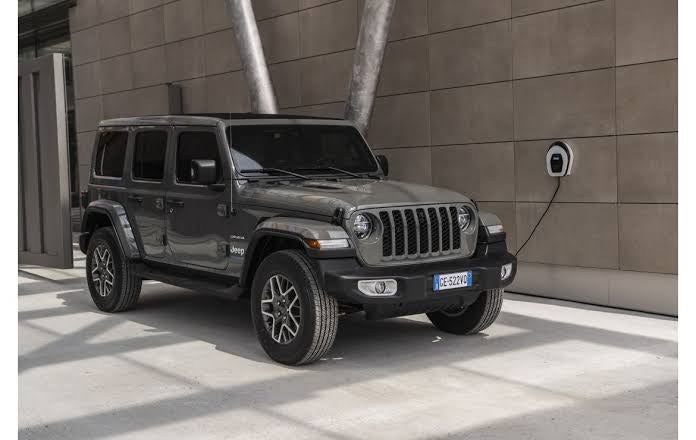
THE SHORT ANSWER Charge fully before short trips, use Electric mode around town, and warm the cabin while the Jeep is still plugged in. Those three habits help your Wrangler 4xe cover more miles on electricity alone as the weather cools. Why does your Wrangler 4xe seem to run out of electric miles sooner now that the mornings are cold? You're not imagining it, and you're not alone. It's one of the most common questions 4xe owners bring to the service desk at Town & Country Jeep Chrysler Dodge Ram in Levittown this time of year. Most of the fix comes down to habits, and you can start them tomorrow morning. IN THIS POST Why Cold Weather Cuts Electric Range Charging Habits That Help Choosing the Right Drive Mode Preconditioning Before You Leave When Hybrid Mode Makes More Sense What to Do This Week Key takeaways Why Cold Weather Cuts Electric Range Lithium-ion batteries are a lot like you on a cold morning. They're slow to get going. When the pack is chilly, the chemistry inside moves less freely, so it can't hand over as much usable energy as it did in September. Heat is the second hit. A gas engine makes warmth as a byproduct, but in Electric mode your cabin heat has to come from the battery. Run the heater full blast down Hempstead Turnpike, and that energy isn't going to the wheels. Most owners don't expect the third piece. On a really cold day, the 4xe may start the gas engine even when you've picked Electric mode, either to protect the battery or to warm the cabin. That's normal behavior, not a fault, and it usually settles down as temperatures climb. A few smaller things stack on top: Tire pressure drops as the air cools, which adds rolling resistance Cold, dense air creates a little more drag at highway speed Short hops never give the battery a chance to warm up None of this means something's wrong with your Jeep. It's physics. You can work around most of it with habits instead of hardware. Charging Habits That Help Top off before short trips The easiest win is to plug in every time you're home, even if you only ran to the library and back. Think of electric range as a daily allowance. If you start each morning full, your errands around town run on the battery instead of the engine. A standard household outlet works fine if the Jeep sits overnight. A Level 2 charger at home cuts the wait way down, which helps in the fall when you're making two or three trips a day and want to top off at lunch. Charge so you leave warm Timing matters more once it gets cold. A battery that just finished charging is a bit warmer than one that sat full all night in a chilly driveway. Use scheduled charging in Uconnect so the battery finishes close to when you usually head out. A few more habits: Park in the garage when you can, because a warmer pack holds up better Keep the charge port and connector clear of leaves and grit Plug in at public chargers when you're parked for a while anyway If your charge cord is damaged or you want a second one for work, our parts department can track down the right one. Choosing the Right Drive Mode Your 4xe has three drive modes. Picking the right one for each trip is where a lot of owners leave electric miles on the table. Electric uses the battery first and keeps the engine off as much as it can Hybrid blends both and lets the system decide eSave holds your battery charge for later, or uses the engine to add some back Around town, Electric is the move. Stop-and-go driving on Wantagh Avenue or through a crowded shopping center lot is where electric power is most efficient and the gas engine is least happy. Then there's Max Regen. Press that button and the Jeep slows down more strongly when you lift off the accelerator, sending more energy back into the battery. After a few days you'll barely touch the brake pedal in traffic, and coasting up to a red light puts a little charge back. Smooth driving helps in any mode. Quick launches and hard stops drain charge fast. Ease off early and roll up to lights, and the system recovers that energy instead of wasting it as brake heat. Preconditioning Before You Leave If you change only one thing this fall, make it this: warm the cabin while the Jeep is still plugged in. Preconditioning uses wall power to heat the interior and clear the glass. You pull out of the driveway comfortable, with the battery still full, instead of burning your first few miles of charge on heat. How to do it Start it from the Uconnect app on your phone, or set it up in the vehicle's settings. Give the cabin a little time to come up to temperature before you head out. Keep the cord connected the whole time, since that's the point. Heat the person, not the cabin Once you're rolling, heated seats and a heated steering wheel, if your Jeep has them, warm you directly. They use far less energy than blowing hot air around the whole interior. Plenty of owners set the climate a bit lower and lean on seat heat instead. A couple more cabin tips: Run the fan on a moderate setting rather than max Switch to recirculation once the windows are clear On a soft top, a snug fit and healthy seals hold warmth in Preconditioning won't fully fix a pack that sat outside all night in the cold. Still, it cuts down a lot on the energy you'd otherwise spend on heat once you're driving. When Hybrid Mode Makes More Sense Chasing electric miles is fun, but it isn't always the smartest play. Sometimes letting the engine help works out better for you and for the Jeep. Highway runs are the big one. Cruising at speed on the LIE or the Southern State drains battery charge quickly, and that's exactly where gas is relatively efficient. On a mixed trip, like highway miles out east followed by errands once you arrive, try eSave on the highway to hold your charge. Switch to Electric when you hit local streets so the battery goes where it does the most good. Hybrid also makes sense when: It's bitterly cold and the engine is going to run anyway You're towing or heading off-road and want full combined power You can't charge at your destination and want a cushion for the trip home Don't stress about burning some gas. The 4xe was built to switch between both, and running the engine now and then is good for it. Fuel that sits too long can go stale. If you've driven a long stretch on electric only, the Jeep has a refresh routine that may run the engine on its own. What to Do This Week Here's a short checklist to work through before the next cold snap: Check tire pressure on a cool morning and set it to the number on the driver's door jamb Set up scheduled charging to finish near your usual departure time Turn on preconditioning in the app and try it tomorrow Use Max Regen for a week of commuting and see how it feels Plan on Electric for town and eSave for highway stretches When it's worth a look If something still feels off after a week of these habits, have it checked. A range drop that seems bigger than the weather explains, a charge that keeps stopping short, or warning messages on the dash are all good reasons to book a service visit. Our technicians can check battery health, inspect the charging system and make sure your software is current, so you're not left guessing. Town & Country Jeep Chrysler Dodge Ram serves Nassau, Suffolk and Queens, so wherever your commute takes you, help isn't far off. Bring your questions along, and we'll walk you through what we find. Where 3156 Hempstead Tpke Levittown, NY Call (516) 271-3278 KEY TAKEAWAYS Plug in every time you're home, and time charging to finish close to when you leave. Use Electric mode and Max Regen in town, and save battery with eSave on the highway. Precondition on wall power and lean on seat heat instead of blasting the cabin heater. FAQ Common questions Is it normal for the gas engine to run in Electric mode when it's cold? Yes. In very cold weather, the 4xe may start the engine to protect the battery or help heat the cabin, even if you've chosen Electric mode. It usually stops happening as temperatures rise. Should I plug in after every trip, even short ones? For everyday driving, yes. Starting each trip with a full battery gives you the most electric miles for local errands. Check your owner's manual for any specific charging guidance for your model year. Does preconditioning help if the Jeep isn't plugged in? It'll still warm the cabin, but it pulls that energy from the battery, which works against the goal. You get the full benefit only when the Jeep is connected to a charger while it warms up. Will my electric range come back in the spring? In most cases, yes. The fall and winter drop comes mostly from temperature, so range typically recovers as the weather warms. If it doesn't, that's worth a service check. Do I need a Level 2 charger at home? No. A standard outlet will charge the 4xe overnight. A Level 2 charger is a nice upgrade if you make several trips a day or want to top off quickly between them. Want to see it in person? Come by for a test drive, or browse what is on the lot right now. Schedule a test drive Browse new inventory Or call (516) 271-3278 · 3156 Hempstead Tpke, Levittown Or keep browsing Current offers Financing Value your trade Book service Contact us Used cars