




Stop the Shake: Why Your Brakes Vibrate After New Pads
Brake vibration is hard to miss. You might feel the steering wheel shake when you slow down off the highway, a pulsing in the brake pedal at a red light, or a general shudder through the whole vehicle when you press the brakes. It can be annoying, but more importantly, it is your car telling you that something is not quite right.Many Floral Park drivers assume that if the brakes feel bad, new pads will fix it. Sometimes that works, especially if the pads were worn down to the backing plates. But when vibration hangs around after fresh pads go in, or comes back quickly, the real cause is often deeper in the brake or wheel system. That is where a careful inspection at a professional dealership service department, like our team at Town & Country Jeep Chrysler Dodge Ram in Levittown, becomes important.
Brake vibration is usually a sign of uneven forces in the system, not simply worn friction material. Pads, rotors, calipers, wheels, and suspension all work together each time you stop. If one part is slightly off, the whole vehicle can shake. Understanding what is behind that shake is the first step toward smoother, safer stopping around Floral Park and the rest of Nassau County.
Common Causes of Brake Vibration Beyond the Pads
If new pads did not cure the shake, chances are something else is going on. Some of the most common culprits show up again and again in our service bays.Warped or uneven brake rotors are at the top of the list. Heat is tough on rotors, and stop‑and‑go traffic across Long Island builds a lot of it. When rotors get too hot or cool unevenly, they can develop:
- Thickness variation in the rotor surface
- Slight warping that creates a wobble effect
- Hotspots that grab the pads in certain spots
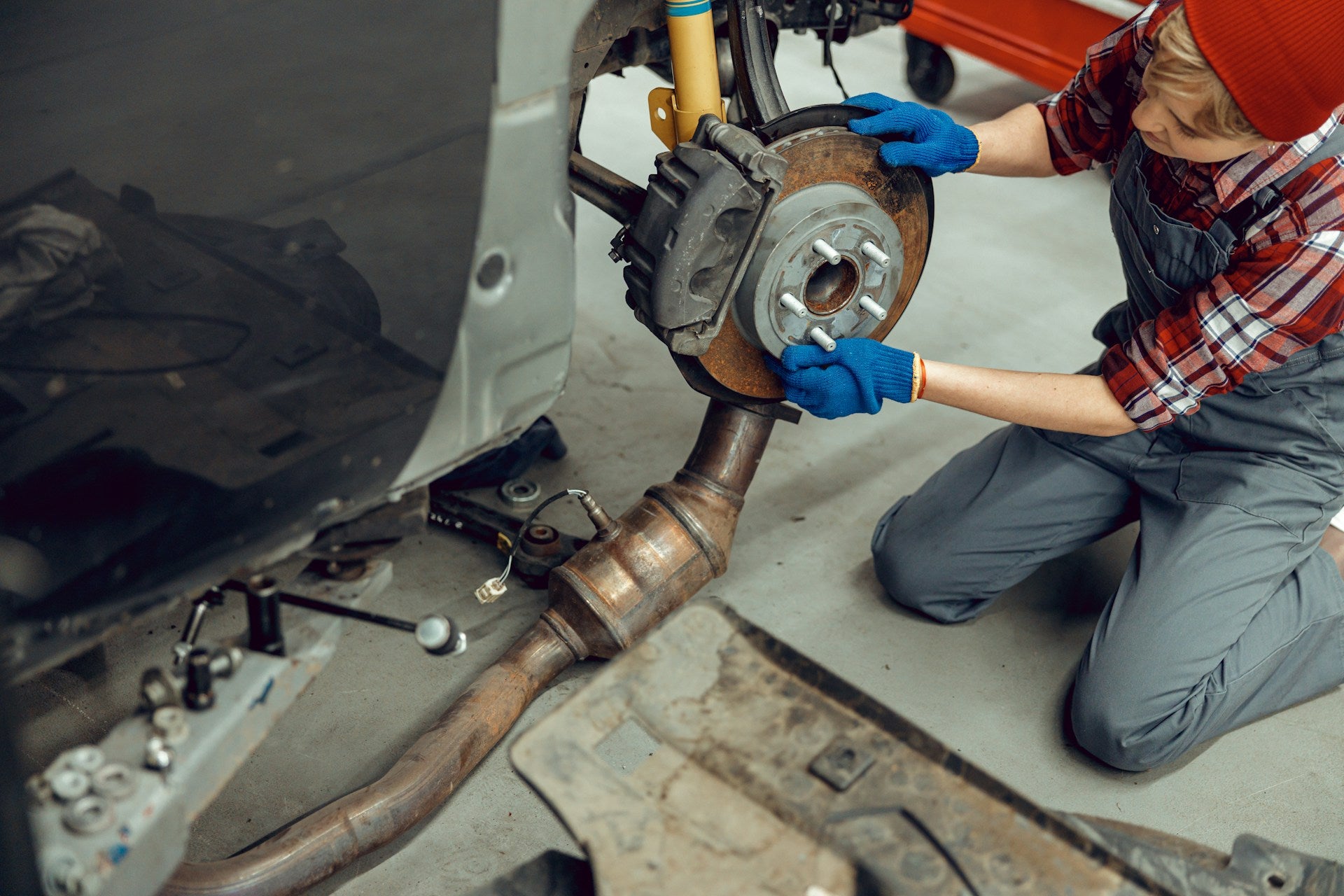
Every time the warped section of the rotor passes through the caliper, you feel a pulse in the pedal and a shake in the steering wheel or body. This can happen even if the pads are brand new.
Sticking calipers or seized slide pins create a similar feeling. The caliper is supposed to squeeze both sides of the rotor evenly. When one side sticks:
- One pad wears faster than the other
- The rotor gets localized hotspots
- The braking force becomes uneven side to side
That uneven clamping force can absolutely cause vibration, especially during hard stops or when braking at higher speeds.
Wheel and suspension issues can also make brake problems more obvious. You might have:
- Unbalanced wheels that shake at certain speeds
- Worn suspension bushings that let the wheel move around
- Bent rims from potholes that show up as a wobble
When you apply the brakes, weight shifts forward and loads the front suspension. If anything is already slightly out of balance, that extra load can make the vibration feel much worse.
When “Good Enough” Pads Make the Problem Worse
Not all brake pads are created equal. Discount pads might look like a deal, but they can make an already shaky situation worse. Lower-quality pads are more likely to:- Glaze over when they get hot, creating a hard, slippery surface
- Leave uneven deposits of material on the rotors
- Change friction levels as they heat up, causing inconsistent braking
All of that can turn a mild vibration into a serious shake. Even if rotors and calipers are in decent shape, the wrong pads can ruin the feel of the brake pedal.
That is where premium brake pad replacement comes in. Quality pads from reputable brands are designed to give you:
- Quieter, smoother stops with less squealing
- More consistent friction across a wide temperature range
- Better heat management to protect rotors from hotspots
- Longer life and fewer return trips to fix the same concern
It also matters how you drive in and around Floral Park. A commuter who is in heavy traffic on the Cross Island Parkway most days needs pads that handle frequent light to medium stops without glazing. A family that takes regular trips across Nassau and Suffolk counties with a full load of passengers and cargo needs pads that stay consistent under heavier braking. Matching pad material to your real‑world driving is part of keeping vibration away for the long term.
Inside a Professional Vibration Diagnosis in Floral Park
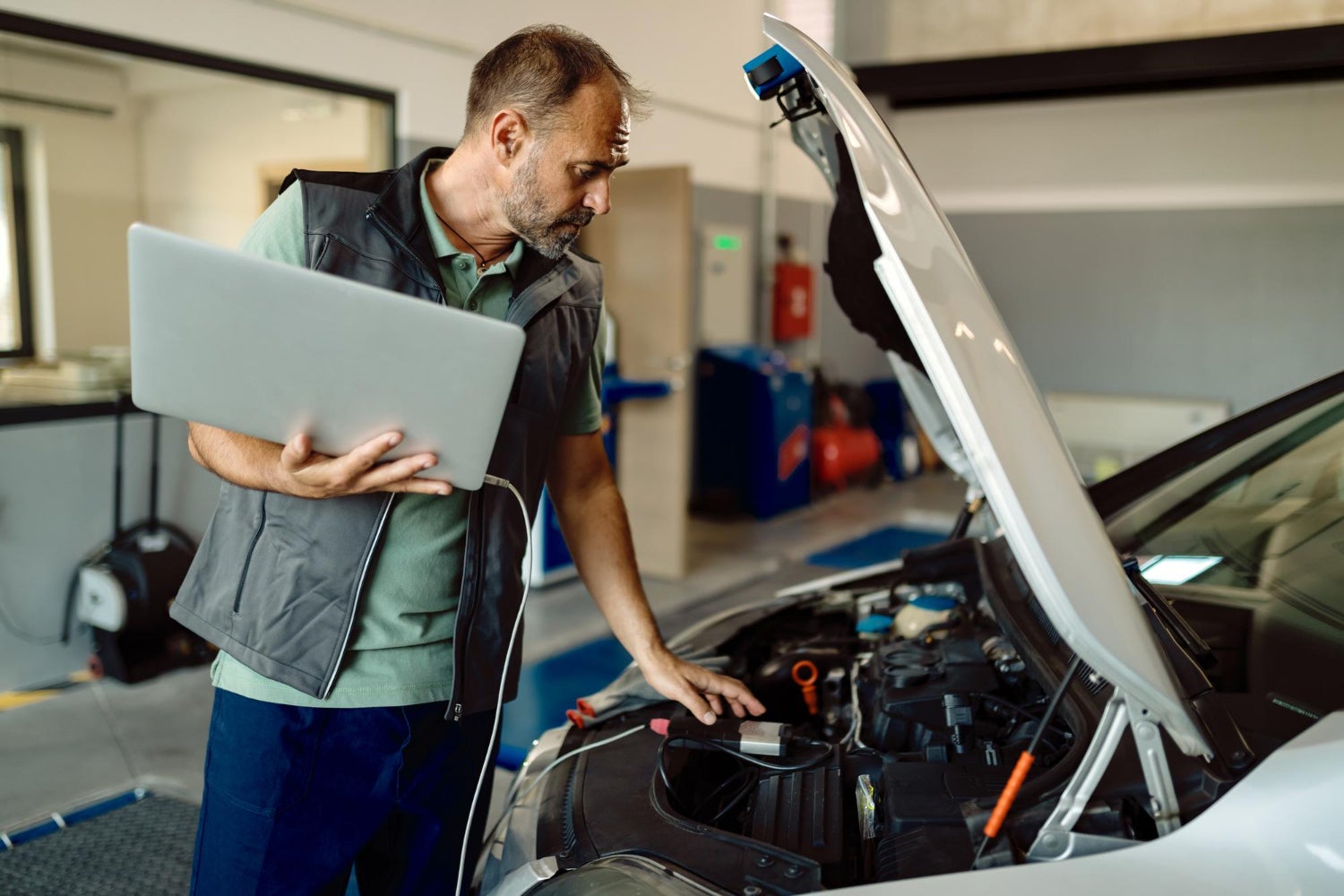
Solving brake vibration the right way starts with a proper diagnosis. In our service department, we follow a structured process rather than guessing and throwing parts at the problem.A typical dealership‑level inspection includes:
- Test drive to confirm the vibration, speed range, and conditions
- Listening for noises and feeling for pull or steering feedback
- Visual inspection of pads, rotors, and calipers
- Measuring rotor thickness and checking for runout
- Inspecting slide pins, hardware, and flexible brake hoses
- Checking wheel balance, tires, and visible suspension wear
Specialty tools let our technicians compare rotor measurements to factory specifications. If a rotor is slightly uneven, it might be possible to resurface it within spec. If it is too thin, badly warped, or heavily scored, replacement is usually the only safe option, often together with premium brake pad replacement so the new pads and rotors can wear in together.
Installation technique is just as important as the parts themselves. Professional brake service should include:
- Cleaning rust and debris from hub surfaces and hardware
- Lubricating slide pins and contact points with proper brake lube
- Using the correct torque pattern and specs on lug nuts
- Bedding in new pads and rotors with controlled stops
Bedding in, sometimes called breaking in, helps transfer an even layer of pad material onto the rotor. Skipping this step, or hammering the brakes right after service, is a fast way to create new vibration.
Protecting Your Investment After Brake Repairs
Once the vibration is gone, a few smart habits can help keep your brakes smooth. Around Floral Park and the rest of Long Island, that often means adjusting how you handle traffic and stops.Helpful driving habits include:
- Leaving more space so you can brake gently instead of hard
- Downshifting on long declines where appropriate, instead of riding the brakes
- Avoiding repeated high‑speed panic stops when possible
- Giving your brakes extra care for the first few hundred miles after service
Staying aware of changes in brake feel also matters. Signs that it is time for another check include:
- Squeaking or chirping that does not go away
- Grinding noises, which can mean metal‑to‑metal contact
- Steering wheel shake or body wobble at specific speeds
- A soft or spongy brake pedal, or a pedal that sinks too low
Building a service history with one trusted dealership helps us spot patterns. If we know what pads, rotors, and hardware have been on your vehicle and when they were installed, it is easier to track down a new vibration and fix it quickly and efficiently.
Get Rid of Brake Shake with Expert Help in Floral Park
Brake vibration is not something to shrug off, especially if it is still there after replacing the pads. That pulsing pedal or shaking wheel is feedback from your vehicle, telling you that something in the system is not working as smoothly as it should. Ignoring it can affect your comfort, your confidence behind the wheel, and eventually your stopping distance.With the right combination of rotor service, attention to calipers and hardware, and premium brake pad replacement tailored to your driving, most brake vibration problems can be corrected. For drivers in Floral Park and surrounding Long Island communities, working with a dealership service team that understands your vehicle and your local driving conditions is one of the best ways to keep every stop as smooth as the first.