




Town & Country Jeep Chrysler Dodge Ram

Blog

All Dodge Jeep RAM Chrysler Dealership Jeep Wrangler RAM Truck
Mums and pumpkins arranged for fall
in Chrysler

Levittown's Thanksgiving Weekend: Where to Eat Out If You're Not Cooking

You've got three good options: book a holiday dinner at a local restaurant, order a cooked turkey dinner to serve at home, or skip the big meal and eat out over the weekend instead. Whichever you choose, book or order early, because tables and pickup slots around Levittown fill up through mid-November. Not every family wants to spend Thanksgiving Day basting a turkey, and around Levittown you don't have to. You can sit down to a holiday dinner somewhere nearby, bring a cooked meal home, or save the eating out for the long weekend that follows. We put together some practical tips from the folks at Town & Country Jeep Chrysler Dodge Ram to help your Thanksgiving go easy. Book Thursday Dinner Out Early Plenty of restaurants in Levittown and the neighboring towns serve a full holiday meal on Thursday, and the best seating times go fast. Reserve by early November if you can, especially for a big table. Mid-November is when most families finally settle their plans, so the books fill quickly after that. When you call, ask a few questions so nothing surprises you at the table: Is it a set holiday menu, a buffet, or the regular menu? How long do you get the table before the next seating? Is there a kids' menu or a separate price for children? Can the kitchen handle allergies or a vegetarian guest? Mid-afternoon seatings tend to be the easiest to land. If your crew usually eats late, try an evening slot. By then the kitchen is past its busiest stretch, and dinner often feels less rushed. Let Someone Else Cook, Then Eat at Home Ordering a full dinner Supermarkets, delis and caterers across Nassau sell complete turkey dinners with the bird, stuffing, gravy, a few sides and sometimes a pie. Order deadlines usually land the week before, and Wednesday pickup slots go first. Ask whether the meal comes hot or needs reheating, and how much oven time that takes. A cold turkey and a one-oven kitchen can throw off your whole afternoon. Mixing and matching You don't have to go all or nothing. Lots of hosts buy the turkey already cooked and make the one side the family would riot without. A bakery pie and a quart of ready-made gravy can give you back your whole Wednesday night. Try to pick up your order earlier in the day. Holiday pickup lines get long by late afternoon, and you'll want time to check the order before you leave the counter. Friday Through Sunday: Diners, Pizza and a Break From Leftovers By Friday morning, most people want something that isn't turkey. Long Island diners are made for this, with big menus, breakfast all day, and booths that fit a family still half in pajamas. Get there before the late-morning rush if you're heading out to shop afterward. Shopping traffic builds along Hempstead Turnpike and near the big shopping centers all weekend. Eat close to home before you head out, or push lunch until the crowds thin. A few easy plays for the rest of the weekend: Pizza or Chinese takeout on Friday night, when nobody wants to plan anything A Saturday lunch at a neighborhood spot you've been meaning to try Sunday brunch before out-of-town relatives hit the road Call ahead about holiday hours. Some family-run places close on Thursday or cut their hours on Friday so their own staff get a holiday too. Getting There and Getting Home The Wednesday before Thanksgiving is one of the heaviest travel days of the year. By mid-afternoon you'll feel it on the Southern State, the LIE and the Wantagh Parkway. If you're picking up a dinner order that day, go early and stick to local roads when you can. Thanksgiving Eve is also a big night out at local bars. If drinks are part of dinner on Thursday, pick a designated driver or set up a ride before you leave the house. Lots near popular restaurants fill fast, so give yourself a few extra minutes to park. Take a quick look at your car before the long weekend. Tire pressure drops as the cold sets in, and nobody wants a warning light on the way to Grandma's. Town & Country Jeep Chrysler Dodge Ram serves Nassau, Suffolk and Queens, and you can book service with us ahead of the holiday drive. Happy Thanksgiving from all of us. Where 3156 Hempstead Tpke Levittown, NY Call (516) 271-3278 KEY TAKEAWAYS Reserve Thursday dinner by early November and ask about the menu, kids' pricing and table time. Prepared turkey dinners need an order placed the week before and a plan for reheating. Plan around Wednesday travel traffic and Thursday night drinks so getting home is easy. FAQ Common questions How early should I reserve a Thanksgiving table near Levittown? Early November is a safe target, and sooner if you need a table for a big group. Popular afternoon seatings tend to go first, so stay flexible on time if you're booking late. Do restaurants serve their regular menu on Thanksgiving Day? Some do, but many switch to a set holiday menu or a buffet for the day. Ask when you book so picky eaters and kids have something they'll actually enjoy. What should I ask when ordering a prepared turkey dinner? Ask about the order deadline, pickup times, whether the food comes hot or cold, and how long it takes to reheat. Also check how many people the meal is meant to feed so you aren't short on sides. See this month's Jeep lease deals See Jeep lease deals Value your trade Or call (516) 271-3278 · 3156 Hempstead Tpke, Levittown Or keep browsing New inventory Current offers Financing Book service Contact us Used cars

Read More
Simple Ways to Use Less Gas

Simple Ways to Use Less Gas

THE SHORT ANSWER Start with the basics: keep your tires at the pressure on the driver's door-jamb sticker, clear out extra weight and unused roof carriers, and drive with smooth, gentle inputs. Then take the expert step of combining errands into one loop so your engine spends less time cold, and keep up with routine maintenance so it burns fuel as efficiently as it was built to. It's Saturday, and you've got a list: the dry cleaner, the hardware store, groceries, maybe a run over to Roosevelt Field. You fill up on the way, and by Wednesday the needle is already sliding back toward E. At Town & Country Jeep Chrysler Dodge Ram in Levittown, we put these steps in the order we'd tackle them ourselves, starting with the easiest fixes and ending with the one experienced mechanics swear by. IN THIS POST Step 1: Get Your Tire Pressure Right Step 2: Lighten the Load and Clear the Roof Step 3: Drive Like There's a Full Coffee in the Cup Holder Step 4: The Expert Move: Chain Your Errands and Stay on Top of Maintenance Key takeaways Step 1: Get Your Tire Pressure Right Underinflated tires are the easiest fuel waste to fix, and most drivers never notice them. A soft tire flattens where it meets the road, so the engine has to work harder to keep it rolling. Long Island's temperature swings make it worse, because air pressure drops as the weather cools. Here's how to check it properly: Find the correct number on the sticker inside the driver's door jamb. The number on the tire sidewall is the tire's maximum, which is a different thing. Check in the morning before you drive, when the tires are cold and readings are accurate. Use your own gauge, since the ones at gas stations take a beating. Fill to the door-jamb number, and check the spare while you're down there. Make it a monthly habit, and add a check whenever a cold snap rolls in. A tire-pressure warning on the dash usually means a tire is already well below where it should be, so don't wait for that light. Step 2: Lighten the Load and Clear the Roof Weight and wind resistance both cost you gas, and both are easy to trim. Clean out the cargo area Take a look in your trunk or truck bed right now. Leftover sand bags from last winter, sports gear from a season that ended months ago, a toolbox you haven't opened since spring: it all rides along on every trip. Keep what you genuinely need, like jumper cables and a first-aid kit, and move the rest to the garage. Take off what you're not using Roof racks, cargo boxes and bike carriers disrupt the air flowing over your vehicle, and that drag adds up fast at highway speed on the Southern State. If kayak season is over, remove the carrier instead of leaving it bolted on until next summer. Bare crossbars matter less, but a box or basket makes a real difference. Driving a pickup? Keep the tailgate up; the truck is designed to manage airflow over the bed that way. Step 3: Drive Like There's a Full Coffee in the Cup Holder How you use the pedals matters more than most people realize. Hard launches followed by late braking turn fuel into heat at the brake pads, and that's money you won't get back. Try these habits on your next drive: Accelerate gently away from lights, building speed smoothly instead of jumping off the line. Look well ahead. If the light on Hempstead Turnpike is already red, lift off the gas early and coast toward it. Leave space behind the car in front so you aren't constantly braking and speeding back up. Use cruise control on flat, open stretches of the parkway to hold a steady pace. Ease off the top end. Wind resistance climbs sharply as speed rises, so a slightly slower highway pace saves more fuel than it costs you in time. Idling burns gas while going nowhere. If you're parked and waiting outside a school or store for more than a minute or so, shut the engine off, unless your vehicle's stop-start system is already doing it for you. Step 4: The Expert Move: Chain Your Errands and Stay on Top of Maintenance Plan one loop instead of five trips Here's the tip seasoned mechanics give their own families: a cold engine is the least efficient engine. For the first few miles it runs richer while it warms up, so a string of separate short trips burns noticeably more than one loop covering the same stops. Plan errands as a single route, head to the farthest stop first so the engine warms up quickly, and work your way back home. Let maintenance do its part A well-kept engine simply uses fuel better. Stick with the oil grade in your owner's manual, replace a clogged engine air filter, and never ignore a check-engine light, since a failing sensor can quietly throw off how much fuel the engine uses. Worn spark plugs and dragging brakes waste gas too. When you're due, you can book service with our team and ask the technicians to look for exactly these issues. Where 3156 Hempstead Tpke Levittown, NY Call (516) 271-3278 KEY TAKEAWAYS Check tire pressure monthly against the door-jamb sticker, not the tire sidewall. Smooth acceleration, early coasting and steady highway speeds save more than most people expect. Short trips on a cold engine waste the most fuel, so chain errands into a single route. FAQ Common questions Does running the air conditioning really use more gas? Yes, the compressor adds some load on the engine. Around town at lower speeds, opening the windows is usually the thriftier choice. On the highway, open windows create drag, so running the AC with the windows up is often just as efficient and a lot more comfortable. Will premium fuel improve my mileage? Only if your owner's manual calls for it. If your engine is designed for regular, premium won't make it more efficient; it just costs more at the pump. If the manual says premium is required, use it, because the wrong grade can reduce performance and efficiency. Should I let my car warm up in the driveway on cold mornings? Modern fuel-injected engines only need a short moment before you pull away. Letting the car idle for a long time wastes fuel, and the engine actually warms up faster when you drive gently for the first few minutes. Scrape the windows fully clear first, then go easy on the throttle until the temperature gauge rises. How much does the vehicle itself affect how much gas I use? Quite a bit. Size, weight, powertrain and gearing all play a role, so two vehicles in the same class can use fuel very differently. If you're thinking about a change, compare the official ratings for the models you're considering and take each one on your usual commute to see how it fits the way you drive. Want to see it in person? Come by for a test drive, or browse what is on the lot right now. Schedule a test drive Browse new inventory Or call (516) 271-3278 · 3156 Hempstead Tpke, Levittown Or keep browsing Current offers Financing Value your trade Book service Contact us Used cars

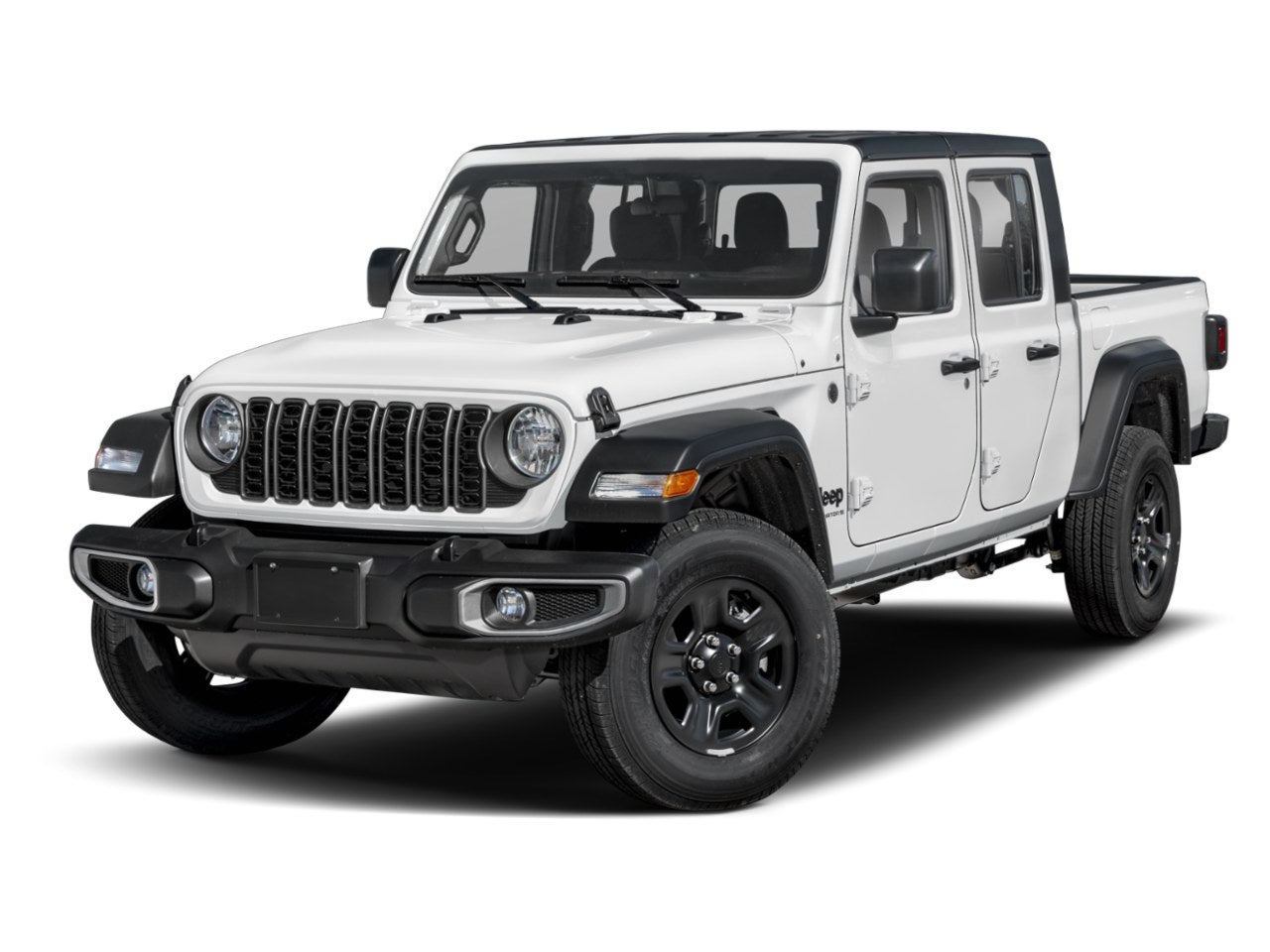
2027 Jeep Gladiator Texas Trail front three-quarter exterior

Is the Jeep Gladiator the Right Pickup for Levittown Weekends?

THE SHORT ANSWER The 2027 Jeep Gladiator combines genuine pickup truck versatility with legendary open-air four-wheel drive capability, making it well suited for Long Island weekend getaways and daily suburban driving. Driven by a 3.6 L 6-cylinder engine producing 285 HP @6400 RPM, it easily handles cargo, beach trips, and highway cruising. Weekend plans around Levittown often demand a vehicle that can adapt at a moment's notice. From hauling hardware down Hempstead Turnpike to packing up beach chairs for an early trip to Tobay Beach, versatility is essential. Town & Country Jeep Chrysler Dodge Ram helps local drivers evaluate how the 2027 Jeep Gladiator fits into busy suburban routines and local road trips. IN THIS POST Balancing Open-Air Freedom and Pickup Utility Navigating Long Island Highways and Local Traffic Exploring Trims: Sport, Sahara, and Everyday Capability Performance from the 3.6 L 6-Cylinder Engine Off-Road Weekend Trips: Rubicon, Mojave, and Willys Tailgating, Beach Trips, and Cargo Flexibility Fitting a Gladiator into Your Daily Levittown Routine Next Steps and Test Driving at Town & Country Jeep Chrysler Dodge Ram Key takeaways Balancing Open-Air Freedom and Pickup Utility Living on Long Island means your vehicle often serves double duty. Monday through Friday requires dependable transport for commutes along the Wantagh State Parkway, while Saturdays call for practical cargo hauling and leisure. Traditional midsize trucks handle gear, but they leave you completely enclosed on sunny afternoon drives. The Open-Air Advantage What sets the Gladiator apart from standard midsize pickups is its removable top and doors. You get the rugged bed utility needed for suburban project supplies alongside the freedom of a convertible. Removable hardtop and soft top roof configurations Folding windshield design for true open-air driving Heavy-duty steel bed engineered for secure cargo storage If you want a vehicle that transitions effortlessly from morning errands to sunset drives along Ocean Parkway, exploring our new Jeep inventory is a great starting point. The combination of open-air freedom and traditional bed utility gives Levittown drivers a unique vehicle format. Navigating Long Island Highways and Local Traffic Navigating suburban traffic around Nassau County demands predictable handling and confidence in merging. Merging onto the Southern State Parkway during peak hours requires steady throttle response and strong visibility. Smooth Commuting Dynamics Every 2027 Gladiator features standard 4-wheel drive engineered to maintain traction through changing weather conditions. Rain-slicked parkway ramps and slushy winter streets around Levittown become far less stressful when all four wheels are continuously driven. Standard 4-wheel drive provides solid control in rain and snow Balanced wheelbase helps absorb pavement expansion joints on local highways Elevated seating height offers excellent sightlines over surrounding commuter traffic Daily suburban driving also requires clear maneuverability in crowded retail parking lots along Route 110. Comfortable steering feel and responsive braking ensure parking in tight spots remains manageable throughout your daily routine. Exploring Trims: Sport, Sahara, and Everyday Capability Choosing the right trim level depends entirely on how you balance luxury, budget, and functional needs. The 2027 Gladiator lineup starts with the Sahara at an MSRP of $48,400 and the Sport at an MSRP of $49,500, offering distinct features right out of the gate. Comparing Popular Trim Lines Drivers looking for an ideal everyday commuter often lean toward the Sahara trim due to its refined interior finishes and urban styling elements. Meanwhile, the Sport trim brings classic utility and foundational features ideal for active owners. Sahara trim offers refined interior touches for comfortable weekday commutes Sport trim provides classic utility and robust standard features Sport S adds convenient technology and appearance upgrades Reviewing current vehicle offers helps shoppers compare equipment packages across the lineup. Additional trims like the Rewind and Texas Trail provide specialized exterior accents and cabin treatments suited to diverse driver preferences. Performance from the 3.6 L 6-Cylinder Engine Powering the 2027 Gladiator across all trim configurations is a proven 3.6 L 6-cylinder engine. This powertrain generates 285 HP @6400 RPM, delivering steady acceleration when merging onto fast-moving expressways. Efficient Highway Performance Fuel efficiency remains consistent across the lineup, with ratings of 17 mpg in the city, 22 mpg on the highway, and 19 mpg combined. Having predictable fuel economy helps drivers plan longer road trips out toward Montauk Point or upstate New York without surprise stops. Proven 3.6 L 6-cylinder engine provides smooth power delivery Generates 285 HP @6400 RPM for confident highway passing Rated at 17 city / 22 hwy / 19 combined mpg across standard configurations Setting up predictable monthly costs is straightforward when exploring online financing options before visiting the showroom. Steady power delivery and reliable highway fuel ratings make long trips far more enjoyable. Off-Road Weekend Trips: Rubicon, Mojave, and Willys Long Island drivers who plan off-highway adventures or trail trips need targeted equipment built for harsh terrain. Trims like the Rubicon, Rubicon X, Mojave, Mojave X, and Willys cater to specialized driving demands beyond ordinary pavement. Tailored Off-Road Equipment The Mojave and Mojave X trims excel in high-speed sand environments, making them ideal for beach driving programs where permitted. Specialized shock tuning and reinforced frames absorb rough terrain with ease. Rubicon and Rubicon X feature locking differentials for technical rock crawling Mojave and Mojave X feature high-performance suspension tuned for sandy terrain Willys trim blends aggressive styling with upgraded off-road tires and gear Drivers considering pre-owned utility options can also browse our used truck selection to compare different model years and setups. Selecting the right hardware ensures your vehicle matches your specific outdoor activities. Tailgating, Beach Trips, and Cargo Flexibility Weekend recreation on Long Island demands flexibility. Loading up coolers, folding chairs, and fishing gear for a day at Robert Moses State Park requires an open, washable cargo area that tolerates sand and salt air. Smart Cargo Management The damp, sandy gear that ruins soft carpeted SUV interiors sits safely in the Gladiator steel bed. Easy tie-down points keep bicycles and tailgating gear secure during transport along the meadowbrook parkway. Durable bed liner protects against scratches, salt air, and heavy equipment Integrated tie-down cleats lock down loose gear during highway trips Weather-resistant interior trim cleans up easily after sandy beach days Upgrading your current vehicle for a bed-equipped truck simplifies weekend logistics. You can value your trade online to see how your current vehicle applies toward a versatile new pickup. Fitting a Gladiator into Your Daily Levittown Routine Beyond weekend trips, a truck must fit into standard suburban garages, driveway layouts, and school drop-off lanes around Levittown. The Gladiator balances standard midsize dimensions with four-door interior spaciousness. Family-Friendly Utility Seating for five adults ensures family members or weekend passengers ride comfortably. Generous rear legroom makes long drives pleasant for everyone on board. Four full-size doors provide easy access for rear passengers and child seats Enclosed cab keeps groceries and sensitive gear safe from northeast winter weather Suburban-friendly width makes parking at local shopping plazas simple Shoppers seeking late-model vehicles with thorough inspection standards often evaluate certified pre-owned models alongside new inventory. Practical cabin dimensions ensure daily usability matches weekend excitement. Next Steps and Test Driving at Town & Country Jeep Chrysler Dodge Ram Evaluating a new vehicle requires firsthand experience behind the wheel. Town & Country Jeep Chrysler Dodge Ram serves as a full-service Chrysler, Dodge, Jeep and Ram dealership in Levittown, carrying new, used and Certified Pre-Owned vehicles for local drivers. Expert Guidance and Support Our knowledgeable team helps you compare trims like the Willys, Sport S, or Sahara to pinpoint the exact feature set for your budget. We provide payment calculators and shopping tools to keep your vehicle search completely transparent. Full inventory of new, pre-owned, and certified models on site Helpful staff dedicated to matching vehicle specs to your driving needs Comprehensive sales, maintenance, and parts support under one roof Taking a test drive allows you to experience the smooth power of the 285 HP 3.6 L 6-cylinder engine yourself. Ready to take the next step? You can book a test drive online or visit our showroom on Hempstead Turnpike today. Where 3156 Hempstead Tpke Levittown, NY Call (516) 271-3278 KEY TAKEAWAYS Delivers traditional truck bed utility alongside removable doors and roof options for open-air weekend driving. Powered by a 3.6 L 6-cylinder engine with 285 HP @6400 RPM across standard 4-wheel drive trim levels. Offers distinct trim personalities tailored for highway comfort, sandy beach runs, or heavy trail work. FAQ Common questions What engine powers the 2027 Jeep Gladiator? The 2027 Jeep Gladiator comes equipped with a 3.6 L 6-cylinder engine that generates 285 HP @6400 RPM across all available trim levels. What is the fuel economy for the 2027 Gladiator? The 2027 Jeep Gladiator delivers an EPA-estimated fuel economy rating of 17 mpg in the city, 22 mpg on the highway, and 19 mpg combined. What trim levels are available for the 2027 Jeep Gladiator? Available trims include the Sahara, Sport, Sport S, Willys, Rewind, Texas Trail, Mojave, Mojave X, Rubicon, and Rubicon X. Does the 2027 Jeep Gladiator come standard with 4-wheel drive? Yes, standard trim configurations including Sahara, Sport, Mojave, Mojave X, Rubicon, Rubicon X, Sport S, and Willys feature 4-wheel drive for enhanced traction. Where can I test drive the 2027 Jeep Gladiator in Levittown? You can test drive the 2027 Gladiator at Town & Country Jeep Chrysler Dodge Ram, located in Levittown, NY. Want to see it in person? Come by for a test drive, or browse what is on the lot right now. Schedule a test drive Browse new inventory Or call (516) 271-3278 · 3156 Hempstead Tpke, Levittown Or keep browsing Current offers Financing Value your trade Book service Contact us Used cars

SUV vs Sedan: Which Fits Your Lifestyle?

SUV vs Sedan: Which Fits Your Lifestyle?

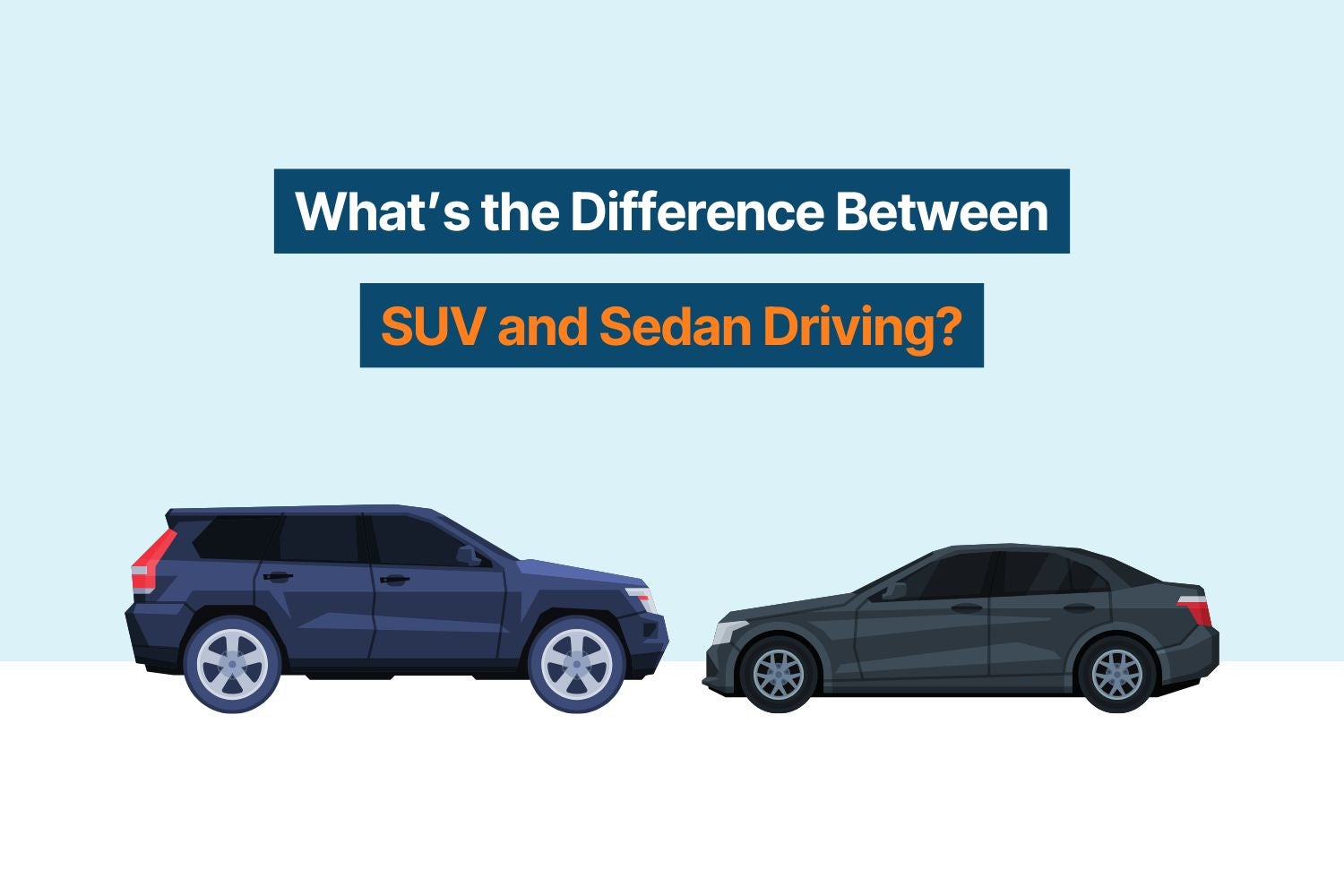
THE SHORT ANSWER An SUV usually fits best if you regularly carry bulky gear or several passengers, want a higher seating position, or deal with rough roads and deep snow. A sedan usually fits best if your trips are mostly commuting with one or two people, you park in tight spaces, and you value lower running costs and a planted, carlike drive. Your ordinary week should decide it, not your once-a-year road trip. Picking between an SUV and a sedan is one of the most common decisions shoppers wrestle with, and one of the most commonly rushed. At Town & Country Jeep Chrysler Dodge Ram in Levittown, we talk through this choice with people all the time. This guide starts with the basics and builds to the one habit that helps people choose well. IN THIS POST The Mistake Most Shoppers Make First What Actually Separates an SUV From a Sedan Space, Passengers and the Stuff You Carry How Each One Feels From Behind the Wheel Snow, Rain and the All-Wheel-Drive Question What It Costs to Own Over the Years Matching the Body Style to Your Life The Expert Tip: Test Your Life, Not Just the Car Key takeaways The Mistake Most Shoppers Make First Here's something we see a lot. Someone decides they "need an SUV" or "want a sedan" before they've thought through a single ordinary Tuesday. The decision gets made on looks, on what the neighbors drive, or on the picture of that one weekend a year spent heading upstate. Then they live with it through years of commutes, school runs and grocery trips. A vehicle spends most of its life doing boring things. So the smartest place to start is your actual week, not your ideal one. How many people ride with you on most days? Where do you park: a narrow driveway, a crowded lot by the train station, or a garage built decades ago for smaller cars? What do you haul regularly, and what do you haul twice a year? Neither body style is the right one in general. Sedans and SUVs solve different problems, and once you understand what separates them, the decision usually gets much clearer. We'll start with the basics, work through space, driving feel, weather and cost, and finish with the tip we give our own friends and family. What Actually Separates an SUV From a Sedan At its simplest, a sedan has a separate trunk and a lower roofline. An SUV sits taller and opens to a cargo area behind the seats through a rear liftgate. That one difference, trunk versus hatch, shapes more of daily life than most people expect. It helps to know that "SUV" covers a wide range. Many modern SUVs, often called crossovers, are built like a car underneath, with the body and frame as a single structure. That gives them a smoother, more carlike ride. Traditional off-road designs are built tougher, which suits rough trails and hard work but can feel busier on pavement. Sedans ride closer to the ground, and much of their appeal comes from that lower center of gravity. They tend to feel planted in corners, slip through the air more easily and settle into highway cruising with less effort. A quick way to picture it Sedan: lower seating, enclosed trunk, carlike handling Crossover SUV: higher seating, flexible cargo area, comfortable ride Traditional SUV: tallest stance, rugged build, most capability once the pavement ends Space, Passengers and the Stuff You Carry Most people assume the SUV wins on space automatically, and often it does. Still, the details matter. An SUV's cargo area is tall and open, so bulky items like strollers, a dog crate, hockey bags or a new TV go in without a fight. Fold the rear seats and you've got room for a flat-pack bookcase. A sedan's trunk is shallower and has a smaller opening, yet it has real advantages. Your belongings stay out of sight and separate from the cabin, which keeps grocery smells and sliding bags away from passengers. Plenty of sedans also offer fold-down rear seats for longer items, and that surprises people. Think hard about who rides with you. A taller SUV makes lifting a child into a car seat easier on your back, and some offer a third row for carpools or visiting grandparents. On the other hand, if your back seat mostly carries a gym bag, you may be paying for room you rarely use. Here's a good gut check. List the three biggest things you carried in the last year. If they'd all fit in a trunk, a sedan belongs on your shortlist. How Each One Feels From Behind the Wheel Driving feel is personal, so it's worth separating fact from impression. Sitting up high in an SUV gives you a commanding view over traffic, and many drivers feel calmer on a busy Hempstead Turnpike when they can see a few cars ahead. Getting in and out is easier too, since you slide across instead of dropping down. Folks with sore knees notice that right away. Sedans offer a different kind of confidence. Because they're lower and usually lighter, they tend to respond more crisply when you steer, lean less in turns and feel steadier in crosswinds. Plenty of drivers simply enjoy that connected feeling on a long drive out east. Parking deserves its own thought. With a sedan's lower profile, it's easier to judge the corners in a tight lot, while a taller SUV can hide smaller objects below the hood line. Backup cameras and parking sensors, common on many newer vehicles of both types, close a lot of that gap. To compare seating heights and sightlines before you visit, browsing our new inventory is an easy way to line up both styles side by side. Snow, Rain and the All-Wheel-Drive Question Long Island winters bring nor'easters, slushy side streets and plowed-in curbs, so weather comes up in nearly every conversation we have about this. Many people picture an SUV as the automatic winter choice. The truth is a little more nuanced. All-wheel drive helps you get moving, sending power to the wheels with grip so you can pull away from a slippery intersection. It doesn't help you stop or steer on ice. Tires do most of that work, which is why a sedan on good winter tires can handle a snowy morning better than an SUV on worn all-seasons. Keep in mind that plenty of sedans offer all-wheel drive too. Where an SUV earns its reputation is ground clearance. Riding higher means less scraping over packed snow at the end of your driveway and more margin when a storm leaves deep puddles on low-lying roads near the South Shore. Get either one ready Check tread depth before the first storm Consider a dedicated set of winter tires if you drive early mornings Have brakes, wipers and battery looked at in the fall It's worth taking a few minutes to schedule a service visit before the season turns, whichever body style sits in your driveway. What It Costs to Own Over the Years The sticker is only the start. Owning a vehicle for several years adds up in fuel, tires, brakes and insurance, and body style nudges each of those. Sedans generally use less fuel than comparable SUVs because they're lighter and more aerodynamic. That gap shows up week after week at the pump, especially with a long commute. SUVs often wear larger tires, and replacement tires can cost noticeably more when the time comes. Heavier vehicles can also be tougher on brakes over time. Insurance varies too much by driver, town and model to make a blanket rule, so get quotes on the specific vehicles you're considering. It's a quick call that can change your math. On the flip side, a well-kept SUV often holds strong interest on the used market, which can help at trade-in time. Try to think in total cost over the years you plan to keep it, not just the monthly payment. Town & Country Jeep Chrysler Dodge Ram has payment calculators and shopping tools on its website, which make it easy to run a few scenarios side by side. When you're ready, exploring your financing options with our team can show you what different choices might look like, though approval and terms always depend on your own situation. Matching the Body Style to Your Life Now that you know how the two differ, let's put it together. These aren't hard rules, but they reflect the patterns we see with real customers. An SUV usually makes sense if you Carry kids, car seats or more than two passengers most days Haul sports gear, pets, tools or beach chairs regularly Want easier entry and exit, or a higher view of the road Deal with rough roads, deep snow or unpaved trails Tow a small trailer or like weekend projects that need hauling A sedan usually makes sense if you Mostly drive solo or with one passenger Put a lot of highway miles on a commute Park in tight spots or a smaller garage Want to keep fuel and tire costs down Enjoy a lower, more responsive driving feel If you land squarely in the middle, a compact crossover often splits the difference nicely. Budget also opens doors you might not expect. Our dealership sells new, used and Certified Pre-Owned vehicles, and looking at ** certified pre-owned vehicles ** can put a roomier SUV or a nicer sedan within closer reach than you'd think. The Expert Tip: Test Your Life, Not Just the Car Here's the advice we give our own friends and family: bring your life on the test drive. A quick loop around the block tells you almost nothing about how a vehicle fits your week. What you want is a rehearsal of your real routine. So bring the stuff. Pack the stroller, the car seat, the golf bag or the dog crate, and actually load it. Install the car seat and see how much knee room is left for the front passenger. Sit in the back yourself, and bring along whoever rides with you most so they can weigh in. Then drive your actual roads. Get on the highway you use to commute, go over the bumpy side street near your house, and back into a spot like the one at your office or train station. If you can, check the vehicle's length and height against your garage before you commit. Questions to ask yourself after Did loading and unloading feel easy or awkward? Could I see well when parking and changing lanes? Would I enjoy this on a rainy Monday, not just a sunny Saturday? When you book a test drive with us, tell us you'd like to try both a sedan and an SUV back to back. Feeling the difference in the same hour clears up more than any article can. Where 3156 Hempstead Tpke Levittown, NY Call (516) 271-3278 KEY TAKEAWAYS Choose for the week you actually live, not the one big trip you take each summer. SUVs win on flexible space and easy entry, while sedans tend to win on handling, efficiency and lower upkeep. Test drive with your real stuff and your real people, and drive your real commute. FAQ Common questions Are SUVs safer than sedans? Not automatically. Size and weight can help in some collisions, but a higher center of gravity changes how a vehicle behaves in emergency maneuvers, and modern stability systems have narrowed that gap. The better approach is to compare crash test results from the IIHS and NHTSA for the exact models you're considering, and to look at the driver-assistance features each one offers. Do I really need all-wheel drive on Long Island? Many drivers here get by fine with front-wheel drive and good tires, especially if they can wait out the worst storms. All-wheel drive is a real help if you leave early, drive hills or can't stay home on snow days. Whichever you choose, tire condition matters more than most people realize. Is an SUV more expensive to maintain than a sedan? Often a bit, mainly because SUVs tend to use more fuel and wear larger tires that cost more to replace. Routine maintenance like oil changes and inspections is usually similar. Costs vary a lot by model, so compare the specific vehicles you have in mind. Can a sedan work for a small family? Yes, plenty of families do well with one, especially with one or two kids. Check that your car seats fit comfortably in the back and that the trunk handles your stroller. Once you add a third child, frequent carpools or big gear, an SUV usually becomes the easier fit. What's the difference between a crossover and an SUV? A crossover is a type of SUV built on a car-style platform, with the body and frame as one piece. That usually means a smoother ride and more carlike handling. Traditional SUVs use a tougher build that suits off-road driving and heavier work but can feel less refined on everyday pavement. Ready to get started? Browse Inventory Schedule a test drive Or call (516) 271-3278 · 3156 Hempstead Tpke, Levittown Or keep browsing Current offers Financing Value your trade Book service Contact us Used cars
Checking a vehicle for open safety recalls

Where to Get Jeep Recall Repairs on Long Island

THE SHORT ANSWER Any authorized Jeep dealer can perform recall repairs on your Jeep at no charge for parts or labor, no matter where you bought it or how many owners it's had. On Long Island, that includes Town & Country Jeep Chrysler Dodge Ram in Levittown. Start by checking your VIN for open recalls, then book a service appointment. Got a recall letter for your Jeep, or heard about one on the news and aren't sure what to do next? You're not alone, and the fix is usually simpler than people expect. At Town & Country Jeep Chrysler Dodge Ram in Levittown, our service team handles recall work for drivers from all over Long Island, so here are the questions we hear most and straight answers to each. IN THIS POST Do I have to go back to the dealer where I bought my Jeep? How do I find out if my Jeep actually has an open recall? Is a recall repair really free? What if the parts for my recall aren't available yet? I bought my Jeep used. Is the recall still covered? What should I expect when I bring my Jeep in for a recall? Key takeaways Do I have to go back to the dealer where I bought my Jeep? Nope. Any authorized Jeep dealer can do recall work on your vehicle, and it doesn't matter whether you bought it in Levittown, upstate, or out of state. Recall repairs are paid for by the manufacturer, so the dealer you pick doesn't change what you pay, which is nothing. That gives you room to choose based on what's convenient. If you live in Nassau, work in Queens, or commute in from Suffolk, pick the shop that fits your day. We see plenty of folks who bought their Jeep somewhere else and simply found it easier to swing by our spot off Hempstead Turnpike. What counts as authorized Authorized means a franchised Chrysler, Jeep, Dodge or Ram dealer with a service department. A general repair shop, even a great one, can't perform factory recall work for free because it isn't set up to be reimbursed by the manufacturer. When you're ready, you can book service online and mention the recall when you schedule. That way the team can check whether the parts are in before you show up, which saves you a wasted trip. How do I find out if my Jeep actually has an open recall? Your Vehicle Identification Number, or VIN, is the key to everything. It's a 17-character code unique to your Jeep, and recalls are tracked by that number rather than by your name. You can find your VIN in a few easy spots: On the driver's side of the dashboard, visible through the bottom corner of the windshield On a sticker in the driver's door jamb On your registration and insurance card Once you have it, enter it at NHTSA.gov/recalls, the federal government's free lookup tool. Mopar's owner site has a recall lookup too. Both will show any open safety recalls and whether a fix is available yet. Recall letters get mailed to the registered owner, but mail goes missing and people move. Checking your VIN yourself a couple of times a year is a smart habit, especially before a long drive out east or a road trip off the Island. You can also just call our service department with your VIN and ask. We'll look it up and tell you what's open, plus whether it makes sense to handle it alongside anything else your Jeep is due for. Is a recall repair really free? Yes. Manufacturer safety recalls are done at no cost for parts or labor at an authorized dealer. That holds no matter how old the Jeep is, how many miles are on it, or whether your factory warranty ran out years ago. Where people get tripped up is assuming a recall works like warranty coverage. They're separate things. Warranty covers defects for a set time or distance, while a safety recall stays tied to the vehicle until the fix is done. If you already paid for the repair Maybe you had the problem fixed out of pocket before the recall was announced. In some cases, the manufacturer will reimburse owners who paid for a repair that a recall later covered. Hang on to your receipts and check the recall notice, which usually explains whether reimbursement applies and how to request it. Watch out for add-ons The recall itself is free, but if you ask for other work during the same visit, like brakes or an oil change, that's billed normally. A good service advisor will make the difference clear before anything gets done, and you should feel free to ask. What if the parts for my recall aren't available yet? This happens more than people realize. Sometimes a recall gets announced before the repair parts are ready in large enough numbers, so owners get what's often called an interim notice. It tells you about the problem and promises a second letter once the remedy is available. Read that first letter closely. It may include instructions for staying safe in the meantime, such as avoiding a certain feature, parking outside, or watching for a specific warning light. Some recalls carry a do-not-drive warning, and if yours does, take it seriously. Here's what you can do while you wait: Call the dealer and ask to be put on the list for parts Make sure your address is current so the follow-up letter reaches you Recheck your VIN online every few weeks to see if the status changes If you're not sure whether your Jeep is safe to drive to the dealership, reach out to our team before you head over. We'd much rather talk it through on the phone than have you take a chance on the Southern State with a problem that should've waited. I bought my Jeep used. Is the recall still covered? Absolutely. Recalls follow the VIN, not the owner, so you get the same free repair the original buyer would have gotten. Second, third or fourth owner, it doesn't matter. The catch is that recall letters go to whoever the manufacturer has on file, and that may still be the previous owner. Registering yourself as the current owner through Mopar's owner site helps make sure future notices come to you. Shopping for a used Jeep? Federal law bars dealers from selling new vehicles with open safety recalls, but that rule doesn't extend to used ones. A used vehicle can legally change hands with an open recall, which is why running the VIN before you buy is worth the two minutes it takes. If you're browsing used cars on our lot or anywhere else, ask the salesperson whether the recalls are closed and request the paperwork showing it. Town & Country Jeep Chrysler Dodge Ram sells new, used and Certified Pre-Owned vehicles, and whatever you're looking at, the question of open recalls deserves a clear answer before you sign. What should I expect when I bring my Jeep in for a recall? Start by booking an appointment rather than just showing up. Recall parts are often ordered for a specific VIN, and calling ahead lets the service team confirm they're in stock so you're not sitting in the waiting room for nothing. When you schedule, have these handy: Your VIN The recall number from your letter, if you have one Any other issues you've noticed, so they can be checked during the same visit How long it takes depends entirely on the recall. Some are a quick software update you can wait for. Others involve replacing a part and might mean leaving the Jeep for part of the day. Ask when you book so you can plan around work or school pickup. Bundle it up If your Jeep has more than one open recall, they can often be handled in the same trip. It's also a good moment to take care of routine maintenance you've been putting off. When you pick it up, you'll get a repair order showing the recall was completed. Keep it with your records, since it's useful proof if you ever sell or trade the vehicle. Where 3156 Hempstead Tpke Levittown, NY Call (516) 271-3278 KEY TAKEAWAYS Recall repairs are free at any authorized Jeep dealer, regardless of where you bought the vehicle. Run your 17-character VIN through the NHTSA or Mopar recall lookup to see exactly what's open. Recalls follow the vehicle, so used Jeep owners get the same free fix as the original buyer. FAQ Common questions Can I keep driving my Jeep while I wait for a recall repair? It depends on the recall. Many let you drive normally until the fix is done, but some come with specific precautions or a do-not-drive warning. Read your notice carefully, and if anything is unclear, call the dealer before driving. Will getting a recall done affect my warranty? No. A recall repair at an authorized dealer doesn't void or shorten your warranty. It's a separate program paid for by the manufacturer, and the work is documented on your vehicle's record. What's the difference between a recall and a service bulletin? A safety recall addresses a defect that affects safety, and the fix is free at an authorized dealer. A technical service bulletin is guidance for technicians on a known issue, and coverage depends on whether your vehicle is still under warranty. Your service advisor can tell you which applies. Do I need my recall letter to get the repair done? No, the letter is helpful but not required. The dealer can look up open recalls using your VIN, so just bring the vehicle and your keys, and the service team can take it from there. Let us take care of it Book online in a minute and pick a time that works for you. Book service Order parts Or call (516) 271-3278 · 3156 Hempstead Tpke, Levittown Or keep browsing Current offers Financing New inventory Contact us Used cars Certified pre-owned

What Tech Comes in the Chrysler Pacifica?

What Tech Comes in the Chrysler Pacifica?

THE SHORT ANSWER The Chrysler Pacifica's tech falls into four groups: the Uconnect touchscreen with phone mirroring, driver-assistance and camera systems, family features like rear-seat screens and an interior camera, and convenience tech such as hands-free sliding doors. How much of it you get depends on trim, model year and option packages, so the window sticker on the exact van matters more than the brochure. It's 7:40 on a school morning. Someone in the third row needs a charger, the backpack is wedged in the sliding door, and you're backing out of a tight driveway with a recycling bin somewhere behind you. Minivan tech is built for exactly that kind of morning, so it's worth knowing what the Chrysler Pacifica can actually do. At Town & Country Jeep Chrysler Dodge Ram, a full-service Chrysler, Dodge, Jeep and Ram dealership in Levittown, NY, this is one of the questions we hear most, and this guide walks through the answer from the basics up. $44,445 Starting MSRP 28 mpg EPA highway 32.3 cu ft Cargo space 2026 Chrysler Pacifica, from its published specifications. IN THIS POST Standard Versus Available: The Real Question The Uconnect Screen: Your Home Base Charging, Wi-Fi and the Connected-Car App Rear-Seat Entertainment and the Family Camera Driver-Assistance: A Second Set of Eyes Cameras and Parking Help Doors, Seats and Everyday Convenience Hybrid or Gas: How the Tech Changes Key takeaways Standard Versus Available: The Real Question When people ask what tech comes in the Pacifica, they're usually asking two things. What's in every one, and what's only in some? That split is the key to understanding this minivan, because Chrysler sells it in several trims, and the feature list grows as you move up the lineup. An entry-level Pacifica still handles what most families lean on daily: a touchscreen, smartphone connectivity and a core group of safety aids. Higher trims and option packages add the features people talk about, like rear-seat screens, a surround-view camera, an interior camera for keeping an eye on the back rows, and more automated driving help. Model year matters as much as trim. Chrysler has updated the Pacifica's features over the years. Something that was optional one year may be standard the next, or it may have moved into a different package. If you're browsing our new inventory, check the window sticker for that specific van rather than assuming the trim name tells the whole story. The sections below take one category at a time so you know what to look for. The Uconnect Screen: Your Home Base Think about the first minute after you climb in. You want your music, your directions and maybe a quick call about pickup. In the Pacifica, all of that runs through Uconnect, Chrysler's infotainment system, on a touchscreen in the center of the dash. Most drivers end up living in Apple CarPlay or Android Auto, which put your phone's maps, music and messages on the big screen. Many newer versions connect wirelessly, so your phone links up without a cable once it's paired. Voice commands handle calls, audio and directions while your hands stay on the wheel. Built-in navigation is available on some trims. It's useful when your phone signal fades or when you'd rather save your data plan for the kids. Most models still have physical knobs for volume and tuning, which owners appreciate on a rough stretch of the Southern State. On a test drive, pair your own phone. Then turn the van off and back on to see how quickly it reconnects. That second connection is the one you'll live with every day, so it's a better test than the first. Charging, Wi-Fi and the Connected-Car App If you've ever heard "my tablet's dead" from the back seat, you know charging ports aren't a small detail. The Pacifica spreads USB ports through the cabin, including spots for second- and third-row passengers, so nobody has to pass a device up to the front. Some trims add a wireless charging pad up front for compatible phones. Staying Online Many Pacificas can run an in-vehicle Wi-Fi hotspot through Chrysler's connected services, and that usually requires a subscription once any trial ends. The Uconnect smartphone app works the same way. It can start the engine, lock the doors or help you find the van in a crowded mall lot. On a cold January morning in Levittown, remote start from the kitchen is the feature owners end up bragging about. Ask how the subscription works on the specific van you're looking at. That matters most if you're shopping certified pre-owned or used, because the previous owner's account has to be cleared before the connected features become yours. Rear-Seat Entertainment and the Family Camera Long drives go better when the back rows are happy, and this is where the Pacifica stands out from a typical SUV. Higher trims offer Uconnect Theater, a pair of touchscreens mounted on the backs of the front seats. Passengers can watch videos, play built-in games, plug in their own devices and listen through wireless headphones while you keep your music up front. On recent model years, some Pacificas added streaming through Amazon Fire TV integration. If streaming is on your list, check that the van you're considering has it, since features like this have changed from year to year. Seeing the Back Rows An available interior camera, which Chrysler calls FamCAM, shows the second and third rows on the main screen. You can check on a sleeping toddler or settle a seat dispute without twisting around at a red light. It's especially helpful with a rear-facing car seat, since you can see the baby's face instead of the back of a seat. None of this replaces a good snack bag. It does make the trip to Grandma's in Jersey a lot quieter. Driver-Assistance: A Second Set of Eyes Merging onto the Long Island Expressway with a full van is when you'll appreciate a little backup. The Pacifica offers a group of driver-assistance features that watch the road around you and step in when something looks wrong. Here's what you'll commonly find, depending on trim and year: Blind-spot monitoring that lights up in the side mirror when a car is sitting where you can't see it Rear cross-path detection that warns you about traffic crossing behind you in parking lots Forward collision warning with automatic emergency braking, which can brake if you don't react in time Adaptive cruise control that keeps a set gap to the car ahead in highway traffic Lane-keeping assistance that nudges the steering if you drift These systems help, but they don't drive for you. Spend a week learning what each chime and light means. Many alerts can be adjusted in the Uconnect settings, so if a warning feels too eager, you can usually tune it instead of switching it off. Cameras and Parking Help A minivan is long, and a tight spot at the grocery store shows it. The Pacifica starts with a backup camera, and many trims add front and rear parking sensors that beep faster as you get closer to a pole, a curb or that recycling bin. The feature that changes parking the most is the available surround-view camera. It stitches together views from several cameras into an overhead image of the van, so you can see the painted lines on both sides at once. Some model years have also offered a parking assist system that steers into parallel or perpendicular spots while you handle the brake and gear selector. Keeping Them Working Cameras and sensors only work when they can see. A little salt spray from the roads can blur the image, so wipe the lenses when you clear the windshield. If you ever replace the windshield or repair a bumper, the sensors behind them may need recalibration. Our service department can check that everything is aimed correctly and reading the road the way it should. Doors, Seats and Everyday Convenience Some of the Pacifica's most useful tech isn't on a screen at all. Power sliding doors and a power liftgate come on many trims, and higher trims offer hands-free operation. With the key in your pocket and your arms full, a kick motion under the bumper or door opens it for you. Keyless entry and push-button start mean the fob can stay in your bag. On many trims, the doors unlock when you touch the handle. Separate climate zones let the back rows run a little cooler while the driver stays comfortable. Then there's Stow 'n Go, the system that folds the second-row seats into bins in the floor on gas models, turning the van into a flat cargo space without removing heavy seats. When the seats are up, those bins become hidden storage for umbrellas, a first-aid kit or a spare sweatshirt. Some upper trims have offered a built-in vacuum, which sounds like a gimmick until you've dealt with crushed cereal between the seats. Try these in person, because how smoothly they work matters more than a checkmark on a sticker. Hybrid or Gas: How the Tech Changes The Pacifica comes as a gas model and as a plug-in hybrid, and the choice affects the tech in ways that aren't obvious at first. The Pacifica Plug-in Hybrid has a charging port and can run on electric power for shorter trips before the gas engine takes over. Its Uconnect screens add pages that show how energy is flowing and let you schedule charging for off-peak hours. If most of your driving is errands around Nassau County and you can plug in at home, that can change your weekly routine. The Trade-Offs The hybrid's battery sits under the floor, which is where the gas model's Stow 'n Go bins would be. On the hybrid, the second-row seats come out rather than folding away. On the other hand, gas models have offered all-wheel drive on many trims, which some Long Island drivers want for snowy mornings. Comparing both side by side is the clearest way to decide. The dealership's payment calculators and shopping tools let you look at financing options for each before you come in. Where 3156 Hempstead Tpke Levittown, NY Call (516) 271-3278 KEY TAKEAWAYS Every Pacifica covers the everyday basics, while rear-seat entertainment, surround-view cameras and advanced driving aids come on higher trims or packages. Remote start, Wi-Fi and other connected features usually run on a subscription after any trial, so ask how it works on the van you're considering. Before you drive, sit in the van, pair your phone, try the doors and cameras, and check the features against the sticker. FAQ Common questions Does every Chrysler Pacifica have Apple CarPlay and Android Auto? Recent Pacificas include smartphone mirroring through Uconnect, and many newer versions connect wirelessly. If you're looking at an older used model, check the specific van, since features and Uconnect versions have changed over the years. Do I have to pay for the Pacifica's connected features? Features such as the in-vehicle Wi-Fi hotspot and remote start through the smartphone app typically run on a Chrysler subscription after any trial period ends. Core features like the touchscreen, phone mirroring and safety systems work without one. Is the rear-seat entertainment system on every trim? No. Uconnect Theater, with screens on the backs of the front seats, is available on higher trims or through packages. Streaming options have also varied by model year, so confirm what's included on the van you're considering. Does the Pacifica Plug-in Hybrid get the same tech as the gas model? It shares the main infotainment and safety features and adds charging and energy screens. Its battery takes the place of the Stow 'n Go floor bins, so its second-row seats are removed rather than folded into the floor. Want to see it in person? Come by for a test drive, or browse what is on the lot right now. Schedule a test drive Browse new inventory Or call (516) 271-3278 · 3156 Hempstead Tpke, Levittown Or keep browsing Current offers Financing Value your trade Book service Contact us Used cars

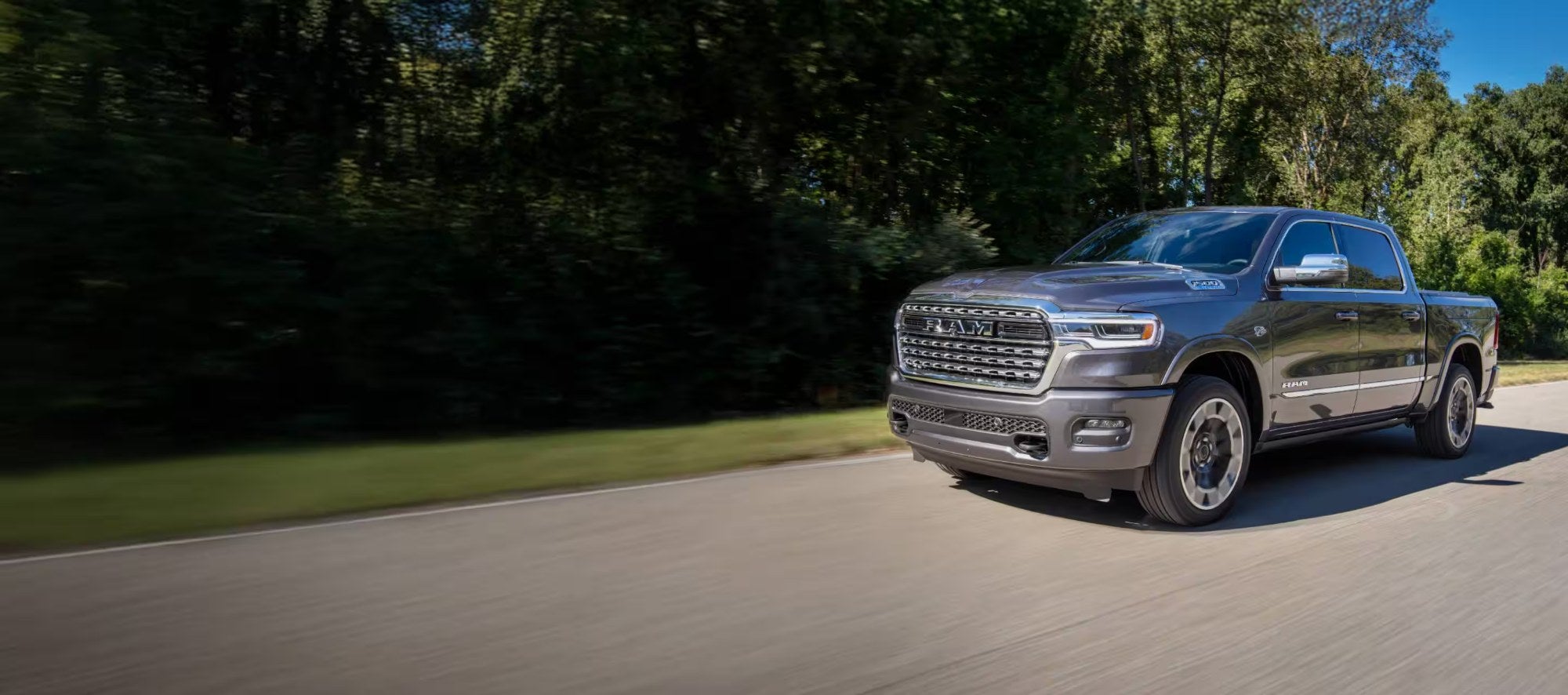
2026 Ram 1500 Limited Crew Cab on a country road

Which Ram Truck Should I Buy? A Plain Guide to Cab, Bed and Engine

THE SHORT ANSWER For most Long Island drivers, a Ram 1500 Crew Cab with the shorter bed and 4x4 covers daily driving, family trips and light towing. Step up to a 2500 or 3500 only if you tow something heavy often or haul for work. Choose the engine based on how much and how often you tow, not on bragging rights. Picking a Ram truck gets easier once you split it into three questions: which cab, which bed, and which engine. At Town & Country Jeep Chrysler Dodge Ram in Levittown, NY, we hear the same handful of questions from shoppers every week, so here are plain answers to each one. Read it through, jot down what matters to you, and you'll walk onto the lot knowing what to look at. IN THIS POST Should I get a Ram 1500 or a 2500/3500? Which cab is right for me? What bed length should I pick? Which engine should I get? Do I need 4x4, and which trim makes sense? How do I narrow it down and shop smart? Key takeaways Should I get a Ram 1500 or a 2500/3500? For most people, the answer is the Ram 1500. It's the half-ton, built for everyday driving with real truck ability behind it: hauling mulch from the garden center, pulling a small boat to a South Shore ramp, or getting a few coworkers to the job site. It rides closer to a big SUV than you might expect, which matters when half your miles are on Hempstead Turnpike. The Heavy Duty trucks, the 2500 and 3500, are a different tool. They're made for people who tow heavy and often, like a large camper, a car trailer, or a landscaping rig loaded five days a week. You give up some comfort for that muscle: a stiffer ride, a bigger footprint, and higher running costs. Here's a quick gut check: Commuting, weekend projects, light towing: 1500 Towing something heavy most weekends, or for a living: 2500 Maximum payload, dual rear wheels, commercial work: 3500 On the fence? Find out what your trailer and gear really weigh before you shop, then compare that against the ratings on the specific truck you're considering. You can browse new Ram trucks in stock to see how the lineup breaks down right now. Which cab is right for me? Ram builds several cab styles, though what's offered depends on the model and year: Regular Cab: two doors, one row of seats. A favorite for work trucks. Quad Cab: four doors with a smaller back seat, fine for kids or the occasional passenger. Crew Cab: four full-size doors and a rear seat adults can ride in comfortably. Most families land here. Mega Cab: Heavy Duty only, with even more rear legroom. Think about who rides in back and how often. A roomy rear seat keeps your teenagers from complaining on the way out east, and the back floor doubles as locked, dry storage for tools or groceries. On Long Island, there's a catch: overall length. A bigger cab usually means a longer truck, and Levittown driveways, mall parking lots and older garages get tight fast. Measure your driveway and garage before you fall for a big cab paired with a long bed. Your best move is to sit in the back seat yourself, then try parking it somewhere you'd normally park. When you book a test drive, ask to spend a few minutes in a crowded lot, not just on the open road. What bed length should I pick? Ram trucks generally come with a shorter bed, a standard bed, or a long bed, and the cab you choose limits which ones are available. Bigger cabs tend to pair with shorter beds to keep the truck from getting unwieldy. How to decide Ask yourself what you actually haul. If it's coolers, bikes, bags of soil and the odd piece of furniture, a shorter bed handles it, and the truck is easier to park. If you regularly carry full 4x8 sheets of plywood or drywall flat with the tailgate closed, or you plan to mount a slide-in camper, look hard at a long bed. A lot of people overbuy here. You can always drop the tailgate for the occasional long load, but you'll live with a longer truck in every parking spot, every day. Features worth a look Some Ram 1500 models offer the RamBox storage bins built into the bed rails, which are handy for tools, wet beach gear or a drained cooler. A split, swing-open tailgate on certain trims makes reaching into the bed easier, too. Bedliners, tonneau covers and tie-down kits make any bed more useful, and our parts department can help you choose ones that fit your truck. Which engine should I get? Engine choice comes down to how much you tow and how often. Ram's lineup shifts from year to year, so check what's offered for the model year you're shopping. Ram 1500 Recent 1500s use the Hurricane twin-turbo six-cylinder, which comes in a standard version and a higher-output version. The standard one suits most commuting and light towing. Opt for the stronger version if you tow regularly or just want quicker merges onto the Southern State. Depending on the year, the familiar HEMI V8 may also be available if you prefer a V8's sound and feel. Heavy Duty The 2500 and 3500 offer a gas HEMI V8 or the Cummins turbo-diesel. That diesel is the pick for big, frequent towing. It pulls hard at low speeds and feels relaxed with a heavy trailer behind it. Diesel isn't free, though. It costs more upfront, needs diesel exhaust fluid, and its emissions system is happiest on longer runs. If your driving is mostly short hops around Nassau County, the gas V8 is often the smarter fit. Do I need 4x4, and which trim makes sense? For Long Island, 4x4 is worth it for most buyers. A pickup with an empty bed is light over the rear wheels, and that shows up fast on snowy side streets or a slick, weedy boat ramp at low tide. It also holds its value well when you trade the truck in later. Two-wheel drive can make sense for a work truck that sticks to paved roads and won't see much winter. Picking a trim Ram trims run from simple to plush, and names vary by model and year. Roughly: Tradesman: work-focused, durable, fewer frills Big Horn: the popular middle ground with the comfort features most people want Laramie: leather, bigger screens, more driver-assist tech Rebel: off-road tuning and tougher looks Limited and above: luxury-level interiors Spend on the things you'll touch every day, like seats, the infotainment screen and safety tech, before paying for looks. Want a higher trim without new-truck pricing? A certified pre-owned Ram can put you in a nicer truck that's been inspected and comes with extra coverage. How do I narrow it down and shop smart? Put your answers together in this order and the choice usually makes itself: What you tow and haul (1500 or Heavy Duty) Who rides with you (cab) Where you park (bed length and overall size) How hard you tow (engine) Where you drive in winter (4x4) What you'll use daily (trim) Bring that short list in and test-drive two or three trucks back to back. Small differences in ride, seat comfort and visibility stand out when you switch from one truck to the next in the same afternoon. Got a vehicle to trade? Get a number before you visit using Town & Country's online trade-value tools, so you know where you stand. You can value your trade from home in a few minutes. If you plan to finance, set a monthly budget first and shop to it rather than the other way around. Approval and rates depend on your credit and the lender, so it helps to talk options through with our team early. And keep in mind that a slightly less loaded truck you're comfortable paying for beats a stretch you'll resent. Where 3156 Hempstead Tpke Levittown, NY Call (516) 271-3278 KEY TAKEAWAYS Start with what you tow and carry: that decides 1500 versus Heavy Duty before anything else. Cab and bed choices set the truck's overall length, so measure your driveway and garage first. Test-drive the exact cab, bed and engine combination you're considering, including a tight parking lot. FAQ Common questions What's the difference between towing capacity and payload? Towing capacity is how much the truck can pull behind it on a hitch. Payload is how much weight it can carry in the cab and bed, including passengers, gear and the tongue weight of a trailer. Both drop as you add heavier options, so look up the ratings for the exact truck you're considering. Will a Ram fit in my garage? It depends on the cab, bed and your garage. Many older Long Island garages are short, so measure length, width and door height, then compare with the specific truck. If it's close, bring a tape measure to your test drive. Should I buy new or used? New gets you the latest engines, tech and full factory warranty. A used or certified pre-owned Ram can get you more truck for your budget, especially if you want a higher trim. Driving both back to back usually makes it clear which one feels right. Can I get help with my truck after I buy it? Yes. Town & Country Jeep Chrysler Dodge Ram has dedicated sales, service and parts departments, and offers service and parts support after the purchase, whether that's routine maintenance or adding a bedliner or hitch down the road. Want to see it in person? Come by for a test drive, or browse what is on the lot right now. Schedule a test drive Browse new inventory Or call (516) 271-3278 · 3156 Hempstead Tpke, Levittown Or keep browsing Current offers Financing Value your trade Book service Contact us Used cars
Signing a lease contract with keys on the desk

Jeep Lease Specials on Long Island: How Leasing Works

When you lease a Jeep, you pay for the value it loses during your term, plus a finance charge and tax. At the end, you return it, buy it or trade it. Lease specials depend on specific terms and credit, so check the amount due at signing, the mileage and the term before you compare payments. Jeep lease specials show up all over Long Island, from radio spots to ads on your phone, and the payments can look almost too simple. Behind any one of them sits a handful of terms that decide what you really pay. Town & Country Jeep Chrysler Dodge Ram in Levittown serves Nassau, Suffolk and Queens, and these are the lease questions we hear most. What am I actually paying for when I lease a Jeep? You're paying for the part of the Jeep's value you use up, plus a finance charge and tax. There's nothing more mysterious to it than that. These pieces set your payment: Capitalized cost: the agreed price of the vehicle, which you can negotiate the same way you would on a purchase Residual value: what the lender expects the Jeep to be worth at lease end, set by the lender, not the dealer Money factor: the lease version of an interest rate, tied to your credit Fees for acquisition, registration and title A model that holds its value well tends to lease well, because the gap between price and residual is smaller. In New York, sales tax is figured on your total lease payments and is generally due at signing, though you can often roll it into the monthly amount. Our payment calculators and shopping tools let you test a bigger or smaller down payment. You can also look over our financing options before you come in. How do I read a lease special without getting surprised? Start with the fine print, not the big payment. An advertised lease is built on a specific trim, term, mileage allowance and amount due at signing. It usually assumes top-tier credit. What to check Due at signing: whether it covers only the first payment or also a down payment, fees and tax Miles per year, and the per-mile charge for going over Term length, since a longer lease can lower the payment while costing more overall Whether the advertised trim is the one you'd actually want Comparing offers fairly A low payment with a large amount due up front isn't always the better deal. Add up everything you'll pay over the full lease, then divide by the number of months. That gives you your true monthly cost. Our current Jeep offers spell out their terms, so you can run that math on any two deals side by side. How many miles should I lease for on Long Island? Pick an allowance based on how you really drive, not how you hope to drive. Overage is charged per mile when you turn the Jeep in, and it adds up quietly. Think through a normal week. A daily run on the LIE or Northern State into Queens or the city stacks miles much faster than a short hop to the train station. Summer weekends out east to the Hamptons or Montauk count too, and so do trips upstate and visits to family off the island. Buying extra miles at the start usually costs less than paying overage at the end. If you're torn between two allowances, go with the higher one and enjoy not watching the odometer. Not sure which Jeep fits your routine? Book a test drive and take it on the Wantagh or Southern State, the roads you actually use, before you settle on a term. What happens when my Jeep lease ends? You have three basic choices: hand it back, buy it, or trade it for something new. The right call depends on what the Jeep is worth compared with the buyout price in your contract. Handing it back or buying it If you return it, expect an inspection for excess wear, plus a charge for any miles over your allowance. Excess wear means things like curb-rashed wheels, deep scratches or bald tires. Staying on top of maintenance through our service department helps. Fixing small damage before turn-in is often cheaper than the charge. Using your equity Some Jeeps are worth more than their buyout at lease end. When that happens, the difference can go toward your next vehicle, so it pays to check in with us a few months early. Town & Country Jeep Chrysler Dodge Ram is a full-service Chrysler, Dodge, Jeep and Ram dealership in Levittown, so your inspection, maintenance and next lease can all happen under one roof. Where 3156 Hempstead Tpke Levittown, NY Call (516) 271-3278 KEY TAKEAWAYS Your payment comes from the negotiated price, the residual value, the money factor and New York sales tax. Compare lease offers by total cost over the full term, not by the monthly payment alone. Choose a mileage allowance that matches your real Long Island driving, because overage charges add up at turn-in. FAQ Common questions Can I lease a Jeep if my credit isn't great? You can apply, and plenty of people with less-than-perfect credit lease. Approval and the money factor you're offered come down to the lender's review, so an advertised special may not apply to you. A larger amount up front or a cosigner sometimes helps, but nothing is settled until the lender decides. Can I put a lift or bigger tires on a leased Wrangler? Small add-ons that come off cleanly are usually fine. Lifts, oversized tires, regearing, or anything that requires cutting or drilling can lead to charges, or a requirement to return the Jeep to stock before turn-in. Check your contract or ask us before you modify. Can I get out of a Jeep lease early? Yes, but it can get expensive, because you'll owe the remaining payments or a payoff amount. Some drivers trade in early when the Jeep is worth more than the payoff. Ask for a payoff quote and compare it with the vehicle's current value before you decide. Know your numbers before you shop Our finance team can walk you through options that fit your budget. Apply for financing Value your trade Or call (516) 271-3278 · 3156 Hempstead Tpke, Levittown Or keep browsing Current offers New inventory Used cars Contact us Certified pre-owned Used specials

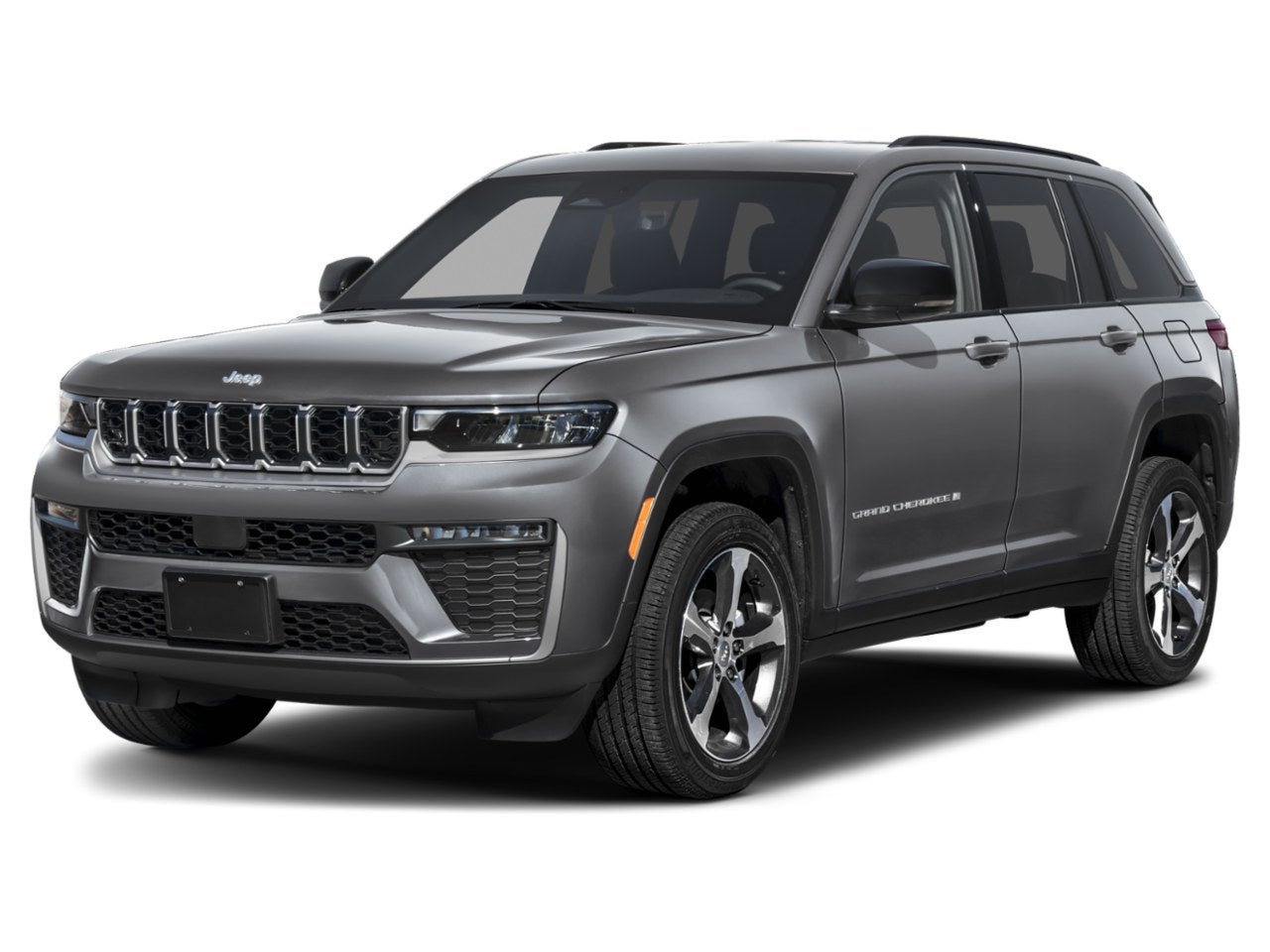
2027 Jeep Grand Cherokee Laredo X 4x2 front three-quarter exterior

Which Jeep Grand Cherokee Trim Fits a Nassau County Commute?

THE SHORT ANSWER For a typical Nassau County commute, the Laredo Altitude trim offers a balanced combination of 324 horsepower and 23 combined MPG starting at $39,730 MSRP. Drivers seeking standard four-wheel drive and elevated cabin finishes will find the Limited Reserve or Laredo X well-suited for snowy weather along the Northern State Parkway. Town & Country Jeep Chrysler Dodge Ram in Levittown helps drivers throughout Long Island select the ideal SUV for their daily drives. Merging steady highway performance with spacious cabins, the 2027 Jeep Grand Cherokee provides multiple trim levels to match different parkway routes. Selecting the right setup comes down to your preferred engine feel, standard drivetrain, and luxury features. IN THIS POST Navigating Long Island Highways in a Grand Cherokee Laredo & Laredo Altitude: Entry Trims with Daily Efficiency Laredo X: Standard Four-Wheel Drive Confidence Limited & Limited Reserve: Upgraded Comfort on Parkways Trailhawk: Rugged Capability for Year-Round Drivers Summit & Overland: Top-Tier Refinement for Commuters Practical Everyday Utility: Seating and Cargo Space Across Trims Financing and Shopping Tools at Town & Country Jeep Chrysler Dodge Ram Key takeaways Navigating Long Island Highways in a Grand Cherokee Merging onto the Northern State Parkway or keeping pace on the Long Island Expressway demands smooth power output and surefooted stability. Commuters heading west toward Queens or east across Nassau County experience a mix of stop-and-go delays and open highway cruising. Finding an SUV that handles these quick speed adjustments without draining your gas tank makes every mile easier and less stressful. Tailoring Your Ride to Local Roads Traffic patterns around Levittown change rapidly depending on the time of day and season. Having dependable horsepower helps you merge with confidence, while a balanced suspension isolates your cabin from pavement ruts and seasonal potholes. Taking time to inspect our new inventory allows you to compare models built to handle unpredictable eastern commute conditions. Long Island drivers often balance quick suburban errands with extended freeway trips. Choosing a trim that aligns with your daily mileage and driving style ensures you stay comfortable regardless of how heavy traffic gets. Laredo & Laredo Altitude: Entry Trims with Daily Efficiency Starting at an MSRP of $39,730, the Laredo trim equips drivers with a reliable 3.6-liter Pentastar V-6 engine. Producing 293 hp, this powertrain achieves an estimated 19 MPG city, 26 MPG highway, and 22 MPG combined. It offers a solid foundation for commuters who want traditional six-cylinder performance on local parkways. Upgrading to Turbocharged Performance Sharing the same $39,730 starting MSRP, the Laredo Altitude trim shifts performance up a notch with a 2.0 liter Hurricane Turbo 4 engine. Delivering a robust 324 hp, it raises fuel efficiency to 21 city, 26 highway, and 23 combined MPG. This extra power and slightly improved mileage make it an appealing choice for rapid highway merging. You can explore current offers to see available savings on these efficient entry options. Both of these initial trims give commuters essential comfort and reliable mechanics without pushing into higher price brackets. Drivers who prioritize straightforward mechanical design and solid efficiency will find these two configurations meet daily needs effectively. Laredo X: Standard Four-Wheel Drive Confidence Winter storms frequently bring slick patches and slush to the Seaford-Oyster Bay Expressway and local neighborhood avenues. The Laredo X trim comes priced at $41,730 MSRP and includes four-wheel drive as standard equipment. Powered by a 3.6 L 6-cylinder engine generating 293 HP @6400 RPM, it maintains steady control when road surfaces deteriorate. Fuel ratings hold steady at 19 city, 26 highway, and 22 combined MPG. Four-wheel traction helps prevent slipping during early morning winter starts. Comfortable cabin seating supports long drives during unexpected traffic delays. Having permanent all-weather traction gives commuters peace of mind throughout changing northeastern seasons. If you want to check out pre-owned options with similar capability, feel free to inspect our used cars. Limited & Limited Reserve: Upgraded Comfort on Parkways Stepping up to the Limited trim at $45,130 MSRP brings refined interior appointments while retaining the proven 3.6-liter Pentastar V-6 engine. You get 293 hp along with the familiar fuel economy rating of 22 combined MPG. This setup balances premium interior convenience with smooth, predictable acceleration during daily trips across Nassau County. Luxury Meets Turbo Power Priced at $47,130 MSRP, the Limited Reserve trim pairs an upgraded interior with a 2 L 4-cylinder engine. Generating 324 HP @6000 RPM, this model includes four-wheel drive to handle sudden downpours or heavy snow. Mileage is rated at 20 city and 25 highway MPG, giving you responsive throttle feel when passing slower traffic. You can speak with our finance team regarding financing options to match this trim into your monthly budget. Higher interior finishes and added convenience features convert long periods sitting on the parkway into productive, pleasant time. Drivers who spend upwards of an hour behind the wheel each day will appreciate the added quietness and seating support found in these trims. Trailhawk: Rugged Capability for Year-Round Drivers Drivers who occasionally head off the paved path or want maximum winter grip will appreciate the Trailhawk trim. Carrying an MSRP of $53,030, this model comes standard with four-wheel drive and a 2.0 liter Hurricane Turbo 4 engine. Producing 324 hp, it delivers immediate throttle response whether you accelerate on a highway entrance ramp or navigate unpaved staging areas. Despite its rugged design, fuel efficiency remains strong at 21 city and 26 highway MPG. The confident ride quality cushions rough road transitions throughout Levittown and surrounding shorelines. Drivers searching for excellent value in well-maintained models can browse our certified pre-owned selection for great choices. Substantial ground clearance and dedicated hardware make this trim an exceptional pick for drivers who refuse to let inclement weather interrupt their schedule. It combines serious mechanical capability with the refined road manners required for daily commuting. Summit & Overland: Top-Tier Refinement for Commuters For commuters who view their daily vehicle as a personal sanctuary, the Summit trim sits at $61,130 MSRP. Rated at 20 city, 25 highway, and 22 combined MPG, it delivers a quiet ride along with top-tier interior craftsmanship. High-grade cabin materials and advanced acoustic design turn stressful traffic jams into relaxing personal downtime. Alongside the Summit, the Overland trim caters to drivers who demand top-end luxury features alongside authentic Jeep capability. Both models focus on reducing driver fatigue through ergonomic seat contours and intuitive dashboard layouts. If you have questions about specific feature availability, you can easily contact us for personalized assistance. Investing in a top-tier model ensures every mile driven across Long Island feels pampered and stress-free. Premium technology integration keeps you connected to your schedule while keeping your focus firmly on the road ahead. Practical Everyday Utility: Seating and Cargo Space Across Trims Commuting involves more than just driver comfort; it often requires hauling work gear, sports equipment, or luggage. Every 2027 Grand Cherokee model features standard seating for 5 passengers with generous legroom in both rows. Passengers remain comfortable even during extended trips across Long Island. Behind the second row, you will find 37.7 cu ft of cargo room across all trim configurations. That interior space easily handles tools, athletic equipment, or weekly grocery runs without crowding the cabin. When preparing to upgrade your vehicle, you can use our digital tools to value your trade online before visiting the showroom. Consistent dimensions across every trim mean you never have to sacrifice cargo volume when selecting a higher trim level or a different engine. You get full practical utility regardless of whether you choose an entry model or a top-spec luxury trim. Financing and Shopping Tools at Town & Country Jeep Chrysler Dodge Ram Finding the right SUV becomes much simpler when you have access to clear digital tools before visiting our showroom. At Town & Country Jeep Chrysler Dodge Ram, we provide helpful payment calculators and shopping tools so you can review monthly figures on your own schedule. You can also utilize our online trade-value tools to evaluate your current car in minutes. Our dealership collects specific ownership benefits under "Only at TC Jeep" to give local buyers added peace of mind. If you prefer the quick response of the Hurricane Turbo engine or the smooth output of a classic V-6, our team stands ready to assist. Schedule a time to book a test drive in Levittown and experience these trims on local roads. Our commitment is to provide transparent guidance every step of the way as you select your next commuting vehicle. Visit us in Levittown to explore the lineup and discover why so many Long Island commuters trust our team. Where 3156 Hempstead Tpke Levittown, NY Call (516) 271-3278 KEY TAKEAWAYS Fuel efficiency ranges up to 26 highway MPG, making turbo and V-6 options well-suited for Long Island routes. Standard four-wheel drive is included on trims like the Laredo X, Limited Reserve, and Trailhawk for winter driving. Every trim delivers 37.7 cubic feet of cargo space and seating for 5 passengers to fit equipment and daily gear. FAQ Common questions What is the most fuel-efficient 2027 Grand Cherokee trim for highway driving? Trims equipped with the 2.0 liter Hurricane Turbo 4 engine, such as the Laredo Altitude and Trailhawk, reach up to 26 MPG on the highway with 23 combined MPG. The 3.6-liter Pentastar V-6 trims also reach 26 highway MPG while delivering 22 combined MPG. Which Grand Cherokee trims include four-wheel drive as standard? Standard four-wheel drive comes on the Laredo X, Limited Reserve, and Trailhawk trims. This provides additional traction for winter driving along Long Island parkways. How much cargo space does the 2027 Grand Cherokee provide for daily commuting? All trims feature 37.7 cubic feet of rear cargo space behind the second row. That capacity easily fits commuting bags, tools, or recreational gear. How many passengers does the 2027 Jeep Grand Cherokee seat? The 2027 Grand Cherokee seats 5 passengers across all trim levels, including Laredo, Limited, Trailhawk, Summit, and Overland. What engine options are available on the 2027 Grand Cherokee? You can choose between a 3.6-liter Pentastar V-6 engine with 293 hp or a 2.0-liter Hurricane Turbo 4 engine producing 324 hp, depending on the trim level you select. Want to see it in person? Come by for a test drive, or browse what is on the lot right now. Schedule a test drive Browse new inventory Or call (516) 271-3278 · 3156 Hempstead Tpke, Levittown Or keep browsing Current offers Financing Value your trade Book service Contact us Used cars
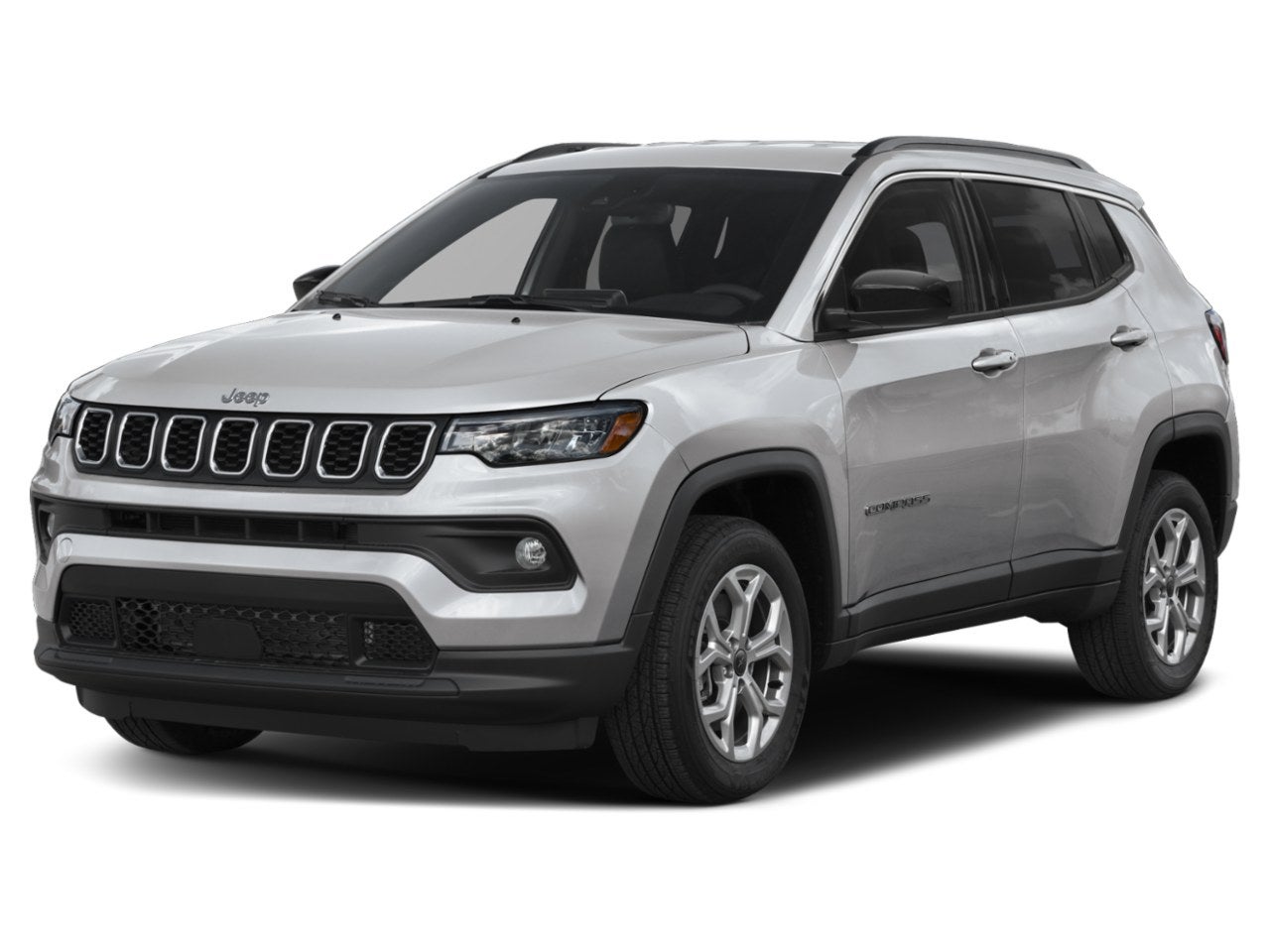
How Car Loan Terms Change What You Pay

How Car Loan Terms Change What You Pay

THE SHORT ANSWER A longer loan term lowers your monthly payment but usually raises what you pay overall. Interest builds for more months, and longer loans often carry higher rates. A shorter term costs more each month but less in total, so compare the total of payments on each offer, not just the monthly number. Does a lower monthly payment actually save you money, or does it just spread the cost out? It's one of the questions we hear most often at Town & Country Jeep Chrysler Dodge Ram, a full-service Chrysler, Dodge, Jeep and Ram dealership in Levittown. The honest answer comes down to the length of your loan. Once you see how the term works, comparing offers gets a lot easier. IN THIS POST What a Loan Term Really Means Why Longer Terms Feel So Affordable Where the Extra Cost Hides Longer Terms Often Come With Higher Rates The Equity Trap on Long Loans Down Payment and Trade-In Change the Math Match the Term to How Long You'll Keep It The Expert Tip: Decide on the Total, Then the Payment Key takeaways What a Loan Term Really Means Your loan term is how many months you'll take to pay back what you borrowed. Most auto loans run somewhere between three and seven years. Three pieces work together on every loan: the amount you finance, the interest rate, and the term. Change any one of them and your monthly payment moves. Stretch the term, and that payment drops. Shorten it, and the payment rises, but the loan is gone from your life sooner. Here's the part that trips a lot of folks up. A monthly payment is not the cost of the loan. It's only one slice. What you actually pay is that monthly amount multiplied by every month of the term, and that total is the number worth watching. We'll build from there one step at a time. By the end, you'll be able to look at any offer and know what it really costs you. Why Longer Terms Feel So Affordable When you spread the same balance over more months, each payment carries a smaller share of it. That's why a longer term can bring a vehicle that felt out of reach into your budget. The relief is real, and for some households it's the right call. Picture the balance as a pie. Cut it into more slices and each one gets thinner, but you still pay for the whole pie, plus interest on whatever's left each month. A lower payment can also leave room for things that matter, like building a savings cushion or covering insurance on a newer vehicle. Those are good reasons. People get into trouble when they choose the longest term just because the payment looks nicest, without asking what it adds up to. A quick gut check Before you settle on a term, ask yourself two questions: Could I comfortably handle a somewhat higher payment if it meant finishing years sooner? Will I still want this vehicle when the last payment is due? If you answer yes to both, a shorter term deserves a serious look. Where the Extra Cost Hides Interest is charged on the balance you still owe. On a longer loan, that balance comes down more slowly, so more of it sits there collecting interest month after month. Even at the exact same rate, a longer term almost always means paying more interest in total. Early in any loan, more of each payment goes toward interest and less goes toward the balance. That mix flips as the months pass. A longer term keeps you in the interest-heavy stretch for more time. This is why two offers with similar payments can cost very different amounts. One might finish years earlier. Another might quietly add a meaningful sum in interest, and the payment line alone won't show you which is which. How to see the real cost Ask for the total of payments on any offer you're considering. Federal Truth in Lending rules require lenders to show you the amount financed, the finance charge, the APR and that total before you sign. Put those side by side for two or three terms, and the tradeoff becomes clear in about a minute. Longer Terms Often Come With Higher Rates Many shoppers don't expect this next part: lenders often charge a higher APR on longer loans. More years give more time for something to go wrong, so lenders price in that risk. Your credit history, the vehicle's age and each lender's own policies also affect the rate. So stretching a term can cost you twice. You pay interest for more months, and you may pay a higher rate in every one of them. Rates vary from lender to lender and change over time, so it's smart to see a few before deciding. Ask for the rate quoted at more than one term. How the APR shifts as the months grow tells you a lot about which option makes sense. Our financing team can walk you through options from different lenders and show how each term changes both the rate and the total. Approval and terms always depend on the lender and your credit. Either way, you'll understand exactly what's in front of you before you commit to anything. The Equity Trap on Long Loans Cars lose value over time, and they usually lose it fastest in the first few years. A loan balance shrinks only as fast as your term allows. If the balance falls more slowly than the vehicle's value, you owe more than the car is worth. That's called being upside down, or having negative equity. Long terms make this much more likely, because the early payments are mostly interest and the balance barely moves. That isn't a problem as long as you keep the car and keep paying. It becomes one if your life changes. When it bites Negative equity usually shows up in moments like these: You want or need a different vehicle before the loan is paid off. The car is totaled or stolen, and insurance pays its value rather than your balance. Your family grows or your commute changes, and the vehicle no longer fits. In a trade, the leftover balance often gets rolled into the next loan, so that loan starts deeper in the hole. Gap coverage can help if the car is totaled or stolen, and it's worth asking about on any long loan. Down Payment and Trade-In Change the Math The less you borrow, the less any term costs you. A solid down payment shrinks the balance from day one. That lowers both the payment and the total interest, and it gives you a head start against depreciation. A trade-in works the same way. If you own your current vehicle outright, or owe less than it's worth, that equity can go toward your next one. Before you shop, take a minute to value your trade so you walk in knowing roughly where you stand. Putting more down also gives you a useful choice. You can keep the payment you'd planned and shorten the term, or keep the term and enjoy a lower payment. Either way, you finance less and pay less interest overall. If your trade still has a loan on it, ask your lender for the payoff amount. Compare that payoff to the trade value to see whether you're bringing equity to the deal or carrying a balance forward. That one fact should shape which term makes sense next. Match the Term to How Long You'll Keep It A simple rule works well for most people: try not to be paying on a vehicle longer than you plan to drive it. If you usually switch vehicles every four or five years, a loan that runs well past that almost certainly means carrying a balance into your next purchase. Consider the vehicle's age, too. On a brand-new model, a moderate term lines up with the years it will likely feel fresh and stay under factory coverage. Used vehicles have already taken their biggest drop in value, which helps with equity. A very long loan on an older car, though, can outlast the years when it's cheap to own. Certified pre-owned vehicles fall in between, with the extra inspection and coverage that come with the program. Town & Country Jeep Chrysler Dodge Ram carries new, used and Certified Pre-Owned vehicles, so you can compare how the same budget works across all three. Plan for maintenance as well. Budget for tires, brakes and routine service alongside your payment, especially as the loan gets close to its end. The Expert Tip: Decide on the Total, Then the Payment Here's what I'd tell a friend. Most people start with the payment they want and work backward, and that's exactly how long terms sneak in. Flip it around. Settle on a vehicle and a total you're comfortable paying, then pick the shortest term whose payment you can handle without strain. A good way to do it: Get quotes at two or three terms, not just one. Compare the APR and the total of payments for each. Choose the shortest term that still leaves breathing room in your monthly budget. Confirm the loan has no prepayment penalty, so you can pay extra when you're able. That last point is a quiet power move. With no prepayment penalty, you can take a longer term for flexibility and still send extra money toward principal whenever you can. That shortens the loan on your own schedule. Just make sure your lender applies extra payments to principal. We serve Nassau, Suffolk and Queens, and we're always glad to run side-by-side comparisons with you. Reach out to our team any time you'd like a second set of eyes on an offer. Where 3156 Hempstead Tpke Levittown, NY Call (516) 271-3278 KEY TAKEAWAYS Stretching the term shrinks the payment but almost always grows the total cost. Long loans raise the odds of owing more than the vehicle is worth. Pick the shortest term you can comfortably afford, and make sure you can pay extra without a penalty. FAQ Common questions Can I pay off my car loan early? Often, yes, but check the contract first. Some loans carry a prepayment penalty, and others don't. If yours doesn't, extra payments applied to principal shorten the loan and cut the total interest you pay. Is a very long loan ever a good idea? It can be, if the lower payment keeps your budget healthy, you plan to keep the vehicle for the whole term, and you understand you'll pay more interest overall. It works best when you can make extra payments along the way or put a solid amount down to limit negative equity. Can I refinance if I'm unhappy with my term later? Many drivers do. Refinancing replaces your current loan with a new one, possibly at a different rate or term. Whether it helps depends on your credit, your remaining balance, the vehicle's value and what lenders offer at the time. Compare the new total of payments with what you'd pay by keeping your current loan. Ready to get started? View New Specials Browse new inventory Or call (516) 271-3278 · 3156 Hempstead Tpke, Levittown Or keep browsing Financing Value your trade Used cars Contact us Certified pre-owned Used specials

DIY Parts Swaps for Your Chrysler

DIY Parts Swaps for Your Chrysler

THE SHORT ANSWER Plenty of Chrysler parts swaps are fair game for a home mechanic. Wiper blades, engine and cabin air filters, and many bulbs need only basic tools and a little patience. Order by VIN, keep your receipts, and leave brakes, airbags and anything that needs a scan tool to a trained technician. Before you buy a single part for your Chrysler, find your 17-character VIN. It's on the lower corner of the windshield on the driver's side and on the sticker inside the driver's door jamb. Ordering by that number is the easiest way to make sure the blade, filter or bulb you bring home actually fits. At Town & Country Jeep Chrysler Dodge Ram in Levittown, we see plenty of owners who like doing their own work, and a handful of myths trip people up again and again. IN THIS POST Myth: If it fits, it's the right part Myth: Doing it yourself voids your warranty Myth: Filters and wipers are a job for the shop Myth: A battery swap is just two bolts Myth: Brakes and bulbs are simple Saturday jobs Myth: The dealer only wants to sell you labor Key takeaways Myth: If it fits, it's the right part It's easy to assume a filter or bulb that slides into place is good to go. Not quite. Two Chryslers from the same model year can use different parts depending on trim, engine and options. A part that almost fits can rattle, let air leak around the edges or trigger a warning light. Order by VIN, not by model name. Your VIN tells the parts system exactly how your vehicle left the factory, so you get a match for your car and not a close cousin. Genuine vs. aftermarket You'll find two broad kinds of parts out there: Genuine Mopar parts are built to the factory design for your vehicle. Aftermarket parts come from other makers, and their quality runs from excellent to barely adequate. For simple items like wiper blades, a quality aftermarket brand can be perfectly fine. For sensors, electrical connectors and anything tied to a safety system, sticking with factory parts takes a lot of the guesswork out. Not sure which way to go? Our parts department can look up your VIN and show you what the factory calls for. Myth: Doing it yourself voids your warranty This one scares a lot of people off, and it shouldn't. A federal law, the Magnuson-Moss Warranty Act, generally prevents a manufacturer from denying warranty coverage just because you did the work yourself or used a non-factory part. To turn down a claim, the manufacturer typically has to show that the part or the work caused the problem. That protection works best when you can prove what you did. Keep a paper trail Save dated receipts for every part and fluid. Write down the mileage when you do the job. Snap a quick photo of the new part installed, or of the old one sitting next to it. Follow the maintenance schedule in your owner's manual instead of guessing. Where DIY can hurt you is a botched install. If a filter is seated wrong and something downstream gets damaged, that repair may not be covered. Take your time and follow the steps. If a job starts going sideways, stop before you make it worse. A tidy logbook pays off later, too. When it's time to value your trade, it shows the vehicle was cared for. Myth: Filters and wipers are a job for the shop Honestly, these are the best place to start. Wiper blades usually unclip from the arm with a small tab, and new ones snap on in a couple of minutes. Engine air filters sit in a housing under the hood that's held shut by clips or a few screws. On many vehicles, you'll find the cabin air filter tucked behind the glove box. How to do it without breaking anything Check your owner's manual first. It shows where the part lives and the right way to get to it. Lay a towel on the windshield before you swap blades, so a bare wiper arm can't snap back and crack the glass. Note which way the airflow arrow points on the old filter, and install the new one the same way. Go easy on plastic clips. They get brittle and break easily in a Long Island winter. Start with the easy wins. You'll build confidence and get a feel for how your Chrysler is put together. A fresh cabin filter can make a noticeable difference in how clean the air inside feels, especially during spring pollen season. And if a clip does snap, a replacement is usually an easy order. Myth: A battery swap is just two bolts Physically, sometimes it is. Modern Chryslers carry a lot of electronics, though, and cutting the power can have side effects you don't expect. Radio presets, seat and mirror memory, and one-touch windows may need to be reset or relearned afterward. Your owner's manual walks you through those steps. Get the right battery Vehicles with engine stop/start usually need a specific battery type, often an AGM battery. A cheaper standard battery may not hold up to all that restarting. Match the type your vehicle calls for, not just the size that fits the tray. On some models, the battery isn't under the hood at all, so check the manual before you go hunting for it. Safety basics Wear eye protection and gloves. Disconnect the negative cable first and reconnect it last. Keep metal tools from touching both terminals at once. Take the old battery to a retailer or recycler. Don't toss it in the trash. If warning lights stay on after the swap, or something electrical starts acting strange, that's your cue to bring in a technician with a proper scan tool. Myth: Brakes and bulbs are simple Saturday jobs Some bulbs are. Others are anything but. On many newer vehicles, the headlamps are sealed LED assemblies rather than a bulb you twist out, and getting to them can mean removing trim or loosening the bumper cover. Interior lights and some exterior bulbs are still easy, so check the manual before you commit a weekend. Why brakes are different Brakes are where we'd urge real caution. Many newer vehicles, including a number of Chrysler models, use an electronic parking brake. On those, the rear calipers often have to be put into a service mode with a scan tool before you can change the pads. Forcing the piston back by hand can damage the caliper motor. There's more to a brake job than pads, too: Bolts have to be tightened to the correct torque. Rotors should be checked for wear and thickness. Brake fluid absorbs moisture over time and should be tested. If you don't have the right tools and experience, this is a smart job to hand off. You can book service and have it done right the first time. Myth: The dealer only wants to sell you labor We get why people think that. Plenty of our customers do their own maintenance, though, and we're glad to help them do it well. Town & Country Jeep Chrysler Dodge Ram has dedicated sales, service and parts departments. That means the person you talk to at the parts counter is focused on parts, with no sales pitch in between. What to do next Grab your VIN and note your mileage. Pick one easy job, like wipers or a cabin filter, and read that section of your manual. Order the part by VIN so it fits the first time. Keep the receipt and jot the job down in your logbook. Save brakes, airbags and anything that needs a scan tool for a technician. Got questions before you start? Contact our team with your VIN and what you're planning. Someone can point you to the right part or give you a straight answer on whether a job is worth handing off. Doing the small stuff yourself is a great way to get to know your vehicle and keep it in good shape. Where 3156 Hempstead Tpke Levittown, NY Call (516) 271-3278 KEY TAKEAWAYS Order parts by your VIN, not just the model name, so they match how your vehicle was built. Doing your own maintenance generally won't void your warranty, but you need receipts to prove the work was done. Start with wipers and filters, and hand off brakes, airbags and scan-tool jobs. FAQ Common questions Where do I find my Chrysler's VIN? Look at the lower corner of the windshield on the driver's side, or on the sticker inside the driver's door jamb. It's also printed on your registration and insurance card. Will aftermarket parts void my warranty? Generally, no. Under the Magnuson-Moss Warranty Act, coverage usually can't be denied just because you used a non-factory part. If that part causes damage, though, the repair may not be covered, so choose quality parts and keep your receipts. Do I need to reset anything after changing the battery? Often, yes. Radio presets, seat and mirror memory, and one-touch windows may need to be reset or relearned. Your owner's manual has the steps. If warning lights stay on afterward, have a technician scan the system. Can I buy genuine Mopar parts if I'm installing them myself? Yes. The parts counter sells to do-it-yourselfers. Bring your VIN, and they can look up the exact part your vehicle calls for. How do I know a job is beyond DIY? If it involves brakes, airbags, steering, suspension springs or the fuel system, or if it needs a scan tool to finish, hand it off. The same goes for any job where you're not sure you can put everything back exactly as it was. Want to see it in person? Come by for a test drive, or browse what is on the lot right now. Schedule a test drive Browse new inventory Or call (516) 271-3278 · 3156 Hempstead Tpke, Levittown Or keep browsing Current offers Financing Value your trade Book service Contact us Used cars
2026 Jeep Compass front three-quarter exterior

Is the Jeep Compass Big Enough for Your Levittown Family?

THE SHORT ANSWER For most Levittown families of three or four, yes. The 2027 Jeep Compass handles one or two car seats, a stroller, groceries and beach gear well, and it's easy to park around town. If you need three across the back seat or a third row, a Grand Cherokee or a Pacifica minivan is the better fit. Car seats, a stroller, hockey bags, a cooler for Jones Beach: Levittown families ask a lot of one vehicle. At Town & Country Jeep Chrysler Dodge Ram, parents often ask whether the 2027 Jeep Compass can really carry all of it or whether they'll outgrow it in a year. Here's where it fits, where it runs short, and how to tell for your own family before you buy. IN THIS POST Who the Compass Fits Best Car Seats and the Back Seat Cargo Space in Real Life A Levittown Week Behind the Wheel Choosing Among the Trims When It's Time to Size Up New, Used or Certified Pre-Owned Your Test-Fit Checklist Key takeaways Who the Compass Fits Best The Compass is Jeep's compact SUV. It has two rows and no third row, and it's small enough to slide into a Levittown driveway or a packed shopping center lot without a fight. For a lot of households, that's exactly the right size. It tends to suit: Couples with one child, or two kids still in car seats Families with one teen and one younger child Parents who want something easier to handle than a midsize SUV for daily errands Households where a second, larger vehicle covers the big trips Things get tight with three kids across the back seat, especially when two of them ride in car seats. A compact SUV's rear bench isn't wide enough for most families to make that work comfortably day after day. So the straight answer is that the Compass is big enough for a family of three or four for most of what Long Island throws at you. Once a third child or a regular carpool enters the picture, a bigger Jeep or a minivan starts earning its keep. Car Seats and the Back Seat Little ones in car seats Rear-facing infant seats take the most room because they reach into the space behind the front seat. Seat brands vary a lot in width and depth, so the fit you get with your own seats matters more than any brochure. When you try it, watch for: How far the front passenger seat has to slide forward with a rear-facing seat behind it Whether you can reach the anchor points without wrestling the cushion How easily you can lift a child in and buckle them without bumping their head Whether a car seat and a booster still leave usable space in the middle Bigger kids and teens Once kids are out of car seats, the question becomes knees and legroom. Put your tallest teen behind the tallest driver in the family and ride along Hempstead Turnpike in stop-and-go traffic. A short real-world ride tells you more than any measurement. When you book a test drive, tell us you're bringing car seats. We'll leave time to install them and let everyone sit in back before anyone turns the key. Cargo Space in Real Life Every 2027 Compass trim gives you 27.2 cubic feet of cargo space. That number is hard to picture, so think about what you actually carry. On a normal week, it handles: A full-size stroller plus a grocery run Lacrosse or hockey bags for one or two kids A beach cart, umbrella and cooler for a Jones Beach afternoon Bags for a long weekend, as long as everyone packs sensibly Trouble starts when you stack several of those at once. A stroller, a pack-and-play and a week of suitcases for a trip upstate will fill it quickly. At that point families start looking at a roof carrier or a bigger vehicle. Folding the rear seat opens up far more room for a furniture pickup or a garden center haul. Folded seats and kids in the back don't mix, though, so plan around your heaviest regular load rather than the once-a-year one. If the weekly routine fits with room to spare, the occasional big trip can be solved with a little creativity. A Levittown Week Behind the Wheel Size isn't only about the cargo area. It's also about how a vehicle handles the way you drive, and around here that means crowded lots, school pickup lines and plenty of parkway miles. A compact SUV shines in tight spots along Hempstead Turnpike and at drop-off, where everyone is jockeying for the curb. You'll thread through traffic and park on narrow side streets more easily than in a midsize SUV, and that matters on days with four or five stops. Fuel use adds up when you're shuttling kids all week. The Compass is rated at 23 mpg city and 31 mpg highway, so errands around town land closer to the first number, while runs on the Wantagh Parkway or Southern State pull you toward the second. Four-wheel drive comes standard across the lineup. It helps you get moving on slushy mornings and unplowed side streets after a nor'easter, but it won't help you stop on ice, so tires still matter. Before winter, book service for a tire and brake check while you're thinking about it. Choosing Among the Trims The 2027 Compass comes as Latitude, Latitude Altitude, Limited, Limited Altitude and Trailhawk. None of them is bigger than another. Cargo room and four-wheel drive stay the same from top to bottom. Power doesn't change either: a 2-liter four-cylinder making 200 horsepower sits under the hood of every version. That's enough to merge onto the Northern State with a full car without feeling strained. So you're choosing on features and personality, not space: Latitude: the sensible starting point for value-minded families Latitude Altitude: the Latitude with a sportier, darker look Limited: a step up in comfort and interior finish Limited Altitude: Limited comfort paired with Altitude styling Trailhawk: built with off-road use in mind, with an MSRP of $34,650 For most families, the choice comes down to how much comfort you want on daily drives and whether off-road ability matters to you at all. Browse our new Compass inventory to see which trims are on the lot, and we'll walk you through what each one adds. When It's Time to Size Up Some families outgrow a compact SUV before they even sign. Think about the next few years, not just this one. Look at something bigger if: You have three kids, or a third is on the way You regularly carpool other people's children A large dog rides in back alongside sports gear Grandparents join you often and need easy entry Long road trips with a full load are a regular thing Jeep, Chrysler, Dodge and Ram all share our Levittown showroom, so comparing takes one stop. A Jeep Grand Cherokee gives you a larger SUV with more room inside. A Chrysler Pacifica minivan adds sliding doors and three rows, which parents of small children tend to love once they try buckling a toddler in a tight parking spot. Sit in the Compass and a larger option on the same visit. The difference is obvious within minutes, and you'll know which tradeoff you'd rather live with: easier parking and lower running costs, or more space. Contact us ahead of time and we'll have both ready. New, Used or Certified Pre-Owned Town & Country Jeep Chrysler Dodge Ram sells new, used and Certified Pre-Owned vehicles. That gives you options for matching a Compass to your budget without giving up the size that works for your family. A new Compass lets you pick the exact trim and color you want. A used one can stretch your budget further, which some families put toward a roof carrier or a set of winter tires. Certified Pre-Owned sits between the two, with an inspection process and coverage that can make a used purchase feel less like a gamble. You can browse our Certified Pre-Owned vehicles to see what's available. If you're shopping older model years, test-fit them the same way you would a new one. Features and interior layouts can change from year to year, so bring the car seats and gear along no matter what you're looking at. On financing, terms depend on your credit history and the lender. We'll go over the options with you openly, but no one can promise an approval or a rate before the lender reviews your application. Your Test-Fit Checklist The best way to answer the size question is to load the Compass the way you would on a normal day. Bring the real stuff, not your best guess. What to bring Every car seat and booster you use now Your stroller, folded the way you fold it at the store The biggest sports bag or beach cart in the house Your tallest kid, to sit behind the tallest driver What to try Install the seats and buckle a child in with the door at a normal parking-lot angle Load the stroller with a few grocery bags beside it Drive part of your real commute, including a stretch of parkway Park it in a tight spot and back out using the mirrors and camera If everything fits with a little room to spare, you've likely found your answer. If you're already stacking things to close the liftgate, size up now rather than in two years. We also have online trade-value tools, so you can value your trade before you come in and arrive knowing where your budget stands. Where 3156 Hempstead Tpke Levittown, NY Call (516) 271-3278 KEY TAKEAWAYS The Compass works best for families of three or four, especially with one or two car seats. Every trim shares the same engine, cargo room and four-wheel drive, so choose on features and comfort. Bring your own car seats, stroller and gear to a test drive before you decide. FAQ Common questions Can three car seats fit across the back of a Compass? For most families, that's too tight in a compact SUV. Seat widths vary, so if you're hoping to make it work, bring all three seats and try them in person before deciding. Is the Trailhawk worth it if we never go off-road? Probably not for a family that sticks to Long Island roads. You get the same interior space in every trim, so a Latitude or Limited usually makes more sense unless you plan on trails or simply love the Trailhawk's look. Will a double stroller fit in the cargo area? It depends heavily on the stroller. Some compact double strollers fold small enough, while wide side-by-side models can take up most of the space. Bring yours and load it alongside a couple of grocery bags to see how it works. Can I check my trade-in value before visiting? Yes. Town & Country Jeep Chrysler Dodge Ram has online trade-value tools, so you can get a starting point at home and then have us confirm it in person. How long should we plan for a family test drive? Give yourself extra time beyond a normal drive. Installing car seats, loading gear and letting everyone sit in back takes a while, and rushing it defeats the purpose. Want to see it in person? Come by for a test drive, or browse what is on the lot right now. Schedule a test drive Browse new inventory Or call (516) 271-3278 · 3156 Hempstead Tpke, Levittown Or keep browsing Current offers Financing Value your trade Book service Contact us Used cars

Best Time for a Fall Scenic Drive

Best Time for a Fall Scenic Drive

THE SHORT ANSWER For drives close to home on Long Island, aim for late October into early November. If you're heading north to the Hudson Valley, Catskills or Adirondacks, go earlier, since color peaks sooner the farther north and higher up you are. Go on a weekday morning or late afternoon for the best light and the lightest traffic. If you're planning a fall color drive from Long Island, timing matters more than anything else. Here's how the folks at Town & Country Jeep Chrysler Dodge Ram in Levittown think about it, whether you're taking a quick loop close to home or heading north for the day. IN THIS POST 1. Match the week to where you're going 2. Pick the right day and the right hour 3. Watch the weather, not just the calendar 4. Get your car ready, then go Key takeaways 1. Match the week to where you're going Leaves turn first up north and in the mountains, then the color works its way down to the coast. For you, that means the destination sets the date, not the other way around. Here's a rough guide for a typical year: Adirondacks: late September into early October Catskills: early to mid October Hudson Valley: mid to late October Long Island: late October into early November Year-to-year swings of a week or so are normal, so treat these as a starting point. If you miss the peak upstate, you haven't lost the season. You've just moved your trip closer to home. 2. Pick the right day and the right hour Go on a weekday if you can Popular routes like Seven Lakes Drive through Harriman State Park, or the roads around Bear Mountain, get packed on October weekends. A Tuesday or Wednesday can feel like a different trip, with easier parking at overlooks and no crawling behind a line of cars. Chase the good light Low sun in the early morning and late afternoon makes reds and oranges glow. Midday light tends to flatten the color and wash out your photos. Starting early also gets you back before the evening rush on the Long Island Expressway or the Northern State. That's a nice bonus after a long day behind the wheel. 3. Watch the weather, not just the calendar The best color comes after a run of sunny days and cool, crisp nights. A warm, dry stretch can leave the leaves dull, and one windy rainstorm can strip a hillside in an afternoon. So keep an eye on the forecast for the week before your trip, not just the day of. New York State puts out a free fall foliage report every week during the season. It breaks down color by region, and it's the easiest way to tell whether your spot is early, at peak or past it. For a local drive, Route 25A along the North Shore winds past old estates and tree-lined stretches. Pair it with a stop at Caumsett State Historic Park in Lloyd Neck, and you've got a solid half-day trip without leaving the Island. 4. Get your car ready, then go A scenic drive is only relaxing if the car cooperates. Fall brings cold mornings, wet leaves on the road and earlier sunsets, so give your vehicle a quick once-over a week or so ahead: Tires: check pressure and tread, since wet leaves can be slick Wipers and washer fluid for sudden rain Headlights and brake lights for the drive home at dusk Oil, coolant and any warning lights on the dash If something looks off, you've still got time to book service before your trip instead of scrambling the night before. Town & Country has dedicated service and parts departments and serves drivers from Nassau, Suffolk and Queens. Once the car's set, pack snacks, download offline maps for spotty cell areas upstate, and head out. Where 3156 Hempstead Tpke Levittown, NY Call (516) 271-3278 KEY TAKEAWAYS Peak color moves south over the season, so drive north early in October and stay local later. Weekday mornings and late afternoons give you better light and fewer cars. Check the weekly foliage report and your car before you go, not the night before. FAQ Common questions When do the leaves peak on Long Island? Usually late October into early November, a few weeks after the mountains upstate. Weather can shift that by a week or so either way, so check the state's weekly foliage report as the date gets close. Is it worth driving upstate for fall colors, or should I stay local? Both are good, just at different times. Upstate gives you big mountain views earlier in October, while local routes like the North Shore are best later in the season. If you can, do one of each. What time of day is best for a fall foliage drive? Early morning or late afternoon. The low sun makes the colors pop, and you'll dodge the heaviest traffic at popular spots, especially on weekdays. Ready to get started? Browse Inventory Schedule a test drive Or call (516) 271-3278 · 3156 Hempstead Tpke, Levittown Or keep browsing Current offers Financing Value your trade Book service Contact us Used cars

Contact Us

Fill out this form below and we'll contact you shortly
*Required Fields